Underrated things to do in Chiang Mai (and what's overhyped)
What are the most underrated things to do in Chiang Mai?
Wat Umong's forest tunnels and the Monk's Trail hike, Mae Kampong village, Wiang Kum Kam's ancient ruins, and San Kamphaeng Hot Springs all draw far fewer visitors than the city's headline sights despite being just as worthwhile. Meanwhile, the Night Bazaar and commercial elephant riding camps get outsized attention relative to what they actually deliver.
Chiang Mai’s headline sights earn their reputation, but the city’s best-known highlight list has calcified around a fairly narrow set of names, and a handful of them draw more attention than they deserve while genuinely excellent alternatives sit a short distance away almost empty. This guide pairs each overhyped stop with a quieter, comparable alternative, and calls out a few standalone spots that rarely make any highlight list at all despite being worth the trip.
Quick answer: the most underrated things to do in Chiang Mai are Wat Umong’s forest tunnels, Wiang Kum Kam’s ancient ruins, Mae Kampong village, and San Kamphaeng Hot Springs, all of which see a fraction of the foot traffic of the city’s headline sights. The most overhyped, relative to what they deliver, are the Night Bazaar and commercial elephant riding camps.
Overhyped: the Night Bazaar
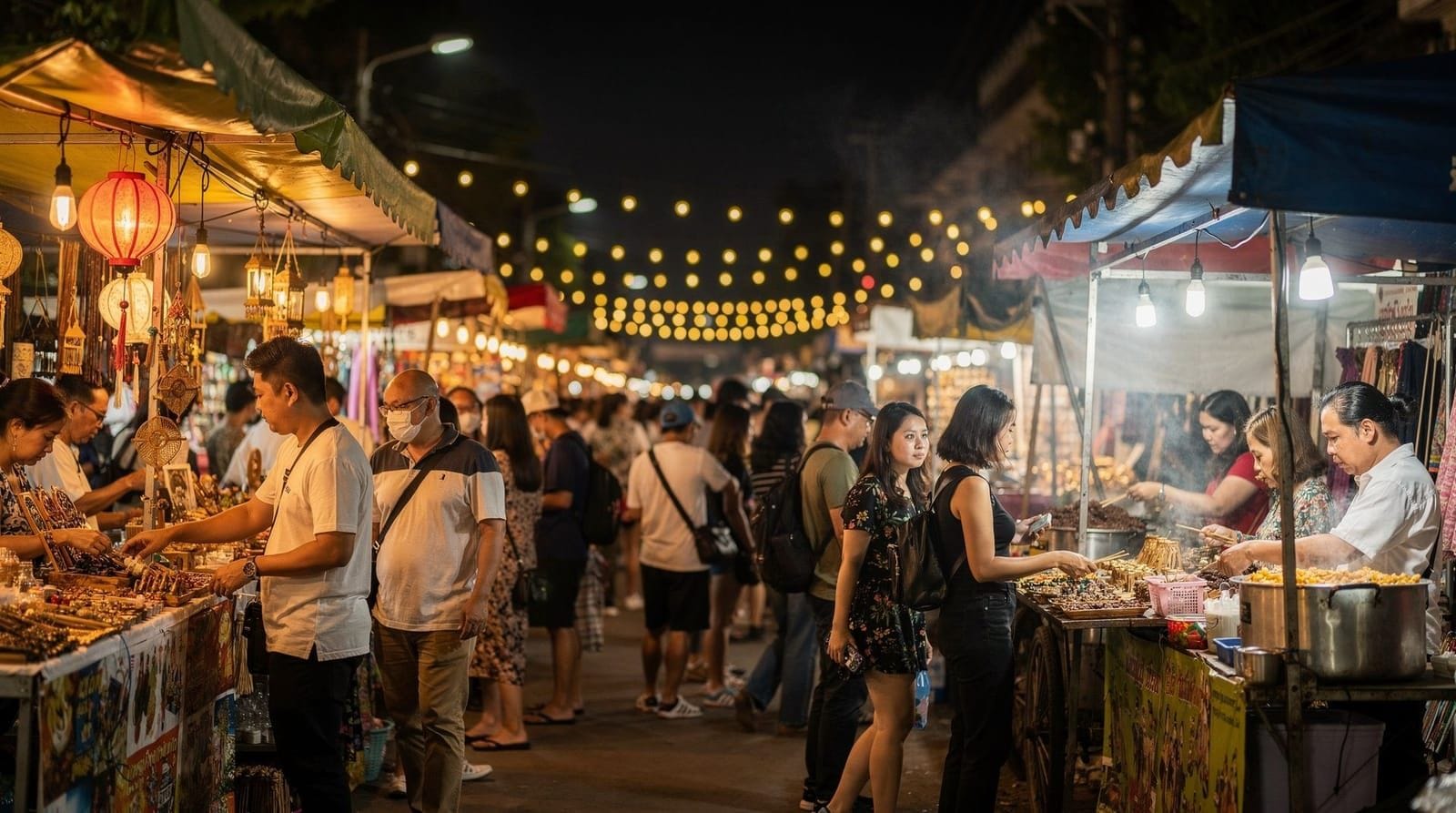
The Night Bazaar, running along Chang Klan Road most evenings, is Chiang Mai’s most internationally famous market by name recognition, largely because it’s been a fixture of guidebooks for decades. The honest assessment: the merchandise is now mostly generic (mass-produced clothing, phone cases, the same handful of souvenir templates repeated stall after stall), prices run noticeably higher than comparable goods at Warorot Market or the weekend walking streets, and the atmosphere, while lively, feels more like a tourist holding pen than a genuine slice of local commerce. It’s not a scam and it’s fine for an hour if you’re staying nearby, but it doesn’t deserve to anchor an entire evening the way older travel content sometimes suggests.
Underrated alternative: Warorot Market and the weekend walking streets
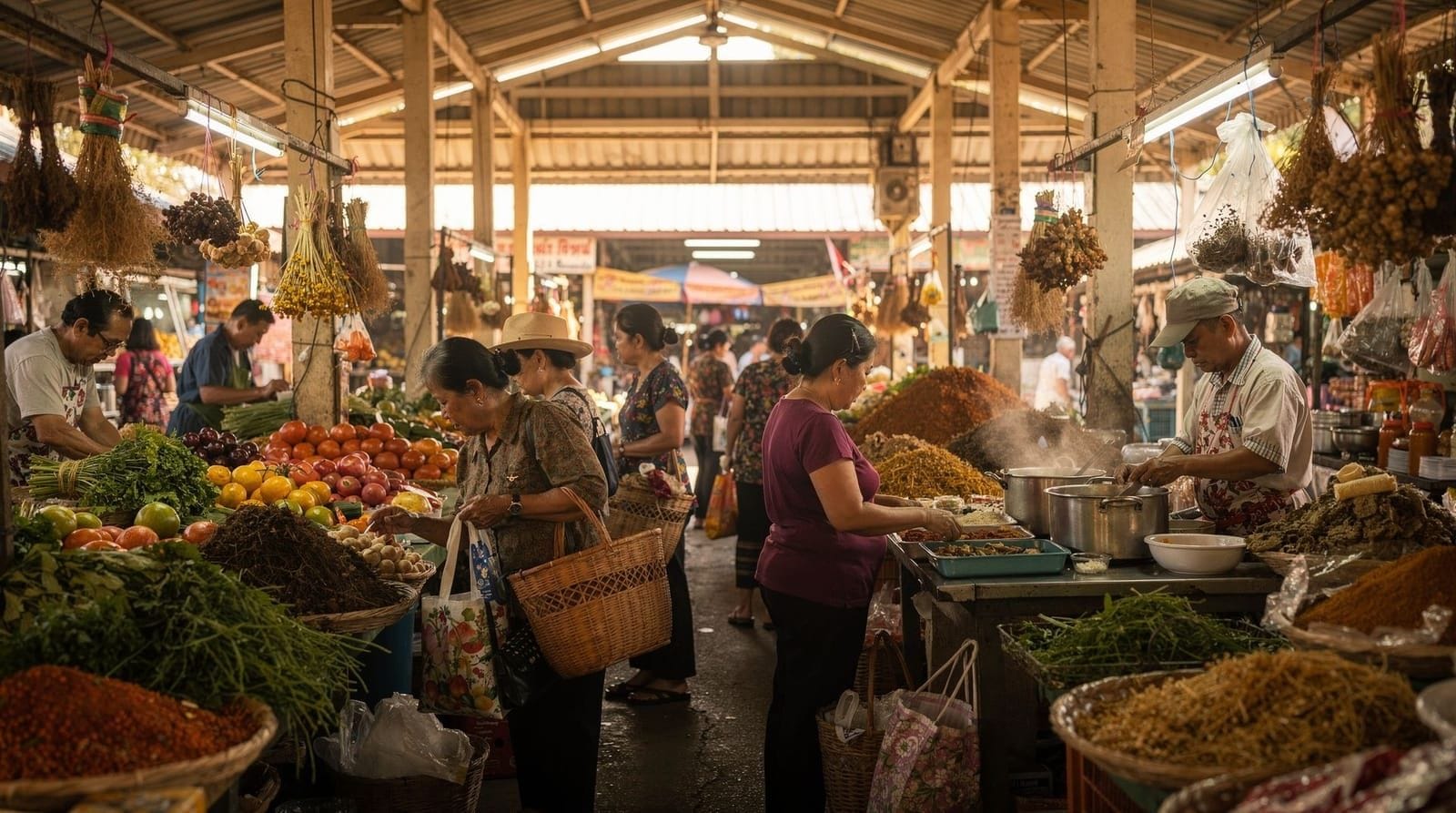
Warorot Market, the city’s main day market near the Ping River, is where Chiang Mai residents actually shop, and its prices, produce, and prepared food reflect that. It’s less polished than the Night Bazaar and more chaotic in the best sense: multiple floors of textiles, dried goods, fresh produce, and food stalls that serve locals first and tourists as an afterthought. The Sunday Walking Street and the smaller Saturday silver market on Wualai Road both deliver a genuinely festive night-market atmosphere with better prices and more distinctive, locally made goods than the Night Bazaar, though only on their respective single night each week. If your visit doesn’t line up with a Saturday or Sunday, Warorot during the day is still the stronger choice over the Night Bazaar in the evening.
Overhyped: commercial elephant riding camps
A cluster of camps around Chiang Mai still advertise elephant riding and circus-style shows, and they draw visitors on the strength of decades-old marketing rather than what the experience now delivers or what it costs the animals involved. Riding programs are widely documented as physically harmful to elephants over the long term, and the shows built around them (elephants painting, playing instruments, performing tricks) are the product of stressful training methods that reputable animal welfare organizations have flagged repeatedly. Setting the ethics aside for a moment, even purely as an experience, riding camps consistently rank below ethical sanctuaries in visitor satisfaction, since the animals in ethical programs behave more naturally and visitors get closer, more relaxed interactions during feeding and bathing than a scripted ride ever offers.
Underrated alternative: ethical sanctuary visits
An ethical elephant sanctuary program, centered on observing, feeding, and sometimes bathing elephants without riding, costs more than a riding camp ticket in most cases, but delivers what people actually came to Chiang Mai hoping an elephant encounter would feel like: calm animals, genuine proximity, and a program that doesn’t require looking away from how it’s produced. This isn’t really a hidden gem so much as a better-known but still underused alternative; despite years of documentation on why riding causes harm, riding camps still get a meaningful share of visitor bookings simply because they’re heavily marketed and cheaper.
Underrated: Wat Umong’s forest tunnels
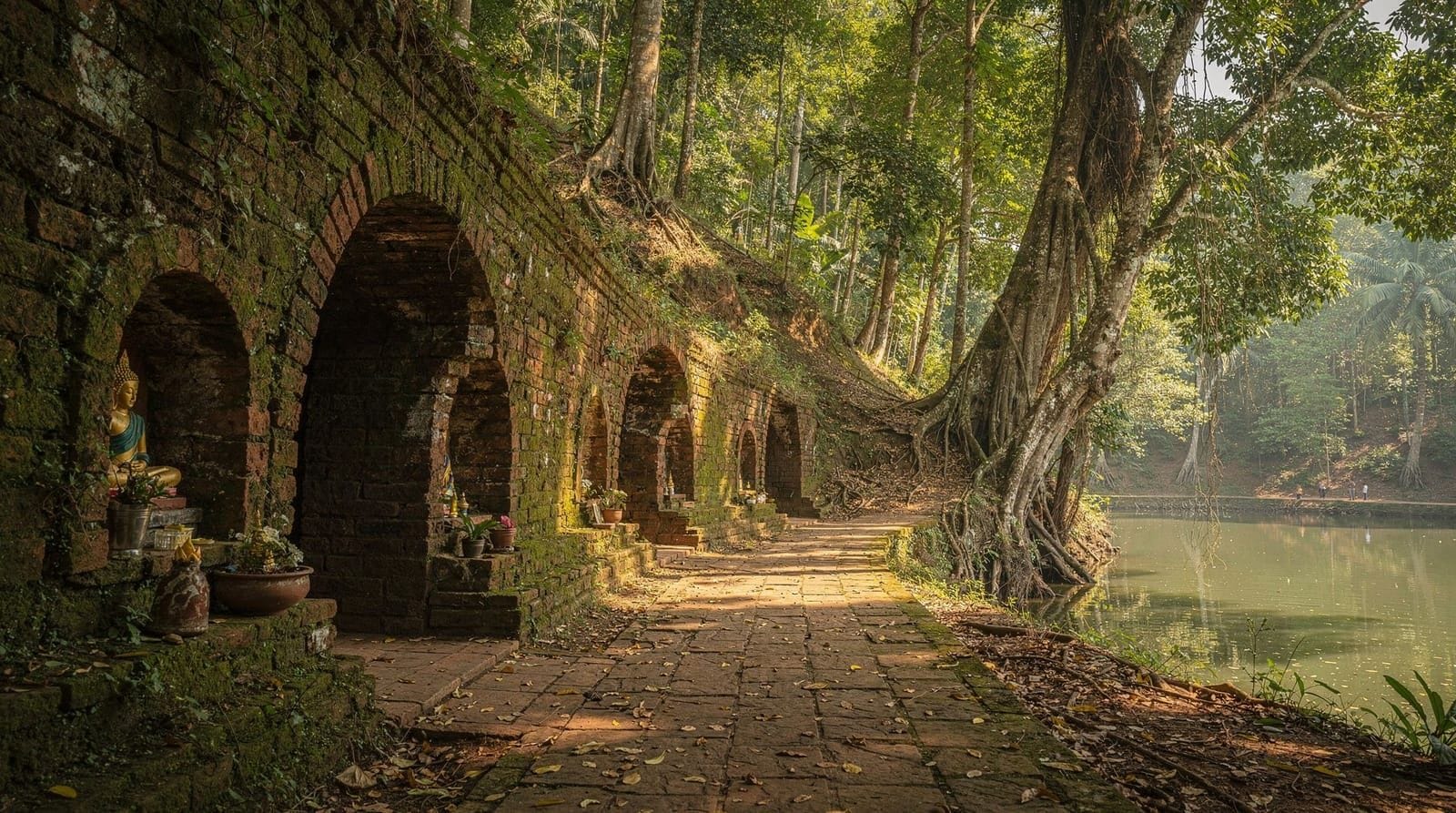
Wat Umong, at the base of Doi Suthep rather than the summit, is one of Chiang Mai’s most atmospheric temples and one of the least visited relative to its quality. Built around a series of 700-year-old brick meditation tunnels you can walk through, with Dharma-teaching placards hung through the surrounding forest and a small lake with fish and turtles, it offers a genuinely different, quieter register than the ornate, high-traffic temples inside the Old City. It rarely appears on quick highlight lists because it’s less photogenic in a single iconic shot than Doi Suthep or Wat Chedi Luang, but the experience of walking it is arguably more memorable. It also sits at the trailhead for the Monk’s Trail, a free forest hike up to Wat Pha Lat that even fewer visitors know about.
Underrated: Wiang Kum Kam’s ancient ruins
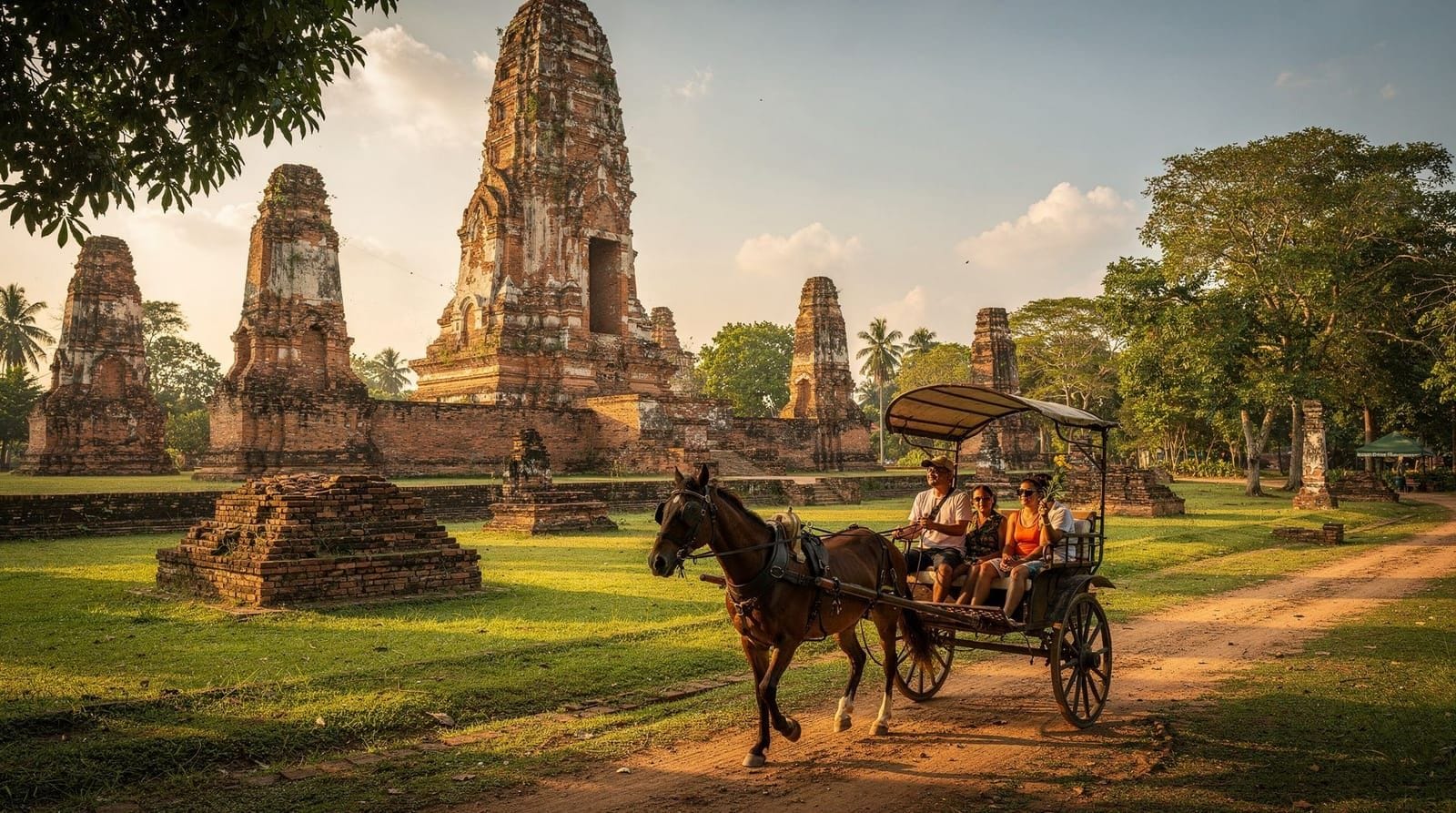
Wiang Kum Kam is, historically, a bigger deal than its visitor numbers suggest: it’s the actual former capital that predates the current Old City by a few decades, abandoned after repeated flooding and rediscovered under farmland in the 20th century. The site today is a scattering of brick temple ruins, some half-reclaimed by tree roots, spread across a quiet area a short drive south of downtown. It doesn’t have a single dramatic structure the way the White Temple or Doi Suthep do, which is likely why it’s absent from most quick highlight lists, but walking or cycling between the ruins at your own pace, with almost no crowd noise, is one of the more contemplative things to do in the wider Chiang Mai area.
Underrated: Mae Kampong village
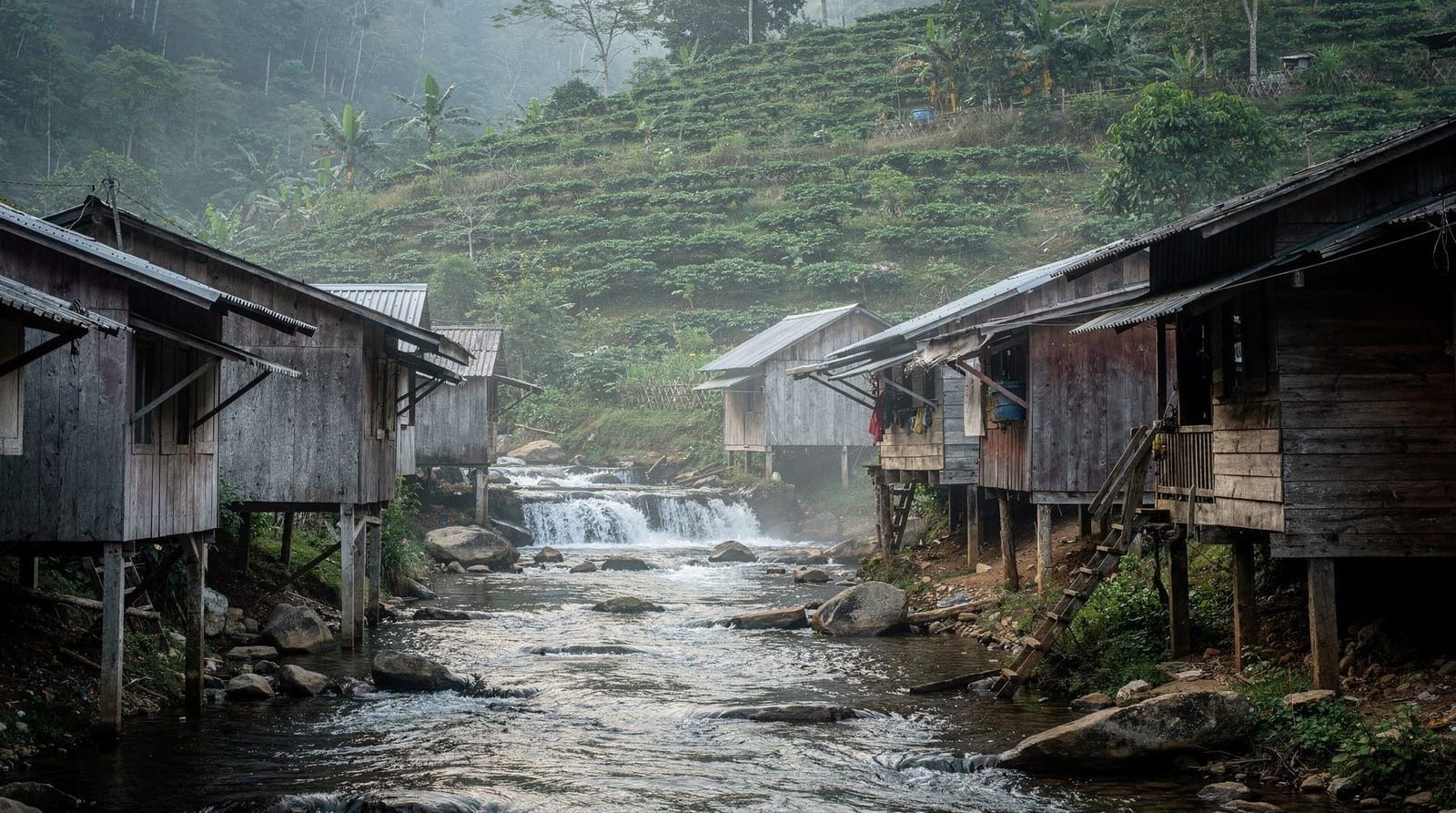
Mae Kampong, a small hillside village roughly an hour from the city known for its coffee cultivation, waterfall, and homestay tradition, has become slightly more known in the past few years but still sees a fraction of the crowds of the city’s headline day trips. It rewards a slower visit; an overnight homestay gives a genuinely different pace than anywhere in central Chiang Mai, with the village’s own micro-climate, morning mist, and small-scale coffee operations worth understanding properly rather than rushing through on a half-day tour.
Underrated: San Kamphaeng Hot Springs
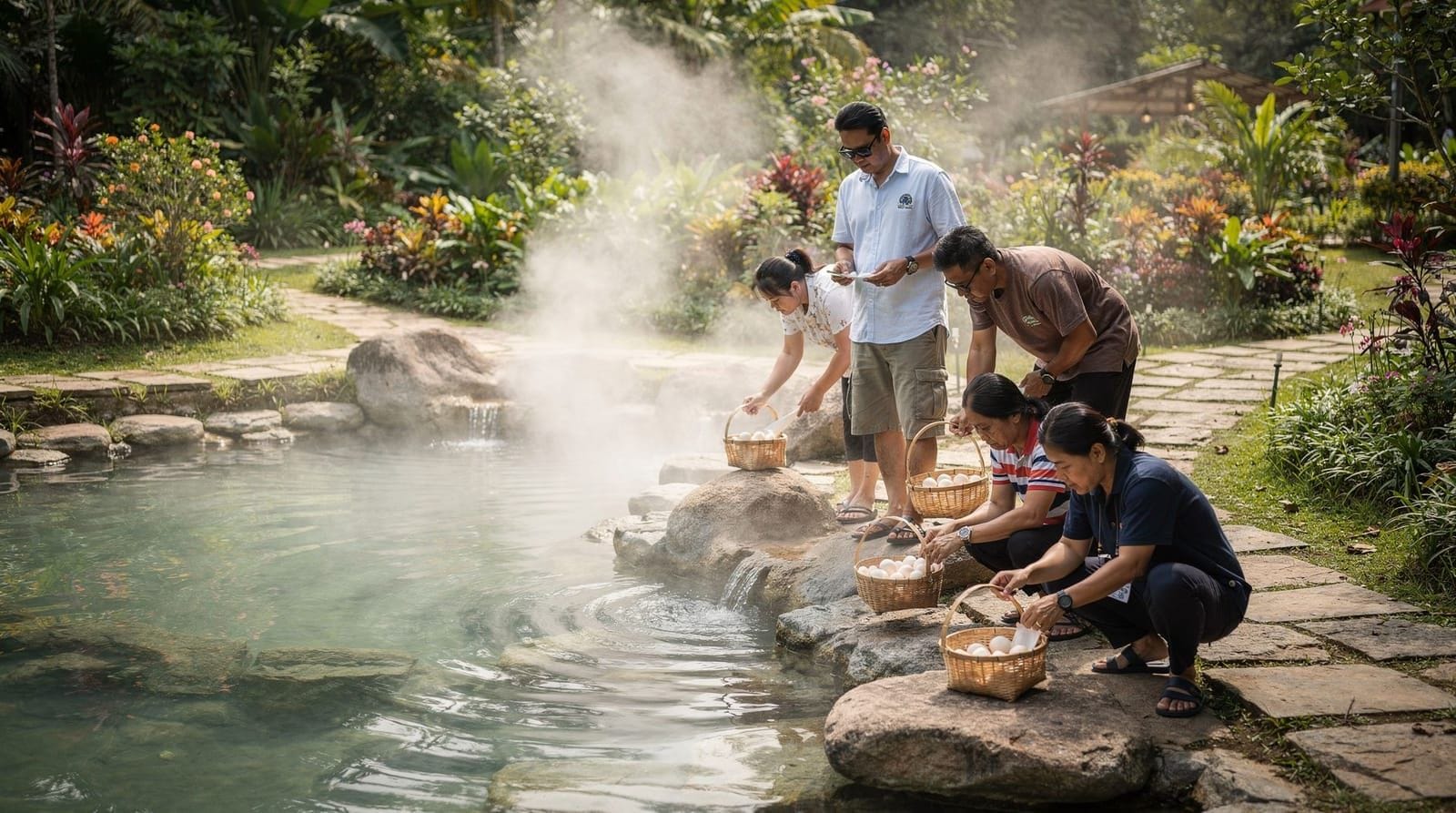
San Kamphaeng Hot Springs, roughly 40 minutes east of the city, is a public hot springs park with mineral pools, egg-boiling springs (a local novelty where you can boil eggs in the hottest pool), and simpler bathing facilities than a spa resort, at a fraction of spa pricing. It’s a legitimately relaxing half-day stop that most first-time visitors never hear about, largely because it competes for attention with more famous names on the same eastern road, like the Bo Sang umbrella village and the San Kamphaeng crafts road.
Underrated: Royal Park Rajapruek
Royal Park Rajapruek, built for a royal horticultural exposition, is a large, well-maintained botanical park on the edge of the city that draws surprisingly few foreign visitors relative to its scale and upkeep. Its formal gardens, greenhouse pavilions, and quiet walking paths make it a legitimately pleasant half-day out, particularly for travelers who’ve had their fill of temples and want a green, unhurried alternative without leaving the city proper.
Underrated: Chiang Dao over a rushed Pai trip
Pai has become the default answer to “where should I go from Chiang Mai for a few days,” and the honest truth is that its popularity has changed it: the town center is now dense with the same bars, smoothie stands, and print-your-own-t-shirt shops found in backpacker hubs across the region, and the three-to-four-hour minivan ride each way, on a notoriously winding mountain road, is a genuinely rough trip for anyone prone to motion sickness. Chiang Dao, roughly 90 minutes north of Chiang Mai, offers a comparable small-town-and-mountain-scenery experience, anchored by a dramatic limestone cave system and the visibly steep bulk of Doi Chiang Dao itself, without anywhere near the same crowd density or backpacker-strip atmosphere. It’s a fair trade for travelers who want mountain town scenery without the version of it that’s been most heavily marketed on social media.
Underrated: Lampang over a rushed Chiang Rai day trip
Most one-day trips north from Chiang Mai head to Chiang Rai for the White Temple, and the temple genuinely earns its fame, but the round trip is a demanding 6-7 hours of driving for a day that often ends up feeling rushed at the temple itself because of the travel time eating into it. Lampang, roughly an hour south of Chiang Mai, gets a fraction of the day-trip attention despite having some of the region’s best-preserved teak architecture, a historic horse-drawn carriage tradition still in everyday use downtown, and Wat Phra That Lampang Luang, one of the most architecturally significant Lanna-era temples in the north. It doesn’t have one single postcard-famous structure the way Chiang Rai does, which is likely why it’s underrated rather than unknown, but as a half-day trip it’s a far less exhausting way to see genuine northern Thai heritage architecture.
Overhyped, with a caveat: Doi Suthep on weekends
Doi Suthep itself isn’t overhyped; the temple and the views genuinely earn the attention. What’s overhyped is the assumption that any time is a good time to go. Weekend mornings and midday on any day see the summit at its most congested, with tour buses queuing and the inner terrace shoulder to shoulder. The same temple on a weekday morning, arriving before 9am, is a meaningfully different, calmer experience. If your schedule is flexible, treat Doi Suthep as a weekday-morning destination rather than a weekend one.
A balanced way to use this list
None of this means skip the famous sights entirely; Doi Suthep, the Old City’s main temples, and even a walk through the Night Bazaar for atmosphere all have their place. The point is calibration: know which famous names are worth the hype as-is, which ones are better done at a specific time to avoid the downside, and which quieter alternatives exist if a headline sight turns out to be more crowded or less interesting than expected on the day. For a broader breakdown of where Chiang Mai’s paid attractions specifically fall short of their marketing, see our Chiang Mai tourist traps guide, and for a wider honest take on whether the city’s overall reputation holds up, see is Chiang Mai overrated. If budget is part of what’s driving you toward the quieter alternatives on this list, most of them pair naturally with a low-cost day; see our best free things to do in Chiang Mai guide for where the two overlap.
Why “underrated” doesn’t mean forever
It’s worth being honest that a few of the spots on this list are only underrated for now. Mae Kampong and Chiang Dao, in particular, have both seen a steady rise in visitor numbers over the past several years as more travelers actively search for alternatives to Chiang Mai’s most crowded stops, and a handful of guesthouses and cafés have opened in both places specifically to serve that growing interest. None of them are anywhere near Pai-level saturation yet, but the gap is narrowing, and a spot recommended as a quiet alternative in one year’s travel content can be noticeably busier a few years later. If a slower, less-crowded pace is the entire point of visiting one of these places, going on a weekday rather than a weekend, and earlier in the season rather than during peak months, still makes a meaningful difference even as overall numbers rise.
How to build these into a trip
Most of the underrated spots on this list work best as a dedicated half-day rather than a rushed add-on to an already packed itinerary, since part of what makes them worthwhile is the lack of a schedule pressing on you. Wat Umong and the Monk’s Trail pair naturally into a single morning. Wiang Kum Kam works as a standalone half-day, ideally by rented bicycle once you’re on site. Mae Kampong rewards an overnight if your schedule allows one, though a day trip still beats skipping it. San Kamphaeng Hot Springs and Royal Park Rajapruek both slot into an afternoon that would otherwise be spent fighting crowds at a headline sight.
Chiang Dao and Lampang need a slightly different structure than the in-town spots, since both involve enough travel time that they’re best treated as a dedicated day rather than squeezed alongside something else. Chiang Dao rewards an overnight if you can manage one, since the cave and the mountain both look and feel different in the early morning light than at midday, but a determined day trip (leaving by 8am) still works if an overnight isn’t practical. Lampang is comfortably a day-trip distance for most travelers, with enough to see (the old teak architecture, Wat Phra That Lampang Luang, and a horse-carriage ride through downtown) to fill a relaxed day without needing to stay over. Neither destination requires the elaborate planning that a Chiang Rai or Golden Triangle day trip does, which is part of why they’re worth considering as a lower-effort alternative on a trip that already has a packed schedule elsewhere.
Frequently asked questions about underrated Chiang Mai spots
Is the Night Bazaar worth visiting?
It’s worth a short walk-through for the atmosphere, but not worth building an evening around, since the merchandise is largely generic and prices run higher than the weekend walking streets or Warorot Market for comparable goods. Most locals and long-term expats favor Warorot Market or the Sunday Walking Street instead.
What’s a quieter alternative to Doi Suthep?
Wat Umong, at the base of the mountain rather than the summit, gets a fraction of Doi Suthep’s foot traffic despite being just as atmospheric, with 700-year-old brick meditation tunnels and forest grounds. It won’t give you the panoramic valley view Doi Suthep offers, but it delivers a more contemplative, less crowded temple experience.
Is Wiang Kum Kam worth the trip?
Yes, and it’s one of the most overlooked sights in the entire area. It’s the actual ruined predecessor to Chiang Mai, founded before the current city, with brick temple ruins scattered across a quiet site a short drive south of downtown.
Why do people say Chiang Mai is overrated?
Usually because of specific pinch points rather than the city as a whole: Old City traffic and pollution during burning season, overcrowding at a handful of headline sights during peak months, and a commercialized tourist layer that doesn’t represent what’s genuinely good here.
Are elephant riding camps overhyped?
Yes, on both ethical and experiential grounds. Riding programs are widely documented as harmful to elephant welfare, and travelers who’ve done both consistently report that an observation-and-feeding ethical sanctuary program is the more genuinely moving experience.
Is Mae Kampong village touristy yet?
It’s more visited than five years ago but still far less crowded than the city’s headline sights. It’s a small hillside coffee-growing village with a waterfall, homestays, and a genuinely slower pace than anywhere in central Chiang Mai.
What overhyped attraction should I skip if I only have limited time?
If time is tight, skip a dedicated Night Bazaar evening and reallocate that time to the Sunday or Saturday walking street (if the timing lines up) or an extra hour in Nimman instead.