Ethical elephant sanctuary
How to choose a genuinely ethical elephant sanctuary near Chiang Mai — no riding, no bullhook, real rescue stories — and which red flags to avoid.
Chiang Mai: Small Group Ethical Elephant Sanctuary Tour
Duration: Half day
Quick facts
- Getting there
- Most sanctuaries include round-trip hotel transfer, 30-90 min depending on location
- Key experience
- No-riding observation and feeding visit with rescued elephants roaming freely
- Time needed
- Half day (4-5 hours) or full day
- Best time
- Year-round; book ahead in the November-February peak season
- Typical cost
- Half day roughly 1,200-1,800 THB pp, full day roughly 2,000-2,800 THB pp
Elephant tourism is, by a wide margin, the single most-searched and most ethically fraught activity in Chiang Mai. Every year, hundreds of operations in and around the city advertise “sanctuary,” “rescue,” and “ethical” in their names, and a genuinely troubling share of them still offer riding, bathing shows for large tour-bus groups, or circus-style performances behind that language. This page exists to do one specific job: explain what an actually ethical sanctuary visit looks like, what red flags to watch for, and which real, bookable programs in the Mae Rim valley and beyond match that standard, so you can make an informed choice rather than trusting a website’s self-description.
Quick answer: An ethical elephant sanctuary near Chiang Mai is one where you observe, walk alongside, and feed elephants that roam and behave naturally, with no riding, no bullhook (ankus) use, no forced tricks or performances, and a clear, verifiable rescue or retirement story for each animal. The best-known model for this approach is Elephant Nature Park, founded by Lek Chailert’s Save Elephant Foundation, though it is far from the only reputable option — several smaller sanctuaries in the Mae Rim and Mae Taeng valleys run comparable no-riding, observation-and-feeding programs. Expect a half or full day, group transfer included, and a program built around watching and feeding elephants rather than riding or bathing them in a crowd.
Why this matters: the history behind elephant tourism
Thailand’s captive elephant population is largely descended from animals once used in logging. When commercial logging was banned in 1989, thousands of working elephants and their mahouts (handlers) lost their livelihood essentially overnight, and much of the industry pivoted directly into tourism — riding camps, circus-style shows, and street begging in cities. Training an elephant to accept a rider, a saddle (or howdah), or a performance routine has historically relied on methods that cause real physical and psychological harm, including the use of a bullhook to direct and discipline the animal and a period of forced isolation and pain-based training known as “the crush” used to break a young elephant’s will.
The ethical sanctuary movement emerged specifically as a response to this: a model built around retirement and rehabilitation, where rescued or purchased elephants (often bought out of the riding/logging trade) are allowed to live with minimal human interference — no riding, no forced performance — while still generating tourism revenue that pays for their care and their mahouts’ wages. It’s a genuinely better model, but the label “sanctuary” has no legal protection in Thailand, which means any operator can use the word regardless of practice. That’s the core problem this guide is written to address.
The selection criteria: what to actually check
Before booking anything with “elephant” and “sanctuary” both in the name, check for these specific things, ideally in the listing description and, where possible, in recent visitor reviews:
- No riding, ever. Not “optional riding,” not “bareback riding is fine because there’s no saddle.” Genuine sanctuaries don’t offer riding in any form, because sitting on an elephant’s spine — an anatomy not built to bear weight from above — causes long-term physical damage regardless of whether a saddle is used.
- No bullhook (ankus) visible on staff or mahouts. This metal hook-and-spike tool, used to direct elephants through pain and fear, should not be part of a program that calls itself ethical.
- No forced tricks or performances. Painting, playing instruments, football, or “dancing” are trained through the same coercive methods used for riding and shows. A genuine sanctuary won’t ask elephants to perform.
- Limited, well-managed bathing. Mud-bath and river-bathing visits can be fine when they’re low-pressure and the elephant can walk away, but be wary of programs that funnel every visitor into a crowded bathing session as the headline activity — that’s often closer to a photo-op factory than genuine welfare-focused care.
- A real, specific rescue story per elephant. Reputable operations can tell you where a given elephant came from (a logging camp, a riding camp, a street-begging situation) and roughly how long they’ve been at the sanctuary. Vague or absent backstories are a warning sign.
- Small group sizes. A program moving 40-50 people through a single feeding session in a scrum is a different experience — and a different level of stress on the elephants — than a group of 8-12.
- Retirement and welfare focus, not breeding for tourism. Ask whether the operation actively breeds elephants for its tourism program; a genuine rescue-and-retirement model generally doesn’t.
What a genuinely ethical visit actually looks like
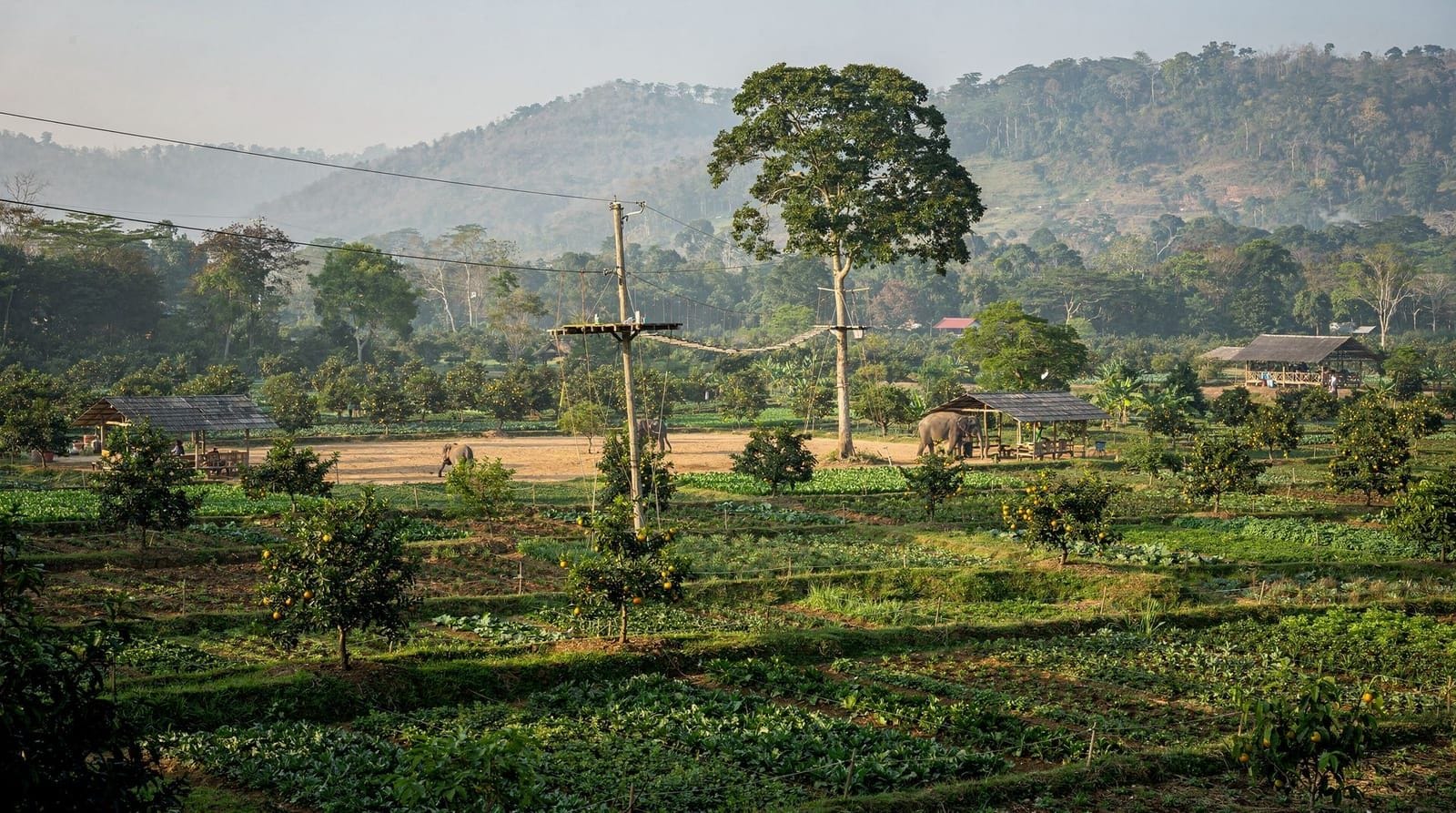
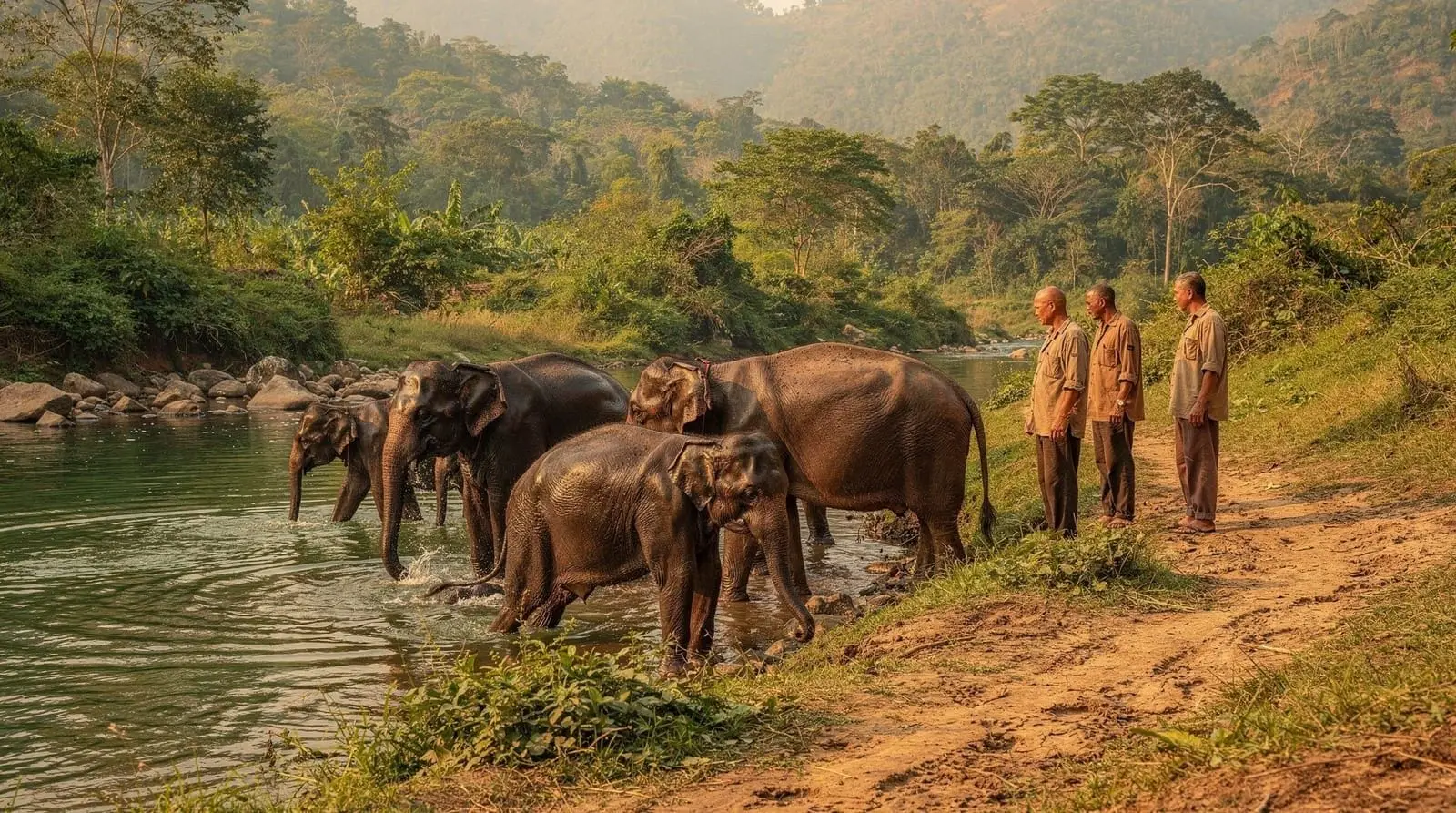
A well-run half or full-day program typically follows a similar shape: hotel pickup in the morning, a short orientation on the sanctuary’s rescue history and the specific elephants you’ll meet, a period of walking alongside the elephants in their enclosure or forest area while they forage naturally, a hand-feeding session (usually fruit, sugar cane, or grasses cut and prepared on site), and — for many programs — a supervised mud bath or shallow-river bathing session where the elephants can choose to participate or wander off. Lunch, often a simple Thai buffet, is usually included, and the day wraps with transfer back to your hotel.
What you won’t see at a genuinely ethical operation: a saddle or riding platform in storage anywhere on the property, a bullhook carried by staff, an elephant performing a trick on command, or a schedule that crams 40+ visitors into a single feeding session.
Book a small-group ethical elephant sanctuary tour if group size and a genuinely no-riding program are your top priorities. Similar feeding-and-observation-focused half-day formats are widely available from other reputable operators in the valley, so this specific booking isn’t the only option matching the criteria above.
Half-day vs. full-day programs
Half-day programs (typically 4-5 hours including transfer) generally cover orientation, feeding, and observation time, sometimes with a shorter bathing or river session. This is usually enough for a satisfying visit if elephants are one part of a fuller Chiang Mai day.
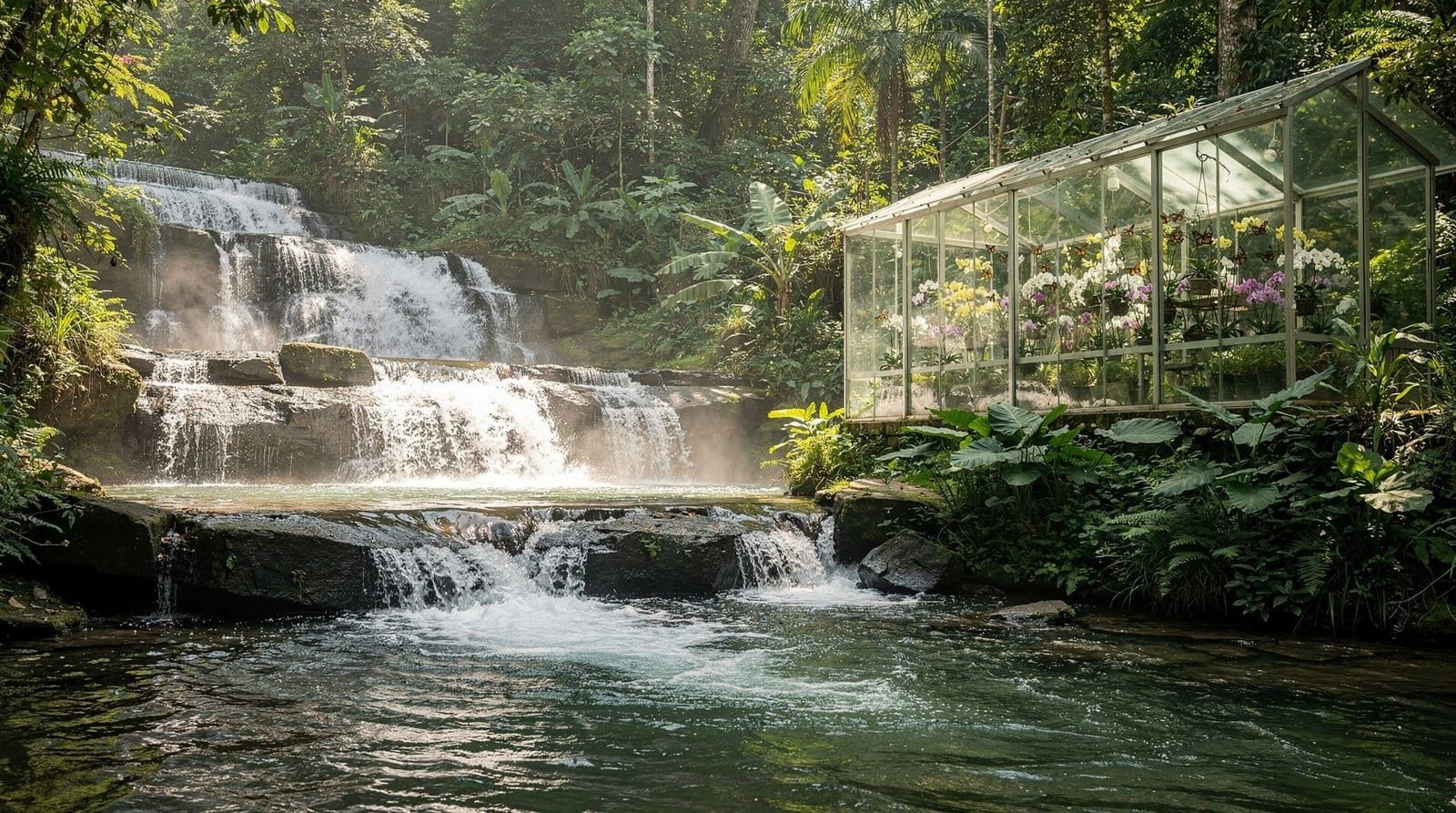
Look at the ethical half-day elephant sanctuary and waterfall combination if you’d like to pair the visit with a nearby waterfall stop in the Mae Sa valley.
Full-day programs add more unhurried time with the elephants, often a longer forest walk, a full lunch, and sometimes a second activity like a short hike or a village stop. If elephants are the priority activity of your Chiang Mai trip rather than one stop among several, the extra time is usually worth it.
Check the full-day Elephant Dream Project sanctuary tour for one full-day format, with a shorter half-day version of the same program available from the same operator if a full day doesn’t suit your schedule.
Some programs specifically emphasize the mahout relationship and long-term elephant care rather than tourist activity — worth considering if your interest leans toward learning how these animals are actually looked after day to day, rather than just spending time near them. A handful of operators run dedicated care-and-retirement-park formats built around exactly this angle.
Combining an ethical sanctuary visit with other activities
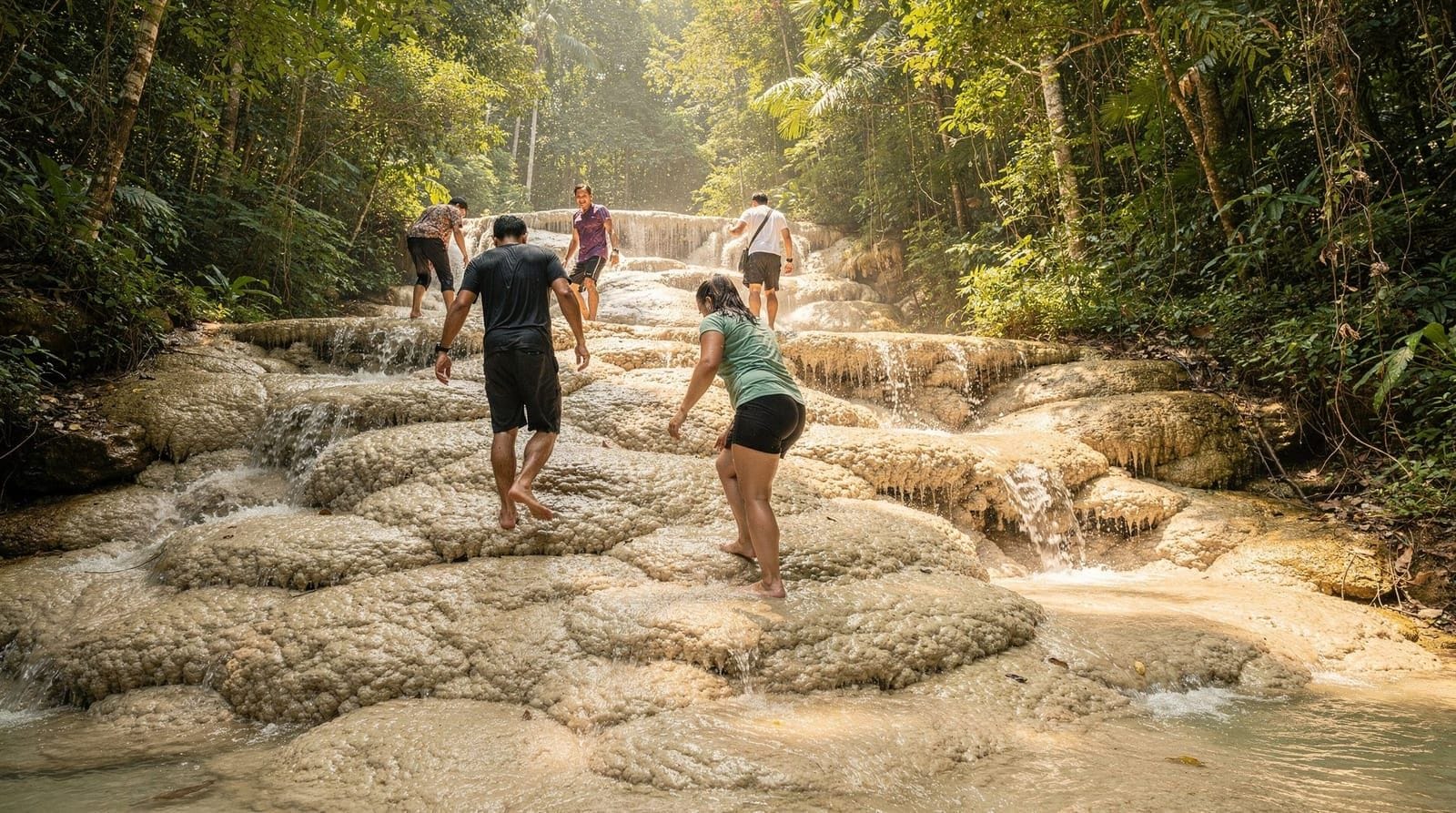
Because most sanctuaries sit within the wider Mae Rim valley, many operators bundle the elephant visit with a second stop nearby — most commonly the Sticky Waterfalls at Bua Thong, which are close enough for a combined day, or a cooking class back in the city. Others pair a sanctuary morning with an afternoon at Mae Sa waterfall or the quieter Queen Sirikit Botanic Garden, both a short drive from most sanctuary locations, or with the hilltop viewpoint at Mon Cham if you’d rather finish the day with a view than a second activity booking. Shorter formats focused specifically on feeding and a supervised shower session, without a full-day commitment, are also common if half a day is all you can spare.
If you’re also interested in hiking, a small number of operators combine a sanctuary visit with a soft trek near Doi Inthanon, giving you both the elephant program and a taste of the national park’s cooler-climate trails in a single day trip out of the city.
Check the Doi Inthanon, ethical elephant sanctuary and waterfall combination for that longer format.
Red flags to walk away from
The mahout relationship: why it still matters
Even at the most welfare-focused sanctuaries, elephants still live and work alongside human handlers, known as mahouts, and understanding that relationship is part of understanding what “ethical” actually means in this context. Many mahouts working at reputable sanctuaries today are the same people, or from the same families, who worked with these elephants during the logging era or in earlier riding-camp settings — the shift to a no-riding model changed the methods and the daily routine, not necessarily the people. A genuinely ethical operation pays mahouts fairly, trains new methods based on positive reinforcement rather than fear or pain, and treats the mahout-elephant bond as a lifelong pairing rather than a rotating, interchangeable staffing arrangement.
This matters for visitors because it’s a useful question to ask directly: how long has this mahout worked with this particular elephant, and what changed about their working relationship when the sanctuary moved away from riding or performance. Operations that can answer specifically and confidently tend to be the same ones that meet the other ethical criteria on this page; vague or evasive answers are, again, a signal worth taking seriously.
Questions worth asking before you book
Beyond checking a listing’s description, a short list of direct questions — either in advance via the booking platform’s message function or on arrival before the program starts — can clarify a lot quickly:
- Does any part of today’s program involve riding, in any form, including sitting on the neck or back?
- Is a bullhook or similar tool used by any staff member during the visit?
- Can you tell me where each elephant we’ll meet today came from, and roughly how long they’ve been here?
- Is bathing optional for the elephants, or are they required to participate in every visitor group’s session?
- Roughly how many visitors are in today’s group?
None of these questions are unreasonable or awkward to ask, and a genuinely ethical operation will typically answer them readily, often before you even ask, as part of the pre-visit orientation.
What about Elephant Nature Park?
Elephant Nature Park, run by the Save Elephant Foundation and founded by Lek Chailert, is the most widely known ethical model in the Chiang Mai area and is generally credited with popularizing the no-riding, observation-focused format that many other sanctuaries have since adopted. It’s a legitimate reference point for what a genuinely welfare-first program looks like — large open enclosures, no riding, no performance, and elephants that were specifically rescued from logging, riding, or street-begging situations. It is not the only reputable option, and its popularity means it can book out well in advance, especially in peak season, so if it’s specifically what you’re after, plan and book early. The programs listed on this page follow the same core standard — no riding, no bullhook, observation and feeding-focused — at smaller or less internationally known operations in the Mae Rim and Mae Taeng valleys.
Most visitors booking any of these programs stay in central Chiang Mai — commonly the old city or Nimmanhaemin — and treat the sanctuary visit as a day trip with hotel pickup, the same pattern used for most of the Mae Rim valley’s activities.
Frequently asked questions about ethical elephant sanctuaries
Is riding an elephant ever ethical?
No. Riding — with or without a saddle — puts sustained weight on an elephant’s spine, which isn’t built to bear it, and the training methods historically used to make an elephant accept a rider involve pain-based discipline. Any program still offering riding shouldn’t be considered ethical regardless of other claims.
How do I know if a “sanctuary” is genuinely ethical?
Check specifically for no riding in any form, no bullhook use, no forced tricks or performances, a real rescue story for each elephant, small group sizes, and a retirement or rescue focus rather than active breeding for tourism. The word “sanctuary” itself carries no legal meaning in Thailand.
Is bathing or showering elephants ethical?
It can be, in a limited, low-pressure format where the elephant can walk away and isn’t funneled into a crowded group session. Be wary of programs where mass bathing with dozens of tourists is the central, marketed activity.
How much does an ethical elephant sanctuary visit cost?
Roughly 1,200-1,800 THB per person for a half day and 2,000-2,800 THB for a full day, generally including hotel transfer and, for full-day programs, lunch.
Do I need to book in advance?
Yes, especially November to February, the peak tourist season, when the more established and well-reviewed sanctuaries can sell out days or weeks ahead.
Is Elephant Nature Park the only ethical option near Chiang Mai?
No. It’s the best-known model, but several other operations in the Mae Rim and Mae Taeng valleys run comparably ethical, no-riding, observation-and-feeding programs, often with more availability and shorter booking lead times.
Can children visit an ethical elephant sanctuary?
Yes, most programs are family-friendly, though check the specific operator’s age recommendations, as forest walking and river crossings involve some uneven terrain.
What should I wear to an elephant sanctuary visit?
Clothes you don’t mind getting wet and muddy, closed-toe sandals or water shoes with grip, and a change of clothes for the ride back if bathing is part of your program.
Why do genuinely ethical sanctuaries still employ mahouts?
Elephants at these sanctuaries still need daily care, health monitoring, and an experienced handler who knows each individual animal well — the ethical shift is in how that relationship works (no fear-based training, no riding or performance demands), not in removing human involvement altogether.
Is it rude to ask a sanctuary directly whether they use riding or a bullhook?
No — it’s a completely reasonable question, and a genuinely ethical operation will typically answer clearly and without hesitation, often addressing it unprompted during the visit’s introduction.
Are all “no-riding” sanctuaries automatically ethical?
Not necessarily. No-riding is the single most important criterion, but also check group size, whether bathing is optional, whether tricks or performances are requested, and whether staff can describe each elephant’s specific rescue background.
Top experiences
Bookable activities with verified prices and instant confirmation on GetYourGuide.

Chiang Mai: Small Group Ethical Elephant Sanctuary Tour
Chiang Mai: Ethical Half Day Elephant Sanctuary & Waterfall
Chiang Mai: Ethical Elephant Encounter Feeding Program
Chiang Mai: Elephant Dream Project Sanctuary - Half-Day
From Chiang Mai: Elephant Care Program and Nursery Tour