Wat Umong
Wat Umong is a 700-year-old forest temple below Doi Suthep, known for its brick meditation tunnels, talking trees and monk chat sessions.
Chiang Mai: Doi Suthep & Wat Umong Twilight Tour with Pickup
Quick facts
- Getting there
- Grab ~90-130 THB from Old City, songthaew ~40-50 THB, or a short ride from Nimman
- Key sight
- The brick meditation tunnels beneath the ancient chedi
- Time needed
- 1.5-2 hours to see the tunnels, chedi, lake and grounds unhurried
- Best time
- Early morning or late afternoon, when the forest canopy keeps the grounds cool and quiet
- Cost
- Free entry, donation encouraged; a small fee applies for the on-site tram in some seasons
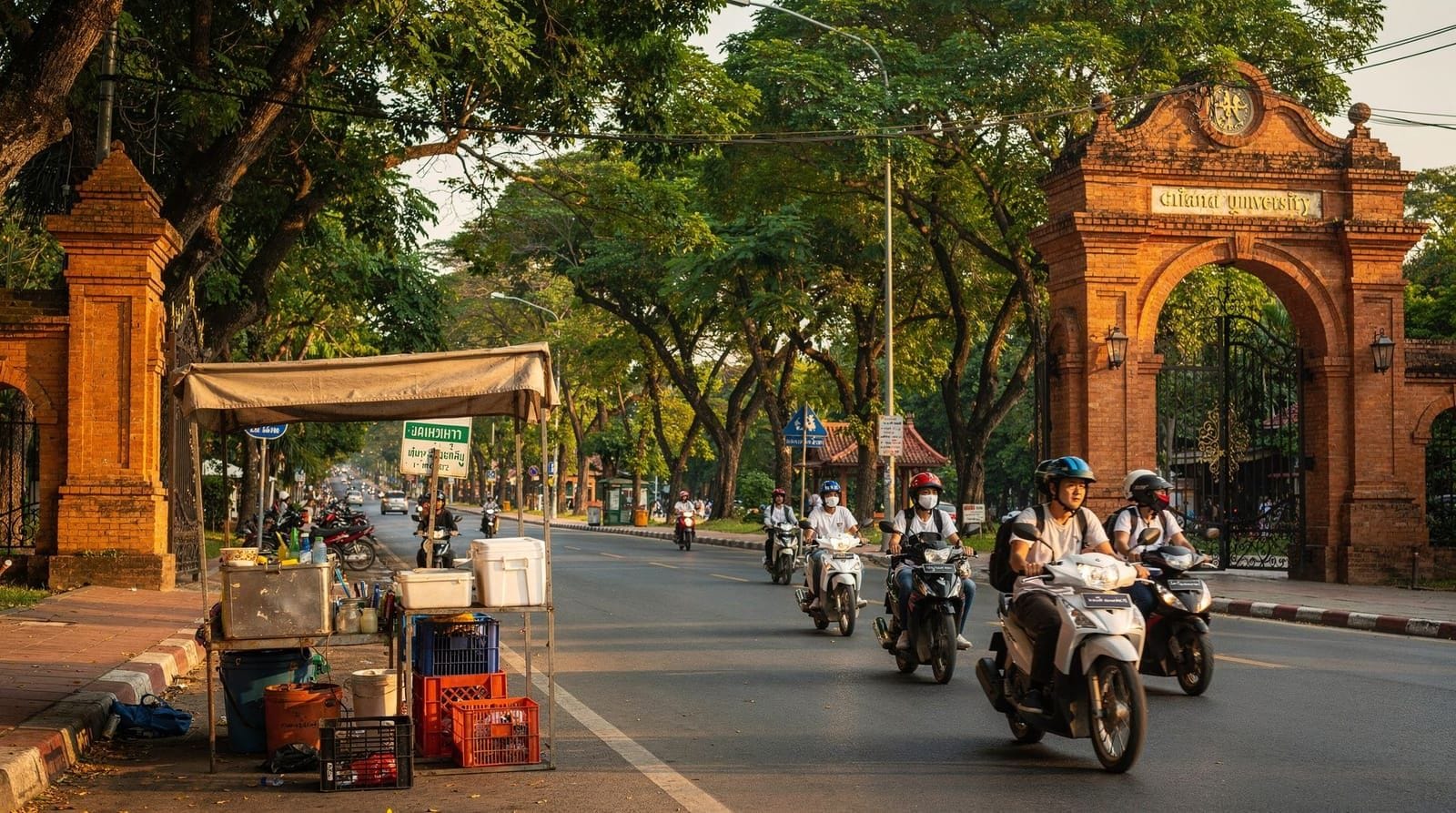
Wat Umong is a roughly 700-year-old forest temple tucked into the tree line below Doi Suthep, southwest of the university and Nimman areas, and it is the single quietest, most contemplative temple experience available in the Chiang Mai area. Rather than gold-leaf chedis and crowds of photo-takers, the defining feature here is a set of brick meditation tunnels burrowed into an artificial mound, built for monks to walk and meditate in shaded solitude — a genuinely different register from the busier temples inside the Old City moat.
Quick answer: Wat Umong sits southwest of Chiang Mai University, roughly a 15-20 minute Grab ride (90-130 THB) or songthaew (40-50 THB) from the Old City. The temple is free to enter, built around brick meditation tunnels beneath an ancient chedi, a small lake with fish and turtles, and hand-painted “talking tree” signs bearing Buddhist proverbs. Plan 1.5-2 hours, and go in the early morning or late afternoon when the forest canopy keeps the grounds shaded and genuinely calm.
The meditation tunnels and ancient chedi
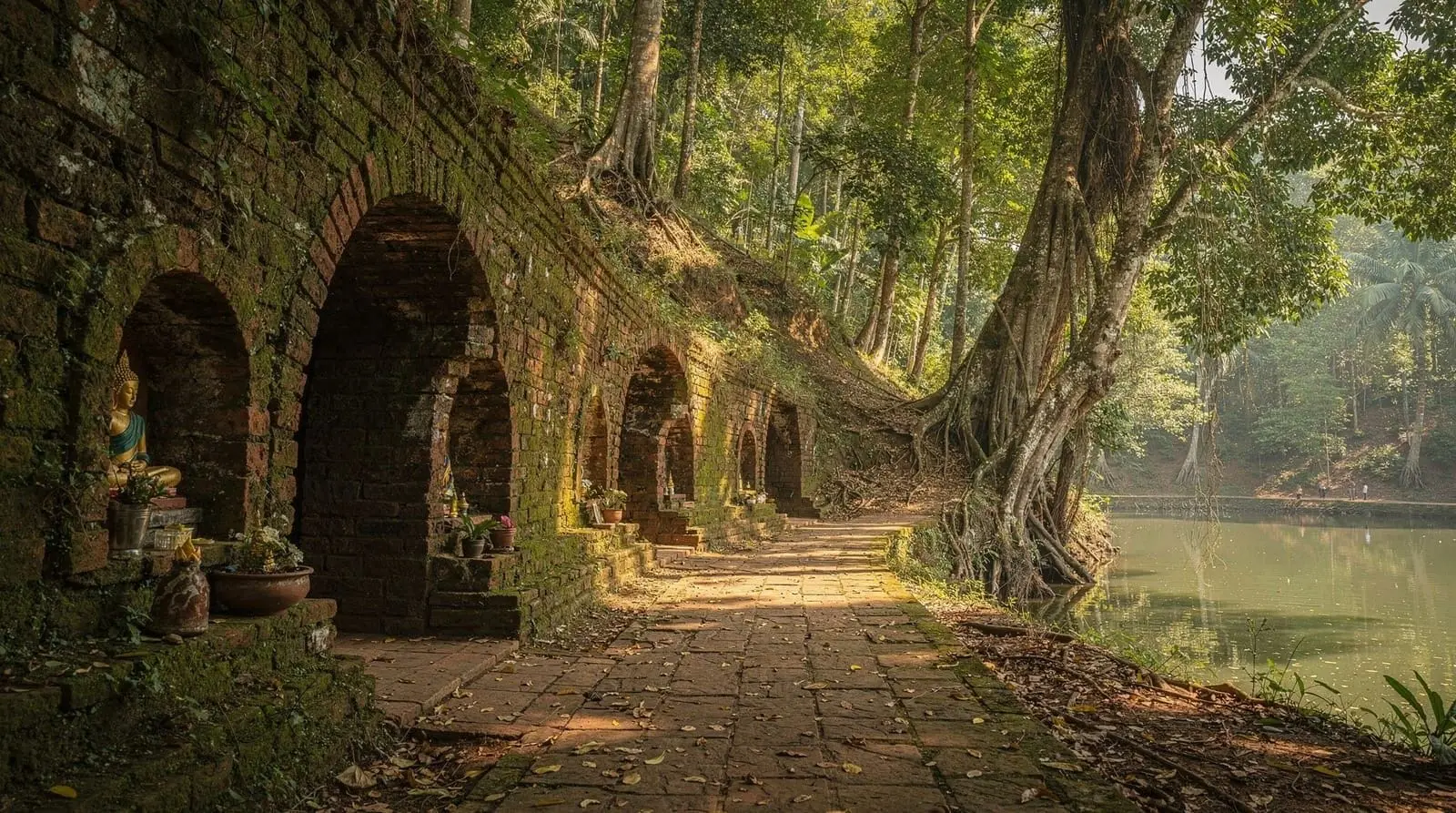
The tunnels are the reason most visitors come. Built into a low, grass-covered mound, they form a maze of dim brick corridors lit by small alcoves, some containing seated Buddha images, that monks historically used for walking meditation shielded from the tropical heat. Visitors can walk the tunnels themselves — bring a phone flashlight for the darker stretches — and they open out at several points onto the mound’s grassy top, where a weathered, partially overgrown chedi rises above the trees. The chedi’s age and the moss and roots working their way across its brickwork give it a very different visual character from the pristine, actively maintained chedis inside Old City’s walls, closer in feeling to a ruin being reclaimed by forest than a polished monument.
The lake, talking trees and grounds
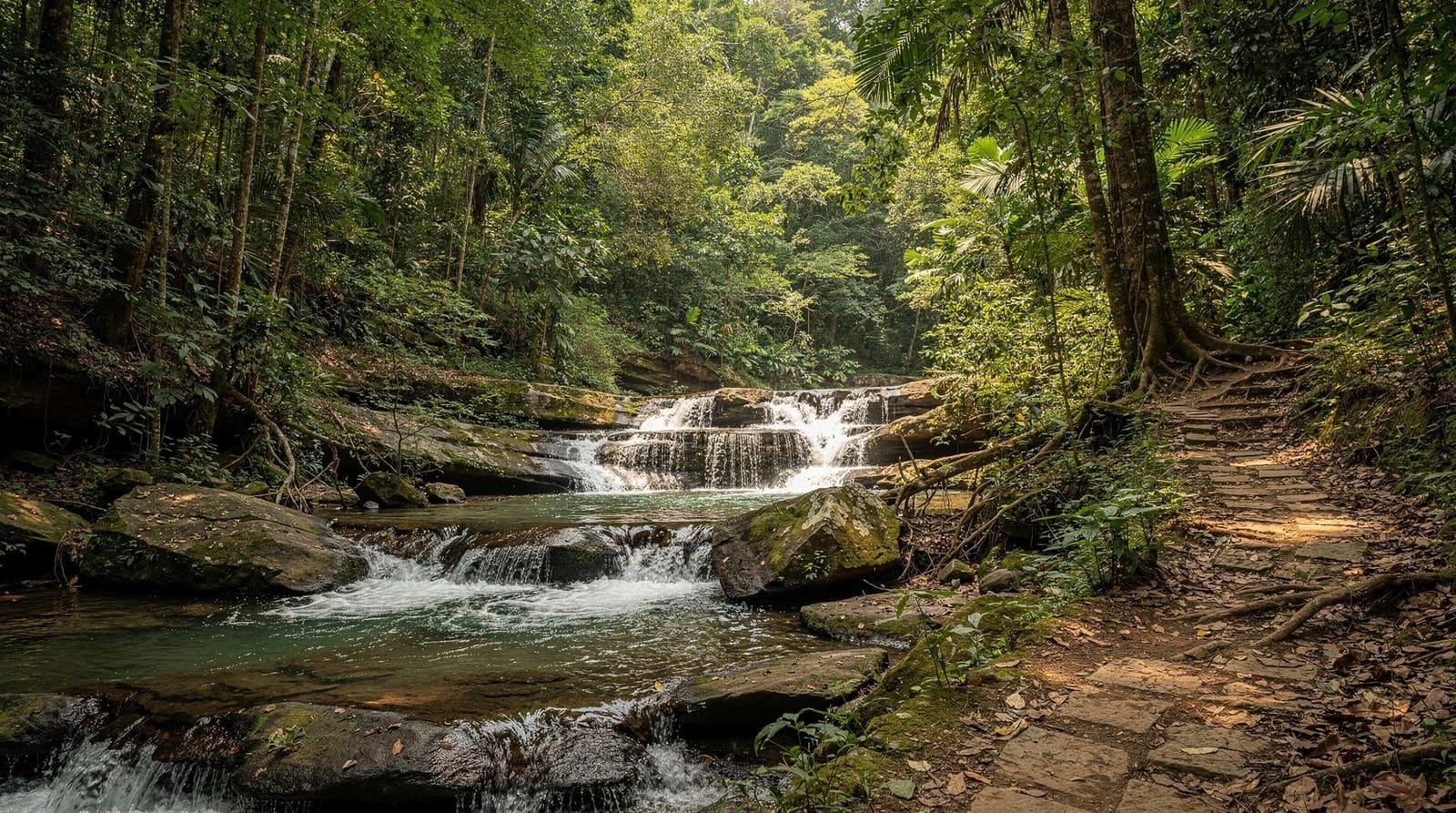
Beyond the tunnel mound, Wat Umong’s wider grounds are genuinely worth the walking time. A small lake near the temple entrance is home to fish and turtles that visitors can feed (small bags of food are typically available near the water), and the surrounding forest canopy keeps the whole site noticeably cooler than the open-air temples in the city centre — a real, physical difference on a hot afternoon, not just an atmospheric one.
Scattered through the grounds are the “talking trees”: hand-painted wooden signs hung from tree trunks and branches bearing short Buddhist proverbs and reflections, in Thai and English, meant to prompt quiet contemplation as visitors walk between them. It is an unusual, low-key form of teaching that you will not find replicated at Chiang Mai’s other major temples, and it fits the wider ethos of the place — Wat Umong is set up for slow walking and reflection rather than a quick photo circuit.
Monk chat
Wat Umong hosts monk chat sessions, informal conversations where visitors can sit and talk with resident monks about Buddhism, meditation or simply daily life at the temple, typically as part of the monks’ own English-practice routine. Schedules and availability shift, so treat this as a possibility to ask about on arrival rather than something to plan a whole visit around — but if the timing lines up, it is one of the more genuine, low-pressure ways to have an actual conversation with a monk in Chiang Mai, distinct from the more transactional blessing ceremonies offered at some busier temples.
A brief history of Wat Umong
Wat Umong’s founding is generally dated to the late 13th century, during the reign of King Mangrai, the same king credited with founding Chiang Mai itself and commemorated at the Three Kings Monument in the Old City. Local tradition holds that the tunnels were built at the king’s request for a particular monk who was known to wander off into the forest during meditation; the tunnels, the story goes, were meant to give him a contained, safe space to walk while still meditating in a forest-like setting. Whether or not every detail of that story is historically precise, it captures something true about the temple’s purpose from the start — a forest retreat built specifically for meditation practice, distinct from the more ceremonial, civic role played by temples inside the city walls.
Like much of Chiang Mai’s older religious architecture, Wat Umong went through periods of neglect and restoration over the centuries, particularly after the city’s population and religious life contracted during periods of regional conflict. The temple’s current, actively used state — including its role hosting international meditation retreats and monk chat programmes for foreign visitors — reflects a 20th-century revival of the site’s original forest-meditation purpose, adapted for a modern, international audience of visitors and practitioners.
Etiquette and what to wear
As an active, functioning temple, Wat Umong follows the same basic etiquette expected at any Chiang Mai temple: shoulders and knees covered, shoes removed before entering any structure requiring it, and a generally quiet, respectful volume throughout the grounds — a norm that feels particularly appropriate here given the site’s meditative purpose. Photography is generally welcome throughout the outdoor grounds and tunnels, though it is worth being unobtrusive around anyone visibly meditating or in prayer, and avoiding flash photography of Buddha images out of basic respect.
Because the grounds double as an active meditation and retreat centre, visitors may encounter monks or lay practitioners in silent walking meditation around the lake or tunnel mound. Giving them space and keeping conversation to a low volume in those areas is the expected courtesy, distinct from the more casually social atmosphere at some of the busier temples inside the Old City walls.
Getting there and getting around
Wat Umong sits southwest of the university area, close enough to CMU and Nimman to combine easily with either. From the Old City, a Grab typically costs 90-130 THB and takes 15-20 minutes depending on traffic; a songthaew runs roughly 40-50 THB if you can find one heading in that direction, though Grab is the more reliable option for a specific destination like this. From Nimman itself, the ride is shorter and cheaper, often under 60 THB by Grab.
Once inside, the grounds are flat and shaded, entirely walkable, though the tunnel interiors have uneven brick flooring and low points in places — worth knowing if mobility is a concern. Entry itself is free, with donation boxes throughout the grounds; some tour operators bundle a small transport or tram fee into twilight and evening visits that combine Wat Umong with Doi Suthep further up the mountain.
Meditation retreats and longer visits
Beyond a single afternoon visit, Wat Umong is also known as a base for short meditation retreats and courses aimed at both Thai and international visitors, generally run through the temple’s affiliated study centre rather than as a walk-in offering. These are a different commitment from a casual temple visit — usually structured over one or several days, with a schedule of sitting and walking meditation, basic accommodation and simple vegetarian meals — and they suit visitors with a genuine interest in Buddhist meditation practice rather than tourists looking for a quick spiritual photo opportunity.
For most visitors, a single afternoon or morning visit remains the right scale — the tunnels, chedi, lake and talking trees are easily covered in under two hours, and the retreat programme is a separate, more involved undertaking best researched directly with the temple rather than assumed to be available on arrival.
Practical tips for visiting
A few details help a Wat Umong visit go smoothly. Bring a small amount of cash for donation boxes and any food you might want to buy for the lake’s fish and turtles, since this is not an area with card payment options. Comfortable, easily removable shoes are worth wearing given the temple etiquette of removing footwear before certain structures, and the tunnels’ uneven brick flooring rewards sturdy, closed shoes over sandals. Water is worth carrying, particularly in the hotter months, since shaded as the grounds are, walking the full site still adds up to a reasonable amount of time outdoors.
Mobile signal is generally reliable given the temple’s popularity with visitors, though the tunnel interiors themselves will likely lose signal briefly given the surrounding brick and earth — one more reason to bring an actual flashlight or use your phone’s light function before entering rather than relying on it for navigation apps at the same time. Insect repellent is worth applying before entering the more forested sections near the lake, particularly around dusk, given the amount of standing water and tree cover on site. A refillable water bottle rather than single-use plastic is a small, appropriate courtesy at a site whose whole ethos leans toward mindfulness and low-impact visiting.
Nearby and easy to combine
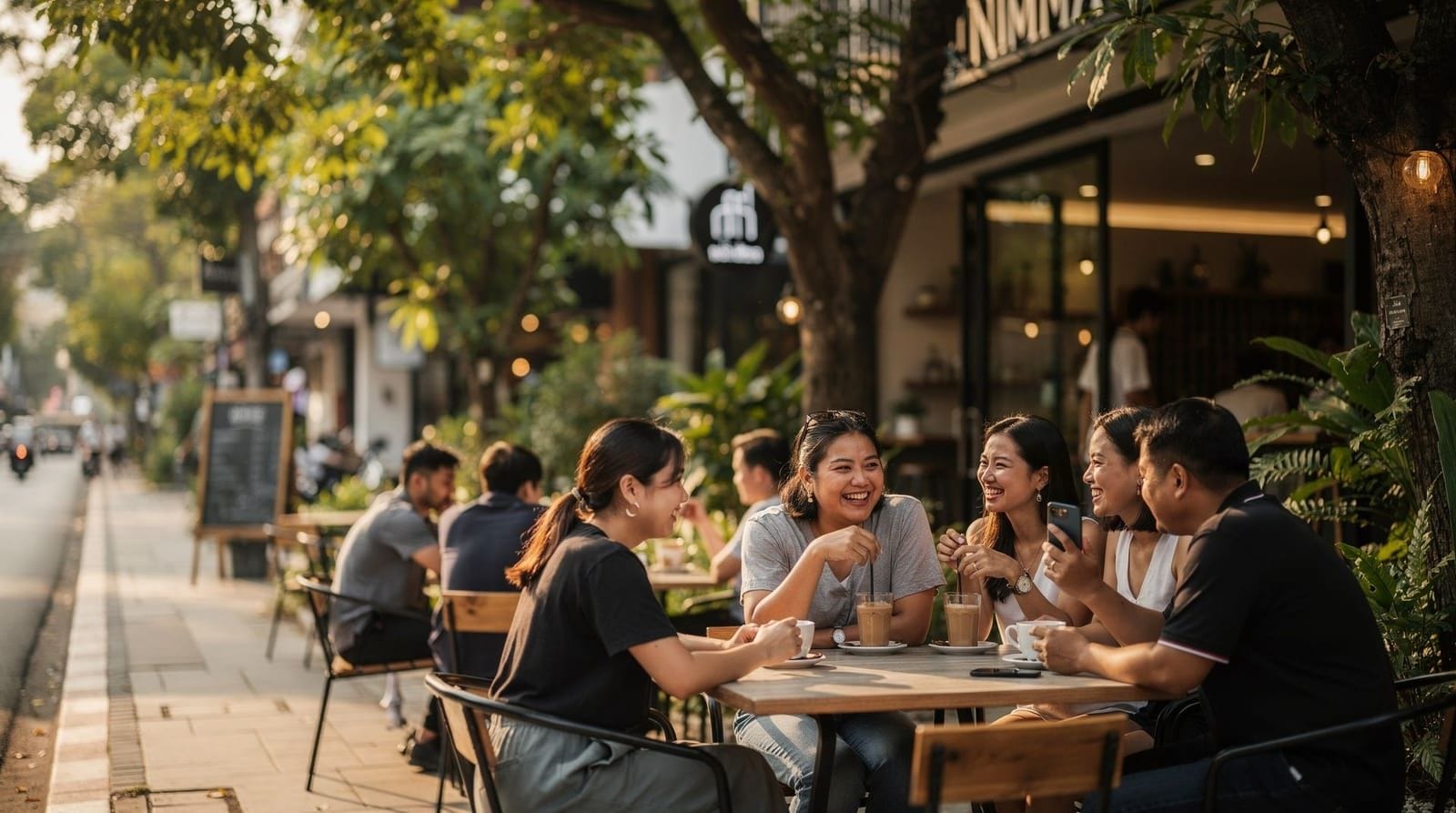
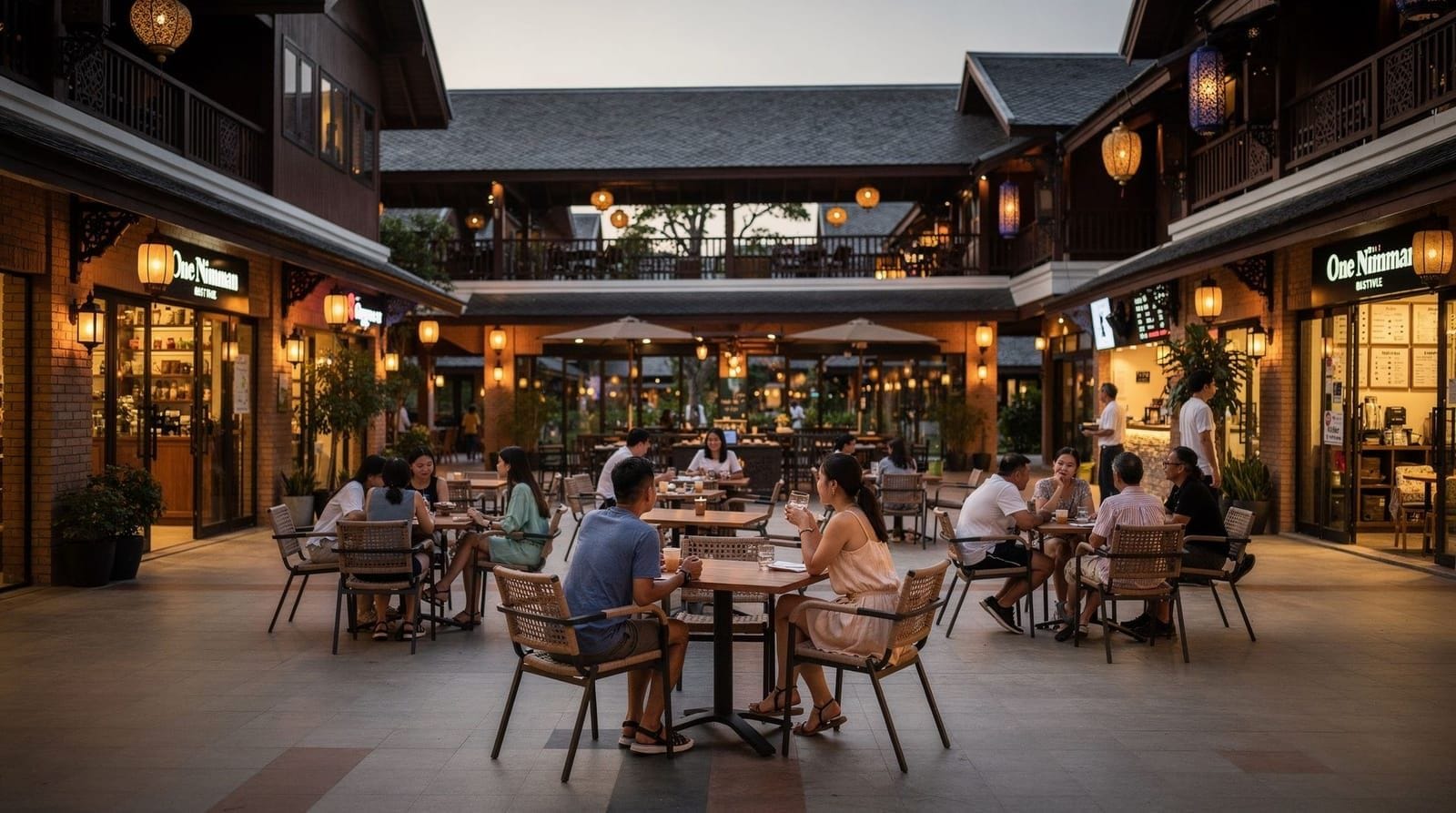
Wat Umong pairs naturally with a wider afternoon in the university area — CMU and Ang Kaew reservoir sit a short ride northeast, and Nimman’s cafés make a sensible finish to the day once the temple grounds close. Many visitors also combine Wat Umong with an evening trip up to Doi Suthep, since several bookable tours run both sites together, taking advantage of the temple’s atmospheric evening lighting.
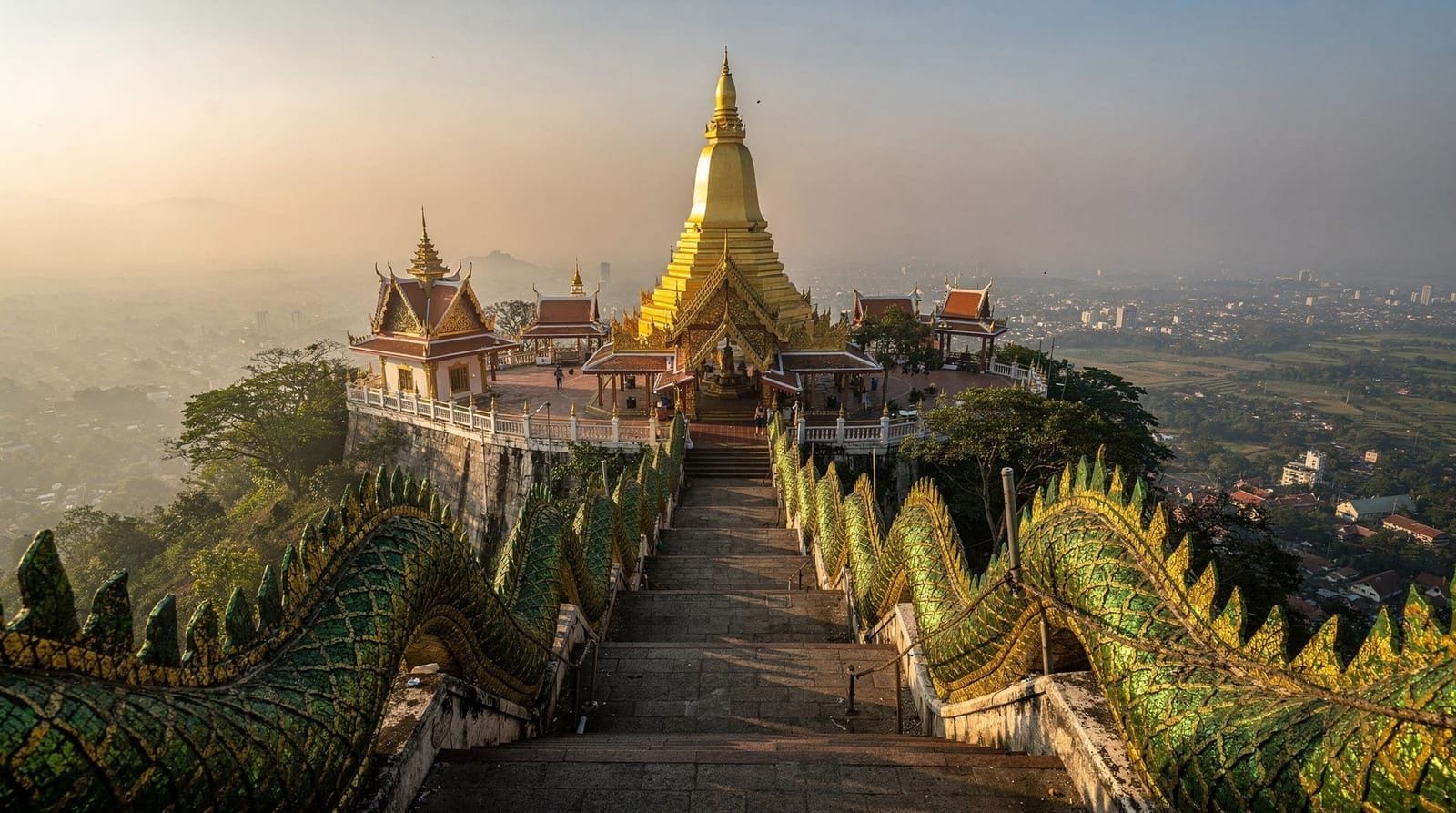
For exactly that pairing, a Doi Suthep and Wat Umong twilight tour combines both temples into a single evening outing with transport handled, which removes the Grab-booking hassle of doing the two sites back to back independently. An early sunrise version covers the same two temples plus the Wat Pha Lat monk’s trail before the day’s heat sets in, for visitors who prefer mornings to evenings.
For visitors weighing whether to do Wat Umong independently or as part of a booked tour, the calculation mostly comes down to transport logistics rather than the site itself: getting to Wat Umong alone by Grab is straightforward, but combining it with Doi Suthep in the same outing means either arranging two separate Grab rides with waiting time, or negotiating a return fare with one driver — both more hassle than a single bundled tour with transport included. If Wat Umong is the only stop on your agenda for the day, independent Grab travel is simpler and cheaper; if you are pairing it with Doi Suthep in one evening, a bundled tour often works out more convenient.
A combined sunset-point tour covering Wat Pha Lat, Doi Suthep and Wat Umong is a further option worth comparing for visitors who want all three of the area’s most atmospheric evening stops handled in a single booking, rather than piecing together the same route independently across an evening.
Frequently asked questions about Wat Umong
What are the Wat Umong tunnels?
They are brick corridors built into an artificial mound, historically used by monks for shaded walking meditation. Visitors can walk through them today, and they open onto a grassy mound top with an ancient, partially overgrown chedi.
Is Wat Umong free to visit?
Yes, entry is free with donation boxes around the grounds. Some bundled tours that combine Wat Umong with Doi Suthep may include a small transport fee as part of the tour price rather than a temple entry charge.
What are the “talking trees” at Wat Umong?
They are hand-painted wooden signs hung throughout the temple grounds bearing short Buddhist proverbs and reflections, in Thai and English, intended to prompt quiet contemplation as visitors walk between them.
Can I talk to a monk at Wat Umong?
Yes, Wat Umong hosts monk chat sessions where visitors can sit and talk with resident monks, though availability depends on the monks’ own schedule. Ask on arrival rather than assuming a set time.
How long should I spend at Wat Umong?
1.5 to 2 hours covers the tunnels, chedi, lake and grounds at an unhurried pace, which is the pace this particular temple rewards.
How do I get to Wat Umong from the Old City?
A Grab typically costs 90-130 THB and takes 15-20 minutes; a songthaew runs roughly 40-50 THB. From Nimman, the ride is shorter and often under 60 THB by Grab.
Is Wat Umong suitable for a quiet, less touristy temple visit?
Yes — it is one of the least crowded major temples in the Chiang Mai area, largely because of its forest setting and off-the-main-circuit location southwest of the university, which keeps tour-bus numbers noticeably lower than at Old City temples.
Can Wat Umong be combined with Doi Suthep in one trip?
Yes, this is one of the most common pairings — several tours combine the two, running evening, twilight or sunrise versions that visit both temples with transport included.
Does Wat Umong offer meditation retreats?
Yes, Wat Umong’s affiliated study centre runs structured meditation retreats and courses for both Thai and international visitors, typically over one or more days with scheduled sitting and walking meditation. This is separate from a casual afternoon visit and is best arranged directly with the temple in advance.
Is Wat Umong safe and comfortable to visit for solo travellers?
Yes — the grounds are open, well used by both local and international visitors, and generally quiet and safe throughout daylight hours. Its meditative, unhurried atmosphere makes it a genuinely comfortable temple to explore alone, more so than some of the busier, tour-bus-heavy stops inside Old City.
Top experiences
Bookable activities with verified prices and instant confirmation on GetYourGuide.