Is Chiang Mai overrated? A candid take
Is Chiang Mai actually overrated?
Mostly no, but a few specific parts of its reputation are inflated. The temple circuit, food scene, and genuine ethical elephant sanctuaries deliver real value roughly matching the hype. What's overhyped: the assumption that it's always calm and uncrowded (Doi Suthep and the Old City get genuinely packed in peak season), that burning season doesn't affect visitors (it does, sometimes significantly), and that it's automatically cheaper than Southeast Asia's other digital-nomad hubs, which is no longer as clearly true as it was a decade ago.
Chiang Mai’s reputation, built over roughly two decades of travel blogs, digital nomad forums, and glossy magazine features, describes a place that’s calm, cheap, culturally rich, and somehow still under the radar. Some of that holds up. Some of it describes a city that existed more accurately ten or fifteen years ago than it does today. This guide is an attempt at a genuinely candid answer to whether Chiang Mai is overrated, broken into the specific claims that make up its reputation rather than one blanket verdict.
The short version: no, Chiang Mai isn’t overrated in the sense of being a letdown, most visitors have a genuinely good time and the temples, food, and ethical wildlife tourism options are real. But several specific pieces of its popular image, the “peaceful alternative to Bangkok” framing especially, are meaningfully out of date.
How the reputation was built
Chiang Mai’s current image traces back to a specific era: the backpacker “banana pancake trail” of the 1990s and 2000s, when Lonely Planet and word-of-mouth travel culture positioned it as Thailand’s laid-back, spiritual, mountain-town counterpart to Bangkok’s chaos. That reputation solidified further in the 2010s as digital nomad culture, boosted by a handful of influential blogs and books explicitly branding Chiang Mai as a low-cost remote-work base, brought a new wave of longer-term visitors who reinforced the same “cheap, calm, easy” narrative to their own audiences. Both waves were accurate for their moment. The issue isn’t that the reputation was ever fabricated, it’s that a lot of travel content repeating it today hasn’t been meaningfully updated to reflect how the city, and the cost and crowd dynamics around it, have shifted since.
The claim: it’s a peaceful, uncrowded escape
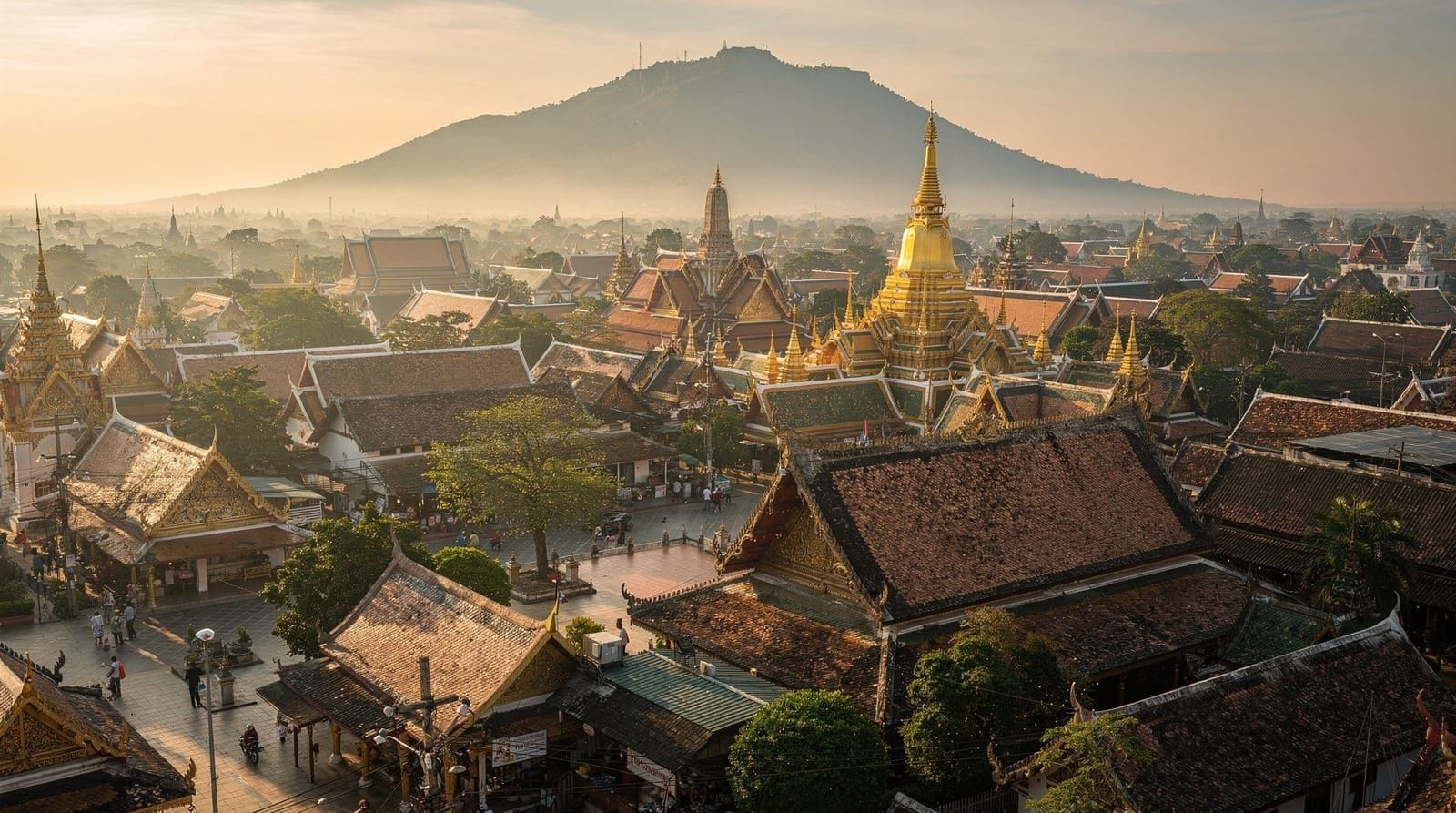
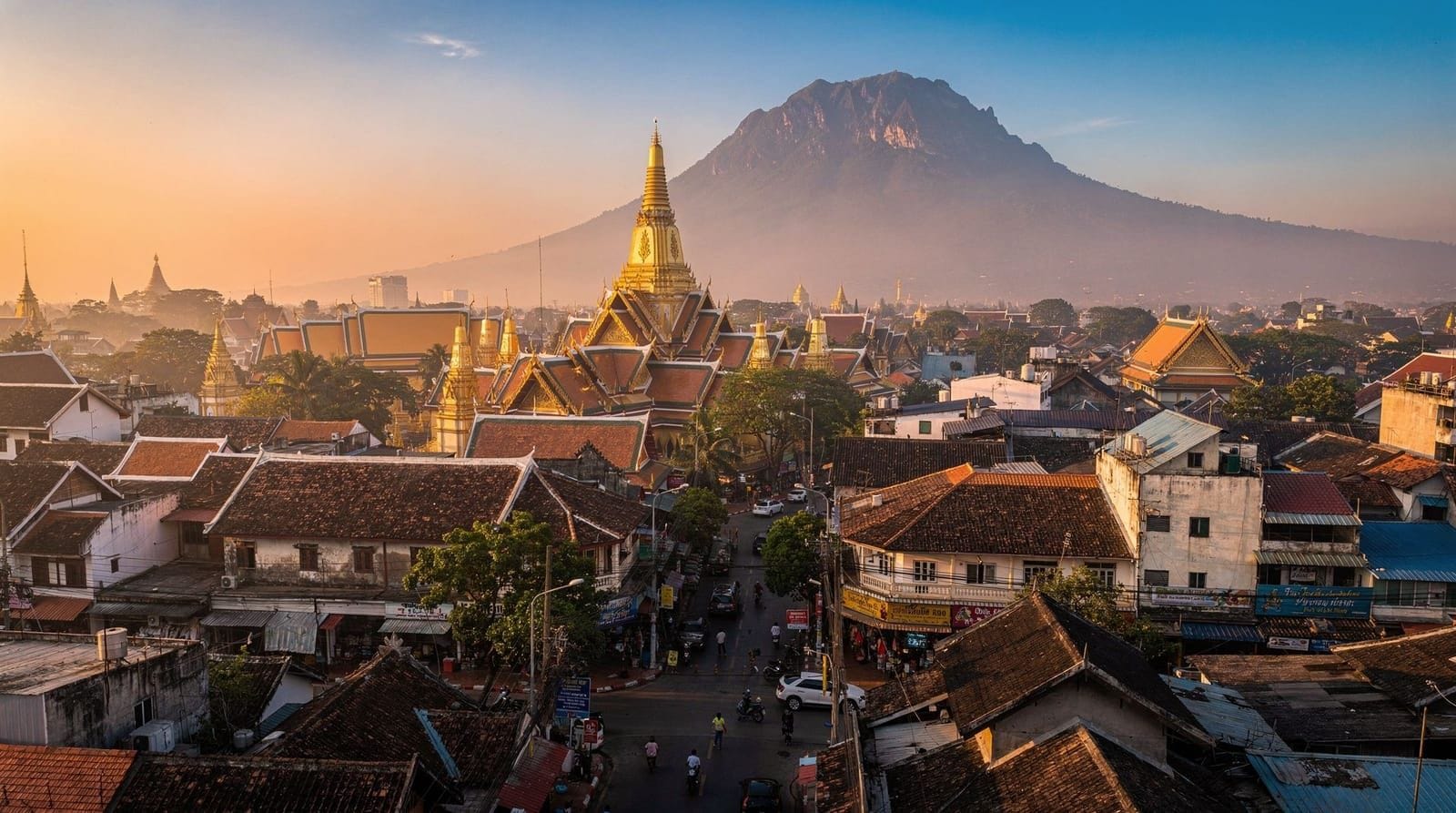
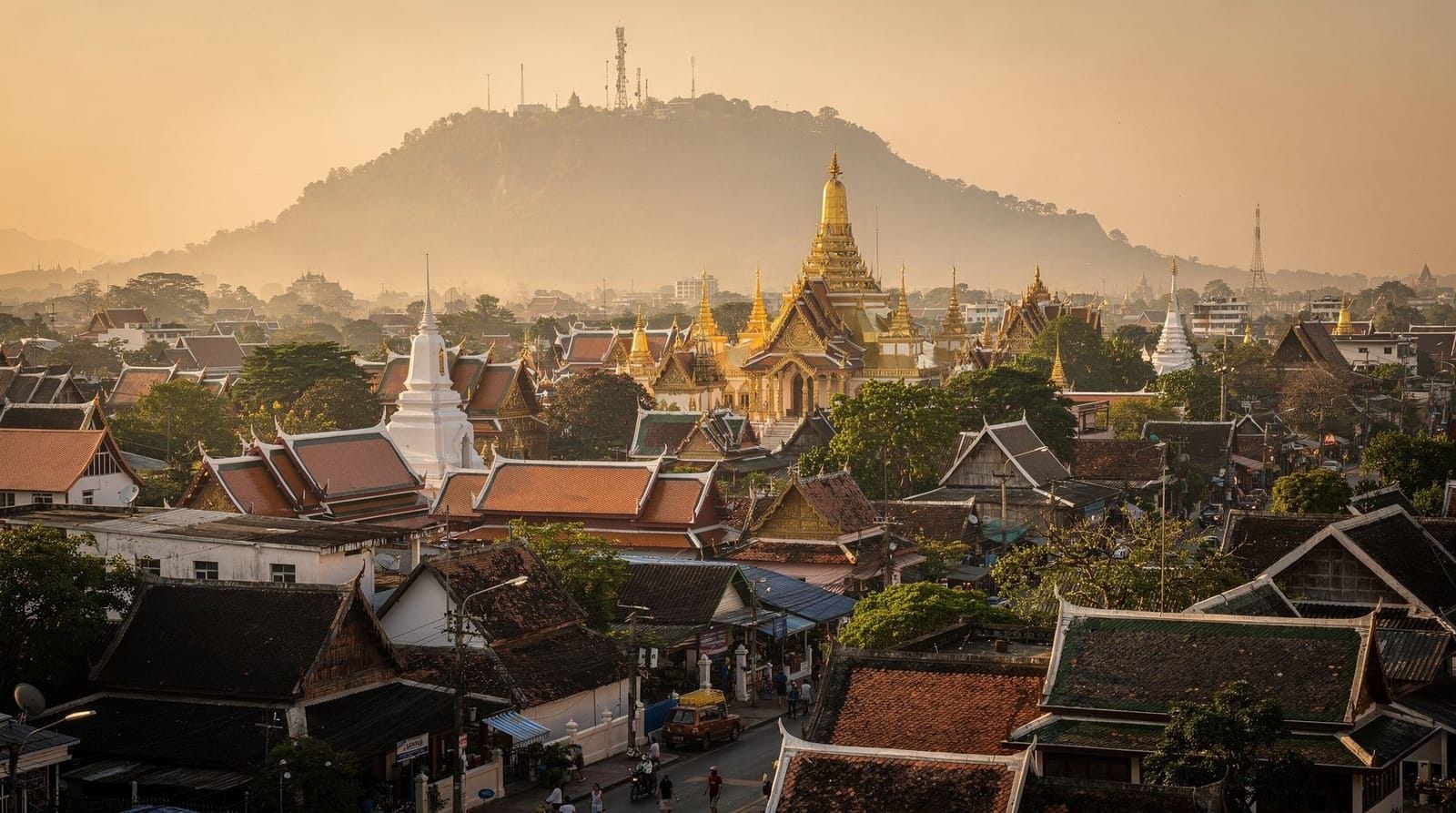
This was a fair description of Chiang Mai’s Old City and Doi Suthep a decade or more ago. It’s a less accurate one today, particularly during peak cool-season months (roughly November through February) when both domestic and international tourism converge. Doi Suthep’s parking area and naga staircase can get genuinely congested on weekends and holidays, and the Old City’s most photographed temple courtyards, Wat Phra Singh among them, see real crowds during peak hours rather than the contemplative quiet often implied by travel photography.
This doesn’t mean Chiang Mai has become Bangkok-level chaotic; it’s still considerably calmer and more walkable than most major Southeast Asian cities. But “peaceful escape” as an unqualified selling point undersells how much tourism infrastructure, and how many fellow tourists, now exist around the headline sights. Our honest look at overtourism in Chiang Mai goes into specific crowding patterns and how to time visits around them.
The claim: burning season doesn’t really affect visitors
This is one of the more consequential gaps between reputation and reality. Roughly February through April, agricultural burning across Northern Thailand and neighboring countries pushes particulate air pollution to levels that can meaningfully reduce visibility, irritate eyes and airways, and make extended outdoor activity genuinely less pleasant, sometimes reaching levels of real health concern for sensitive groups. Many trip-planning resources mention this in passing if at all, which does a disservice to travelers with respiratory conditions, young children, or simply strong preferences for clear mountain views on a trek or viewpoint visit.
The honest calibration: November through January is reliably clear and represents the best air quality window, while February through April carries genuine, checkable risk that’s worth weighing directly rather than discovering on arrival. Our burning season guide breaks down the month-by-month pattern in more detail.
The claim: it’s still one of the cheapest destinations in Southeast Asia
Partly true, partly dated. Street food, local transport (songthaew fares, Grab rides), and admission to most cultural sights remain genuinely inexpensive by any global standard. What’s changed is the cost of everything oriented toward the city’s substantial long-term digital nomad and expat population: café prices, coworking memberships, and rents in Nimmanhaemin specifically have risen enough over the past decade that Chiang Mai no longer stands out as dramatically cheaper than comparable hubs in Vietnam or parts of Indonesia the way it once did. A budget traveler eating and traveling like a Chiang Mai local still gets excellent value; a visitor spending mainly in Nimman’s Western-facing café and coworking economy will notice prices closer to a mid-tier Western city than the “unbelievably cheap” reputation implies.
The claim: it’s the best base for day trips in Northern Thailand
This is one part of the reputation that holds up almost entirely. Chiang Mai’s location genuinely does put an unusual range of day-trip variety within a two-to-three-hour radius: mountain scenery and Thailand’s highest peak at Doi Inthanon, a completely different temple aesthetic at Chiang Rai, historic towns like Lampang, and jungle and cave landscapes toward Chiang Dao, all genuinely reachable without an overnight stay. Few Southeast Asian cities offer this much day-trip diversity this close to a walkable urban core, and it’s a fair claim rather than an inflated one.
The claim: it’s an undiscovered cultural gem
Chiang Mai has not been undiscovered for a very long time, and treating it as an off-the-beaten-path secret sets up a mismatch with what you’ll actually find: a genuinely well-developed tourism industry, English widely spoken in the main visitor areas, and a substantial expat and nomad community that’s reshaped parts of the city’s character, Nimmanhaemin most visibly. This isn’t a criticism exactly, popularity followed genuine merit here, but it’s worth arriving with the expectation of a mature, well-trodden destination rather than a hidden find, which changes how you interpret crowding, commercialization, and the occasional tourist trap covered in our dedicated guide to Chiang Mai’s tourist traps.
Does trip length change the verdict?
Worth noting briefly: how overrated Chiang Mai feels can depend on how long you stay. A rushed two-to-three-day visit concentrated entirely on the most famous sights, Doi Suthep, the Old City’s headline temples, the Night Bazaar, is more likely to run into peak-season crowding and feel closer to the “overhyped” end of the spectrum, since you’re competing with every other short-stay visitor for the same handful of landmarks at the same times of day. A longer stay, even just five to seven days, naturally spreads activity across quieter alternatives, day trips, and off-peak hours, which tends to produce a noticeably more favorable impression. Our guide on whether three days is enough covers this tradeoff directly if you’re deciding how long to allocate.
What genuinely lives up to the hype
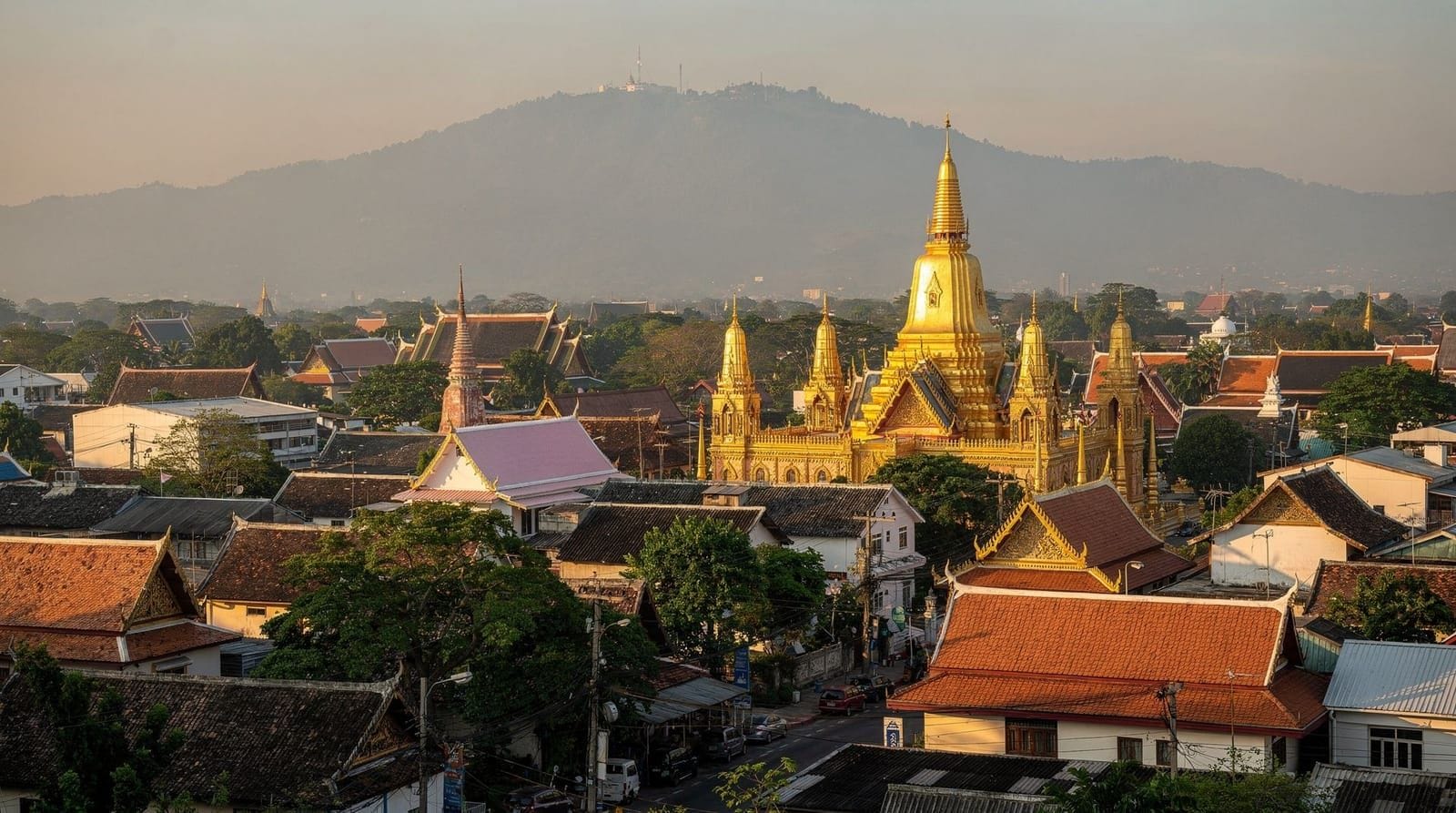
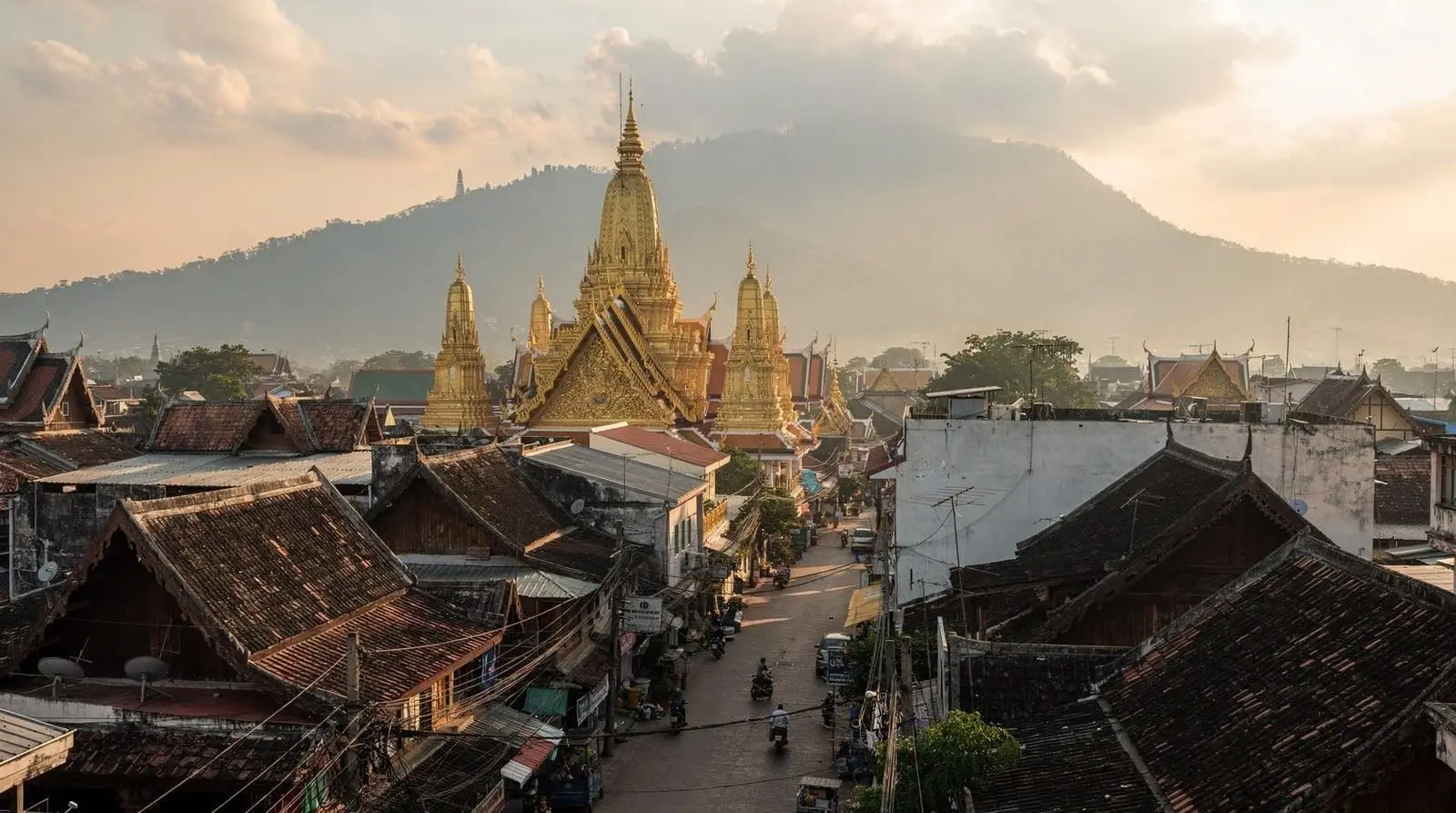
It’s worth being equally direct about what holds up. The temple circuit, Wat Phra Singh, Wat Chedi Luang, and Doi Suthep specifically for its naga staircase and city view, delivers real cultural and visual substance. The food scene, from night market stalls to serious Northern Thai restaurants, is genuinely excellent and reasonably priced across the spectrum. Ethical elephant sanctuaries with an authentic no-riding policy offer a wildlife experience that’s both meaningful and defensible. And the Yi Peng lantern festival’s atmosphere, whether experienced through the ticketed mass release or the free public spots, is a genuinely distinctive, hard-to-replicate cultural moment. These aren’t manufactured selling points; they’re the parts of Chiang Mai’s reputation built on something real.
A practical way to test the hype yourself
Rather than taking any single travel article’s verdict, including this one, at face value, a few concrete checks give you a more personalized read before you commit to dates: look up current air quality index readings for your planned travel window if you’re going between February and April, since this single factor affects trip quality more than almost anything else discussed here. Check a hotel or guesthouse’s calendar pricing across a few different weeks to see how much cool-season demand actually moves prices in your target neighborhood. And if crowding at Doi Suthep specifically concerns you, an early-morning visit (before 8am) versus a midday one makes a genuinely dramatic difference in experience, worth testing against your own tolerance for crowds rather than assuming either extreme applies to your trip.
What the cost gap actually looks like today
To put real numbers on the “still cheap” question: a simple noodle or rice dish from a street stall or local restaurant typically runs 40-80 THB (about 1.10-2.20 USD at 36 THB/USD), and a songthaew ride across the Old City rarely exceeds 30-50 THB (0.85-1.40 USD), both genuinely inexpensive by any global standard. By contrast, a specialty coffee in a Nimmanhaemin café now commonly runs 80-150 THB (2.20-4.20 USD), comparable to prices in many Western cities, and long-term apartment rents in the same neighborhood have risen enough over the past decade that budget-focused nomad content written even five years ago can understate current costs meaningfully. The takeaway isn’t that Chiang Mai has become expensive, it’s that the gap between “living like a local” and “living like a nomad in Nimman” has widened, and which one shapes your cost experience depends heavily on where you choose to spend time and money.
Who Chiang Mai suits, and who it might disappoint
Chiang Mai suits travelers who want a walkable historic core, strong food, genuine day-trip variety (temples, mountains, waterfalls, hill country all within a couple of hours), and are comfortable with a well-established tourism infrastructure rather than seeking an undiscovered destination. It’s likely to disappoint travelers specifically chasing solitude at famous sights during peak season, anyone expecting bargain-basement prices across the entire city rather than just the local-facing economy, or health-sensitive travelers who arrive during burning season without having checked conditions first.
If you want what Chiang Mai used to be
If the specific version of Chiang Mai’s reputation you’re chasing, genuinely quiet, low-cost, minimally touristed, still exists somewhere in the region, it’s more likely found today in smaller towns within day-trip or short-transfer range rather than in Chiang Mai’s Old City or Nimman core. Pai, a few hours north, retains more of that laid-back, low-key character, albeit with its own smaller-scale tourist infrastructure and crowding on holiday weekends. Chiang Dao and Mae Hong Son offer a genuinely quieter, less developed alternative for travelers specifically disappointed by how built-up central Chiang Mai has become. This isn’t a reason to skip Chiang Mai, its temple density, food scene, and day-trip access remain genuinely superior to these smaller towns, but it’s a useful redirect for anyone whose main complaint after arriving is that the city didn’t feel undiscovered enough.
Weighing it all together
None of the gaps covered above are dealbreakers on their own, and most disappointed Chiang Mai trip reports trace back to a mismatch between expectations and a specific factor, arriving during burning season without checking air quality first, visiting Doi Suthep at midday on a Saturday in December, or budgeting based on outdated cost-of-living figures, rather than any fundamental flaw in the destination itself. Adjusting for these specific, checkable factors ahead of time closes most of the gap between the idealized reputation and the lived reality.
The honest bottom line
Chiang Mai isn’t overrated in the sense that matters most: it doesn’t fail to deliver a good trip for the large majority of visitors, and its core reputation for temples, food, and cultural depth is earned. What’s overrated is a specific, slightly dated version of that reputation, the idea that it’s still a quiet, cheap, undiscovered escape from the rest of Southeast Asia’s tourist crowds. Visiting with a calibrated understanding of peak-season crowding, burning-season air quality, and a more moderate cost-of-living reality than a decade-old blog post might suggest tends to produce the most satisfied travelers. Our guide on whether three days is enough and our broader overtourism honest take both build on this same calibration.
A final word on comparison shopping your own expectations
Before you finalize a Chiang Mai trip based on any single article’s verdict, including this one, it’s worth reading a range of recent, dated sources rather than a single older post that may no longer reflect current prices, crowd levels, or air quality patterns. Travel content ages quickly in a city changing as fast as Chiang Mai has over the past decade, and cross-checking a few current sources against each other is a more reliable way to calibrate expectations than trusting any single verdict, including a candid one.
One last recalibration
If there’s a single mental shift worth making before you land, it’s swapping “undiscovered gem” for “well-earned, well-developed destination that rewards a little planning.” That single reframing resolves most of the disappointment gap covered throughout this guide, since it sets expectations that actually match what you’ll find on the ground rather than a decade-old version of the city’s reputation.
Frequently asked questions about whether Chiang Mai is overrated
What’s the single most overhyped thing about Chiang Mai?
The idea that it’s a permanently calm, uncrowded alternative to Bangkok. That was truer a decade ago; today, Doi Suthep’s parking area and Old City temple courtyards get genuinely packed during peak cool-season months (November-February), and Nimmanhaemin’s café scene can feel as busy and commercialized as any capital-city neighborhood. Chiang Mai is still less frenetic than a mega-city, but “peaceful escape” undersells how much tourism infrastructure and crowding now exists.
Is burning season a big enough problem to change travel plans?
For health-sensitive travelers, yes, potentially. Air quality during peak burning season (roughly February through April) can reach levels that meaningfully affect visibility, exacerbate respiratory conditions, and simply make outdoor activity less pleasant. It’s not a reason to avoid Chiang Mai altogether, since November through January is reliably clear, but it’s a real factor to weigh against warmer, cheaper shoulder-season pricing if you’re flexible on dates.
Is Chiang Mai still cheap compared to other Southeast Asian cities?
It’s still good value by global standards but has become noticeably less of a standout bargain within Southeast Asia as digital nomad demand has pushed up rents, café prices, and coworking costs in areas like Nimmanhaemin over the past decade. Street food and local transport remain genuinely inexpensive; accommodation and Western-style dining in trendy neighborhoods have closed much of the gap with comparable cities in Vietnam or parts of Indonesia.
What genuinely lives up to the hype?
The temple circuit (Wat Phra Singh, Wat Chedi Luang, Doi Suthep specifically for the view and the naga staircase), the food scene at every price point, genuinely ethical elephant sanctuaries, and the Yi Peng lantern festival’s atmosphere all deliver roughly what the marketing promises. These are the parts of Chiang Mai’s reputation that hold up under real scrutiny.
Does Chiang Mai deserve its “digital nomad capital” reputation?
For a specific slice of travelers, yes, reliable fast internet, an established coworking scene, and a genuinely large expat community make it a legitimately strong choice. But this same popularity has changed Nimmanhaemin in particular, driving up rents and reshaping the neighborhood’s character in ways some longer-term residents and early adopters view with real ambivalence, a tension worth knowing about rather than assuming the nomad-hub reputation is an unambiguous positive.
Should a first-time visitor lower their expectations?
Not lower exactly, more calibrate. Expect genuine cultural depth, excellent food, and a real, walkable historic core, and expect that this comes with real tourist infrastructure, some crowding in peak months and at headline sights, and seasonal air quality tradeoffs rather than a preserved, undiscovered secret. Visitors who arrive with calibrated expectations rather than a purely idealized image tend to report the most satisfying trips.