Chiang Mai: Old City vs Nimman, where to base yourself
Should I stay in the Old City or Nimman in Chiang Mai?
Choose the Old City for a temple-immersed, walkable first visit with easy access to Sunday Walking Street and the historic core. Choose Nimman for better coffee and contemporary dining, a younger crowd, and a base that suits longer stays or repeat visitors who have already covered the temples.
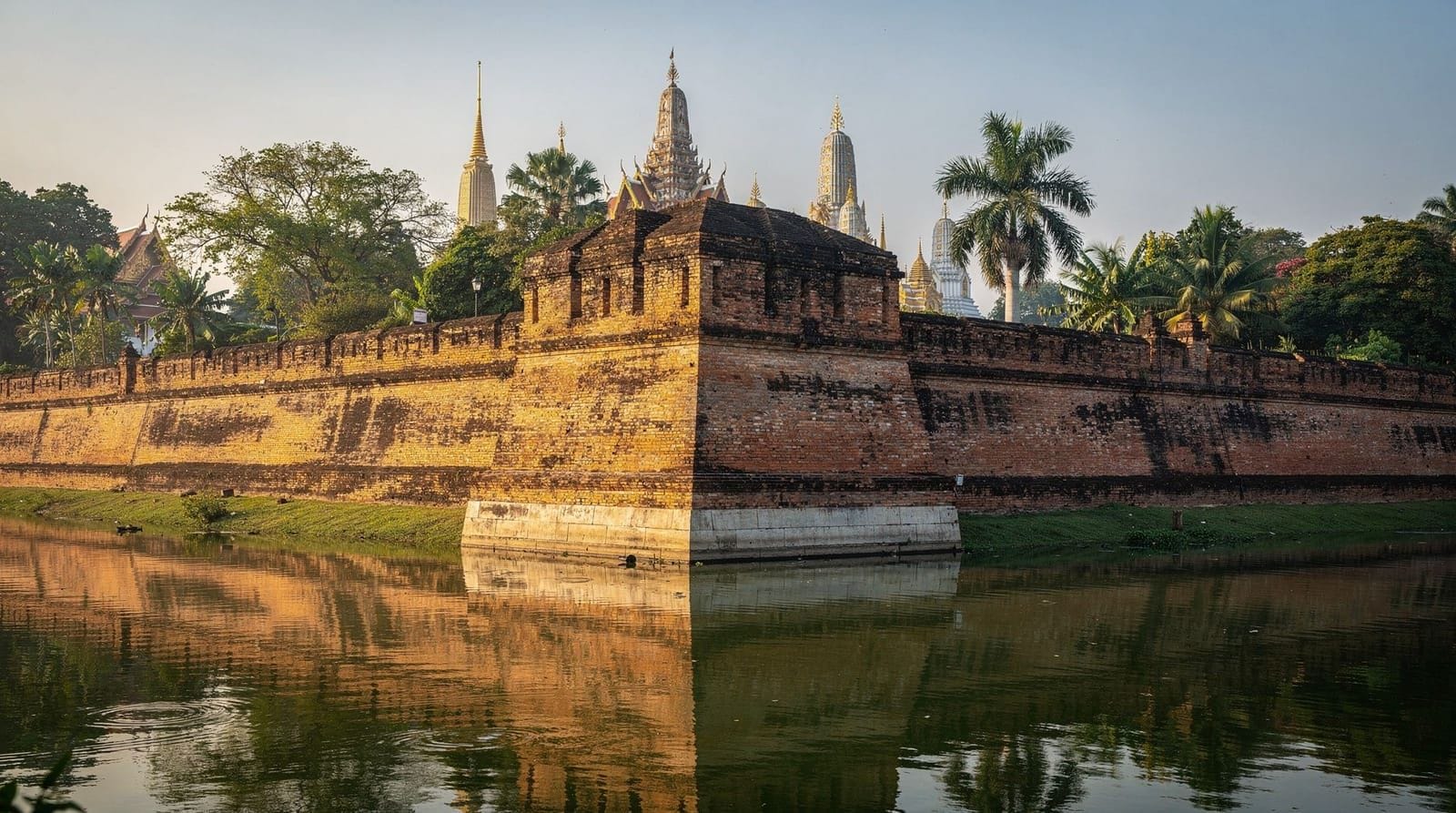
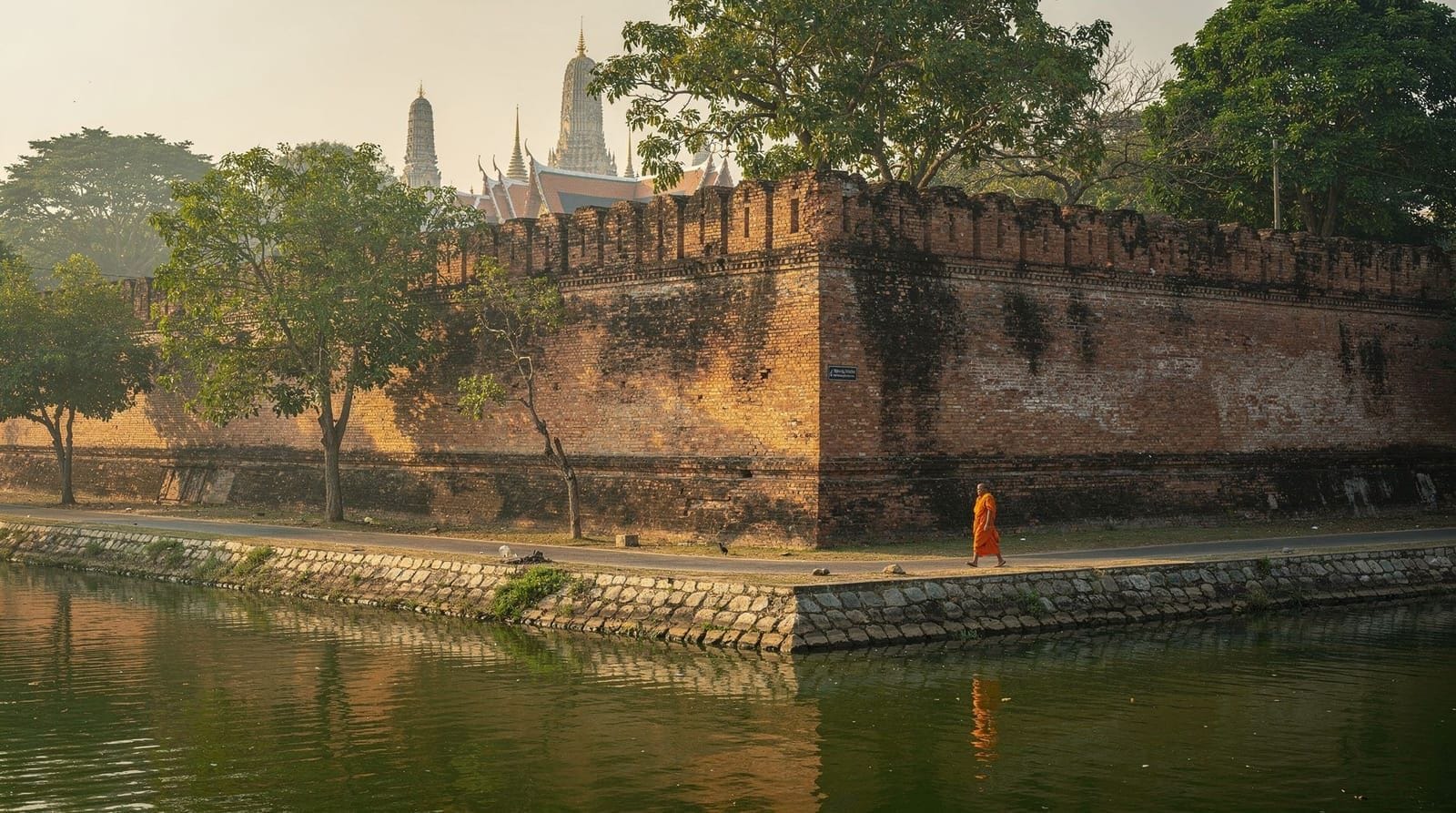
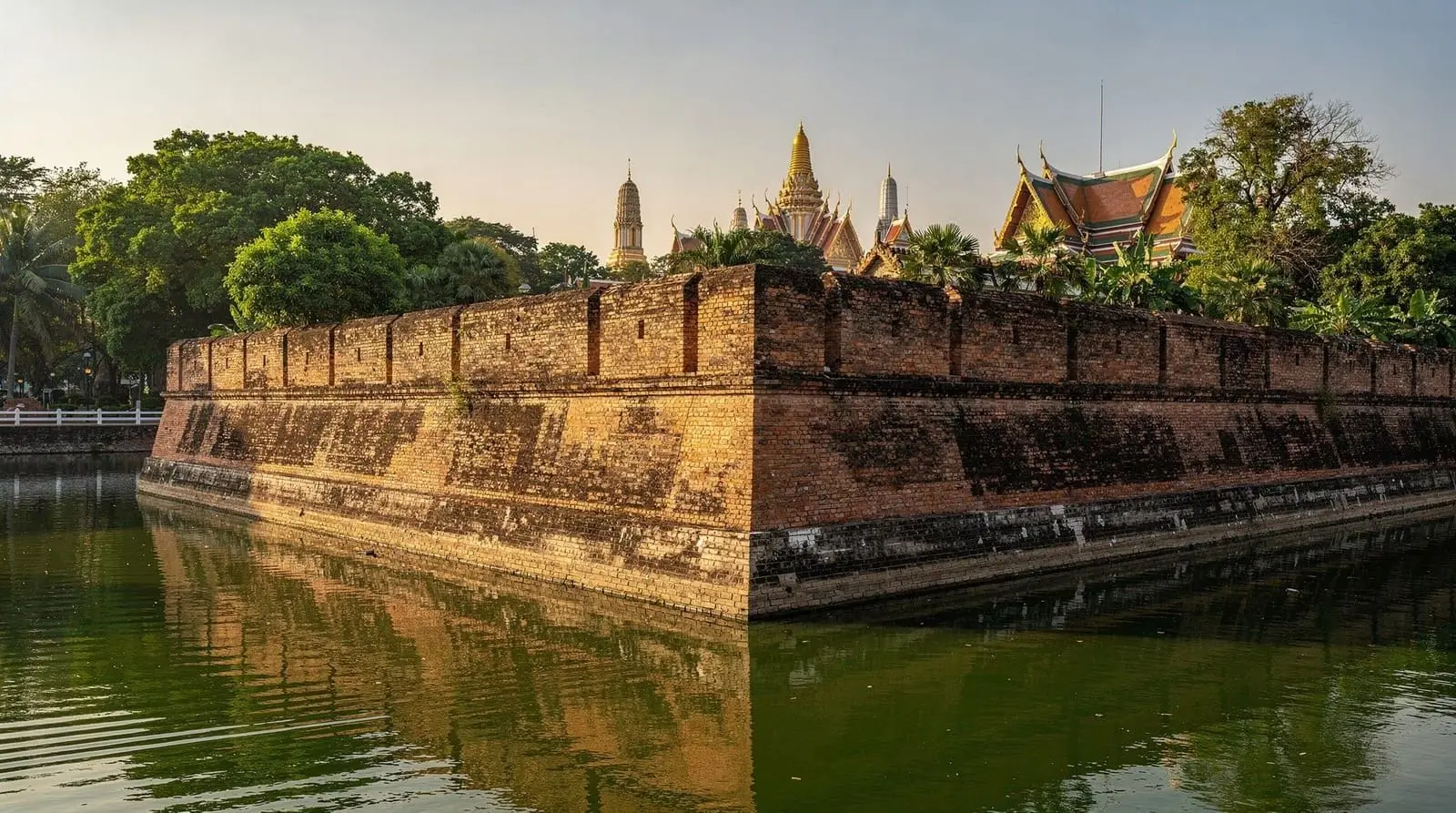
Choosing where to base yourself in Chiang Mai matters more than in many cities, because the two obvious choices genuinely feel like different places rather than interchangeable versions of the same trip. The Old City is the walled, moated historic core packed with temples, guesthouses and the weekly Sunday Walking Street; Nimmanhaemin, usually just called Nimman, is the university-adjacent district a short ride northwest, built around specialty coffee, boutique shopping and a younger, more contemporary energy. Neither is a wrong answer, but they suit different trips, and the choice is worth making deliberately rather than by default.
For a first visit built around temples, markets and immersion in the historic core, the Old City is the more natural base. For a longer stay, a repeat visit, or a trip weighted toward food, coffee and a slower, café-driven pace, Nimman tends to suit better. The two sit close enough together — a 10-15 minute Grab ride — that visiting the other for a day or an evening is easy regardless of which one you actually sleep in.
This is worth deciding deliberately rather than defaulting to whichever area shows up first in a hotel search, because the two neighbourhoods genuinely shape the texture of daily life on a trip, not just the view from your window. Where you sleep determines what you stumble across on the walk to breakfast, which street food stalls become familiar by the third day, and how much of the day gets eaten up by transport versus spent actually exploring. Getting this one decision right tends to make the rest of the trip feel more coherent, whichever way it goes.
The Old City: what staying there actually feels like
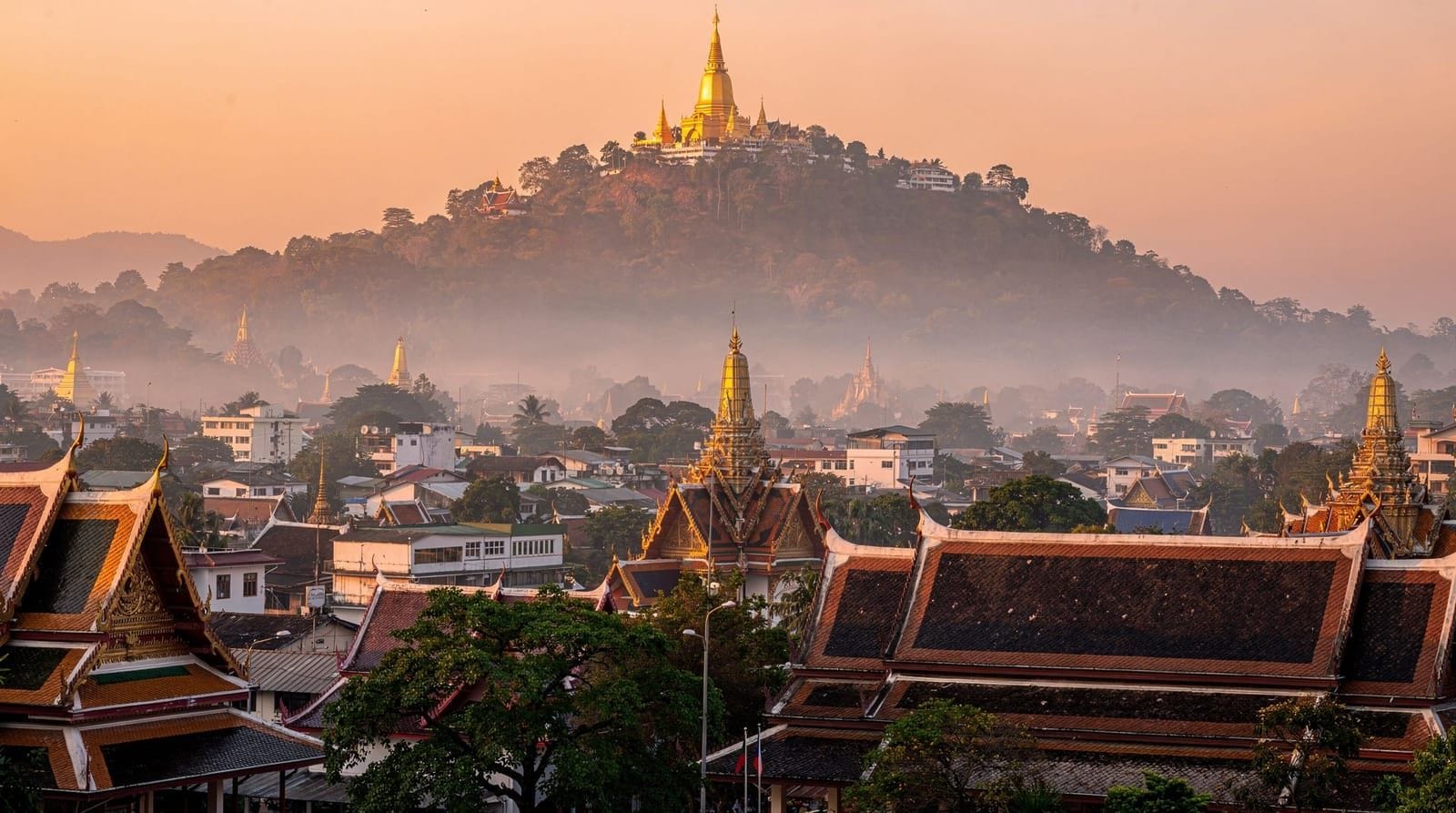
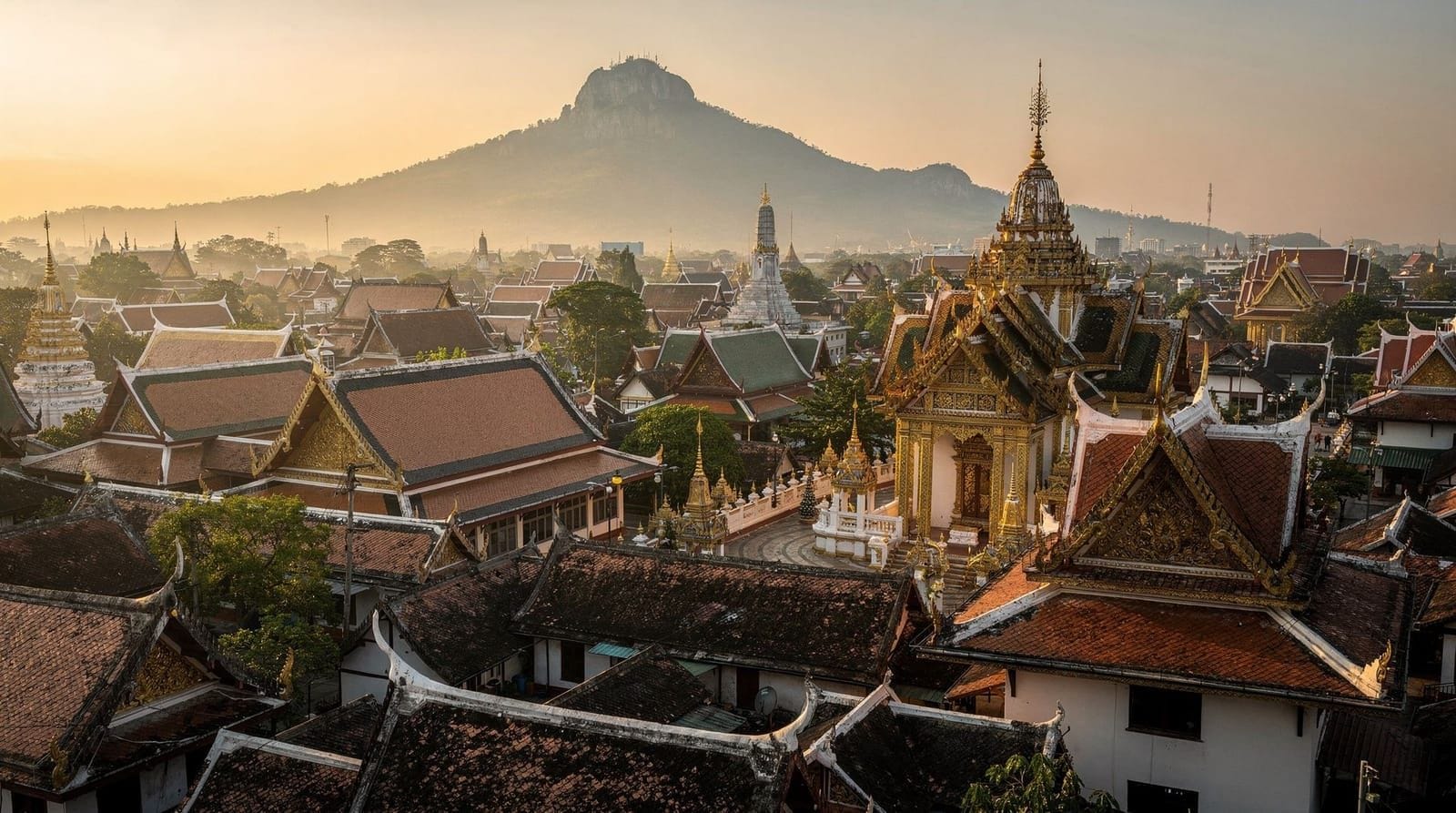
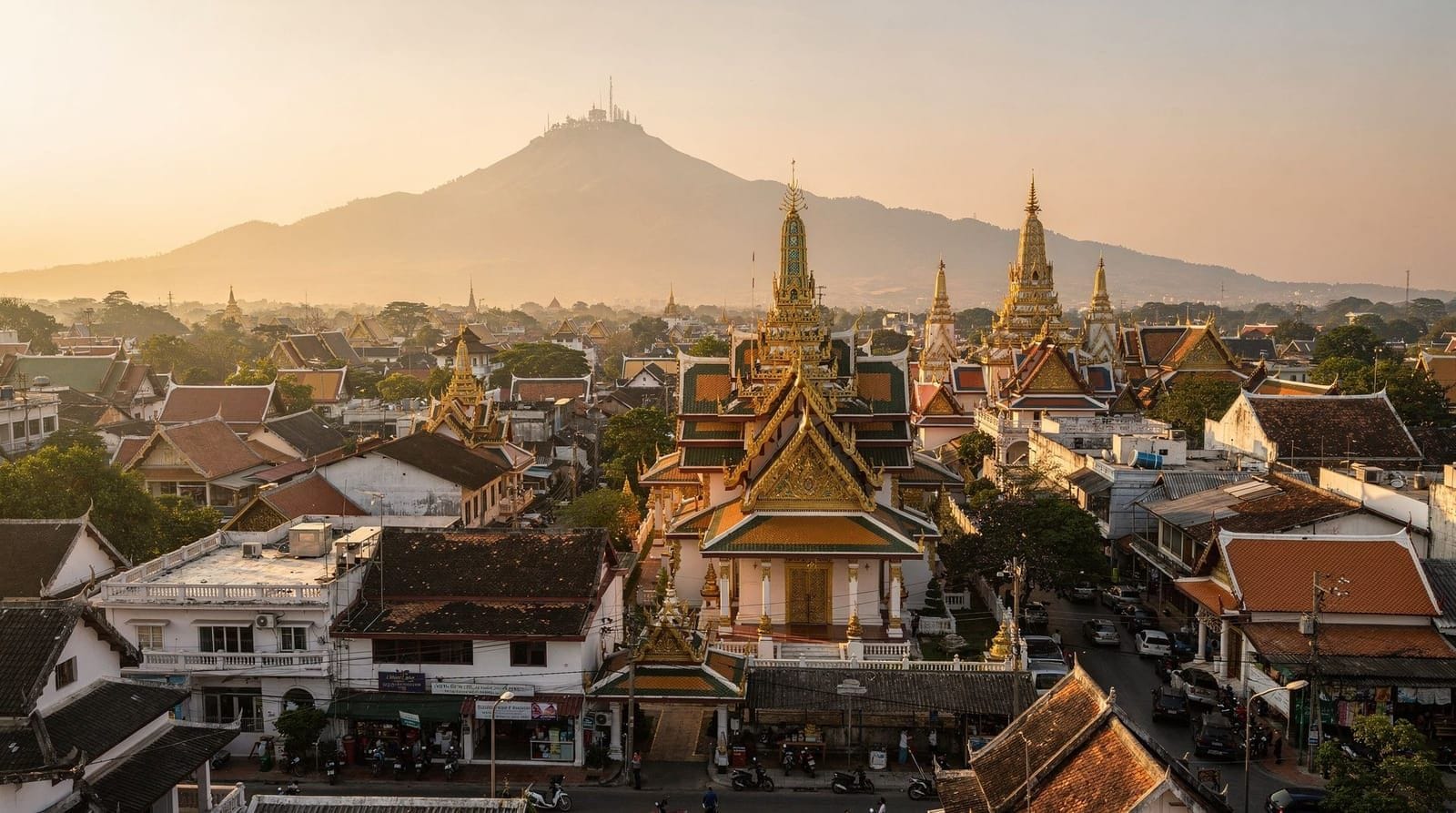
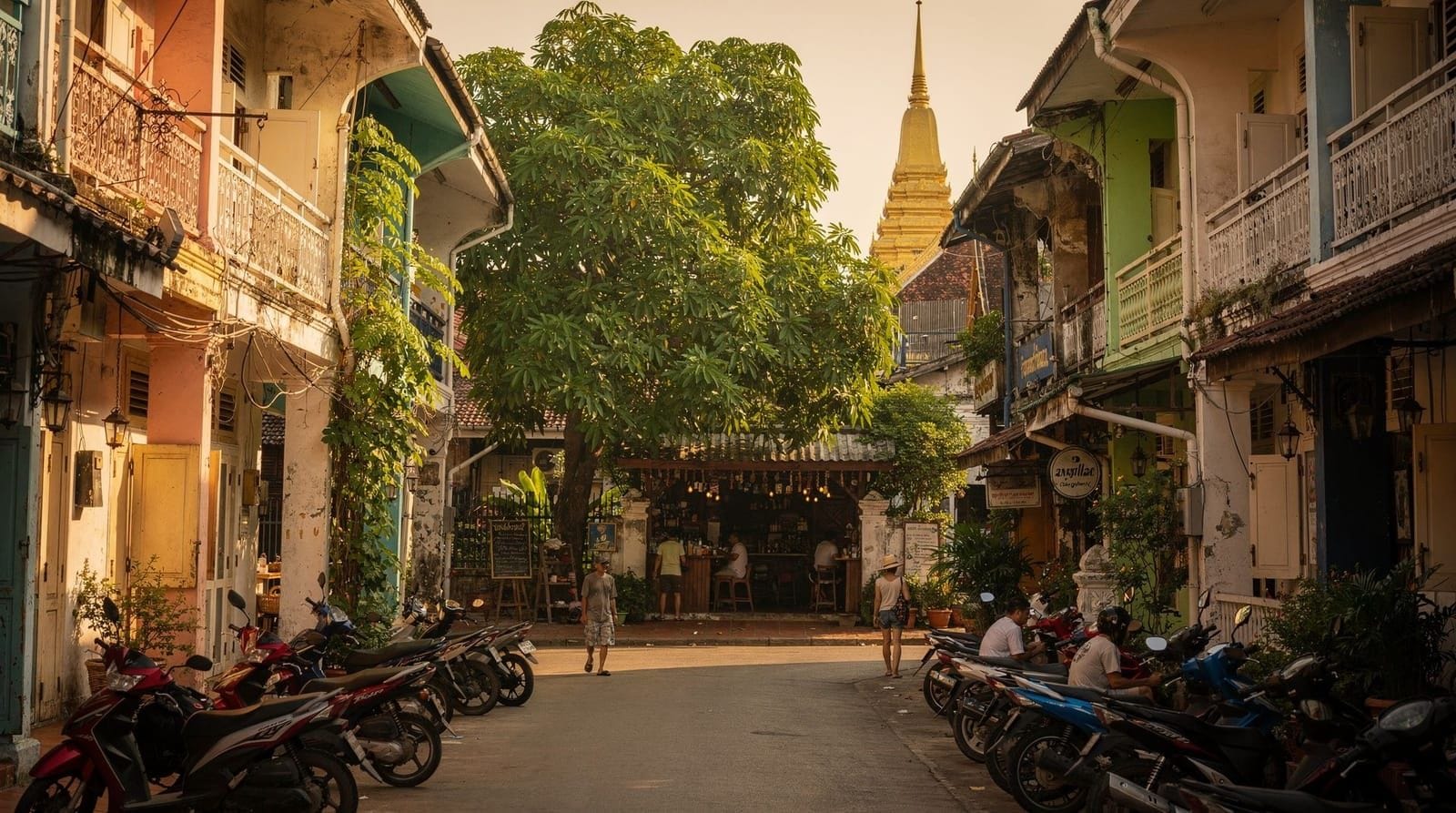
Waking up inside the Old City’s moat means stepping directly into narrow lanes lined with guesthouses, small restaurants and temples, several of which sit close enough to reach on foot before breakfast. Wat Phra Singh and Wat Chedi Luang, the two most significant temples in the city, are both within the walls, meaning a genuinely leisurely morning of temple visits requires no transport planning at all. The atmosphere leans traditional and slightly worn at the edges in the most charming sense — teak shophouses, street-level food stalls, and a density of small independent guesthouses that gives the area a lived-in, historic character rather than a polished one.
The trade-off is that the Old City’s charm coexists with its role as the city’s primary tourist hub, meaning certain streets, particularly near the main gates, get genuinely crowded during peak hours and in high season. Traffic inside the walls is manageable but not absent, since the grid still carries local traffic alongside pedestrians and the occasional tour group. Sunday Walking Street, when the main east-west road closes entirely to vehicles for the weekly market, is one of the clearest advantages of an Old City base — stepping directly out of a guesthouse into a market that stretches over a kilometre removes any need for an evening transport plan.
Noise levels vary considerably block by block rather than being uniform across the whole area. Guesthouses near Tha Phae Gate and the main bar-street stretches can run loud into the evening, particularly on weekends, while properties tucked into the quieter interior lanes toward the northern or western sections of the walls tend to stay noticeably calmer after dark. It is worth checking a specific property’s exact street rather than assuming “Old City” alone tells you much about noise, since the difference between two guesthouses a few hundred metres apart can be significant. Walkability after dark is generally good throughout, with reasonable street lighting and steady foot traffic on the main lanes even late in the evening, though the smaller side sois thin out and are worth a bit more attention if walking back alone late at night.
Nimman: what staying there actually feels like
Nimmanhaemin trades the Old City’s historic density for a noticeably more contemporary, design-conscious atmosphere built up over the past decade around the area’s concentration of specialty coffee shops, independent boutiques and restaurants that skew toward modern Thai and international fusion rather than traditional street food. One Nimman, the open-air lifestyle complex at the district’s centre, anchors a walkable core of cafés and shops that suits slower mornings and long working sessions over a laptop as much as sightseeing. The crowd here leans younger and more mixed between digital nomads, Thai university students and visitors on longer stays than the more transient, temple-hopping crowd typical of the Old City.
Nimman sits close to Chiang Mai University and the Huay Kaew area, putting a green, campus-adjacent stretch and the Huay Kaew waterfall trail within easy reach, a genuinely different kind of nearby nature than anything accessible on foot from the Old City. The area is quieter after midnight than its café-and-boutique daytime energy might suggest, with nightlife concentrated in a handful of rooftop bars and later-closing coffee shops rather than the bar-street density found in parts of the Old City.
The district’s popularity with longer-stay visitors and remote workers has produced a genuinely useful cluster of coworking spaces and cafés built around dependable wifi and comfortable seating for a full working day, a category of amenity the Old City has considerably less of. This makes Nimman the more practical base for anyone combining travel with actual work, or for longer stays where a predictable daily routine matters more than proximity to sightseeing. The area’s streets are wider and more evenly lit than the Old City’s narrower lanes, and the general pace after dark feels calmer and more residential outside the handful of specific bar and restaurant clusters.
Food and coffee: the clearest practical difference
If a single factor should tip the decision, it is probably food and drink, since the two areas genuinely specialise differently. The Old City area has stronger traditional and street food options, proximity to Warorot Market and the main night markets, and a wider spread of budget-friendly, unpretentious restaurants serving northern Thai staples like khao soi and sai oua at low prices. Nimman has the city’s best concentration of specialty coffee roasters and contemporary cafés, along with a denser cluster of design-forward restaurants covering everything from modern Thai tasting menus to genuinely good international food, generally at somewhat higher prices than equivalent Old City options.
Neither is objectively better, since the comparison really comes down to what kind of eating matters more to a given trip. A visitor prioritising cheap, authentic street food and easy access to the big night markets leans Old City; one prioritising a strong coffee scene and a broader range of contemporary dining leans Nimman. Both areas are close enough to sample the other’s food scene for an evening without any real inconvenience.
A rough sense of typical costs helps with the comparison: a bowl of khao soi or a plate of pad see ew at an Old City street stall commonly runs 40-70 THB (roughly USD 1.10-2), while a specialty coffee and pastry in Nimman more typically runs 120-200 THB (roughly USD 3.30-5.50) at the better-regarded cafés. Neither figure is expensive by international standards, but the gap illustrates the broader positioning difference between the two areas rather than one being a budget option and the other a splurge.
Getting between the two, and to everything else
A Grab between the Old City and Nimman typically takes 10-15 minutes and costs 60-100 THB (roughly USD 2-3), making the choice of base less consequential for accessing the other area’s specific attractions than it might first appear. Where the base matters more is for spontaneous, unplanned movement — an Old City base means temples and the night markets are a walk rather than a ride, while a Nimman base means cafés and the university area have that same walkable immediacy. Both areas connect similarly well to Doi Suthep, day trips to Mae Rim and the wider valley, and airport transfers, since neither sits meaningfully closer to those points than the other. If anything, Nimman sits fractionally closer to the Doi Suthep road given its position on the western side of the city, though the difference in an actual journey time is a matter of a few minutes rather than anything worth factoring into the decision on its own.
Cost and accommodation style
Accommodation pricing is broadly comparable between the two areas at a given quality tier, though the style of what is on offer differs somewhat. The Old City has a dense concentration of small, character-driven guesthouses and boutique hotels in converted teak buildings, alongside a healthy budget hostel scene, reflecting its role as the traditional backpacker and first-time-visitor base. Nimman leans toward newer, more design-forward boutique hotels and serviced apartments, including a meaningful number of properties aimed at longer-stay visitors and digital nomads, which shows up in amenities like dedicated workspaces and stronger, more consistent wifi as a standard feature rather than an exception.
Budget travellers will find hostels and simple guesthouses in both areas from roughly 300-600 THB (USD 8-17) a night for a private room, though the Old City has a somewhat wider spread at the very cheapest end given its longer history as a backpacker base. Mid-range boutique properties in either neighbourhood commonly run 1,500-3,500 THB (USD 42-98) a night, and at that tier the choice really does come down to neighbourhood preference rather than any meaningful cost difference. At the top end, both areas have well-regarded upscale boutique hotels, though Nimman’s newer building stock means a slightly higher concentration of properties with pools and larger rooms within that same price bracket.
Which one suits which kind of trip
A first-time visitor on a three-to-five day trip weighted toward temples, markets and classic sightseeing is generally best served by the Old City, since it minimises transport planning for the highest-priority activities and puts the atmosphere of historic Chiang Mai directly outside the door. A visitor on a longer stay, a repeat visit who has already covered the major temples, or anyone prioritising food, coffee and a slower daily rhythm over sightseeing density tends to get more out of Nimman. Families and groups without a strong preference either way often do well choosing based on the specific property and its reviews rather than the neighbourhood alone, since both areas have well-regarded options across most budget tiers.
Travellers planning to rent a scooter or car for day trips to Doi Inthanon, Pai or Chiang Dao may find Nimman’s slightly wider streets and easier parking marginally more convenient than the Old City’s narrower lanes, though the difference is minor enough that it should not be a deciding factor on its own. Couples and solo travellers on shorter trips of two or three nights tend to get the most value from the Old City specifically, since the shorter the trip, the more a walkable, temple-adjacent base pays off relative to Nimman’s slower-burn advantages, which reward the extra day or two of a longer stay.
For trips of five nights or longer, splitting the stay — a few nights in each — is a genuinely reasonable way to get both experiences without excessive daily commuting, given how short the ride between them actually is. This suits travellers who want the Old City’s immersive first impression followed by Nimman’s slower, more work-friendly pace for the back half of a longer trip, or the reverse for visitors arriving already familiar with the temples from a previous visit. Splitting a stay does mean packing and moving mid-trip, a minor inconvenience worth weighing against the benefit, but for most travellers on a week or longer it is a small cost relative to the upside of experiencing both neighbourhoods properly rather than treating one as a rushed day trip from the other.
A third option worth knowing about
Old City and Nimman are the two dominant choices, but they are not the only ones. The riverside area along the Ping River and the Night Bazaar district offer a third register entirely — closer to the main shopping strip and a cluster of riverside restaurants, with a different, somewhat more transactional tourist-district feel than either the historic Old City or the café-driven Nimman. It suits visitors who want easy access to the nightly market and a concentration of larger hotels, including several international chains, over the more independent guesthouse and boutique scene found in the other two areas. This guide focuses specifically on the Old City versus Nimman decision since it is the one most first-time visitors actually face, but the fuller three-way comparison, including riverside, is covered in a dedicated Old City vs Nimman vs riverside guide for anyone weighing all three.
How this fits into planning the rest of the trip
Once a base is settled, the rest of the planning tends to fall into place more easily. The first-time in Chiang Mai guide covers the broader cultural orientation that applies regardless of which area you choose, while the Chiang Mai highlights guide and Chiang Mai bucket list both help build out an itinerary once accommodation is locked in. Neither the Old City nor Nimman is more than a short ride from the vast majority of what those guides recommend, which is ultimately the most reassuring fact in this whole decision — there is no genuinely wrong choice here, only a better or worse fit for a specific trip’s priorities.
Frequently asked questions about where to stay in Chiang Mai
Which is better for a first-time visitor, Old City or Nimman?
The Old City generally suits first-time visitors better, since it puts the major temples, guesthouses and the weekly walking street within easy walking distance, giving an immediate sense of immersion in the historic core without relying on transport.
Is Nimman too far from the temples to base there?
No. Nimman sits a short 10-15 minute Grab ride from the Old City, close enough that a temple morning followed by a Nimman afternoon is an easy single-day combination, not a major logistical undertaking.
Which area has better food, Old City or Nimman?
Old City has stronger traditional and street food options plus proximity to the major night markets; Nimman has the city’s best specialty coffee and a denser cluster of contemporary, design-forward restaurants. Neither is objectively better, they suit different kinds of eating.
Which area is quieter at night, Old City or Nimman?
Both have lively pockets and quiet ones. The Old City’s noise concentrates around specific bar streets and market nights; Nimman’s nightlife leans toward rooftop bars and later-closing cafés, generally with a younger, more design-conscious crowd than the Old City’s backpacker-heavy strips.
Is Nimman more expensive than the Old City?
Accommodation costs are broadly comparable across both areas at a given quality tier, though Nimman’s cafés and restaurants often run somewhat higher per item than equivalent Old City options, reflecting its more upscale, contemporary positioning.
Can I split my stay between Old City and Nimman?
Yes, and for trips of five or more nights it is a reasonable way to get both experiences without excessive daily commuting, since a Grab between the two areas rarely exceeds 15 minutes or 80 THB.