Old City neighborhood guide: living inside Chiang Mai's moat
Chiang Mai: Exploration of Old City by Private Tuk-Tuk
Duration: Half day
Is the Old City a good place to stay in Chiang Mai?
Yes, especially for first-time visitors on a short trip. It puts the city's most important temples, the weekly Sunday Walking Street market and a dense guesthouse scene within walking distance, minimising transport planning for the highest-priority sightseeing of a typical visit.
Chiang Mai’s Old City is the nearly square, moat-ringed quarter that most visitors picture when they imagine the city, and for good reason: it holds the highest concentration of significant temples, the densest guesthouse scene, and the weekly market that turns one of its main streets into a kilometre-long pedestrian event. It is also, inevitably, the most touristed part of the city, which shapes both its convenience and its crowding in ways worth understanding before booking a week inside the walls.
This guide covers what actually staying inside the Old City feels like day to day: the noise, the walkability, the cost, and which of its four quadrants suits which kind of visitor, rather than simply repeating that it is “the historic heart of the city” without any of the practical detail that decides whether a stay here goes well.
The layout: gates, moat and grid
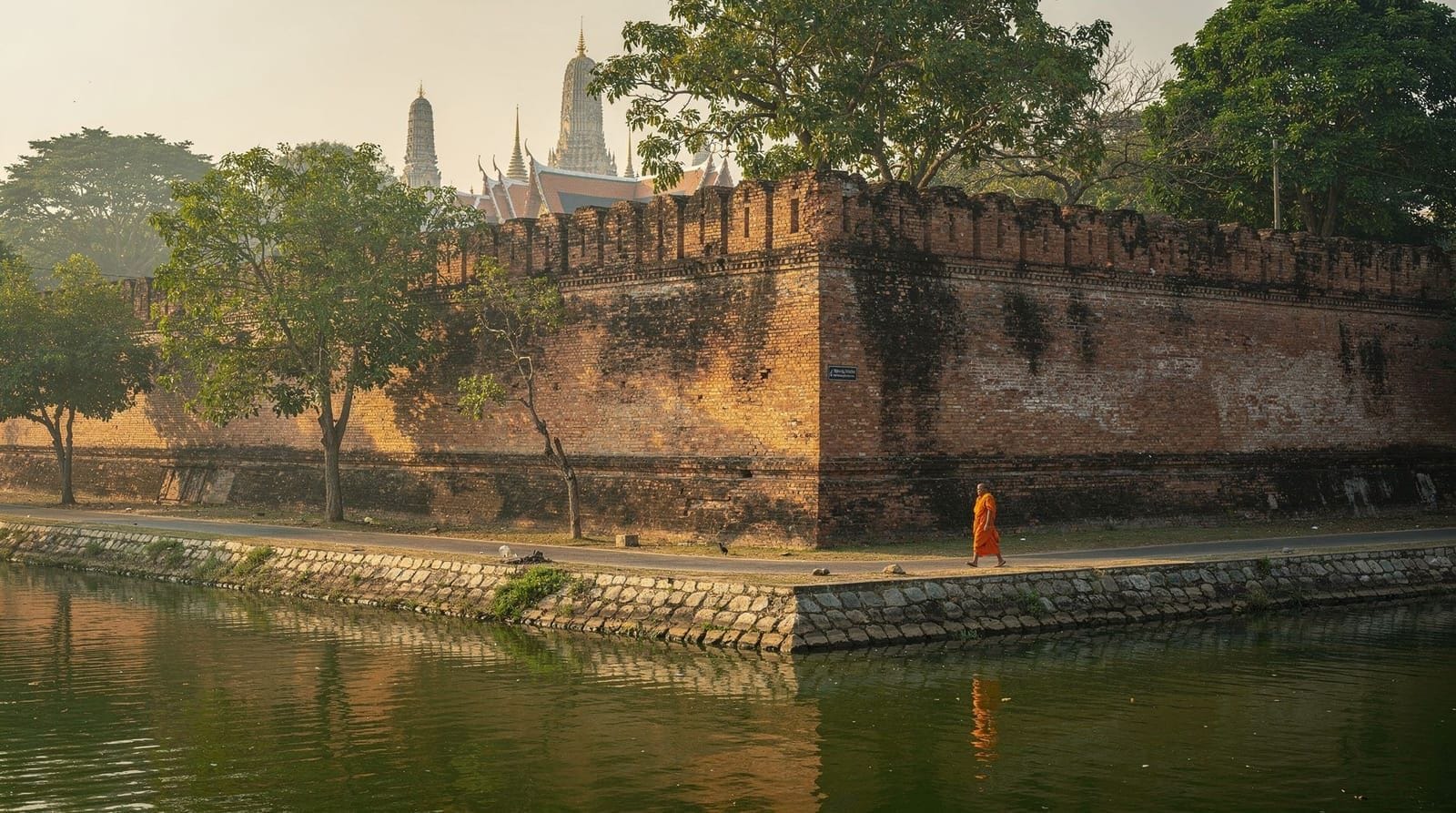
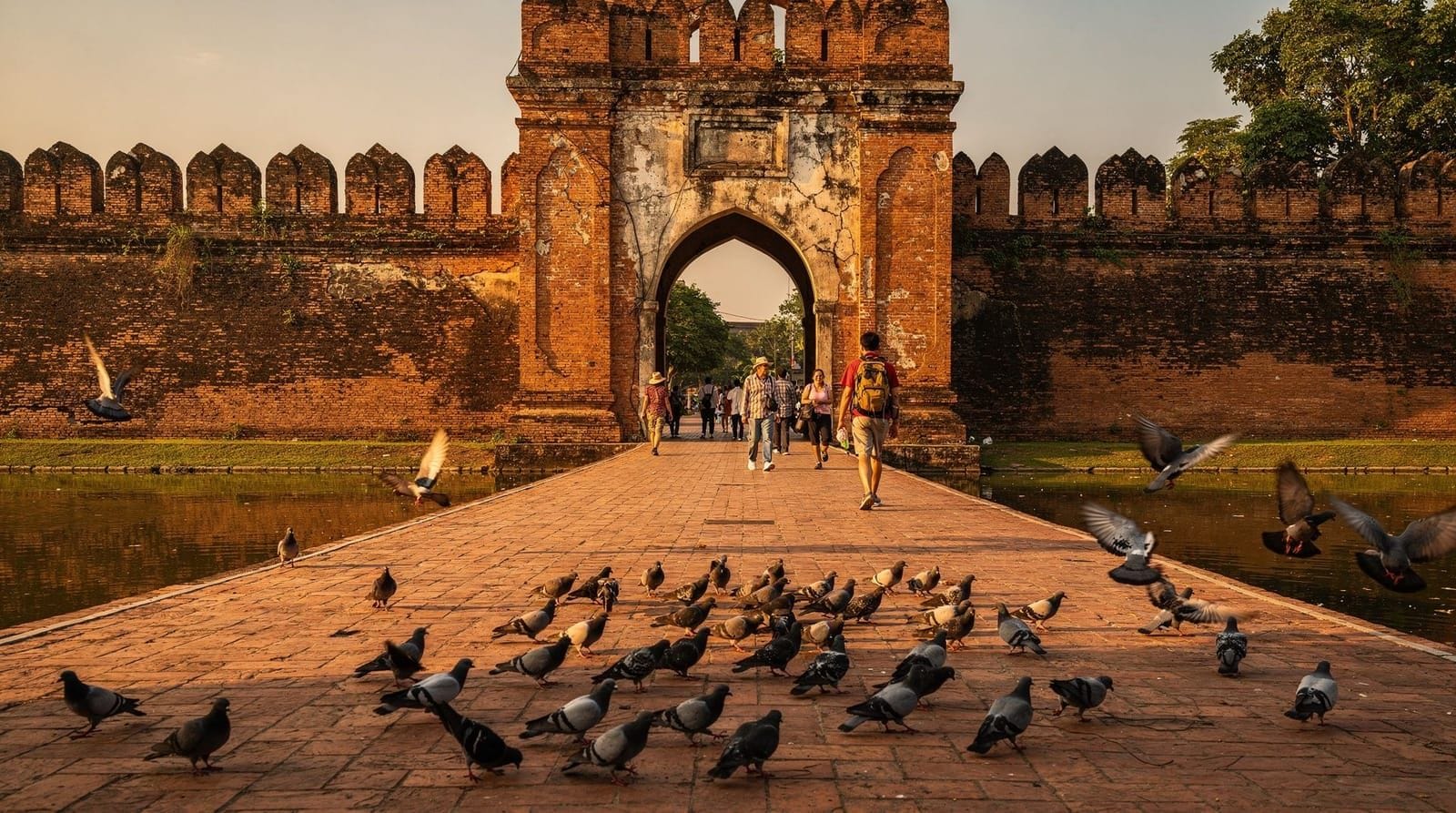
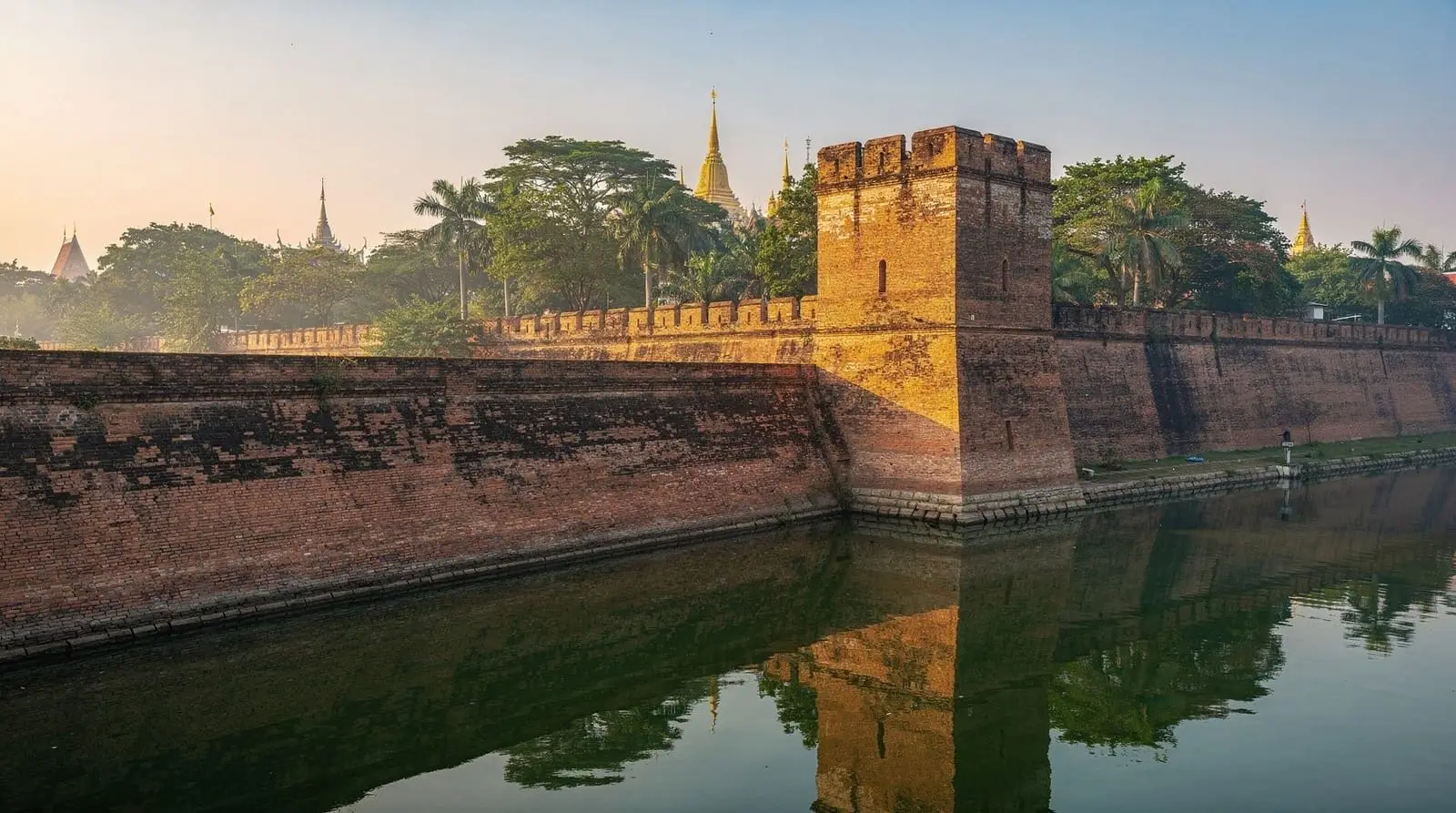
The Old City forms a rough square roughly 1.5 kilometres on each side, bounded by a moat and remnant brick walls dating to the area’s founding as the Lanna capital in 1296. Four main gates mark the cardinal points: Tha Phae Gate to the east, the busiest and most tourist-oriented, along with gates to the north (Chang Phueak), west (Suan Dok) and south (Chiang Mai Gate). Inside, the streets form a reasonably regular grid, a rarity in Southeast Asian old towns, which makes the area one of the easier historic centres in the region to navigate on foot without getting seriously lost.
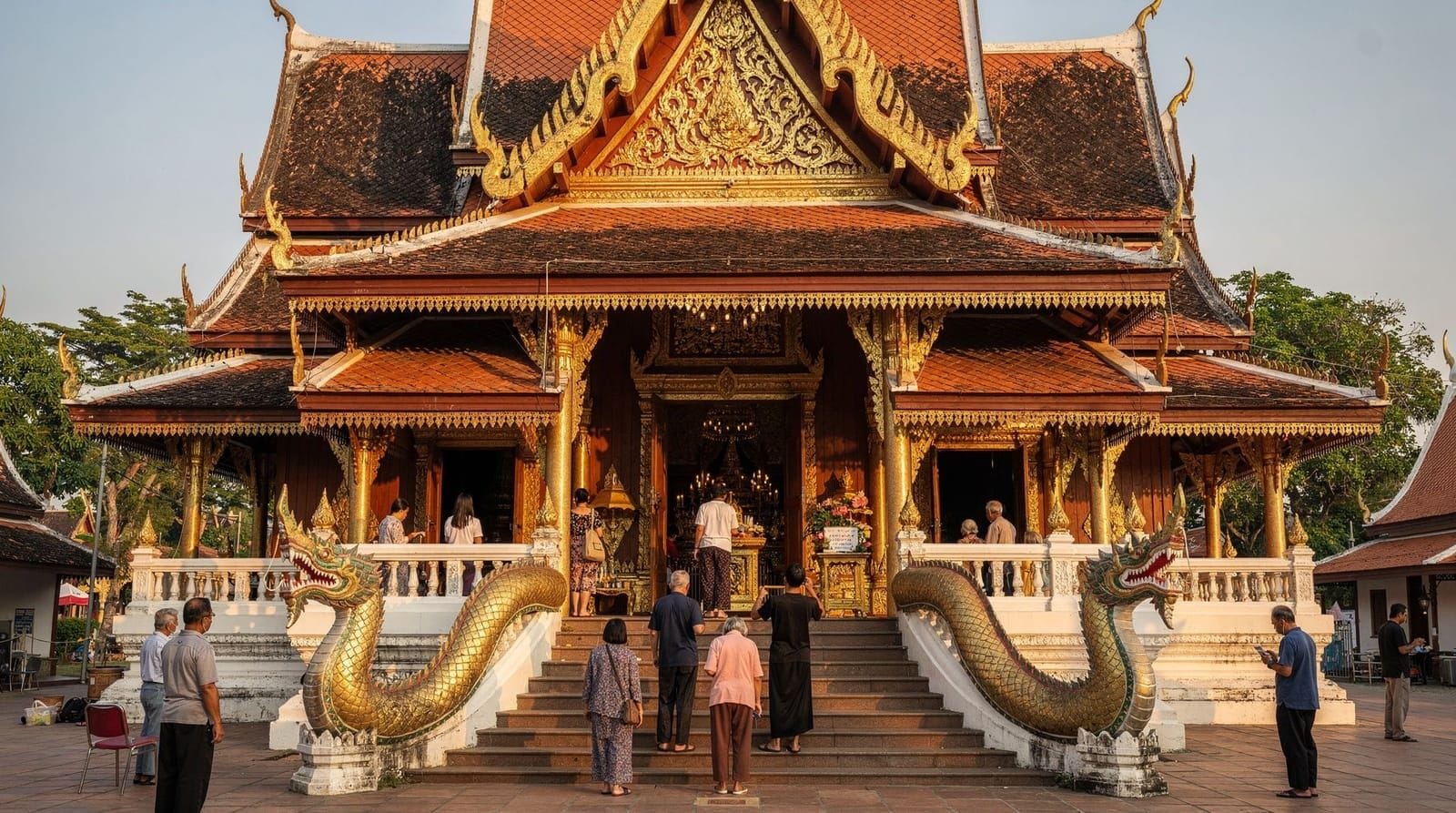
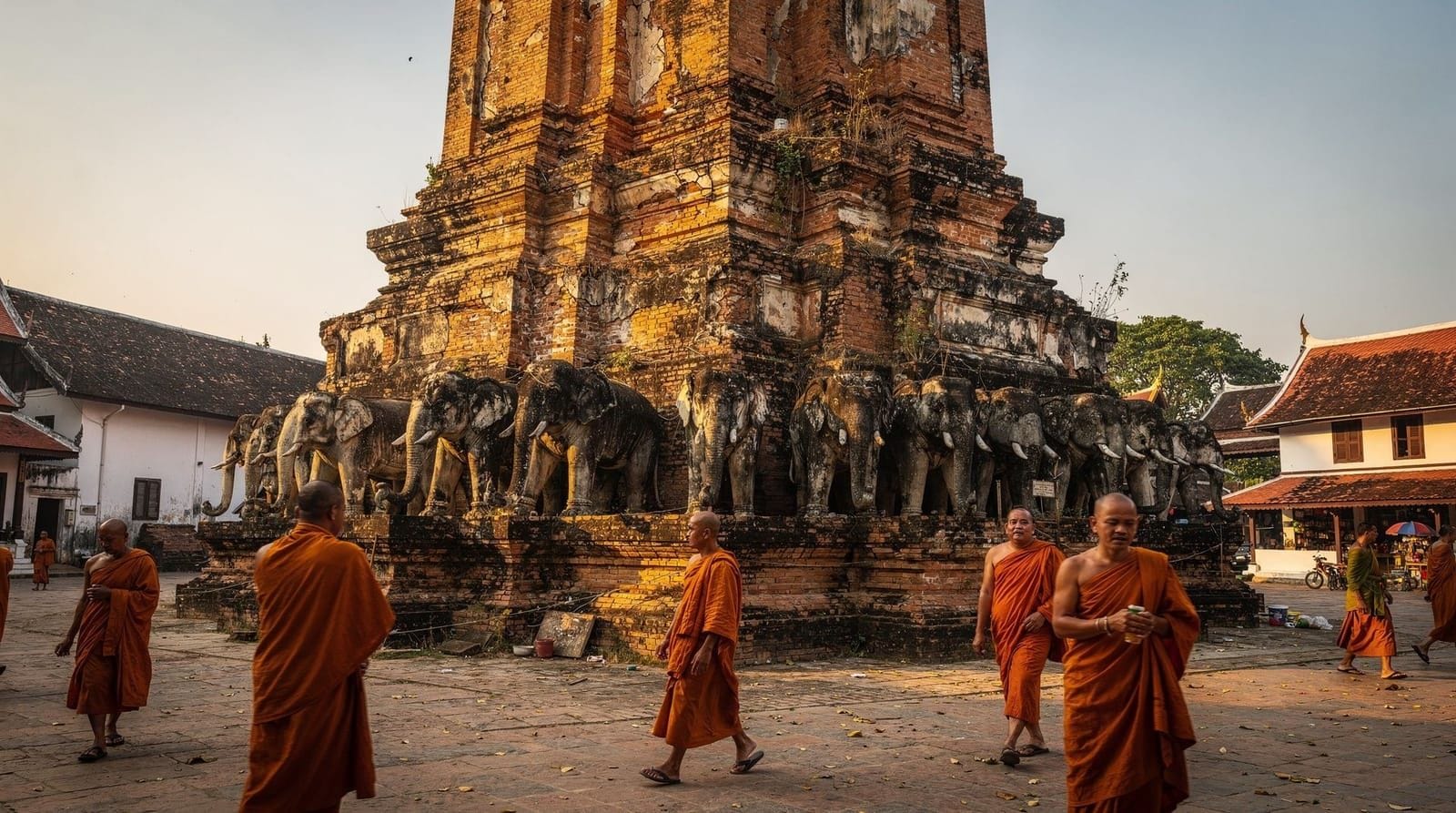
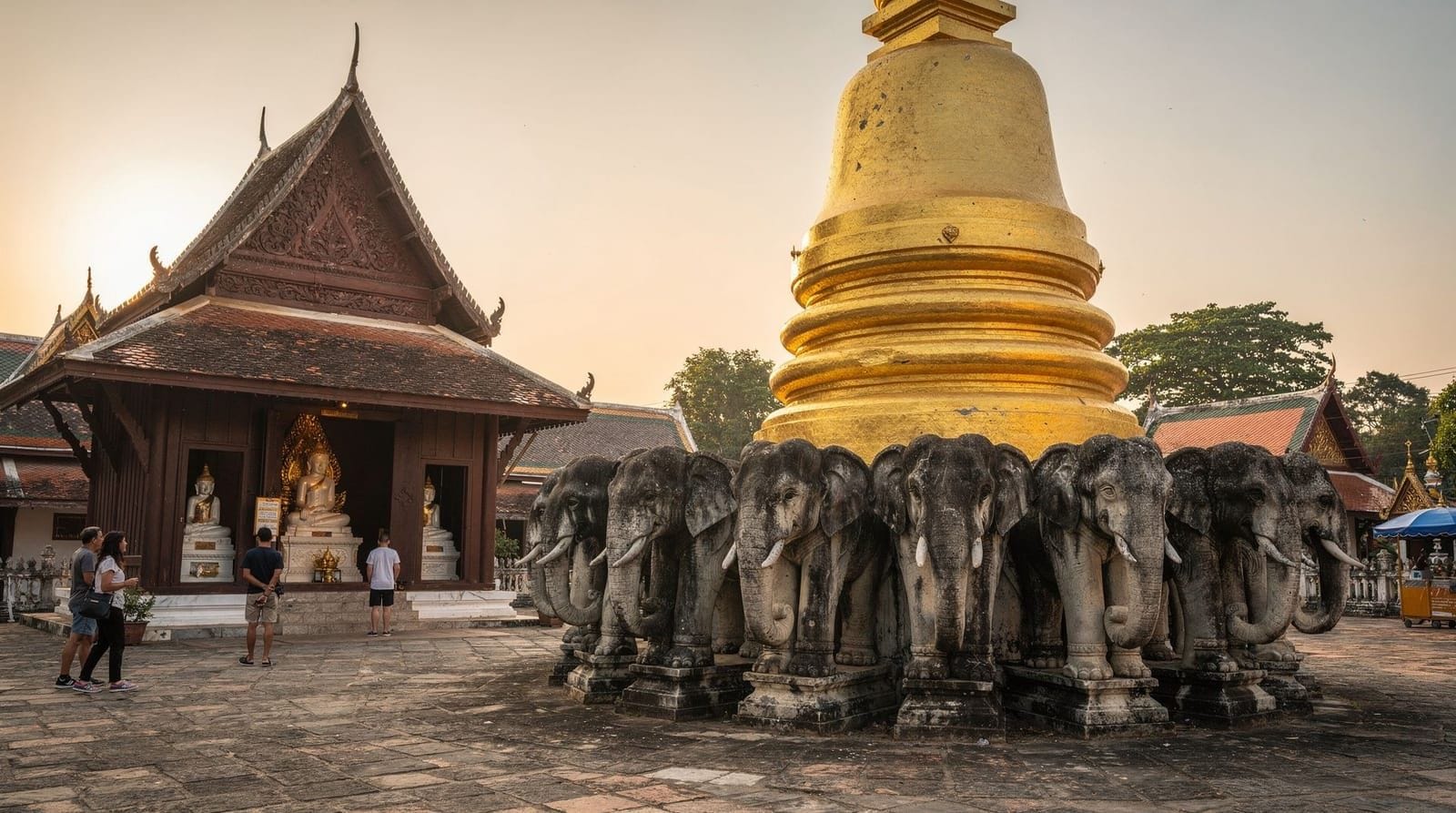
The temple density inside these walls is genuinely remarkable for an area this size — Wat Phra Singh near the western wall, Wat Chedi Luang close to the centre, and Wat Chiang Man, the city’s oldest temple, near the northeastern corner, are all within a comfortable walk of each other, and a dozen smaller wats fill in the gaps between them.
Where to stay: by quadrant
The eastern side, near Tha Phae Gate, is the most central and energetic, putting a visitor within a short walk of the gate’s own plaza, the start of Sunday Walking Street, and the densest concentration of restaurants and bars. It suits first-timers wanting maximum convenience and willing to trade some noise for it. The northern quadrant, toward Chang Phueak, is noticeably quieter and closer to Wat Chiang Man and the everyday Chang Phueak street food scene just outside the walls, suiting visitors who want to stay inside the moat without the eastern side’s bar-street energy.
The western quadrant, around Suan Dok Gate and Wat Phra Singh, blends into the university and Nimman side of the city, making it a reasonable middle-ground choice for visitors who want one foot in each world. The southern quadrant, toward Chiang Mai Gate, sits closest to Wualai and its Saturday silver market, and tends to be the quietest and least tourist-dense of the four, at some cost to proximity from the main eastern amenities.
What a day here costs
Accommodation ranges widely: hostel dorm beds start around 250-400 THB (USD 7-11), simple private guesthouse rooms run 400-800 THB (USD 11-22), and boutique properties in converted teak shophouses commonly run 1,200-2,500 THB (USD 33-70). Food is where the Old City is hardest to beat on value — a bowl of khao soi or a plate of pad see ew at a street stall commonly costs 40-70 THB (USD 1.10-2), and even sit-down restaurant meals aimed at visitors rarely exceed 150-200 THB (USD 4.20-5.50) per person. A full day of temple visits, street food and a Sunday Walking Street evening can realistically run under 800 THB (USD 22) per person excluding accommodation, making the Old City one of the most budget-friendly bases in the city for travellers watching costs closely.
Noise and walkability after dark
Noise is the single most variable factor across the Old City, and it varies by specific street rather than uniformly across the whole quarter. Streets near Tha Phae Gate and the main east-west bar strip run loud into the evening, particularly on weekends and around the Sunday Walking Street, while guesthouses tucked into the interior lanes toward the northern or western sections stay noticeably calmer. It is worth checking a specific property’s exact street on a map before booking, since two guesthouses a few hundred metres apart can differ meaningfully in evening noise levels. Walkability after dark is generally good throughout the quarter, with steady foot traffic and reasonable lighting on the main lanes, though the smaller side sois thin out late at night and deserve a bit more attention when walking back alone.
A typical day based inside the walls
A day built around an Old City base tends to start early, since the temples are at their most comfortable to visit before the mid-morning heat sets in and before tour groups arrive in larger numbers from outside the walls. A 7am or 8am start at Wat Phra Singh or Wat Chedi Luang, both quiet at that hour, followed by a leisurely walk between the smaller wats scattered through the grid, covers the core sightseeing before lunch. Midday tends to push people toward air-conditioned cafés or a rest back at the guesthouse, since the flat, largely unshaded streets get genuinely hot by early afternoon during most of the year.
Late afternoon suits a visit to Three Kings Monument and the adjacent Lanna Folklife Museum for a break from temples without leaving the walls, and evenings shift toward the main event: dinner at a street stall or small restaurant followed by the Sunday Walking Street if the day happens to land on a Sunday, or simply the ordinary evening food-stall scene near Tha Phae Gate on other nights. This rhythm — early temples, midday retreat, evening market energy — is the single clearest advantage an Old City base has over Nimman or the riverside district, since none of it requires more than a short walk.
Shopping and crafts inside the walls
Beyond the weekly walking streets, the Old City holds a steady scatter of small shops selling textiles, silverware and handicrafts throughout the week, generally smaller and more negotiable in price than the organised night markets. Prices for a simple cotton scarf or small woodcarving typically start around 100-200 THB (USD 2.80-5.50) and rise considerably for larger or more elaborate pieces, and light bargaining is normal and expected at the smaller independent stalls, though fixed-price shops are increasingly common and clearly signed as such. Visitors specifically interested in crafts are usually better served making a separate trip to the Bo Sang umbrella village or the wider San Kamphaeng crafts road, both a short day trip from the Old City, since the selection and pricing there is generally better than the tourist-facing shops immediately inside the walls.
Families and couples in the Old City
Families with children generally do well in the Old City given the flat, walkable terrain, though the traffic inside the grid, while lighter than outside the walls, still requires normal caution with young children on the narrower lanes. The temple visits themselves work well for most ages provided modest dress is packed for the heat, and the Sunday Walking Street is a genuinely fun, low-stress evening out for families given its pedestrian-only layout and food-stall density. Couples find the Old City suits a romantic few days reasonably well, particularly properties on the quieter northern or western sides, though anyone specifically wanting a quiet, private atmosphere over immersive sightseeing energy may prefer Nimman or the calmer stretch of the riverside near Wat Ket instead.
Safety and practical notes
The Old City is safe by ordinary travel standards, with petty theft and scooter-related traffic incidents being the most common real risks rather than anything more serious. Standard precautions apply: watch belongings in crowded market settings, particularly around Tha Phae Gate on Sunday evenings, and take normal care crossing roads at the gates themselves, where traffic from outside the walls merges with the calmer interior grid. Drinking water should be bottled or filtered rather than tap, consistent with the rest of the city, and it’s worth noting that many guesthouses provide free refill stations specifically to cut down on plastic bottle waste, a small but genuinely useful detail worth asking about at check-in.
Markets and events
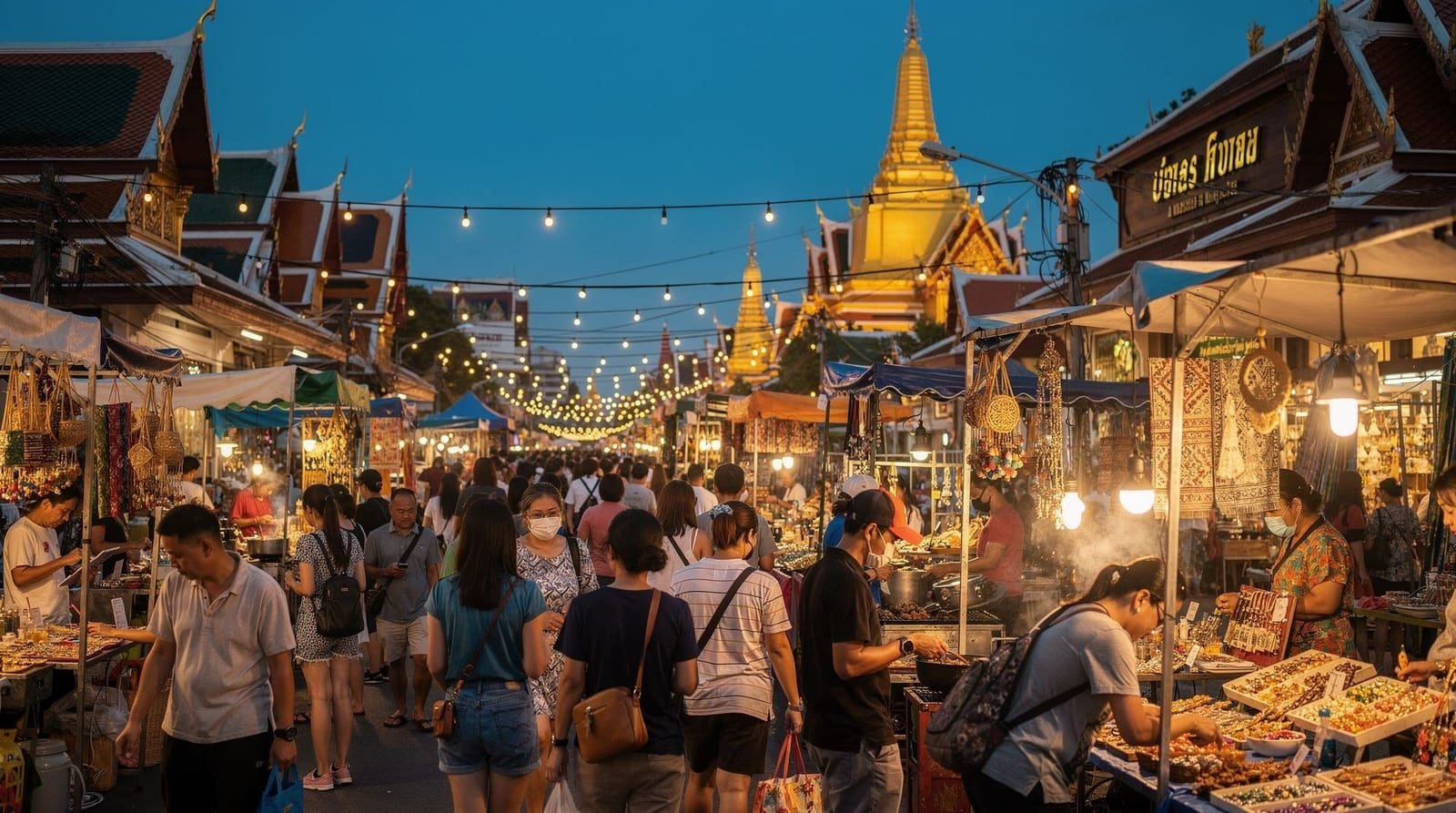
The Old City’s two defining weekly events are the Sunday Walking Street, which closes Ratchadamnoen Road for an evening market stretching over a kilometre from Tha Phae Gate, and the smaller Saturday Walking Street on Wualai Road just outside the southern wall, known for its silverware and craft focus. Staying inside the walls means stepping directly into either market without any transport planning, one of the clearest practical advantages of an Old City base over any other neighbourhood in the city, particularly for a weekend visit timed around one or both markets.
Temple sightseeing from an Old City base
Basing inside the walls makes temple sightseeing genuinely effortless. A morning covering Wat Phra Singh, Wat Chedi Luang and Wat Chiang Man requires no transport at all for most guesthouse locations, and the full Old City temple-hopping route can be walked in half a day at an unhurried pace. For visitors wanting a guided introduction rather than self-navigating, a 3-hour Old City and temples guided walking tour covers the main sites with historical context that self-guided walking misses, and an private tuk-tuk exploration of the Old City works well for visitors wanting to cover more ground with less walking, particularly in hot season.
What longer-stay visitors should know
Visitors considering a stay of two weeks or longer in the Old City should weigh the trade-off honestly against Nimman or Santitham. The Old City’s guesthouse stock is generally set up for shorter tourist stays rather than monthly rentals, and its higher tourist density means daily costs, while still reasonable, run somewhat above Santitham’s genuinely local pricing over an extended stay. It remains a perfectly workable long-stay base for anyone who values being inside the historic core over saving on cost, but it is worth reading the dedicated Santitham neighborhood guide before committing to a month or more purely on the strength of the Old City’s first-week appeal.
Who the Old City suits (and who it doesn’t)
The Old City suits first-time visitors on a three-to-five day trip prioritising temples, classic sightseeing and immersion in the historic core, and it suits budget travellers well given its food and accommodation pricing. It suits solo travellers and groups wanting an active hostel or guesthouse social scene, which is denser here than in any other neighbourhood. It suits it less well for long-stay visitors or digital nomads, who tend to find Nimman or Santitham a better fit given stronger wifi infrastructure and lower costs over a month-long stay, and less well for visitors specifically wanting a quiet, low-key base, given the area’s role as the city’s primary tourist hub. The first-time visitor decision guide covers this trade-off against Nimman and the riverside district in more depth.
Seasonal considerations
The Old City’s largely unshaded streets and courtyards make the hot season, roughly March to May, the most physically demanding time to base here, with temple visits best scheduled for early morning or late afternoon rather than midday. The cool season from November to February is the most comfortable stretch for exploring on foot, and coincides with several of the city’s biggest events, including Loy Krathong and Yi Peng, both of which have a genuine presence inside the Old City walls given the temples’ role in the festivities. The monsoon months from roughly June to October bring afternoon downpours that are usually short and predictable enough to plan around, though the Old City’s older drainage in some of the narrower lanes means localised, temporary flooding is not unusual during the heaviest storms. Burning season, typically February to April, affects air quality city-wide rather than being specific to the Old City, and is worth checking regardless of base via the site’s best time to visit guide.
Getting to everything else from here
A Grab from the Old City to Nimman typically takes 10-15 minutes and costs 60-100 THB (USD 2-3), and a similar ride reaches the riverside and Night Bazaar area. Day trips to Doi Suthep and the wider Mae Rim valley both start from roads accessible within a few minutes of the western wall, making the Old City a genuinely central base for reaching almost anywhere else covered in this site’s destination guides. An half-day Old City tour by samlor, the traditional three-wheeled cycle taxi, is a distinctive, slower-paced way to see the quarter for visitors who want something more characterful than a standard tuk-tuk ride.
Songthaews, the shared red pickup trucks that circulate the city, are a cheaper if less predictable alternative to Grab for short hops within and just outside the walls, typically costing a flat 30-40 THB per person regardless of distance within the central area, though they require flagging down on a main road rather than being booked through an app. For visitors renting a scooter for day trips further afield, the Old City’s flat, gridded interior is easy to navigate, though the gates themselves and the ring road immediately outside the walls carry noticeably heavier and faster traffic that first-time riders should approach with real caution.
Frequently asked questions about the Old City
What is inside Chiang Mai’s Old City?
The Old City is the nearly square, moated quarter of the historic Lanna capital, roughly 1.5 by 1.5 kilometres, holding dozens of temples including Wat Phra Singh and Wat Chedi Luang, four main gates, and a dense grid of guesthouses, restaurants and small shops.
Is the Old City noisy at night?
It varies sharply by street. Areas near Tha Phae Gate and the main bar strips run loud into the evening, particularly on weekends, while the quieter interior lanes toward the northern and western walls stay noticeably calmer after dark.
How many days should I spend in the Old City?
Two to three full days covers the major temples and a Sunday Walking Street visit comfortably for most first-time visitors, though many stay longer simply because it functions well as a base for day trips even after the temple sightseeing itself is done.
Is the Old City walkable?
Yes, almost entirely. Most of the major temples, guesthouses and restaurants sit within a 15-minute walk of each other inside the walls, and the flat terrain and grid layout make it one of the easiest historic centres in Southeast Asia to navigate on foot.
What is the best gate to stay near in the Old City?
Tha Phae Gate on the east side is the most central and liveliest, good for first-timers wanting immediate energy, while the northern and western stretches near Chang Phueak and Suan Dok gates are quieter and suit visitors prioritising rest over nightlife.
Is the Old City good value?
Yes, relative to Nimman and the riverside district. Hostel dorms run from around 250 THB (USD 7) and simple private guesthouse rooms from roughly 400-600 THB (USD 11-17), with street food meals commonly under 60 THB (USD 1.65), making it one of the more budget-friendly bases in the city.
Top experiences
Bookable activities with verified prices and instant confirmation on GetYourGuide.