Best neighborhood to stay in Chiang Mai for first-time visitors
Chiang Mai: Half-Day Private City Tour by Tuk Tuk
Duration: Half day
What is the best neighborhood for a first-time visitor to Chiang Mai?
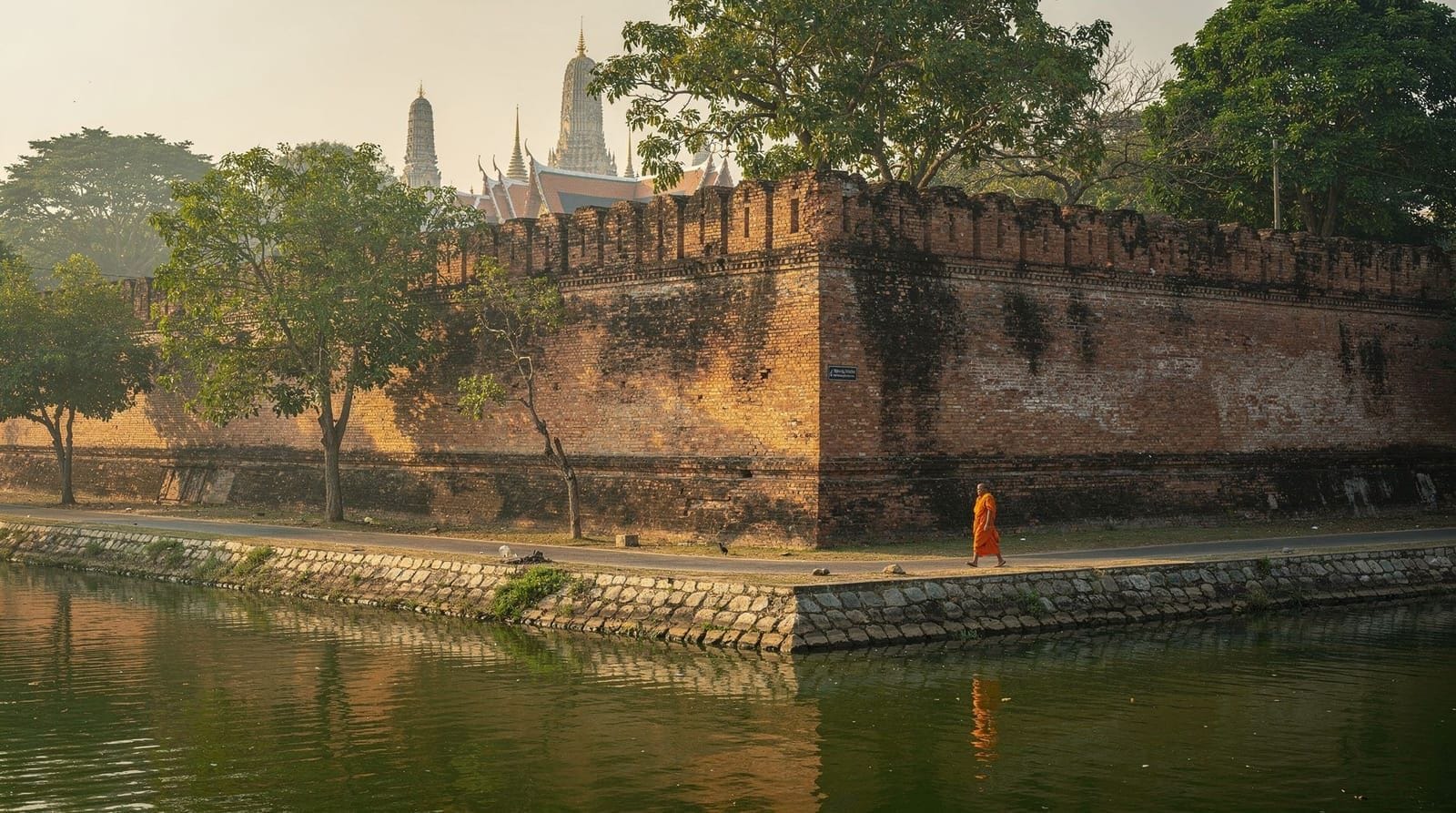
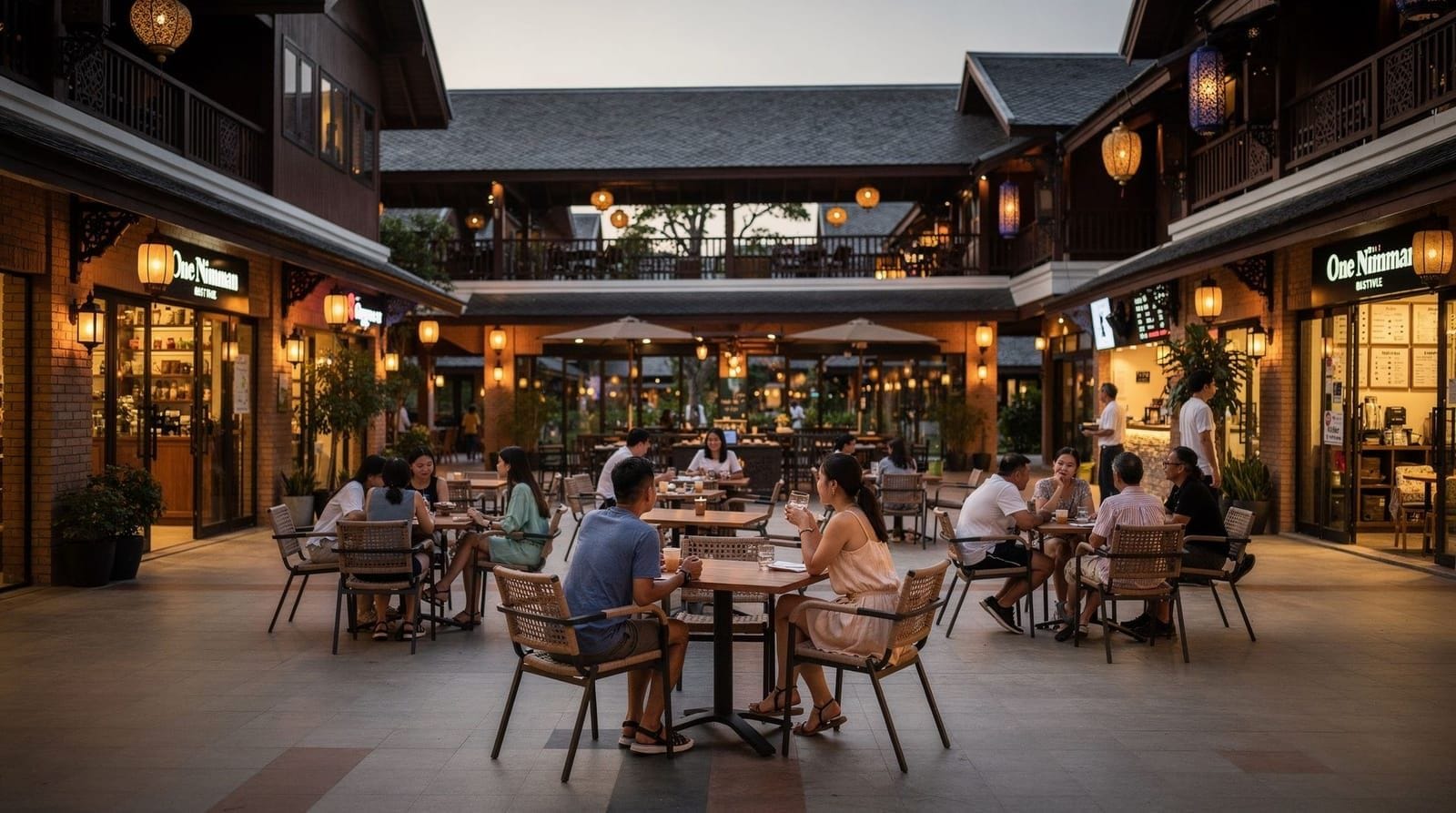
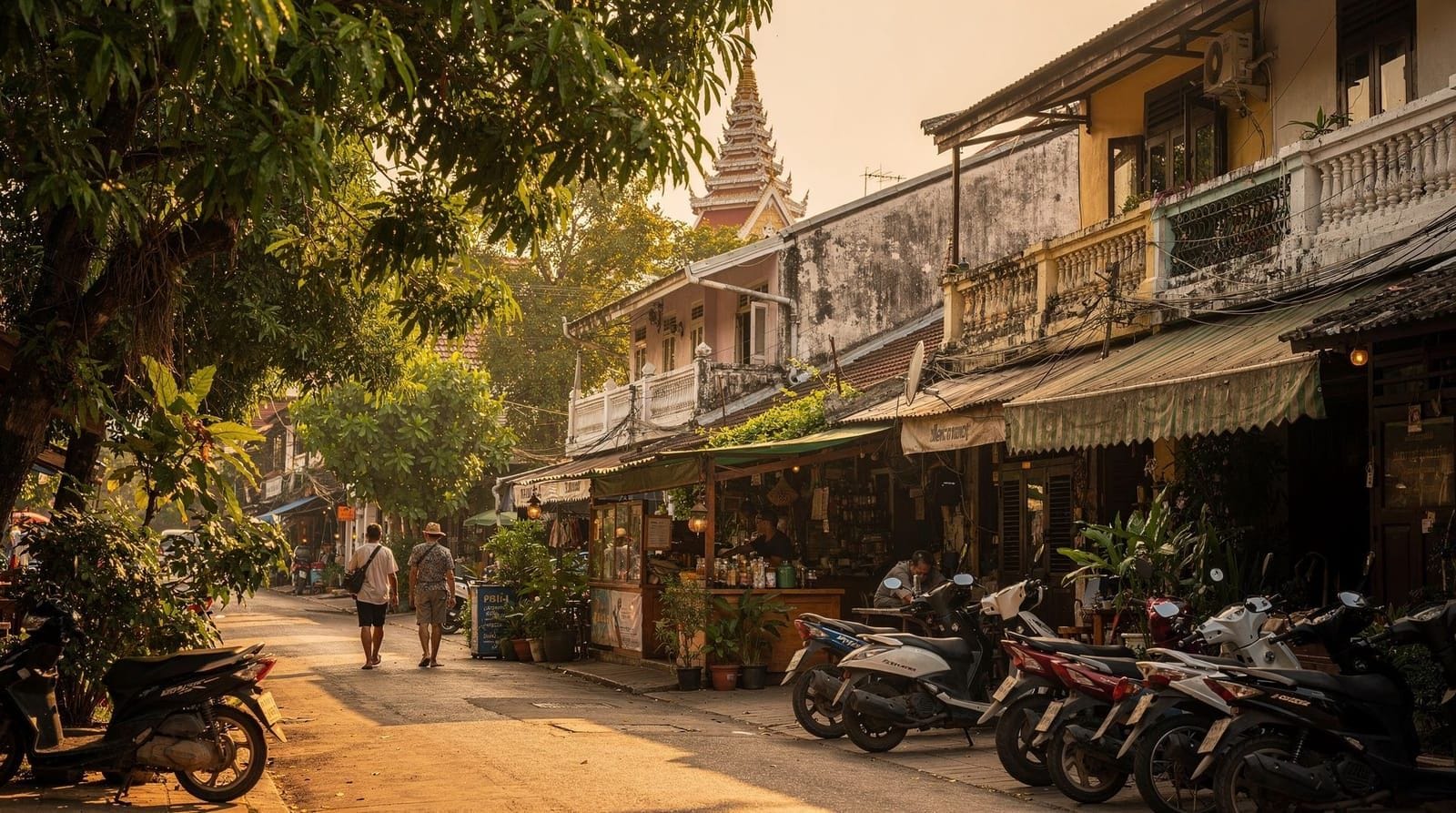
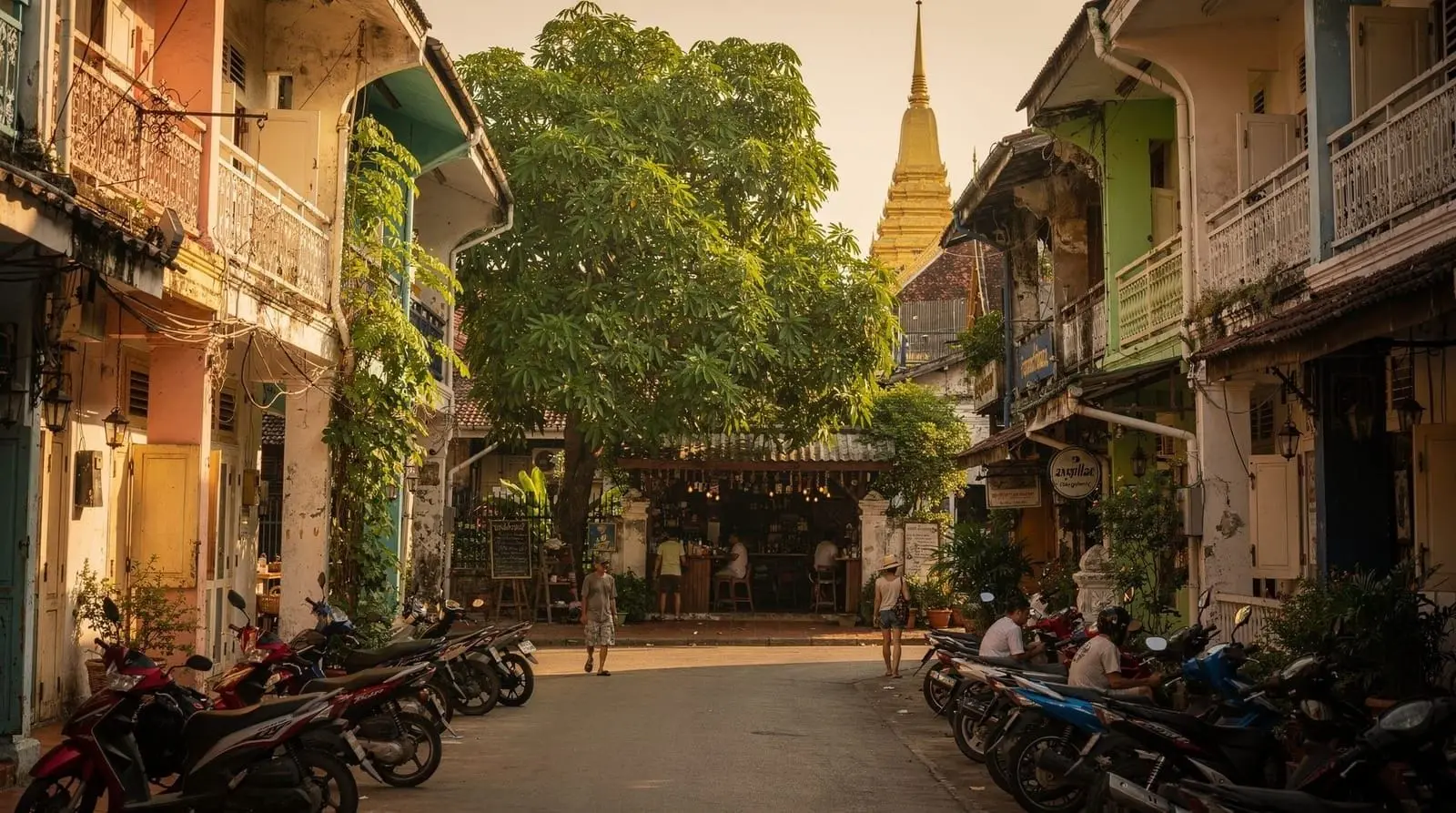
The Old City, for most first-time visitors. It puts the major temples, guesthouses and the weekly Sunday Walking Street market within walking distance, minimising transport planning during a short trip. Families and visitors wanting larger hotels may prefer the riverside and Night Bazaar area; long-stay visitors and digital nomads are better served by Nimman or Santitham.
Choosing where to stay is one of the few decisions on a Chiang Mai trip that genuinely shapes everything else, because the city’s neighbourhoods differ enough in character that the “best” one depends entirely on who is asking. A solo backpacker, a family of four, a digital nomad staying a month and a couple on a five-night honeymoon each have a genuinely different correct answer, and treating this as a single universal question is where most first-time visitors go wrong.
This guide works through the decision by traveller type rather than offering one blanket recommendation, covering the trade-offs each kind of trip should actually weigh: walkability against cost, hotel amenities against independent character, and sightseeing density against a slower, quieter pace.
The short answer, for anyone in a hurry
For a first-time visitor on a typical three-to-seven day trip with no strong preference already formed, the Old City is the right default. It puts Wat Phra Singh, Wat Chedi Luang and the weekly Sunday Walking Street within walking distance, which removes the single biggest source of wasted time and money on a short trip: unnecessary transport planning around the highest-priority sightseeing. It is not the right answer for every traveller, and the sections below cover exactly which situations call for a different choice.
Solo travellers
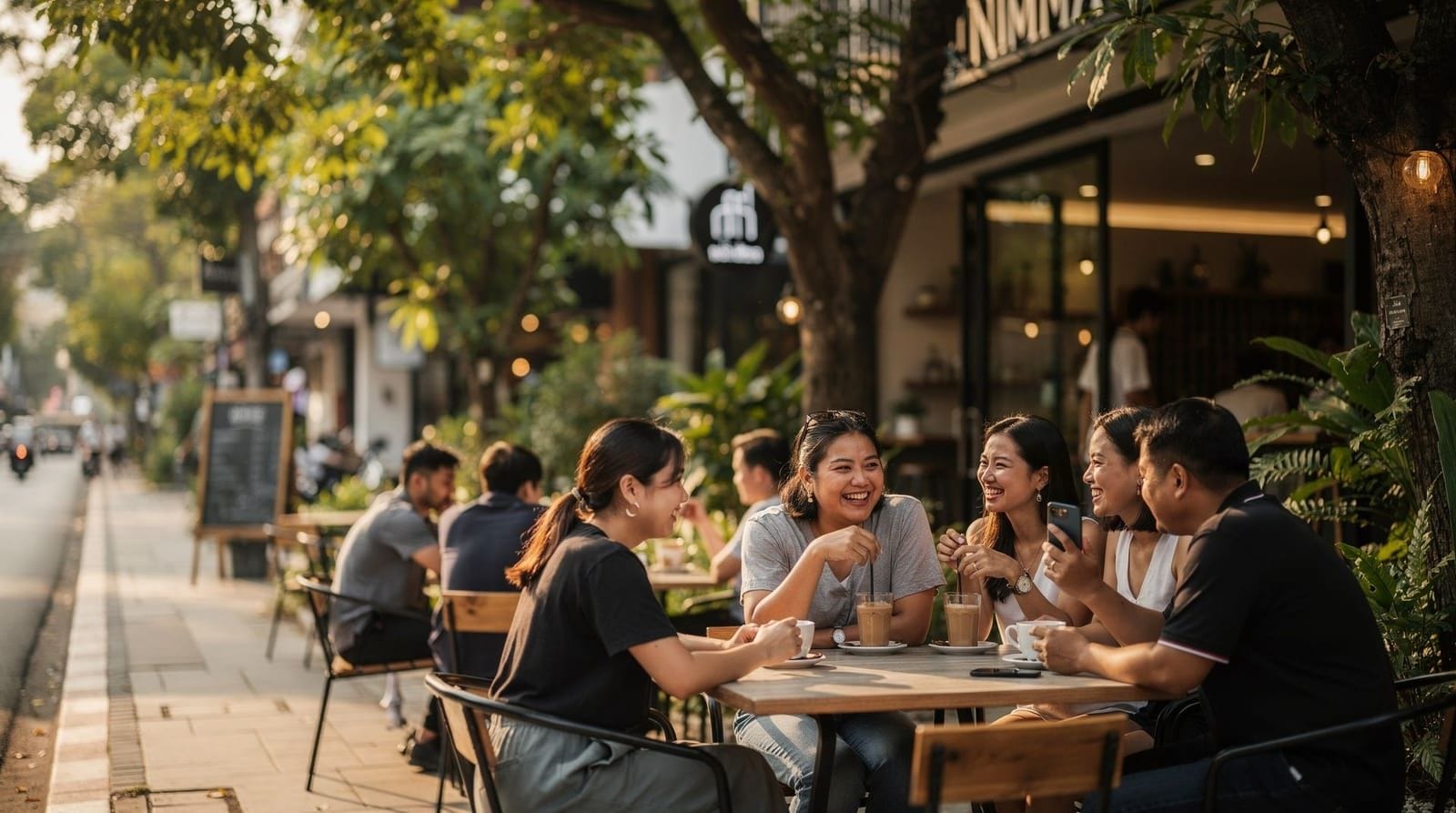
Solo travellers generally do best in the Old City, given its dense hostel and guesthouse scene, which makes meeting other travellers considerably easier than a quieter base would, and its walkable layout, which removes any anxiety about navigating solo after dark on unfamiliar transport. The area around Tha Phae Gate specifically has the highest concentration of hostels with active common areas and organised social events, useful for solo travellers specifically looking for company. Nimman is the better choice for a solo traveller prioritising a quieter, work-friendly stay over an active social scene, particularly for longer stays where the café-and-coworking rhythm suits a slower, more independent daily routine better than a hostel-driven one.
Couples
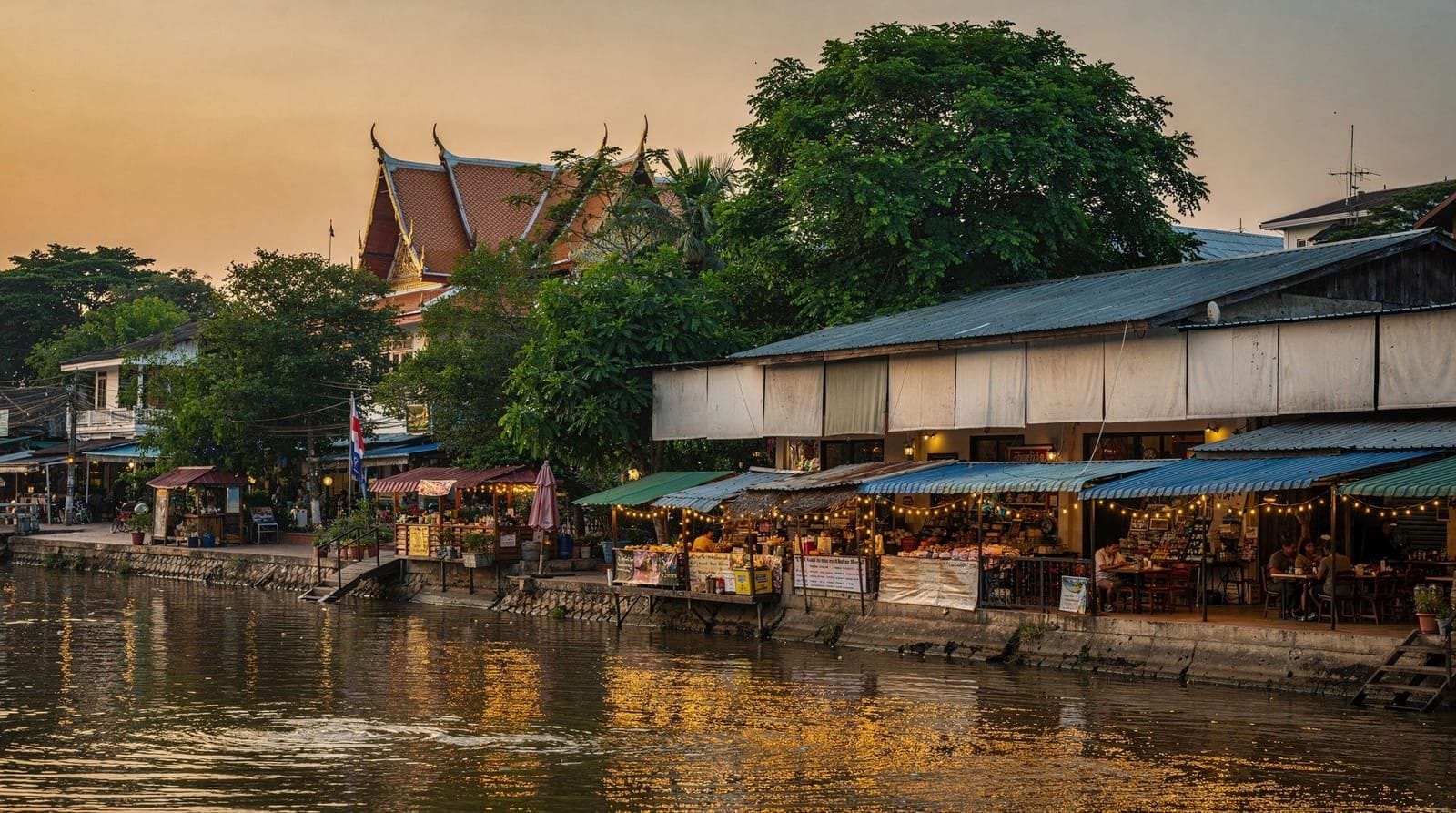
Couples on a shorter trip focused on classic sightseeing generally do well in the Old City, where a boutique guesthouse in one of the quieter interior lanes offers both atmosphere and walkable access to temples and markets. For a more deliberately romantic register, a boutique hotel on the Ping River side near Wat Ket offers genuine river views and a calmer pace a step removed from the Old City’s tourist density, covered in more detail in the riverside and Night Bazaar neighborhood guide. Nimman suits couples on longer stays or those prioritising food and coffee over temple sightseeing, with its rooftop bars and contemporary restaurants offering a different kind of evening than either the Old City or riverside options.
Families with children
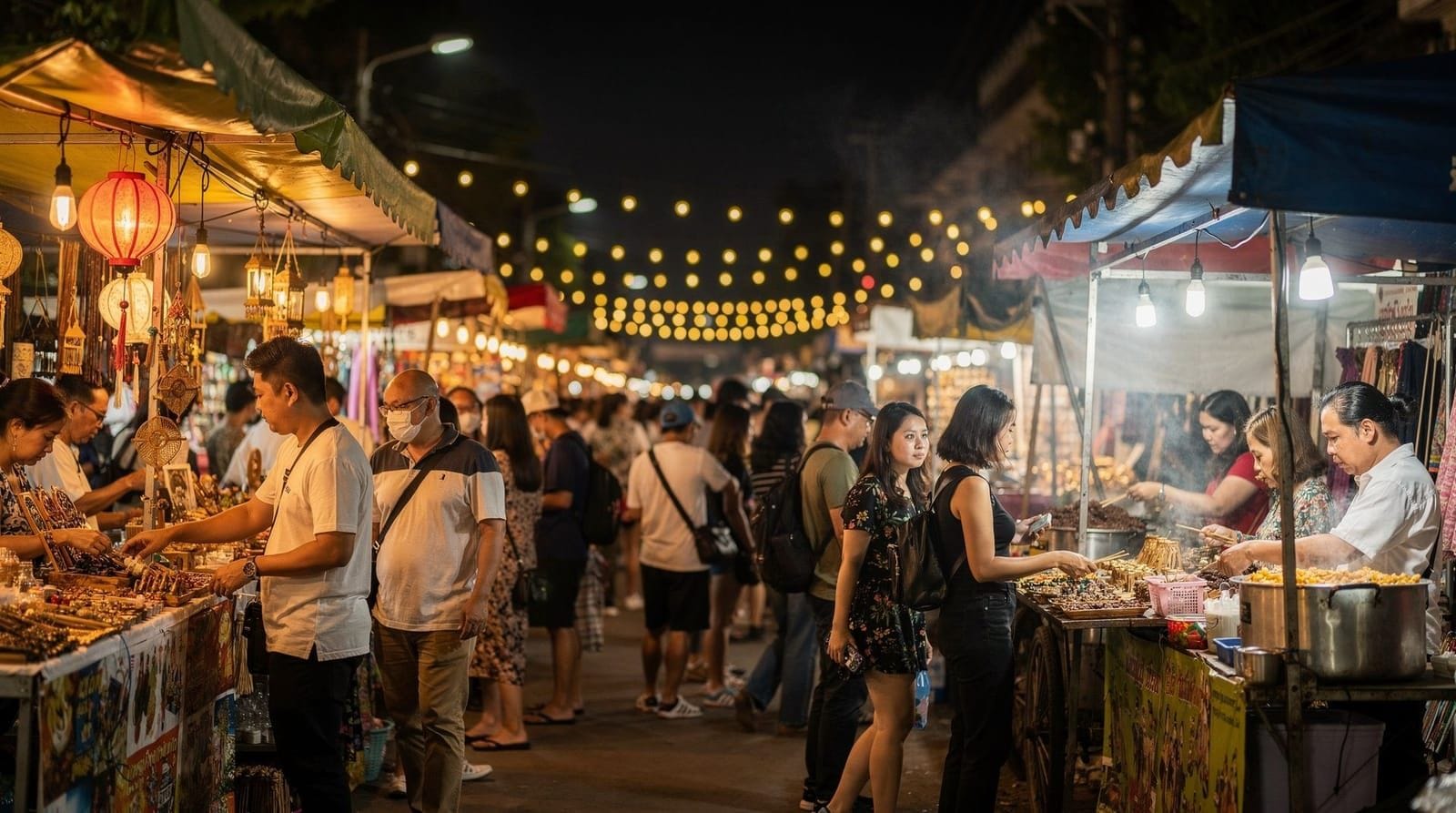
Families generally do best in one of two places, depending on priorities. The riverside and Night Bazaar area has the city’s highest concentration of larger, amenity-rich hotels with pools, a genuine practical advantage for families needing a midday break from the heat and children needing somewhere to burn energy that isn’t a temple courtyard. The Old City works well for families prioritising walkable sightseeing over hotel amenities, given its flat terrain and manageable distances between major sights, and the Sunday Walking Street specifically is a low-stress, pedestrian-only evening out that works well across a wide range of ages. Families should generally avoid Santitham as a sole base for a short trip, given its lack of on-site attractions and reliance on Grab for almost all sightseeing.
Digital nomads and long-stay visitors
Nimman is the clearest choice for digital nomads and long-stay visitors, given its density of coworking-friendly cafés, dedicated coworking spaces and serviced apartments built specifically for month-long stays, all backed by generally reliable wifi. Visitors on a tighter budget or simply preferring a quieter, more local atmosphere over Nimman’s café-district energy should consider Santitham instead, a short, cheap Grab from Nimman’s amenities at meaningfully lower accommodation and food costs. Both are covered in more depth in their dedicated neighbourhood guides for anyone planning a stay of a month or longer.
Budget travellers
Budget travellers get the most value from the Old City for a short trip, given its wide spread of genuinely cheap hostel dorms from around 250-400 THB (USD 7-11) and street food meals commonly under 60 THB (USD 1.65). For longer stays, Santitham offers even lower costs, particularly on monthly accommodation, at the trade-off of needing transport for most sightseeing. Nimman and the riverside district both run meaningfully more expensive for both food and accommodation, and are better treated as occasional destinations for a specific meal or shopping trip than a full-time budget base.
Groups of friends
Groups travelling together generally do best in the Old City or the riverside and Night Bazaar area, both of which offer a wide range of accommodation types within a small radius, making it easier to book adjacent rooms or a single larger property than in the more scattered guesthouse stock of Santitham or the pricier boutique hotels of Nimman. The Old City suits groups wanting an active evening scene and easy access to bars and street food, while the riverside area suits groups wanting a pool to gather around during the day, a genuine advantage for larger groups spending downtime together between sightseeing outings. Groups splitting across multiple rooms should also factor in that the Old City’s older guesthouse buildings sometimes have limited adjoining or connecting rooms compared with the riverside area’s larger, more standardised hotel floor plans.
Business travellers and short stopovers
Visitors in Chiang Mai for a short business trip or a stopover rather than a leisure holiday are generally best served by the riverside and Night Bazaar area or central Nimman, both offering the kind of predictable, amenity-rich hotel stock — reliable wifi, business centres, consistent service standards — that a leisure-focused Old City guesthouse doesn’t always prioritise. The choice between the two usually comes down to which side of the city the business itself is located, since both are well-connected to the airport and to each other by a short Grab ride.
Does neighborhood matter if renting a scooter?
Less than it does for visitors relying on Grab and walking, but not nothing. The Old City’s narrower internal lanes are easy to navigate slowly but require more caution at the gates, where traffic from the ring road merges with the calmer interior grid. Nimman and Santitham both have wider, straighter streets that are somewhat easier for less experienced riders, and Santitham specifically tends to have easier and cheaper parking than the denser Old City or Night Bazaar areas. None of this should be a deciding factor on its own, but it is worth knowing for visitors planning to rent a scooter for day trips to Doi Suthep, Mae Rim or further afield, regardless of which neighbourhood ends up as the overnight base.
First-timers versus repeat visitors
A genuine first-time visitor benefits most from the Old City’s concentration of headline sights, since minimising transport planning matters more when every day is packed with new sightseeing. Repeat visitors who have already covered the major temples tend to get more value from Nimman, Santitham or a riverside stay, since the pressure to be near the big sights has eased and a different pace or atmosphere becomes the more interesting variable. This is worth being honest about even on a second Chiang Mai trip specifically because the temptation to default back to the same familiar Old City guesthouse is strong, even when a different neighbourhood would now suit better.
Short trips versus long stays
The shorter the trip, the more a walkable, temple-adjacent Old City base pays off relative to Nimman’s or Santitham’s slower-burn advantages, which reward the extra days of a longer stay. For a trip of two or three nights, the Old City’s proximity to the highest-priority sights is close to decisive. For a stay of two weeks or longer, the daily cost differences between neighbourhoods compound meaningfully, and Nimman’s work-friendly infrastructure or Santitham’s lower prices start to matter more than shaving a few minutes off the commute to any single temple. Splitting a stay of six nights or more across two neighbourhoods — commonly the Old City followed by Nimman, or the reverse — is a reasonable way to get more than one texture of the city without excessive daily commuting, given the short 10-15 minute Grab between the two.
The smaller neighborhoods worth knowing about
Beyond the four main areas covered above, a handful of smaller pockets suit very specific kinds of trip. The Wualai and Hai Ya area south of the Old City walls, known for silversmithing and the weekly Saturday Walking Street, works well as a secondary stop or for visitors basing at the southern edge of the Old City rather than as a standalone base, given its thinner accommodation stock. Chang Phueak, around the Old City’s north gate, blends into Santitham and is worth knowing about primarily for its excellent, entirely local night market for street food rather than as a place to book a hotel. The Suthep and university side, toward the base of the mountain road, suits visitors prioritising a quiet, green stay with easy access to Doi Suthep over walkable city sightseeing, and pairs well with a scooter-based trip. None of these smaller areas typically outrank the four main neighbourhoods for a first-time visitor’s primary base, but each is worth a mention for the specific traveller they suit.
Common regrets worth avoiding
A few patterns show up repeatedly among visitors who feel they chose the wrong base. Families booking a characterful Old City guesthouse without checking whether it has a pool or air conditioning strong enough for young children in hot season often regret it by day three. Visitors booking purely on the strength of a hotel’s own photos, without checking the specific street on a map, sometimes end up considerably further from walkable sightseeing than expected, particularly with listings that describe themselves as “near the Old City” while sitting a 15-minute ride away. Long-stay visitors who commit to a month in Nimman before trying it in person sometimes find the premium pricing wears thin faster than expected, a risk a short trial stay or a cheaper first week in Santitham can mitigate. None of these mistakes are catastrophic, but they are avoidable with the kind of specific, street-level checking this guide and its companion neighbourhood guides are built to support.
A practical first day regardless of base
Whichever neighbourhood ends up as the base, a half-day private city tour by tuk-tuk or an evening nighttime city highlights tour by EV tram is a genuinely useful way to get oriented across several neighbourhoods on the first day, before committing mentally to treating any one area as “home base” for the rest of the trip. Both cover ground that would otherwise take several separate Grab rides to piece together, and give a first-time visitor a clearer sense of which of the city’s areas actually appeals before spending the following days exploring on foot.
Weather and timing as a factor
Season can tip the decision at the margins. During the hot season from March to May, a hotel with a pool in the riverside district or a well-shaded Nimman café-adjacent stay can matter more than usual, given how demanding the Old City’s largely unshaded streets become at midday. During the cool season from November to February, when Chiang Mai hosts Loy Krathong and Yi Peng, the Old City’s role in the festivities makes it a particularly good base for that specific window, and accommodation there books out weeks in advance for the festival period as a result. Burning season, roughly February to April, affects air quality city-wide rather than favouring any one neighbourhood, and is worth checking via the site’s best time to visit guide regardless of which area ends up as the base.
How to decide, in one pass
Start by ruling out what matters least: if budget is the binding constraint, the Old City or Santitham lead; if sightseeing density in a short window matters most, the Old City wins outright; if the trip runs a month or longer, Nimman or Santitham’s infrastructure starts to matter more than proximity to any single temple; if hotel amenities and a predictable, larger-scale stay matter most, the riverside and Night Bazaar area is the practical choice. Very few first-time visitors need more nuance than this to make a good decision, and the fuller Chiang Mai neighborhoods guide is there for anyone who wants the complete comparison across every area in the city, including the smaller pockets like Wualai, Chang Phueak and the Suthep side that this decision guide only touches on briefly.
Frequently asked questions about choosing where to stay
Should a solo traveller stay in the Old City or Nimman?
The Old City generally, given its denser hostel and guesthouse social scene, walkable temple sightseeing and easy evening market energy. Nimman suits a solo traveller more if the priority is a quieter, work-friendly base over a social hostel atmosphere.
Where should couples stay in Chiang Mai on a first visit?
The Old City for a shorter trip focused on classic sightseeing, or a boutique riverside hotel near Wat Ket for a calmer, more romantic register with genuine river views, both reasonable choices depending on whether sightseeing density or atmosphere matters more.
Where should families with children stay in Chiang Mai?
The riverside and Night Bazaar area, given its concentration of larger hotels with pools, or the Old City if walkable temple sightseeing and a flat, easily navigated grid matter more than hotel amenities.
Is it better to book a hotel near the airport in Chiang Mai?
Not generally. Nimman sits closest to the airport at around 10 minutes, but the difference to the Old City or riverside area, both roughly 15-20 minutes, is small enough that airport proximity alone shouldn’t drive a neighbourhood choice.
Can first-time visitors split their stay across two neighborhoods?
Yes, and for trips of six nights or longer it’s a reasonable way to combine the Old City’s immersive first impression with Nimman’s slower, café-driven pace, given the short 10-15 minute Grab between them.
What is the biggest mistake first-time visitors make when choosing where to stay?
Booking based on hotel star rating or price alone without checking the specific neighbourhood and street, since noise levels, walkability and proximity to sightseeing vary enormously within the same broad area, sometimes between two properties only a few hundred metres apart.
Is Chiang Mai’s Old City too touristy for a first visit?
It is genuinely touristy in parts, particularly near Tha Phae Gate, but that comes with real practical benefits for a first visit, namely walkable access to the city’s most important sights, and the crowding is manageable outside peak hours and high season.
Top experiences
Bookable activities with verified prices and instant confirmation on GetYourGuide.