Bo Sang umbrella village
Bo Sang is Chiang Mai's hand-painted umbrella village, home to sa-paper workshops, a January umbrella festival, and the wider San Kamphaeng craft district.
Bo Sang Umbrella Making Experience + Sticky Waterfall Tour
Quick facts
- Getting there
- Grab or private driver from the old city, 30-40 min, roughly 500-700 THB (~$14-20) one-way
- Key sight
- Hand-painted sa-paper umbrellas and parasols, made and painted on-site in open workshops
- Time needed
- 1-1.5 hours for workshops and shopping
- Best time
- January for the Bo Sang Umbrella Festival (parade, illuminated umbrella displays); workshops run year-round
- Typical cost
- Paint-your-own umbrella workshop roughly 150-300 THB (~$4-8.50); finished umbrellas from about 50 THB (small, plain) to several thousand THB (large, hand-painted)
Bo Sang (also spelled Bor Sang) is a small village east of Chiang Mai built around a single craft: hand-made and hand-painted umbrellas and parasols, produced from mulberry-bark “sa” paper stretched over bamboo ribs and finished with intricate floral or landscape designs painted freehand by local artisans. It’s one of the more distinctive stops in the San Kamphaeng craft district east of the city — less about a single dramatic sight and more about watching a genuinely skilled, centuries-old craft happen in front of you, in open workshops lining the main road.
Quick answer: Bo Sang sits about 30-40 minutes east of central Chiang Mai, along the same road as the wider San Kamphaeng crafts district. The main activity is visiting open workshops to watch sa-paper umbrellas being made and painted, with the option to try a paint-your-own session yourself. The village hosts a dedicated Umbrella Festival in mid-January, and most visitors combine it with the crafts road or hot springs nearby for a fuller half-day loop.
The craft: how a Bo Sang umbrella is actually made
Bo Sang’s umbrellas start with sa paper, made from the bark of the mulberry (sa) tree, pounded and processed into sheets sturdy enough to stretch over an umbrella frame yet thin enough to let light through — the same paper-making tradition used for other handicrafts across northern Thailand. Bamboo, split and shaped into ribs and a central shaft, forms the umbrella’s structural frame, assembled by hand rather than machine in most of the village’s smaller workshops.
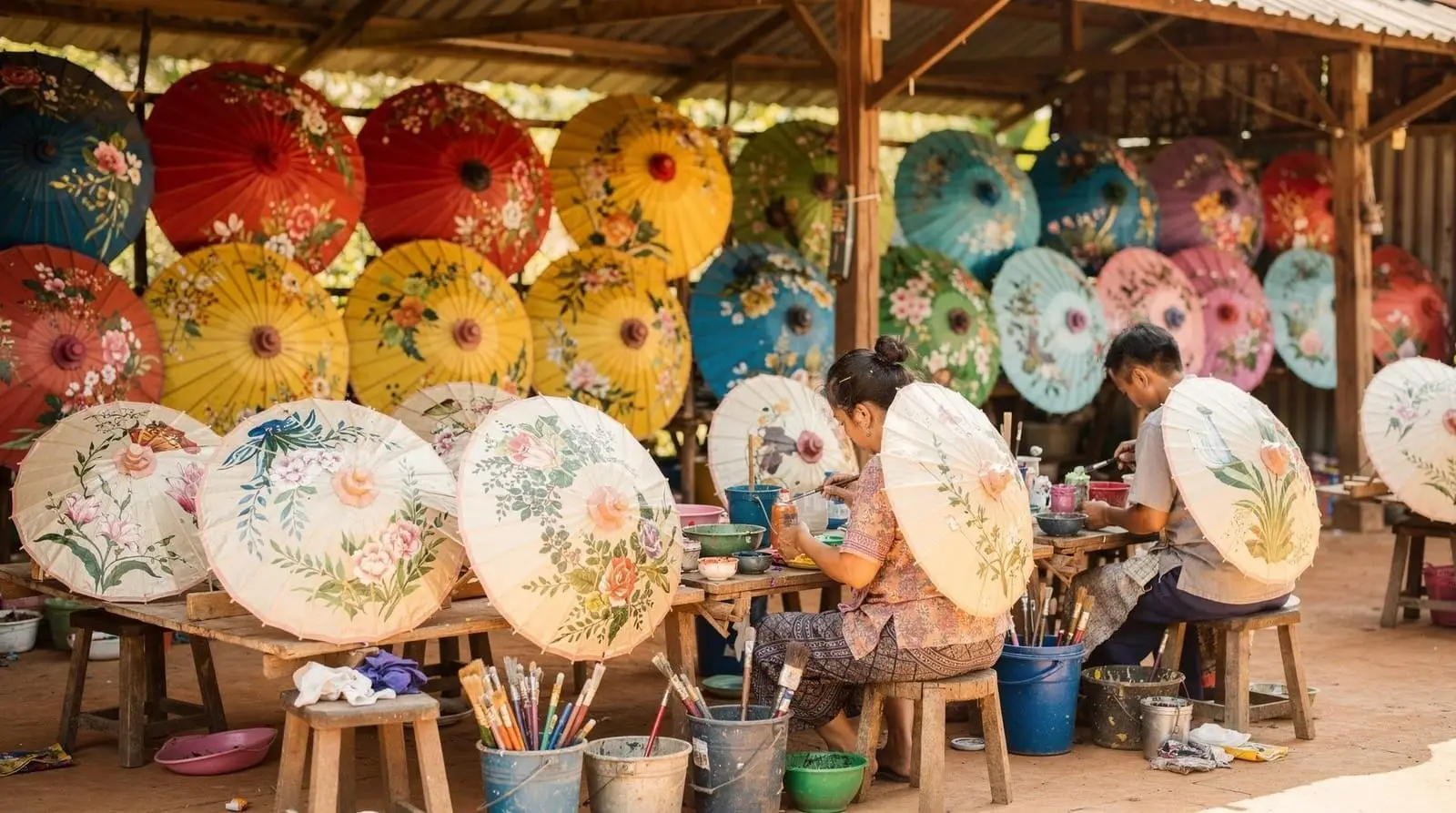
Once assembled, the paper canopy is painted freehand, typically with floral motifs, birds, or northern Thai landscape scenes, using brushes and pigments applied directly by the artisan sitting at a low worktable — a process visitors can watch up close in most of the open-fronted workshops along the main road. Larger decorative umbrellas, the kind bought for garden display or as substantial souvenirs, can take a skilled painter a full day or more of careful, detailed work; smaller, simpler pieces are quicker and correspondingly less expensive.
What to actually do in the village
Bo Sang’s main street is lined with workshops and shopfronts, most operating on broadly the same model: an open workshop area where you can watch paper-making, frame assembly or painting in progress, attached to a retail space selling finished umbrellas, parasols and related paper crafts. A typical visit involves walking a stretch of this street, stopping at two or three workshops that look interesting, and watching artisans work for a few minutes at each.
Book the Bo Sang umbrella-making experience combined with a Sticky Waterfall visit if you want a guided introduction to the craft along with a stop at the climbable waterfalls at Bua Thong on the same day.
For a hands-on option, several workshops offer paint-your-own sessions: you’re given a blank paper umbrella or a small paper fan and basic paints, with a staff member showing the basic technique, and you keep the finished piece as a souvenir. It’s a genuinely enjoyable, low-pressure activity for most skill levels and ages, and a more memorable takeaway than simply buying a pre-painted piece off the shelf.
A brief history of Bo Sang
Bo Sang’s umbrella-making tradition is generally traced back around two centuries, to a monk who is said to have brought sa-paper umbrella techniques back to the village from travels in neighboring Shan State in present-day Myanmar, adapting the craft to locally available mulberry bark and bamboo. What began as a practical, functional craft — umbrellas and parasols for everyday use against sun and rain — gradually developed into the more decorative, painted style the village is known for today, as demand shifted from purely functional items toward the ornamental pieces bought by visitors and collectors.
Over the twentieth century, as Chiang Mai’s tourism economy grew, Bo Sang’s umbrella workshops increasingly oriented themselves around visitors rather than purely local or regional buyers, without losing the underlying hand-craft techniques — the paper-making, frame assembly and freehand painting are still done largely as they always were, even as the finished products now travel home in suitcases rather than staying in local use. That continuity is part of what makes a Bo Sang visit feel like watching a living craft tradition rather than a staged demonstration for tourists.
Photographing Bo Sang
Bo Sang’s main street offers some of the most colorful, easily photographed craft-village scenes in the Chiang Mai area — rows of drying painted umbrellas propped open in workshop courtyards, artisans mid-brushstroke at low worktables, and stacks of finished parasols in bold floral patterns. Morning light tends to work best for photographing the umbrellas laid out to dry in workshop yards, since many workshops set out freshly painted pieces early in the day before the afternoon heat and any rain risk. If you’re visiting specifically for photography, asking politely before photographing an individual artisan at close range is good practice, even though the open-workshop setup generally welcomes visitors watching and photographing the process from a respectful distance.
The village’s festival period in January adds an entirely different photographic dimension, with illuminated umbrella displays lining the streets at night — a setup that rewards a slower shutter speed or simply enjoying the display rather than trying to capture it perfectly on a phone camera.
What else is made and sold in Bo Sang
While umbrellas and parasols are Bo Sang’s signature product, most of the village’s shopfronts also carry a wider range of sa-paper goods that use the same underlying material and painting techniques: paper fans, lampshades, greeting cards, notebooks and small decorative boxes, all finished with the same freehand floral and landscape painting style as the umbrellas. These smaller items are a practical option if a full-size umbrella isn’t something you want to pack or ship home, offering the same craft and visual style in a more travel-friendly size and at a correspondingly lower price.
Some workshops also sell larger painted textiles and home décor pieces alongside the paper crafts, aimed more at visitors furnishing a home than at typical souvenir shopping, though these represent a smaller part of most shopfronts’ overall offering compared to the umbrellas and smaller paper goods.
The Bo Sang Umbrella Festival
Bo Sang holds a dedicated umbrella festival each January, typically over a long weekend, celebrating the village’s signature craft with a parade, umbrella-making competitions, cultural performances and — the visual highlight most photographs focus on — large-scale displays of illuminated and decoratively arranged umbrellas lining the streets at night. If your Chiang Mai trip happens to fall in mid-January, checking the exact festival dates for that year and timing a Bo Sang visit around them turns an already pleasant craft-village stop into a genuinely festive, photogenic event.
Outside the festival dates, the village and its workshops operate as a normal, if quieter, craft destination year-round, so there’s no need to specifically time a visit for January if the festival dates don’t line up with your trip.
Look at the combined Doi Inthanon and Bo Sang umbrella village day tour if you’d rather pair the craft village with Thailand’s highest peak on the same day trip.
Shopping honestly: prices, quality and where the money goes
Umbrella and parasol prices at Bo Sang range enormously depending on size and the complexity of the painting — small, simply patterned pieces can run from around 50 THB, while large, intricately hand-painted umbrellas intended for garden display or serious collectors can run into the thousands of THB. As a rule, the more detailed and time-consuming the painted design, the higher the price, which is a fair reflection of the actual skilled labor involved rather than pure markup.
It’s worth being aware, as with several craft-village stops on organized tours across Thailand, that some guided itineraries steer groups toward specific shops that pay a commission to drivers or guides for bringing in customers. That doesn’t necessarily mean the goods are bad or overpriced, but it’s a reasonable reason to browse a little more widely rather than assuming the first shop your driver stops at is the best or only option — buy what you genuinely like, at a price you’re comfortable with, rather than feeling pressured by an enthusiastic recommendation.
Bo Sang versus the Sunday walking street for umbrella shopping
If your Chiang Mai schedule doesn’t allow a dedicated trip out to Bo Sang, it’s worth knowing that painted umbrellas and paper crafts from the village also turn up at markets closer to the city center, including the Sunday walking street along Ratchadamnoen Road in the old city. The trade-off is real, though: market stalls sell finished pieces without the workshop context, so you miss watching the paper-making, frame assembly and painting process that’s the actual reason many visitors make the trip out to Bo Sang in the first place. If time allows both, seeing the village itself first and then recognizing the same style of goods at the walking street afterward gives a more complete picture of where these crafts actually come from.
For visitors who genuinely can’t spare the half-day round trip to Bo Sang, buying from the walking street or from the Saturday walking street on Wualai Road is a reasonable compromise, even without the workshop visit itself.
Getting to Bo Sang
Bo Sang sits about 9 km east of central Chiang Mai on the San Kamphaeng road, closer to the city than the hot springs or the far end of the crafts road, making it roughly a 30-40 minute drive depending on city traffic. Options:
- Grab or a private driver: straightforward and the most common choice, especially if combining Bo Sang with other San Kamphaeng district stops in the same trip.
- A guided craft-district tour: several operators combine Bo Sang with the crafts road or hot springs in a single half-day itinerary.
- Rental scooter: workable on the well-paved San Kamphaeng road, and Bo Sang’s relative proximity to the city makes it one of the easier self-drive stops in the district.
Combining Bo Sang with the rest of San Kamphaeng
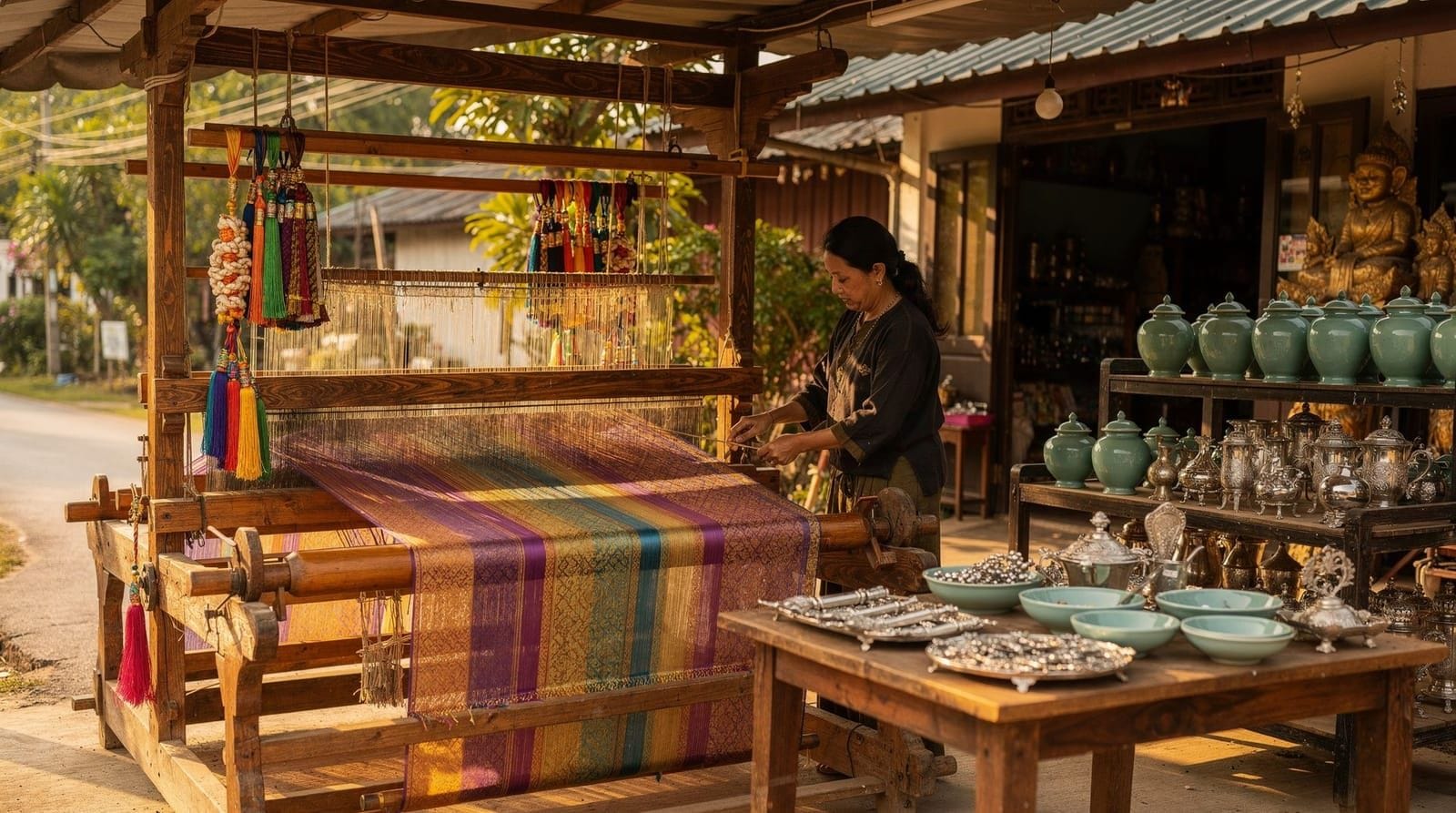
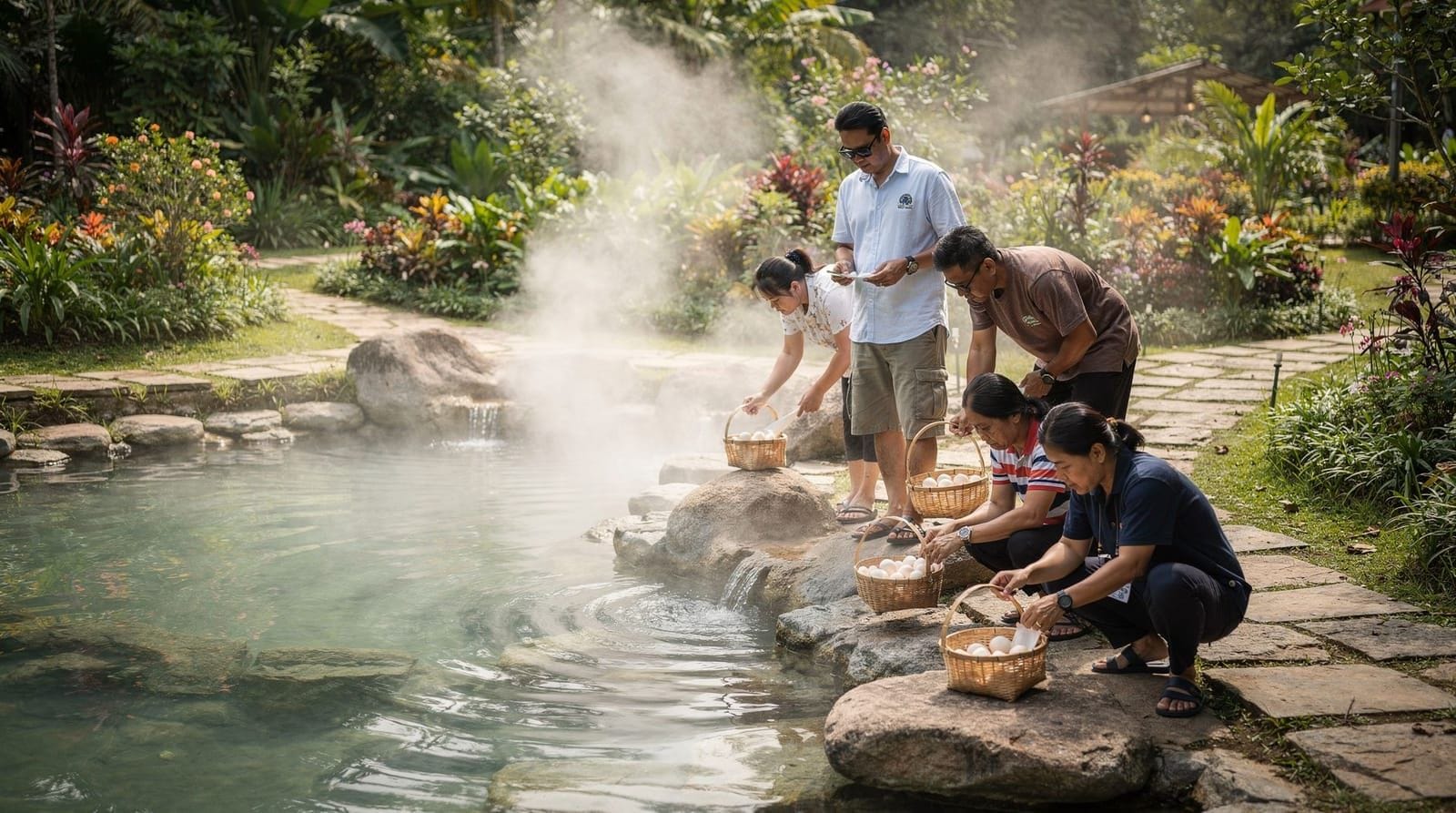
Bo Sang sits at the near end of the same road that continues on to the San Kamphaeng crafts road’s silk, celadon and silver workshops, and further still to the hot springs. Most visitors treat these as one loop: Bo Sang’s umbrella workshops first since they’re closest to the city, continuing further east along the crafts road, and finishing at the hot springs for a relaxing close to the day.
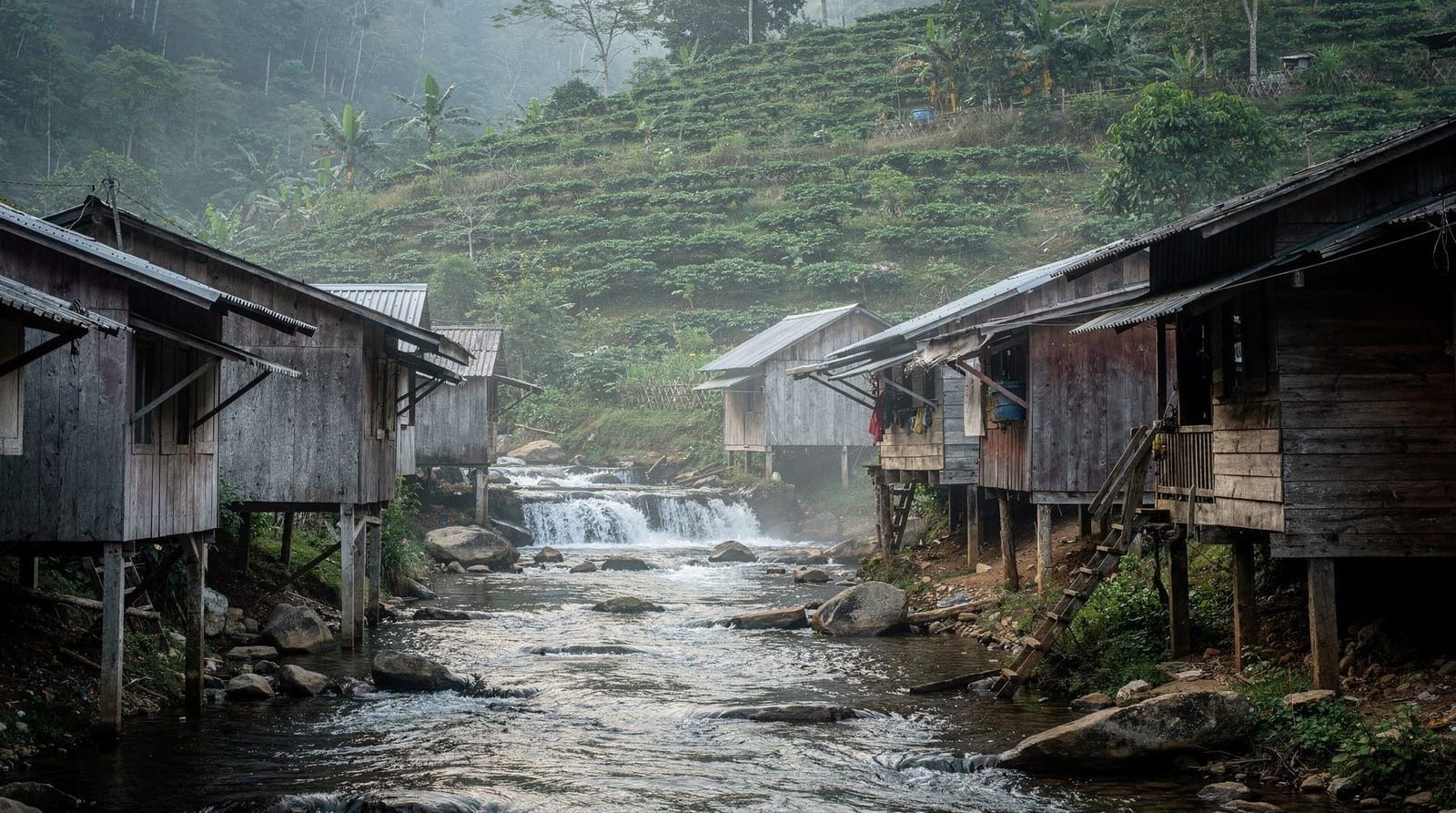
Check the combined Mae Kampong village, hot springs and Bo Sang tour for a version of this route with transport and a guide arranged, adding the mountain village of Mae Kampong into the same day.
Frequently asked questions about Bo Sang umbrella village
How far is Bo Sang from Chiang Mai?
About 9 km east of the old city, roughly a 30-40 minute drive depending on traffic.
What is sa paper?
Paper made from the bark of the mulberry (sa) tree, processed into sheets sturdy enough to form an umbrella canopy while still letting light through — the material used for Bo Sang’s traditional umbrellas and several other northern Thai handicrafts.
When is the Bo Sang Umbrella Festival?
Typically a long weekend in mid-January, with a parade, craft competitions, cultural performances and large illuminated umbrella displays at night. Exact dates vary by year, so check ahead if you want to time your visit around it.
Can I paint my own umbrella at Bo Sang?
Yes, several workshops offer paint-your-own sessions on a blank paper umbrella or fan, with basic instruction included, and you keep the finished piece.
How much do Bo Sang umbrellas cost?
From around 50 THB for small, simply patterned pieces up to several thousand THB for large, intricately hand-painted umbrellas, roughly in proportion to the size and painting detail involved.
Is Bo Sang worth visiting if I’m not interested in shopping?
Yes — watching the paper-making, frame assembly and freehand painting process is interesting on its own, even if you don’t buy anything.
Can I combine Bo Sang with the Sticky Waterfalls in one day?
Yes, several tours pair a Bo Sang umbrella-making stop with a visit to the climbable waterfalls at Bua Thong, since both are on the eastern side of Chiang Mai.
Are all the umbrellas at Bo Sang made locally?
Most workshops along the main street produce and paint umbrellas on-site, but some shopfronts also sell imported or mass-produced pieces. If watching genuine local production matters to you, look for shops where artisans are visibly working.
How much time should I spend at Bo Sang?
Around 1-1.5 hours is enough to watch a couple of workshops and browse or try the paint-your-own option, though it’s easy to combine with the crafts road or hot springs for a fuller half day.
Where does the Bo Sang umbrella tradition come from?
The craft is generally said to date back around two centuries, brought to the village by a monk who adapted sa-paper umbrella-making techniques learned during travels in neighboring Shan State to locally available mulberry bark and bamboo.
Does Bo Sang sell anything besides umbrellas?
Yes, most workshops also carry smaller sa-paper items — fans, lampshades, greeting cards and notebooks — made with the same painting techniques, which are a more travel-friendly option than a full-size umbrella.
Can I ship a large Bo Sang umbrella home instead of packing it?
Many workshops can arrange packing and shipping for larger pieces, though it’s worth confirming cost and delivery time directly with the shop before purchase, since this varies workshop to workshop rather than following a fixed village-wide policy.
Is Bo Sang suitable for a quick stop with young children?
Yes — watching the painting process and trying a paint-your-own umbrella or fan are both low-risk, engaging activities for children, and the village itself is compact and easy to navigate with a stroller or young kids in tow.
Top experiences
Bookable activities with verified prices and instant confirmation on GetYourGuide.