Where we stayed in Chiang Mai: a neighborhood review
We’ve now stayed in three different parts of Chiang Mai across two separate trips — Old City, Nimman, and the riverside strip near Night Bazaar — and each one shaped the trip differently enough that we think the “where to stay” question deserves a more specific answer than most guides give it, rather than a single blanket recommendation.
Old City: convenient for temples, noisier than the photos suggest
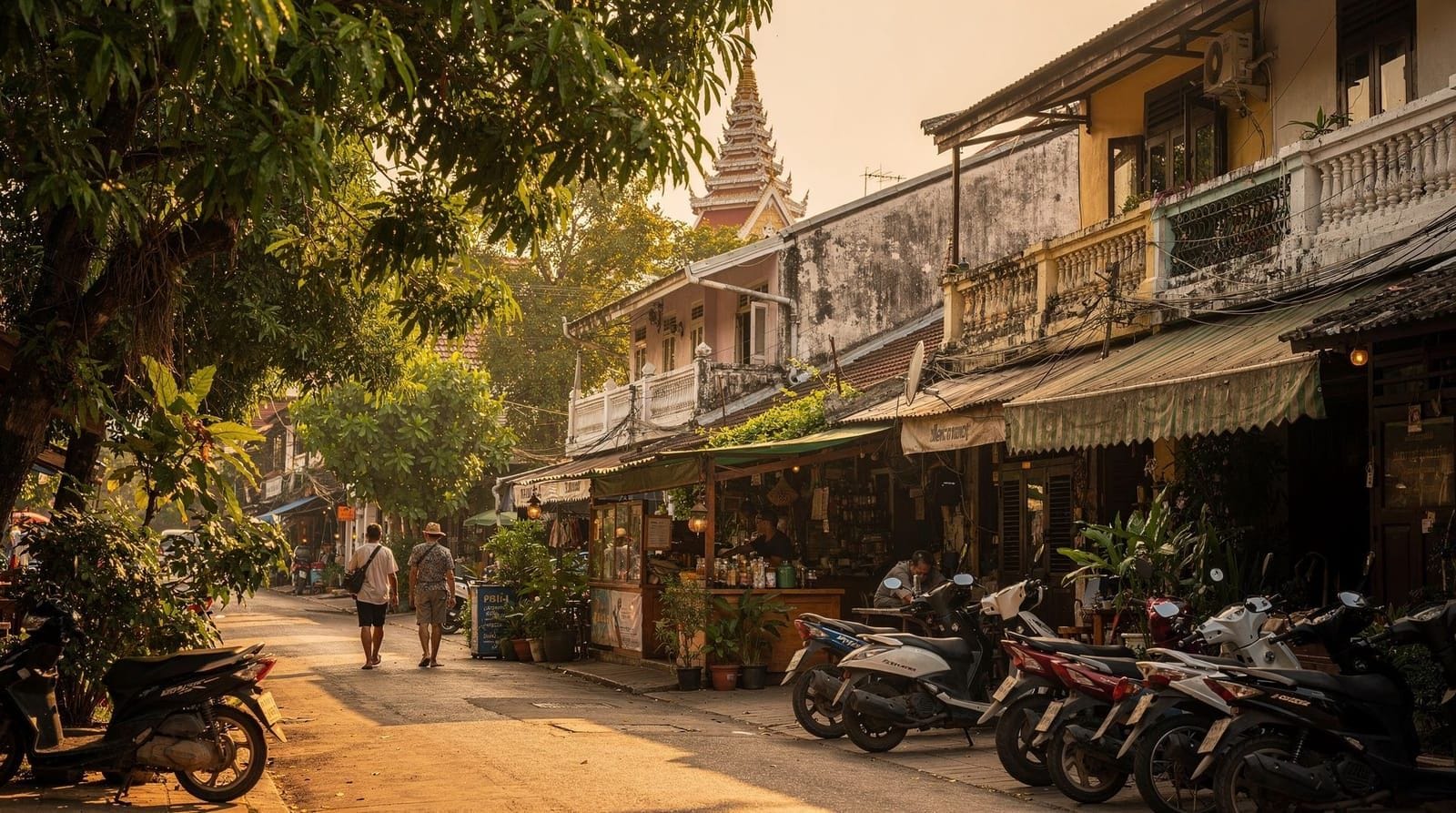
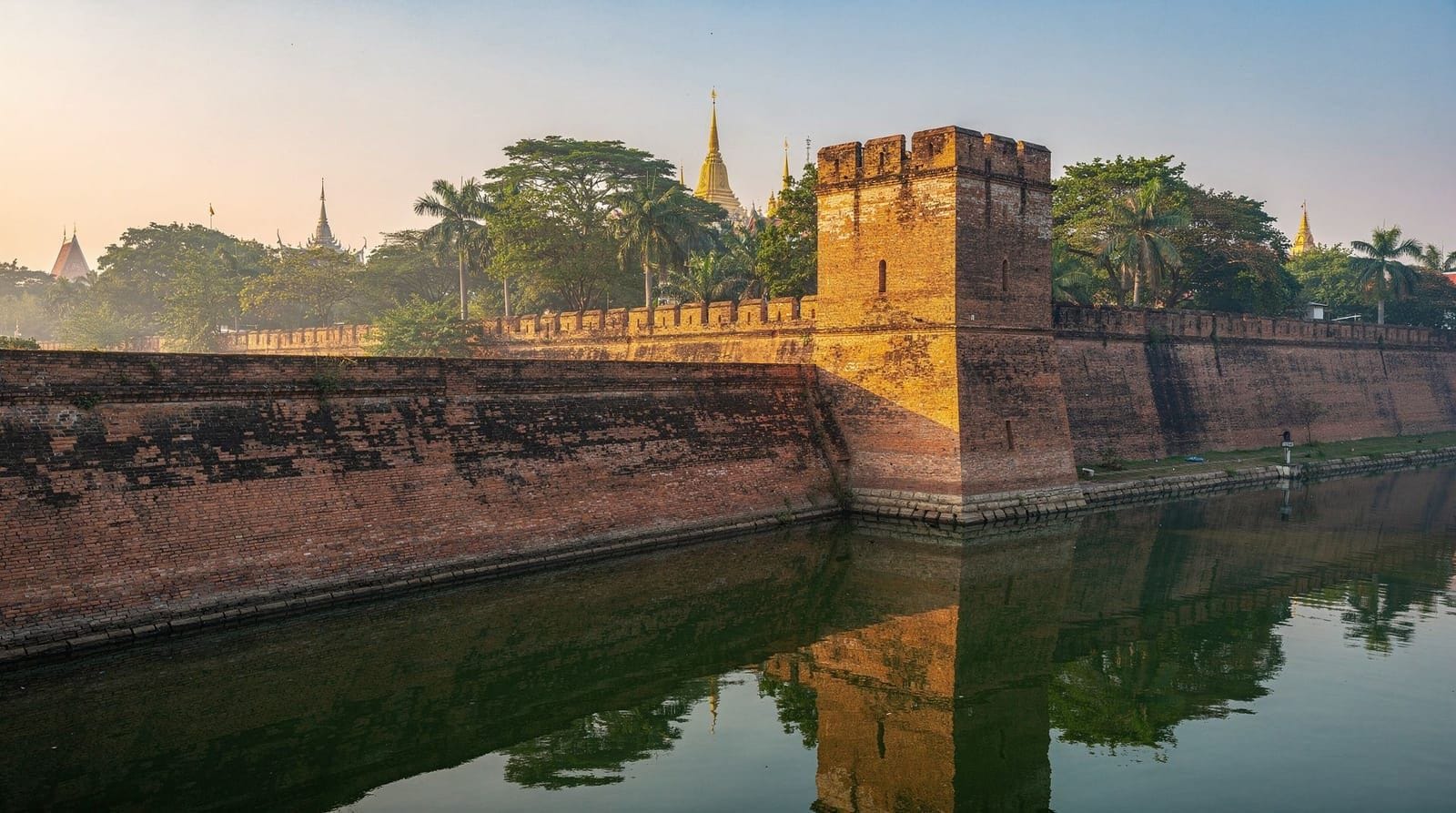
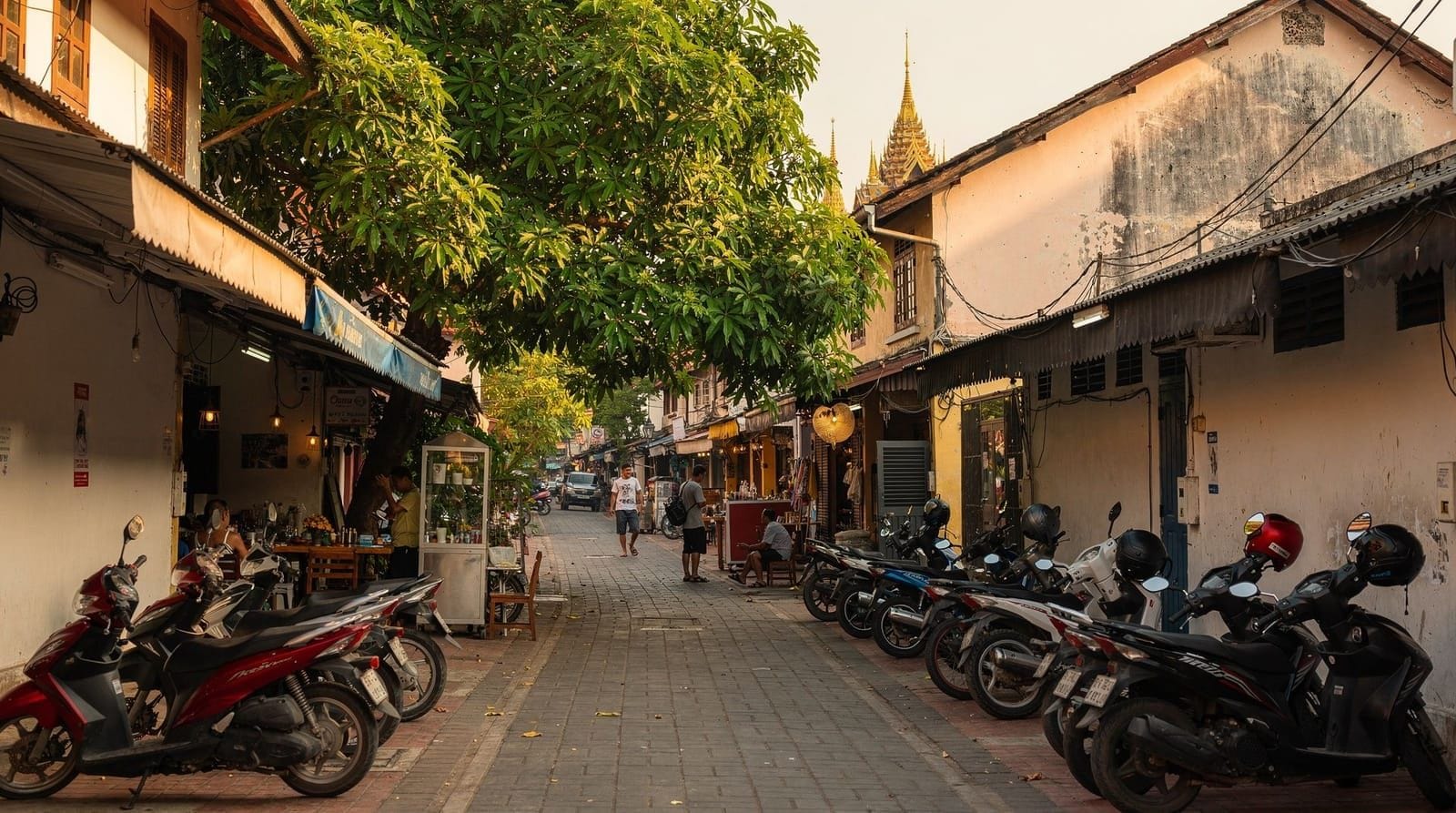
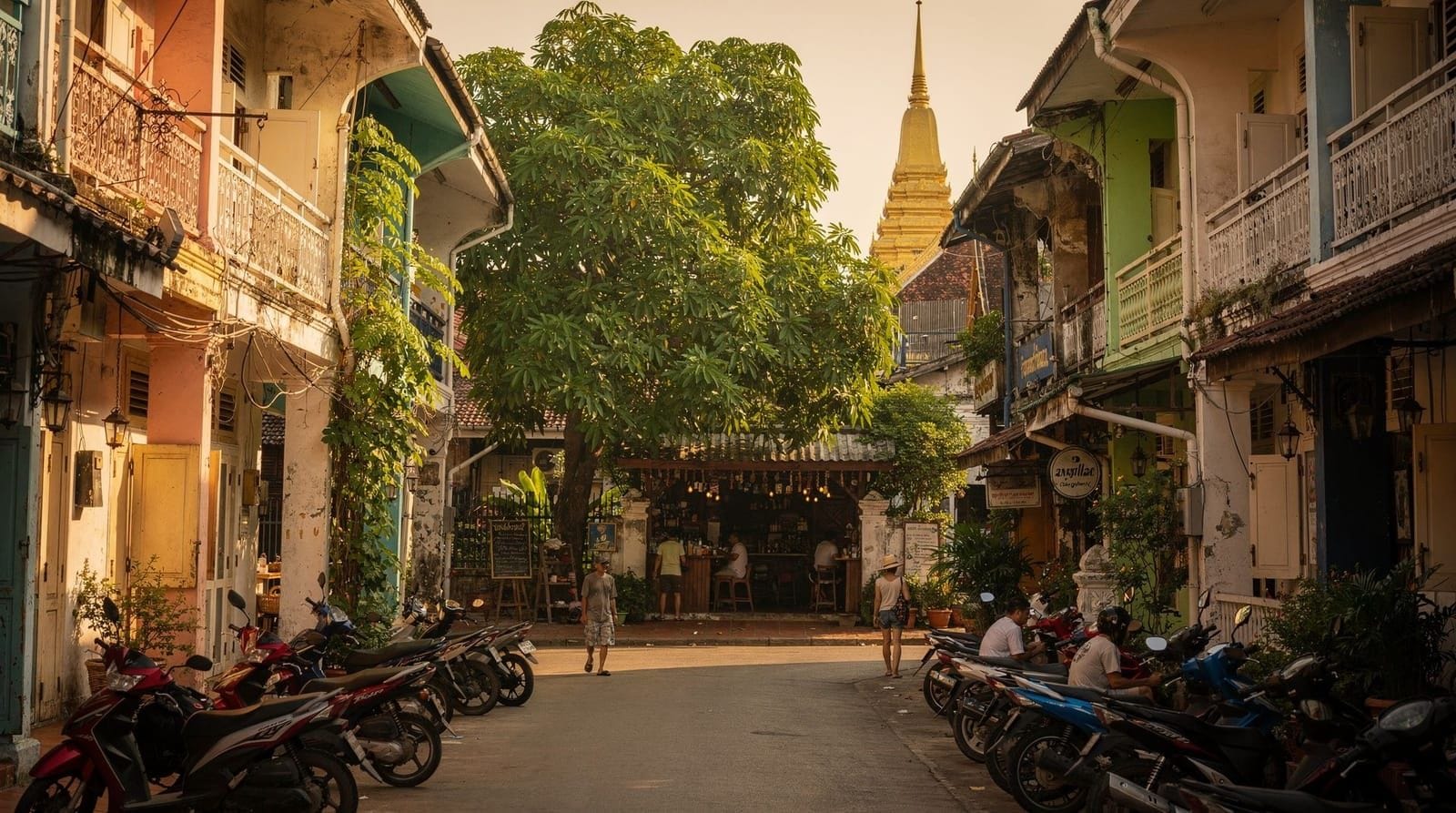
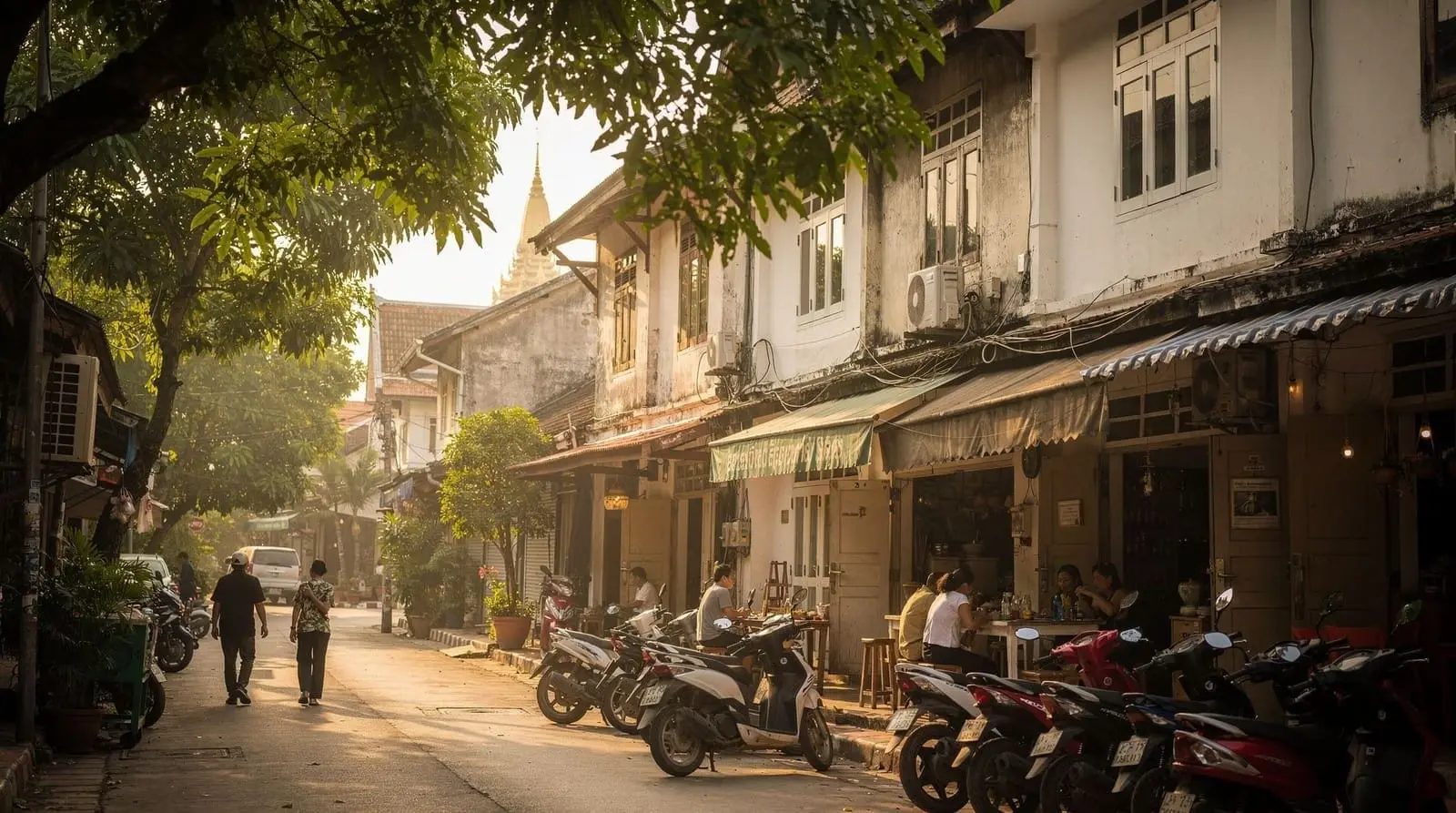
We booked a guesthouse just inside the moat for our first trip, drawn by the obvious appeal of walking to Wat Phra Singh and Wat Chedi Luang without needing transport. That part delivered exactly as expected — genuinely five and ten minutes on foot to two of the city’s best-known temples. What the photos hadn’t prepared us for was the noise: our room faced a narrow soi that turned into a steady stream of scooters and, on Sunday, the full Walking Street market setup directly outside, complete with PA-amplified vendor announcements until around 10pm. Great location, but we’d ask specifically about street-facing versus interior rooms next time, not just neighborhood, since the price difference between the two room types was small relative to how much it affected our sleep.
3-hour Old City temples walking tourNimman: the café scene delivered, but you’ll want transport for temples
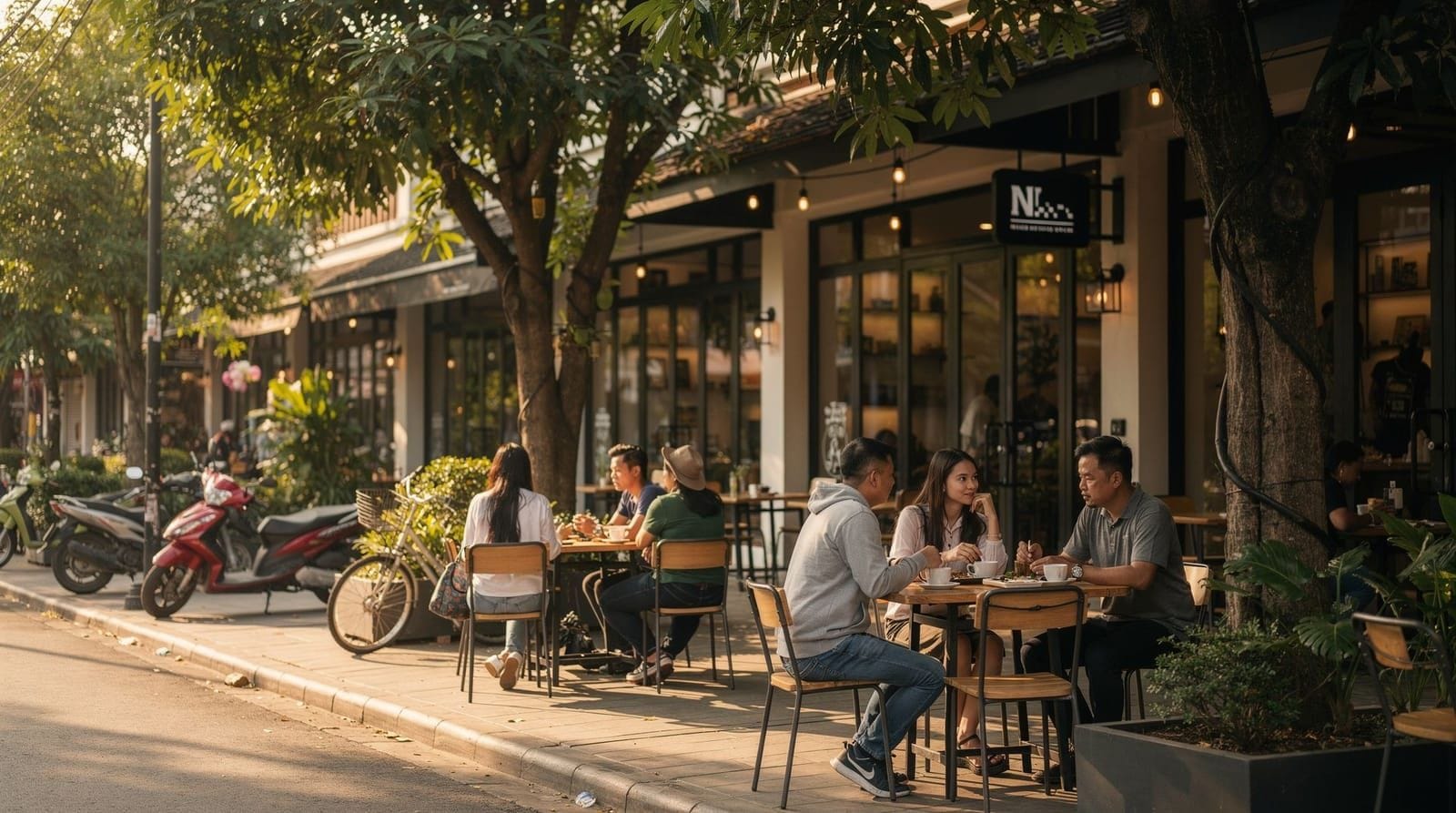
Our second trip, we based ourselves in Nimman specifically chasing the café and restaurant scene we’d heard about, and it lived up to the reputation — a genuinely dense cluster of well-regarded coffee shops, boutique stores and restaurants within comfortable walking distance, more design-district energy than temple-town energy. The trade-off was exactly what we expected but still felt more acutely than anticipated: getting to Old City’s temples meant a 15–20 minute Grab or songthaew ride each way, which adds up over several days of back-and-forth if temple-hopping is a daily priority rather than a once-or-twice activity. Accommodation prices in Nimman also ran noticeably higher than our Old City stay for a comparable room standard — roughly 20–30% more per night in our own comparison, which is worth factoring in if budget is a meaningful constraint.
Riverside near Night Bazaar: quieter than both, and underrated for it
On a return trip with less rigid plans, we tried a hotel along the Ping River near Wat Ket, a short walk from Night Bazaar but far enough from the market’s main strip to avoid its noise and crowds after dark. This was, unexpectedly, the quietest and most restful of the three stays — evening walks along the river, a genuinely different, more local pace on the Wat Ket side of the water, and still an easy walk or short tuk-tuk ride into either Old City or the market itself when we wanted the busier energy. We hadn’t seen this option pushed as hard in other guides and think it’s underrated for anyone who wants some distance from peak tourist density without sacrificing central location.
Santitham: the neighborhood we almost tried but didn’t
On our most recent planning round, we seriously considered Santitham, a quieter, more residential area just northwest of the moat that’s popular with longer-term expats and university students rather than short-stay tourists. We ultimately didn’t book it, mainly because it was our first trip back in a while and we wanted the convenience of Old City’s density, but everything we’ve since read and heard from people who have stayed there suggests it’s worth serious consideration for a return visit — noticeably cheaper accommodation, genuinely local restaurants, and a short songthaew ride from both Old City and Nimman rather than deep inconvenience from either.
Getting between neighborhoods: what it actually cost in time and money
Moving between the three areas turned out cheaper and quicker than we’d budgeted for, which somewhat softened the trade-offs above. A Grab from Nimman to Old City ran 40–60 THB (roughly $1–1.70) and took 12–18 minutes depending on traffic; the riverside stretch to Old City was a similar price and time, sometimes faster on foot along the river if you’re not in a rush. None of these are the kind of transfer that eats meaningfully into a day’s plans, which is worth remembering if a specific neighborhood’s other advantages — price, quiet, café density — outweigh the inconvenience of an occasional cross-town ride.
What actually mattered more than the neighborhood name
Across all three stays, the single biggest quality-of-life factor wasn’t which named district we picked, but how far our specific accommodation sat from a main road versus tucked into a quieter soi. Our noisiest night (Old City) and our quietest night (riverside) were arguably in neighborhoods with similar reputations for background noise — the difference was the specific street, not the district label. If you’re booking, we’d now weight “how many turns off the main road” almost as heavily as which named neighborhood shows up in the listing, and we’d read recent reviews specifically for noise complaints rather than trusting star ratings alone.
How each neighborhood felt after dark
Evenings ended up being the clearest differentiator between the three areas, more than daytime convenience. Old City after 9pm was still genuinely lively near the main gates but quiet within a couple of streets of the moat, a mix that suited an early dinner and an easy walk home. Nimman stayed busy well past 11pm most nights, bars and late cafés keeping a steady low hum of activity that some travelers will love and others, us on the quieter nights, found a bit much for a full week straight. The riverside stretch near Wat Ket was easily the quietest after dark of the three, verging on sleepy by 10pm, which we appreciated on a longer trip but might find limiting on a short, activity-packed visit.
Who we’d actually recommend each one to
Old City suits a first visit built around temple-hopping and walkability above all else, with earplugs packed as standard equipment regardless of season. Nimman suits a longer stay, a digital-nomad-adjacent pace, or a trip where food and coffee are genuinely central to the itinerary rather than an afterthought between temples. The riverside area near Night Bazaar suits anyone prioritizing a quieter home base with easy access to both the market scene and Old City without living inside either one’s daily bustle. Santitham, based on secondhand research rather than our own stay, looks well suited to a longer, budget-conscious trip where daily convenience to the tourist core matters less than genuine local pace and lower prices. For the fuller side-by-side including budget considerations and specific street-level recommendations, our neighborhoods guide, Old City versus Nimman comparison, and three-way neighborhood comparison go deeper than we can in a single review.
What each stay actually cost us
For a fair comparison: a clean, well-reviewed double room ran us roughly 900–1,300 THB a night (about $25–36) in Old City, closer to 1,300–1,800 THB (about $36–50) for a comparable standard in Nimman, and around 1,000–1,400 THB (about $28–39) for the riverside property near Night Bazaar. None of these are luxury bookings — all mid-range, well-reviewed guesthouses and small hotels rather than international chains — but the spread was consistent enough across multiple booking searches that we think it reflects a genuine, structural price difference between the districts rather than one-off variation between specific properties.
The practical details we wish we’d asked about upfront
Beyond noise, a few smaller things ended up mattering more than we expected across the three stays: whether the room had a proper window that opened (several budget Old City guesthouses didn’t, relying entirely on air conditioning, which felt stuffy on the one occasion the power briefly cut out), how far the nearest 7-Eleven or pharmacy actually was on foot rather than by the map’s straight-line distance, and whether the property had genuinely secure luggage storage for the gap between checkout and a late flight. None of these are dealbreakers on their own, but asking about them specifically before booking would have avoided a couple of minor inconveniences across the three trips.
What we’d change if we went back
We’d ask more specific questions before booking any of the three next time — not just “which neighborhood,” but “which specific street, and what’s directly outside the window.” We’d also seriously consider splitting a longer trip across two neighborhoods rather than committing to one for the whole stay, since each area genuinely rewarded a different kind of day, and no single neighborhood in our experience covered both the temple-hopping convenience and the café-culture depth equally well. A four-nights-Old-City, four-nights-Nimman split, in hindsight, would probably have suited our own travel style better than picking one and living with its trade-offs for the full stay.