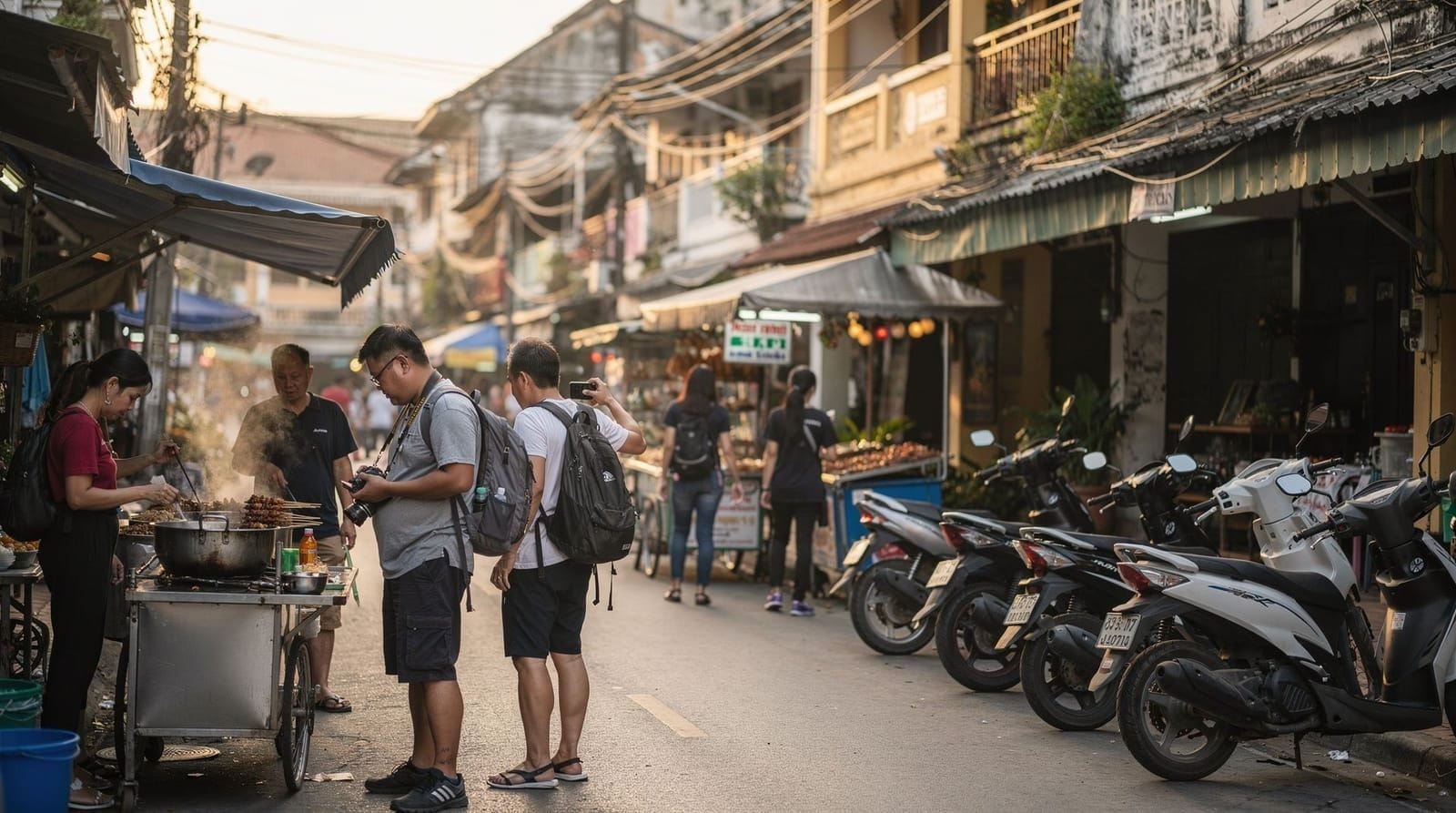
Chiang Mai digital nomad itinerary: a working week with a weekend in Pai
Chiang Mai: Spa Experience at Oasis Spa Nimman
Chiang Mai’s reputation as a remote-work base didn’t come from marketing — it came from a genuinely workable combination of cheap, fast internet, a dense cluster of cafes built for laptop use, and a cost of living that lets a modest budget go a long way. This week-long plan treats the trip like an actual working week rather than a vacation with a laptop along for the ride: real weekday routines in Nimmanhaemin, and one proper weekend trip to break up the week.
Quick answer: structure the week around Nimman as your base — it has the highest density of cafes and coworking-friendly spots in the city — treat Monday through Friday as genuine work days with light activity in the evenings, and use the weekend for a trip to Pai. Budget roughly 1,000-1,800 THB (USD 28-50) per day for food and coffee, plus a coworking or long-stay cafe budget on top if you’re not working from your accommodation.
Getting set up: SIM, internet, and where to base yourself
Sort out connectivity on arrival rather than relying on hotel wifi as your only option — Thailand’s local SIM and eSIM options are cheap and fast enough for video calls, typically 300-600 THB (USD 8-17) for a data package covering a week or more. Our SIM card and internet guide covers eSIM versus physical SIM and which carriers perform best in the city center.
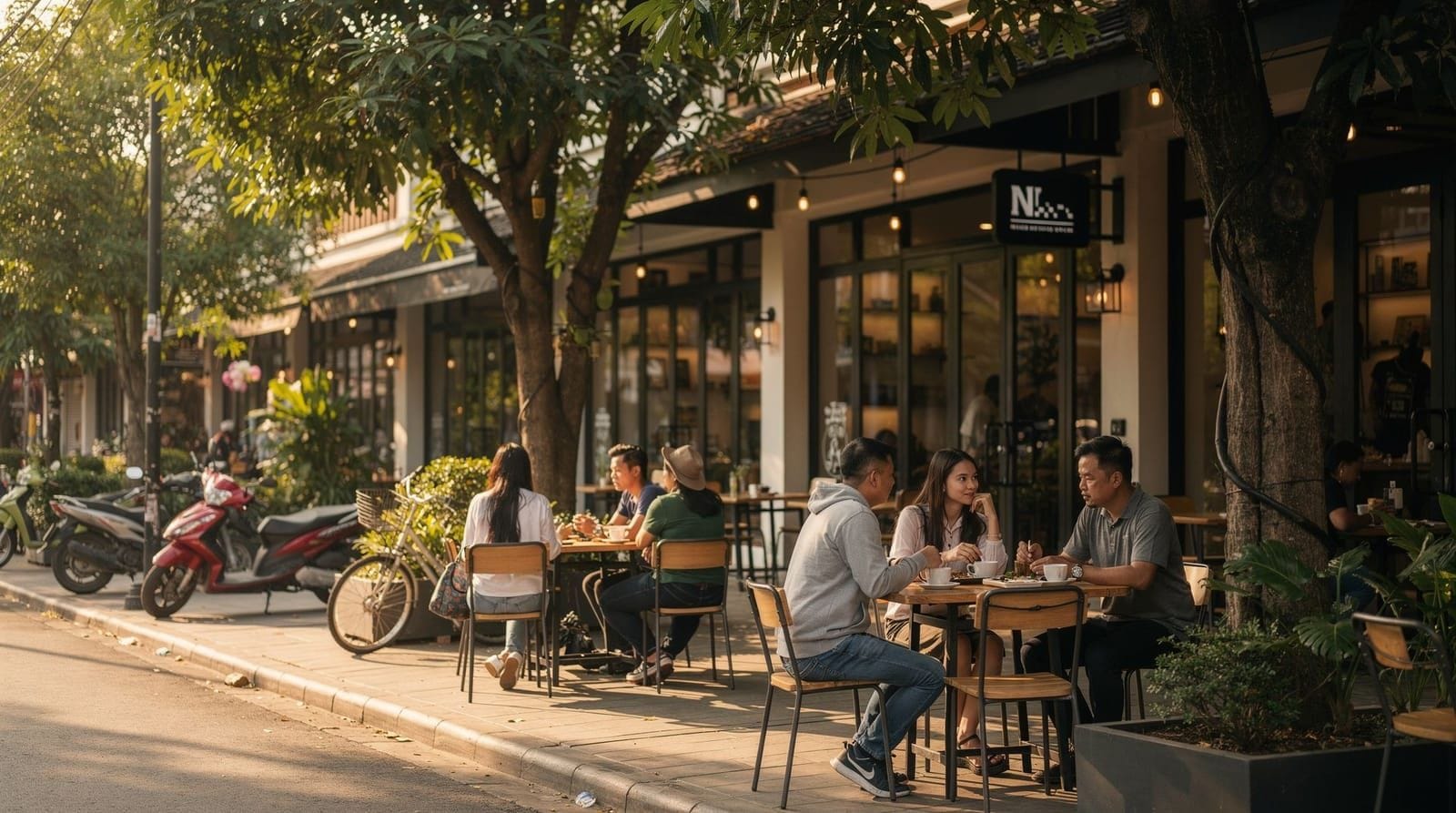
For where to base yourself, Nimman is the default choice for a work-focused trip: it has the tightest concentration of cafes with reliable outlets and wifi, plus a walkable radius that cuts down on daily transport costs. Our Nimmanhaemin neighborhood guide and broader neighborhood comparison guide cover the trade-offs against the quieter Old City or the more residential university area if Nimman’s energy isn’t quite what you want.
Day 1: Arrival, SIM setup, and scoping the cafe scene
Morning to afternoon. Arrive, get connectivity sorted, and settle into your accommodation. Rather than starting work immediately, spend the afternoon walking Nimman and the adjacent One Nimman plaza to scope out a few cafes you might rotate between during the week — most travelers find one or two spots they return to daily rather than treating every day as a new discovery.
Evening. An easy dinner nearby and an early night to adjust to the time zone if you’re coming from far away.
Day 2: The first real work day
Morning. Settle into a cafe with a laptop-friendly setup — Nimman’s density means you’re rarely more than a five-minute walk from an alternative if your first choice is packed. A coffee and light breakfast typically runs 150-250 THB (USD 4-7) combined, and most cafes are comfortable with laptop users staying several hours provided you keep ordering.
Afternoon. Continue deep-work hours through the early afternoon, when Nimman’s cafes are generally at their quietest before the after-work crowd arrives around 5-6pm.
Evening. Wind down with dinner and an early walk — pace yourself for a full week rather than treating every evening as a night out.
Day 3: Coworking space and a change of scenery
Morning to afternoon. If a cafe setup isn’t cutting it for calls or focused work, Nimman and the surrounding area have several dedicated coworking spaces with day passes typically running 250-450 THB (USD 7-13) and monthly memberships considerably cheaper per day if you’re staying longer than a week. A coworking space is worth it specifically for reliable video-call bandwidth and a proper desk setup, which cafes don’t always guarantee at peak hours.
Evening. Treat yourself to a proper Thai massage after two full days at a desk — a spa session in Nimman runs around 500-1,200 THB (USD 14-33) depending on the treatment and duration, and is a genuinely useful mid-week reset for anyone spending long hours hunched over a laptop. Our Thai massage guide explains the different styles if you’re unfamiliar.
Day 4: Another work day, different neighborhood
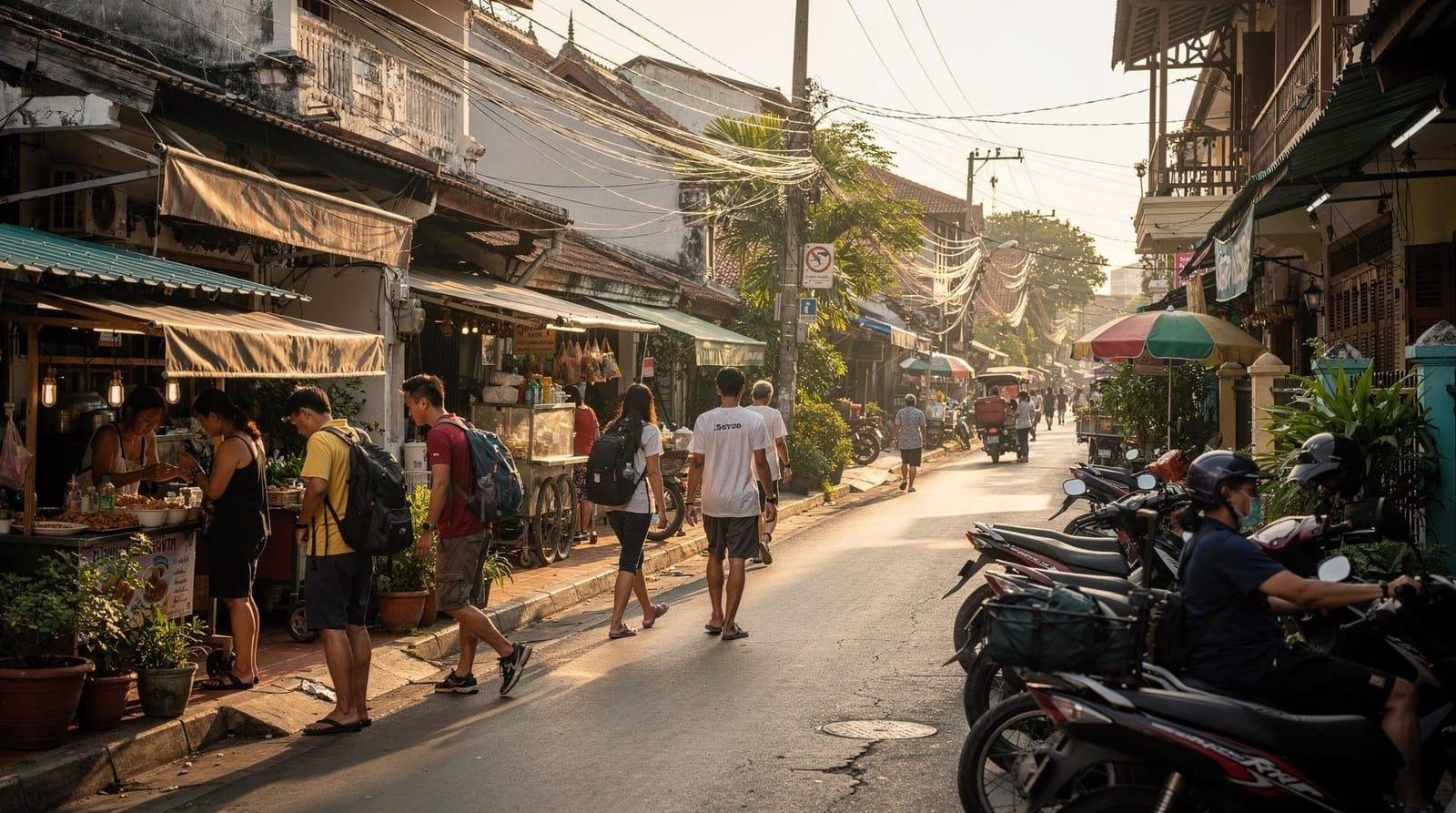
Morning to afternoon. For variety, work from the area around Chiang Mai University and Huay Kaew Road, a more local, less touristy stretch with its own cafe and food scene geared toward students and residents rather than visitors — genuinely useful if Nimman’s more polished, higher-priced spots start to feel repetitive.
Evening. A second spa visit or an early dinner and rest, depending on how the week’s pace is treating you. If you skipped the Day 3 massage, a spa session at a One Nimman location is a convenient alternative within the same neighborhood you’re likely already based in.
Day 5: A lighter work day, then Doi Suthep at golden hour
Morning. Front-load the day’s work in the morning while you’re freshest.
Afternoon. Cut work short by mid-afternoon and head up to Doi Suthep for the temple and the city viewpoint — the light in the late afternoon is considerably better for photos and the heat has eased off by the time you reach the summit. This is a deliberate break from screens rather than another desk day, and it sets up the mental shift into weekend mode.
Evening. An easy dinner back in the city — save energy for an early departure the next morning.
Day 6: Weekend escape to Pai
Full day. Take the weekend to actually leave the city rather than working through it. A private car day tour to Pai, priced around 1,800-2,500 THB (USD 50-69) for the vehicle, covers the roughly three-to-four-hour scenic mountain drive with stops at viewpoints along the way, giving you a genuine change of scenery — canyon views, cooler mountain air, a slower pace entirely — within a single day if you don’t want to commit to an overnight stay mid-week of work. If your schedule allows an overnight, our Chiang Mai vs Pai guide and the standalone Pai slow-travel itinerary cover a longer version of this trip.
Evening. Return to Chiang Mai by evening, or stay overnight in Pai if your work schedule allows a genuinely offline day before returning.
Day 7: Riverside, a cooking class, and closing out the week
Morning. Spend the morning at Ping Riverside and Wat Ket, a quieter, less touristy stretch of the city along the river with galleries and riverside cafes — a good change of pace from a week spent mostly in Nimman.
Afternoon. If you have the energy for one more paid experience before wrapping up, a half-day Thai cooking class with a market tour (900-1,400 THB / USD 25-39) is a genuinely different way to spend an afternoon than another desk session, and gives you something to show for the trip beyond a work log.
Evening. A final riverside dinner to close out the week before either extending your stay or moving on.
Managing the weekday-weekend rhythm
The biggest mistake nomads make on a short Chiang Mai trip is treating every day the same, either working through what should be downtime or sightseeing so much on weekdays that actual work slips. This itinerary works best if you genuinely protect the Monday-through-Friday block as work time with only light evening activities, and save the bigger single-day commitments — Doi Suthep, the Pai weekend, the cooking class — for the points in the week where they’re scheduled here. If you’re on a team with meeting-heavy hours that don’t shift for time zones, check what Chiang Mai’s time zone (ICT, UTC+7) means for your specific calendar before committing to this exact day-by-day structure, since some roles will need to swap which days get the lighter workload.
Long-stay practicalities worth sorting early
If this week is the start of a longer stay rather than a one-off visit, a few things are worth handling in the first few days rather than waiting. Confirm your visa situation before your permitted stay runs out — see our visa requirements guide for the options by nationality. Travel or international health insurance that covers remote work abroad is worth double-checking, since some standard travel policies exclude extended stays or working activities. If you plan to rent a scooter for convenience beyond this first week, get an international driving permit sorted before you leave home — it’s difficult to arrange retroactively and matters for both legal riding and insurance validity in the event of an accident.
Budget and cost-of-living reality check
Chiang Mai’s reputation for being cheap is largely accurate but worth quantifying rather than assuming. A realistic weekly budget for a solo remote worker, excluding accommodation, looks like:
- Cafe/coworking costs: 1,000-2,500 THB (USD 28-69) for the week depending on how much you use dedicated coworking versus cafes
- Food (mix of street food and casual restaurants): 6,000-9,000 THB (USD 167-250) for the week
- One spa/massage session: 500-1,200 THB (USD 14-33)
- Weekend Pai trip: 1,800-2,500 THB (USD 50-69)
- Local transport (Grab/songthaew): 700-1,200 THB (USD 19-33) for the week
Total, excluding accommodation, typically lands between 10,000 and 16,500 THB (USD 278-459) for the week — our Chiang Mai budget guide breaks this down by travel style if you want a more granular estimate, and our money and ATM guide covers withdrawal fees worth knowing about for a longer stay.
Frequently asked questions about this Chiang Mai digital nomad itinerary
Is Chiang Mai’s internet actually reliable enough for video calls?
Yes, in general — most cafes and coworking spaces in Nimman offer fiber connections well above what’s needed for video calls, though it’s worth testing speed at a new cafe before committing to a multi-hour work session there.
How long should a digital nomad stay in Chiang Mai?
A week is enough to get a feel for the rhythm described here, but many remote workers extend to a month or more once they’ve found a routine — see our how many days in Chiang Mai guide for the broader trade-offs by length of stay.
Do I need a coworking space, or are cafes enough?
Cafes work fine for most solo work, but a coworking space is worth the cost if you’re on frequent video calls, since cafes can get loud and wifi can slow during peak hours.
What visa do I need for a work trip like this?
Visa requirements depend on your nationality and length of stay — see our Thailand visa requirements guide, and note that working for a foreign employer while on a tourist visa exists in a legal gray area worth understanding before an extended stay.
Is Nimman the only good area for remote work?
No — it’s simply the most convenient given its cafe density, but the Old City and the university area both work reasonably well and are covered in more depth in our neighborhood comparison guide.
Should I rent a scooter for a week like this?
It’s optional — Nimman and the surrounding area are walkable, and Grab covers longer trips affordably, so a scooter adds convenience but isn’t necessary the way it might be for a more spread-out itinerary.
Is the weekend Pai trip worth it mid-work-week?
Yes, for most people — a genuine change of scenery midway through a work-focused stay helps prevent the trip from feeling like just working from a different room than usual.
How much should I tip at cafes and restaurants?
Tipping isn’t deeply embedded in Thai culture the way it is in some countries — rounding up or leaving small change is appreciated but not expected at casual cafes and street food stalls.
Top experiences
Bookable activities with verified prices and instant confirmation on GetYourGuide.