Nimmanhaemin neighborhood guide: cafés, design and where to stay
Chiang Mai: Spa Experience at Oasis Spa Nimman
Is Nimmanhaemin a good place to stay in Chiang Mai?
Yes, especially for longer stays, digital nomads and anyone prioritising coffee, contemporary dining and a slower café-driven pace over walkable temple sightseeing. It sits a short 10-15 minute Grab from the Old City, so temples and markets remain easily reachable even without staying inside the walls.
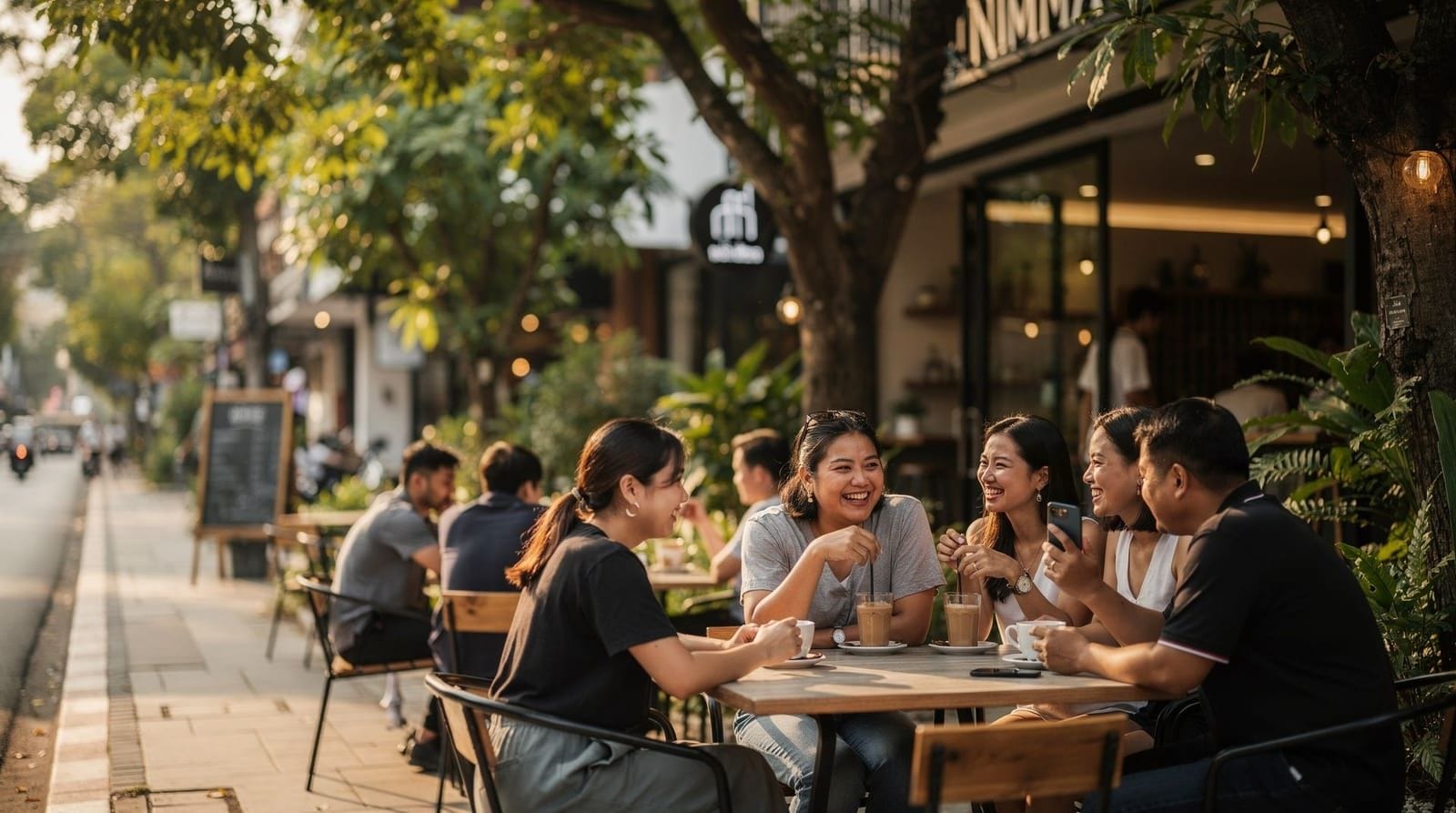
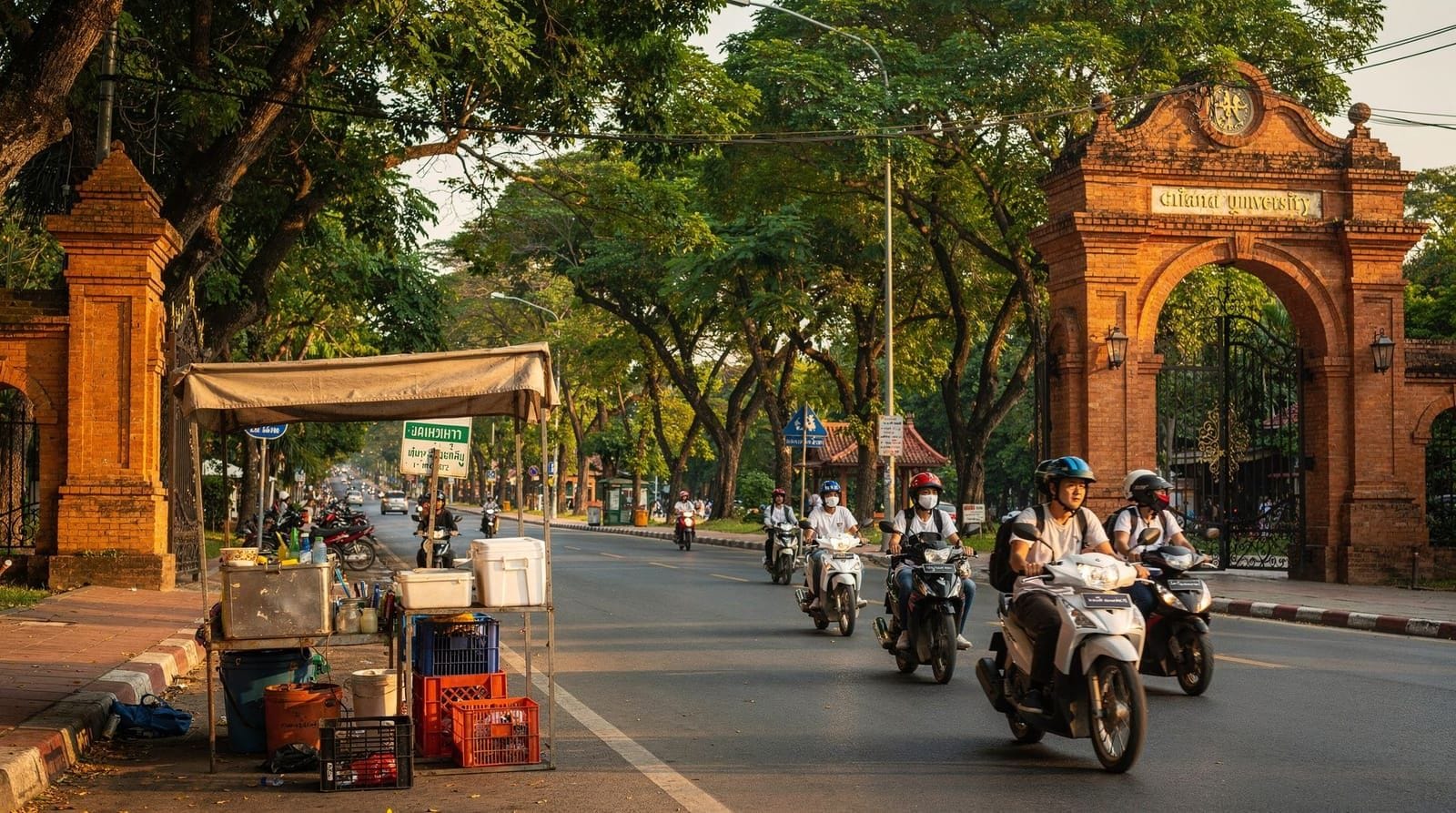
Nimmanhaemin, almost always shortened to Nimman, is the neighbourhood that best captures how Chiang Mai has changed over the past decade and a half. What began as a fairly plain residential grid next to Chiang Mai University is now the city’s densest cluster of specialty coffee shops, independent boutiques and design-forward restaurants, drawing a mix of Thai university students, long-stay digital nomads and visitors who have already done the temple circuit and want a slower, café-driven few days. It is not a historic district in the way the Old City is, and it does not try to be — its appeal is entirely contemporary.
This guide covers what actually living in Nimman for a few days or a few weeks feels like: where to stay, what a typical day of coffee and food costs, how the nightlife works, and who genuinely benefits from basing here rather than treating it as a day-trip destination from somewhere else.
What Nimman actually is and how it got this way
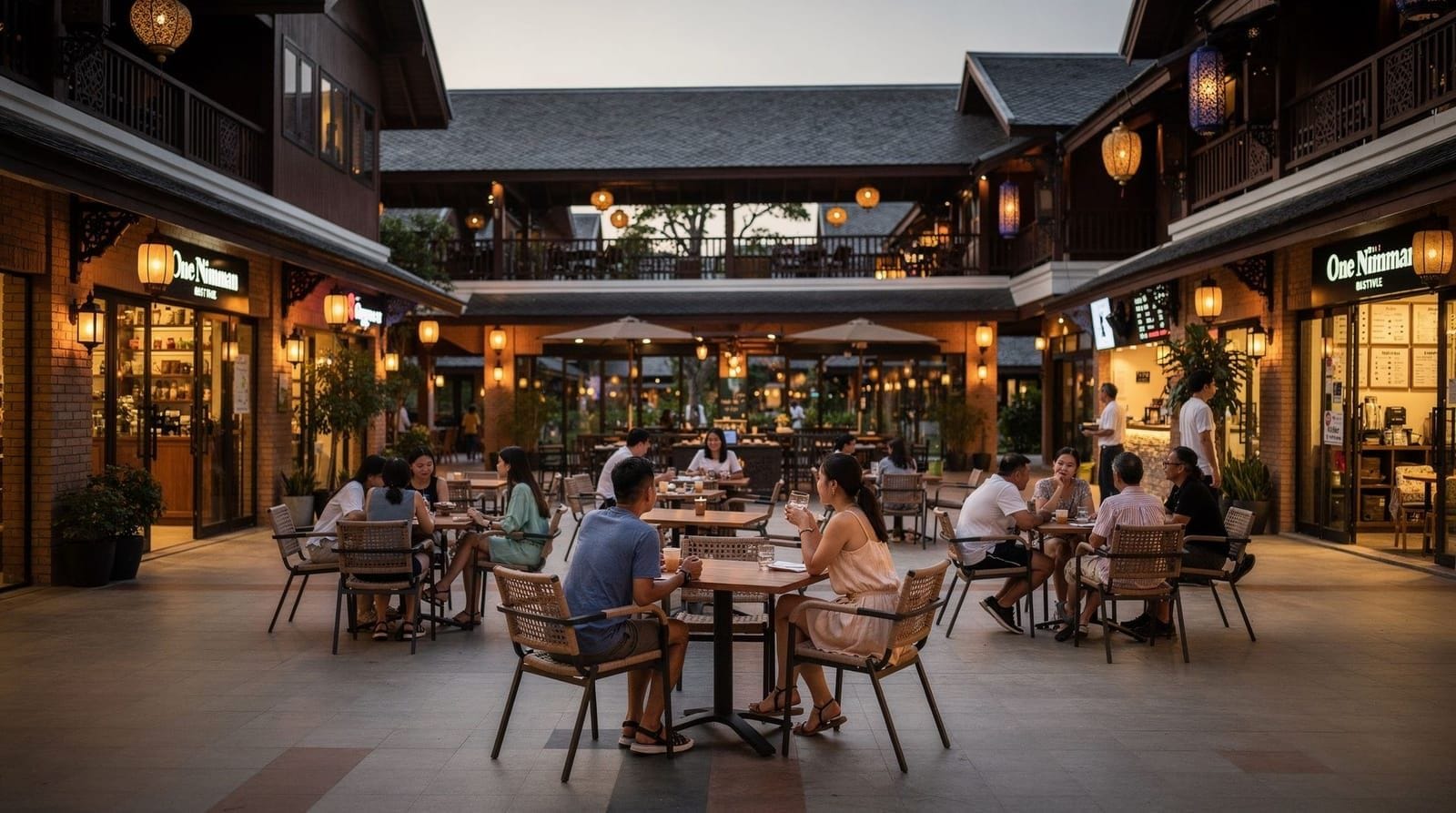
Nimmanhaemin Road runs roughly north-south a few kilometres west of the Old City moat, parallel to Huay Kaew Road, with the district’s core spreading across a grid of numbered sois branching east and west off the main road. Its proximity to Chiang Mai University shaped its early identity as a student area, and that base of young, design-literate residents is a large part of why the coffee and boutique scene took root here rather than in the more tourist-oriented Old City or riverside districts. One Nimman, the open-air lifestyle complex that anchors the district’s centre, opened later and consolidated much of that energy into a single walkable, photogenic hub of shops, cafés and weekend pop-up markets.
The result today is a neighbourhood that reads more like a design district in a larger Asian city than a Southeast Asian old town, which is exactly the draw for a specific kind of visitor and exactly the reason it disappoints anyone expecting temple density or historic atmosphere. It is worth being honest about this trade-off before booking a week here on the assumption it offers a quieter version of the Old City experience — it offers a genuinely different one.
Where to stay in Nimman
Accommodation in Nimman skews toward newer, design-forward boutique hotels and serviced apartments, a meaningful share of them built with long-stay visitors and remote workers in mind, which shows up as dedicated workspaces and more consistently strong wifi than the Old City’s older guesthouse stock typically offers. Budget options exist but are thinner than in the Old City — simple guesthouses on the quieter side streets run around 500-800 THB (USD 14-22) a night, while mid-range boutique properties commonly run 1,500-3,000 THB (USD 42-84). At the top end, several newer hotels with pools and larger rooms sit within the same broad price bracket as Old City luxury options, reflecting Nimman’s newer building stock rather than a fundamentally higher price ceiling.
The streets closest to Nimmanhaemin Road itself and One Nimman put a visitor within walking distance of most of what the district offers, while properties further into the soi grid toward Huay Kaew trade a few minutes of extra walking for noticeably lower prices and quieter surroundings.
Coffee and café culture
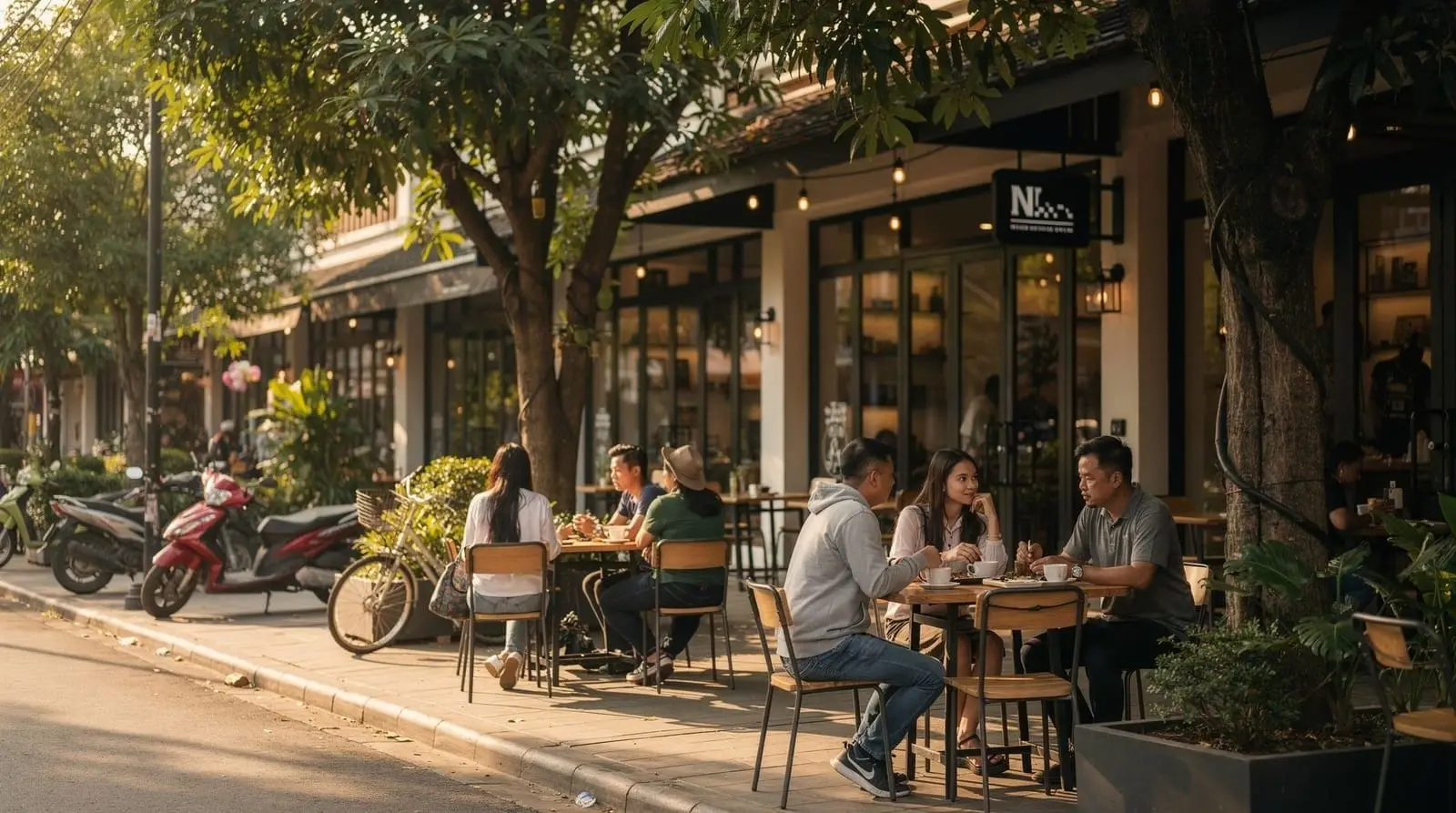
Coffee is the single clearest reason to base in Nimman rather than pass through for an afternoon. The district holds the city’s highest concentration of specialty roasters and design-conscious cafés, many doubling as informal coworking spaces with all-day seating expectations rather than a quick-turnover counter model. A coffee and pastry at a well-regarded café commonly runs 120-200 THB (USD 3.30-5.50), noticeably more than the 30-50 THB a simple Thai coffee costs elsewhere in the city, but broadly in line with specialty coffee pricing anywhere in the region. The Chiang Mai coffee culture guide covers specific standout cafés in more depth for anyone building a coffee-focused day around the district.
Shopping and One Nimman
One Nimman functions as the district’s social and commercial centre, an open-air complex of boutiques, restaurants and a regularly changing calendar of weekend markets and pop-up stalls in its central courtyard. It is worth an afternoon even for visitors staying elsewhere in the city, particularly on weekend evenings when the courtyard fills with live music, food stalls and a noticeably younger, more mixed local-and-visitor crowd than the Old City’s markets typically draw. Beyond One Nimman, Nimmanhaemin Road itself and the connecting sois hold a dense scatter of independent clothing boutiques, design shops and galleries, generally leaning toward small, owner-run businesses over the souvenir-shop density found near the Night Bazaar.
Nightlife
Nimman’s nightlife runs quieter and later than the Old City’s bar-street model, concentrated in a handful of well-regarded rooftop bars and cafés that stay open past midnight rather than a dense strip of competing venues. It suits a slower, conversation-friendly evening over loud bar-hopping, though the area does have enough going on for a genuinely good night out for visitors who prefer that register. The streets stay well-lit and busy with restaurant and café traffic well into the evening, and the general atmosphere after dark feels calmer and more residential than its daytime café energy might suggest, outside the specific bar clusters.
Food beyond coffee
Nimman’s restaurant scene covers modern Thai tasting menus, genuinely good international food across several cuisines, and a fair amount of fusion cooking aimed squarely at a design-conscious, Instagram-aware crowd. It is a noticeably more expensive district for restaurant meals than the Old City or Santitham, with a typical modern Thai dinner running 250-500 THB (USD 7-14) per person against 60-150 THB (USD 1.65-4.20) for an equivalent Old City street-stall meal, though the higher price does come with a genuinely different kind of cooking rather than simply a markup on the same dishes. Travellers wanting cheap, traditional northern Thai food are better served basing in the Old City or Santitham and treating Nimman as a destination for specific meals rather than a daily default.
A typical day based in Nimman
A day built around a Nimman base tends to start slower than one built around the Old City, since there is rarely a temple to reach before the morning heat sets in. A late breakfast at one of the district’s roastery-cafés, several of which open by 8am and serve proper Western-style breakfasts alongside Thai options, is a normal start, followed by a morning of work or wandering the One Nimman courtyard and the surrounding boutique sois. Midday heat tends to push people indoors into air-conditioned cafés or coworking spaces rather than outdoor sightseeing, which is part of why Nimman works so well for remote workers specifically — the daily rhythm already matches a working schedule rather than fighting against it.
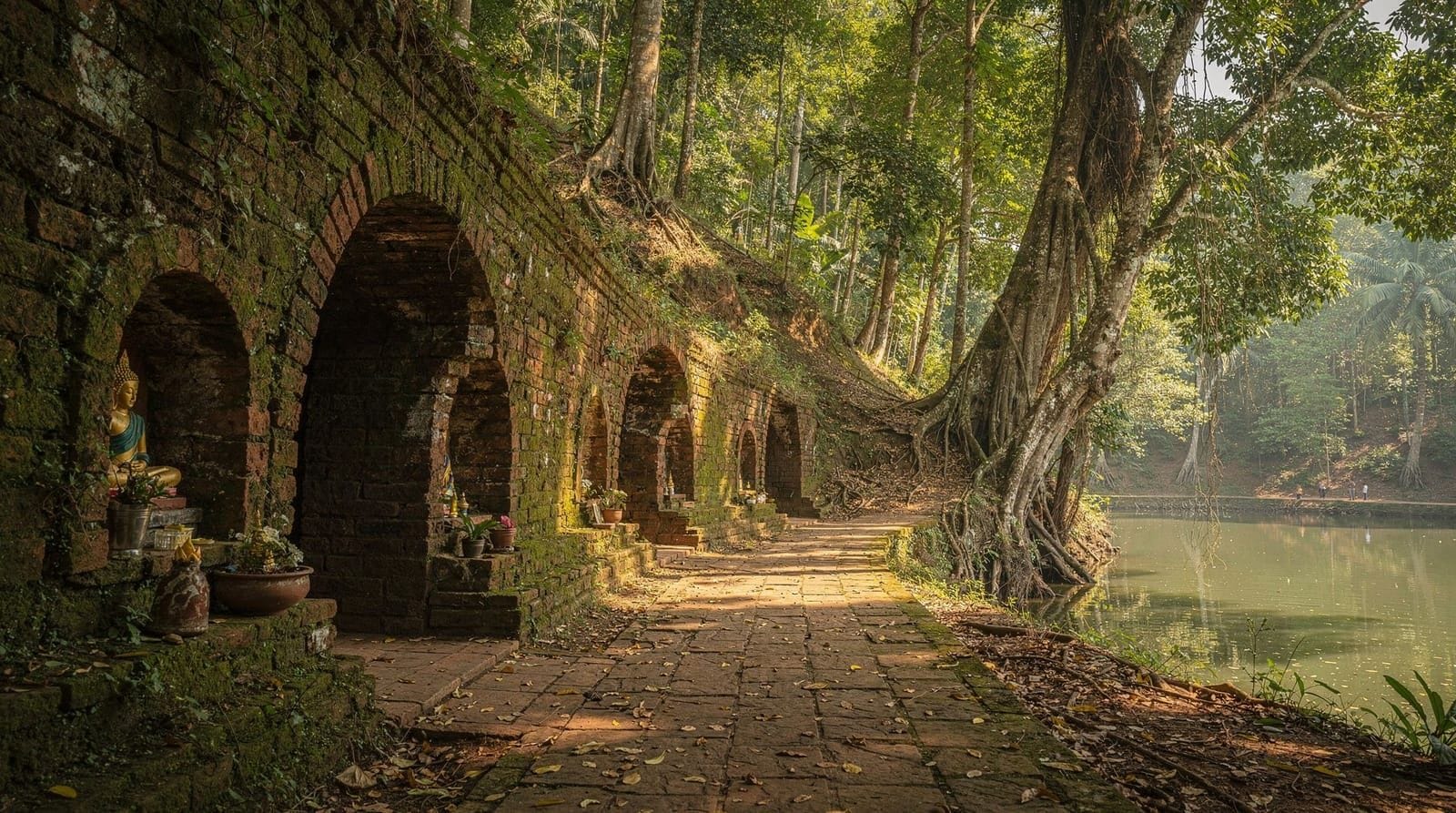
Afternoons are a reasonable time for the short Grab out to Wat Umong, the forest tunnel temple a few kilometres southwest, which pairs naturally with a Nimman base given the short ride and the temple’s own quiet, low-key character that suits the district’s generally unhurried pace. Evenings shift toward dinner at one of the district’s modern Thai or fusion restaurants, followed by either an early night for anyone working the next morning or a slower rooftop-bar evening for those with no schedule to keep. This rhythm is noticeably different from an Old City-based day, which tends to front-load temple visits into the cooler morning hours and treat the evening as the main event via the night markets — neither is better, but the difference is worth knowing before choosing a base around an assumed daily schedule.
Digital nomad practicalities
Nimman’s reputation as Chiang Mai’s unofficial coworking capital is earned rather than marketed. Beyond the cafés built for laptop use, the district holds several dedicated coworking spaces with day passes typically running 200-400 THB (USD 5.50-11) and monthly memberships in the low thousands of THB, considerably cheaper than equivalent coworking spaces in Bangkok or Singapore. Wifi speeds at the better cafés and coworking spaces are generally reliable enough for video calls, though it is worth checking reviews for a specific venue before relying on it for anything time-sensitive, since quality still varies noticeably between locations. Serviced apartments aimed at month-long stays are more common here than in any other Chiang Mai neighbourhood, often including basic kitchen facilities and laundry that a typical guesthouse room does not, which matters more the longer a stay runs.
Who Nimman suits (and who it doesn’t)
Nimman suits long-stay visitors, digital nomads and repeat visitors who have already covered the major temples and want a slower, work-friendly base with strong coffee and contemporary dining. It suits couples and solo travellers on longer trips who value a quieter, more design-conscious atmosphere over dense sightseeing access. It suits it less well for first-time visitors on a short three-to-five day trip prioritising temples and classic sightseeing, and less well for strict budget travellers, since both accommodation and food run somewhat higher here than in the Old City or Santitham. Families with older children can do reasonably well here given the walkable core, though the first-time visitor decision guide is worth reading alongside this one if unsure.
Solo travellers in Nimman
Nimman works well for solo travellers, particularly the kind less interested in hostel-dorm social scenes and more interested in a quiet base for work or a slower independent trip. The café culture makes eating alone genuinely comfortable rather than conspicuous, since a large share of the district’s clientele on any given day is a solo laptop user rather than a couple or group, and the coworking spaces double as an easy way to meet other long-stay visitors without relying on a hostel common room. It is a less social base than the Old City’s hostel scene for solo travellers specifically seeking company, and worth weighing that trade-off honestly rather than assuming a café district automatically delivers the same social ease as a backpacker guesthouse.
Seasonal considerations
Nimman’s dense tree cover along some of the smaller sois offers a little more shade than the Old City’s more exposed temple courtyards during the hot season from March to May, though the difference is modest rather than dramatic. During the November-to-February cool season, the district’s rooftop bars and outdoor café seating come into their own, with comfortable evening temperatures making outdoor dining considerably more pleasant than in the sticky months. Burning season, roughly February to April, when agricultural burning across the region pushes air quality down across the whole city, affects Nimman no differently than anywhere else in Chiang Mai, and it is worth checking air quality indices regardless of neighbourhood during those months, a topic covered in more depth in the site’s best time to visit guide.
Getting around from Nimman
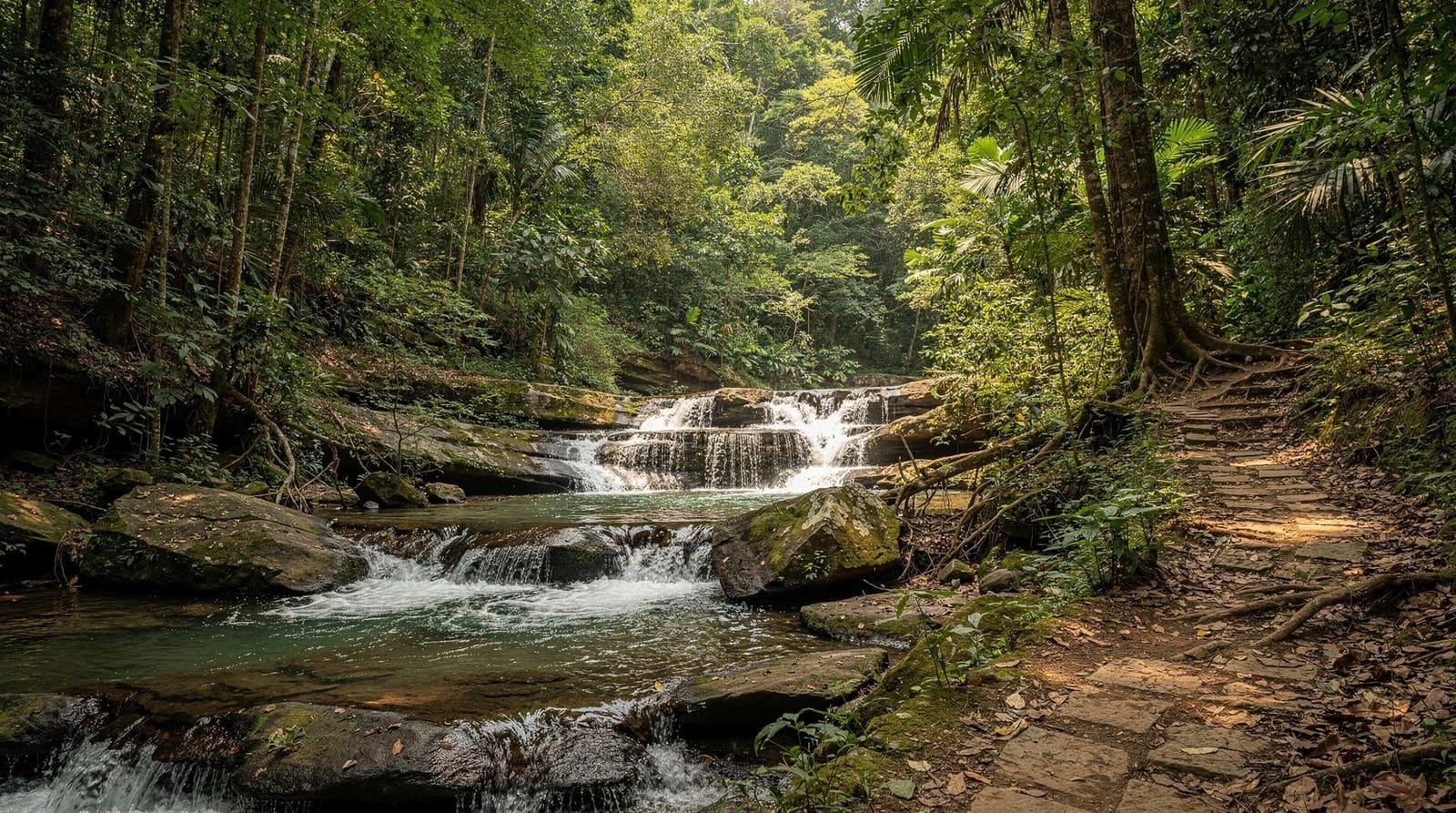
Nimman sits close to Chiang Mai University and the Huay Kaew area, putting the Huay Kaew waterfall trail and the base of the Doi Suthep road within easy reach, a genuinely different kind of nearby nature than anything walkable from the Old City. A Grab to the Old City or the airport typically takes 10-15 minutes, and the district’s position on the western side of the city puts it fractionally closer to Doi Suthep and the wider Mae Rim valley than either the Old City or the riverside district. A tuk-tuk city tour is a reasonable way to combine a first look at Nimman with the Old City and riverside districts before committing to a longer stay in any one of them.
Nimman vs the rest of the city
The clearest comparison is with the Old City, covered in full in the dedicated Old City vs Nimman guide, but the short version is that Nimman trades walkable temple sightseeing and lower prices for stronger coffee, more contemporary dining and a base built for longer stays. Against the riverside and Night Bazaar area, Nimman offers a more independent, design-driven atmosphere against that district’s larger hotel stock and shopping-market convenience. Against Santitham, the city’s cheaper northern grid, Nimman offers considerably more polish and amenity at a real premium in daily cost. None of these is a wrong choice, only a different one, and the broader Chiang Mai neighborhoods guide covers all of them side by side for anyone still deciding.
A recuperative massage and spa session at Oasis Spa or an evening booking at Let’s Relax Spa inside One Nimman both fit naturally into a Nimman-based day, especially after a morning spent at Doi Suthep or the university side, and both sit within easy walking distance of most Nimman accommodation.
Practical notes before booking
A few small details make a real difference when booking in Nimman specifically. First, “Nimman” as a search term on booking platforms often returns listings considerably further out than the walkable core, so it is worth checking the exact soi against a map rather than trusting the neighbourhood label alone. Second, the district’s popularity with long-stay visitors means the best-value serviced apartments book out weeks ahead in the cool season from November to February, so travellers planning a month-long stay should reserve earlier than they would for a short Old City hotel booking. Third, several of the best cafés close on Mondays or rotate a weekly rest day, which is worth checking if a specific spot is the reason for choosing this base over another. None of these are dealbreakers, but each has caught first-time Nimman visitors off guard often enough to be worth flagging here rather than discovering on arrival.
Frequently asked questions about Nimmanhaemin
How far is Nimman from the Old City and the airport?
A Grab between Nimman and the Old City typically takes 10-15 minutes and costs 60-100 THB (roughly USD 2-3). Chiang Mai International Airport is even closer, usually a 10-minute, 80-120 THB ride, since Nimman sits on the western side of the city nearer the runway.
Is Nimman expensive compared to the rest of Chiang Mai?
Somewhat. Coffee and restaurant meals typically run 20-40% higher than equivalent Old City options, and mid-range accommodation sits at the upper end of the city’s pricing, though budget guesthouses and hostels do exist on the district’s quieter side streets.
What is One Nimman and is it worth visiting?
One Nimman is an open-air lifestyle complex of boutiques, cafés and restaurants at the district’s centre, popular for its photogenic architecture and weekend markets. It is worth an afternoon even for visitors not staying nearby, particularly on weekends when pop-up stalls fill the courtyard.
Is Nimman good for families?
It works reasonably well for families with older children given its walkable core and reliable dining options, but it lacks the Old City’s immediate temple sightseeing and has fewer large family-oriented hotels than the riverside district, so it suits families prioritising food and a relaxed pace over sightseeing density.
Is Nimman safe to walk around at night?
Yes. The main streets are wide, well-lit and busy with café and restaurant traffic well into the evening, and the district feels calmer after dark than its daytime energy suggests, since nightlife concentrates in specific rooftop bars rather than spreading across the whole area.
Do I need a scooter to get around Nimman?
No. The core of Nimman between Nimmanhaemin Road, Sirimangkalajarn and One Nimman is walkable, and Grab covers everything further out reliably and cheaply, though a scooter does add convenience for day trips toward Doi Suthep or Mae Rim from a Nimman base.
Top experiences
Bookable activities with verified prices and instant confirmation on GetYourGuide.