Why Chiang Mai became a digital nomad hub, and whether it still works
Chiang Mai’s reputation as a digital nomad hub predates the term “digital nomad” itself — the city was already drawing a small population of remote-working writers and freelancers well over a decade before coworking spaces became a recognizable category of business anywhere. That head start matters, because it means the infrastructure here wasn’t retrofitted for remote workers after the fact; it grew up alongside the community that needed it, and the difference shows in ways that a newer, more Instagram-driven nomad destination often can’t match.
The original draw: cost and pace, not marketing
The earliest wave of long-stay remote workers in Chiang Mai weren’t chasing a curated lifestyle brand — they were chasing a genuinely low cost of living relative to the US or Western Europe, combined with a pace of life that a much bigger, more expensive Asian capital doesn’t offer. A one-bedroom apartment in a decent building still runs a fraction of equivalent Western rent, street food and markets keep daily food costs low without sacrificing quality, and the compact scale of the city means a 20-minute commute is a genuine outlier rather than the norm. None of this required marketing — it spread by word of mouth among people who valued it, which is a more durable foundation than a destination that grew primarily through social media exposure.
Why Nimmanhaemin became the epicenter
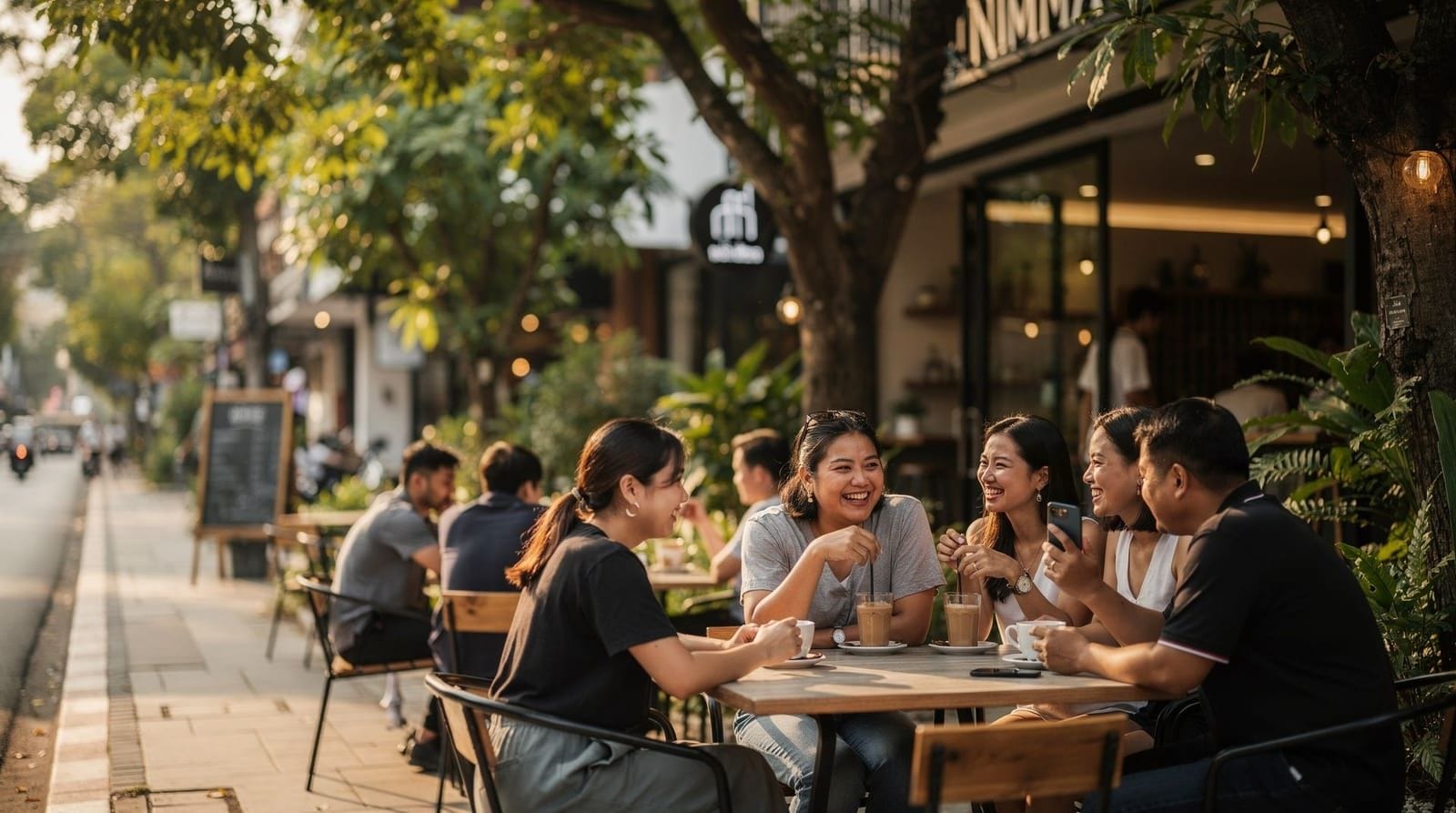
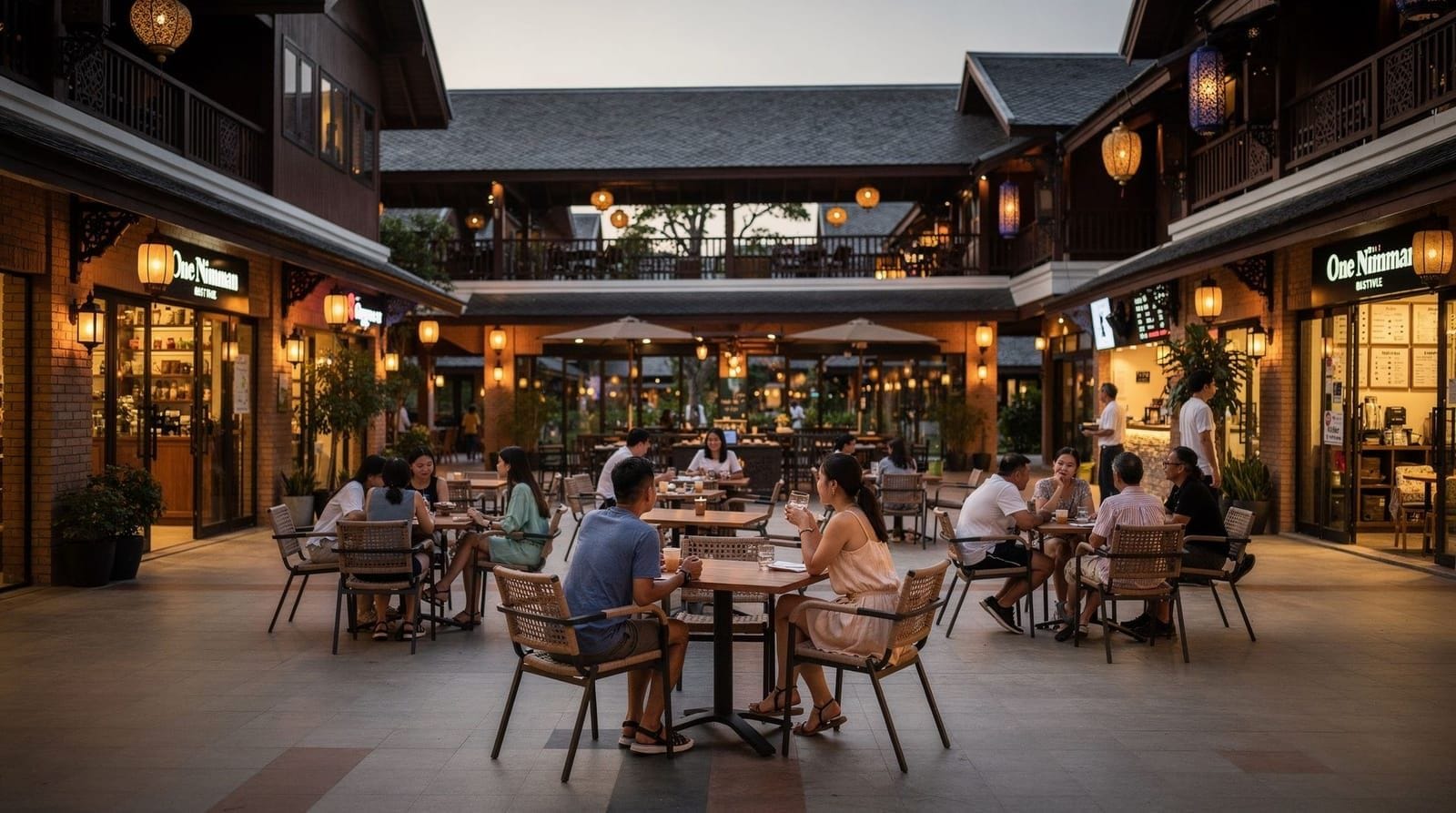
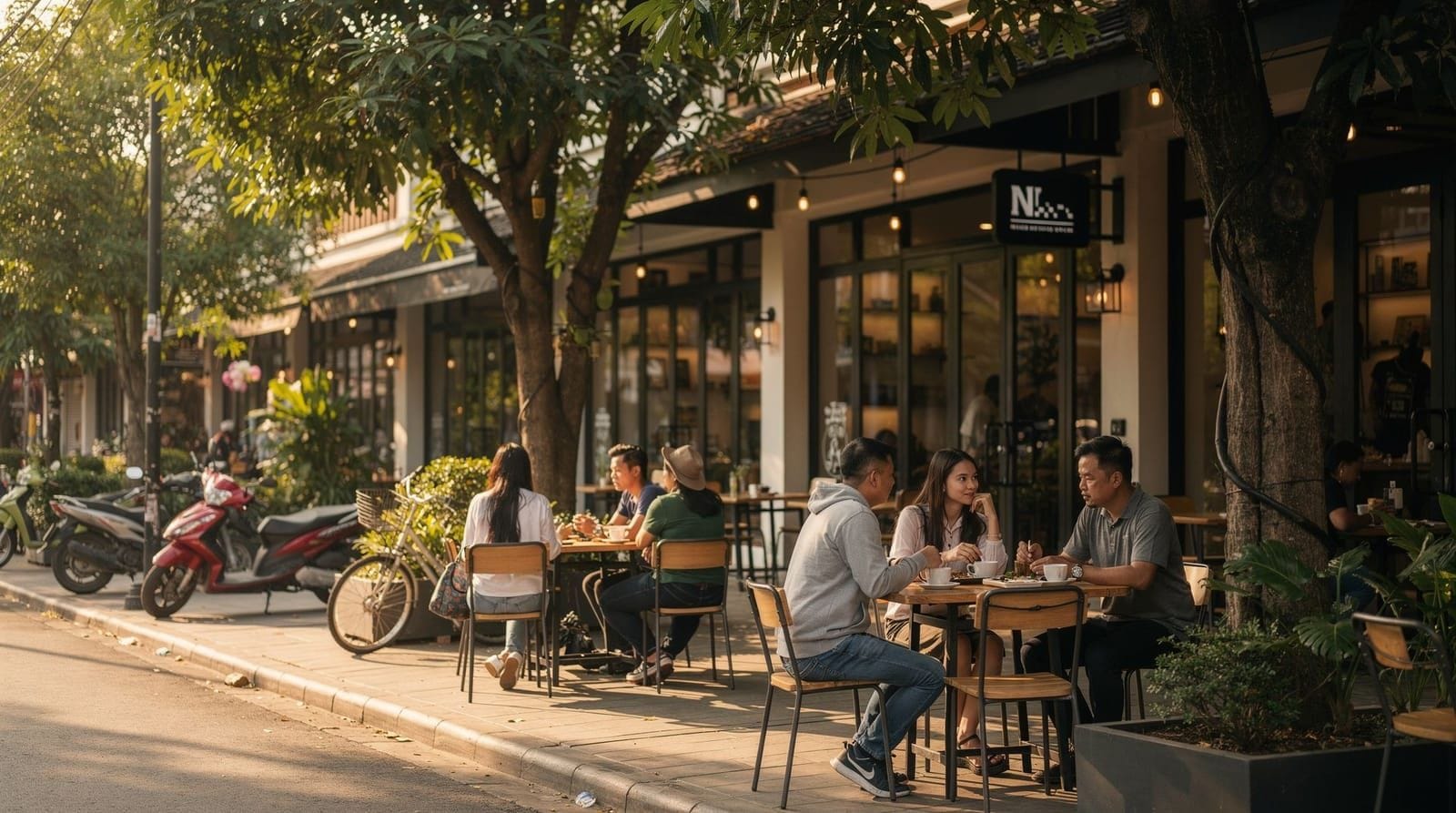
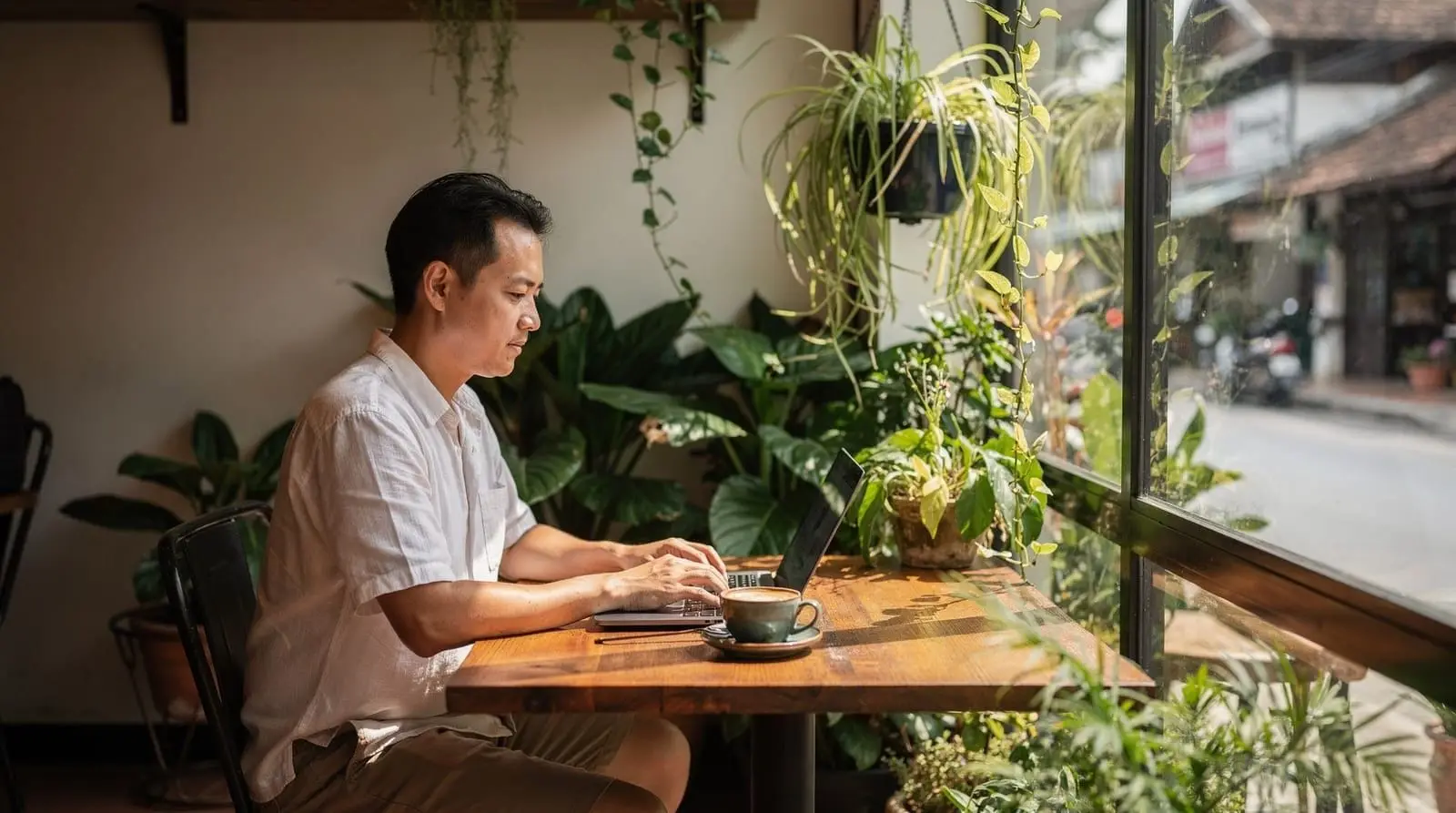
If there’s one neighborhood responsible for the modern version of this reputation, it’s Nimmanhaemin. The area’s dense cluster of specialty coffee shops with reliable wifi and long opening hours, paired with a genuinely good ratio of quiet workspace to social scene, made it the default base for remote workers in a way that predates most formal coworking spaces opening there. One Nimman, the lifestyle plaza anchoring part of the neighborhood, added a walkable cluster of restaurants and events that turned “working from a laptop all day” into something with an actual social life attached rather than a solitary grind. Our Nimmanhaemin neighborhood guide and separate coffee culture guide both cover this specific ecosystem in more depth if you’re weighing whether to base a longer stay here.
Chiang Mai: Spa Experience at Oasis Spa NimmanWhat actually makes the infrastructure work
Beyond the coffee shops, three practical factors do most of the real work behind Chiang Mai’s nomad reputation. First, connectivity: a local SIM or eSIM with a generous data package costs a genuinely small amount and covers a typical stay comfortably — our SIM and internet guide has current pricing, and fiber-backed home wifi in most apartment buildings is fast and reliable enough for video calls without the caveats that apply in a lot of other budget-friendly destinations. Second, a dense population of long-stay accommodation options built specifically around monthly rather than nightly rates, which keeps housing costs predictable in a way short-term-rental-dominated cities often don’t. Third, an established community — language exchanges, coworking meetups, run clubs, cooking classes aimed at long-stayers rather than one-off tourists — that makes the social side of remote work abroad far less isolating than showing up somewhere with none of that infrastructure in place.
The honest cost picture in 2026
Chiang Mai is no longer the rock-bottom option it was a decade ago, and pretending otherwise does a disservice to anyone planning around outdated numbers. A comfortable one-bedroom apartment in or near Nimmanhaemin now typically runs from the low thousands of baht into the five-figure range monthly depending on building quality and amenities, considerably more than the figures still circulating in older nomad blog posts. Our full budget guide breaks down daily costs by travel style, and while Chiang Mai remains meaningfully cheaper than most Western cities and most other regional nomad hubs, it’s a comfortable middle-cost option rather than the cheapest one on the map today.
The visa reality nobody should skip
The infrastructure and cost picture only matter if the legal side of staying works, and this is the one area where we’d tell anyone seriously considering a longer stay to do real homework rather than relying on forum hearsay. Visa rules, allowable stay durations, and any work-related restrictions change and vary by nationality, and getting this wrong has real consequences that no amount of good coffee or cheap rent offsets. Our visa requirements guide covers the current rules for common nationalities, but for anything beyond a short stay, cross-checking against your specific nationality’s current requirements directly before committing to a longer booking is worth the extra hour it takes.
Does it still work in 2026?
Yes, with caveats. The community infrastructure, the coffee-shop-as-office culture, and the compact, low-stress scale of the city are all still genuinely there and genuinely differentiate Chiang Mai from newer nomad destinations riding a shorter, more manufactured hype cycle. What’s changed is that it’s no longer a hidden-gem price arbitrage play — costs have risen, competition for the best long-stay apartments has increased, and the visa and stay-duration questions require more careful planning than a decade ago. The city earned its reputation the slow way, through an actual community rather than a marketing campaign, and that’s exactly why it’s held up better than most destinations that got the “digital nomad hub” label more recently and more artificially.