Old City vs Nimman vs riverside: the three-way comparison
Old City, Nimman, or riverside: where should I stay in Chiang Mai?
Old City suits first-time visitors wanting walkable temples and the Sunday Walking Street. Nimman suits longer stays, digital nomads, and travelers prioritizing coffee and contemporary dining. Riverside and the Night Bazaar area suits travelers wanting easy access to the nightly market and a wider choice of larger, international-chain hotels. All three sit within a 10-15 minute Grab of each other.
Most Chiang Mai accommodation searches eventually narrow down to three real contenders: the historic Old City, the café-driven Nimman district, and the riverside area around the Night Bazaar. Each has a genuinely different character, and while our Old City vs Nimman guide covers the two most commonly debated options in depth, this guide brings riverside into the comparison as a legitimate third option that deserves equal consideration rather than an afterthought.
The short version: Old City suits first-time visitors building a trip around temples and walkability, Nimman suits longer stays and travelers prioritizing coffee, contemporary dining, and remote-work amenities, and riverside suits travelers who want easy access to the nightly market and a broader selection of larger, more conventional hotels. All three sit close enough together, a 10-15 minute Grab ride at most, that the choice is really about daily texture and default walking-distance convenience rather than access to the city’s attractions overall.
Old City: historic and walkable
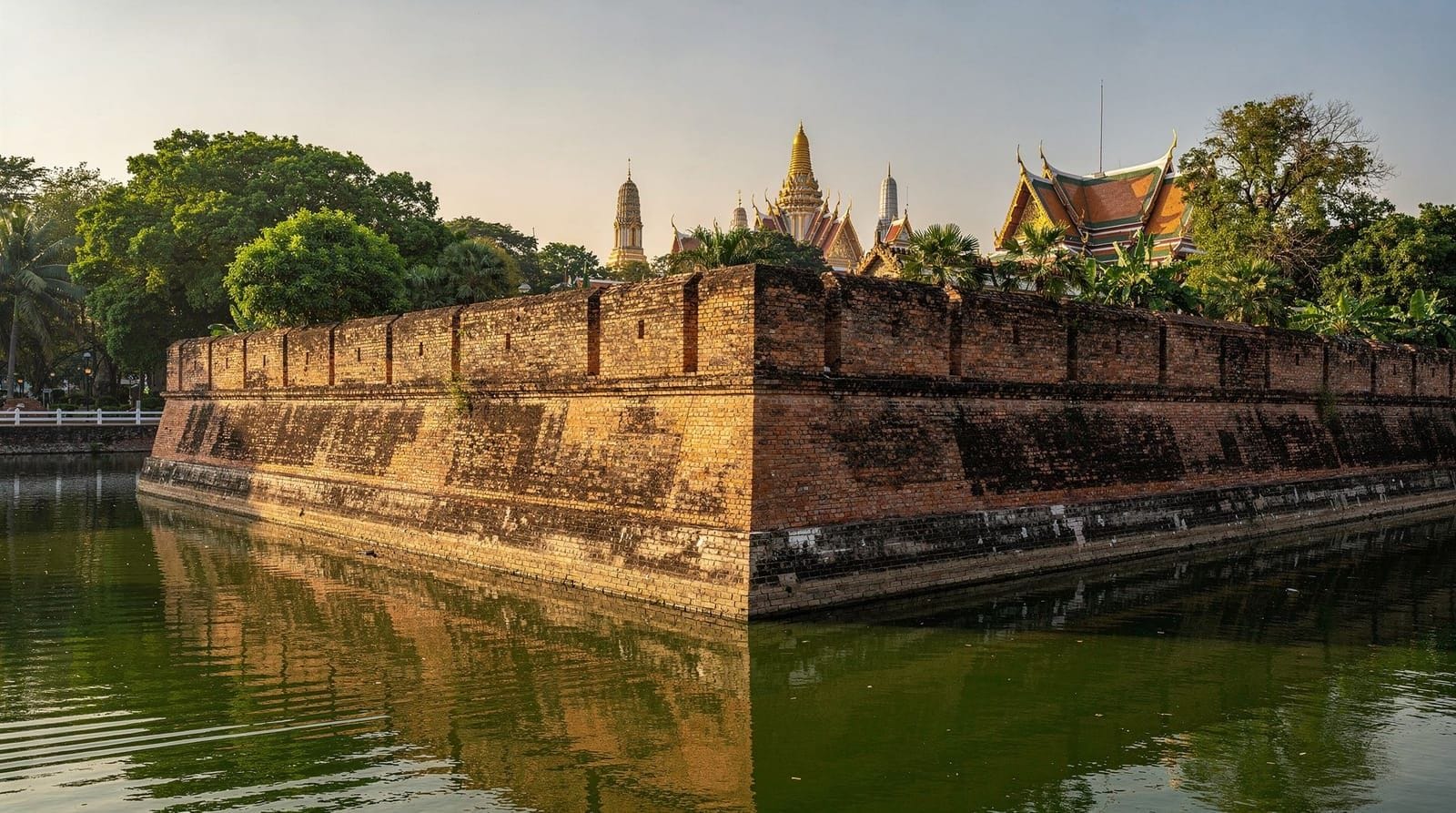
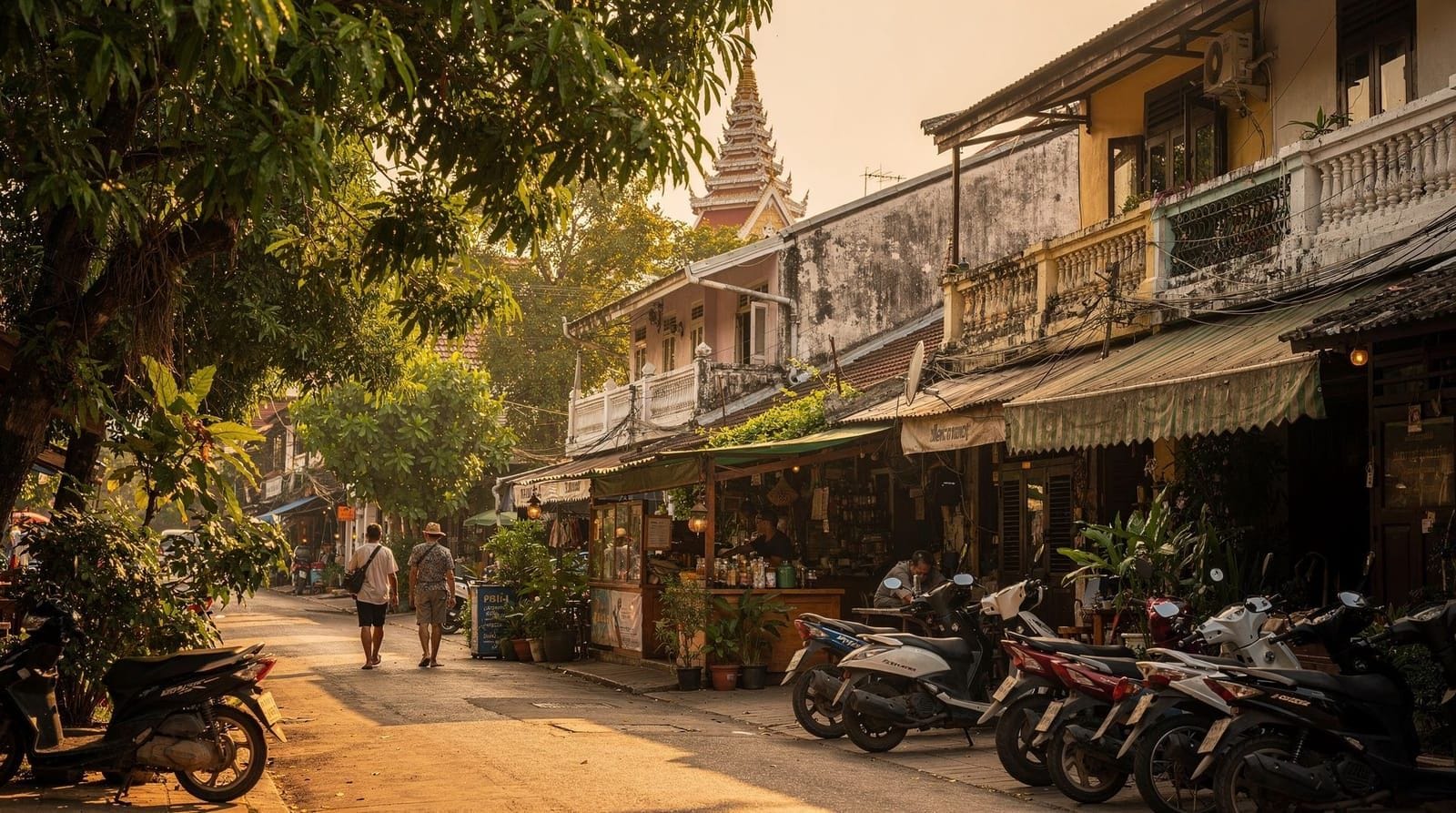
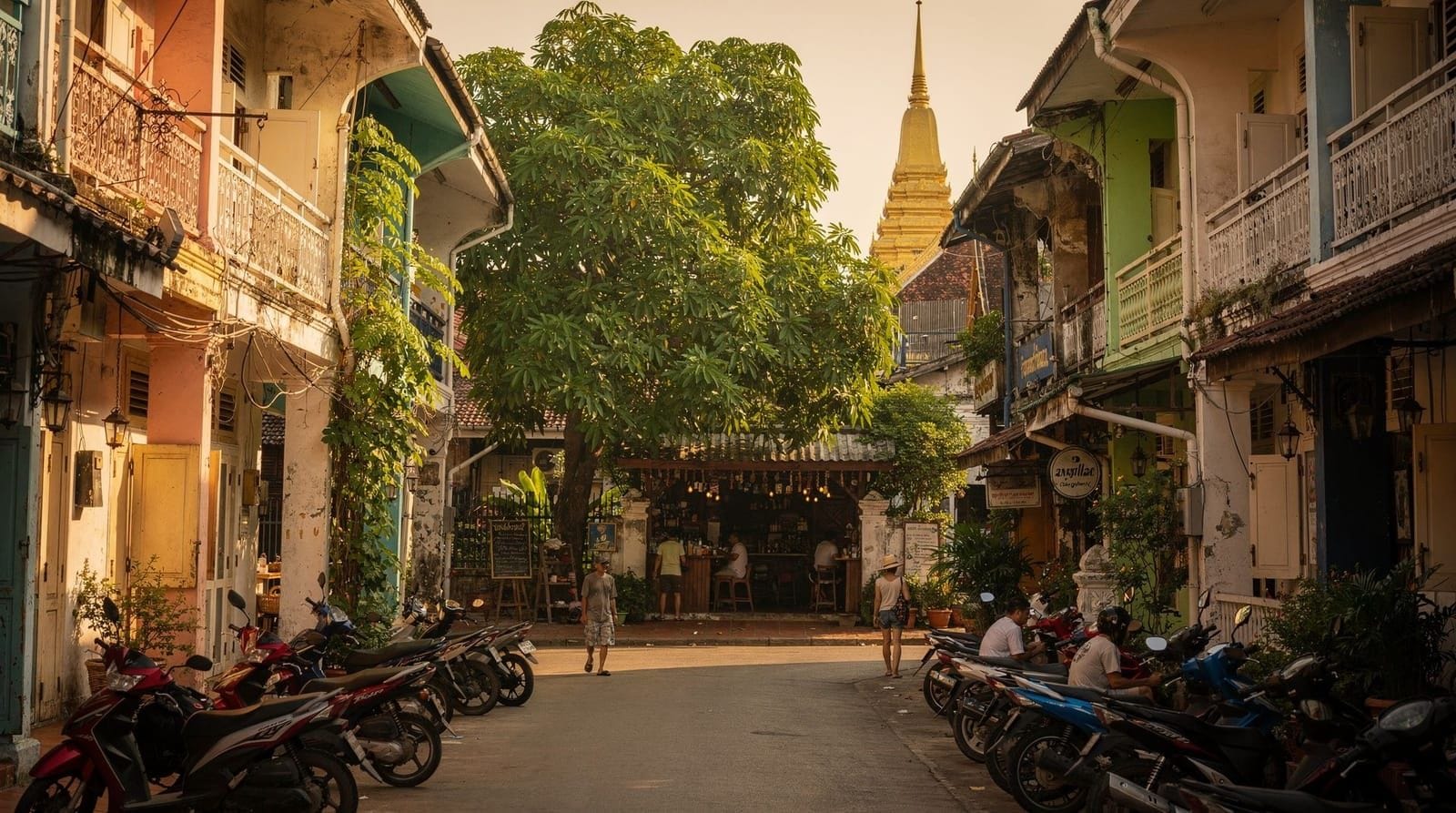
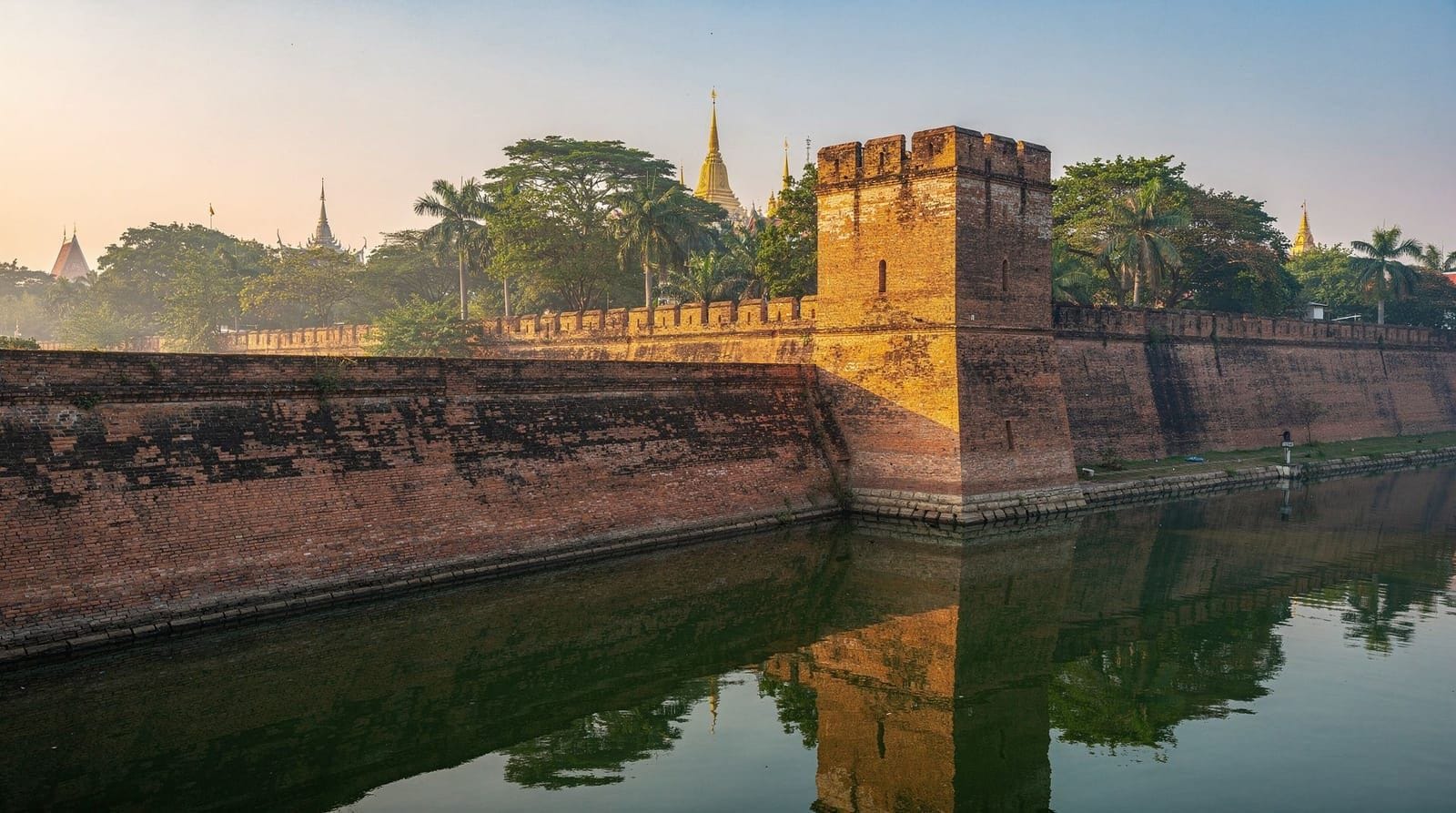
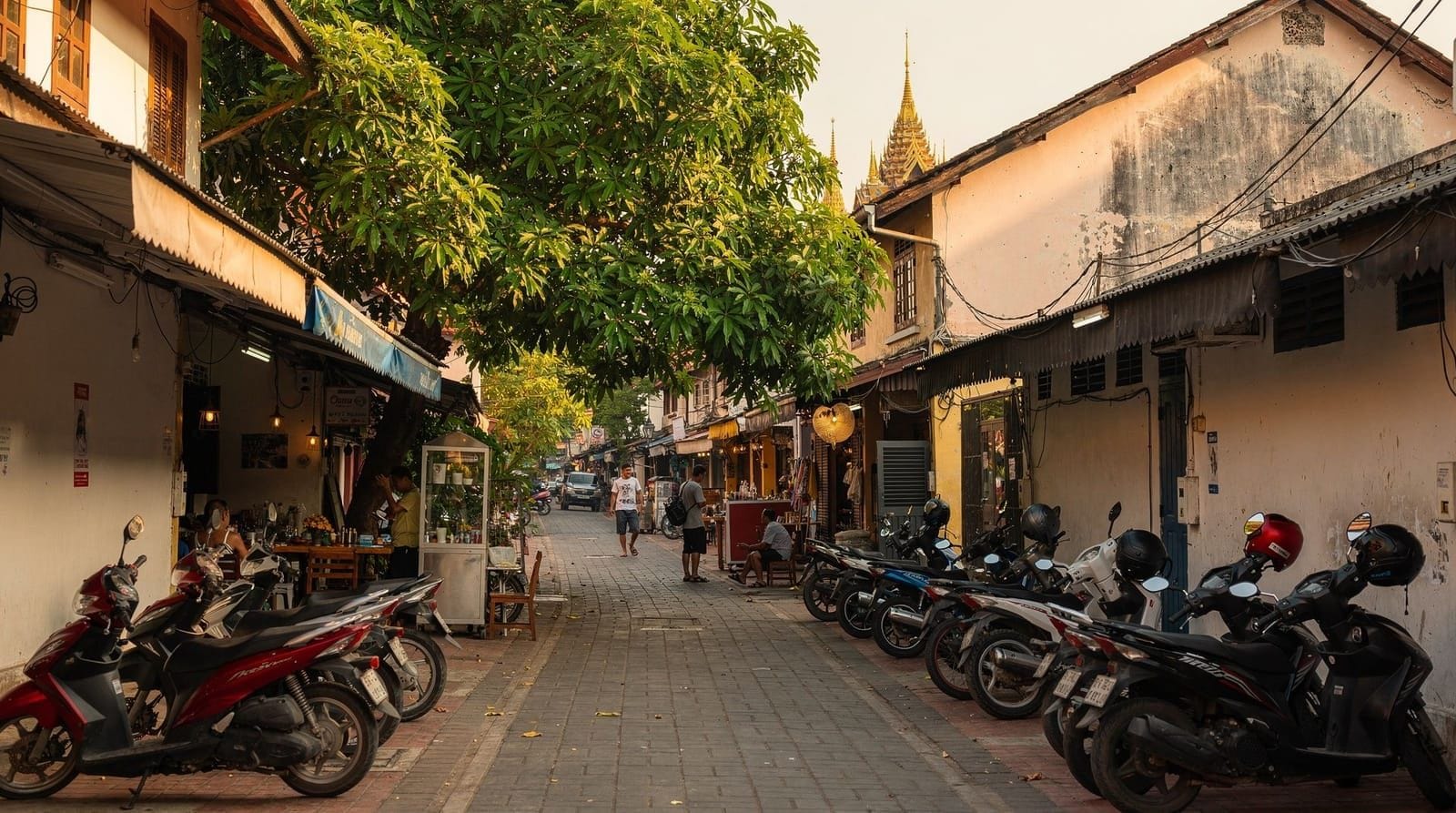
The Old City is Chiang Mai’s moated, walled historic core, and staying inside it means stepping directly into narrow lanes lined with guesthouses, small restaurants, and temples, several within easy walking distance of each other. Wat Phra Singh and Wat Chedi Luang, the city’s two most significant temples, both sit inside the walls, meaning a leisurely morning of temple visits requires no transport planning at all. The atmosphere leans traditional, teak shophouses, street-level food stalls, and a dense cluster of independent guesthouses, giving the area a lived-in, historic character.
The trade-off is that the Old City’s charm coexists with its role as the city’s primary tourist hub, meaning certain streets, particularly near the main gates, get genuinely crowded during peak hours and high season. Sunday Walking Street, when the main road closes to vehicles for the weekly market, is one of the clearest advantages of an Old City base, putting a kilometre-plus market directly outside a guesthouse door. Noise varies considerably block by block, with properties near the bar-street stretches running louder than those tucked into quieter interior lanes.
Nimman: contemporary and nomad-friendly
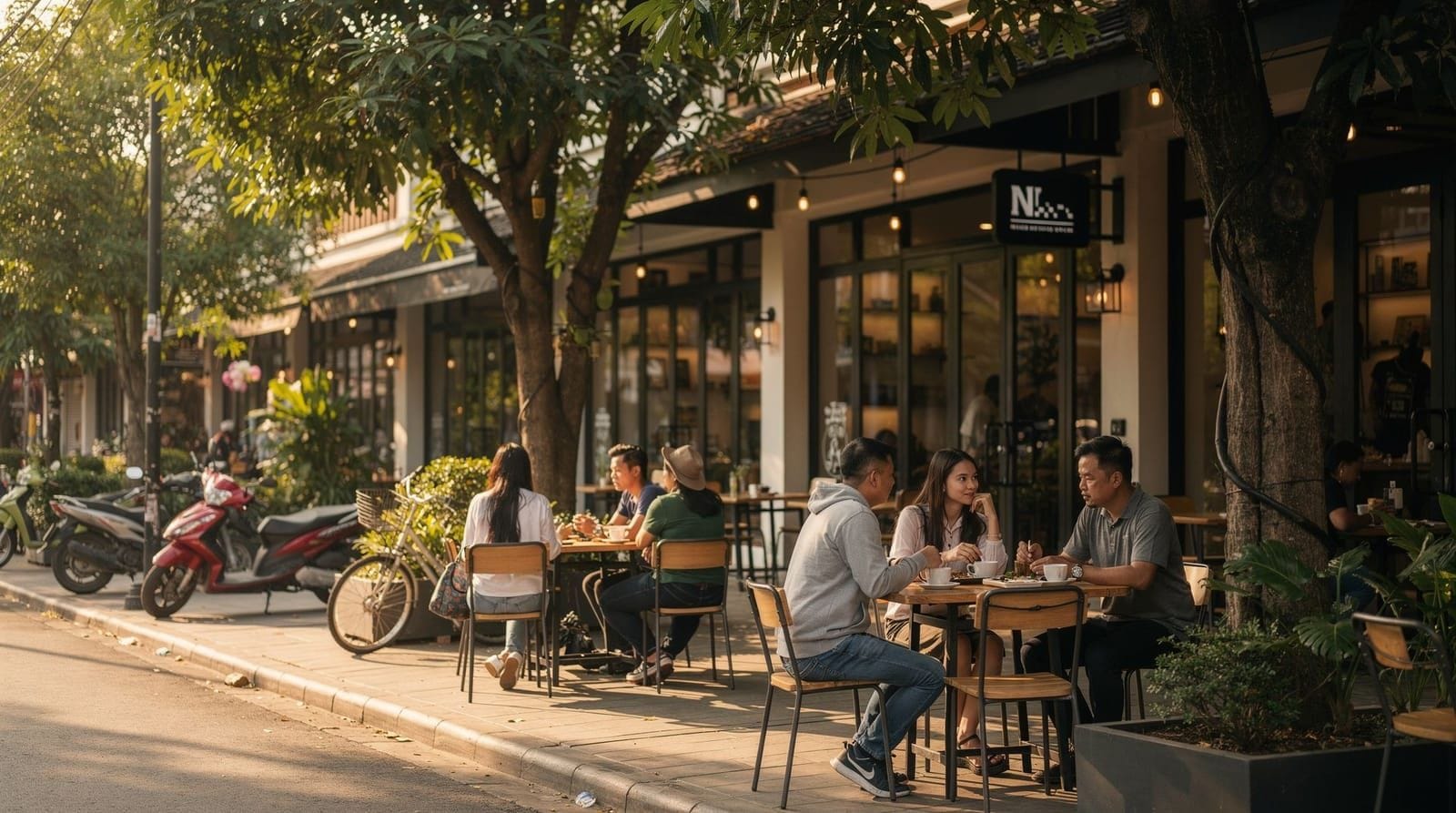
Nimmanhaemin, usually just called Nimman, trades the Old City’s historic density for a noticeably more contemporary, design-conscious atmosphere built around specialty coffee, boutique shopping, and restaurants skewing toward modern Thai and international fusion. One Nimman, the open-air lifestyle plaza at the district’s centre, anchors a walkable core of cafés and shops well suited to slower mornings and long working sessions as much as sightseeing.
Nimman sits close to Chiang Mai University and the Huay Kaew area, putting a green, campus-adjacent stretch within easy reach. The district’s popularity with longer-stay visitors and remote workers has produced a genuinely useful cluster of coworking spaces and dependable-wifi cafés, a category of amenity the Old City and riverside area both have considerably less of. Nightlife concentrates in a handful of rooftop bars and later-closing cafés rather than a dense bar-street strip, and the area feels noticeably quieter and more residential after midnight than either of the other two options.
Riverside and Night Bazaar: convenient and hotel-dense
The area along the Ping River and around Night Bazaar offers a third register entirely: closer to the main nightly shopping strip and a cluster of riverside restaurants, with a somewhat more transactional, conventional tourist-district feel than either the historic Old City or the café-driven Nimman. It’s the strongest option for travelers who want easy access to the nightly market itself, since stepping out of a hotel directly into the Chang Khlan market strip removes any need for an evening transport plan.
This area also has the widest selection of larger, international-chain and upscale hotels of the three, a genuine draw for travelers who prefer familiar hotel-brand amenities, pools, and business-traveler-friendly facilities over the smaller, more independent guesthouse and boutique scene common in the Old City and Nimman. Warorot Market, the city’s main day market for Thai-Chinese food and local goods, sits within easy reach as well, adding a genuine local-shopping counterpoint to the more tourist-oriented Night Bazaar itself. The riverside stretch specifically, running along the Ping River past Wat Ket, offers a quieter, more scenic version of this same general area, with galleries and riverside dining that feel a step removed from the busier Night Bazaar core just a short walk away.
Side-by-side: the key differences
Walkability to major temples favors the Old City clearly, since its own temples are steps away and Nimman and riverside both require a short ride to reach the same sights. Coffee and contemporary dining favor Nimman decisively, with the city’s best concentration of specialty roasters and design-forward restaurants. Access to nightly shopping favors riverside, given its direct proximity to the Night Bazaar’s nightly market strip. Hotel variety and larger, chain-brand options favor riverside as well, while independent boutique character is stronger in both the Old City and Nimman. Traditional street food and budget dining options are strongest in the Old City, given its density of small, unpretentious local restaurants. Quietness after dark generally favors Nimman outside its own bar pockets, with the Old City’s noise concentrated around specific bar streets and riverside’s around the market’s operating hours.
Cost across the three areas
Accommodation pricing is broadly comparable across all three neighborhoods at a given quality tier, and the specific property matters more than the neighborhood as a whole when comparing costs directly. The Old City has perhaps the widest spread at the very cheapest end, reflecting its long history as a backpacker and first-time-visitor base, with simple guesthouses from roughly 300-600 THB (USD 8-17) a night. Nimman leans toward newer, design-forward boutique properties and serviced apartments, often including dedicated workspaces as a standard feature given its longer-stay visitor base. Riverside’s larger international-chain hotels span a wide range from mid-range to genuinely upscale, generally with more predictable, standardized pricing than the independent guesthouse scenes of the other two areas.
Accommodation style compared
Each area’s building stock and hotel style tells its own story about the neighborhood’s character. The Old City’s guesthouses and boutique hotels frequently occupy converted teak buildings or sit within walled compounds echoing the area’s historic architecture, reflecting its centuries-old role as the city’s original residential core. Nimman’s newer building stock leans toward contemporary boutique hotels and serviced apartments, several purpose-built within the past decade specifically to serve the district’s longer-stay, remote-work-oriented visitor base, with amenities like dedicated workspaces increasingly standard rather than an add-on. Riverside’s larger hotels, including a genuine concentration of international chains, reflect its role as the more conventional, package-tour-friendly base, with amenities like larger pools, business centers, and standardized service that suit travelers who prioritize predictability over independent character. None of the three building styles is inherently better; they simply reflect three different eras and purposes of Chiang Mai’s tourism development layered on top of each other across the city.
Getting between all three
A Grab between any two of the three areas typically takes 10-15 minutes and costs 60-100 THB (roughly USD 2-3), meaning the choice of base matters less for accessing another area’s specific attractions than it might first appear. Walking between the Old City and riverside is also genuinely feasible for reasonably mobile travelers, roughly 15-20 minutes along mostly flat, well-trafficked streets, while Nimman sits slightly further out and is more comfortably covered by a short ride than attempted on foot, particularly during the heat of the day. Where the choice matters more is for spontaneous, unplanned movement, since an Old City base puts temples and markets within walking distance, a Nimman base puts cafés and the university area within the same easy reach, and a riverside base puts the nightly market and river dining at the doorstep. All three connect similarly well to Doi Suthep, day trips to Mae Rim, and airport transfers, so none holds a meaningful edge for the wider region beyond the immediate neighborhood itself.
Which area suits which kind of trip
A first-time visitor on a three-to-five day trip weighted toward temples and classic sightseeing is generally best served by the Old City, since it minimises transport planning for the highest-priority activities. A longer stay, a repeat visit, or a trip weighted toward food, coffee, and a slower daily rhythm suits Nimman better. A trip prioritizing easy nightly market access, a wider hotel selection, or simply a preference for a more conventional, chain-hotel-friendly base suits riverside best. Families and groups without a strong neighborhood preference often do well choosing based on the specific property and its reviews rather than the area alone, since all three have well-regarded options across most budget tiers.
Solo travelers and couples on a short trip of two or three nights often get the most value from the Old City specifically, since a compact, walkable base pays off more on a shorter stay than either of the other two areas’ slower-burn advantages. Groups traveling with extended family, particularly those who value a larger pool, on-site restaurants, and consistent service standards across every room, tend to find riverside’s international-chain-heavy selection the most straightforward fit, since it removes some of the guesswork involved in vetting an independent boutique property from a distance. Our full neighborhoods guide covers the remaining areas, including the quieter, more local Santitham district, for travelers considering options beyond these three main contenders, and our first-time neighborhood decision guide walks through the choice by traveler type in more depth.
Food and dining side by side
Each area’s food scene reflects its broader character closely. The Old City has the strongest concentration of traditional, budget-friendly northern Thai restaurants and street stalls, alongside easy access to Warorot Market and the main night markets, making it the natural choice for travelers who want cheap, authentic local eating within a short walk of their guesthouse. Nimman has the city’s clearest concentration of specialty coffee roasters and contemporary, design-forward restaurants, spanning modern Thai tasting menus to genuinely good international food, generally at somewhat higher prices than the Old City’s equivalent tier. Riverside offers a different dining texture again: a cluster of restaurants directly along the Ping River with scenic outdoor seating, alongside the food stalls that fill the nightly Night Bazaar market, plus the massage-and-food cluster around Anusarn Market just off the main strip. None of the three is a clearly “best” dining base; they simply specialize differently, cheap and traditional in the Old City, contemporary and coffee-forward in Nimman, scenic and market-driven along the riverside.
Shopping differences
Shopping patterns follow a similar three-way split. The Old City’s shopping centers on the weekly Sunday Walking Street and the Saturday equivalent on Wualai Road, alongside a scattering of small independent shops selling textiles, silverware, and souvenirs within the walls. Nimman’s shopping leans toward boutique fashion, design goods, and independent concept stores clustered around One Nimman, reflecting the district’s more contemporary, design-conscious identity. Riverside’s shopping is dominated by the nightly Night Bazaar itself, a sprawling, year-round market strip selling everything from clothing to electronics to souvenirs, considerably larger in scale and open more nights of the week than either the Old City’s weekly walking streets or Nimman’s more scattered boutique offering. Travelers whose trip includes serious shopping time will likely find the riverside area’s nightly market the most consistently available option, while those seeking a specific weekly market event or a more curated, design-focused shopping experience will lean toward the Old City or Nimman respectively.
A simple decision matrix
For travelers who want a fast way to narrow the choice, a few clear questions help. Is this a first visit built mainly around temples and classic sightseeing? Choose the Old City. Is this a longer stay, a repeat visit, or a trip prioritizing coffee, coworking, and a slower pace? Choose Nimman. Is easy nightly market access or a wider selection of larger hotel brands the top priority? Choose riverside. Is the trip five nights or longer with no single overriding priority? Consider splitting the stay across two of the three, most commonly Old City and Nimman, or Old City and riverside, to sample more than one neighborhood’s character without a single wrong choice locking out the others.
Splitting a stay across the three areas
For travelers with enough time, splitting a stay across two or even all three neighborhoods is a genuinely reasonable way to experience Chiang Mai’s range without excessive daily commuting, given how short a Grab ride is between any two of them. A common pattern spends the first few nights in the Old City for orientation and temple-focused sightseeing, then moves to Nimman for a slower, café-driven back half of the trip, or to riverside for easier access to the nightly market during the final days before departure. The main cost of splitting a stay is the minor inconvenience of packing and moving mid-trip, along with potentially losing any loyalty-program continuity across different hotel brands, a small trade-off against the benefit of experiencing more than one neighborhood’s genuine character rather than treating two of the three as a rushed day trip from wherever you happen to be staying.
Frequently asked questions about Old City vs Nimman vs riverside
Which of the three areas is best for a first-time visitor?
The Old City, generally, since it puts the major temples, guesthouses, and the weekly Sunday Walking Street within easy walking distance, giving an immediate sense of orientation and historic immersion without needing to rely on transport.
Which area has the best hotels?
Riverside and the Night Bazaar district have the widest selection of larger, international-chain and upscale hotels, reflecting their role as a more conventional tourist-district base. The Old City and Nimman lean more toward independent boutique hotels and guesthouses, generally smaller-scale but with more individual character.
Is one area meaningfully cheaper than the others?
Not dramatically. Accommodation costs are broadly comparable across all three areas at a given quality tier, with the specific hotel and its exact location mattering more than the neighborhood as a whole.
Which area is best for digital nomads or longer stays?
Nimman, by a clear margin, given its concentration of coworking spaces, reliable-wifi cafés, and serviced apartments aimed specifically at remote workers and longer-stay visitors.
Can I split a stay between more than one of the three areas?
Yes, and for trips of five nights or longer it’s a reasonable way to experience more than one neighborhood without excessive daily commuting, since a Grab between any two of the three areas rarely takes more than 15-20 minutes.
Which area is quietest at night?
Nimman generally, outside its own handful of rooftop bars, tends to feel more residential after dark than the Old City’s bar-street stretches or the riverside area’s nightly market bustle, though quiet pockets exist within all three.