Chiang Mai in three days
Chiang Mai: Small Group Ethical Elephant Sanctuary Tour
Duration: Half day
Three days is the itinerary length where Chiang Mai’s signature experiences — Old City temples, Doi Suthep, an ethical elephant encounter, and a cooking class — all fit without feeling compressed. It’s the most commonly recommended length for a first visit, and for good reason: each of the four experiences below genuinely needs the better part of a day to do properly.
Quick answer: Day one is the Old City temple loop and evening market. Day two is Doi Suthep early, then Nimmanhaemin in the afternoon. Day three is a half-day ethical elephant sanctuary visit followed by an evening cooking class. Budget roughly 3,500-5,500 THB ($100-155) per person across the three days once sanctuary and cooking class fees are included — these are the two paid activities that push the cost above a pure sightseeing itinerary.
Day 1: Old City temples and evening market
Morning and afternoon: temple loop
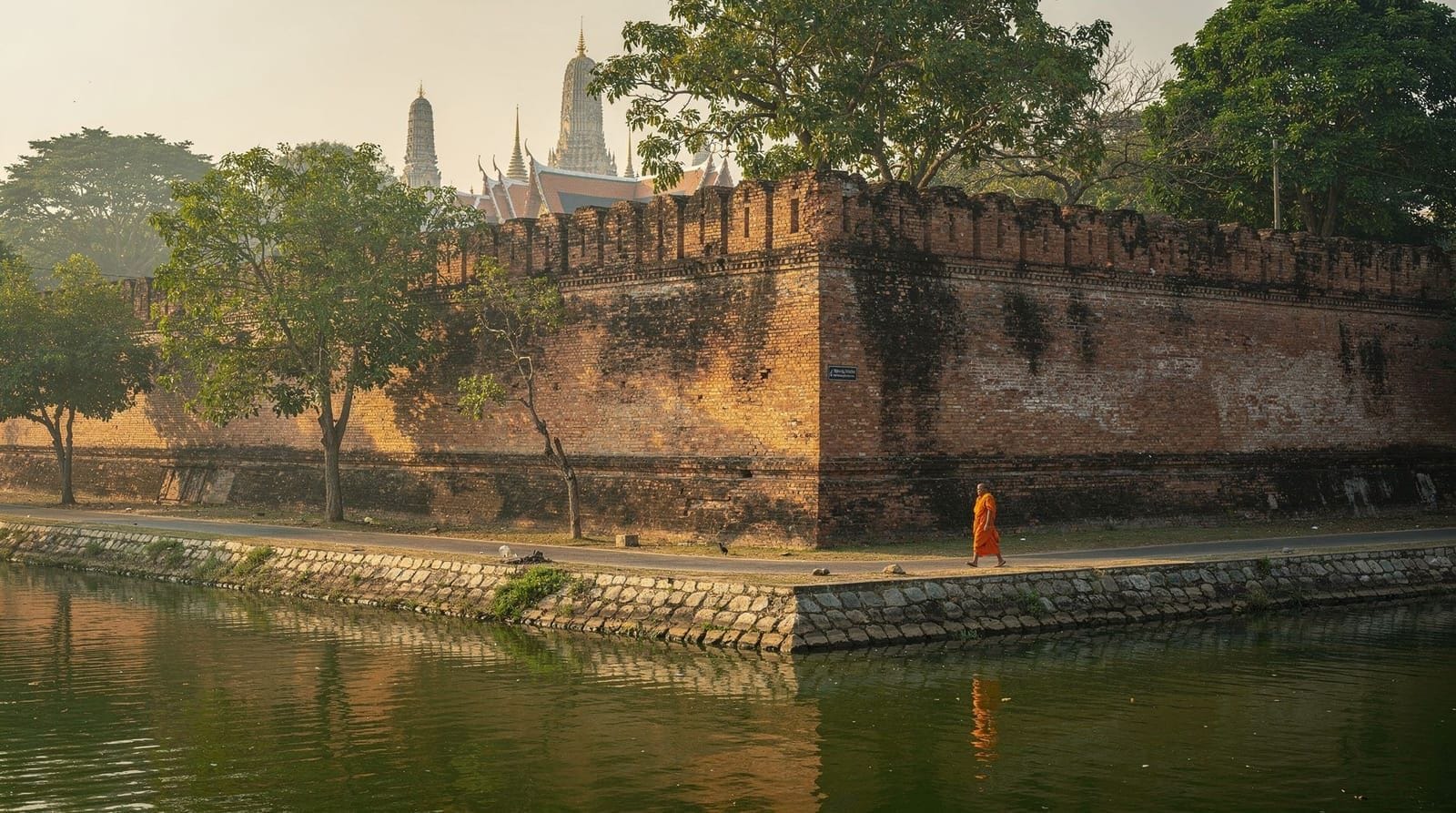
Follow the same core loop as a shorter visit — Wat Phra Singh, then Wat Chedi Luang, both inside the moat and connected by a 20-minute walk. A guided 3-hour Old City and temples walking tour is a reasonable way to cover this ground with context if you’d rather not research each temple’s history yourself. Lunch near Tha Phae Gate, then an unhurried afternoon of café-hopping and shopping along Ratchadamnoen Road — with three days available, there’s no need to rush this first day.
Evening: Night Bazaar
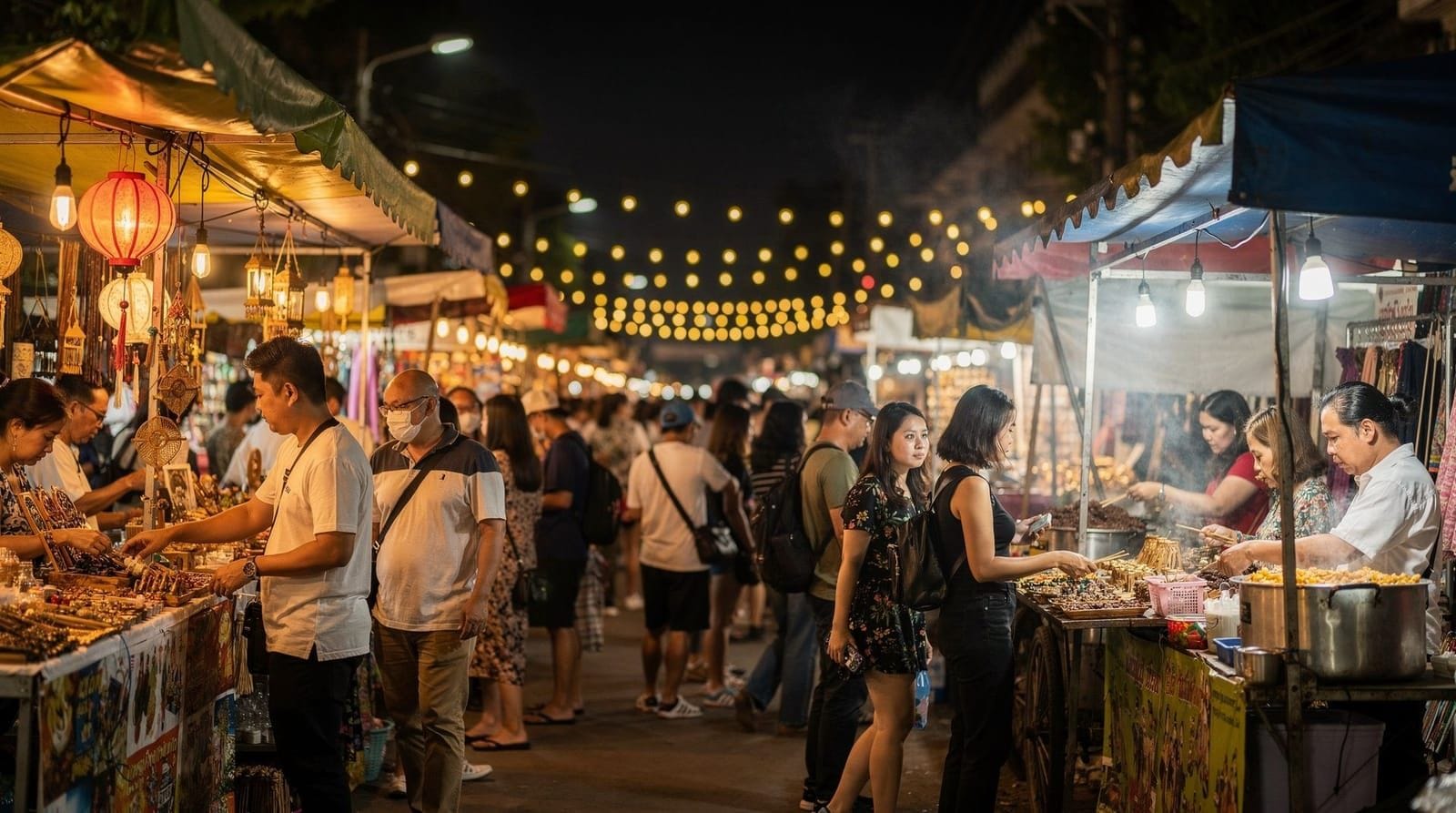
Close day one at the Night Bazaar — food courts, souvenir stalls, and massage parlours along Chang Khlan Road, running nightly. Keep the evening relatively early since day two starts before sunrise-adjacent hours.
Day 2: Doi Suthep and Nimman
Morning: Doi Suthep before the crowds
Leave by 7am for Doi Suthep to beat the late-morning tour-bus peak. Climb the Naga staircase to the gold chedi of Wat Phra That Doi Suthep, or take the funicular if stairs aren’t practical. A combined Doi Suthep temple and Wat Pha Lat hike adds a quieter forest temple stop on the way, useful if you want to avoid a mid-morning crowd at the main site.
Afternoon: Nimmanhaemin
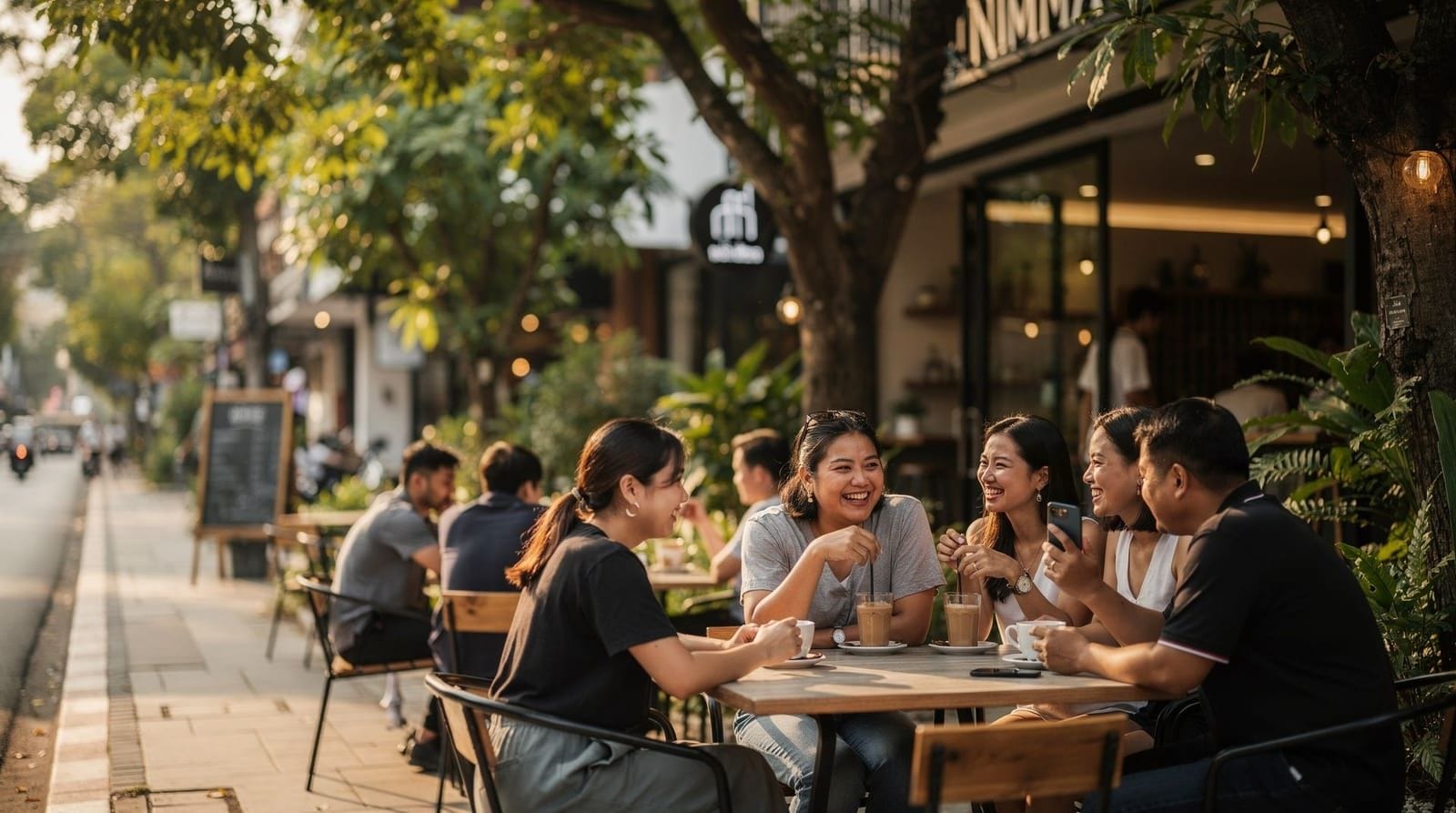
Head down to Nimmanhaemin for lunch and an afternoon of café-hopping — the road down from Doi Suthep feeds directly into this district, so the transition is efficient rather than a detour. Keep the afternoon light, since tomorrow’s sanctuary visit typically starts early and involves walking in heat and humidity.
Evening: an early night
Keep dinner simple and nearby rather than venturing across town for a big meal — Nimman itself has plenty of solid dinner options, and there’s little to gain from a longer evening out given tomorrow’s early pickup. Have an early dinner and an early night. Most reputable elephant sanctuaries start their morning programs around 8-8:30am with pickup, which means an early alarm.
Day 3: Ethical elephant sanctuary and cooking class
Morning to early afternoon: ethical elephant sanctuary
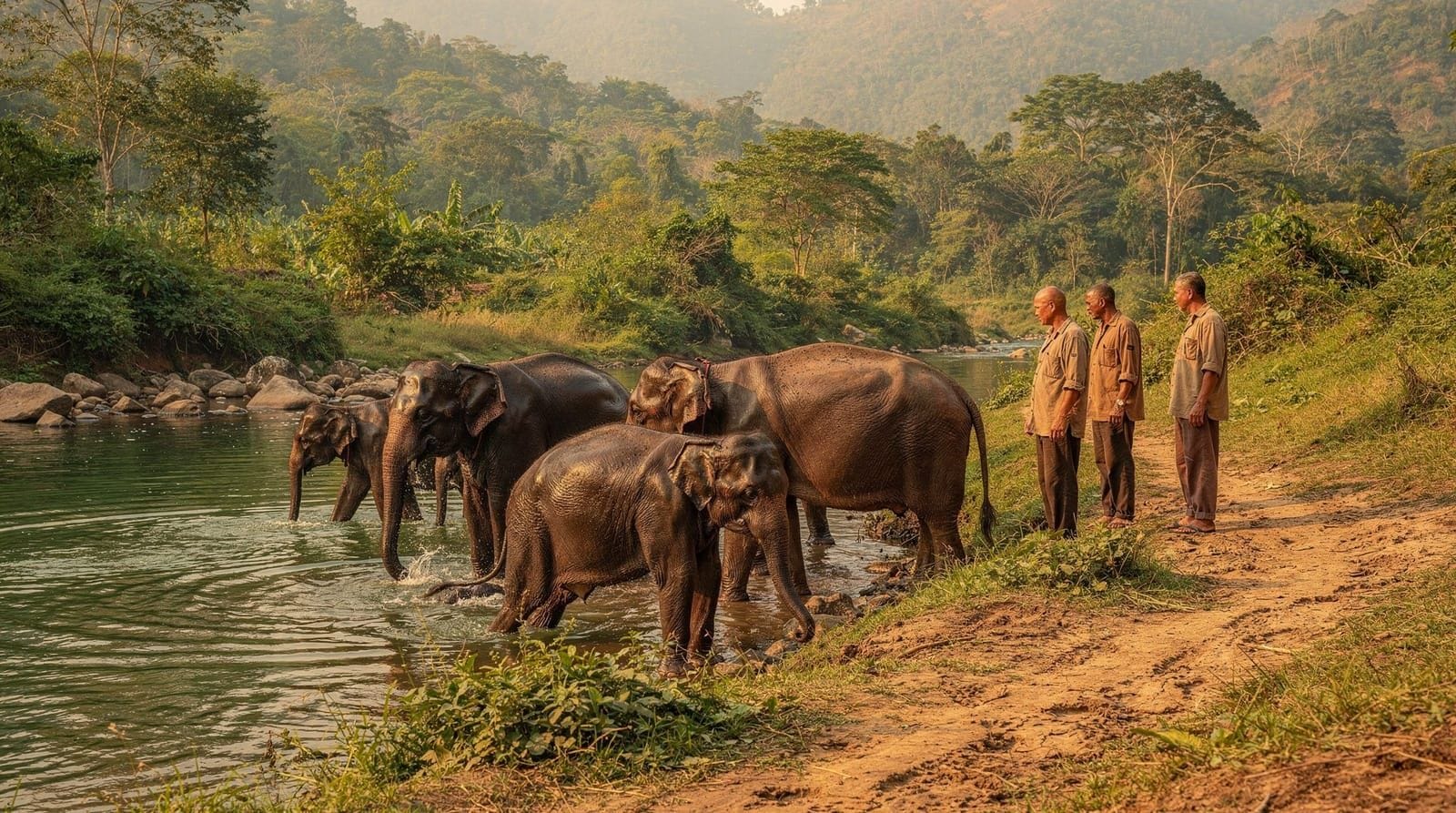
This is the day’s centrepiece. Choose a sanctuary that explicitly rules out riding and instead focuses on observing, feeding, and walking alongside elephants in a more natural setting — our guide to the ethical elephant sanctuary covers what to look for when comparing operators. A small group ethical elephant sanctuary tour typically runs as a half-day program with hotel pickup, feeding and bathing time with the elephants, and a return by early-to-mid afternoon — leaving enough of the day free for a cooking class in the evening.
Expect wet, muddy conditions if a mud bath or river bathing is included — bring a change of clothes and closed sandals rather than anything you mind ruining. Most sanctuaries provide a light lunch as part of the program; confirm this when booking so you’re not caught without a midday meal.
Evening: cooking class
Round out the day with an evening Thai cooking class with a market tour — most run 4-5 dishes from a set menu, starting with a short visit to a local market to see the ingredients before heading to the kitchen. If a more countryside, farm-based setting appeals more than a city kitchen, the cooking class with organic farm visit at Mama Noi covers similar ground with produce grown on-site.
Between elephant sanctuary and cooking class in a single day is a genuinely full schedule — if it feels like too much after the sanctuary, most classes also run morning sessions, and it’s worth checking whether swapping the order (cooking class first, sanctuary second) suits your energy levels better, since sanctuaries are physically more demanding than a seated cooking class.
What if you’re combining this with a longer Thailand trip
If these three days are part of a longer route through Thailand, it’s worth sequencing Chiang Mai either at the start or the end of your trip rather than in the middle, since the elephant sanctuary and cooking class days are physically involved and benefit from not being immediately followed by another travel day. Many travellers combine this itinerary with a few beach days elsewhere in Thailand afterward, using Chiang Mai’s cooler climate and cultural focus as a deliberate contrast to a more relaxed second half of the trip.
Practical logistics for three days
Songthaews and Grab handle the Old City and Nimman days without issue. Both the elephant sanctuary and cooking class almost always include round-trip hotel pickup as part of the booking, so you don’t need to arrange separate transport for day three — confirm pickup time and location when booking, since sanctuaries in particular can be 60-90 minutes outside the city depending on which one you choose.
Budget breakdown for three days
Day one and two run similarly to the shorter itineraries — roughly 700-1,500 THB ($20-42) per person combined for temple donations, Doi Suthep entry, meals, and transport. Day three is where costs rise: an ethical elephant sanctuary program typically runs 1,500-2,800 THB ($42-78) per person including transfer and lunch, and a cooking class adds another 800-1,500 THB ($22-42) including the market visit and all ingredients. Total for three days, excluding accommodation, comes to roughly 3,500-5,500 THB ($100-155) per person — noticeably more than a pure sightseeing itinerary, but reflecting two genuinely hands-on experiences rather than simple entry fees.
Where to stay for this itinerary
Either the Old City or Nimman works as a base, since day three’s sanctuary and cooking class both include hotel pickup regardless of location. If you’re deciding between the two, the Old City vs Nimman guide breaks down the trade-offs in more detail — broadly, Old City suits travellers prioritizing days one and two’s temple access, while Nimman suits those who want a quieter evening base with strong café and dining options.
What to bring for day three specifically
Beyond the general packing notes for the rest of the trip, day three needs its own preparation: a change of clothes and closed sandals for the elephant sanctuary (river or mud bathing is common and genuinely messy), a hat and sunscreen since sanctuary grounds offer variable shade, and an appetite — most sanctuary programs include a full lunch, and most cooking classes end with you eating everything you’ve made, meaning day three involves more food than a typical sightseeing day.
Honest planner notes
Not every elephant “sanctuary” marketed in Chiang Mai has actually abandoned riding and hooks — some rebrand without changing practices, so it’s worth checking recent reviews specifically for mentions of riding, chaining, or bullhooks before booking, rather than trusting the word “ethical” in a tour title alone. On the cooking class side, nearly every operator in the city offers a broadly similar format (market visit, several dishes, recipe booklet to take home), so the differentiator is usually the setting and group size rather than the food itself — a smaller class or farm setting costs a little more but is worth it if you dislike large groups.
If three days still feels rushed once you’re there, the 4-day itinerary adds a Doi Inthanon day trip without disturbing this core structure.
Choosing between sanctuary operators
With dozens of elephant sanctuaries operating around Chiang Mai, the choice can feel overwhelming, and marketing language alone rarely distinguishes a genuinely reformed operation from one that has simply updated its brochure. Beyond checking for explicit no-riding policies, look at group size (smaller groups generally mean more genuine interaction rather than a crowded, rushed visit), how the elephants’ history is described (rescued from logging or riding camps is a meaningfully different story from an operation that has always kept elephants for tourism), and whether the operator discusses the elephants’ individual personalities and needs rather than presenting them as interchangeable photo opportunities. None of this requires expert knowledge — it just requires reading a handful of recent, detailed reviews rather than relying on star ratings alone.
Adjusting this itinerary for dietary restrictions
If you or a travel companion has significant dietary restrictions, mention this when booking the cooking class rather than assuming any class can accommodate anything on the day — most operators can adjust for common restrictions like vegetarian, vegan, or gluten-free with advance notice, but same-day requests are harder to guarantee given how classes are typically structured around a fixed set menu and pre-purchased ingredients. The elephant sanctuary’s included lunch is usually more flexible, since it’s typically a buffet-style Thai meal rather than a fixed menu.
Frequently asked questions about this itinerary
Is three days enough to see Chiang Mai properly?
Yes, for the main highlights — Old City temples, Doi Suthep, an elephant sanctuary, and a cooking class all fit without feeling rushed. Day trips to Chiang Rai or Doi Inthanon need a fourth or fifth day.
How do I know if an elephant sanctuary is genuinely ethical?
Check recent reviews for explicit mentions of no riding, no bullhooks, and no chaining. Genuinely ethical operators describe feeding, walking alongside, and bathing elephants rather than riding them.
Should I do the elephant sanctuary or cooking class first on day three?
Either order works, but the sanctuary is more physically demanding, so some travellers prefer to do it first while energy is higher and save the seated cooking class for later in the day.
What should I wear to the elephant sanctuary?
Clothes you don’t mind getting wet or muddy, closed sandals rather than flip-flops, and a change of clothes for afterward if the program includes river or mud bathing.
Do cooking classes accommodate vegetarian diets?
Most do — ask when booking, since some set menus include meat or fish dishes by default that can usually be swapped for vegetarian versions on request.
Can I skip the cooking class and do something else on day three evening?
Yes — the Night Bazaar or a return to Nimman both work if cooking isn’t of interest, though the cooking class is one of the most consistently well-reviewed activities in the city for travellers who do enjoy hands-on food experiences.
Is this itinerary suitable for solo travellers?
Yes, all four core activities — temples, Doi Suthep, the sanctuary, and the cooking class — run as small-group experiences that solo travellers join without needing a private booking.
Top experiences
Bookable activities with verified prices and instant confirmation on GetYourGuide.