Things to do in Chiang Mai: the complete highlights guide
Chiang Mai: Half-Day Private City Tour by Tuk Tuk
Duration: Half day
What are the best things to do in Chiang Mai?
Spend at least one morning in the Old City temples, book a half-day or full-day ethical elephant sanctuary (never a riding camp), take a Thai cooking class, and give at least one evening to a night market or food street. With more than three days, add a waterfall or mountain day trip and a half or full day trekking or in Chiang Rai.
Chiang Mai packs an unusually wide range of experiences into a compact, walkable city and a scatter of mountains, valleys and villages within an hour or two’s drive. Inside the old moat walls alone there are more than thirty active temples; beyond the ring road, the surrounding hills hold ethical elephant sanctuaries, waterfalls, hill-tribe villages and entire towns built around a single craft. The challenge for most visitors is not finding things to do, it is deciding which of the many options are genuinely worth the time, and which are set up mainly to extract money from people on a short trip.
Spend at least one morning in the Old City temples, book a half-day or full-day ethical elephant sanctuary rather than any riding camp, take a Thai cooking class, and give at least one evening to a night market or food street — that combination covers the core of what makes Chiang Mai distinctive. With more than three days, add a waterfall or mountain day trip, a trekking morning, or a day trip to Chiang Rai or Doi Inthanon, and the trip stops feeling rushed.
Temples: where to start and what to skip
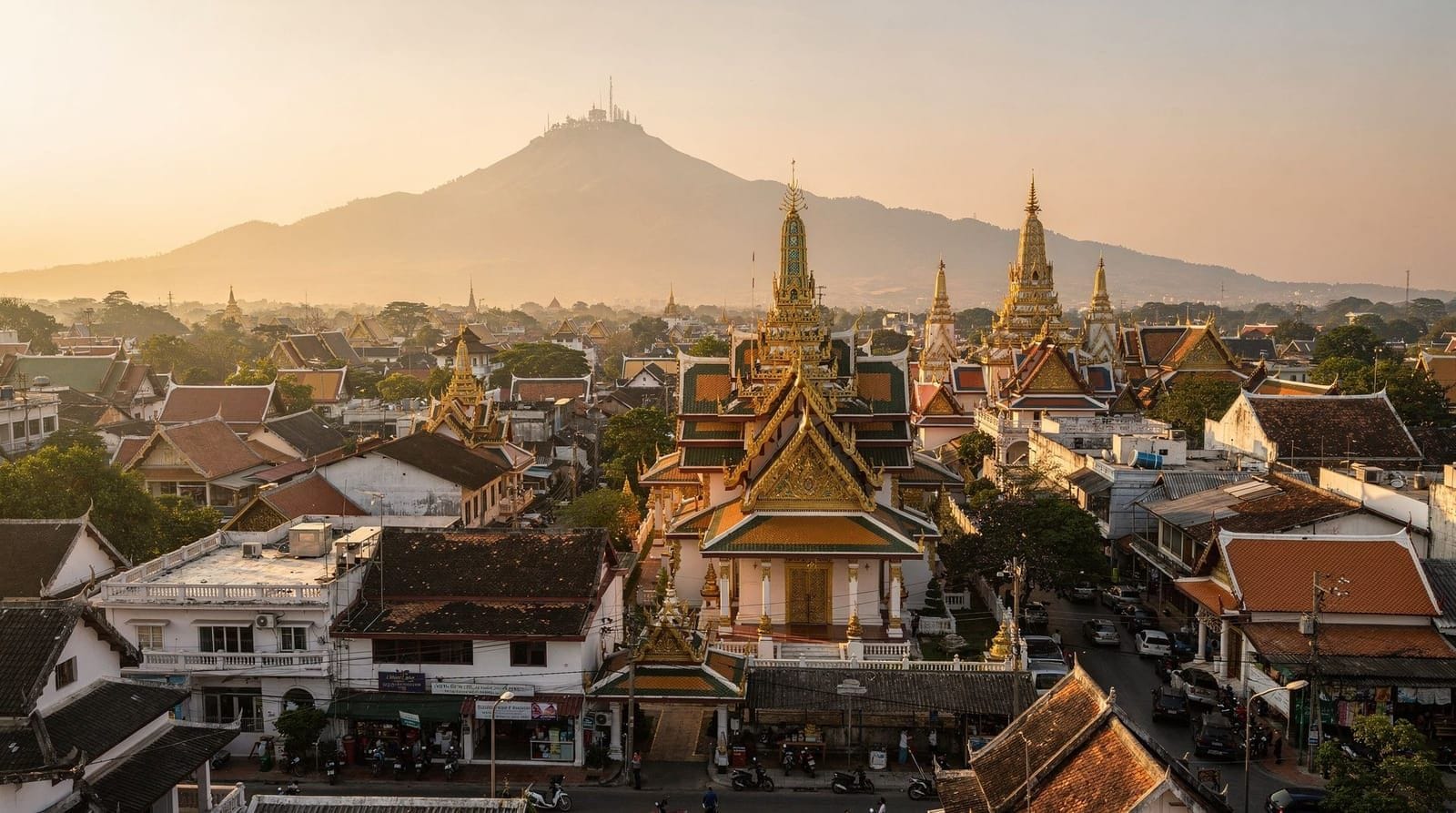
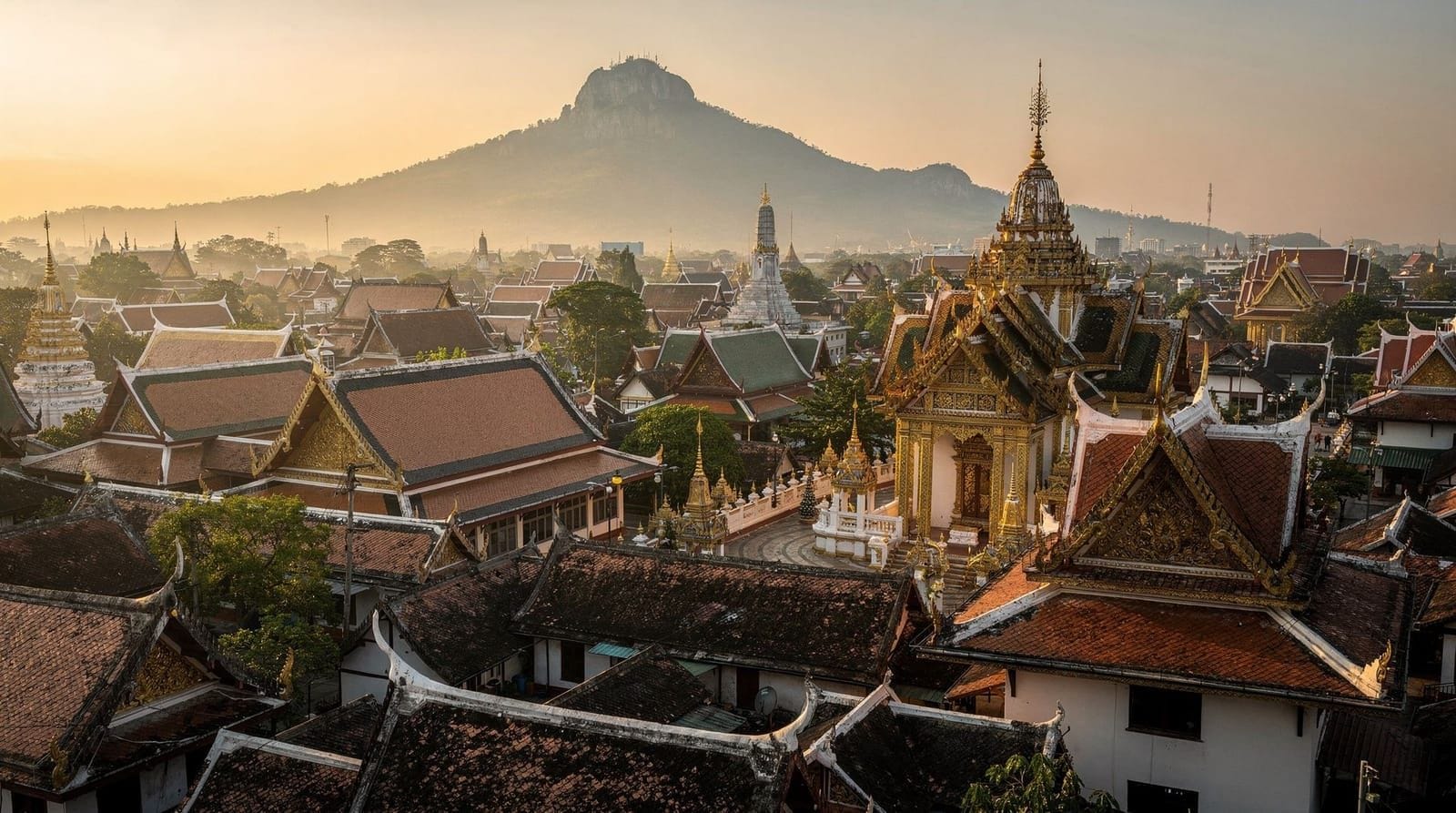
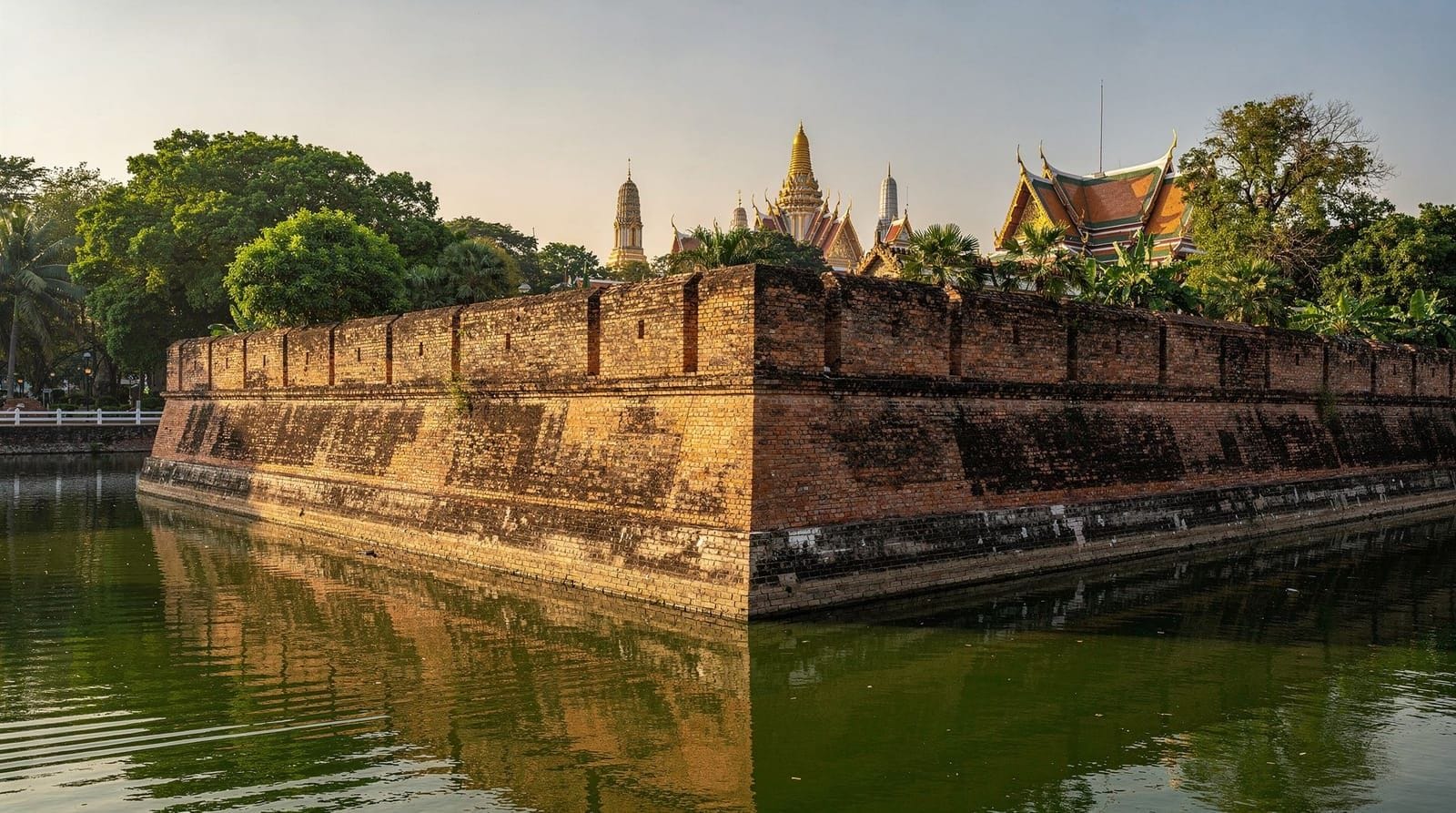
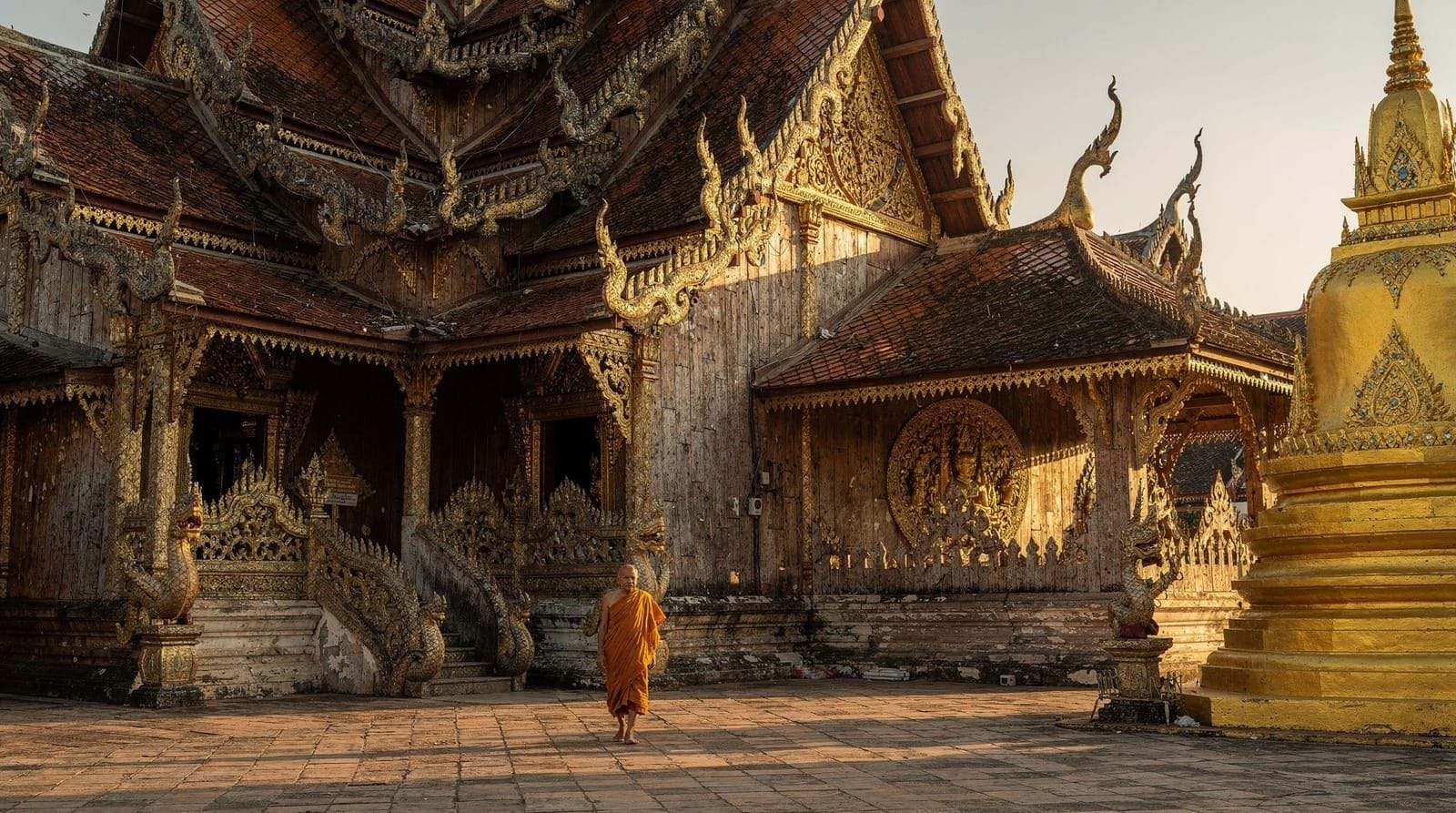
The Old City, the roughly one-square-kilometre grid bounded by a moat and partial brick wall, holds Chiang Mai’s most important temples within easy walking distance of each other, and a slow, unhurried walk through its lanes is worth building into any first day regardless of which specific temples make the final list. Wat Phra Singh houses the revered Phra Singh Buddha image and is the temple most associated with the city’s Lanna identity; Wat Chedi Luang centres on a partially collapsed 14th-century chedi that at its peak was one of the tallest structures in Southeast Asia, and both are realistically covered in half a day on foot. A smaller, quieter option, Wat Chiang Man, is the city’s oldest temple and rarely draws a crowd, which makes it worth adding if the bigger two start to feel repetitive, and it costs nothing beyond the ten or so minutes it takes to walk there from either of the bigger sites.
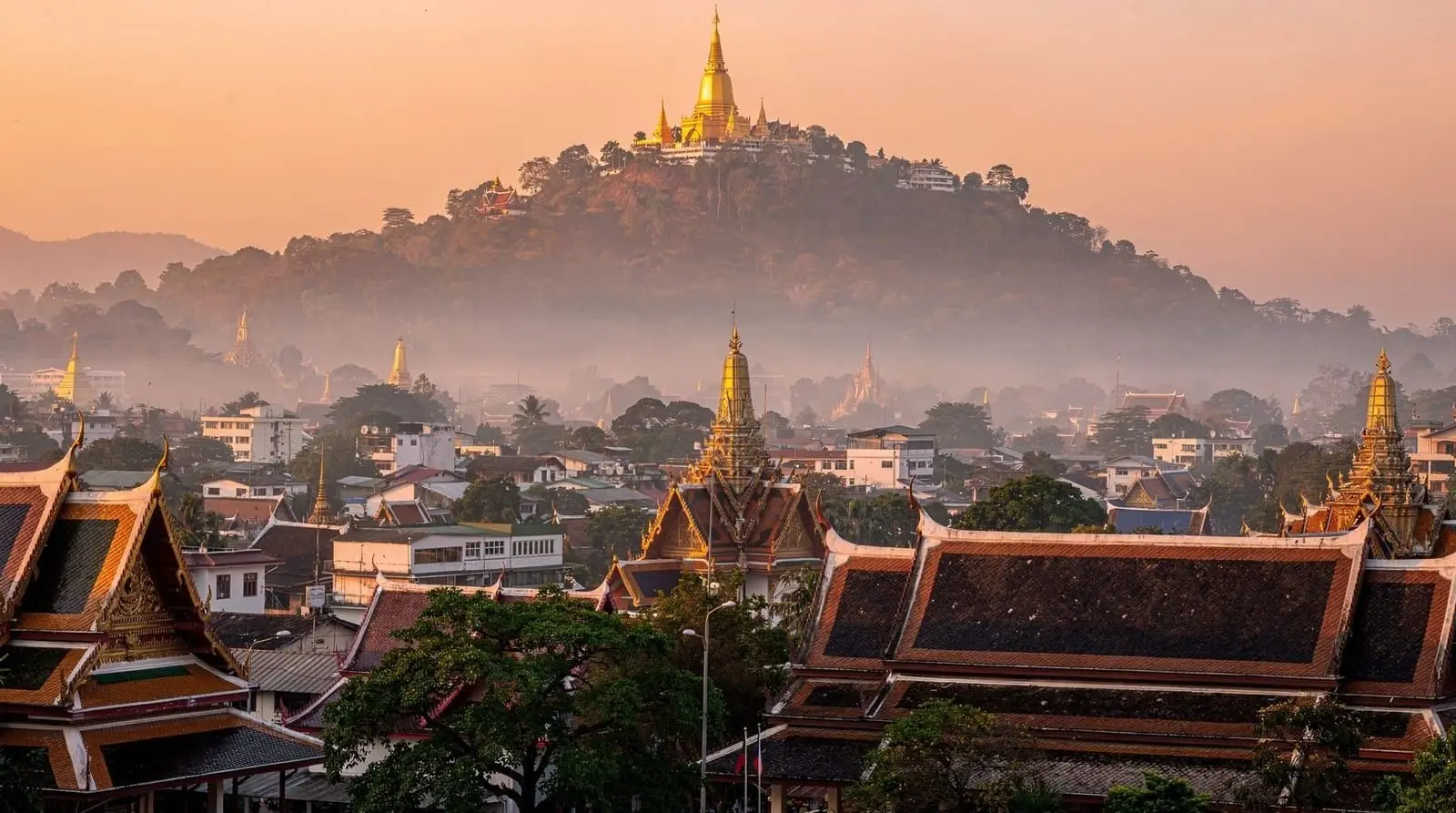
Outside the walls, Doi Suthep, the gold-spired mountaintop temple visible from much of the city, is the one non-negotiable half-day trip for most visitors, ideally combined with the monk’s forest trail at Wat Pha Lat on the way up rather than driven past. A guided Doi Suthep and Wat Pha Lat hike handles the transport and the less obvious trailhead for the forest walk, which is easy to miss without local knowledge. For a genuinely different, quieter register, Wat Umong’s forest tunnels and monk chat sessions suit anyone who has already done the headline Old City temples and wants something less photographed, since its shaded grounds and near-total absence of tour buses make it feel like a different city entirely. For a fuller comparison of which temples earn a place on a short itinerary, see the dedicated Chiang Mai temples guide.
Ethical elephant time, done properly
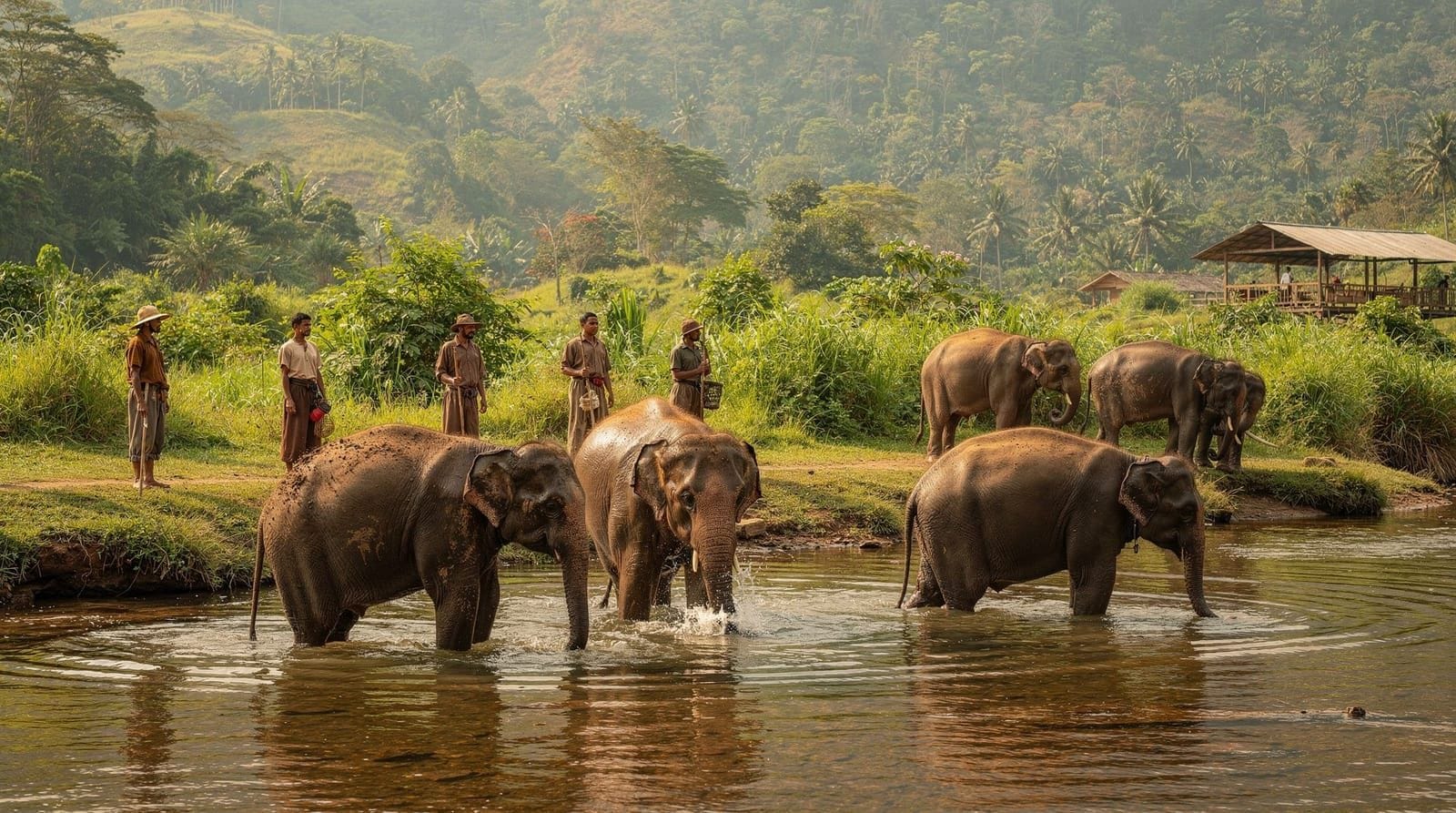
An elephant encounter is one of the most-searched activities in Chiang Mai, and it is also the activity with the largest gap between what looks appealing in a photo and what is actually good for the animal. Riding, in any form, puts sustained weight on an elephant’s spine that it is not built to carry, and riding camps typically rely on early-life training methods that cause lasting physical and psychological harm — a bathing-and-feeding show is a softer version of the same underlying problem, not a solution to it. The alternative that is both genuinely enjoyable and does not involve exploitation is an observation-based sanctuary, where visitors walk with elephants, help prepare and feed them, and watch them behave more or less as they would in the wild, without riding, bathing on command or performing tricks.
A small-group ethical elephant sanctuary half day is the standard, well-reviewed version of this experience near Chiang Mai, typically running four to five hours including transport from the city. It is worth booking three to five days ahead in high season, since the better-run, genuinely no-riding sanctuaries have limited daily capacity by design — a queue of empty vans outside a property should be read as a warning sign, not proof of popularity. The dedicated ethical elephant sanctuary guide covers how to tell a genuine sanctuary from a rebranded riding camp in more detail.
Cooking classes and food that actually tastes like Chiang Mai
Northern Thai food, built around dishes like khao soi, sai oua sausage and nam prik noom, is distinct enough from central Thai and Bangkok-style cooking that a class here teaches genuinely regional recipes rather than generic pad thai. Most Chiang Mai cooking schools begin with a short local market visit to identify the fresh herbs, chillies and curry pastes used that day, then move to an open-air kitchen for four to six dishes cooked from scratch, typically finishing with a printed recipe booklet to take home. A traditional cooking class with a market tour is the standard, well-run version of this format and suits solo travellers and groups equally well.
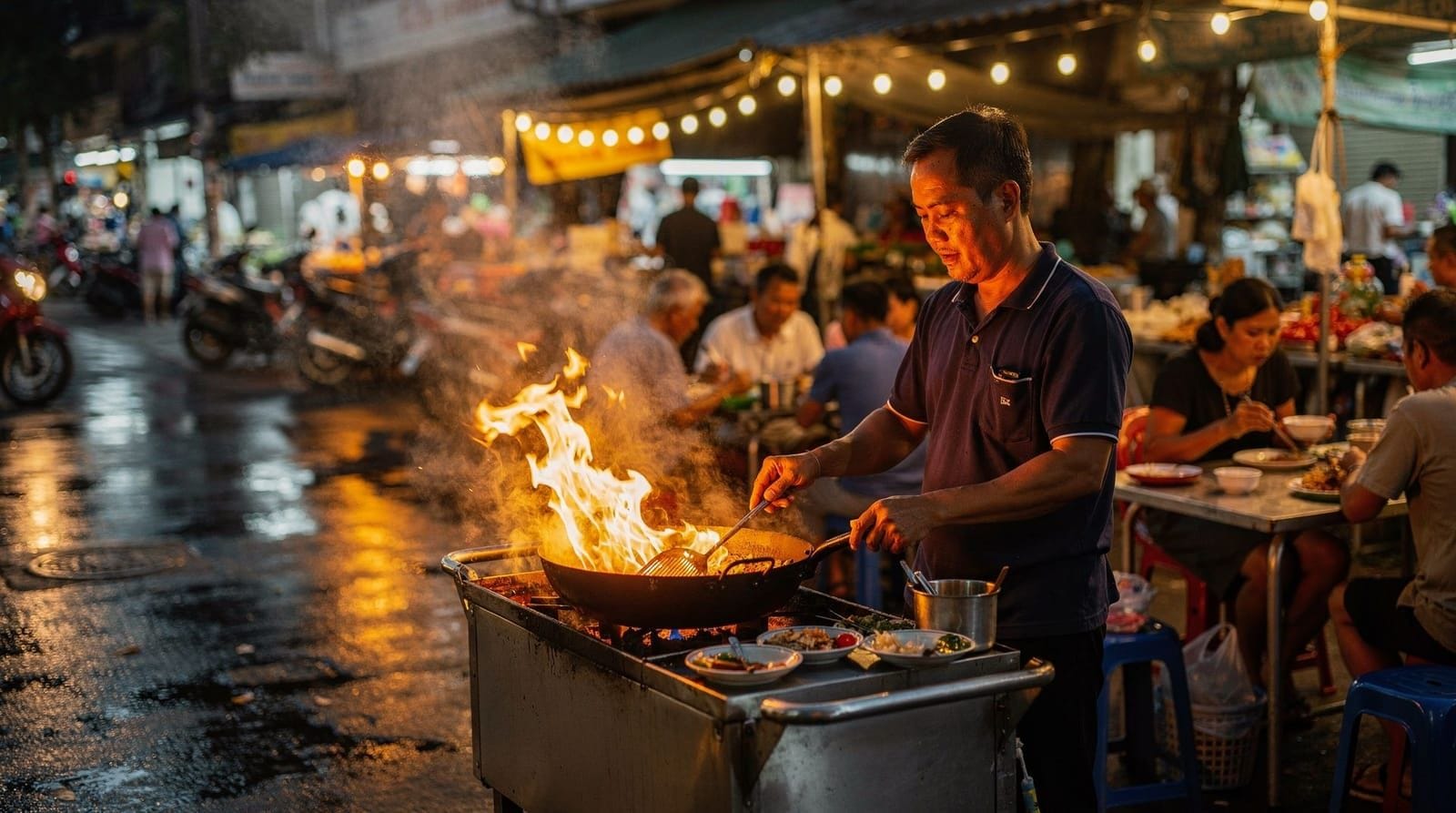
Outside a formal class, the street food scene rewards a bit of intention rather than wandering at random. A guided evening street food market tour is a reasonable shortcut on a first night, since it flags the genuinely good stalls rather than the ones simply positioned for maximum foot traffic, though independent exploring at Warorot Market during the day is just as rewarding once you know a few dish names to look for — khao soi, sai oua and khanom jeen among the ones worth learning before you go. The Chiang Mai street food guide lists specific stalls and dishes worth seeking out, including which markets are genuinely local and which have shifted almost entirely toward a tourist-facing menu over the past few years.
Markets and shopping: night bazaar versus walking streets
Chiang Mai’s markets split fairly cleanly into two categories: the nightly, semi-permanent Night Bazaar, which runs every evening along Chang Klan Road and leans toward souvenirs, clothing and a fairly standard tourist-market experience; and the weekly walking streets, where Sunday Walking Street closes the entire Old City main road and draws a genuinely different mix of local vendors, food stalls and craftspeople who do not set up on other nights. If a visit only allows for one market evening, a Sunday falling within the trip is worth planning around, since the scale and variety are considerably larger than the nightly bazaar, and prices for the same handmade goods tend to run noticeably lower once you are away from the main tourist strip.
Warorot Market, the city’s main day market for food, textiles and household goods, is worth a morning for a look at how residents actually shop, distinct from the evening tourist-facing markets. Bargaining is expected at all of these markets but should stay good-natured; starting around 30-40 percent below the first quoted price and settling somewhere in the middle is the realistic norm, not an aggressive back-and-forth, and a smile tends to get a better price than a hard line ever will.
Nature, waterfalls and a day away from the city
Within roughly an hour of the city, the Sticky Waterfalls at Bua Thong are genuinely unusual: mineral deposits in the limestone make the rock surface grippy enough to walk, and in places climb, directly up the cascade without slipping, which is not something most waterfalls anywhere allow. Mae Sa Valley and the wider Mae Rim area combine several smaller attractions — waterfalls, botanic gardens, an orchid farm — into a single half-day loop that suits travellers without their own transport, since most day-tour operators run a fixed circuit through the valley and charge accordingly little for a full day out.
For a full day further out, Doi Inthanon, Thailand’s highest peak, adds twin royal pagodas, cloud-forest boardwalk trails and a noticeably cooler climate that can be a welcome break from the valley heat, particularly outside the coolest months — bring a light jacket, since temperatures near the summit can drop into single digits Celsius even when the city below is warm. Both trips reward an early start, since the drive alone takes close to two hours each way and the best light for photos at either site is well before midday.
Trekking and hill-tribe visits, done with some care
Multi-day and single-day treks into the hills north and west of the city are a long-standing Chiang Mai activity, typically combining jungle walking with a stop at a hill-tribe village and, in some itineraries, bamboo rafting or an overnight homestay. The ethical dimension here deserves the same attention as elephant tourism: villages set up specifically for daily tour-bus visits, especially ones associated with the “long-neck” Karen communities, can shade into human-zoo territory if the visit is purely transactional photo-taking rather than a genuine, respectful cultural exchange. Treks organised through guides with real, ongoing relationships to specific villages, ideally involving some direct economic benefit to the community rather than just an operator fee, are the better version of this activity.
A single day trek is a reasonable way to sample this without a major time commitment, while multi-day treks suit travellers with five or more days in the region who want a genuinely immersive stretch away from the city, typically covering somewhere between 8 and 15 kilometres of walking per day depending on the route and season.
Muay Thai and an evening of something different
Watching a live Muay Thai match is one of the more distinctive evening options in Chiang Mai, with Old City-adjacent stadiums hosting regular fight nights featuring a mix of local up-and-comers and, at times, visiting fighters. A Thapae Boxing Stadium match ticket is straightforward to arrange for a specific night and gives a reasonably authentic taste of the sport without needing any prior knowledge of the rules — undercard bouts often feature younger fighters and are worth arriving early for rather than treating as a warm-up act to skip. Training gyms across the city also offer single drop-in sessions for visitors curious about trying a class rather than only watching, a genuinely different way to spend a morning than the usual sightseeing rotation.
Wellness: massage, spas and slowing down
A traditional Thai massage, distinct from a Western-style spa treatment in its use of stretching and pressure-point work rather than purely oil-based technique, is inexpensive enough in Chiang Mai — commonly 250-400 THB (roughly USD 7-11) for an hour at a mid-range shop — that it is worth building into most days rather than treating as a single splurge. For a step up in setting and consistency, a 90-minute oil massage at an award-winning eco spa suits a visitor wanting a genuinely relaxing, well-run session on at least one day of the trip, and booking a day or two ahead avoids the wait that the better-reviewed shops tend to build up by mid-afternoon.
Neighborhoods: where the city’s character actually lives
Beyond specific attractions, simply walking different parts of the city reveals a lot about how Chiang Mai actually functions day to day. Nimmanhaemin, the university-adjacent district northwest of the Old City, holds the city’s concentration of specialty coffee shops, design-forward boutiques and a younger, more contemporary energy than the temple-dense old town. Deciding where to base a stay between these two very different registers is a genuine planning question in its own right, covered in the Old City versus Nimman guide.
Timing a visit around the weather and burning season
November through February is Chiang Mai’s coolest, clearest stretch and the most comfortable season for walking-heavy days, temple visits and mountain day trips, with daytime temperatures typically in the mid-20s to low 30s Celsius and minimal rain. February through April is burning season, when agricultural burning across the wider region creates smoke haze that can reduce mountain visibility and affect air quality on the worse days — worth knowing if a Doi Suthep viewpoint or a hazy-sky photo matters to the trip, and worth checking an air quality index if anyone travelling has respiratory sensitivity. The rainy season, roughly June through October, brings a greener landscape and generally short, predictable afternoon downpours rather than all-day rain, and is also the lowest-price, lowest-crowd season for accommodation.
Getting around without a car
The Old City, Nimman and the main night markets sit close enough together that walking and short Grab rides cover most of a typical day, with a Grab across the city centre rarely running more than 60-100 THB (roughly USD 2-3). Songthaews, the red shared pickup trucks, offer a cheaper but less predictable alternative for point-to-point trips within the city, since they typically wait to fill with other passengers heading a similar direction before departing. A scooter or rental car only becomes genuinely useful once the plan includes independent day trips to Pai, Chiang Dao or Doi Inthanon, since most other activities, including sanctuaries, cooking classes and treks, already include hotel pickup as standard, and mountain roads in the region are demanding enough that inexperienced riders are better off with a driver or a booked tour.
How to plan the rest of the trip from here
This guide covers the full breadth of what Chiang Mai offers; two companion guides narrow that down further depending on what stage of planning you are at. The Chiang Mai bucket list ranks the twenty single experiences worth prioritising if time is genuinely limited, while the first-time in Chiang Mai guide focuses less on what to do and more on what to expect culturally, from temple etiquette to pace of life, for anyone visiting Thailand or Southeast Asia for the first time.
Frequently asked questions about things to do in Chiang Mai
What are the best things to do in Chiang Mai for a first visit?
Wat Phra Singh and Wat Chedi Luang in the Old City, an ethical elephant sanctuary half day, a Thai cooking class with a market visit, and an evening at Sunday Walking Street or a night market cover the range of what makes Chiang Mai distinctive, without over-scheduling a first trip.
How many days do you need to see the best of Chiang Mai?
Three full days covers the Old City temples, one elephant sanctuary visit, one cooking class and one night market comfortably. Five to seven days lets you add Doi Suthep, a waterfall day trip, trekking or a Chiang Rai day trip without rushing.
Is riding elephants ethical in Chiang Mai?
No. Riding puts damaging weight on an elephant’s spine and typically involves training methods that cause lasting harm. Choose an observation-and-feeding sanctuary instead, where elephants are not ridden, bathed on cue or forced to perform.
What is the best time of year to visit Chiang Mai?
November through February is the coolest, clearest season and the most comfortable for walking and day trips. February through April is burning season, when agricultural fires create smoke haze that can affect air quality and mountain views; the rainy season from June to October brings green scenery with short, predictable afternoon downpours.
Do you need to book tours and activities in advance?
Ethical elephant sanctuaries and popular cooking classes often sell out a few days ahead in high season, so booking those 3-5 days out is worth it. Temples, markets and most street food do not need advance booking at all.
What are the unmissable things to do in Chiang Mai versus tourist traps?
Genuine highlights include Wat Phra Singh, Doi Suthep, an ethical elephant sanctuary, a cooking class and Sunday Walking Street. Traps to skip include any elephant riding or bathing show, tiger selfie parks, and gem or jewellery shops steered to by a tuk-tuk driver offering a suspiciously cheap fare.
Can you see Chiang Mai’s highlights without a car?
Yes. The Old City, Nimman and the night markets are all walkable or a short Grab ride apart, and most sanctuaries, cooking classes and day trips include hotel pickup. A car or scooter only becomes useful for independent trips to Doi Inthanon, Pai or Chiang Dao.
Top experiences
Bookable activities with verified prices and instant confirmation on GetYourGuide.