The best temples in Chiang Mai, ranked
Chiang Mai: Doi Suthep Temple & Wat Pha Lat Hike
What are the best temples to visit in Chiang Mai?
Wat Phra That Doi Suthep (the gold mountain chedi and city views), Wat Chedi Luang (the giant ruined chedi and monk chat), and Wat Phra Singh (the most revered Buddha image and gilded Lai Kham chapel) form the essential shortlist. Wat Chiang Man, the city's oldest, and Wat Umong, a forest tunnel temple, round out a fuller list for travelers with more than a single day.
Chiang Mai has more temples per square kilometer than almost anywhere else in Thailand, and the honest problem for a first-time visitor isn’t finding one — it’s deciding which of the hundreds of active wats actually deserve a slot in a limited trip. This ranking cuts through the full list to the handful that consistently reward the visit, based on what each one actually offers rather than how often it appears on a generic top-ten list, plus honest notes on crowding, cost, and timing so you can build a route that doesn’t collapse into temple fatigue by the third stop. For the broader category overview, including markets and craft sites that touch on temple culture, see our temples and shrines hub.
Quick answer: Wat Phra That Doi Suthep, the gold-chedi mountain temple with city views, tops most lists and is worth the trip outside the city for nearly every visitor. Wat Chedi Luang’s giant ruined chedi and monk chat program, and Wat Phra Singh’s revered Buddha image and gilded Lai Kham viharn, round out the essential Old City pair. Wat Chiang Man, the oldest temple in the city (founded 1296), and Wat Umong, a quiet forest tunnel temple, are the next tier for travelers with more than a single temple-focused day.
1. Wat Phra That Doi Suthep — the mountain temple
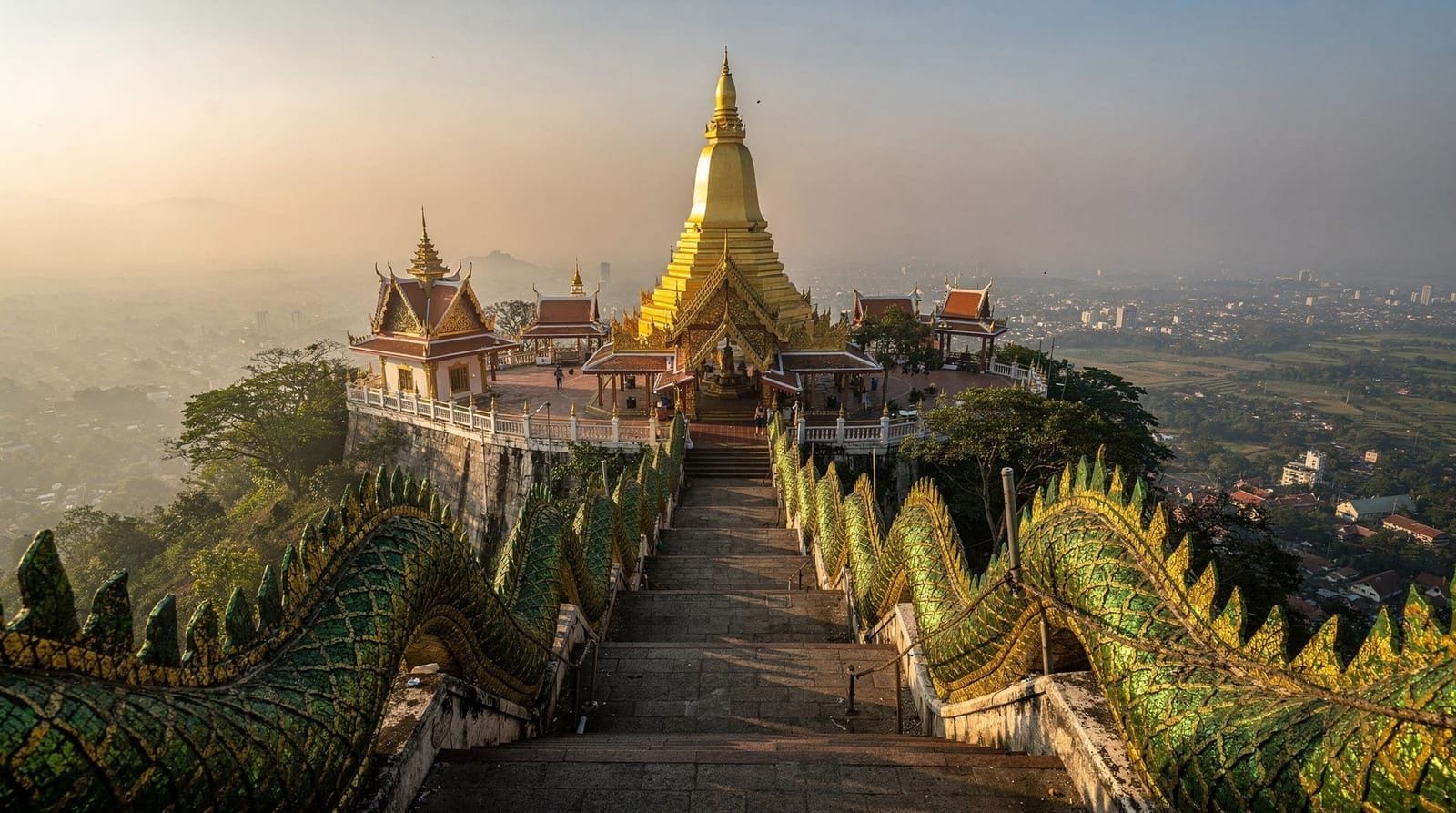
Doi Suthep sits roughly 15km northwest of the city on the slopes of the mountain that shares its name, and it’s the one temple most Chiang Mai residents and long-term expats would name first if pressed to pick a single site. The gold chedi at its center is reached by the 306-step Naga staircase, flanked by mosaic serpents, or by a funicular for travelers who’d rather skip the climb. From the temple’s upper terrace, on clear days you can see across the whole Chiang Mai valley — a view that’s part of the point of visiting, not just a bonus.
Entry runs roughly 30-50 THB ($0.85-$1.40) for foreign visitors, and getting there means a songthaew from Chang Phueak market or Chiang Mai University (roughly 50-100 THB round trip) or a private car or Grab. The single biggest factor in how much you enjoy the visit is timing: arrive before 9am or after 4pm and the temple feels contemplative and unhurried; show up between 11am and 2pm and you’re sharing the staircase and terraces with several tour bus groups at once. Our Doi Suthep temple guide covers the visit in full detail, including the choice between the stairs and the funicular and dress code specifics.
A Doi Suthep temple and Wat Pha Lat hike tour combines the main temple with Wat Pha Lat, a smaller forest temple partway up the mountain that most independent visitors never reach because it has no direct road access for coach groups.
2. Wat Chedi Luang — the ruined giant and monk chat
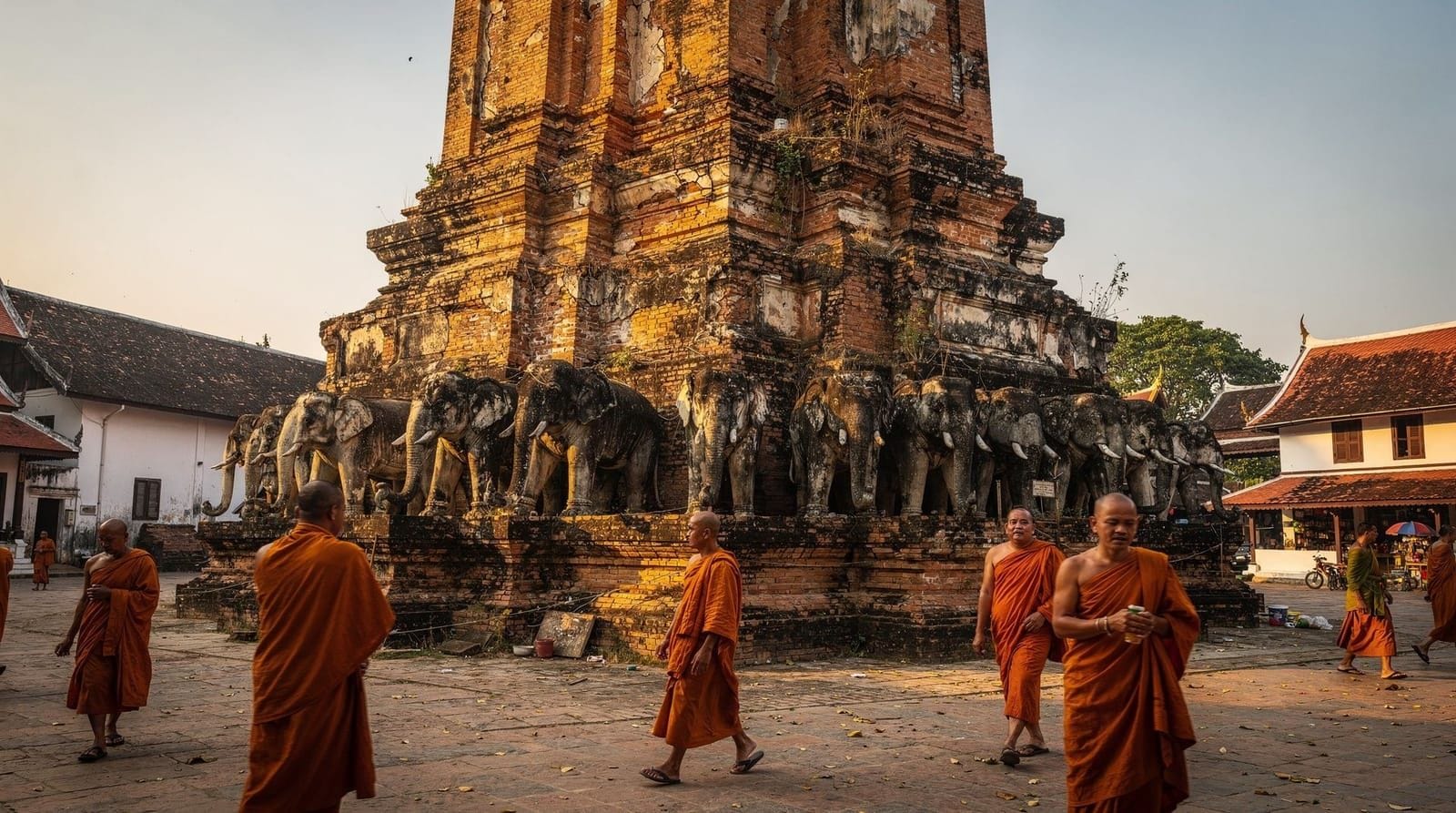
Wat Chedi Luang, in the heart of the Old City, centers on a massive chedi that partially collapsed in a 16th-century earthquake and was never fully rebuilt — a deliberate choice that leaves its brick core exposed and gives the structure a weight and gravity that a fully restored chedi wouldn’t have. The temple grounds also hold Sao Inthakhin, the city pillar shrine, considered the spiritual anchor point of Chiang Mai itself.
Entry costs around 40 THB ($1.10), and the temple is a 10-12 minute walk from Tha Phae Gate, making it easy to combine with Wat Phra Singh on foot. Wat Chedi Luang runs one of the city’s most accessible monk chat programs, where young monks practicing their English sit down with visitors for genuine, unscripted conversation — typically available on weekday afternoons, though schedules shift, so checking on arrival is worthwhile. Our monk chat guide explains how the program actually works and what to expect.
A Wat Phra Singh and Wat Chedi Luang night tour visits both temples after dark, when floodlighting gives the ruined chedi a genuinely different character than the daytime visit.
3. Wat Phra Singh — the most revered Buddha image
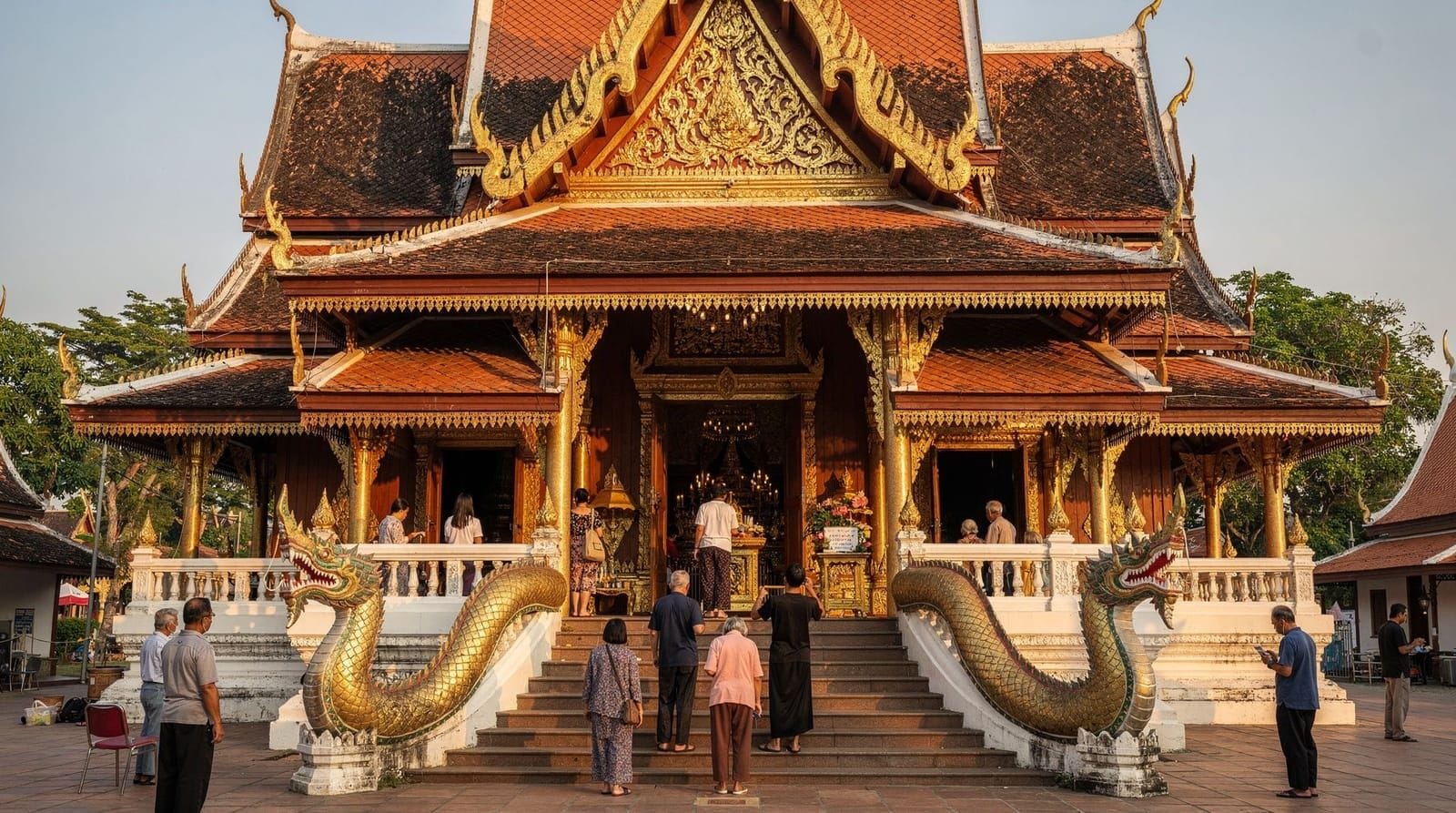
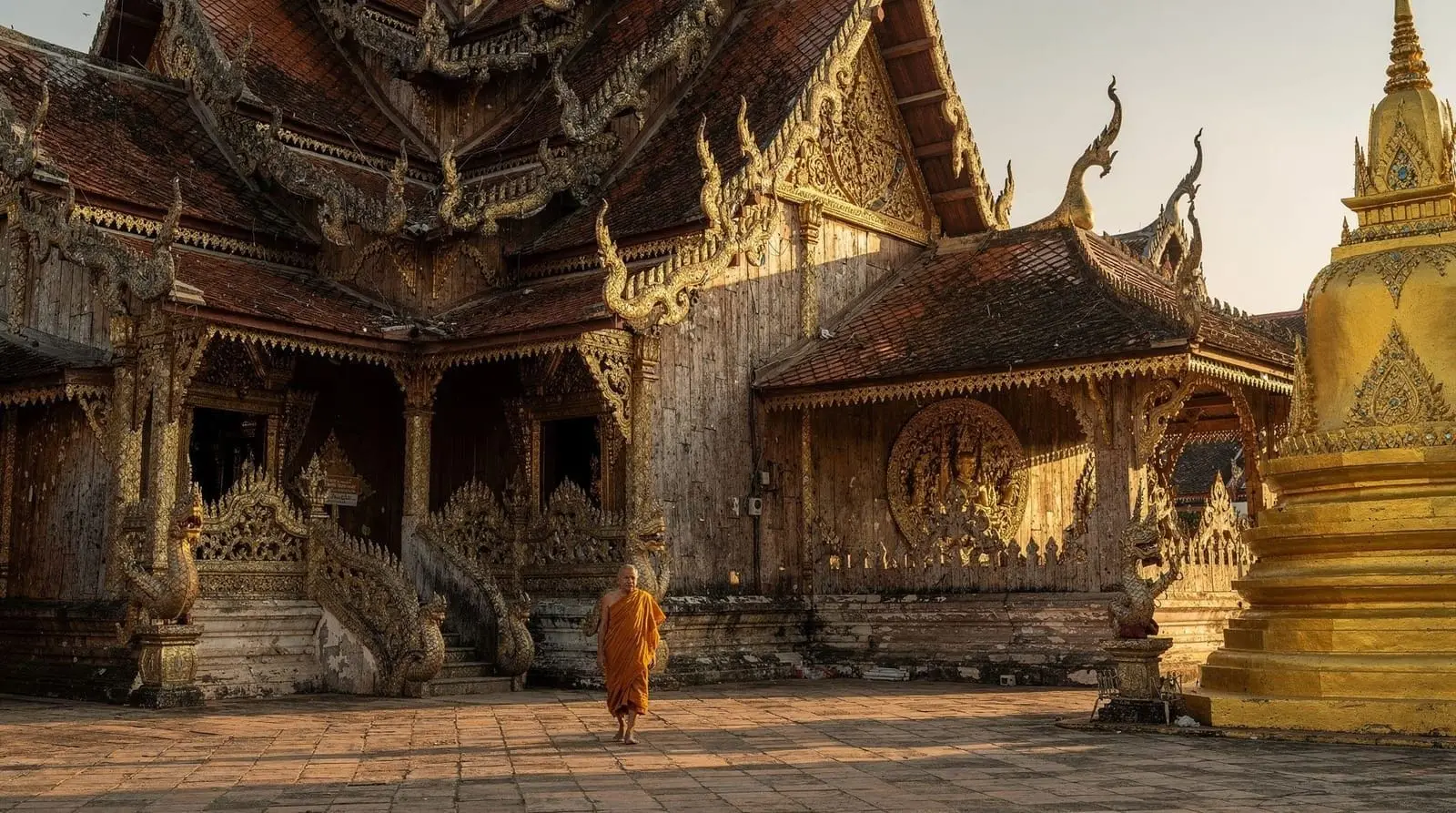
Wat Phra Singh houses the Phra Singh Buddha, one of Thailand’s most venerated images, inside the Lai Kham viharn — a smaller chapel distinguished by intricate gilded woodwork and murals depicting Lanna-era daily life alongside religious scenes. It’s widely considered the most architecturally significant single building among Chiang Mai’s Old City temples, and the murals reward slowing down rather than a quick walkthrough.
Entry is around 40 THB ($1.10) for foreign visitors, though sitting in the main viharn is free. The temple sits about 1.1km (12-15 minutes on foot) from Tha Phae Gate, making it a natural anchor for an Old City temple walk. Early morning or late afternoon avoids the midday tour-bus window that affects this temple almost as much as Doi Suthep.
4. Wat Chiang Man — the oldest and quietest major wat
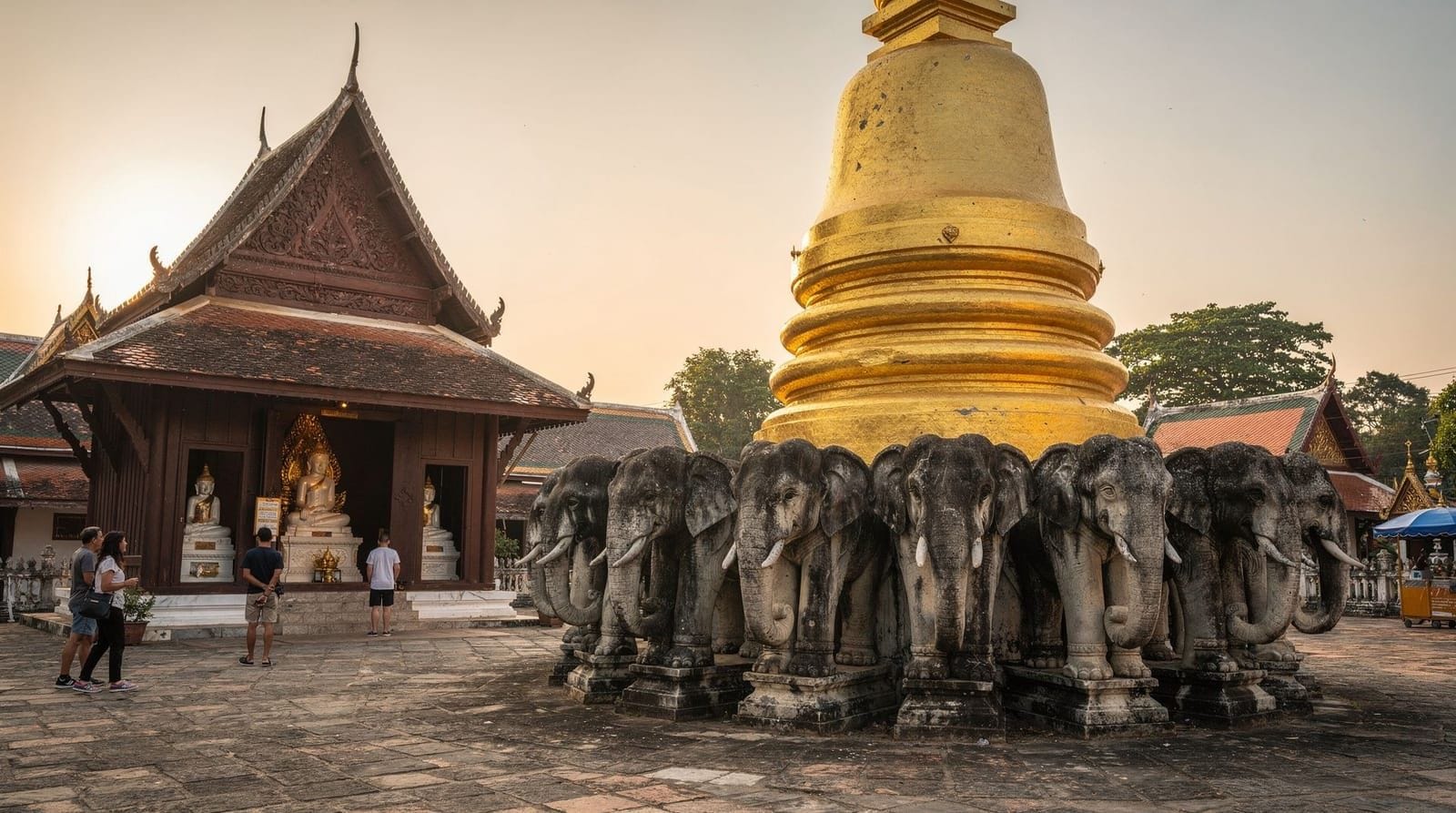
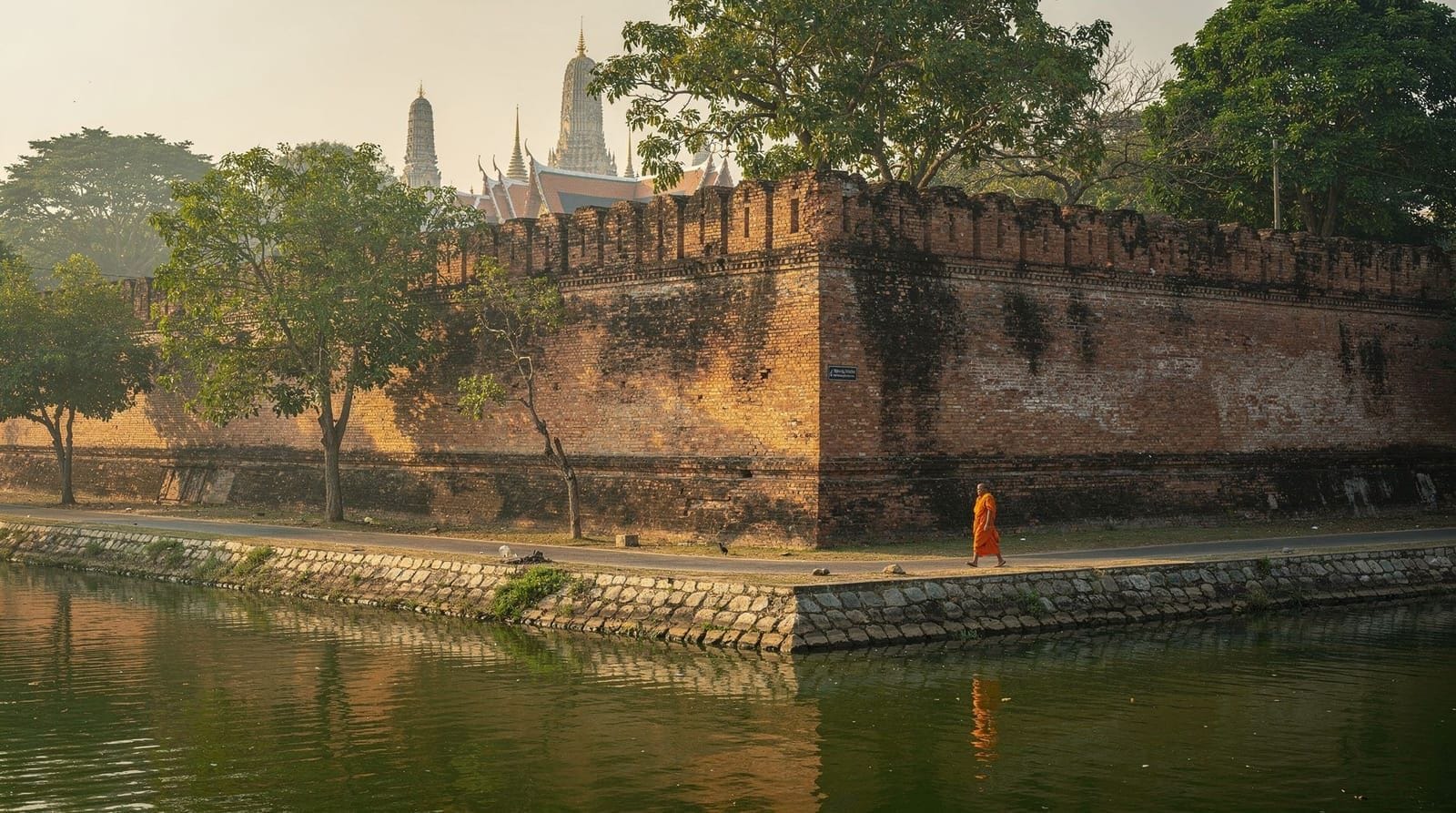
Wat Chiang Man, founded in 1296, predates the city walls built around it and holds the distinction of being Chiang Mai’s oldest temple. Its most distinctive feature is the elephant-base chedi (Chang Lom), ringed by stone elephant sculptures supporting the structure, along with two small but significant Buddha images — the Crystal Buddha and the Marble Buddha — housed in a side chapel.
Entry is free, donations welcome, and the temple sees a fraction of the foot traffic of Wat Phra Singh or Wat Chedi Luang despite similar historical weight, making it a good stop for travelers who want genuine Old City temple architecture without the crowds. It sits about 700m (8-10 minutes) from Tha Phae Gate.
5. Wat Umong — the forest tunnel temple
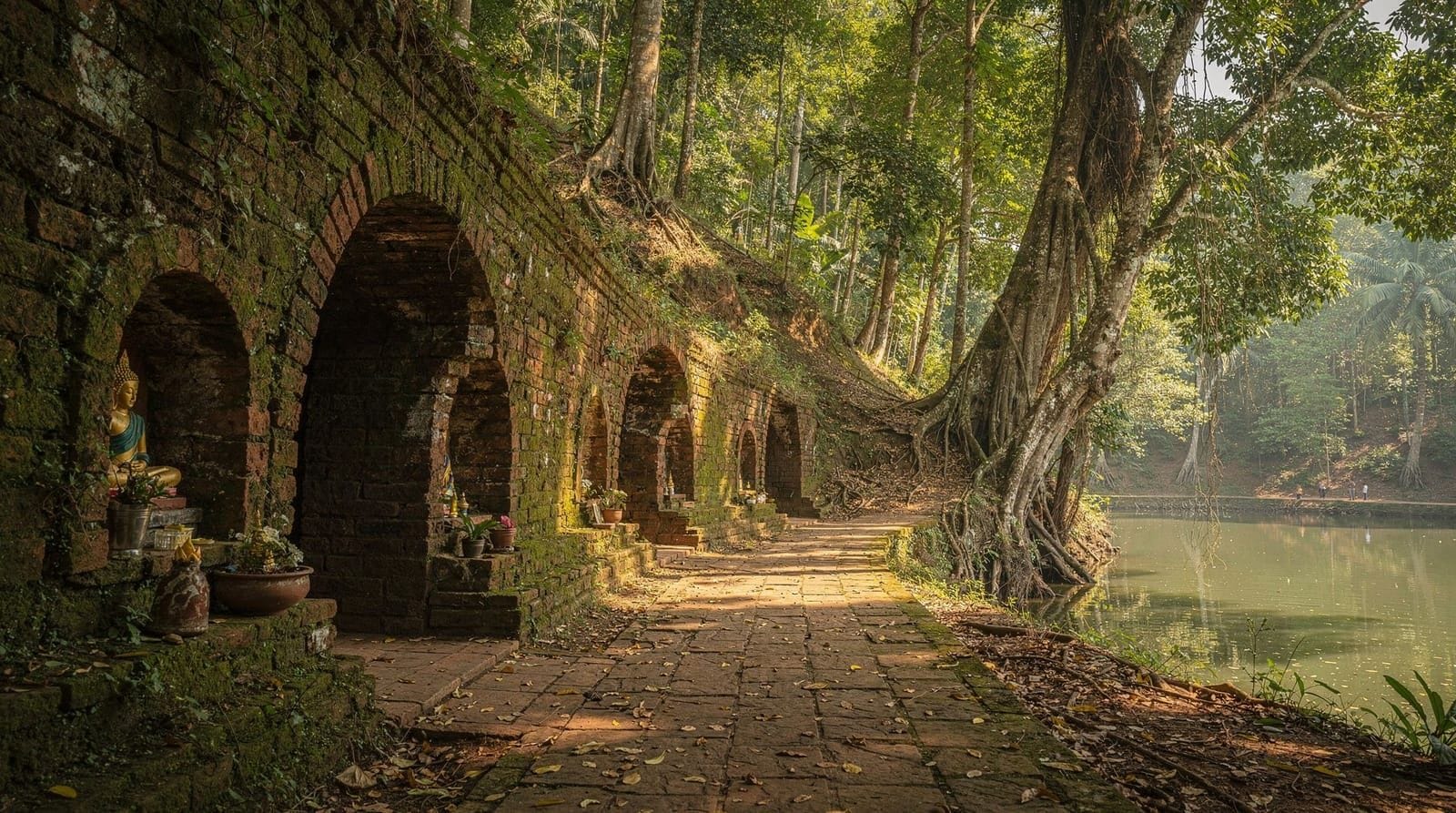
Wat Umong, tucked into forest near Chiang Mai University rather than sitting in the Old City proper, centers on a set of brick meditation tunnels built roughly 700 years ago, once used by monks for solitary meditation and now open for visitors to walk through. Above ground, the temple grounds include a small lake with catfish, an ancient chedi, and speakers hung from trees playing recorded dharma talks — the so-called “talking trees” that give the temple its offbeat reputation.
Entry is free with donations encouraged, and the forest canopy keeps the grounds noticeably cooler than the exposed courtyards at the Old City temples. Our Wat Umong guide covers the tunnels, the talking trees, and how to combine a visit with Doi Suthep on the same half-day out.
A Doi Suthep and Wat Umong twilight tour pairs the two mountain-adjacent temples into a single evening outing, useful if your daytime hours are committed to the Old City instead.
Honest tier below the top five
A handful of other temples reward a visit if you have more than a couple of days for temple-hopping. Wat Suan Dok, west of the Old City on Suthep Road, holds whitewashed chedis said to contain relics and hosts its own monk chat sessions, generally quieter than Wat Chedi Luang’s. Wat Pha Lat, reachable via the Monk’s Trail hike partway up Doi Suthep, is a small, atmospheric forest temple that most tour groups skip entirely because there’s no direct road access. Wat Sri Suphan, on Wualai Road near the Saturday Walking Street, is Chiang Mai’s silver temple — its exterior is covered in hand-hammered silver and aluminum panels crafted by local silversmiths, though note that men-only are permitted inside the main ordination hall due to traditional restrictions.
Building a realistic route
The Old City temples (Wat Phra Singh, Wat Chedi Luang, Wat Chiang Man) sit close enough together to walk between in a single morning — our Old City temple-hopping route lays out the most efficient order. Doi Suthep, being outside the city on a mountain, needs its own dedicated half-day rather than being squeezed into the same outing. A realistic two-day temple plan puts the Old City loop on day one and Doi Suthep, possibly combined with Wat Umong, on day two.
For travelers who’d rather not plan the logistics themselves, a 3-hour Old City and temples guided walking tour covers the main Old City wats with a guide handling the route and providing historical context, and a private one-day temple tour can combine the Old City and Doi Suthep into a single guided day if your schedule is tight.
How the top five compare side by side
Thinking in terms of what each temple is actually for helps more than a flat ranking. Doi Suthep is the pilgrimage-and-view temple — go for the climb, the gold chedi, and the valley below. Wat Chedi Luang is the history-and-conversation temple — go for the exposed brick ruins and the chance to talk with a monk practicing English. Wat Phra Singh is the art-and-architecture temple — go for the Lai Kham viharn’s woodwork and murals more than the Buddha image itself, revered as it is. Wat Chiang Man is the quiet-history temple — go if crowds at the other two Old City wats have worn you down and you want the same era of architecture without the tour groups. Wat Umong is the atmosphere temple — go for the forest, the tunnels, and a genuinely different pace than anywhere else on this list.
None of the five duplicate each other in what they offer, which is the practical argument for visiting all five if your schedule allows it rather than picking just one or two and assuming you’ve seen “the temples” of Chiang Mai. Each hits a different note, and seeing only Doi Suthep, however impressive, means missing the ruined-chedi gravity of Wat Chedi Luang or the hushed forest tunnels of Wat Umong entirely.
Lanna architecture, briefly explained
Nearly everything on this list is built in the Lanna style — the architectural tradition of the historical Lanna kingdom that once centered on Chiang Mai, distinct from the more familiar central Thai temple style seen in Bangkok. Lanna temples typically favor multi-tiered roofs with deep eaves, naga (serpent) motifs along staircases and roof edges, and teak woodwork over the more elaborate mosaic-tile ornamentation common further south. Wat Phra Singh’s Lai Kham viharn is often cited as one of the best-preserved examples of classic Lanna temple design anywhere in the region, which is part of why it draws more attention from visitors specifically interested in architecture rather than religious significance alone. Recognizing these details — the naga staircases at Doi Suthep, the elephant buttresses at Wat Chiang Man, the layered roofline at Wat Phra Singh — turns a temple visit from a series of similar-looking stops into a more legible read on the region’s history.
Transport costs across a full temple day, itemized
Getting between the Old City temples costs nothing if you walk, since Wat Phra Singh, Wat Chedi Luang, and Wat Chiang Man all sit within a roughly 15-minute walking radius of Tha Phae Gate. A songthaew between any two of them, if you’d rather not walk in the heat, runs about 30 THB ($0.85) per person per ride. Getting to Doi Suthep is the larger transport cost of the day: a shared red songthaew from Chang Phueak market or the Chiang Mai University area runs roughly 50-100 THB ($1.40-$2.80) round trip per person, while a private Grab car typically costs more but removes the wait for the songthaew to fill with other passengers. Wat Umong, being on the same side of town as Chiang Mai University, is a reasonable add-on to a Doi Suthep day via Grab (roughly 90-130 THB / $2.50-$3.60 from the Old City) rather than a separate trip.
What tour guides add that a solo visit doesn’t
The temples on this list are all straightforward to visit without a guide — none require specialized access or have confusing layouts. What a guide typically adds is context that isn’t posted anywhere on-site: which specific Buddha images have historical significance versus which are more recent additions, what the murals at Wat Phra Singh’s Lai Kham viharn actually depict scene by scene, and practical logistics like the best time to attempt monk chat or which entrance avoids the longest queue at Doi Suthep during peak season. For a first Chiang Mai visit where you want the fuller story rather than just the sights, that context can be worth the cost of a guided half-day; for a return visit or a traveler who’s done the reading in advance, independent visits work just as well.
What’s genuinely skippable
Not every temple with a name on a map earns a special trip. Smaller neighborhood wats scattered through residential sois are often architecturally modest and primarily serve their local congregation rather than offering anything a first-time visitor would recognize as distinct — pleasant to stumble across on a walk, but not worth a dedicated detour. If you’re short on time, prioritizing the five ranked above over chasing a longer checklist produces a more satisfying visit than trying to tick off every wat within reach.
Dress code and etiquette across all of these
Every temple on this list expects shoulders and knees covered, shoes removed before entering viharns and chedis, and feet not pointed toward Buddha images while seated. Sarongs are sold or loaned at Doi Suthep and Wat Chedi Luang for underdressed visitors, though it’s simpler to plan ahead and avoid the transaction. Our temple etiquette guide covers the full set of expectations, including specifics around interacting with monks and photography inside sacred spaces.
Cost of a full temple day
Budgeting for a two-temple-area day (Old City plus Doi Suthep) typically runs 100-150 THB ($2.80-$4.20) in combined entry fees, plus songthaew or Grab transport to and from Doi Suthep (100-200 THB / $2.80-$5.60 round trip depending on how you travel). This is modest compared to most cities’ major religious sites, and part of why temple-hopping remains one of Chiang Mai’s best-value activities regardless of budget level.
Best time of year to visit Chiang Mai’s temples
November through February brings the clearest skies and coolest temperatures, particularly valuable at Doi Suthep where visibility over the valley varies enormously by season and by the day’s haze levels. March through May, Chiang Mai’s burning season, can significantly reduce visibility from Doi Suthep’s viewpoints even on an otherwise clear-feeling day, worth factoring in if mountain views are a priority for your visit.
Frequently asked questions about Chiang Mai’s best temples
What is the single best temple to visit in Chiang Mai?
Wat Phra That Doi Suthep, for most travelers — it combines the region’s most significant pilgrimage site with genuine mountain views over the city, an experience distinct from any Old City temple.
How long does it take to see the top temples?
The Old City trio (Wat Phra Singh, Wat Chedi Luang, Wat Chiang Man) takes about half a day walking between them. Doi Suthep needs its own half-day given the travel time outside the city. Two full days covers the top five comfortably.
Do I need a guide to visit Chiang Mai’s temples?
No — all of the temples on this list are straightforward to visit independently with a map or Grab. A guide adds historical and religious context you’d otherwise miss, which is the main reason to book one rather than a practical necessity.
Which temple has the best photo opportunities?
Wat Chedi Luang’s exposed brick ruins and Wat Phra Singh’s gilded Lai Kham viharn are the two most photogenic Old City stops; Doi Suthep’s gold chedi and valley views are the standout outside the city.
Are any of these temples free to enter?
Wat Chiang Man and Wat Umong operate on a donation basis with no fixed entry fee. The others charge modest fees in the 30-50 THB range.
Can I combine Doi Suthep with an Old City temple visit in one day?
It’s possible if you start early — Old City temples in the morning, Doi Suthep by early afternoon — but it makes for a long, transport-heavy day. Splitting them across two half-days is more comfortable.
Is it disrespectful to visit temples as a tourist rather than for religious reasons?
No — Chiang Mai’s major temples welcome visitors of all backgrounds and depend partly on tourism-related donations for upkeep. Respecting dress code and behavior norms is what matters, not the reason for your visit.
Top experiences
Bookable activities with verified prices and instant confirmation on GetYourGuide.

Chiang Mai: Doi Suthep Temple & Wat Pha Lat Hike

Chiang Mai: 3 Hour Old City and Temples Guided Walking Tour
Chiang Mai: Private Doi Suthep-Chiang Mai City Temple Tour

Chiang Mai Old City Phra Singh & Big Pagoda Night Tour

Chiang Mai: Historical Temples Small Group Half-Day Tour