Monk chat in Chiang Mai: how it works, and where to find it
Chiang Mai: Silver Craftwork Temple Tour with Monk Meeting
What is 'monk chat' in Chiang Mai, and how does it work?
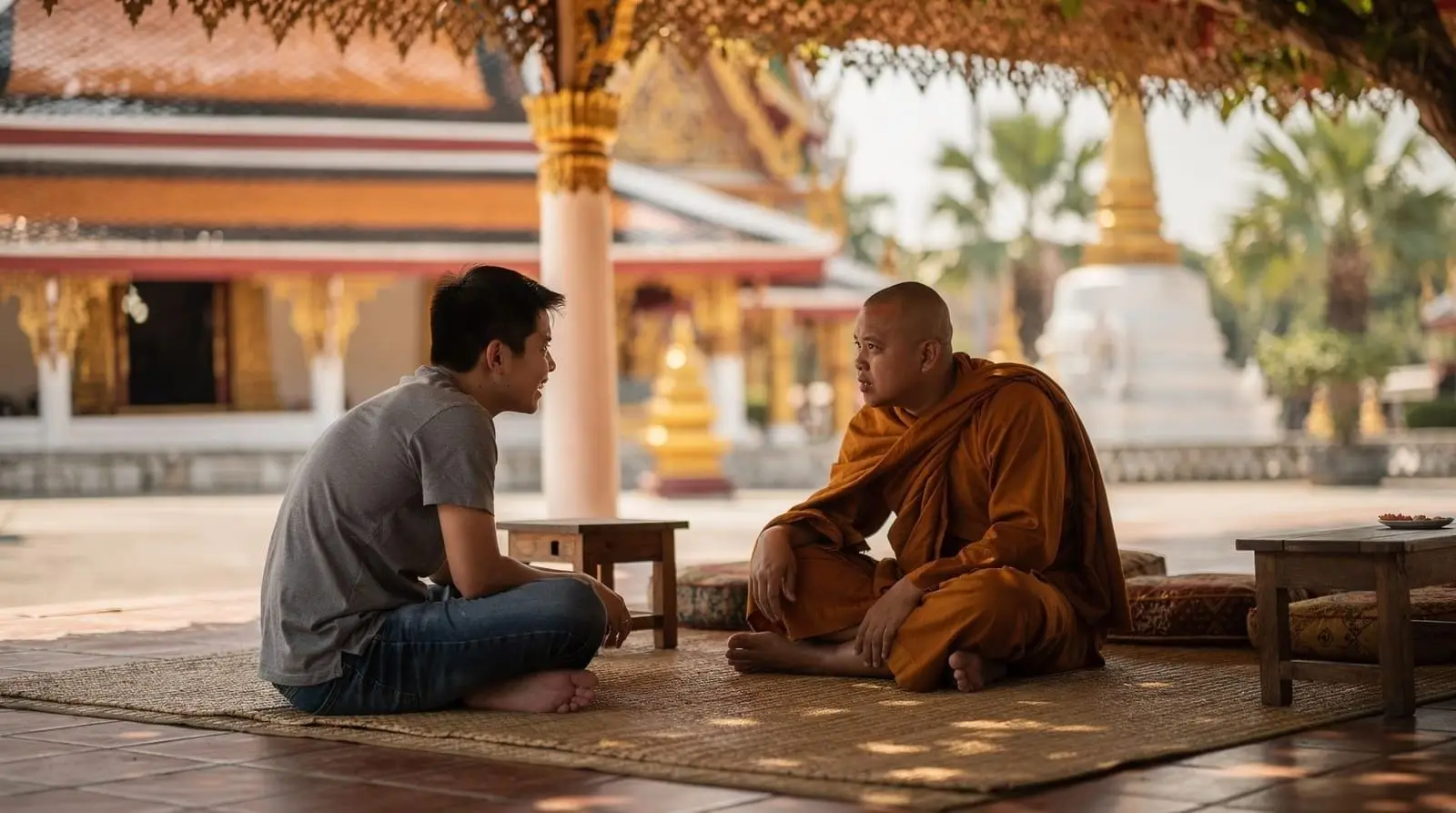
Monk chat is a genuine, free program at a handful of Chiang Mai temples — most notably Wat Suan Dok and Wat Chedi Luang — where young monks who are studying English sit down with visitors for open conversation, usually for 30-60 minutes during set weekly windows. It exists so monks can practise English and learn about the outside world as much as it exists for visitors to learn about Buddhism and monastic life; it is not a paid tour, a photo-op service, or a performance.
Chiang Mai gets described in guidebooks as one of the easiest places in Thailand to actually talk with a Buddhist monk, and unlike most claims of that kind, it holds up — there are real, scheduled programs at specific temples where young monks sit down with visitors for open, unscripted conversation. It’s a genuinely unusual opportunity, and also one that gets slightly misunderstood: monk chat isn’t a tour, a performance, or a way to get a good photo with someone in robes. It’s closer to a language exchange with religious and cultural context layered in.
Quick answer: Monk chat is a free program at a small number of Chiang Mai temples, most reliably Wat Suan Dok and Wat Chedi Luang, where monks studying English hold open conversation sessions with visitors during set weekly windows. It exists primarily so monks can practise their English and learn about the world beyond the monastery, and secondarily so visitors get a genuine, informal window into monastic life — treat it as a real conversation, not a photo opportunity or guided tour.
Where the idea comes from
Monk chat programs grew out of a practical need: many young monks in Chiang Mai, particularly those enrolled in Buddhist studies programs affiliated with universities, need to build English proficiency for religious study, scripture translation, and eventually teaching or missionary work abroad. Rather than relying solely on classroom instruction, several temples set up structured but informal conversation sessions where monks could practise with native and fluent English speakers passing through the city — which, given Chiang Mai’s steady flow of international visitors, turned out to be an effective and mutually useful arrangement. Visitors get insight into Buddhist practice and daily monastic routine; monks get low-stakes conversation practice with people from around the world.
Wat Suan Dok: the most established program
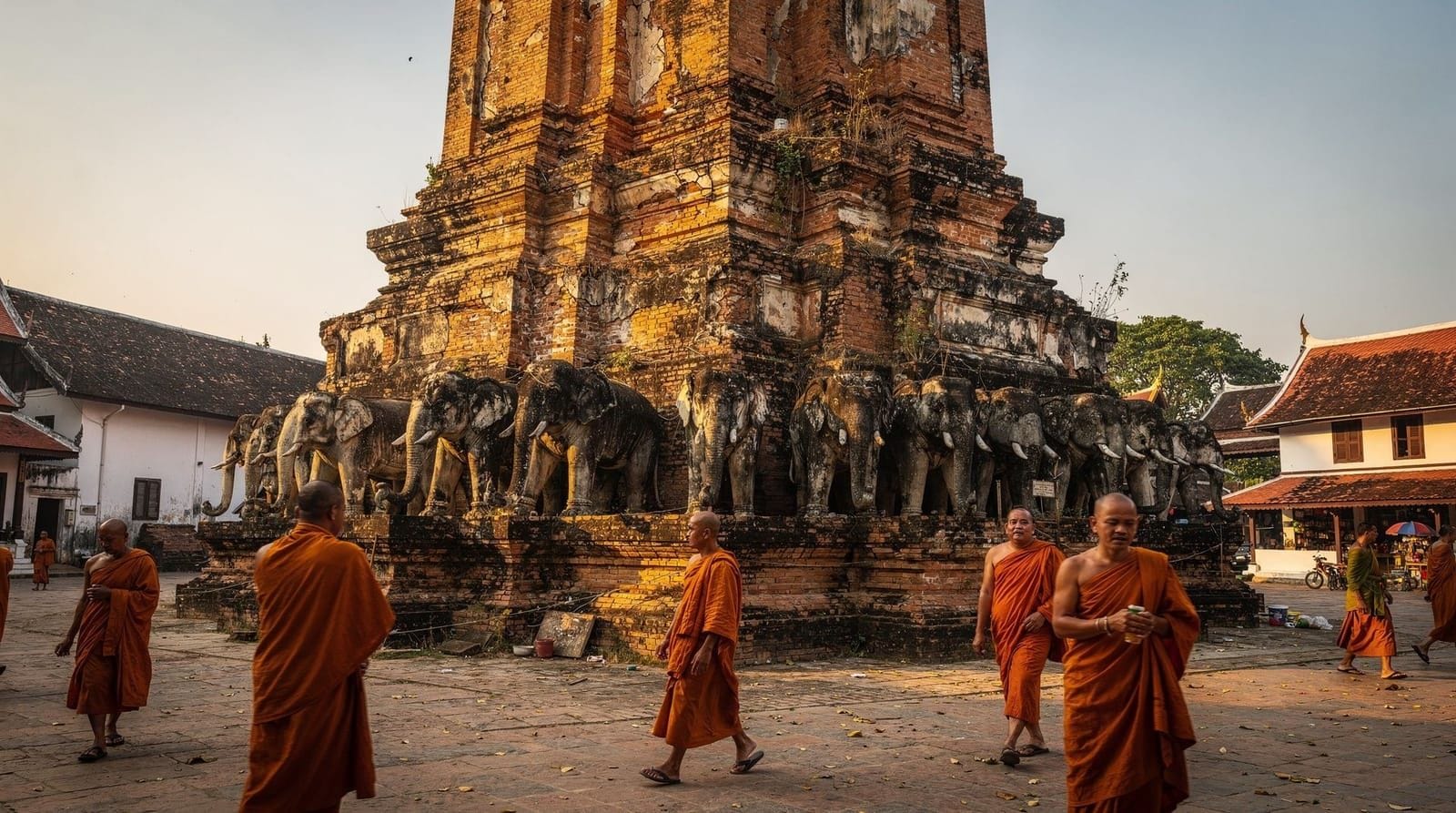
Wat Suan Dok, just west of the old city and closely associated with Mahachulalongkornrajavidyalaya University’s monastic education programs, runs one of the longest-standing and most reliable monk chat programs in the city. Sessions traditionally take place in a dedicated area of the temple grounds several afternoons a week, with monks and novices — many still in their late teens or twenties and actively enrolled in university-level religious studies — available to sit and talk with any visitor who approaches respectfully during the scheduled window.
Because Wat Suan Dok sits somewhat apart from the old city’s tourist-heavy temple cluster, it also tends to attract a slightly more self-selecting group of visitors: those specifically seeking out the program rather than stumbling onto it mid-sightseeing. That said, schedules do shift with the academic calendar and individual monks’ availability, so confirming current days and times — either through the temple directly or via a recent visitor account — is worth doing before making a special trip out to the temple purely for this purpose.
Wat Chedi Luang: monk chat in the heart of the old city
Wat Chedi Luang, one of the old city’s most visited temples thanks to its towering partially ruined chedi, also runs a monk chat area, typically set up under a shaded pavilion within the temple grounds during afternoon hours. Because Wat Chedi Luang already draws heavy foot traffic from visitors combining it with Wat Phra Singh and the rest of the old city temple circuit, its monk chat program is often the first one casual visitors encounter, simply by walking past the designated area with its “Monk Chat” signage.
This convenience is also its main trade-off: because it’s easier to stumble upon, Wat Chedi Luang’s sessions can occasionally feel busier or more transactional than Wat Suan Dok’s, particularly during peak tourist hours, when several visitor groups may be trying to engage the same handful of available monks at once. Arriving during a quieter stretch of the afternoon, or simply being patient and waiting for a natural opening in conversation, tends to produce a better exchange than trying to squeeze in a five-minute chat between two other temple stops.
What actually happens in a session
There’s no set script. A monk chat conversation typically opens with basic introductions — where you’re from, how long you’re travelling, sometimes how you ended up choosing Chiang Mai — before moving into whatever direction the conversation naturally takes. Common topics from the visitor side include questions about why the monk chose to ordain, what a typical day in the monastery looks like (usually starting well before dawn with alms rounds and morning chanting), what subjects they study, and basic questions about Buddhist philosophy or meditation practice. Monks are frequently just as curious about visitors’ home countries, family life, and reasons for travelling, so the exchange runs genuinely both ways rather than being a one-sided Q&A about Buddhism.
Sessions typically run somewhere between 20 minutes and an hour depending on how the conversation develops and how many other visitors are waiting for a turn. There’s no obligation to stay a set length of time, and equally no pressure to end quickly — the pace is set naturally by both participants.
Etiquette: what to know before sitting down
A handful of specific etiquette points matter more here than at a typical temple walk-through, precisely because you’re entering direct personal interaction with a monk rather than passively observing from a distance. Dress modestly, as you would for any temple visit — shoulders and knees covered. If you’re a woman, avoid any physical contact with the monk, including a handshake; monks who have taken full ordination vows are prohibited from physical contact with women, and a polite wai (a slight bow with palms pressed together) is the appropriate alternative greeting.
Sitting position matters too: it’s customary to sit at or below the monk’s physical level rather than looming over them, and to avoid pointing the soles of your feet directly at the monk, both because feet are considered the lowest, least respectful part of the body in Thai culture and because doing so during what’s meant to be a respectful exchange can come across as careless. None of this requires deep prior study — most monks are used to explaining these norms gently to first-time visitors — but arriving with basic awareness makes for a smoother, less awkward start to the conversation.
What monk chat is not
It’s worth being explicit about what monk chat isn’t, since a certain amount of confusion circulates online. It is not a paid guided tour, and monks participating aren’t temple staff performing a service for tips — treating the interaction as a transaction, or offering payment directly to an individual monk, misreads the entire purpose of the program. It’s also not primarily a photo opportunity; while a respectful photo at the end of a genuine conversation is usually fine to ask for, arriving purely to get a selfie with someone in monastic robes, without engaging in real conversation, defeats the point and can come across as disrespectful to monks who are participating in good faith as an educational exchange.
It’s also not a substitute for structured teaching about Buddhism — monk chat conversations are informal and personal rather than doctrinal lectures, so visitors looking for a systematic introduction to Buddhist philosophy may get more out of a formal meditation retreat or a guided temple tour with a dedicated teacher, alongside monk chat rather than instead of it. If you’re mapping out a broader first visit to the city, our overall guide to things to do in Chiang Mai helps place monk chat in context alongside the rest of a typical itinerary.
Combining monk chat with a broader temple visit
Most visitors encounter monk chat as part of a wider temple-focused day rather than as a standalone destination trip, and this is generally the right approach — pairing it with time at Wat Phra Singh or a walk through the rest of the old city gives the day more structure and makes the monk chat conversation feel like one meaningful stop among several rather than the sole reason for the outing. For a more structured version of this same idea, a Chiang Mai silver craftwork temple tour with monk meeting builds a monk conversation directly into a guided temple and crafts itinerary, useful for visitors who’d rather have the logistics and scheduling handled for them.
Travellers who want a guide who can add cultural context around the conversation itself, rather than simply dropping you at the temple gate, might consider a temple and city walking tour led by a former monk, which pairs a knowledgeable guide’s own lived experience of monastic life with visits to several of the city’s central temples. And for visitors interested in a more immersive, dawn-based experience of monastic and spiritual practice rather than an afternoon conversation, a spiritual sunrise tour combining Doi Suthep, alms-giving, and meditation at Doi Suthep offers a different but related window into the same broader world of Buddhist practice in and around Chiang Mai.
For a broader overview of the city’s temple options beyond just the two monk chat venues, our things to do: temples and shrines category page rounds up the full range of guided and self-guided ways to explore Chiang Mai’s Buddhist heritage.
Timing your visit
Afternoon is the reliable window for both Wat Suan Dok and Wat Chedi Luang’s programs, generally after the midday heat has eased slightly and before monks’ evening chanting and study commitments resume. Mornings are typically reserved for alms rounds, chores, and study within the monastery, so arriving before early afternoon at either temple specifically hoping for monk chat is usually a wasted trip. Weekday afternoons tend to have steadier monk availability than weekends, when university-affiliated monks may have other commitments, though this varies temple to temple and term to term.
A realistic expectation-setting note
Not every visit to a monk chat area results in an especially deep or memorable conversation — like any conversation with a stranger, the quality varies with how much both sides want to engage, how comfortable the monk’s English is, and simple chance. Visitors who arrive with genuine curiosity, a few open-ended questions ready, and patience for a slower-paced, sometimes halting conversation (especially with younger novices still building English confidence) tend to get the most out of the experience. Those expecting a polished, tour-guide-style presentation of Buddhist teaching may find the informality initially underwhelming, but it’s precisely that informality — an unscripted, two-way exchange rather than a rehearsed talk — that makes monk chat worth seeking out in the first place.
Why this matters beyond the conversation itself
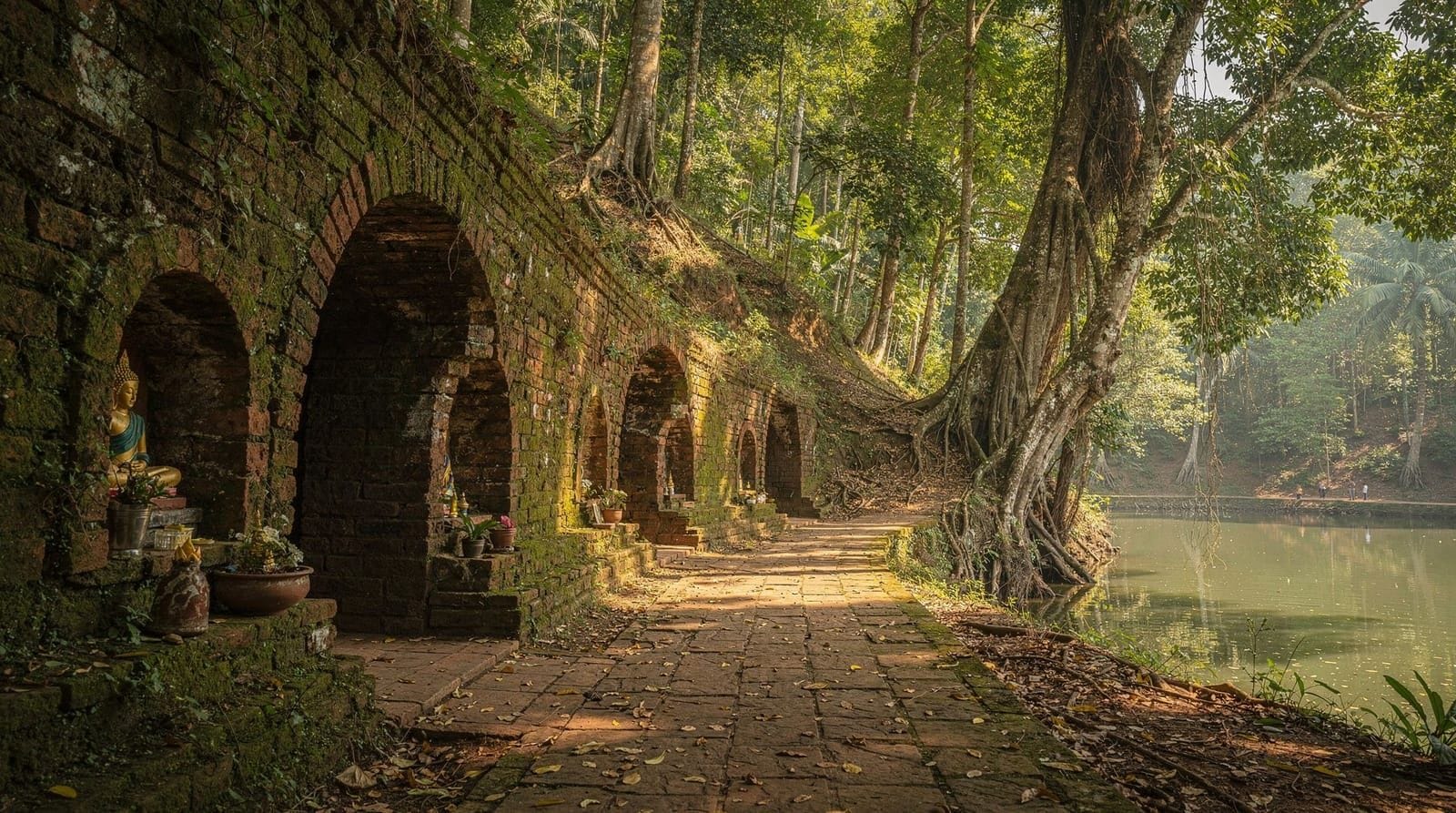
For many visitors, monk chat ends up being one of the more memorable stops of an entire Chiang Mai trip, not because of any single dramatic moment but because it’s one of the few activities in a typical temple-heavy itinerary that involves direct, unmediated conversation with someone living a genuinely different daily life, rather than observation from a respectful distance. Pairing it with a visit to Wat Umong, itself known for its forest setting and meditation focus, or with a broader look at Chiang Mai’s best temples, rounds out a day that moves beyond sightseeing into something closer to genuine cultural exchange.
Understanding who you’re talking to
It helps to know a little about the path that brings a young monk to a monk chat table in the first place. Many of the monks and novices involved in these programs come from rural areas across northern Thailand or neighbouring countries, and ordained partly for religious reasons and partly because monastic education offers a path to schooling that might otherwise be financially out of reach for their families. Studying English is often a practical necessity for them — it opens doors to further religious study abroad, translation work, or teaching roles later in life — which is part of why the programs are structured around genuine, sustained conversation practice rather than a one-off scripted greeting.
This context is worth keeping in mind during a conversation: questions about family background, the decision to ordain, or life inside the monastery are generally welcomed and often answered candidly, but it’s worth remembering these are still personal, sometimes sensitive topics for a young person navigating a demanding vocational and educational path, not simply material for an interesting travel story. Most monks are used to these questions and answer them comfortably, but reading the individual’s openness and adjusting accordingly, rather than working through a fixed list of curious-tourist questions, tends to make for a better exchange on both sides.
How monk chat compares to a meditation retreat
Visitors sometimes conflate monk chat with a formal meditation retreat, but the two serve different purposes and shouldn’t be expected to deliver the same thing. Monk chat is conversational and social — an exchange of questions, stories, and casual explanation of monastic life, lasting anywhere from twenty minutes to an hour, with no instruction in meditation technique built in as standard. A structured meditation retreat, by contrast, typically involves formal instruction in specific practices, extended silent periods, and a multi-day or multi-session commitment with a teacher guiding technique rather than open conversation.
If what you’re actually looking for is hands-on instruction in Buddhist meditation practice rather than conversation about monastic life in general terms, a dedicated meditation course or retreat — several of which operate around Chiang Mai independently of the monk chat programs — will serve that goal better. Monk chat can certainly touch on meditation as a topic of discussion, and some monks are happy to demonstrate or briefly explain a basic technique if asked, but it isn’t designed as a substitute for structured instruction.
Language barriers and how to work around them
English proficiency among participating monks varies considerably, particularly among younger novices earlier in their studies, and this variation is part of the honest reality of the program rather than a flaw to be worked around. Simple, clearly phrased questions tend to produce the most successful exchanges — asking one thing at a time rather than stacking several questions into a single long sentence, and being patient with pauses while a monk searches for the right English word. A little goodwill and a willingness to rephrase or simplify a question if it isn’t landing goes further than any specific phrasebook approach.
For visitors who don’t speak English as a first language themselves, this dynamic can add an extra layer of complexity, though many sessions naturally settle into a slower, more deliberate pace that accommodates non-native speakers on both sides reasonably well. Bringing a translation app as a backup, purely for the occasional stuck word, is a reasonable practical step, though most conversations manage fine without needing to lean on it heavily.
A few things to avoid
A short list of avoidable missteps comes up repeatedly around monk chat: treating the conversation as a transaction and offering direct payment to an individual monk (donations should go to the temple itself, not a person); arriving purely for a photograph without any real intention of conversing; asking a monk to break robes rules for a photo, such as posing in a way that suggests physical contact with a woman; and showing up outside the scheduled hours expecting a monk to be available on demand. None of these are dealbreakers if avoided with a little basic awareness, and temple staff or the monks themselves will usually redirect a visitor gently if something is off, but knowing the list in advance makes for a smoother, less awkward first-time visit.
Seasonal considerations
Because most monk chat sessions take place outdoors or in open-sided pavilions, the same seasonal patterns that affect any outdoor Chiang Mai activity apply here too. The cool season from November through February offers the most comfortable conditions for a relaxed, unhurried conversation without the discomfort of midday heat. The hot season from March through May can make an afternoon session considerably less pleasant in direct sun, though most monk chat pavilions offer at least partial shade. During the rainy season from roughly June through October, sessions generally continue under cover, though a sudden downpour can occasionally interrupt or shorten a conversation if the pavilion isn’t fully enclosed.
Frequently asked questions about Monk chat in Chiang Mai: how it works, and where to find it
Is monk chat free?
Which temples in Chiang Mai run monk chat programs?
What days and times does monk chat run?
What should I talk about with a monk?
Are there rules I should know before joining?
Can women take part in monk chat?
Is monk chat worth doing if I'm only in Chiang Mai for a short time?
Top experiences
Bookable activities with verified prices and instant confirmation on GetYourGuide.