Chiang Mai bucket list: 20 experiences worth your time
Chiang Mai: Small Group Ethical Elephant Sanctuary Tour
Duration: Half day
What should be on a Chiang Mai bucket list?
An ethical elephant sanctuary, Wat Phra Singh and Wat Chedi Luang, a Thai cooking class, the Sticky Waterfalls, Doi Suthep at sunrise or dusk, and one night market evening cover the highest-value experiences. Everything below ranks twenty of them by how much they reward the time and money against the crowds and cost involved.
Every Chiang Mai list ends up with roughly the same forty or fifty items, and most of them are not actually worth ranking against each other because they suit completely different kinds of trips. What follows is a genuine attempt at ranking twenty specific experiences by how much they reward the time, money and, in a few cases, ethical judgment involved, rather than simply listing everything a search engine associates with the city.
Ranked roughly by how much a typical first- or second-time visitor gets out of them relative to cost and crowding, an ethical elephant sanctuary sits at the top, followed closely by the Old City’s two headline temples, a cooking class and the Sticky Waterfalls. From there the list moves through markets, mountain viewpoints, food, wellness and a handful of more specialised experiences that suit specific interests rather than every traveller.
Numbers 1-5: the experiences to prioritise above everything else
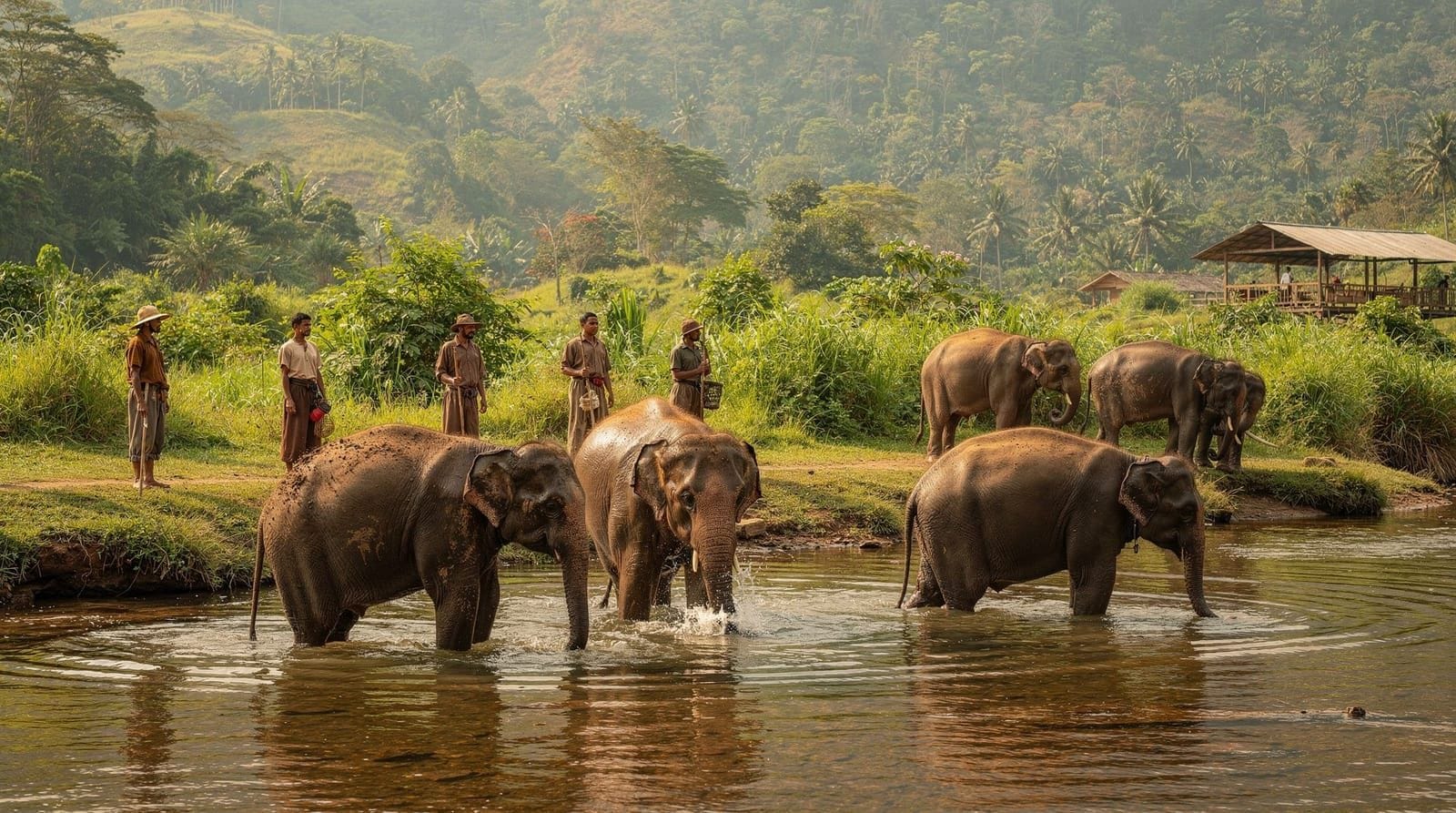
1. An ethical elephant sanctuary half day. No other single activity near Chiang Mai combines a genuinely memorable wildlife encounter with an entirely clear conscience the way an observation-and-feeding sanctuary does. A small-group ethical elephant sanctuary tour typically runs four to five hours including hotel transport, and the better operators cap group sizes and never allow riding, bathing on command or performance tricks. Book three to five days ahead in high season, since the genuinely well-run sanctuaries deliberately limit daily visitor numbers rather than maximising throughput, which is itself a reasonable signal of legitimacy. Expect to pay in the region of 1,500-2,800 THB (roughly USD 42-78) for a half day including transport, meaningfully more than a riding-camp package, and worth every baht of the difference.
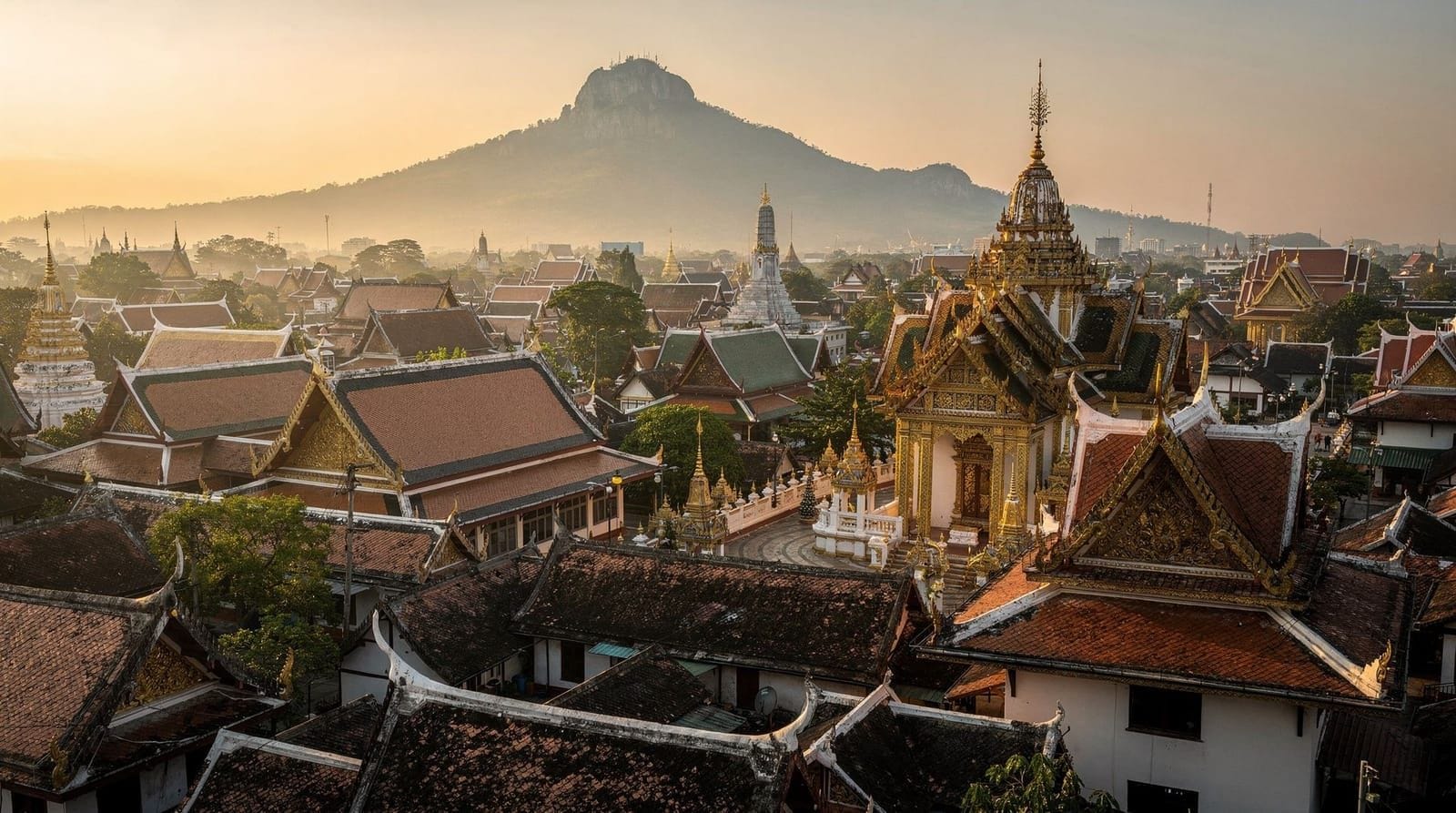
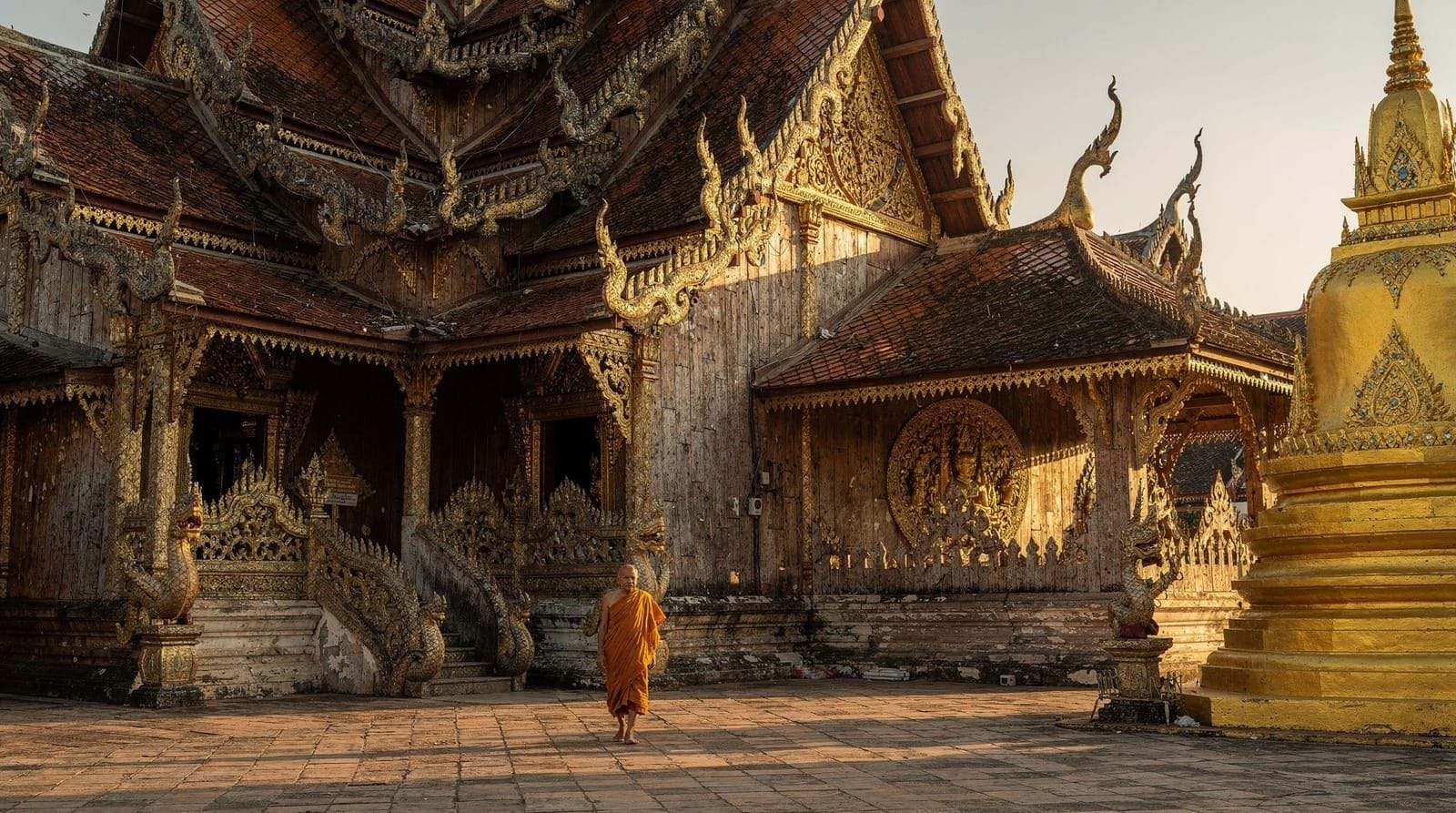
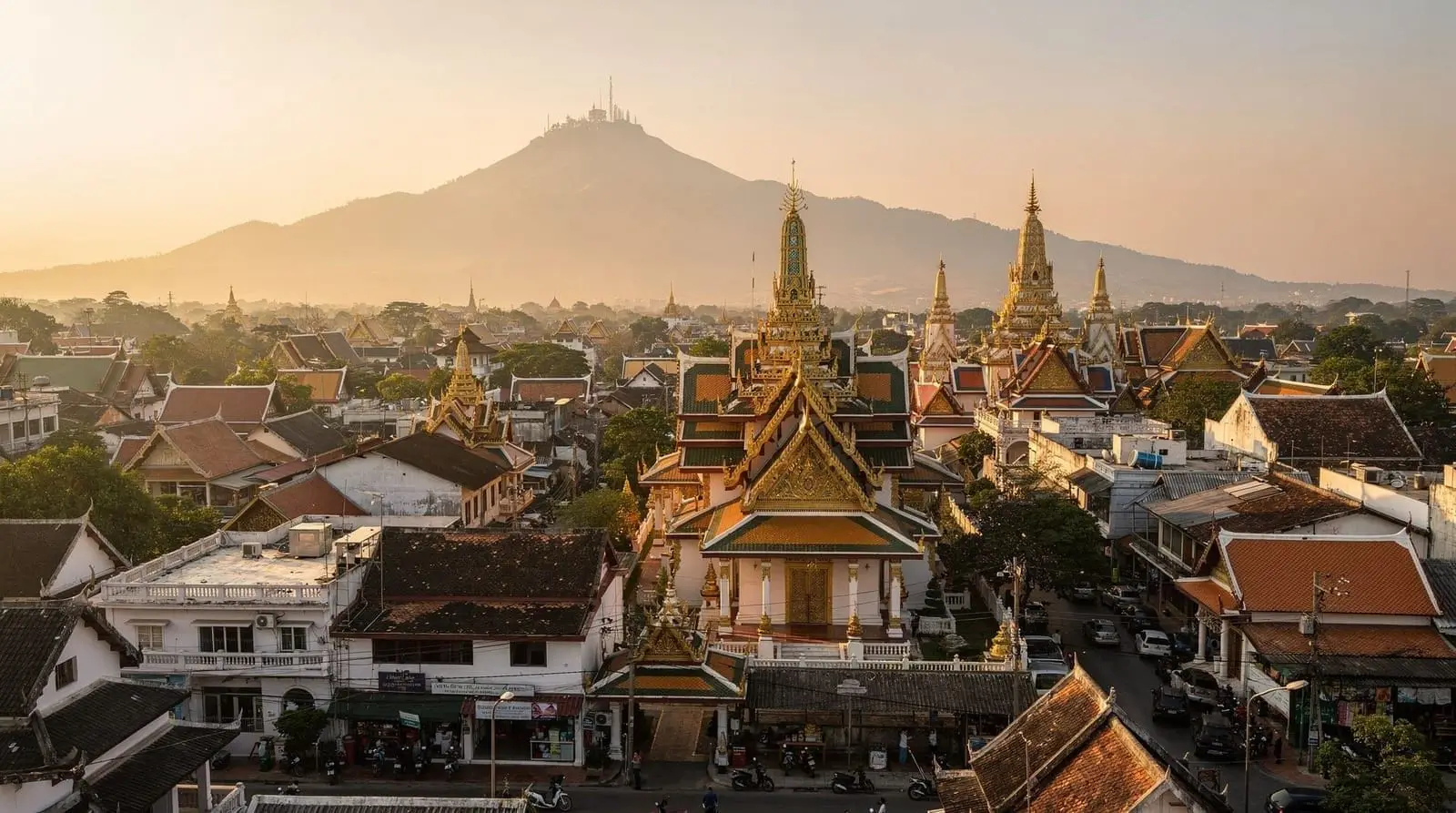
2. Wat Phra Singh and Wat Chedi Luang. Wat Phra Singh houses the revered Phra Singh Buddha image and represents Chiang Mai’s Lanna religious identity at its most significant, while Wat Chedi Luang’s partially collapsed 14th-century chedi is one of the most photographed structures in the city for good reason. Both sit inside the Old City walls, free to enter, and are realistically covered together in half a day on foot, with maybe twenty minutes’ walk between them if you take a reasonably direct route through the surrounding lanes rather than the main roads.
3. A Thai cooking class with a market visit. Northern Thai cuisine, built around khao soi, sai oua and nam prik noom, is distinct enough from central Thai cooking that a class here teaches genuinely regional dishes rather than the generic pad thai and green curry taught in many tourist-facing kitchens elsewhere in the country. A cooking class with a market tour starts with identifying fresh ingredients before moving to hands-on cooking of four to six dishes, finishing with a recipe booklet to take home, and typically runs five to six hours door to door including the market stop.
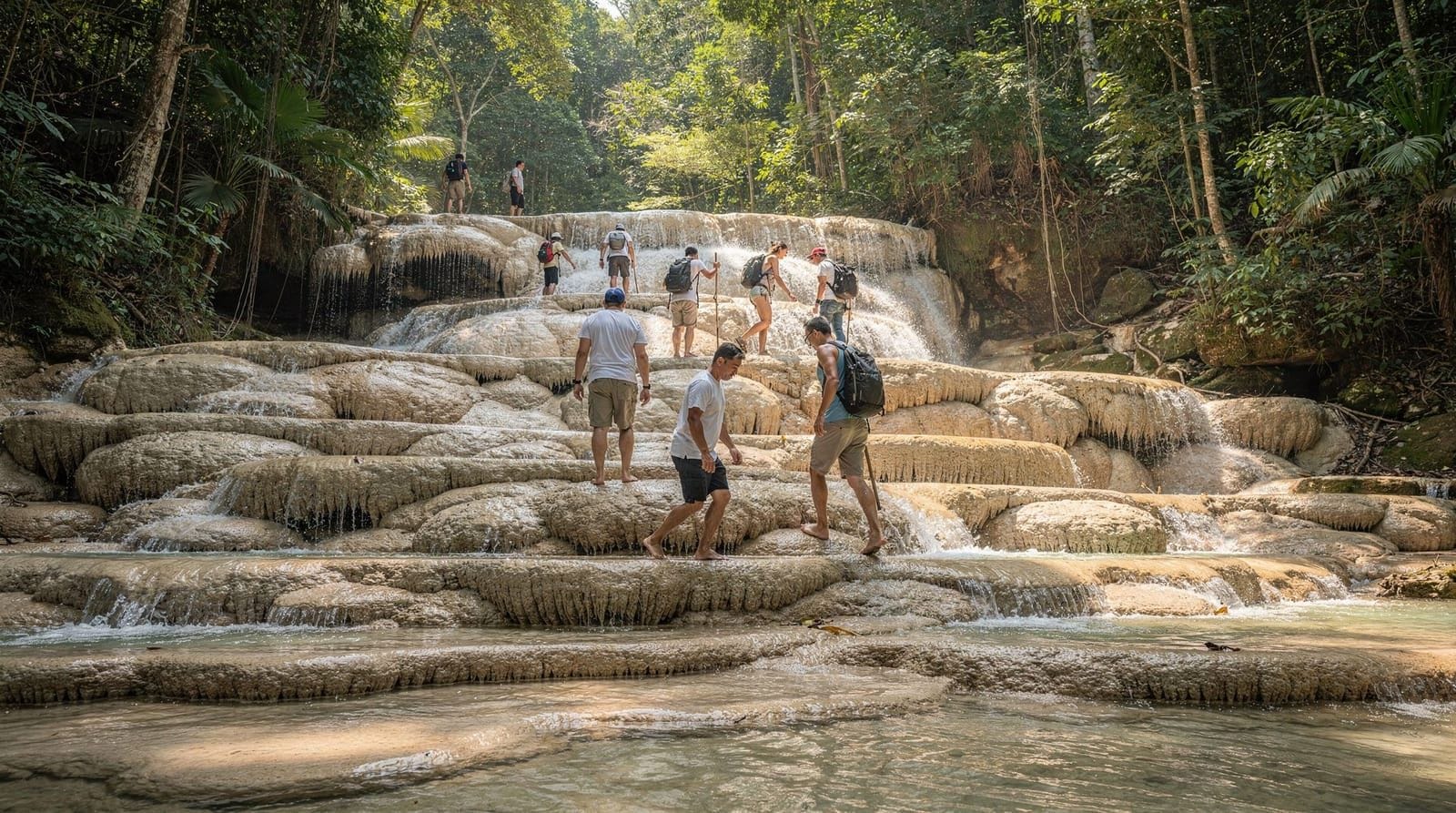
4. The Sticky Waterfalls at Bua Thong. Mineral deposits in the limestone make the rock surface grippy enough to climb directly up the cascade barefoot without slipping, a genuinely unusual physical experience not replicated at most waterfalls anywhere, and one that photographs poorly compared to how good it actually feels in person. Roughly an hour from the city, it suits a half-day trip and works well combined with the wider Mae Rim attractions; entry is free, though a small parking fee applies for those arriving with their own transport.
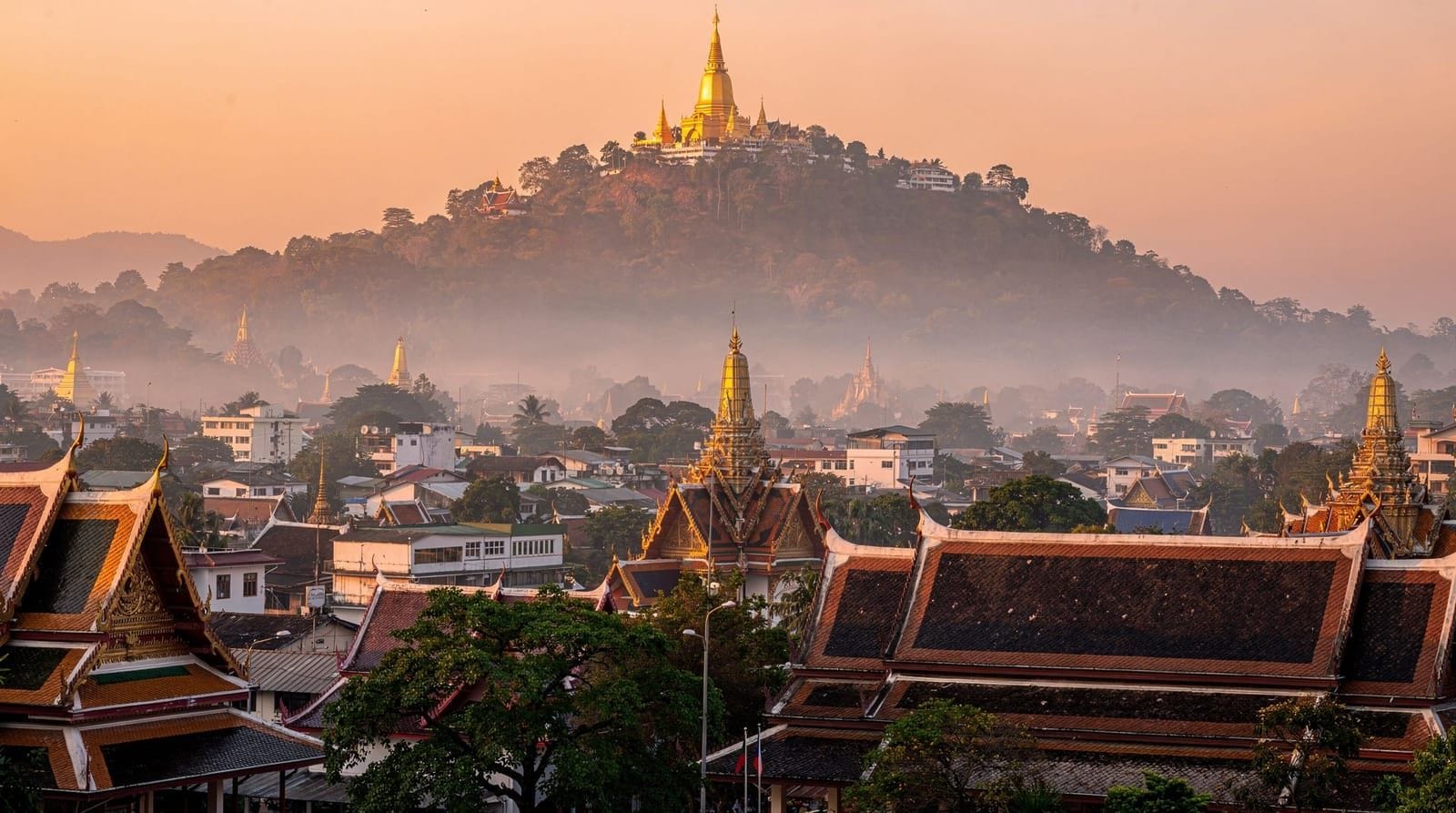
5. Doi Suthep at a quiet hour. The gold-spired mountaintop temple is Chiang Mai’s most visible landmark, and visiting at sunrise or in the late afternoon avoids the worst of the midday tour-bus crowds that can make the upper terrace feel more like a queue than a temple visit. Doi Suthep combined with the Wat Pha Lat forest trail on the way up turns a single temple stop into a genuine half-day outing, and the naga staircase leading up to the main chedi terrace is worth the roughly 300 steps even for visitors who otherwise avoid stairs on principle.
Numbers 6-10: markets, food and an evening out
6. Sunday Walking Street. When the entire Old City main road closes to traffic for the weekly walking street, the scale and variety of vendors, food stalls and craftspeople genuinely exceeds anything the nightly Night Bazaar offers, stretching for well over a kilometre and taking a good two to three hours to walk end to end at a browsing pace. If a trip includes a Sunday, this is worth planning an evening around and arriving hungry rather than after dinner elsewhere.
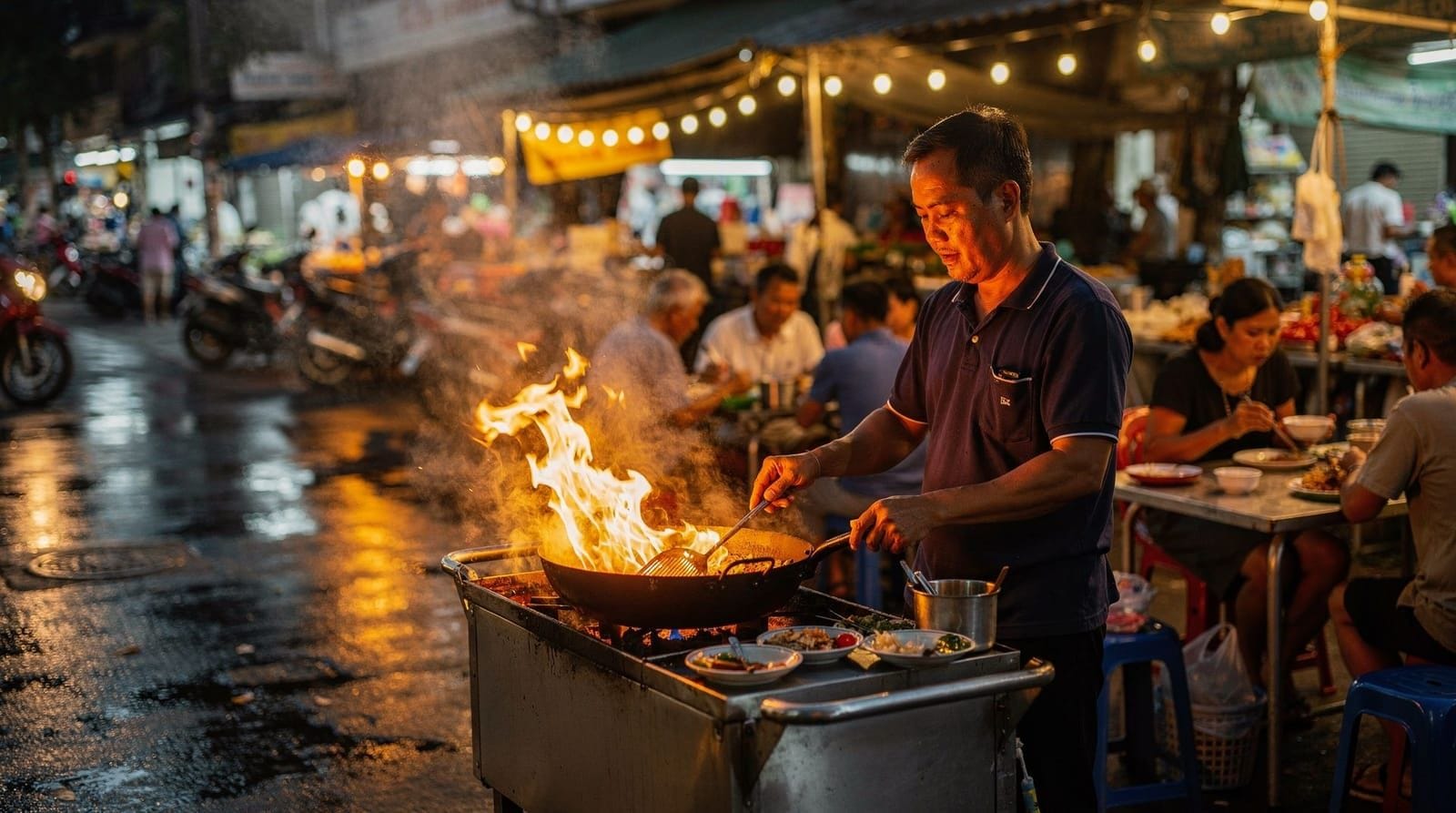
7. An evening at a proper street food market. Warorot Market by day and the wider street food scene by night both reward a bit of intention over aimless wandering. Learning three or four specific dish names before arriving — khao soi, sai oua, khanom jeen — turns an evening of wandering into something considerably more satisfying than pointing at whatever looks familiar, and most individual dishes run 40-80 THB (roughly USD 1-2), cheap enough to sample widely across several stalls in one sitting.
8. Wat Umong’s forest tunnels. For travellers who have already done the headline temples and want something quieter, Wat Umong’s brick meditation tunnels, small lake and near-total absence of tour buses make it feel like an entirely different city from the Old City’s busier sites, and its monk chat sessions offer one of the more genuine, low-pressure ways to actually talk with a monk rather than simply photograph one.
9. A traditional Thai massage. At 250-400 THB (roughly USD 7-11) for an hour at a mid-range shop, a proper Thai massage is inexpensive enough to build into most days of a trip rather than treating as a single splurge, and it is a genuinely different, more assertive style of bodywork than a Western spa massage, built around stretching and pressure-point work rather than purely oil-based technique. A 90-minute session at an award-winning eco spa is worth the modest upgrade in setting for at least one day of the trip.
10. Warorot Market in the morning. Seeing how residents actually shop for food, textiles and household goods, distinct from the evening tourist-facing markets, gives a more grounded sense of the city than the markets built primarily for visitors, and the ground floor food section alone is worth an hour before the day’s heat sets in.
Numbers 11-15: mountains, nature and a slower pace
11. Mae Sa Valley and Mae Rim. A half-day loop combining smaller waterfalls, botanic gardens and an orchid farm suits travellers without their own transport, since most day-tour operators run a fixed circuit through the valley at a reasonable price, typically 800-1,500 THB (roughly USD 22-42) for a shared half-day trip including several stops.
12. Doi Inthanon. Thailand’s highest peak adds twin royal pagodas, cloud-forest boardwalk trails and a noticeably cooler climate, worth a full day for travellers who enjoy hiking and mountain scenery over another temple stop. Pack a light jacket regardless of how warm the city feels that morning, since the summit boardwalk sits well over 2,500 metres up and the temperature drop is genuinely significant.
13. A single-day trek with a hill-tribe village visit, chosen carefully. The ethical dimension matters here: villages set up purely for daily tour-bus photo stops can shade into exploitative territory, so operators with genuine, ongoing community relationships are the better version of this experience, ideally ones that channel a direct portion of the fee back to the community rather than treating the stop as free scenery for the tour.
14. Wat Chiang Man. The city’s oldest temple, tucked into a quiet corner of the Old City, rarely draws a crowd and costs nothing beyond a short walk from the busier sites — a good addition once the two headline temples start to feel repetitive, and its crystal and marble Buddha images are genuinely worth the extra fifteen minutes.
15. Queen Sirikit Botanic Garden. A large, well-maintained botanical garden with glasshouses and forest trails, this suits travellers who want a slower, nature-focused half day distinct from the waterfall and mountain circuit further out, and it is one of the more reliably shaded, comfortable outdoor options even during the hotter months.
Numbers 16-20: specialised experiences worth knowing about
16. A live Muay Thai match. A Thapae Boxing Stadium match ticket gives a reasonably authentic evening of local fight nights without requiring any prior knowledge of the sport, and undercard bouts featuring younger fighters are worth arriving early for rather than treating as a warm-up act to skip past.
17. Bo Sang umbrella village. A single street given over almost entirely to hand-painted paper umbrella and parasol workshops, worth an hour for travellers with any interest in traditional crafts and a good source of a genuinely distinctive souvenir that packs flatter than most alternatives.
18. The Yi Peng lantern festival, if the dates align. The mass lantern release is a genuinely unique sight, though it falls on different dates each year tied to the lunar calendar, typically in November, and official ticketed events sell out weeks ahead — not something to plan a first trip around unless the timing already works, since the unofficial, informal lantern releases around the city on the same nights are considerably more crowded and less organised.
19. Wiang Kum Kam’s ancient ruins. The submerged, partially excavated ruins of Chiang Mai’s predecessor city are a low-key half-day for travellers who enjoy archaeology and history over another temple or market, without the crowds of the more famous sites, and a horse-cart or bicycle ride around the scattered ruin clusters is the normal way to see the site given how spread out it is.
20. A private tuk-tuk city tour. A half-day private tuk-tuk city tour is a reasonable way to cover several Old City sites at once for travellers short on time or mobility, though it costs more per stop than doing the same route independently on foot, and it suits a first afternoon in the city more than a repeat visit once you already know your way around.
What to skip even though it shows up on other lists
A handful of activities appear constantly in Chiang Mai roundups despite being either unethical or a straightforward scam, and none of them make this list for good reason. Any elephant riding or bathing show causes lasting physical harm to the animal regardless of how it is marketed, and should be skipped entirely in favour of an observation-based sanctuary of the kind described in the ethical elephant sanctuary guide. Tiger temples and tiger selfie parks involve animals kept in conditions that would not pass welfare standards in most countries, dressed up for tourists as a spiritual or educational experience, and no amount of enclosure landscaping changes what is actually going on for the animal behind the scenes. Gem and jewellery shops recommended by a tuk-tuk driver offering a suspiciously cheap city tour fare are a long-running scam in Thailand generally, not specific to Chiang Mai, and the “government shop, today only” pitch is the reliable tell — a genuine government tourism office does not operate that way, and the jewellery is routinely overpriced or fake.
How to actually fit these into a trip
Trying to cram all twenty into a short trip usually means experiencing each one at a rushed, unsatisfying pace that defeats the point of ranking them by value in the first place. A five to seven day trip can comfortably cover eight to ten of these without feeling hurried: pair the elephant sanctuary and cooking class on separate days since both run four to six hours, combine the Old City temples into a single walking day, and treat Doi Inthanon or a trekking day as its own full day given the drive time involved. Street food and markets slot naturally into evenings that already have a lighter afternoon, rather than needing a dedicated block of their own. For a fuller sense of how to sequence a first visit around these priorities, including which temples beyond the top two are worth the detour, see the best temples in Chiang Mai guide, the first-time in Chiang Mai guide and the broader Chiang Mai highlights guide, which groups activities by category rather than ranked priority.
Where you choose to stay also affects how easily several of these fit into a day. Basing in the Old City puts the temple-heavy top entries within walking distance, while a base in Nimmanhaemin trades that convenience for better cafés and a shorter Grab ride to the university side of town. The Old City versus Nimman guide covers that trade-off in detail if accommodation is still an open question, and it is worth deciding before booking rather than after, since the two areas have a genuinely different pace and character rather than being interchangeable versions of the same base. If the Sticky Waterfalls and a market evening are both must-dos, note that Bua Thong sits north of the city while the food markets cluster closer to the centre, so pairing them on the same day usually means an early start.
A note on ranking by season
This ranking assumes a visit during the comfortable November-to-February stretch. During burning season, February through April, Doi Suthep and Doi Inthanon’s mountain views can be reduced by smoke haze, which may shift the Sticky Waterfalls and indoor or shaded options like Wat Umong slightly higher in practical value for that specific window. In the rainy season, June through October, outdoor items generally still work around the short, predictable afternoon downpours, but it is worth scheduling anything mountain-based for the morning before clouds typically build.
Frequently asked questions about the Chiang Mai bucket list
What is the single best experience on a Chiang Mai bucket list?
An ethical elephant sanctuary half day ranks first for most visitors, combining a genuinely memorable animal encounter with a clear conscience, provided the operator is a true no-riding sanctuary rather than a rebranded riding camp.
How many of these 20 experiences can you realistically fit into one trip?
A five to seven day trip can comfortably cover eight to ten of them without feeling rushed. Trying to fit all twenty into a short trip usually means seeing each one at a rushed, unsatisfying pace, which defeats the purpose of ranking them in the first place.
Which items on this bucket list are free or nearly free?
Wat Chiang Man, walking the Old City moat, Warorot Market in the morning, and simply wandering Nimmanhaemin’s side streets cost nothing beyond a Grab fare. Temple entry across Chiang Mai’s major sites is free with a donation encouraged, unusual compared to many other Southeast Asian temple cities.
Is the Yi Peng lantern festival worth planning a trip around?
Yes, if the dates work for your schedule; the mass lantern release is a genuinely unique sight not replicated elsewhere. It falls on different dates each year tied to the lunar calendar, typically in November, and the official ticketed events sell out weeks ahead.
What should be skipped even though it appears on many Chiang Mai lists?
Any elephant riding or bathing show, tiger temple or tiger selfie parks, and gem shops recommended by a tuk-tuk driver offering a suspiciously cheap city tour fare. All three are either unethical, exploitative or a straightforward scam dressed up as a bargain.
Do you need to rank these by priority if traveling with kids?
Broadly the same list works well for families, with the ethical elephant sanctuary, Sticky Waterfalls and a cooking class typically ranking highest for engagement, while some of the temple-heavy and trekking items are better suited to a slower pace with children in tow.