Overtourism in Chiang Mai: an honest take
Is Chiang Mai genuinely overcrowded, or is that overstated?
It's genuinely real at specific pinch points, not overstated as a general phenomenon but also not universal across the whole city. Doi Suthep's parking and viewpoint areas, the Old City's most photographed temples, and festival-week crowds (Yi Peng and Songkran especially) get authentically congested during peak cool-season months (November-February). Much of the rest of the city, including most day trips and secondary neighborhoods, remains genuinely uncrowded even in high season.
“Overtourism” gets used loosely enough as a travel-writing buzzword that it’s worth being specific about what it actually looks like in Chiang Mai, rather than applying the word to the whole city as a blanket description. The honest picture: real, checkable crowding exists at a handful of specific pinch points and time windows, while the large majority of the city, most neighborhoods, most temples, most day trips, remains genuinely uncrowded even during peak season. Both of these things are true simultaneously, and neither cancels the other out.
Doi Suthep: the clearest case of genuine overcrowding
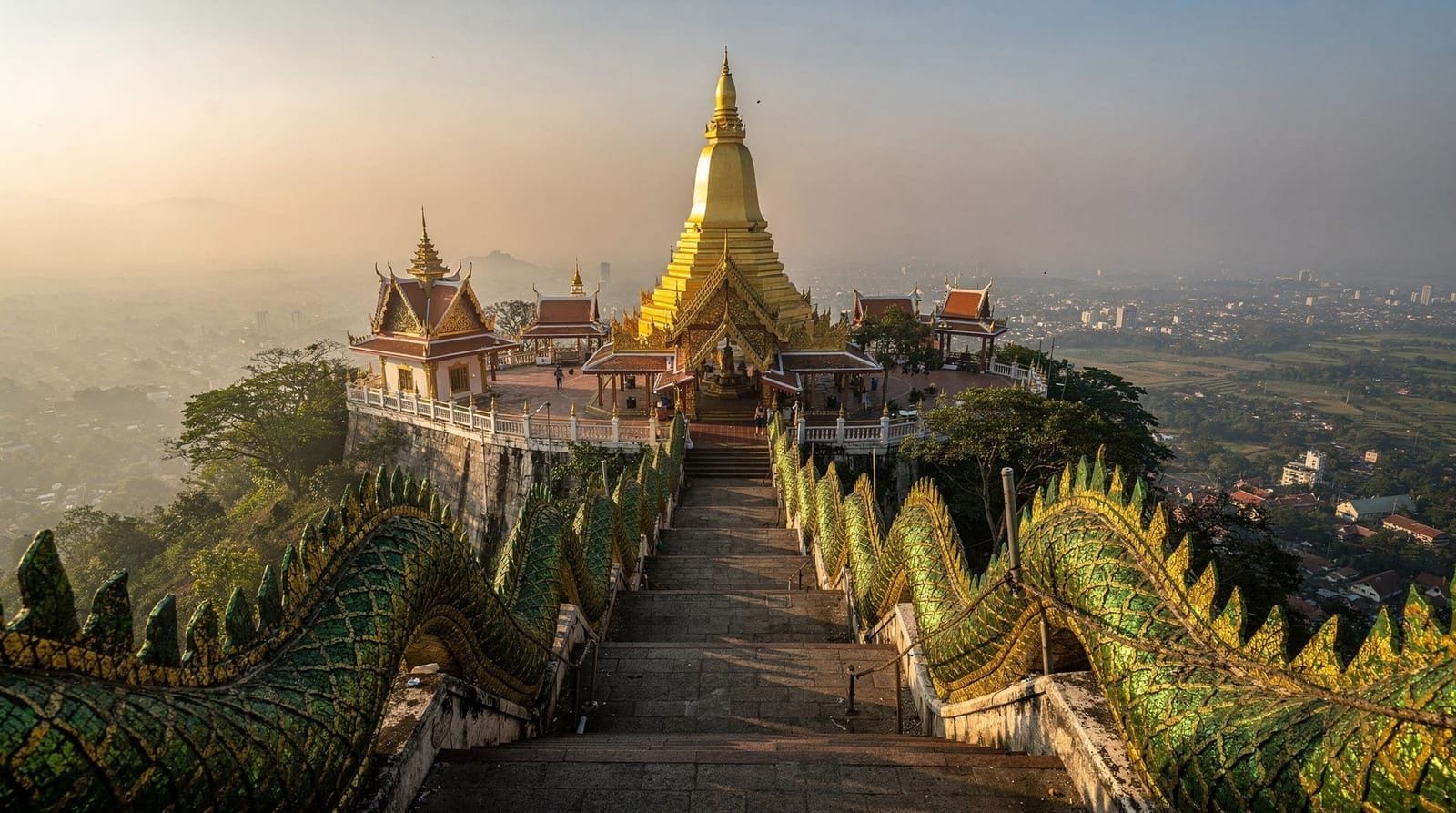
If there’s one place in Chiang Mai where “overtourism” isn’t an exaggeration, it’s Doi Suthep. The temple’s physical footprint, a mountainside site with genuinely limited parking and a narrow approach road, hasn’t scaled with visitor numbers the way a flatter, more expandable site could. On weekend mornings and Thai public holidays during cool season (roughly November-February), the parking area fills, the road up the mountain sees real traffic congestion, and the temple’s main viewing terrace and naga staircase get crowded enough that the contemplative, uncrowded photos you’ve likely seen online don’t match the actual peak-hour experience.
This is a genuine, structural crowding problem rather than a matter of perception: physical infrastructure built for a smaller visitor volume now serves a considerably larger one, especially concentrated into the same narrow weekend-morning window when most visitors, both organized tour groups and independent travelers, happen to arrive.
The Old City temple circuit: crowded, but unevenly
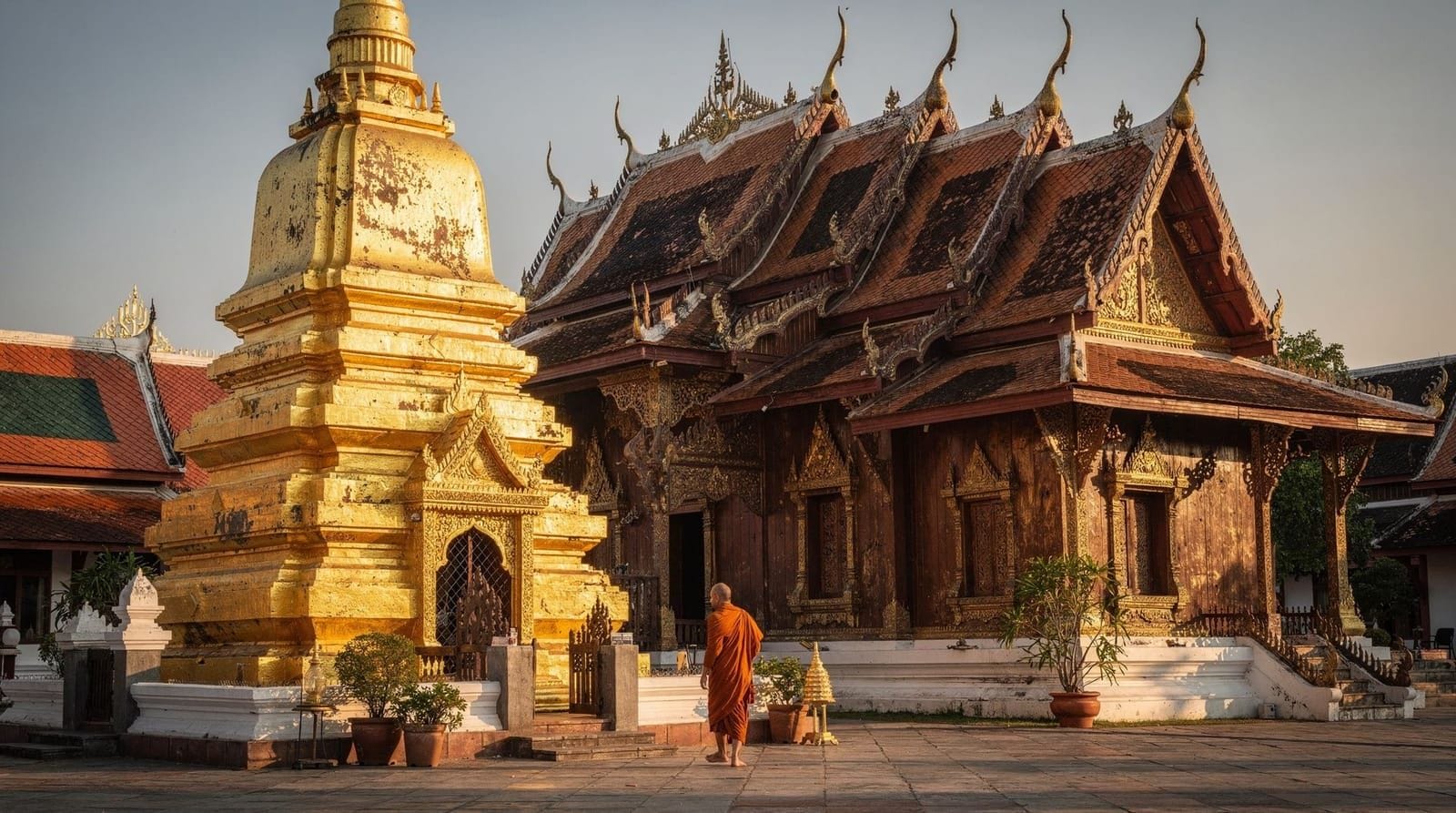
The Old City’s most photographed temples, Wat Phra Singh and Wat Chedi Luang specifically, see real crowding during midday hours in peak season, when tour groups and independent visitors converge on the same handful of Instagram-famous courtyards. But this crowding is genuinely uneven: early morning visits (before 9am), and lesser-known temples within the same walled quarter, remain considerably calmer even on the same peak-season day. Our guide to Chiang Mai’s least crowded temples covers specific quieter alternatives that deliver comparable historic and architectural interest with a fraction of the crowd.
Festival weeks: a temporary but intense strain
Yi Peng in November and Songkran in April both create a real, if temporary, strain on the city’s transport, accommodation, and public-space capacity that goes beyond normal peak-season crowding. Hotel prices spike, sometimes doubling or tripling, availability tightens considerably in the most walkable neighborhoods, and roads around the Old City moat see genuinely heavy congestion during the peak festival days. Our Yi Peng lantern festival guide covers the specific logistics of navigating this particular squeeze, including the airport’s own schedule adjustments during the festival, itself a sign of how much strain the event places on city infrastructure even beyond road traffic.
Nimmanhaemin: a different kind of overtourism
Doi Suthep and the Old City represent classic photo-crowding overtourism, too many visitors in a physically limited space at the same time. Nimmanhaemin represents a genuinely different phenomenon: a sustained, decade-long increase in longer-term foreign residents, digital nomads and expats rather than short-stay tourists, that has measurably reshaped the neighborhood’s rents, business mix, and day-to-day character. This isn’t overtourism in the sense of overcrowded sightlines at a single attraction; it’s a slower, structural shift in a neighborhood’s identity driven by sustained demand rather than a temporary visitor surge, and it’s worth understanding as a distinct issue rather than folding it into the same crowding conversation as Doi Suthep.
Short-term rentals and the Nimman housing squeeze
A specific, measurable consequence of Nimmanhaemin’s popularity worth naming directly: the growth of short-term and Airbnb-style rentals catering to nomads and tourists has, in the view of many longer-term residents and local commentary, pushed up rents in the neighborhood meaningfully over the past decade, making it harder for some longtime local businesses and residents to remain in the area they helped establish as desirable in the first place. This is a common pattern in popular nomad and tourist neighborhoods worldwide, not unique to Chiang Mai, but it’s a genuine cost of the district’s popularity that’s worth acknowledging rather than treating Nimman’s transformation as a purely positive success story. Travelers choosing accommodation have some agency here: opting for a licensed hotel or guesthouse over an informal short-term rental is one small way to avoid directly adding to this specific pressure, though it’s a modest lever against a structural trend rather than a full solution.
Traffic, road strain, and air quality connections
Chiang Mai’s road network, particularly the roads leading up to Doi Suthep and the streets ringing the Old City moat, was largely built for a smaller city, and visible strain shows up as traffic congestion during peak hours and festival weeks specifically, rather than as a chronic daily problem. This traffic congestion has a secondary, less obvious connection to the city’s separate, better-known burning-season air quality issue: vehicle emissions add to the particulate load during the same months, February through April, when agricultural burning already pushes air quality toward its worst annual readings, compounding two separate problems into the same seasonal window. It’s not the primary driver of burning season’s air quality (agricultural and forest burning contributes far more), but it’s a genuine contributing factor worth naming as part of the fuller overtourism picture.
How Chiang Mai compares to other Southeast Asian overtourism hotspots
Measured against destinations like Bali’s Canggu and Ubud, or Vietnam’s Hoi An, Chiang Mai’s overtourism profile is real but comparatively moderate. It hasn’t seen the kind of dramatic, citywide infrastructure strain (water shortages, comprehensive traffic gridlock, visible environmental degradation at iconic natural sites) that some of the region’s most acute overtourism case studies have experienced. Chiang Mai’s version is more localized, concentrated at Doi Suthep, a handful of Old City temples, and Nimman’s rental market, rather than affecting the city’s overall livability or its broader natural surroundings. This comparative framing isn’t meant to dismiss the genuine issues covered above, but it’s a useful check against treating Chiang Mai’s situation as more dire than the evidence actually supports.
Why the “Chiang Mai is overtouristed” framing overstates the problem
It’s worth pushing back gently on framing that treats Chiang Mai as uniformly overtouristed, since that description doesn’t match most of the city most of the time. Day trips to Doi Inthanon, Chiang Dao, or Lampang, most of the Old City’s smaller temples, and entire neighborhoods like Santitham remain genuinely calm, even in the middle of peak season. The accurate description is that specific, popular, physically limited sites get genuinely crowded during specific windows, weekend mornings, holidays, and the two big festival weeks, while the rest of the city and its surroundings absorb tourism at a scale that hasn’t produced comparable strain. Treating the whole city as equally affected leads to either avoiding Chiang Mai unnecessarily or, worse, arriving with such calibrated cynicism that the genuinely uncrowded majority of the destination gets undersold.
What’s actually changed over the past decade
It’s worth being specific about the direction of change rather than treating crowding as a static, unchanging fact. Chiang Mai’s international arrivals and domestic tourism both grew substantially through the 2010s, driven by budget airline routes opening up the city to a wider regional market and the digital nomad wave establishing longer-term foreign residency alongside short-stay tourism. Infrastructure at fixed, physically constrained sites like Doi Suthep hasn’t expanded proportionally, since a mountainside temple complex has genuine physical limits on parking and road capacity that can’t be easily widened without altering the site itself. This mismatch, tourism growth against largely fixed physical infrastructure at the most popular specific sites, is the structural root of most of the crowding described in this guide, and it’s a pattern likely to continue rather than resolve on its own without deliberate management changes like visitor caps or timed entry, neither of which Chiang Mai has broadly implemented as of 2026.
How to time your visit around the worst of it
A few concrete, checkable habits meaningfully reduce your exposure to Chiang Mai’s actual crowding pinch points:
- Visit Doi Suthep on a weekday morning, ideally before 9am, rather than a weekend or holiday, which alone accounts for most of the difference between a crowded and a calm visit.
- Front-load Old City temple visits early in the day, before tour groups arrive in force, typically from mid-morning onward.
- Avoid the two festival weeks if crowding bothers you more than the festivals themselves appeal, or budget specifically for the accommodation and transport strain if you do attend.
- Choose low season (roughly May-October) if space matters more than guaranteed dry weather, accepting the rainy-season tradeoff in exchange for meaningfully thinner crowds everywhere.
- Default to second-tier alternatives in each category, a quieter temple, a smaller elephant sanctuary, a less-famous waterfall, rather than only the single most famous option, which is usually also the most crowded one.
Seeking out the quieter alternative, by category
This pattern, choosing a slightly less famous alternative to sidestep crowding, works across almost every category of Chiang Mai experience. Beyond temples, smaller elephant sanctuaries around Mae Taeng and Chiang Dao offer comparable ethical programs to the most famous, most heavily booked operators, with considerably smaller groups. Waterfalls beyond the best-known Sticky Waterfalls and Mae Sa falls exist within similar driving distance with a fraction of the visitor volume. This isn’t a compromise on quality so much as a genuinely different, often more satisfying way to experience the same category of activity without the crowd that fame brings with it.
What responsible visitors can actually do
Beyond timing your own visit to avoid the worst crowding windows, a few choices have a genuine, if modest, effect on the broader pattern: spending at locally owned restaurants and shops rather than exclusively at chain or foreign-owned businesses helps ensure tourism revenue actually reaches the community absorbing the visitor volume; choosing a licensed hotel or long-established guesthouse over an informal short-term rental in Nimman avoids directly adding to the specific housing-squeeze pressure covered above; and spreading visits across quieter alternatives rather than only the single most famous option in each category (temples, waterfalls, sanctuaries) reduces pressure on the most strained specific sites without meaningfully reducing the quality of your own trip. None of these individually solves a structural issue, but collectively they represent the most a single traveler can reasonably do.
Trekking and hill-tribe tourism: a related but distinct concern
Overtourism’s effects extend beyond photo-crowding into a more ethically loaded version of the same dynamic: some hill-tribe villages and trekking routes near Chiang Mai have seen visitor volumes that outstrip the community’s genuine interest in or benefit from that level of tourism traffic, raising concerns closer to the ones covered in our tourist traps guide around long-neck village tours specifically. This is a different flavor of overtourism than a crowded viewpoint, since the strain lands on communities rather than only on physical infrastructure, and it’s worth factoring into how you choose a trekking operator, favoring ones with transparent, direct benefit-sharing arrangements over the cheapest or most heavily marketed option.
A final word on framing your own trip
However you weigh the specific tradeoffs covered above, it’s worth keeping the bigger picture in view: Chiang Mai’s crowding issues are real, checkable, and concentrated rather than diffuse, which makes them genuinely manageable with a bit of deliberate timing. A traveler who reads this guide and adjusts their Doi Suthep visit to an early weekday morning, or who picks a quieter temple alternative on a Saturday, will likely experience a version of Chiang Mai closer to the calm reputation the city built its name on than a traveler who arrives without having thought about timing at all.
The honest bottom line
Overtourism in Chiang Mai is real, specific, and worth planning around, not a myth invented by contrarian travel writers, but it’s also concentrated in a handful of well-defined pinch points rather than pervasive across the whole city. Doi Suthep on a weekend morning and the Old City’s headline temples at midday during peak season are genuinely crowded; most of Chiang Mai, most of the time, isn’t. Planning around the specific windows and sites covered above gets you most of the benefit of “avoiding overtourism” without needing to treat the entire destination as compromised. Our broader honest take on whether Chiang Mai is overrated covers how this crowding question fits into the city’s wider reputation.
Frequently asked questions about overtourism in Chiang Mai
When is Chiang Mai’s peak crowding season?
Roughly November through February, when the cool, dry weather draws both domestic and international visitors simultaneously, plus the added surge around the Yi Peng festival in November. Within that window, weekends and Thai public holidays see the heaviest crowds at fixed sights like Doi Suthep, while weekday mornings stay noticeably calmer even during peak months.
What’s the single most overcrowded spot in Chiang Mai?
Doi Suthep’s temple complex and its narrow parking and viewpoint areas, particularly on weekend mornings and public holidays during cool season, when both organized tour groups and independent visitors converge on a physically limited space at the same time of day. The naga staircase and the main viewing terrace are the specific bottlenecks.
Has the digital nomad boom made Chiang Mai feel more crowded?
In a specific, different way than tourist crowding: Nimmanhaemin has seen a genuine, sustained increase in longer-term foreign residents over the past decade, changing rents, the mix of businesses, and the neighborhood’s day-to-day character. It’s less about photo-crowding at a single site and more about a steady shift in one district’s identity, worth knowing about if you’re expecting a purely Thai neighborhood experience there.
Does visiting in low season avoid the crowding problem?
Largely yes for crowding, though it comes with its own tradeoff: low season (roughly May-October) coincides with the rainy season, meaning less predictable weather and occasional heavy downpours, in exchange for meaningfully thinner crowds at every major sight. It’s a genuinely reasonable trade for travelers who prioritize space and quiet over guaranteed dry, sunny days.
Are there quieter alternatives to the most crowded sights?
Yes, in most cases. Quieter temple alternatives exist to the busiest Old City wats, less-visited waterfalls sit near the famous ones, and smaller elephant sanctuaries offer a comparable ethical experience to the most famous, most heavily booked options with considerably smaller crowds. Seeking out a second-tier alternative rather than only the single most famous option in each category is one of the most reliable ways to sidestep crowding entirely.
Is overtourism actually hurting Chiang Mai, or is this overstated by travel writers?
Both things are somewhat true. Genuine strain exists, on Doi Suthep’s road and parking infrastructure, on Nimman’s affordability for long-term local residents, and during festival weeks on hotel and transport capacity. But it’s not a citywide crisis; the large majority of Chiang Mai’s neighborhoods, day trips, and even most temples outside the headline handful remain genuinely calm and undercrowded, so a general “Chiang Mai is overtouristed” framing overstates a problem that’s real but geographically and seasonally concentrated rather than pervasive.