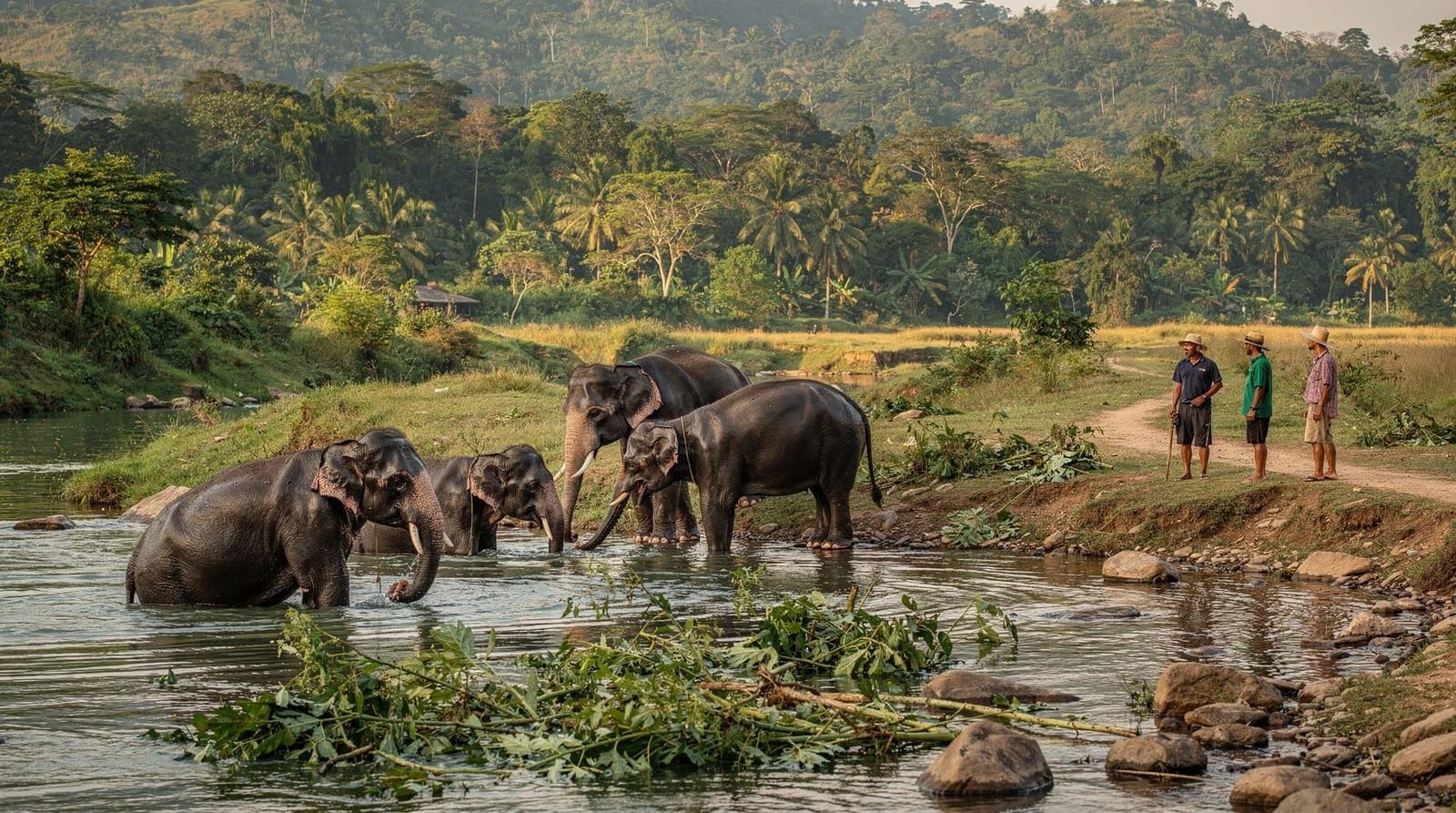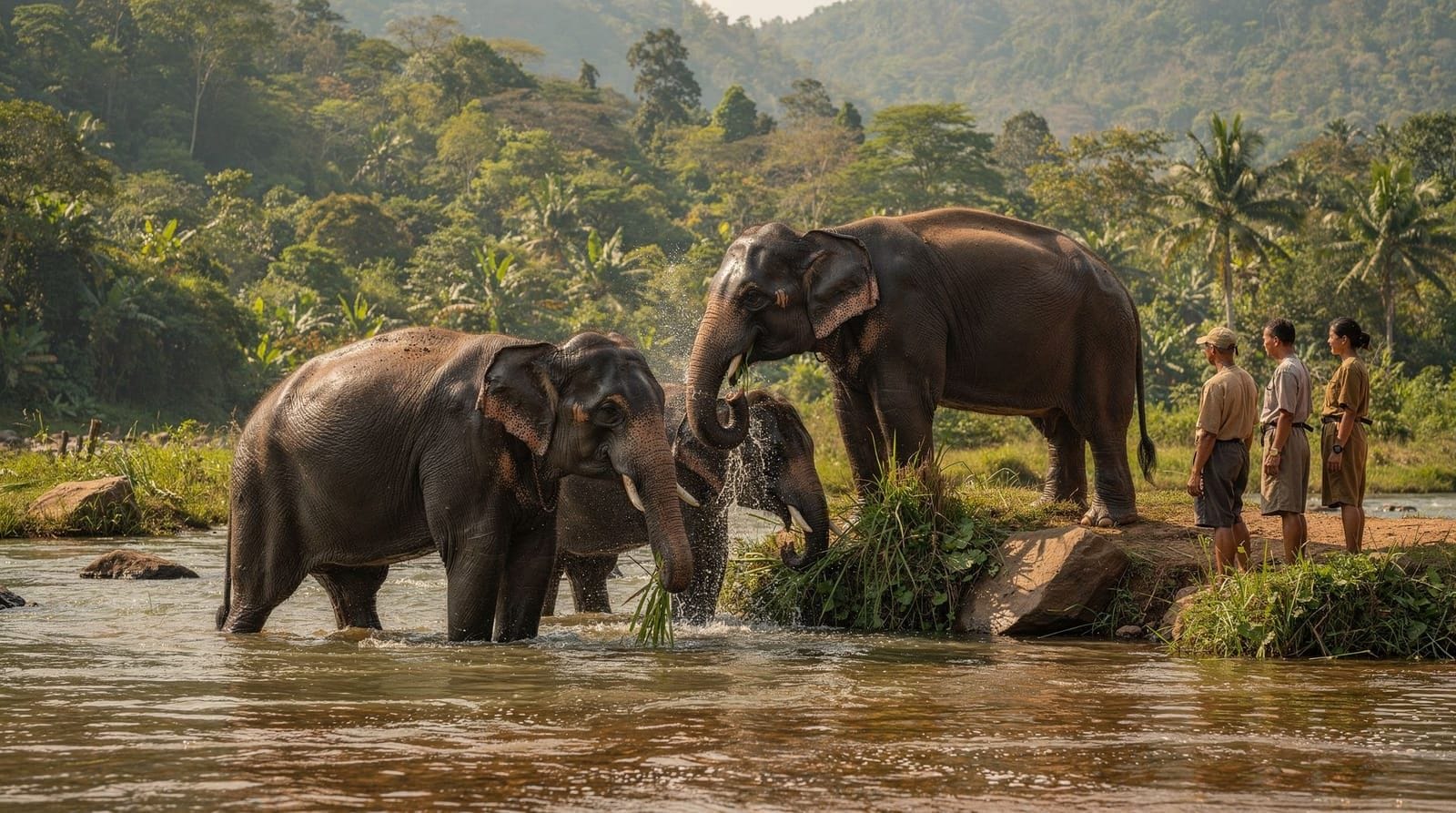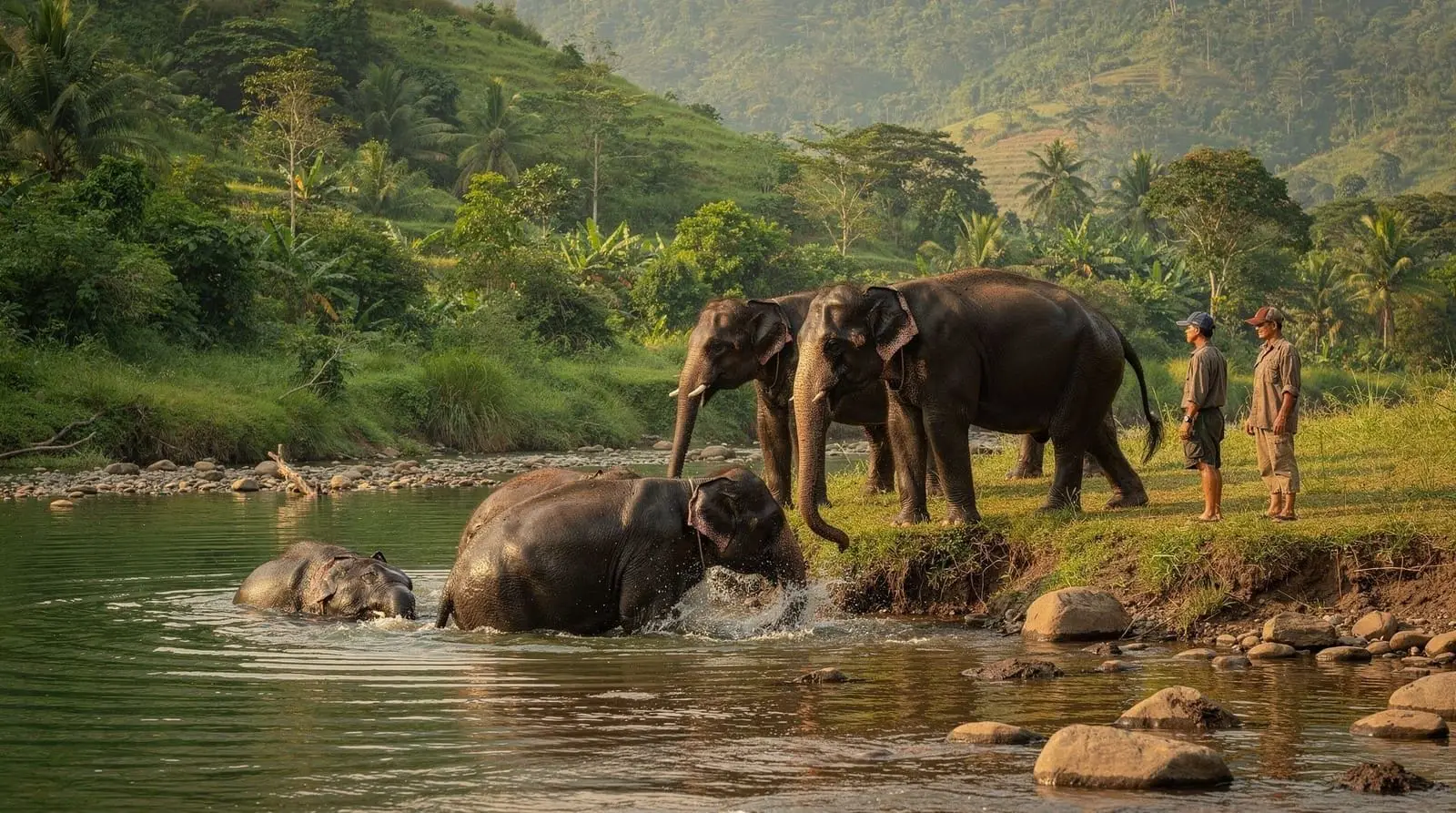
Best ethical elephant sanctuaries in Chiang Mai, compared
Chiang Mai: Elephant Dream Project Sanctuary - Half-Day
Duration: Half day
What's the best ethical elephant sanctuary in Chiang Mai?
There's no single best option since it depends on group size preference, budget, and whether you want a straightforward half day or a themed full-day combination. Elephant Nature Park is the most famous large-scale rescue sanctuary, but several smaller operators around Mae Rim and Mae Taeng run comparable no-riding, observation-and-feeding programs at 1,200-2,800 THB (about 33-78 USD) with smaller groups and shorter booking lead times.
Once you’ve ruled out riding camps, the next question most travelers face is which of Chiang Mai’s dozens of genuinely ethical operators to actually book, since the options range from a large, internationally known rescue operation to small family-run programs a fraction of the size. This guide compares the main models you’ll encounter rather than ranking a single winner, since the right choice depends heavily on group size preference and what else you want from the day.
If you just want a quick steer: Elephant Nature Park is the most famous large-scale rescue sanctuary in the area and a genuinely solid reference point for the model, but its popularity means bigger visitor numbers and earlier booking than most alternatives. Smaller operators around Mae Rim and Mae Taeng, several run in partnership with local hill tribe mahouts, offer comparable no-riding, feeding-and-observation programs at 1,200-2,800 THB (about 33-78 USD) with tighter group caps and more flexible last-minute booking. None of the options compared below involve riding, bullhooks, or performances; that baseline is non-negotiable, covered in full in our ethical sanctuary selection guide.
What actually varies between “ethical” operators
Every listing in this comparison passes the basic no-riding, no-bullhook, no-performance checklist, so the differences that matter for choosing between them come down to a smaller set of practical factors: how many elephants and how large the resident herd is, how many other guests you’ll share the day with, whether the program is themed around a specific angle (a retirement narrative, a hill tribe partnership, a waterfall combo), and price. None of these differences are about ethics in the strict sense; they’re about the kind of day you want.
Elephant Nature Park: the reference-point rescue sanctuary
Founded by Lek Chailert north of Chiang Mai, Elephant Nature Park is the operation most travelers have heard of before they even start researching, and for good reason: it was among the first in the area to build a large-scale, publicly visitable model around rescued elephants with no riding and no performances, several of its residents carrying visible injuries from previous logging or riding work. It remains a genuine reference point for what the ethical model looks like when run at scale, with an established, well-documented conservation story behind most of its animals.
The trade-off is exactly what you’d expect from popularity: larger overall visitor numbers than a smaller operator, and a booking window that often needs to open weeks or, during the November-to-February peak season, a couple of months in advance. If a spontaneous, book-this-week visit matters more to you than visiting the best-known name, one of the smaller operators covered below is the more practical choice.
Small-group and family-run sanctuary programs
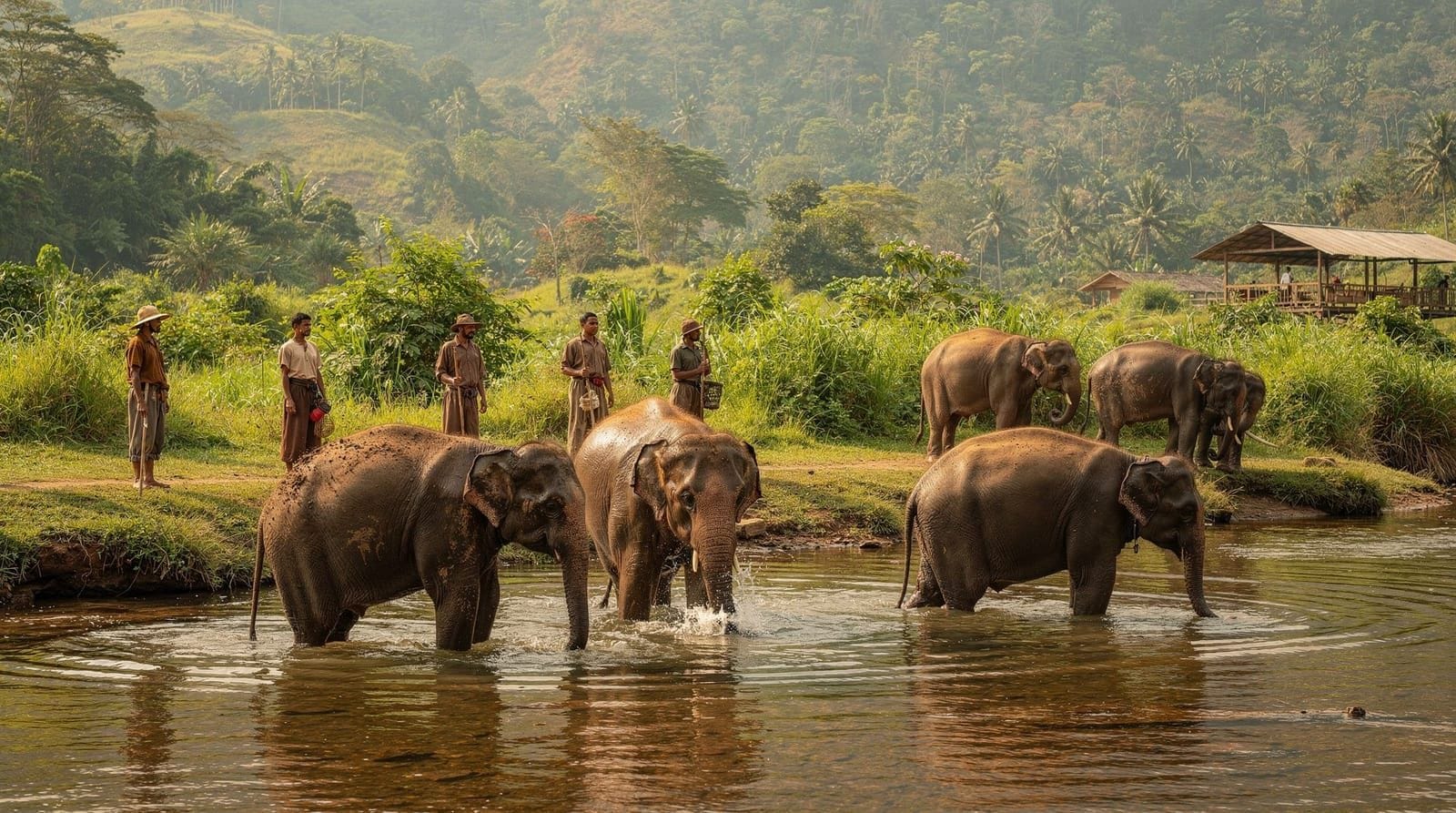
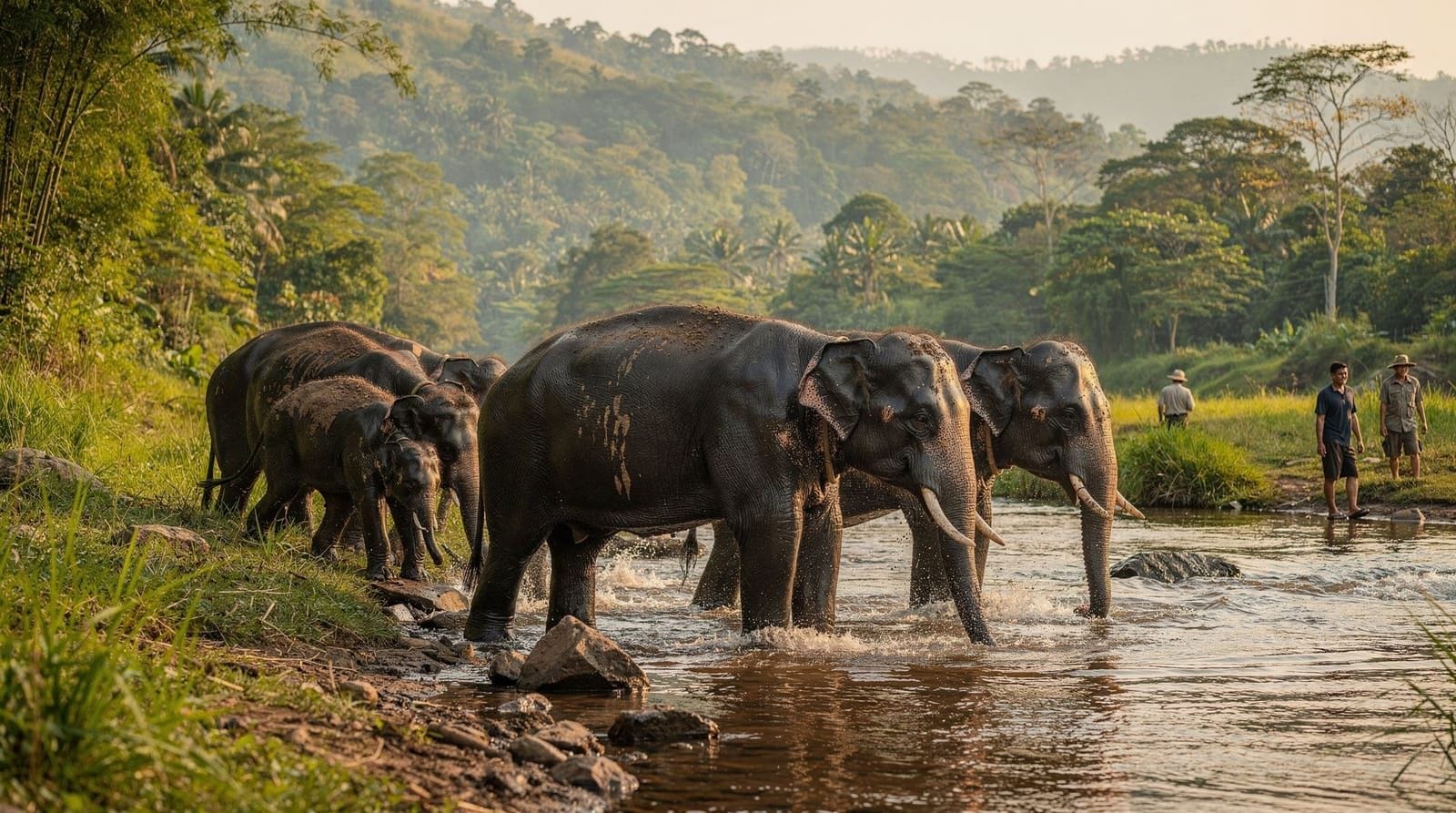
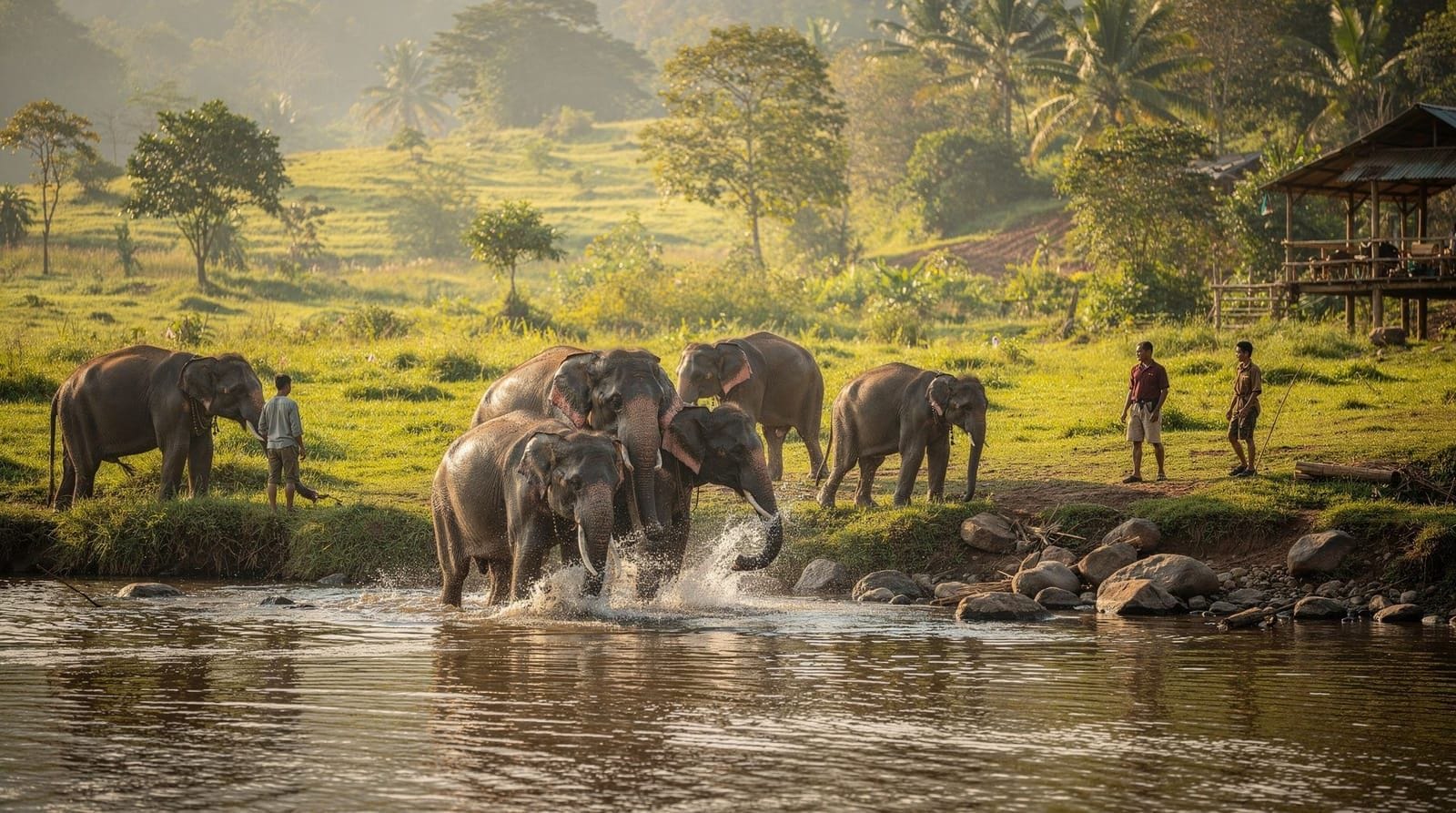
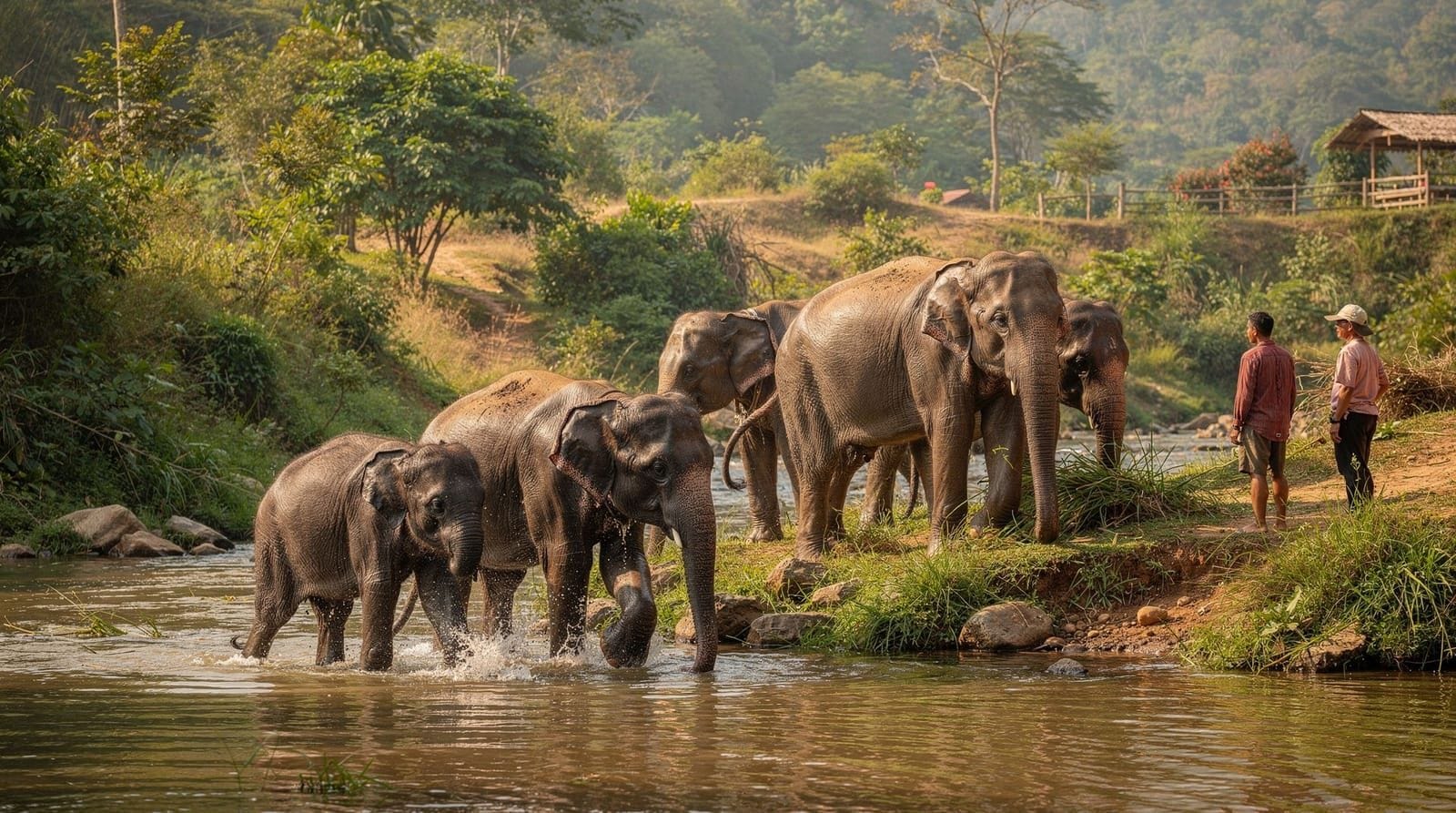
A meaningful share of Chiang Mai’s ethical elephant tourism operates at a noticeably smaller scale than Elephant Nature Park: family-run programs with a handful of resident elephants, tighter caps on visitor numbers per group, and, in several cases, direct partnerships with hill tribe mahouts whose families have cared for elephants for generations. These programs tend to feel less like a scheduled tour and more like a visit to a working farm, with more one-on-one time between guests and individual animals as a natural result of smaller numbers.
Check the Elephant Dream Project half-day sanctuary tour as an example of this smaller-scale model. A full-day version of the same program is also available, typically adding lunch and a slower pace across the same resident herd, worth considering if you want more time with this particular herd rather than a shorter visit.
Retirement and care-focused programs
Some operators build their entire narrative and daily program around elephants specifically retired from logging and riding work, framing the visit less as a wildlife encounter and more as a chance to see rehabilitation and long-term care in practice. These programs often include a stronger educational component about each elephant’s specific history and the physical effects of its previous working life, which suits travelers who want the welfare story front and center rather than in the background.
See the elephant care program at a retirement park if this rehabilitation-focused framing is the angle you care about most.
Hill tribe partnership programs
A number of sanctuaries in the Mae Taeng and Mae Rim area operate in direct partnership with, or employ mahouts from, local hill tribe communities, whose traditional relationship with elephants long predates the tourism industry itself. Visiting one of these programs adds a cultural and community dimension to the day, with mahouts often sharing generations-deep knowledge of individual animal behavior and care that a purely commercial operation may not have built up in the same way.
Check the sanctuary tour with local hill tribe caretakers if the community and cultural context of the mahouts matters as much to you as the elephants themselves.
Themed and combo-format sanctuaries
Some operators differentiate themselves through a specific theme or added activity rather than herd size or community partnership. One notable example pairs a sanctuary visit with a stop at a park built around processing elephant dung into paper, an unusual but genuinely educational look at how a rescue operation can generate additional non-tourism revenue to support its animals, often combined with an optional stop at a nearby waterfall.
Look at the Elephant POOPOOPAPER Park with optional Sticky Waterfall stop if a themed, slightly different angle on the standard sanctuary format appeals to you, or if you specifically want the waterfall combination in the same booking. Our dedicated guide to sanctuary-and-waterfall combo tours covers several more of these pairings in depth.
Comparing by group model, not by name
Rather than treating this as a ranked list, it’s more useful to sort operators by the kind of day they offer:
- Want the best-known, most-documented rescue story? Elephant Nature Park, booked well ahead.
- Want a smaller, quieter group with more one-on-one time? A family-run half or full-day program like the Elephant Dream Project options above.
- Want the retirement and rehabilitation narrative front and center? A dedicated care-and-retirement program.
- Want the mahout and hill tribe community angle? A hill tribe partnership program.
- Want a second activity alongside the elephants? A themed or waterfall-combo format.
Every one of these categories shares the same non-negotiable baseline: no riding, no bullhook, no performances, covered in full in our why-you-should-avoid-riding guide if you want the underlying reasoning again before you commit to any of them.
What doesn’t vary: the non-negotiable baseline
It’s worth restating plainly, since it’s easy to lose sight of amid the comparisons above: every operator worth comparing in this guide already passes the same non-negotiable checklist covered in our ethical sanctuary selection guide, no riding under any circumstance, no bullhook used or visible on site, no trained performances, and a specific, verifiable rescue or retirement story for each resident elephant. If a listing you’re considering doesn’t clearly meet all four, it doesn’t belong in this comparison regardless of price, group size, or theme, and it’s worth re-reading our guide on why elephant riding causes harm before treating any such listing as a serious option.
Price and duration across the field
Across nearly all of the operators compared here, half-day programs run roughly 1,200-1,800 THB (about 33-50 USD at 36 THB/USD, an approximate rate) and full-day programs run roughly 2,000-2,800 THB (about 56-78 USD), generally including hotel transfer and, on full-day bookings, lunch. Prices cluster fairly tightly across the smaller operators; larger, more famous operations sometimes sit at the higher end of this range or slightly above it given higher demand. Our half-day versus full-day comparison guide goes deeper on which format suits which kind of traveler, independent of which specific operator you choose.
A closer look at what a comparison visit actually reveals
If you have several days in Chiang Mai and the flexibility to visit more than one operator, the differences described above become far more concrete in person than they are on a listing page. Group size, for instance, sounds like an abstract number until you’re standing in a herd’s feeding area and realize whether you actually got meaningful time near an elephant or spent most of the visit waiting your turn behind a dozen other guests. Similarly, the mahout relationship, whether a caretaker seems genuinely attentive to an individual animal’s mood and body language or is mostly managing crowd logistics, is far easier to judge on site than from a website description. Most travelers don’t have the time or budget to comparison-shop this way, which is exactly why a well-researched single choice, using the categories above, matters more than trying to sample several operators.
Questions worth asking any operator before you book
Regardless of which category above appeals to you, a short list of direct questions helps confirm a listing matches its marketing: how many elephants live on site, and how many of them will you actually see during your visit; how many guests are in your specific group, not the total daily visitor count; where did each elephant come from, and how long has it been retired from that previous work; is a bullhook used or present anywhere on the property; and does any elephant perform a trained trick for the group at any point. An operator that answers all five specifically and without hesitation is a far safer bet than one whose answers stay general.
How review patterns differ across these categories
It’s also worth reading reviews with the specific category in mind. Reviews of Elephant Nature Park frequently mention the scale of the operation and its educational programming, sometimes alongside notes about how busy a given day felt. Reviews of smaller family-run programs more often mention the one-on-one attention from mahouts and a quieter, less crowded feel, occasionally alongside notes about a more basic facility. Hill tribe partnership programs tend to draw reviews specifically praising the cultural context and storytelling. None of these patterns should be surprising given the models described above, but they’re a useful way to sanity-check that a specific listing matches the category it’s being compared under here.
Combining a sanctuary visit with the rest of your Chiang Mai trip
Most of the operators compared above sit within the Mae Rim valley or a little further out toward Mae Taeng, both practical as a single day trip from central Chiang Mai without needing an overnight stay nearby. If you’re planning a broader itinerary, it’s worth deciding early whether the sanctuary visit is a standalone day or part of a combination with a waterfall, botanic garden, or hilltop viewpoint, since that decision affects whether a half-day or full-day booking, and which specific operator’s combo options, makes more sense for your schedule.
Booking lead time: the one factor that can force your hand
If your trip dates are fixed and you’re deciding close to arrival, booking lead time can matter more than any other factor on this list. Elephant Nature Park’s popularity means its slots fill up weeks ahead during the cool season (November to February), and sometimes sooner around major holidays. Smaller operators are typically bookable with a few days’ notice and occasionally even the day before, which makes them the practical default if you’re planning spontaneously or arrived in Chiang Mai without having booked in advance.
What travelers most often get wrong when comparing options
The most common mistake isn’t picking an unethical operator outright, it’s assuming that a bigger name, more reviews, or a higher price automatically means a better experience for a specific traveler’s priorities. A large, well-known operation can mean more visitors sharing your time slot; a smaller, cheaper operator can mean a more attentive, personal visit rather than a lesser one. The second most common mistake is comparing purely on price without checking what’s actually included, since a noticeably cheaper full-day listing that turns out not to include lunch or transfer isn’t necessarily a better deal than a slightly pricier one that does. Reading the full itinerary rather than just the headline price and photos resolves most of this confusion before you book.
If you can only pick one: a simple decision guide
For most first-time visitors without a strong preference already, a reasonable default is this: if you want the most-documented, best-known rescue story and can book a few weeks ahead, choose Elephant Nature Park. If you want a smaller group, more flexible last-minute booking, and don’t mind a lesser-known name, choose one of the family-run half or full-day programs. If the community and mahout relationship matters specifically to you, choose a hill tribe partnership program. If you want to combine the elephants with a second attraction in the same day, choose a themed or waterfall-combo listing. None of these defaults require compromising on the ethical baseline; they simply route you toward the model that best matches what you actually want from the day.
Frequently asked questions about comparing Chiang Mai’s ethical sanctuaries
Is Elephant Nature Park better than smaller sanctuaries?
Not necessarily better, just different in scale. Elephant Nature Park is the largest and most established rescue operation in the area, with a big resident herd and a well-documented conservation story, but its popularity means larger visitor numbers overall and booking well in advance. Smaller operators around Mae Rim often run tighter group caps per elephant and more flexible last-minute booking.
What should I compare between sanctuary listings?
Group size per elephant, whether riding or performance appears anywhere in the itinerary or reviews, what specifically is included (feeding, walking, bathing, lunch, transfer), the drive time from central Chiang Mai, and price relative to comparable half-day or full-day listings. All of these are checkable before you book.
Are the cheaper sanctuary tours less ethical?
Not automatically, but a price noticeably below the roughly 1,200-1,800 THB half-day range is worth checking closely, since genuine retirement and care work has real ongoing costs. A lower price sometimes reflects a smaller operation with lower overhead rather than a lesser program, but it’s worth verifying the same no-riding, no-bullhook checklist regardless of price.
Which sanctuary combines well with a waterfall visit?
Several operators pair a morning or afternoon elephant program with a stop at a nearby waterfall as part of the same booking, which suits travelers who want two activities in one day rather than a full day dedicated to elephants alone. Our combo tours guide covers this pairing model in more detail.
Do any of these sanctuaries involve hill tribe communities?
Yes, several operations in the Mae Taeng and Mae Rim area are run in partnership with or employ mahouts from local hill tribe communities, who bring generations of elephant care knowledge into the program. Ask specifically about this if the community and cultural angle matters to your choice.
How far in advance should I book an ethical sanctuary tour?
For Elephant Nature Park specifically, several weeks to a couple of months ahead during the November-to-February peak season is safest given its popularity. Smaller operators are generally bookable with a few days’ notice, sometimes even the day before, outside of major holiday periods.
Can I visit more than one sanctuary in one trip?
Yes, and it’s a reasonable way to compare the model firsthand if you have several days in Chiang Mai, though most travelers find one well-chosen half or full day is enough to get a genuine sense of ethical elephant tourism without needing to repeat the experience.
Top experiences
Bookable activities with verified prices and instant confirmation on GetYourGuide.

Chiang Mai: Elephant Dream Project Sanctuary - Half-Day
Chiang Mai: Elephant Dream Project Sanctuary - Full Day
From Chiang Mai: Elephant Care Program and Nursery Tour
From Chiang Mai: Living Green Elephant Sanctuary Tour
Chiang Mai: Elephant Sanctuary Local Hill Tribe Caretakers