Is 3 days enough in Chiang Mai?
Is 3 days enough time in Chiang Mai?
Three days is genuinely enough to cover the city core well: the Old City temples, a cooking class or food tour, an ethical elephant sanctuary half day, and one of the night markets, without feeling rushed. It's not enough if you also want a full-day trip like Doi Inthanon or Chiang Rai, since either one realistically needs its own day, pushing a trip that includes a day trip to a more comfortable 4-5 days.
“Is 3 days enough?” is one of the most common planning questions for Chiang Mai, and the honest answer depends entirely on one specific decision: whether a full-day trip outside the city is part of your plan. Without one, 3 days is genuinely, comfortably enough to see Chiang Mai’s core well. With one, it’s tight enough that something else has to give. This guide walks through the calculation concretely rather than giving a vague “it depends” non-answer.
What 3 days covers well, without a day trip
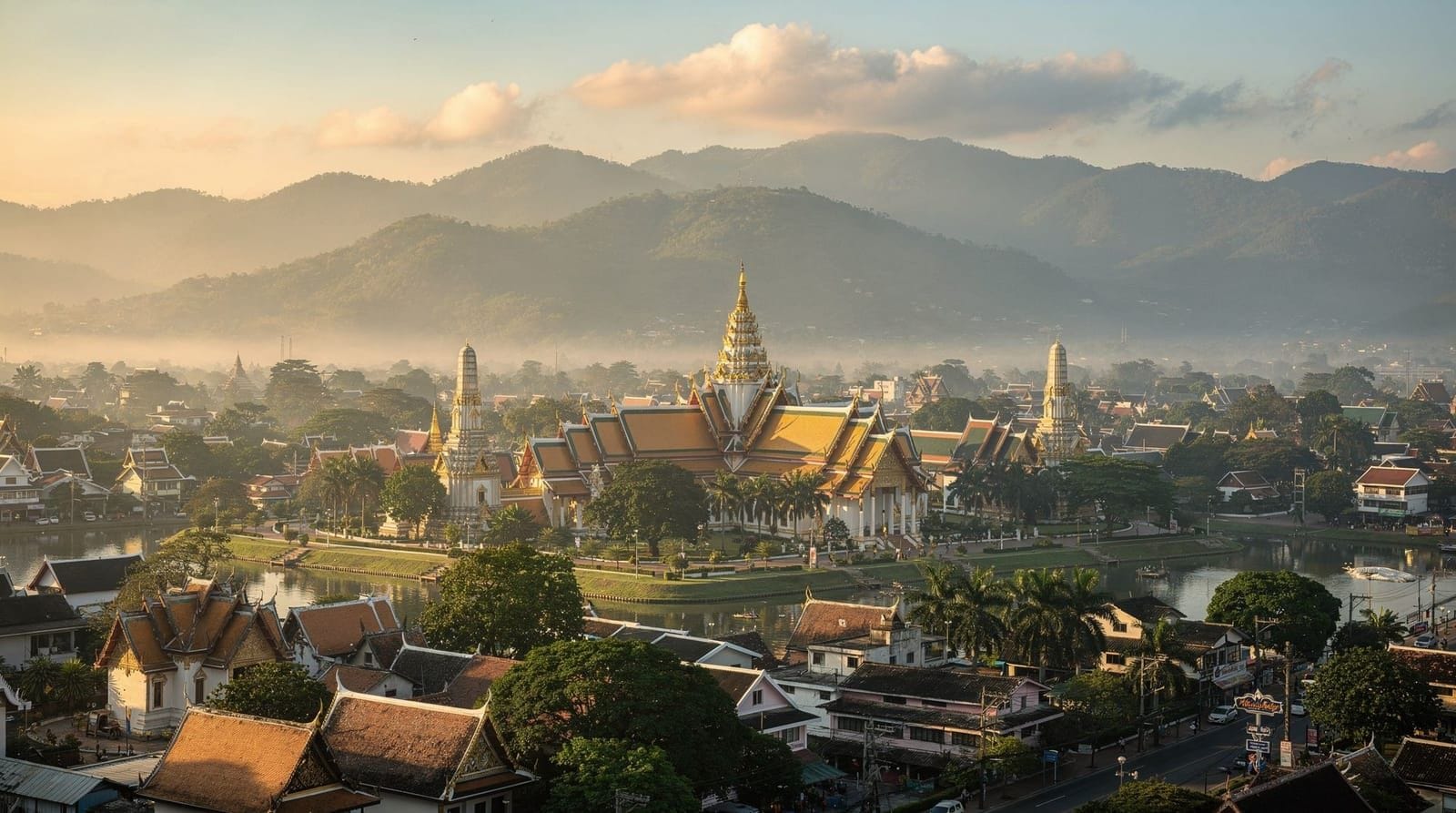
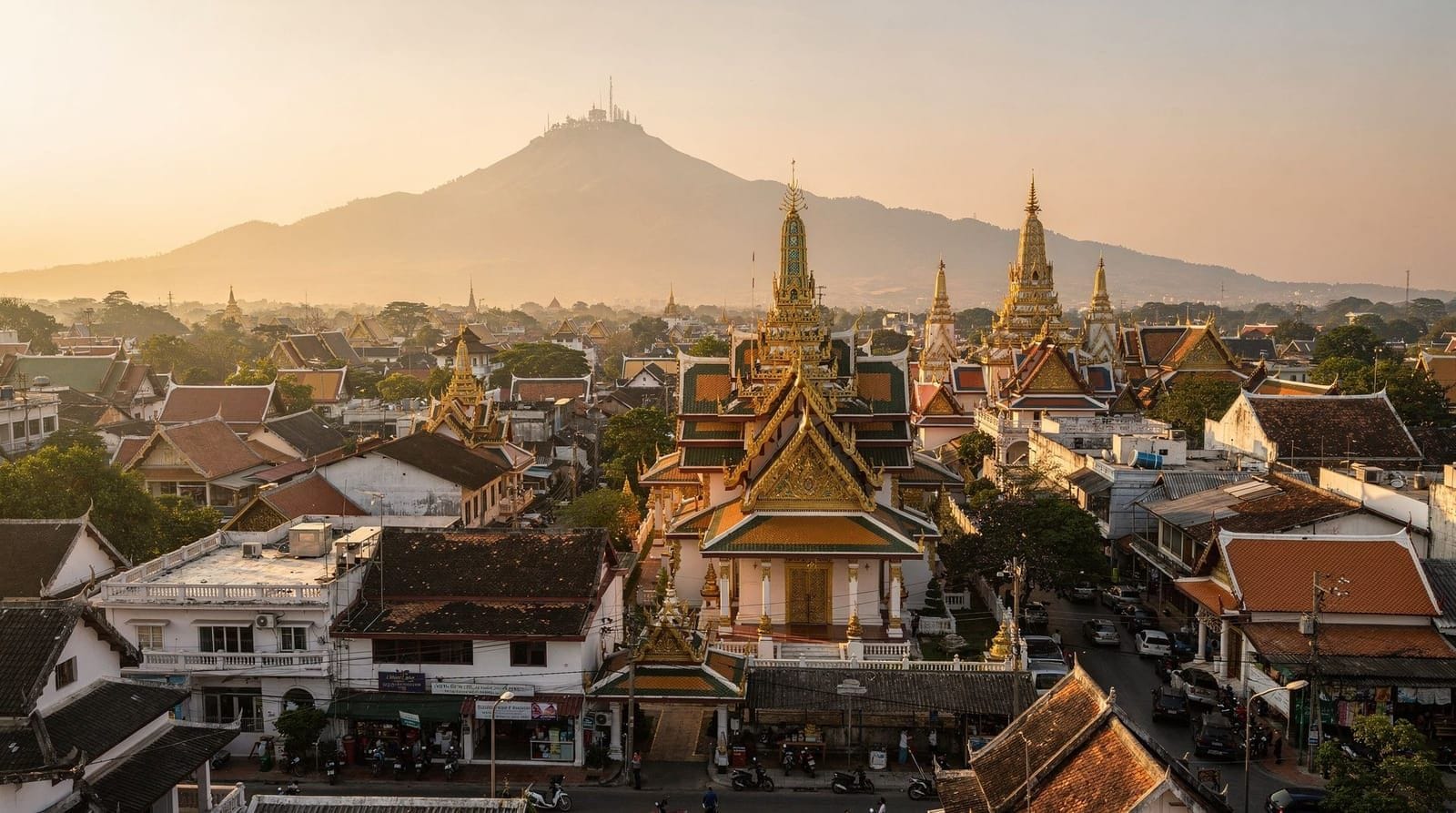
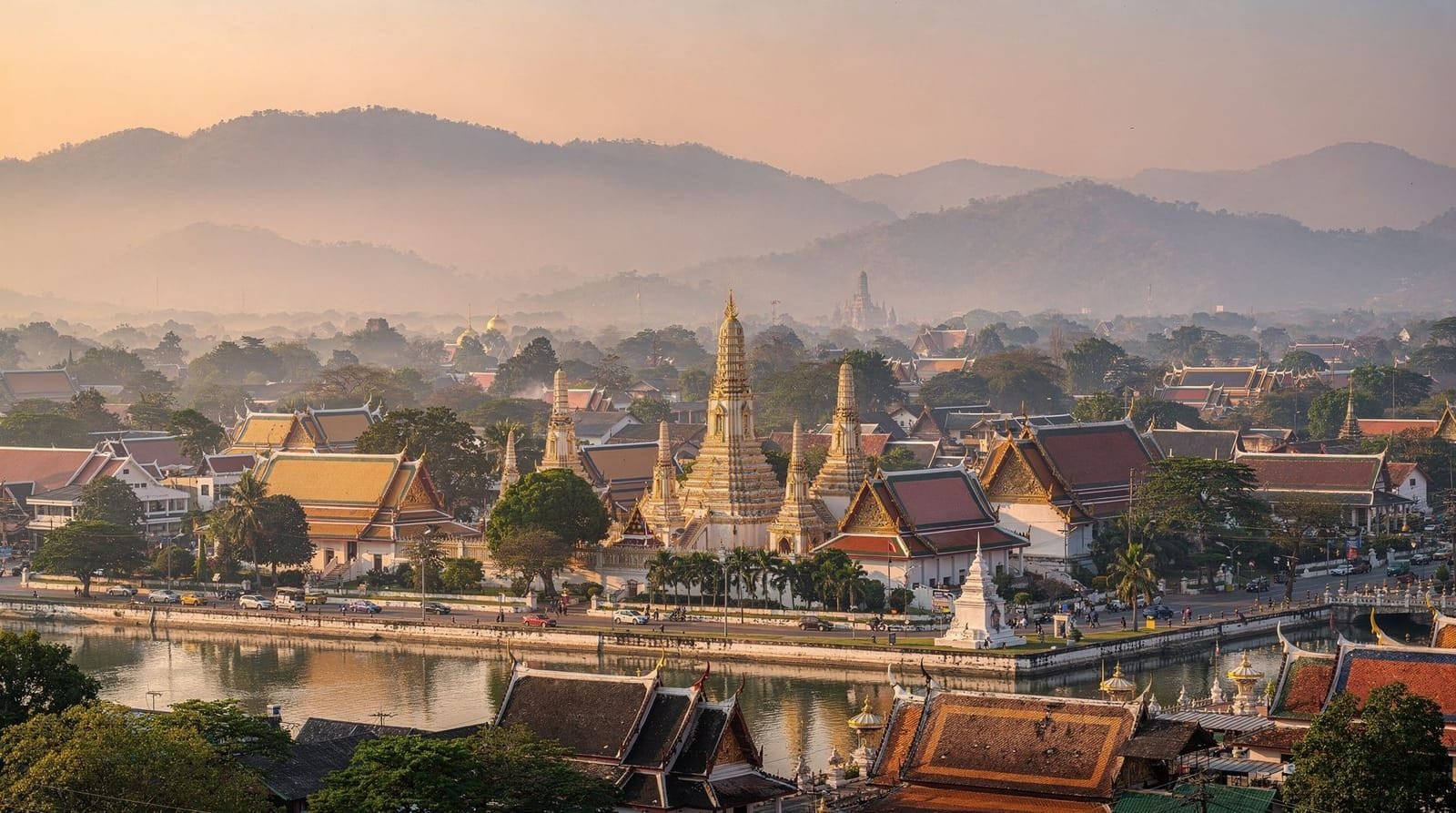
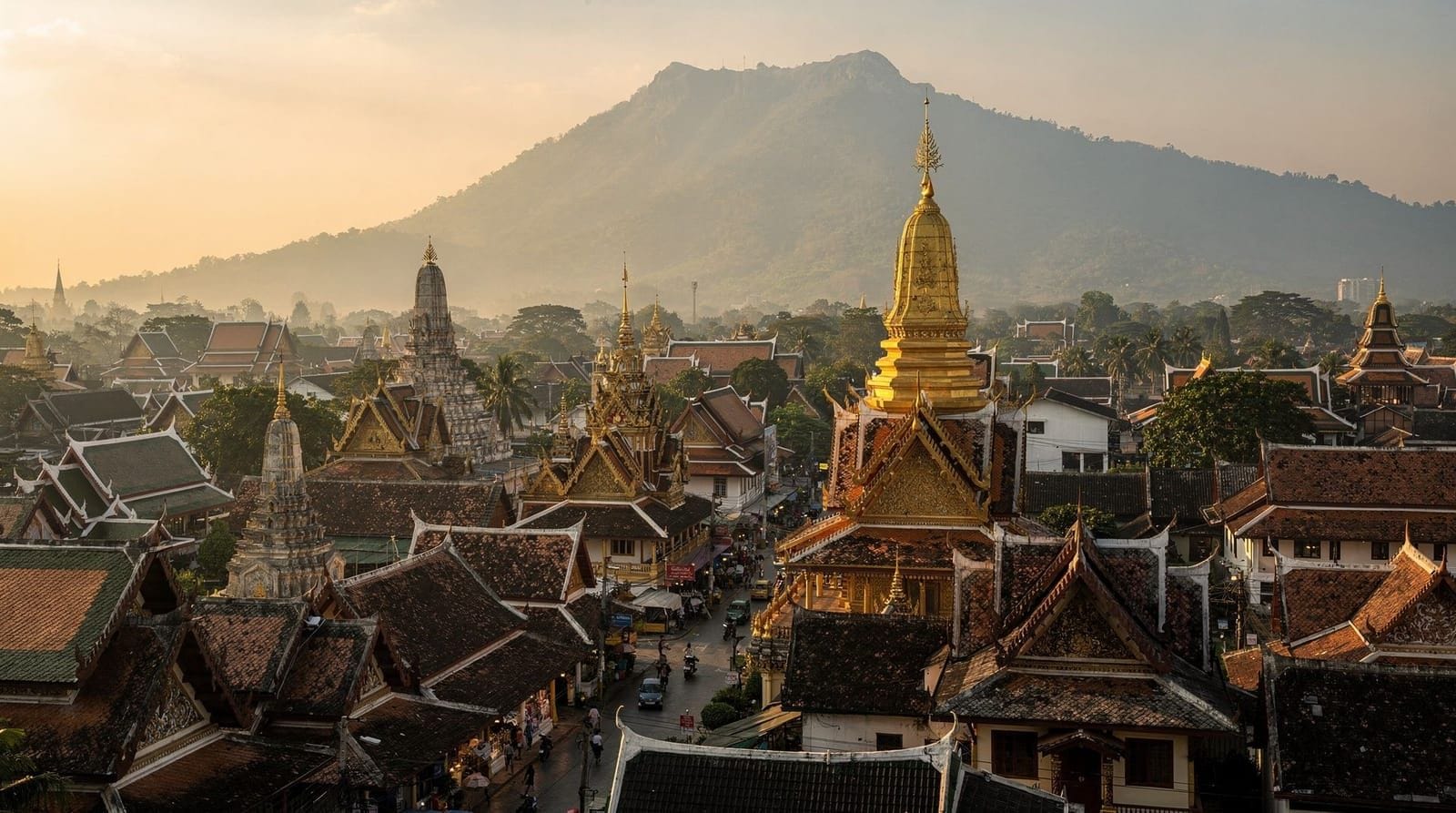
If you keep your itinerary focused on the city and its immediate surroundings, 3 days is a realistic, unhurried amount of time for: a full day exploring the Old City temple circuit, Wat Phra Singh, Wat Chedi Luang, and Wat Chiang Man at a reasonable pace; a half-day ethical elephant sanctuary visit; a Doi Suthep half-day trip for the temple and view; a cooking class or dedicated food-focused evening; and at least one of the night markets or weekend walking streets, depending on which day of the week you’re in town. This combination fills 3 days at a comfortable, non-rushed pace with room for meals, rest, and some unplanned wandering, our full guide to spending a single day in Chiang Mai covers how to sequence a day like this in more detail.
What gets squeezed out, and why
The activities that genuinely don’t fit into a 3-day city-focused trip are the full-day trips outside Chiang Mai: Doi Inthanon (Thailand’s highest peak, roughly 1.5-2 hours each way plus a full day of sightseeing), Chiang Rai (the White Temple, Blue Temple, and often the Golden Triangle, a 12-13 hour round trip), and similar full-day excursions. Each of these effectively consumes an entire day of your trip, meaning including even one turns a 3-day city trip into, functionally, 2 days in the city plus 1 day elsewhere, a meaningfully different and more compressed experience of Chiang Mai itself. Our day trips from Chiang Mai guide and Chiang Rai day trip guide both cover exactly how much of a day these excursions realistically take.
The honest tradeoff, laid out explicitly
If a day trip genuinely matters to your Chiang Mai plans, you have three honest options rather than trying to force everything into 3 days regardless: drop one city-based activity (most commonly the cooking class or a second market visit) to make room for the day trip within your existing 3 days; extend your total trip to 4 or 5 days specifically to accommodate the day trip without cutting anything else; or save the day trip for a future return visit and use your 3 days purely on the city core, a genuinely complete and satisfying trip in its own right. None of these is objectively correct, it depends on what you personally value most, but naming the tradeoff explicitly, rather than trying to silently cram a 4-day itinerary into 3 days, is what prevents the rushed, unsatisfying version of a short trip.
Why 3 days isn’t automatically “not enough”
A lot of generic travel advice defaults to recommending 4-5 days for Chiang Mai without explaining why, which can make 3 days feel like an inherently insufficient compromise even when it isn’t. The honest picture: 4-5 days is recommended specifically because it accommodates a day trip alongside full city coverage, not because the city core itself takes longer than 3 days to appreciate well. A traveler with limited time who deliberately chooses to focus on Chiang Mai itself, skipping day trips for this visit, gets a complete, well-paced trip in 3 days, not a rushed or incomplete one. The mismatch only happens when a 3-day trip tries to also include what really needs a 4th or 5th day.
How your arrival and departure times actually eat into 3 days
A detail that trips up more itineraries than it should: “3 days” on paper often means considerably less usable time once you account for actual flight schedules. A late-morning arrival on day 1 realistically leaves only an afternoon and evening for activities, not a full first day, and a departure flight on day 3, especially a mid-afternoon one, cuts your last day down to a morning at most once you factor in airport transfer time. In practice, a “3-day” trip bookended by typical flight times often delivers closer to 2 full days and 2 partial days of actual activity time, which is worth planning around explicitly rather than assuming three complete 24-hour days. If your flight times are flexible, an early-morning arrival and a late-evening or next-morning departure meaningfully increases your real usable time within the same nominal “3 days.”
Comparing 3 days to a shorter 2-day stopover
It’s worth briefly contrasting 3 days against an even shorter 2-day stopover, since some travelers are weighing Chiang Mai as a brief add-on to a longer Thailand trip rather than a dedicated destination. Two days is enough for a genuinely satisfying but tightly curated visit: the Old City temple highlights on day one, and either the elephant sanctuary or Doi Suthep (not comfortably both) on day two, alongside one evening market. It works as a taste of the city rather than a full experience, and most 2-day visitors report wanting to return for longer, a reasonable signal that 3 days represents a meaningfully more complete threshold than 2, even though neither is “wrong” for a stopover-style visit.
The budget angle: does a longer stay cost proportionally more?
Extending from 3 to 5 days doesn’t scale your budget linearly in the way it might for a more expensive destination. Chiang Mai’s accommodation, food, and local transport costs are low enough by international standards that two additional days typically add a modest, manageable increment to a total trip budget, often less than the cost of the international flights that got you there in the first place. This makes the day-trip-versus-shorter-stay tradeoff less about affordability and more genuinely about how much total vacation time you have available, worth knowing if cost has been a hesitation about extending your stay specifically to accommodate a day trip.
A realistic 3-day sample structure
To make the tradeoff concrete: Day 1 covers the Old City temple circuit at a relaxed pace, morning through early afternoon, with an evening food-focused outing, either a cooking class or a guided or self-directed food tour through the night markets. Day 2 covers Doi Suthep in the morning (leaving before 8am helps avoid the worst of the crowding covered in our overtourism guide), followed by an afternoon in Nimmanhaemin for cafés and browsing, and an evening at whichever night market or walking street runs on that specific day of the week. Day 3 is the ethical elephant sanctuary half day, morning or afternoon depending on the operator’s schedule, with the remaining half of the day left open for whatever from Days 1-2 you want more time with, or simply rest before departure. This structure leaves real breathing room rather than back-to-back scheduling, which our guide on common first-timer regrets flags as one of the most common ways short Chiang Mai trips go wrong.
How the season changes what 3 days can realistically cover
The calculation shifts slightly depending on when you visit. During rainy season (roughly May-October), afternoon downpours are common enough that outdoor activities scheduled for midday sometimes need to shift or get cut short, which can make a tightly packed 3-day plan feel more fragile than the same itinerary in dry season; building in a little more flexibility, or accepting that one activity might need to be swapped for an indoor alternative, is a reasonable adjustment. During burning season (roughly February-April), hazy conditions can make Doi Suthep’s view and any hiking-adjacent day trip less rewarding than in clear cool-season months, worth factoring in if maximizing visual payoff from a short trip matters to you specifically; our burning season guide covers exactly which weeks tend to be worst. Cool season (November-February) remains the most forgiving window for a tightly scheduled 3-day trip, since weather disruption risk is lowest.
Combining Chiang Mai with a wider Northern Thailand trip
If your 3 days in Chiang Mai are actually part of a longer Northern Thailand itinerary rather than the whole trip, the day-trip calculation changes meaningfully. Rather than squeezing Chiang Rai or Pai into a single rushed day from Chiang Mai, treating them as their own separate base for a night or two, connected by the same bus, minivan, or private transfer options covered in our transport guides, often produces a considerably more satisfying experience of each place than a compressed day trip does. In this scenario, 3 days in Chiang Mai proper, focused purely on the city core, becomes a genuinely complete and appropriately scaled segment of a longer trip rather than an itinerary trying to do everything from one hub.
When to genuinely extend beyond 3 days
A few specific situations make a longer trip clearly worth prioritizing over sticking to 3 days: if Chiang Rai or Doi Inthanon are a genuine priority rather than a nice-to-have, extending to at least 4 days avoids the tradeoff entirely; if you’re traveling during Yi Peng or Songkran, both festivals benefit from extra buffer days given the crowding and transport strain covered in their dedicated guides; and if you’re combining Chiang Mai with a broader Northern Thailand itinerary, 3 days in Chiang Mai plus additional days elsewhere (Pai, Chiang Rai as their own base rather than a rushed day trip) often produces a more satisfying trip than squeezing everything through Chiang Mai as a single hub. Our broader trip-planning guide and how many days in Chiang Mai guide both help work through this calculation for your specific priorities.
What experienced repeat visitors tend to do differently
Travelers on a second or third Chiang Mai trip often split their time differently than first-timers: skipping repeat visits to the busiest temples in favor of a specific day trip they missed the first time, or deliberately building in unstructured time rather than another packed sightseeing day. This pattern is worth noting even for a first visit, since it suggests that a slightly less exhaustive, more selective 3-day plan, prioritizing a smaller number of experiences done well over maximum coverage, tends to produce the kind of trip that makes people want to return, rather than one that tries to see everything once and never revisit.
A quick decision checklist
If you’re still deciding, a short set of yes/no questions cuts through most of the uncertainty: Do you want to include Chiang Rai or Doi Inthanon specifically? If yes, plan for 4-5 days or accept dropping a city activity. Are you visiting during Yi Peng or Songkran? If yes, add a buffer day given the crowding and transport strain covered in those festivals’ dedicated guides. Is your flight arrival or departure at an inconvenient time (late morning arrival, early afternoon departure)? If yes, mentally treat your trip as closer to 2.5 days of real activity time and plan accordingly. Answering these three questions honestly, before you build out an hour-by-hour itinerary, prevents most of the disappointment that comes from discovering partway through a trip that 3 days quietly needed to be 4 or 5.
Making peace with whichever length you choose
Whatever you land on, 3 focused days or a longer trip built around a day trip, the version of the trip that disappoints people isn’t a short one, it’s an over-ambitious one that tried to fit a 5-day itinerary into a 3-day window without acknowledging the mismatch. Choosing deliberately, with the tradeoffs above in view, tends to produce a more satisfying trip than either extreme of endlessly extending your stay or cramming everything into too little time.
The honest bottom line
Three days is enough for a complete, well-paced Chiang Mai trip if you keep your itinerary focused on the city core and its half-day surroundings, Old City temples, Doi Suthep, an ethical elephant sanctuary, food, and markets. It’s not enough if a full-day trip outside the city, Chiang Rai or Doi Inthanon especially, is also part of your plan, in which case the honest move is to either drop something else, extend your trip, or explicitly save the day trip for next time rather than trying to force all of it into 3 rushed days. Knowing which category your priorities fall into before you finalize your itinerary is the single most useful thing you can do to avoid the common regret of a Chiang Mai trip that tried to do too much in too little time.
Frequently asked questions about whether 3 days is enough in Chiang Mai
What’s the biggest thing that gets cut from a 3-day Chiang Mai trip?
Day trips outside the city, most commonly Doi Inthanon or Chiang Rai, both of which take a full day round trip and don’t combine well with a packed in-city schedule. If a day trip is a priority, the honest fix is either dropping one in-city activity to make room or extending the trip to 4-5 days rather than trying to fit everything into 3.
Can I do an elephant sanctuary and the Old City temples in the same 3-day trip?
Yes, comfortably. A half-day ethical elephant sanctuary visit fits well alongside a day of Old City temple-hopping and an evening market, since neither requires a full day on its own. This combination is one of the most realistic and satisfying ways to fill a 3-day itinerary without over-scheduling.
Is 3 days enough to include Doi Suthep?
Yes. Doi Suthep is a half-day trip at most (2-4 hours including travel time), so it fits easily into a 3-day itinerary alongside other activities the same day or as a dedicated morning, unlike a full-day trip such as Chiang Rai or Doi Inthanon, which genuinely consumes an entire day.
What if I only have 3 days but really want to see Chiang Rai too?
It’s possible but genuinely rushed: a Chiang Rai day trip from Chiang Mai runs 12-13 hours round trip including the White Temple, Blue Temple, and Golden Triangle, leaving little energy for anything else that day and effectively removing a third of your total trip time for a single day trip. If Chiang Rai matters enough to prioritize, either accept that tradeoff explicitly or extend your trip by a day specifically to accommodate it without cannibalizing your Chiang Mai city time.
How does 3 days compare to what most guidebooks recommend?
Most guidebooks and blogs suggest 4-5 days as the “ideal” Chiang Mai stay, which reflects wanting to include at least one day trip alongside full city coverage. Three days is a legitimate, complete trip if you’re comfortable skipping day trips or saving them for a return visit, not an insufficient compromise, provided your expectations for the trip match what 3 days can actually deliver.
Should I extend to 5 days if I can?
If your schedule allows it without other tradeoffs, 5 days is genuinely a more comfortable length for Chiang Mai specifically because it accommodates one day trip alongside full city coverage without rushing either, plus a buffer day for rest or a repeat visit to something you enjoyed. It’s not essential, 3 well-planned days deliver a complete trip, but 5 removes the need to make the day-trip tradeoff at all.