Chiang Mai in one day: what to prioritize
What should I prioritize with only one day in Chiang Mai?
Pick one anchor experience, not three. A morning in the Old City temples paired with an afternoon at Nimmanhaemin covers the city's core; an ethical elephant sanctuary or a full-day trek fills the entire day on its own and rules out everything else. Doi Suthep can be added to a temple-and-Nimman day as a half-day extension, but trying to fit a sanctuary, Doi Suthep, and the Old City into one day means rushing all three.
One day in Chiang Mai is enough to leave with a real sense of the place, but only if you accept upfront that you can’t do everything the city is known for. The most common mistake in one-day planning here isn’t picking the wrong highlight, it’s trying to stack three unrelated highlights (temples, a sanctuary, and Doi Suthep, say) into a single day and ending up rushed at all three. This guide isn’t a timed itinerary; it’s a decision framework for choosing which one or two highlights genuinely deserve your single day, and which ones to save for a return trip.
Quick answer: with one day, pick a single anchor. A morning of Old City temples paired with an afternoon and evening in Nimmanhaemin covers the city’s cultural and social core in a relaxed way. An ethical elephant sanctuary or a full trekking day is a worthwhile substitute, but it consumes the entire day on its own, transport included, and rules out fitting in anything else. Doi Suthep pairs reasonably with a compact Old City morning, but not with a sanctuary or a trek on the same day.
The core decision: what kind of day do you want?
Before picking specific stops, decide what shape the day takes, because Chiang Mai’s best experiences split cleanly into a few categories that don’t combine well in a single day. A city-and-culture day centers on the Old City’s temples and Nimmanhaemin’s food and design scene, both inside town, with minimal transit time. A nature-and-wildlife day centers on an ethical elephant sanctuary or a trek into the hills, both of which involve significant drive time (45 minutes to two hours each way) and fill most of a day by themselves. A mountain day centers on Doi Suthep, which can be combined with a shortened Old City morning but not much else. Pick one shape for the day rather than trying to sample all three; the honest truth is that most one-day visitors who try to combine a sanctuary morning with an afternoon at Doi Suthep end up exhausted, behind schedule, and seeing less of both than if they’d picked one.
If you pick a city-and-culture day
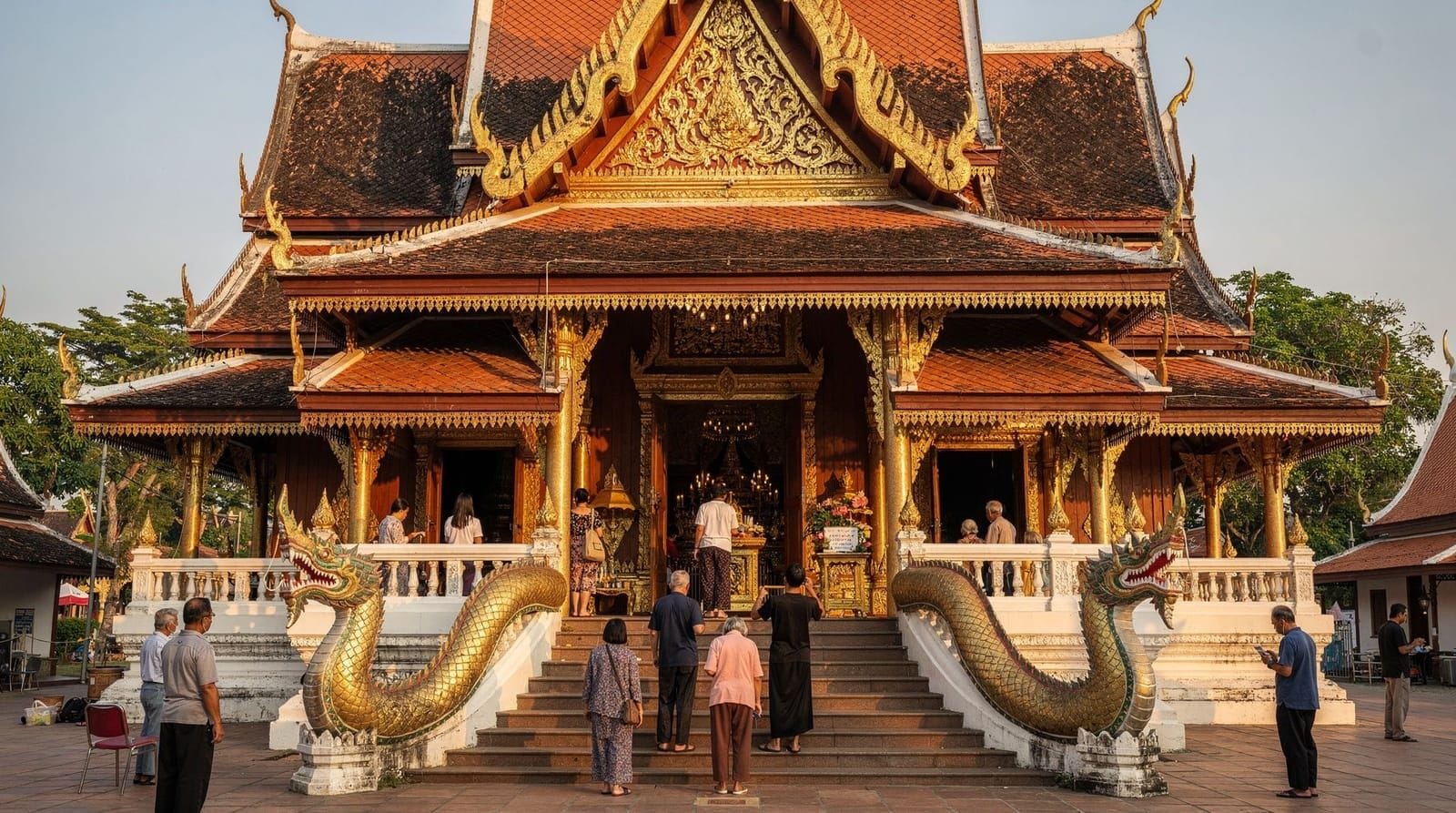
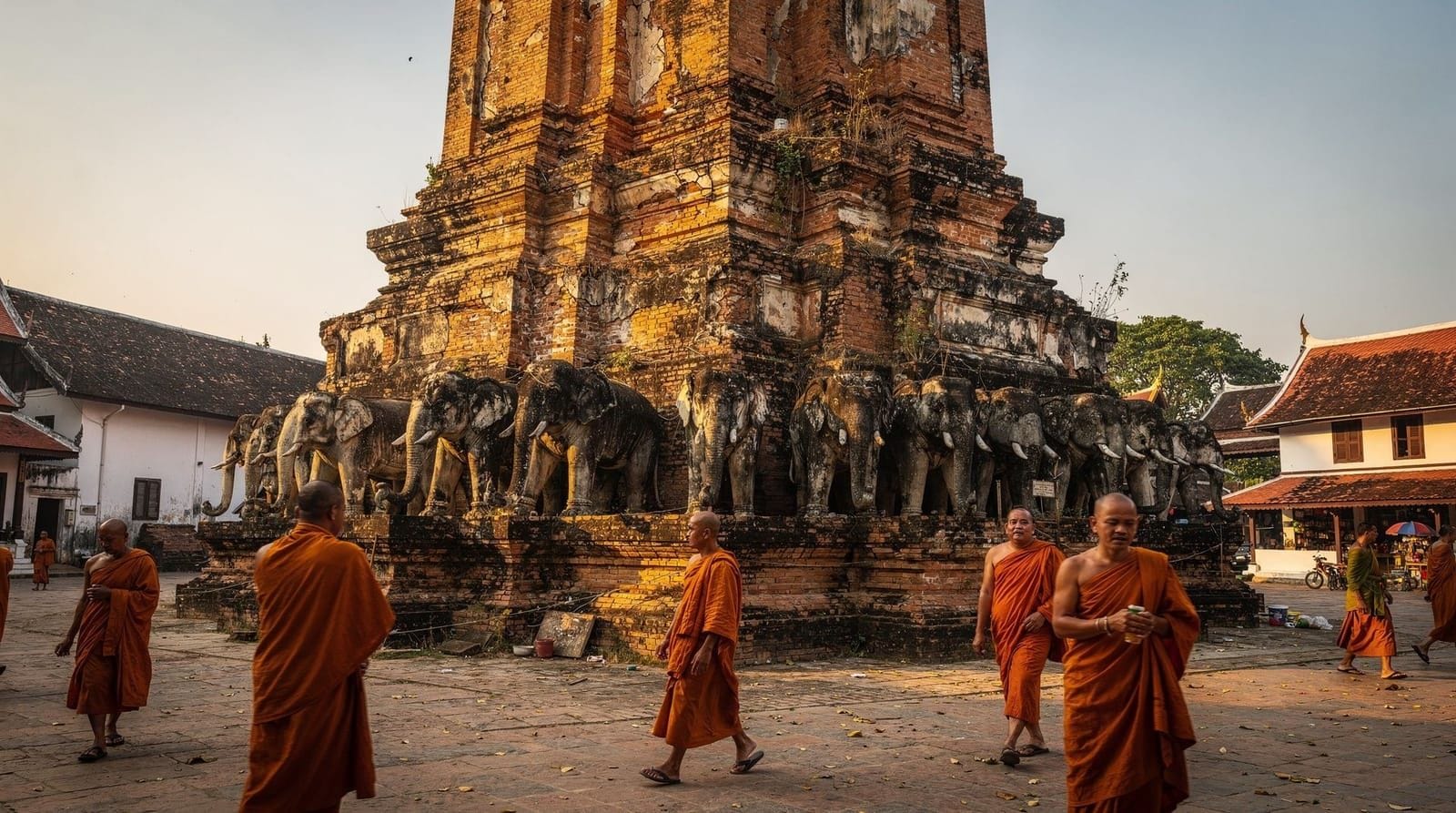
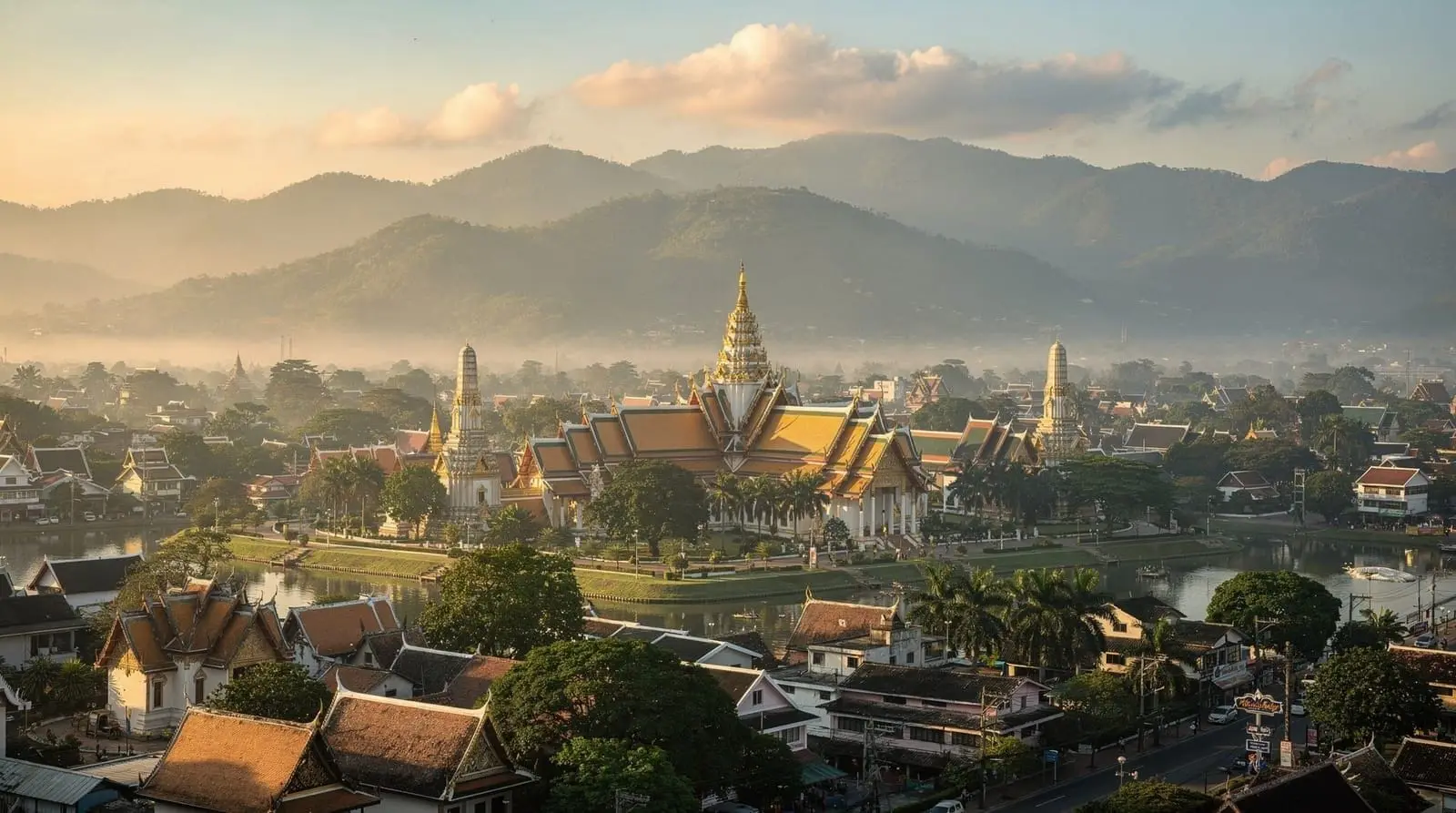
This is the lowest-stress, most flexible option for a single day, and it’s the right call for most first-time visitors without a strong pull toward elephants or mountains specifically. Start in the Old City as early as you can manage, ideally by 7-8am, before the heat and the tour groups build. Two temples done properly beat four done quickly: Wat Phra Singh, with its Lanna woodwork in the Lai Kham viharn, and Wat Chedi Luang, built around a partially ruined 14th-century chedi, are the two most worth the time if you’re only doing two. A short stop at Wat Chiang Man, the city’s oldest temple, is easy to add on the walk between them since it sits in the same northeast quadrant.
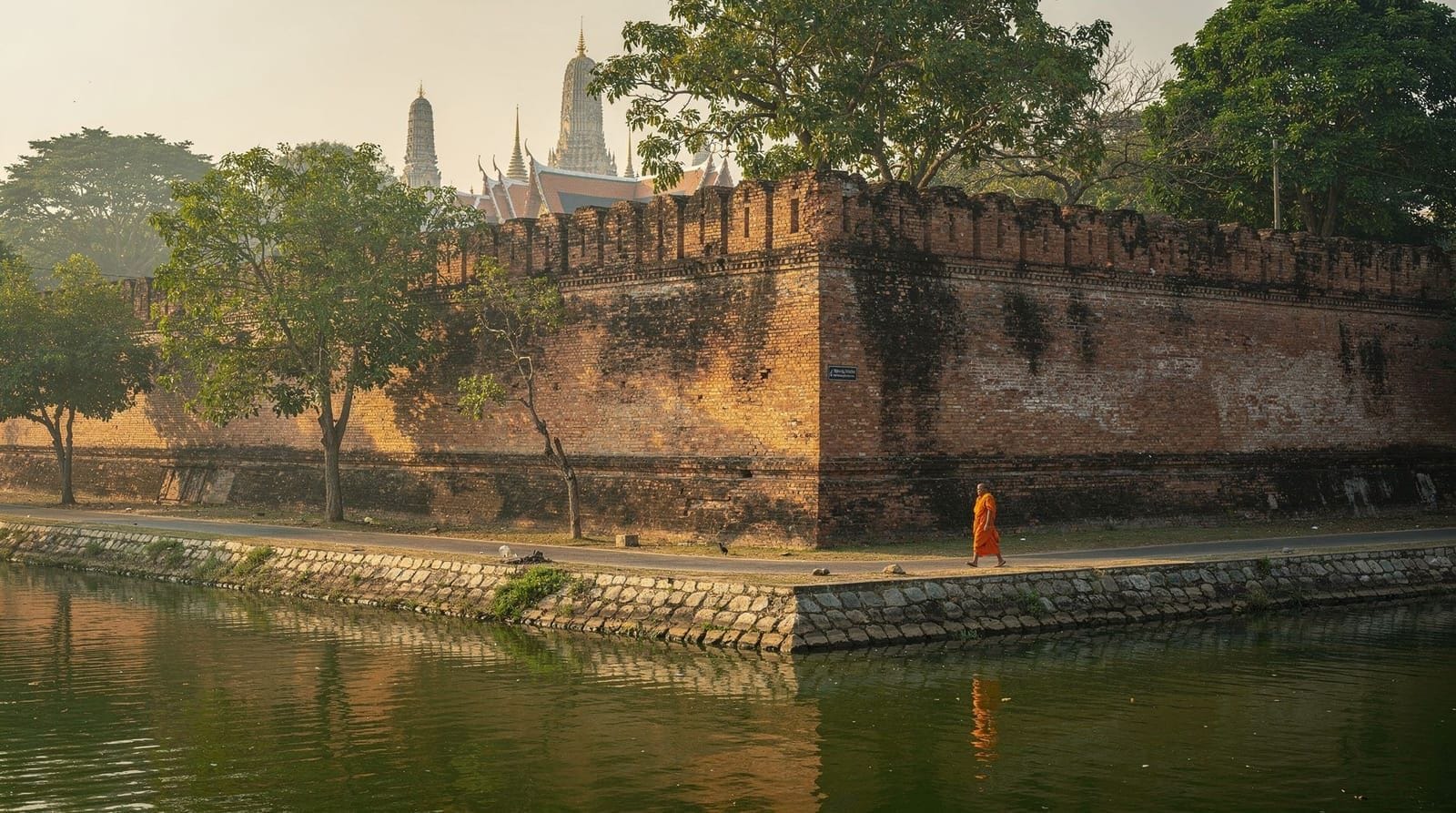
By late morning, head to Nimmanhaemin for lunch and to spend the warmest part of the afternoon somewhere with air conditioning and good coffee, since pushing more outdoor sightseeing through the 12-3pm heat is neither pleasant nor necessary. Nimman’s side streets (numbered Soi 1 through Soi 17) reward an unhurried wander rather than a checklist approach; treat it as the day’s slow section, not another set of boxes to tick. As the day cools toward evening, decide your finale based on the day of the week: if it’s Sunday, the Sunday Walking Street, which closes Ratchadamnoen Road inside the Old City from mid-afternoon, is one of the best single experiences in the city and worth building the evening around. On any other night, a relaxed dinner back in Nimman or a walk along the Old City moat closes the day well.
If you pick a nature-and-wildlife day
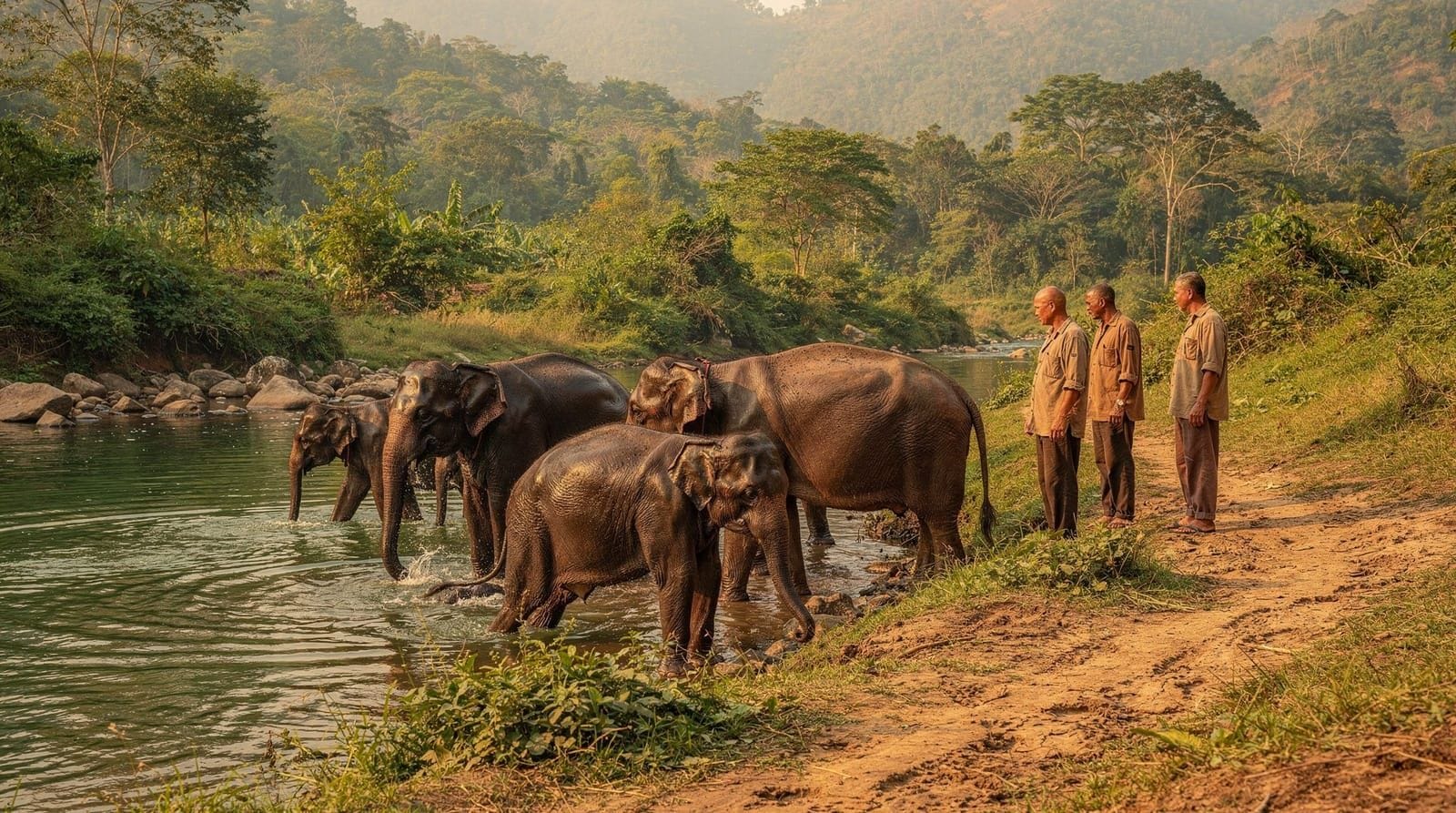
An ethical elephant sanctuary visit is worth choosing as your single day’s anchor, but go in accepting it will be the entire day. Most reputable sanctuaries in the Mae Rim, Mae Taeng, or Chiang Dao areas run half-day (roughly four hours on-site) or full-day programs, and pickup and drop-off from Old City or Nimman hotels typically adds 1-2 hours each way given the sanctuaries’ rural locations. A half-day program is therefore realistically a 6-8 hour commitment door to door, and a full-day program can run 9-10 hours. Don’t plan a temple morning before it or a market evening after a full-day program; you’ll be tired, and the drive times don’t leave the buffer you’d think.
The honest planner’s note here: skip elephant riding camps entirely regardless of how the day is structured. Riding programs are widely documented as harmful to elephant welfare, and the genuine ethical sanctuaries (observation-and-feeding rather than riding) are both the more responsible choice and, in most visitors’ experience, the more rewarding one. If wildlife and hill culture matter more to you than temples, a sanctuary visit is a completely reasonable way to spend your one day in the region; just don’t try to squeeze anything substantial around it.
If you pick a mountain day
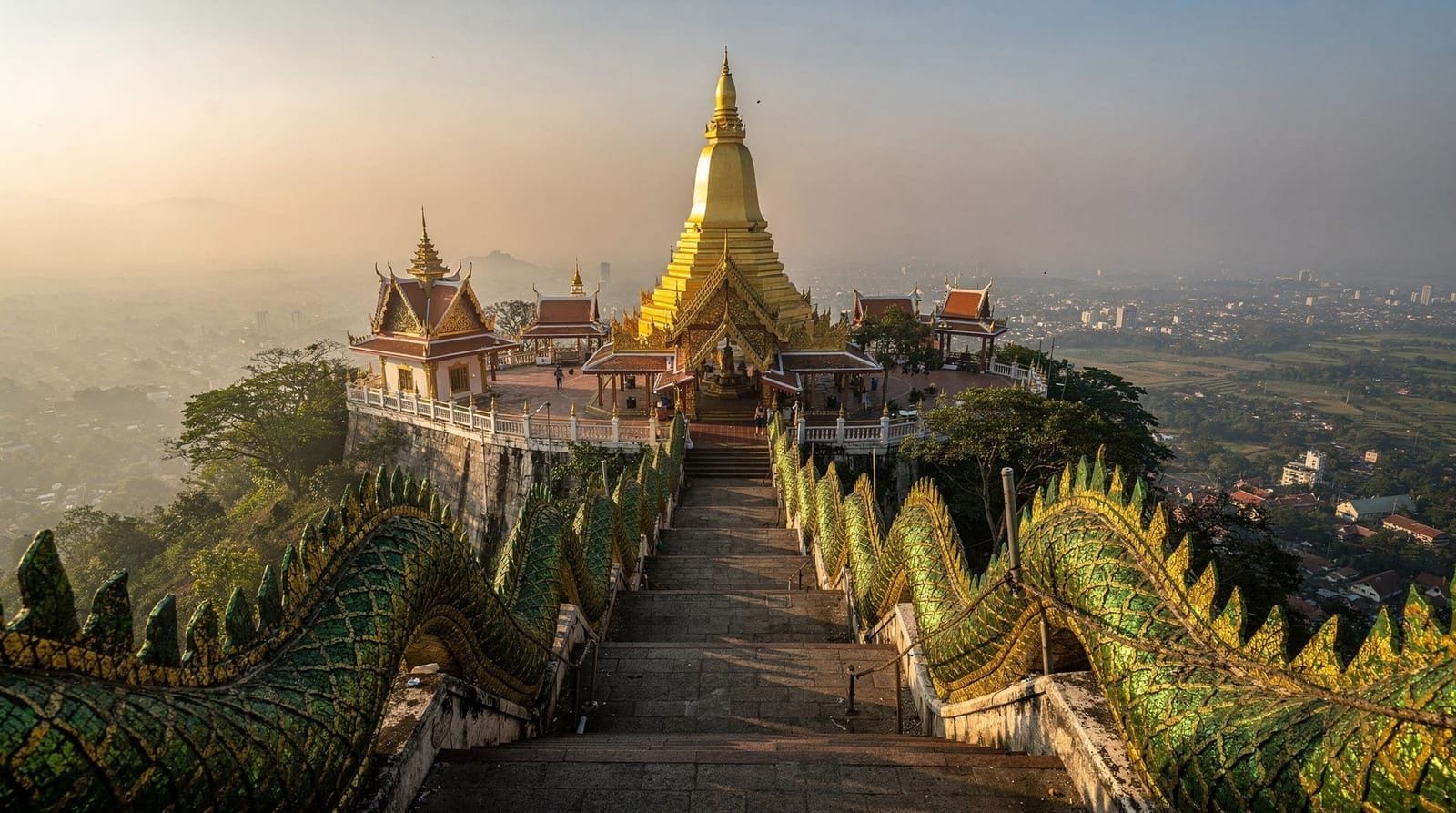
Doi Suthep pairs well with a shortened Old City morning because the temple itself, despite the mountain drive, only takes 60-90 minutes to see properly once you’ve arrived. Do a compact version of the Old City first thing (Wat Phra Singh and Wat Chedi Luang only, no detours), then head up the mountain by mid-morning; the drive is 30-45 minutes each way by songthaew or Grab, and crowds build noticeably after 10am on weekends and around midday on weekdays, so earlier is better. Come back down by early-to-mid afternoon and use the remaining hours in Nimman for lunch, coffee, and a slower finish to the day.
The trade-off to be honest about: doing Doi Suthep and a full Old City temple circuit and Nimman in one day is genuinely too much. If Doi Suthep is the priority, keep the Old City portion to two temples maximum, and if the temple circuit is the priority, consider saving Doi Suthep for a second day instead of squeezing it in.
Realistic transit times between anchors
Planning a one-day sequence falls apart quickly if the transit estimates are optimistic, so here are the honest numbers. Within the Old City, walking between temples takes 5-15 minutes since the whole square is under 1.5 km per side. Old City to Nimmanhaemin is a 15-20 minute Grab ride (60-100 THB, $1.65-2.75) or a 25-35 minute walk if you don’t mind the heat. Old City or Nimman to the base of Doi Suthep is 20-30 minutes, and the mountain road itself adds another 15-20 minutes of winding ascent, so budget 35-50 minutes each way total. Sanctuaries in Mae Rim or Mae Taeng run 45-75 minutes each way depending on the specific location and traffic, and this is the number most one-day planners underestimate, since map distance looks short but the roads aren’t fast. Build in a 15-20 minute buffer on every leg beyond simple Old City walking; songthaews wait to fill up before departing, and Grab cars occasionally take a few minutes to arrive during peak hours.
Common mistakes in one-day planning
The single biggest mistake is treating Chiang Mai like a checklist city where every well-known name gets a 45-minute slot. It doesn’t work here the way it might in a dense, transit-connected city, because the highlights are spread across genuinely different drive-time zones (in-town temples versus mountain versus rural sanctuaries) that don’t chain together efficiently. A second common mistake is scheduling Doi Suthep for the early afternoon, when both heat and crowds peak simultaneously on the summit; mornings are meaningfully better on both counts. A third is underestimating how much a sanctuary visit’s transport eats into the day, then trying to bolt on a market visit afterward and arriving too late or too tired to enjoy it. And a fourth, more subtle mistake is over-scheduling the Old City itself: allocating fixed time slots to four or five specific temples rather than picking two and allowing the visit to breathe.
If this is a stop on a longer Southeast Asia trip
For travelers passing through Chiang Mai as one stop on a broader Thailand or regional itinerary, the single-day version of this guide is usually the right approach, and it’s worth resisting the temptation to add a Chiang Rai or Pai day trip onto the same visit just because you’re already in the region; both destinations reward a dedicated overnight far more than a rushed same-day round trip. If the single day leaves you wanting more (a common reaction, since Chiang Mai’s pace suits longer stays), see how many days to spend in Chiang Mai for how a second or third day changes the calculus and opens up the sanctuary, trekking, and day-trip options that don’t fit into today.
What one day is not enough for
A handful of Chiang Mai’s most-searched experiences simply don’t fit into a single day alongside anything else, and being upfront about that saves a lot of frustration. Multi-destination day trips to Chiang Rai, the Golden Triangle, or Pai each involve 2.5-4 hours of driving each way; treating one of these as a “quick add-on” to a Chiang Mai day is how people end up spending 8 of their 10 waking hours in a vehicle. A full trekking day into the hills similarly needs the whole day, transport included, and doesn’t combine with a temple or sanctuary visit. If you only have one day total in the region and are drawn to any of these, it’s worth being honest that the region deserves a longer visit rather than trying to compress it.
The honest case for doing less
The instinct with only one day is to maximize the checklist, but Chiang Mai specifically rewards the opposite approach. Two temples given real time (sitting in the viharn, watching the routines, reading the signage) leave a stronger impression than five temples rushed through in the same window. A single unhurried Nimman afternoon, wandering without a fixed plan, tends to be what visitors mention fondly afterward, more than a fourth or fifth sight ticked off a list. If you’re building this one day as part of a longer Southeast Asia trip and might return, it’s genuinely fine to leave Doi Suthep, the sanctuary, or the markets for next time rather than forcing all of it into today.
A realistic hour-shape, without hour-by-hour rigidity
Rather than a strict schedule, think in blocks: an early block (roughly 7-10am) for whichever anchor needs the cooler morning light and thinner crowds, generally temples; a midday block (11am-2pm) for lunch and an indoor or shaded stop, generally Nimman’s cafés and shops; and an evening block (5pm onward) for whichever finale fits the day of the week, whether that’s the Sunday market, a riverside walk, or simply dinner. This block structure flexes around delays (a songthaew that takes longer than expected, a temple that’s more interesting than planned) far better than a rigid hour-by-hour itinerary does, and it’s the more realistic way to actually experience a single day here rather than watch the clock.
Combining with a free-things approach
If budget matters as much as time, most of a city-and-culture day costs very little. Old City temple entry is free at the great majority of wats, walking Nimman’s streets costs nothing beyond whatever you choose to eat or drink, and the Sunday Walking Street is free to browse for hours. See our best free things to do in Chiang Mai guide for the specifics of what’s genuinely zero-cost versus what only looks that way. And if your single day happens to fall during a downpour, most of this still works in short bursts between showers; for a fully weather-proofed version of the day, see Chiang Mai rainy day activities.
Beyond the obvious highlights
Everything above covers the most commonly searched single-day priorities, but if you’ve already done a version of this day on a previous visit, or simply want to see a side of the city fewer visitors bother with, our underrated things to do in Chiang Mai guide covers quieter alternatives to the standard stops, several of which fit into the same block structure described here without the crowds.
Frequently asked questions about spending one day in Chiang Mai
Can I fit an elephant sanctuary into a one-day Chiang Mai visit?
Yes, but it will consume the day. Most reputable ethical sanctuaries near Chiang Mai run half-day (roughly four hours) or full-day programs with pickup and drop-off eating another 1.5-2 hours each way, so a half-day program is realistically a 7-8 hour commitment door to door. If a sanctuary visit is the priority, don’t plan anything else for that day beyond a quick dinner.
Is Doi Suthep worth it if I only have one day?
It’s worth it if you can pair it with a compact morning in the Old City, since the temple itself only needs 60-90 minutes once you’re there, but travel time (30-45 minutes each way by songthaew or Grab) and crowds add up. If your one day already includes a sanctuary or a full trekking day, skip Doi Suthep this trip rather than rushing it in on the way back.
Should I visit the Old City or Nimmanhaemin first?
Old City first, generally. Temples are best visited in the cooler morning hours before both the heat and the tour bus crowds build, roughly 7-10am. Nimmanhaemin’s cafés, shops, and evening food scene are better suited to the afternoon and evening anyway, since much of what makes it appealing doesn’t peak until later in the day.
Is one day enough to see Chiang Mai’s must-sees?
One day is enough to get a genuine, unrushed feel for two or three highlights done properly, not a checklist of everything the city offers. Chiang Mai rewards a slower pace more than most cities its size; trying to cram the Old City, Doi Suthep, a sanctuary, and a market into one day usually means experiencing all of them poorly.
What should I skip entirely with only one day?
Skip multi-destination day trips (Chiang Rai, the Golden Triangle, or Pai), which need most of a day just for the driving and leave nothing for Chiang Mai itself. Skip a full trekking day unless trekking is specifically why you came. And skip trying to see more than two Old City temples in depth.
What if it’s raining on my one day in Chiang Mai?
Rainy season downpours here (roughly June to October) are usually short and intense rather than all-day events, so an Old City temple morning and a Nimman afternoon both still work if you build in a café or covered market break during the heaviest hour. If the forecast looks like a genuine washout, shift the day toward indoor options instead.
Does the day of the week change what I should prioritize?
Yes, meaningfully. If your one day falls on a Sunday, build the evening around the Sunday Walking Street rather than a quiet moat walk, since it only happens once a week. On a Saturday, the smaller Wualai silver market plays a similar role. On any other weekday, a regular evening market or riverside walk fills that slot instead.