Chiang Mai rainy day activities
Chiang Mai: Traditional Thai Cooking Class with Market Tour
What should I do in Chiang Mai on a rainy day?
A covered Thai cooking class, a spa or massage session, one of the city's air-conditioned malls, or an evening cultural dinner show all work well when a downpour hits. Chiang Mai's rainy season, roughly June through October, brings short, intense afternoon or evening downpours rather than all-day rain, so most outdoor plans still work if you build in flexibility around the wettest hour rather than canceling the whole day.
Chiang Mai’s rainy season scares off more visitors than it probably should, mostly because “monsoon” conjures an image of continuous, day-ruining rain that doesn’t quite match what actually happens on the ground. The reality, most years, is short, heavy downpours concentrated in a fairly predictable window, with plenty of dry hours around them. This guide covers what to do when a downpour does hit, and separates the honest reality of rainy season from a different, unrelated problem, burning season, that some travel content confuses it with, since the precautions and packing list for each are genuinely different and mixing them up leads to the wrong preparation for whichever one you actually run into.
Quick answer: when rain hits Chiang Mai, a covered cooking class, a spa treatment, a mall, or an evening cultural dinner show all work well as indoor backups. The rainy season itself, roughly June through October, brings intense but short downpours rather than all-day rain, so the honest approach is to plan outdoor activities for the morning and keep an indoor option ready for the afternoon or evening, rather than writing off entire days.
What Chiang Mai’s rainy season actually looks like
Thailand’s monsoon reaches northern Thailand roughly from June through October, with the heaviest rainfall typically concentrated in August and September. The pattern most days, especially outside the peak two months, is a clear morning, building cloud cover through midday, and a burst of rain, often intense, in the mid-to-late afternoon or early evening, lasting anywhere from 30 minutes to two hours before clearing. Genuine all-day continuous rain does happen, particularly during the wettest stretch of the season, but it’s the exception rather than the rule most weeks. This matters for planning: if you build a rainy-season day around morning outdoor activity and an indoor backup for the afternoon, you’ll rarely lose the whole day to weather.
Rainy season month by month
Not all five rainy-season months behave the same way, and treating June the same as August leads to over- or under-preparing. June and early July tend to bring shorter, more scattered showers, with plenty of fully dry days between them and daytime heat that hasn’t fully broken yet. Late July through September is the core of the season, when downpours are more frequent, sometimes daily, and occasionally do stretch into longer multi-hour or, rarely, multi-day rain events, particularly during the wettest weeks of August and September. October usually sees the pattern taper off, with rain becoming less frequent and the transition into the cooler, drier months beginning by late in the month. If your travel dates are flexible within the rainy season window, June, early July, or October generally involve less rain-driven disruption than the August-September core, without giving up the season’s lower prices and thinner crowds.
Rainy season is not burning season, and confusing them causes bad planning
It’s worth being direct about this because online travel content sometimes blurs the two together: Chiang Mai has two distinct seasonal problems, and they don’t overlap. Rainy season (roughly June-October) is a weather problem: humidity, downpours, and occasional localized flooding on low-lying streets, but genuinely clean air and lush, green scenery. Burning season (roughly February-April) is an air quality problem: agricultural burning across northern Thailand and neighboring countries creates a smoke haze that can push air quality to unhealthy levels for weeks at a stretch, with no rain involved at all, and often clear skies and dry heat alongside the haze. If you’re trying to avoid getting rained on, avoid rainy season; if you’re trying to avoid smoke, avoid burning season. They require completely different packing and different expectations, and treating them as the same “bad season” leads to the wrong precautions for whichever one you actually encounter. See our dedicated Chiang Mai burning season guide and Chiang Mai in rainy season guide for the specifics of each.
Indoor option: a covered cooking class
A Thai cooking class is one of the most naturally rain-proof activities in Chiang Mai, since it’s held in a covered, often semi-open-air kitchen pavilion regardless of what’s happening outside, and the market-tour portion that many classes include can usually be shifted earlier or later around a downpour without disrupting the actual cooking session. A traditional Thai cooking class with a market tour covers a market visit to select ingredients followed by hands-on preparation of several classic dishes, and it’s a genuinely good rainy-day pivot precisely because the kitchen setting doesn’t care whether it’s pouring outside.
Indoor option: a massage or spa afternoon
Few rainy-day activities pair as naturally with genuinely bad weather as a spa afternoon, and Chiang Mai’s massage and wellness scene is extensive enough that this isn’t a fallback so much as a legitimate highlight in its own right. A 90-minute oil massage at an award-winning eco spa is a fully indoor, weather-proof way to spend a couple of hours when a downpour has closed off outdoor plans, and it’s priced well below what a comparable treatment costs in most Western cities. Traditional Thai massage, which works muscle and joint pressure rather than oil-based relaxation, is available at a huge range of price points across the city if you want a different style; see our Thai massage guide for how to tell a legitimate, well-trained studio from a rushed tourist-strip option.
Indoor option: an evening cultural dinner show
The Khum Khantoke northern Thai cuisine and cultural show runs as a seated, covered evening program combining a traditional khantoke-style dinner with classical Lanna dance performances, which makes it a solid choice for an evening when rain has ruled out a walk through an outdoor market. It’s one of the more reliable ways to see traditional northern Thai performance culture without depending on an outdoor festival or temple event lining up with your dates.
Indoor option: shopping malls and covered plazas
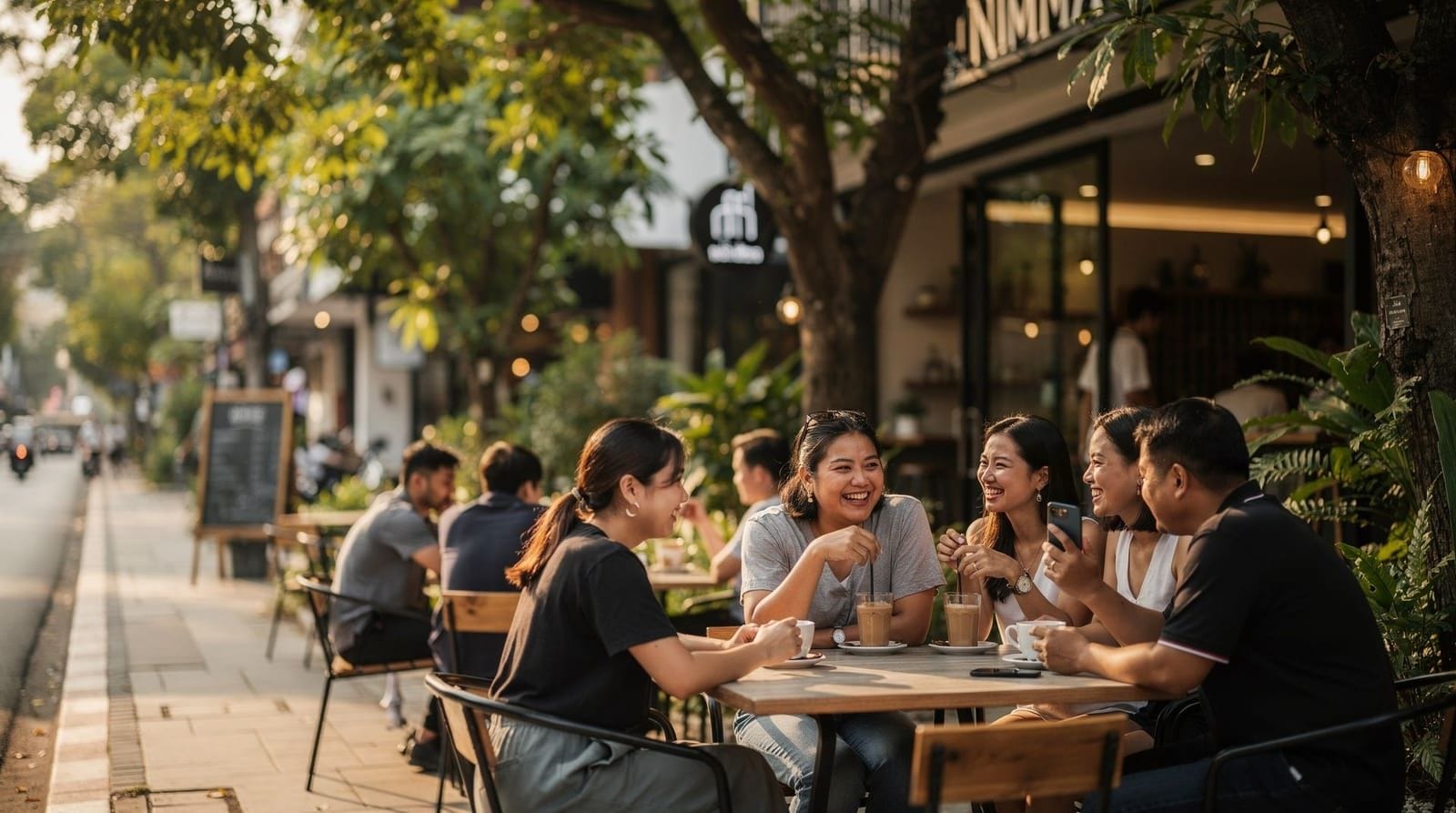
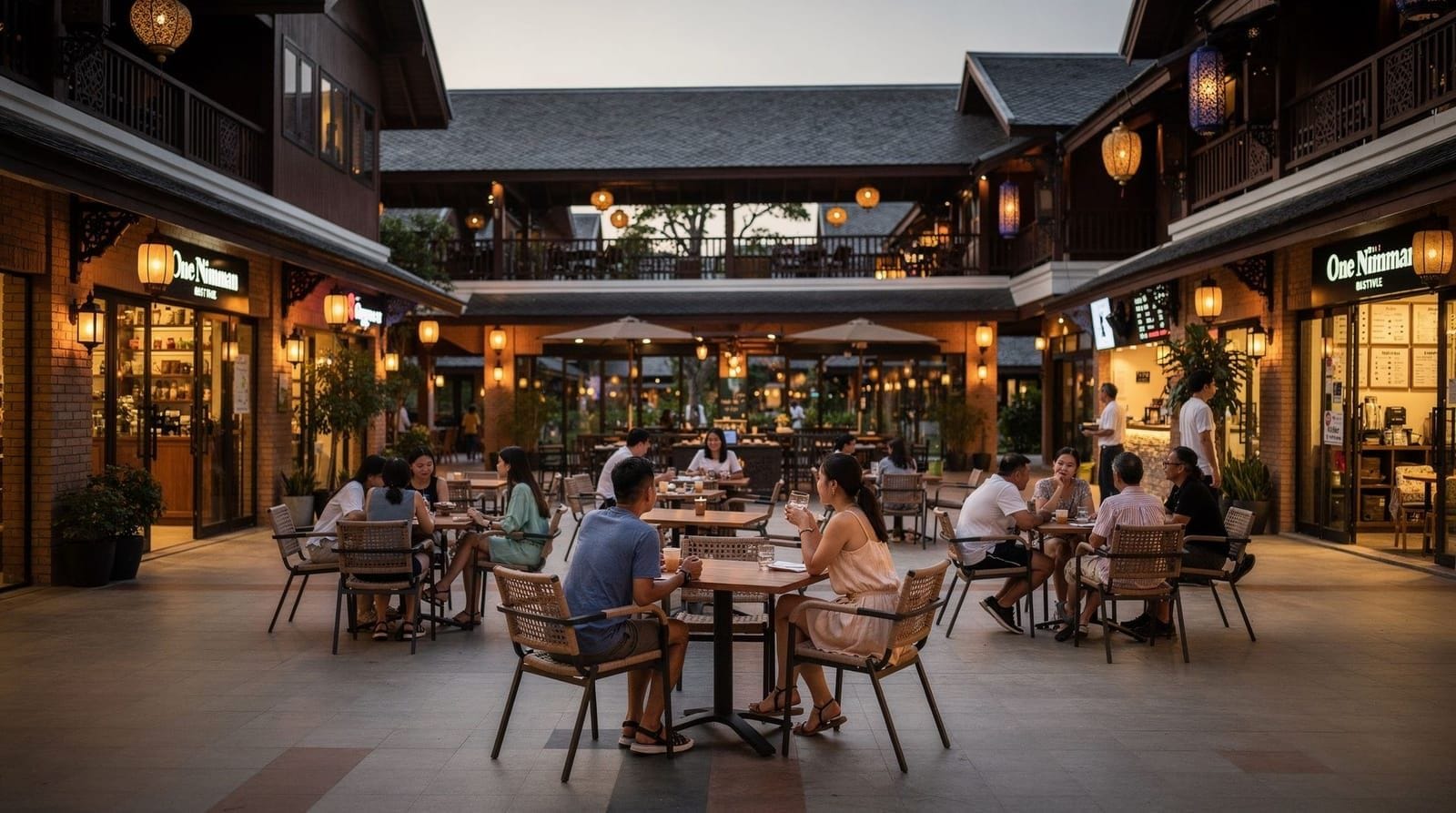
Chiang Mai has several large, fully air-conditioned malls that function as genuine rainy-day refuges rather than just a shopping errand. Central Festival and MAYA Lifestyle Shopping Center both combine retail, a cinema, and a substantial food court, making either a reasonable multi-hour indoor plan on a washed-out afternoon. Closer to Nimmanhaemin, One Nimman’s covered walkways and surrounding cafés offer a smaller-scale, more design-focused version of the same idea, useful if you’d rather browse independent shops than a chain mall.
Indoor option: a Muay Thai fight night
A stadium Muay Thai fight night is a naturally covered, weather-independent evening activity, and Chiang Mai has a couple of stadiums running regular fight cards that continue regardless of what’s happening outside. It’s a legitimately good rainy-evening pivot for travelers who’d otherwise be walking a market or wandering a night bazaar, since the atmosphere (crowd noise, ringside energy) holds up just as well, arguably better, indoors during a downpour than it would in clear weather. See our Muay Thai fight nights guide for which stadiums run legitimate, well-regarded cards versus more tourist-oriented, lower-quality shows.
Markets still mostly work, just with an asterisk
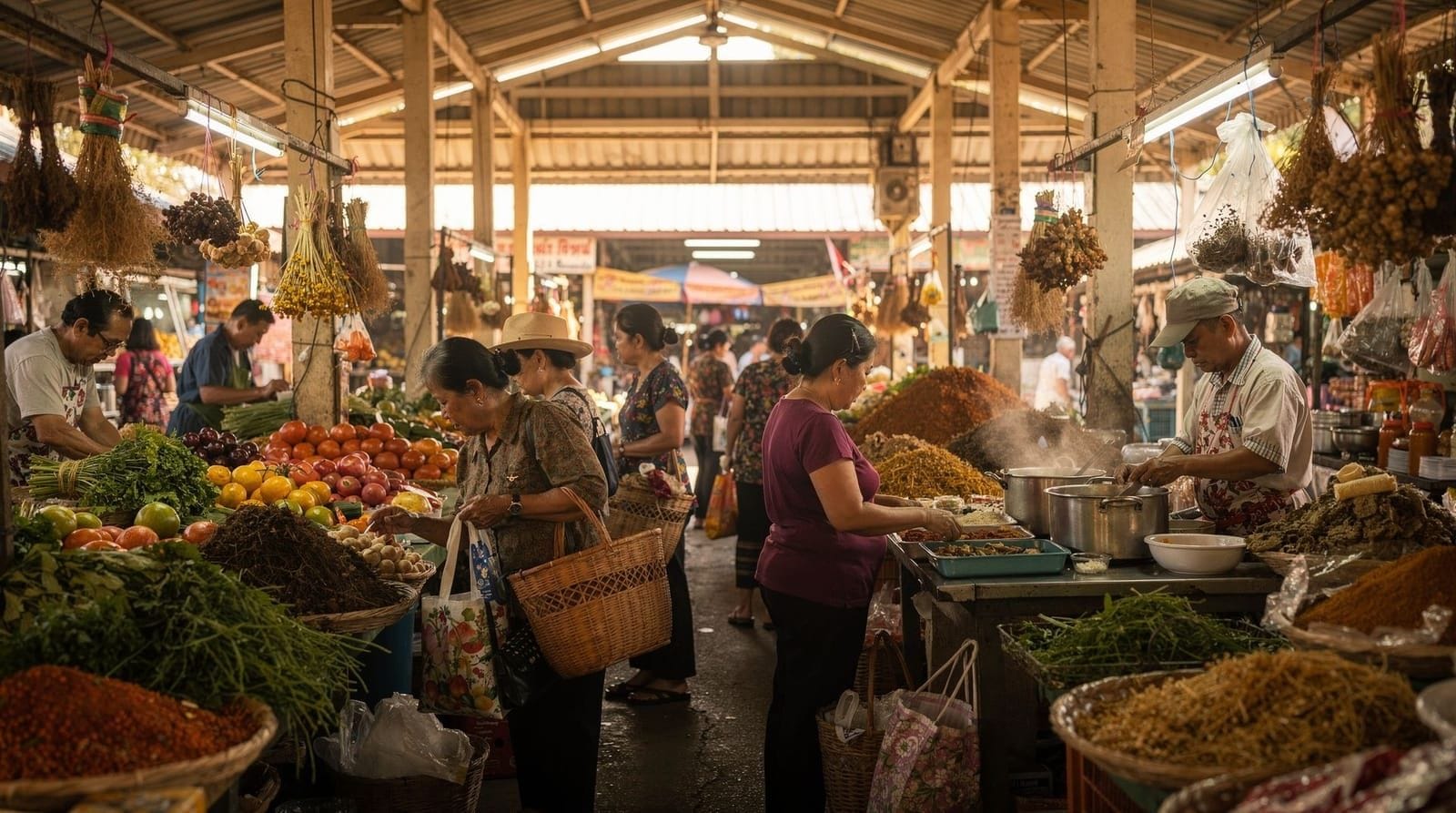
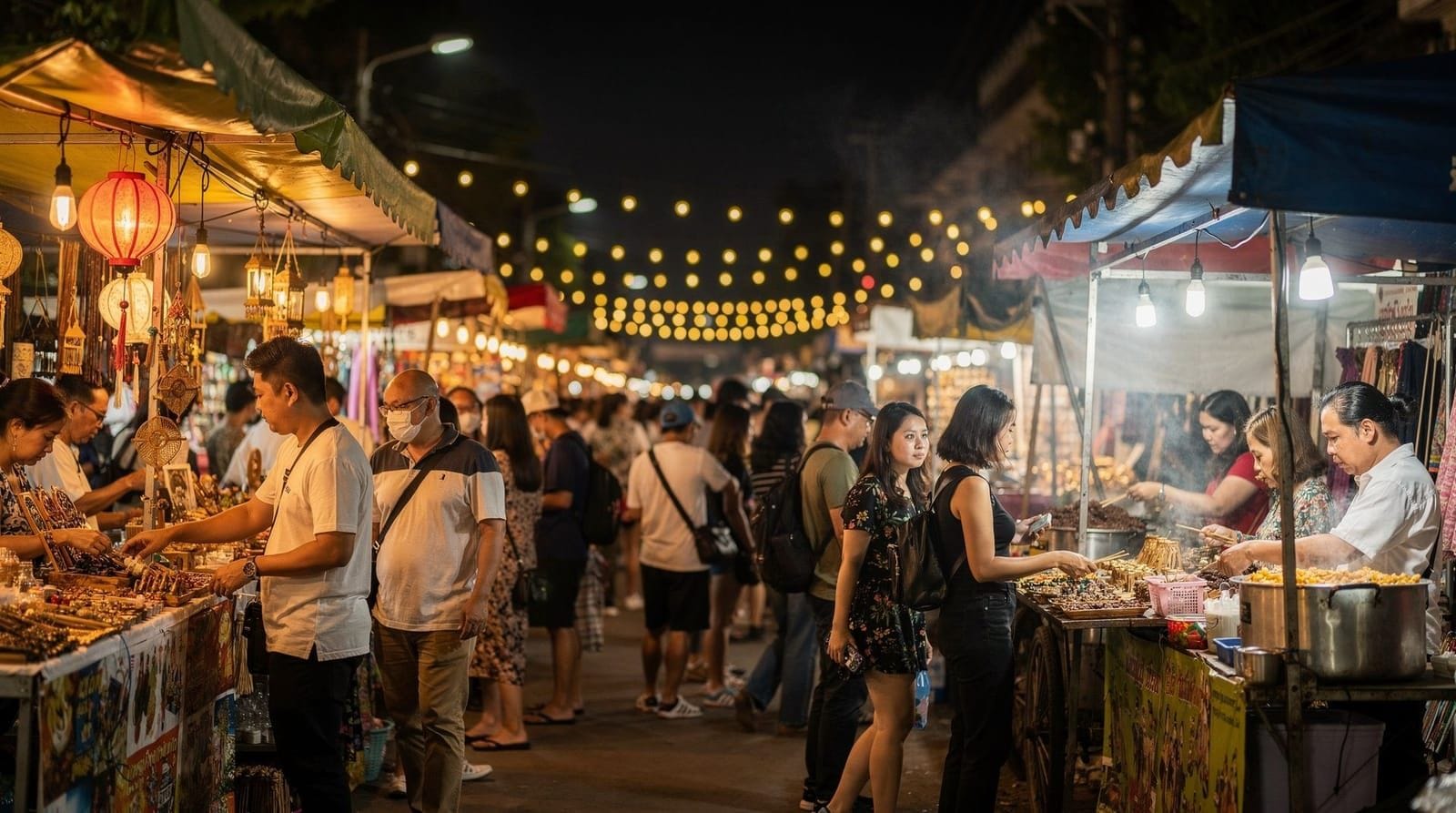
Warorot Market has extensive covered sections and keeps functioning through rain about as well as any market in the city, making it one of the better rainy-day market options if you want the market experience without getting soaked. Outdoor evening markets, including the Night Bazaar, thin out during an active downpour since vendors and shoppers duck under awnings and shopfronts until it passes, but they don’t fully shut down, and things typically pick back up within the hour once the rain clears. If a specific market visit matters to your trip, checking that day’s forecast for the likely rain window and timing your visit around it (rather than avoiding markets during rainy season altogether) is the more useful strategy.
Temples: a workable middle ground
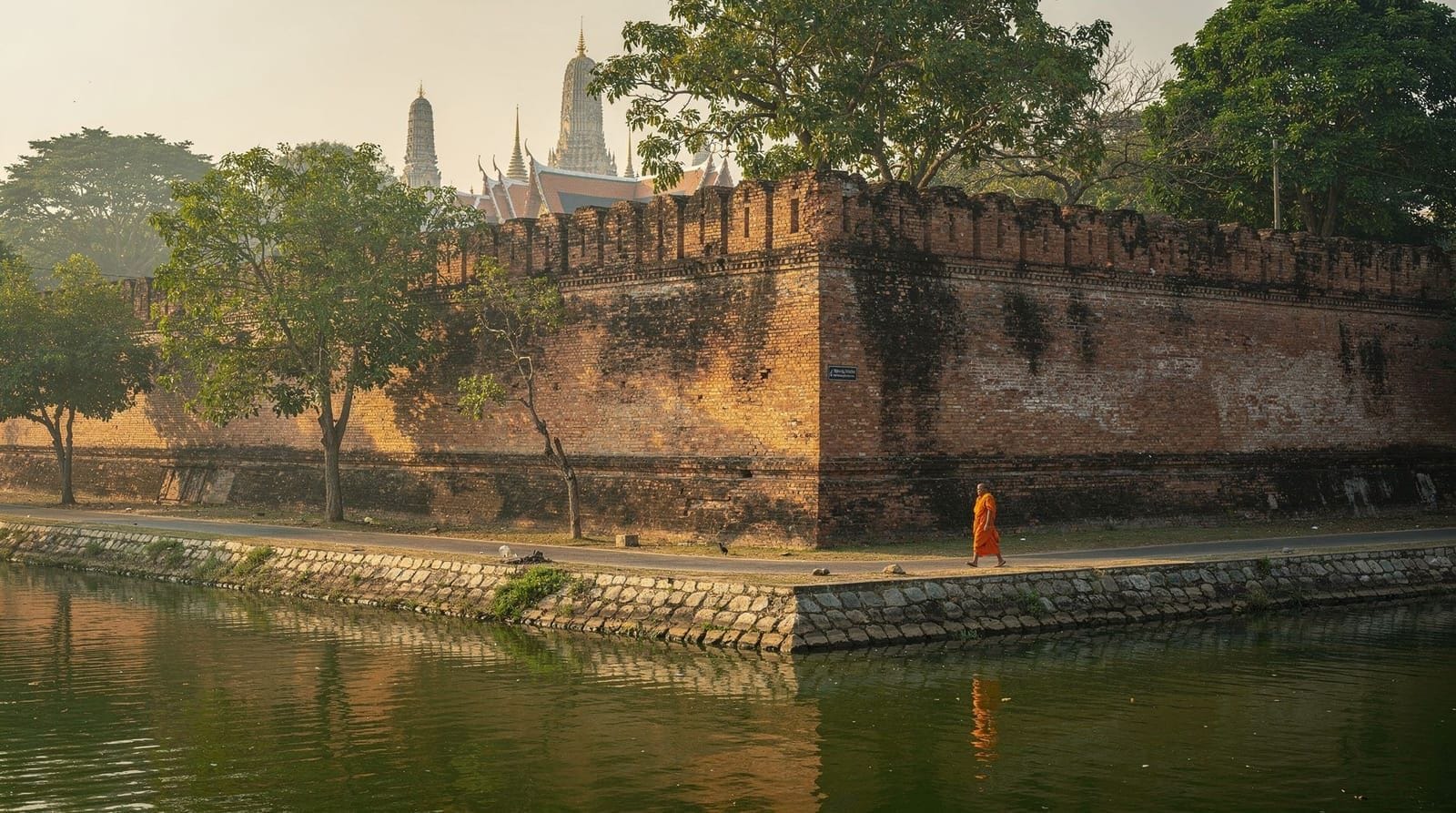
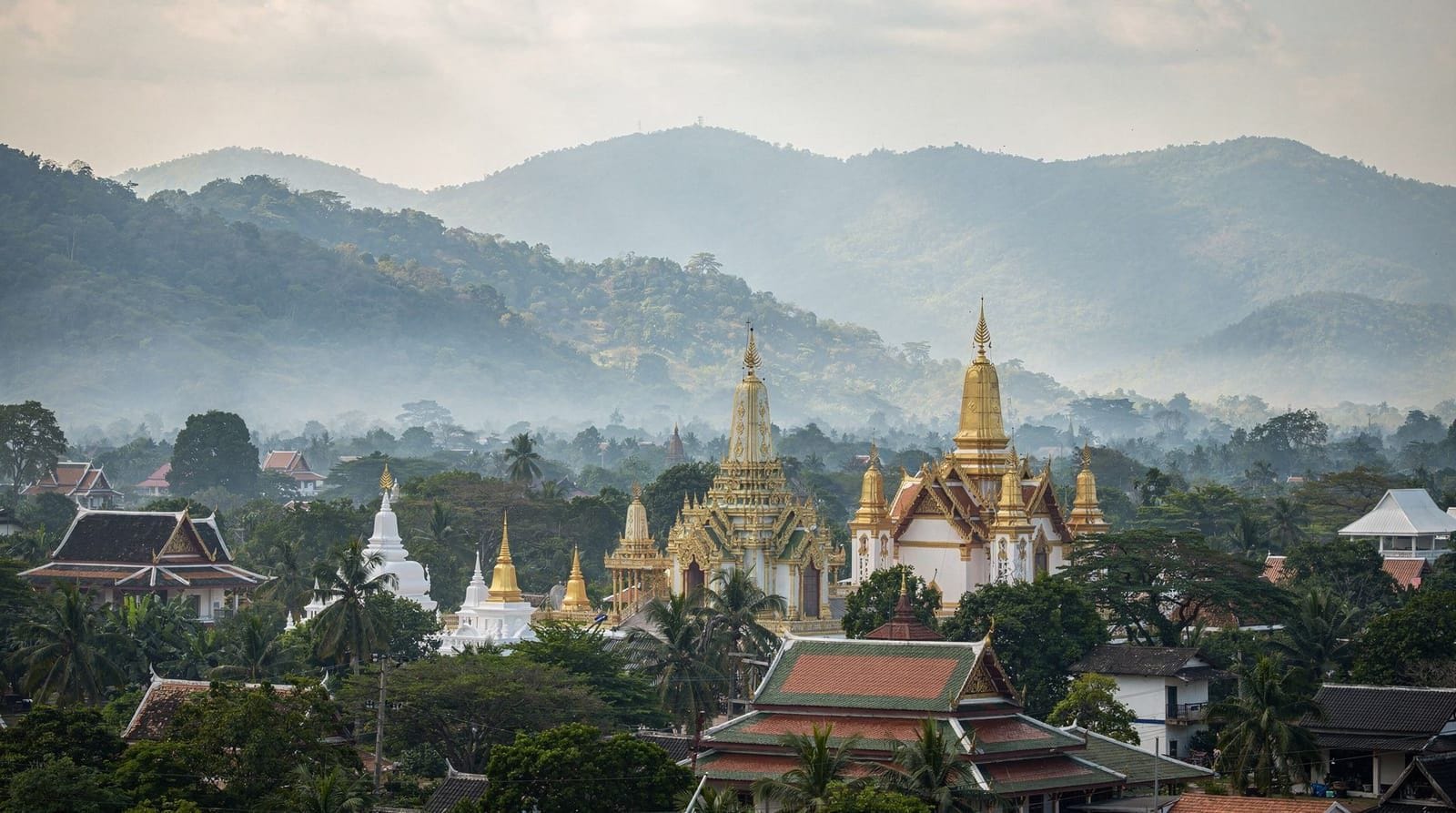
Temple visits during rain aren’t ideal, since much of the appeal is the outdoor grounds and courtyards, but most Old City temples have covered viharns (the main prayer halls) that stay fully usable during a downpour, and ducking between covered buildings works reasonably well if you’re already out and get caught by rain. Wat Chedi Luang’s main viharn and Wat Phra Singh’s Lai Kham hall both have deep, covered porches you can wait a shower out under while still looking at the architecture and woodwork rather than standing under a shop awning doing nothing. It’s not the recommended way to plan a temple visit specifically, but it’s a reasonable fallback if you’re mid-sightseeing when the sky opens rather than a reason to write off the whole outing.
What locals do differently during rainy season
Long-term residents plan around the rain rather than avoiding it, which is a useful mindset shift for visitors too. Errands, market shopping, and outdoor exercise cluster into the morning hours; afternoons are treated as a natural break for coffee, lunch somewhere covered, or indoor work, with the assumption that a downpour will hit at some point. Motorbike riders, who make up a large share of local traffic, watch the sky and darkening cloud banks over the mountains to the west, which tend to signal an incoming storm 20-30 minutes out, giving enough warning to reach cover. Adopting the same rhythm as a visitor, rather than treating every cloudy sky as a reason to retreat indoors preemptively, gets more genuine outdoor time out of a rainy-season trip.
Building a realistic rainy-season day
The most reliable approach during rainy season is a split day: outdoor sightseeing in the morning, when skies are most often clear, and an indoor option held in reserve for the afternoon or evening, when the day’s downpour is statistically most likely. If the rain arrives on schedule, you’ve already gotten your outdoor time in and can shift straight to the cooking class, spa session, or mall without feeling like the day was cut short. If it doesn’t rain that particular day, the indoor plan simply becomes an evening activity instead of an emergency pivot, which is a reasonable outcome either way. For a broader framework on prioritizing a single day’s highlights regardless of season, see Chiang Mai in one day, and for low-cost options that also work well as rain fills gaps in a day, see our best free things to do in Chiang Mai guide, since several free stops (covered temple halls, covered market sections) double as rain shelters.
None of this requires treating rainy season as a compromise trip. Booking a cooking class or spa afternoon for a day that already looks likely to bring heavy rain, based on that morning’s forecast, rather than treating it purely as a fallback for whenever the weather happens to turn, tends to produce a smoother, less frustrating trip overall than trying to force outdoor plans through a downpour and hoping for the best.
What to pack for rainy season
A compact umbrella or a light packable rain jacket covers most situations; heavy rain gear is unnecessary given how warm it stays even during downpours. Waterproof or quick-drying shoes matter more than most visitors expect, since low-lying streets in parts of the Old City and around the moat can develop temporary standing water during the heaviest bursts, and wet leather shoes take days to dry out in the humidity. A dry bag or a simple waterproof phone pouch is worth having if you’re out sightseeing, since a sudden downpour gives very little warning once the clouds finally break.
Quick-drying synthetic clothing is worth prioritizing over cotton for this specific season, since humidity levels stay high enough that cotton can take a full day or more to dry out fully once wet, whereas synthetic or technical fabrics dry within a few hours even indoors. If you’re renting a scooter or motorbike, a poncho that fits over both rider and daypack is more practical than an umbrella, and most rental shops either provide one or can point you to a nearby convenience store that sells cheap disposable ponchos, which locals buy by the dozen during the season rather than investing in permanent rain gear.
Rain and photography
If photography matters to your trip, rainy season isn’t the setback it might seem. The hour just after a downpour clears often produces the clearest air and most dramatic light of the entire visit, since the rain temporarily washes dust and haze out of the atmosphere, something dry-season Chiang Mai, especially close to burning season, rarely offers. Temple courtyards with wet stone underfoot and dramatic storm-cloud backdrops photograph differently, and often better, than the flat, hazy light common during the hottest and driest months. Waiting out a shower under cover with your camera ready for the fifteen minutes after it clears is a genuinely useful habit for this season specifically.
Frequently asked questions about rainy days in Chiang Mai
How long does rain usually last in Chiang Mai?
Typically 30 minutes to two hours, often in the late afternoon or evening, with intense intensity but a clear end. All-day continuous rain does happen, especially during the peak of the wet season in August and September, but it’s the exception rather than the norm.
Is Chiang Mai’s rainy season the same as burning season?
No, and mixing the two up leads to bad planning. Rainy season runs roughly June through October, bringing monsoon downpours and lush, green landscapes. Burning season runs roughly February through April, a completely separate dry-season period with smoke haze and no rain involved.
What indoor activities are best when it’s raining in Chiang Mai?
A cooking class held in a covered kitchen pavilion, a spa or massage treatment, a visit to one of the city’s shopping malls, a museum, or an evening cultural dinner show under cover are all reliable rainy-day options that don’t depend on the weather clearing up.
Do markets shut down when it rains?
Rarely entirely. Warorot Market has substantial covered sections and keeps running through rain. The Sunday and Saturday walking streets thin out noticeably during an active downpour, but vendors and shoppers typically wait it out rather than the market shutting down.
Should I avoid visiting Chiang Mai during rainy season?
Not necessarily. Rainy season brings lower hotel prices, thinner crowds at temples and Doi Suthep, and a genuinely lush, green landscape that dry season doesn’t have. If your schedule is flexible and you build indoor backups into any given day, rainy season is a reasonable time to visit.
Can I still do outdoor sightseeing during rainy season?
Yes, most days. Since downpours tend to be short and often predictable by time of day, planning outdoor temple visits or market walks for the morning and keeping the afternoon flexible for an indoor option is a workable strategy.
What should I pack for rainy season in Chiang Mai?
A compact umbrella or a light rain jacket, waterproof or quick-drying shoes rather than anything leather, and a dry bag or waterproof pouch for your phone and camera. Streets can flood briefly in low-lying areas during the heaviest downpours.