Chiang Mai in rainy season: what to expect (June-October)
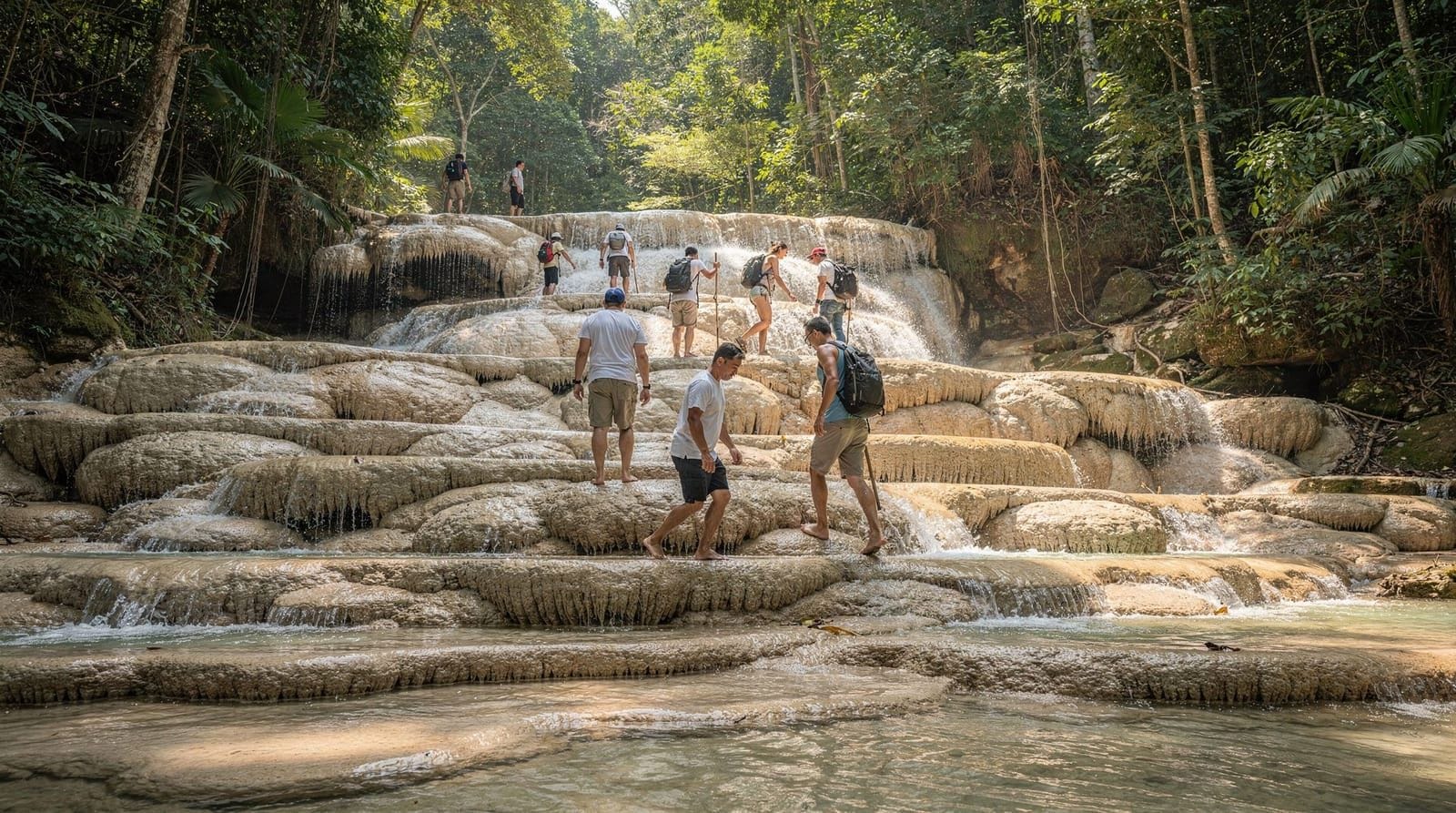
Climb Sticky Waterfall Like Spiderman from Chiang Mai City
Is Chiang Mai's rainy season worth visiting?
Yes for most travelers. June through October brings lush green landscapes, the year's fullest waterfalls, noticeably thinner crowds, and hotel prices commonly 20-40% below cool-season peaks. Rain typically falls as an intense but short afternoon downpour rather than an all-day washout, though September's peak rainfall can bring occasional localized flooding.
Rainy season has an image problem. The word alone conjures up a washed-out trip spent watching sheets of rain from a guesthouse window, and that image keeps a meaningful number of travelers away from what is, for a specific kind of trip, one of Chiang Mai’s more rewarding windows. The reality, from June through October, is considerably more livable than the name suggests: a typical day brings sun through the morning, an intense but limited afternoon downpour, and clearing skies by evening, layered on top of the year’s greenest scenery, its fullest waterfalls, and its lowest prices.
None of this is to say rainy season is flawless or suits every trip. September in particular can bring genuinely heavy, sustained rain and occasional localized flooding, and a handful of muddy trekking routes near the hill-tribe areas do become less appealing or temporarily close. But for travelers prioritizing value, quieter temples and markets, and dramatically greener landscapes over a guarantee of unbroken sunshine, this season deserves a more serious look than the word “monsoon” tends to earn it.
What a typical rainy-season day actually looks like
The single most important thing to understand about Chiang Mai’s rainy season is the shape of a typical day, since it differs sharply from a steady, all-day drizzle. Mornings are commonly sunny or partly cloudy, often the clearest, most comfortable part of the day, making it the best window for outdoor sightseeing, temple visits, or a morning trek. Cloud tends to build through the early afternoon, and the rain itself, when it comes, usually arrives as a genuinely intense downpour rather than a light shower, sometimes accompanied by thunder, lasting anywhere from thirty minutes to a few hours before clearing. Evenings frequently settle back into dry, cooler conditions, pleasant for a night market visit or dinner outdoors.
This pattern holds most consistently in June, July, and October, the gentler edges of the season, and becomes less reliable during the August-September peak, when multi-hour or, occasionally, full-day rain events do happen. Planning outdoor activities for the morning and keeping afternoons flexible for indoor alternatives, a cooking class, a museum, a spa, is the single most useful scheduling habit for this season, and it applies almost regardless of which specific rainy-season month a trip falls in.
Month by month through the season
June opens the season gently, often with rainfall totals closer to the tail end of hot season than to the peak monsoon months, and daytime temperatures still comfortably warm without hot season’s harshest extremes. July continues in a similar vein, generally predictable afternoon rain with plenty of dry, sunny stretches around it. August marks a step up in both rainfall frequency and intensity as the season builds toward its peak, though mornings remain reliably usable for sightseeing more often than not. September is typically the wettest month of the entire year by total rainfall, the point at which multi-day rain events and localized flooding in low-lying parts of the city are most likely, and the month where checking a short-term forecast day to day pays off the most. October eases considerably from September’s peak, with rainfall tapering off through the month and the transition toward cool season’s clearer skies becoming noticeable by the final week or two. Full temperature and rainfall figures for each month are in our weather by month guide.
Why rainy season has real upsides
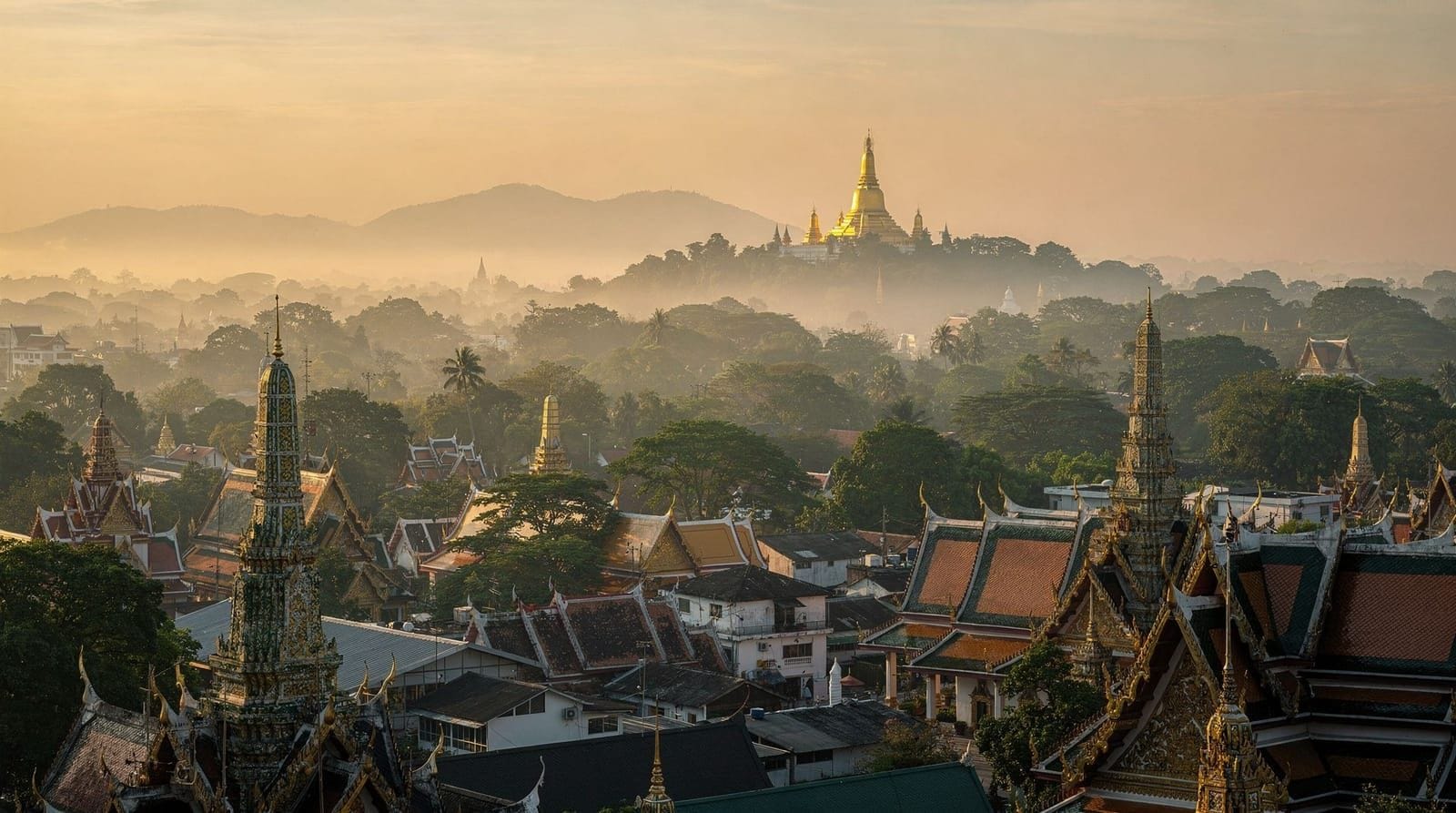
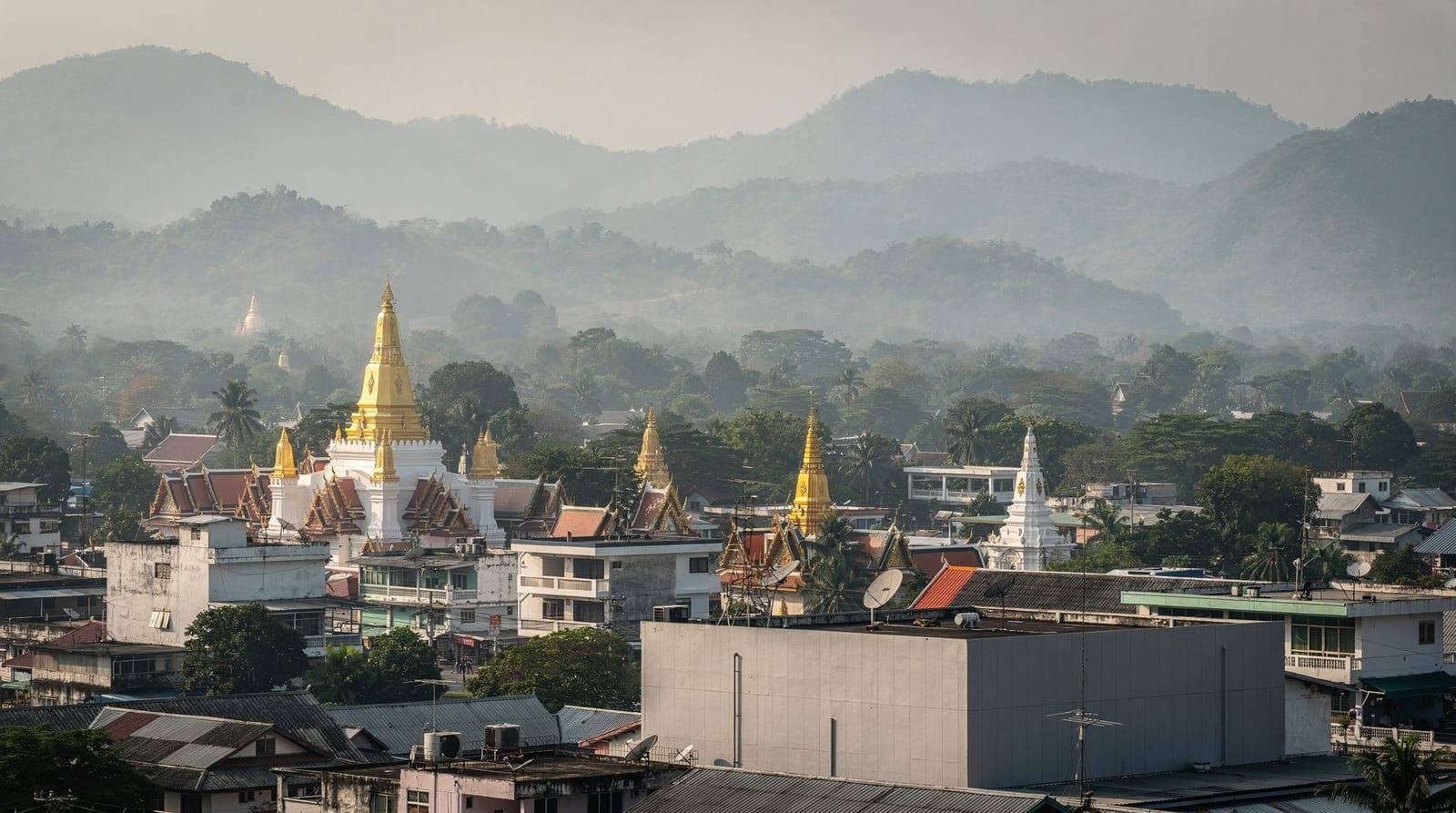
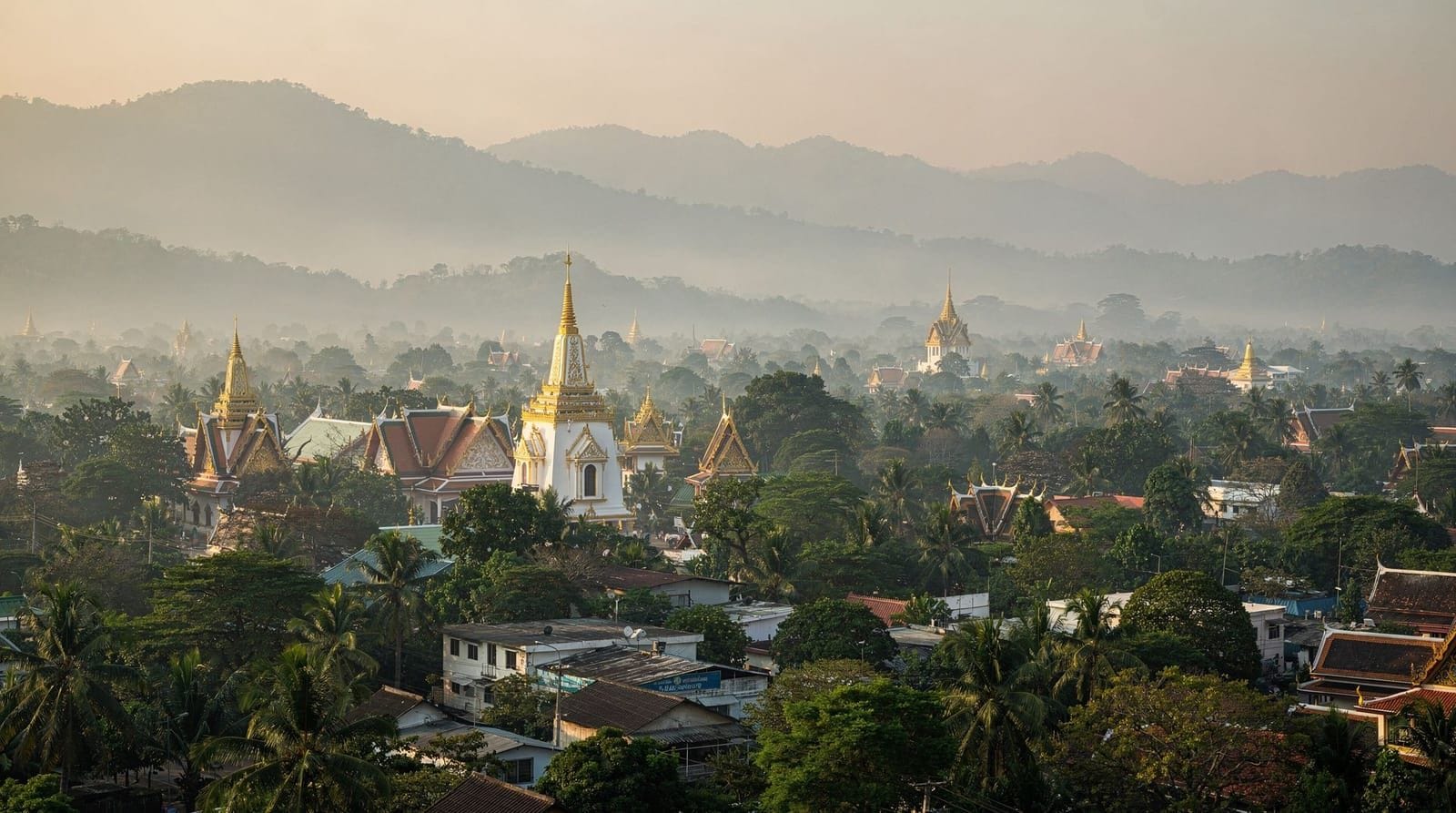
The most visible upside is scenery. Northern Thailand’s hills and valleys turn a genuinely deep, saturated green during rainy season that neither the dusty hot season nor the drier cool season quite matches, and the region’s waterfalls run at their fullest and most photogenic. Bua Thong’s Sticky Waterfalls, the falls around Mae Sa Valley, and the routes within Doi Inthanon National Park all look noticeably more dramatic with the additional water volume rainy season brings, and our waterfalls guide covers the full ranked list.
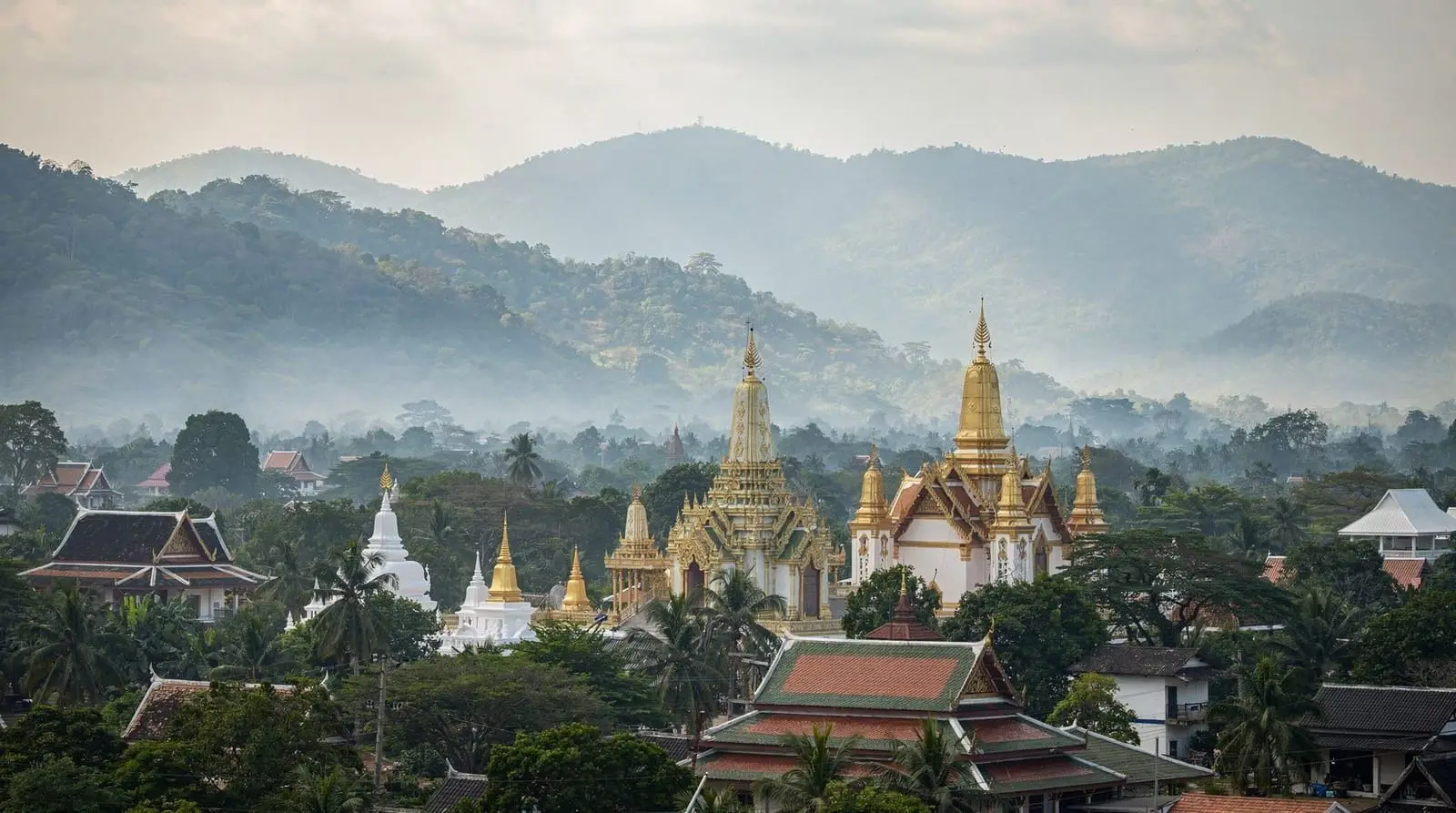
Crowds thin out considerably compared to the November-February peak, which shows up everywhere from shorter queues at major temples to easier same-day bookings for popular cooking classes and elephant sanctuary visits. Prices follow the same pattern: hotel rates commonly drop 20-40% below cool-season peaks, and this is genuinely one of the best windows for travelers prioritizing value over guaranteed sunshine. Rice paddies across the valley, particularly visible on drives toward Mae Rim or the Mae Sa Valley, turn a vivid green during the growing season that photographs beautifully and gives the countryside a texture entirely different from the browner, drier look of March and April.
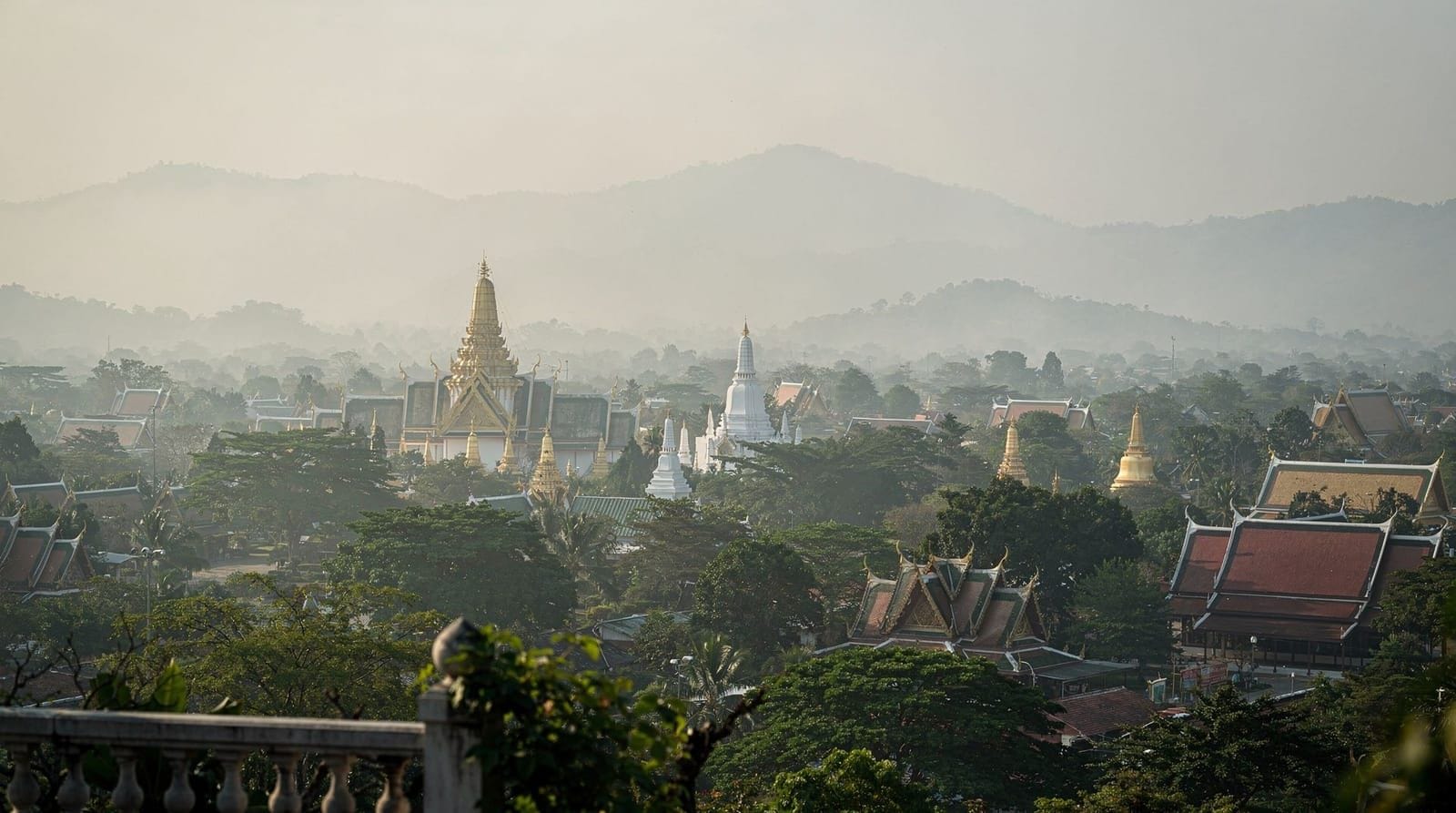
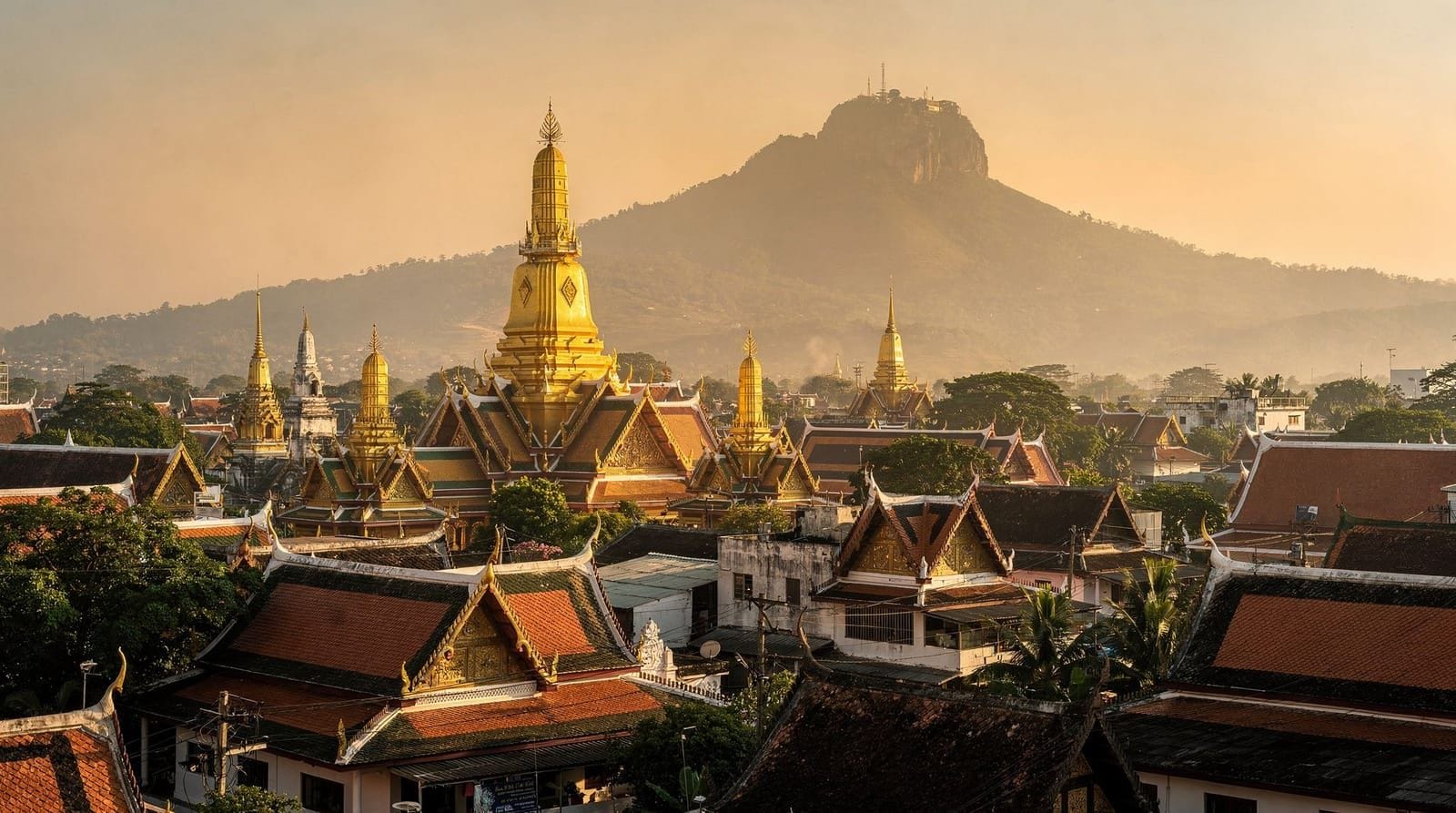
Air quality is also at its best during this stretch of the year, a genuine and often overlooked upside given the concerns covered in our burning season guide. The same rain that soaks the afternoon also washes particulate matter out of the air, meaning rainy season delivers some of the clearest, most photogenic mountain views of the entire year on its better days, a sharp contrast to the haze that can obscure the same viewpoints during March and April. For anyone who has previously visited during burning season and left disappointed by hazy views from Doi Suthep or Mon Cham, a rainy-season return trip can feel like seeing an entirely different, more vivid version of the same landscape.
Book the Sticky Waterfalls experience if the rainy-season boost to water volume and greenery is a specific draw, since the falls’ natural mineral-coated rock stays climbable even with the higher flow.
The honest downsides
September’s peak rainfall genuinely can disrupt plans, with localized street flooding possible in lower-lying parts of the city and around some rural roads, and a small number of trekking routes near the hill-tribe villages becoming muddier or occasionally closing after the heaviest rain. Outdoor activities booked without a flexible schedule carry more risk of a washout during this specific month than at any other point in the year. Humidity climbs through the season as well, generally higher than either cool or hot season, which some travelers find more physically tiring even at similar or slightly lower temperatures. A small subset of remote guesthouses and homestays in the hill-tribe trekking areas close temporarily during the worst weeks of the season, so it’s worth confirming availability directly rather than assuming everything operates on a year-round schedule.
What still works well in the rain
The good news is that the large majority of Chiang Mai’s core activities are entirely unaffected by rainy season, or affected only marginally. Cooking classes run in covered or air-conditioned kitchens regardless of weather. Temple visits within the Old City are easily timed around a morning window before the typical afternoon downpour. Spa and massage visits are, if anything, a more appealing way to spend a rainy afternoon than a forced outdoor plan. Night markets like the Night Bazaar mostly operate under cover or with awnings and continue through light rain, though a genuinely heavy downpour can thin out stalls and shoppers for its duration. Elephant sanctuary visits continue through the season as well, and some travelers specifically prefer this window since the animals’ preferred mud wallows and the surrounding vegetation both look their best with the extra rain.
Khao Phansa and the rhythm of rainy-season Buddhism
Rainy season carries its own cultural marker that many visitors miss entirely: Khao Phansa, often translated as Buddhist Lent, which begins in July and marks the start of a traditional three-month period during which monks commit to remaining within a single temple rather than traveling, historically timed to avoid trampling rice shoots during the planting season. Temples across Chiang Mai, including the major ones within the Old City, mark the occasion with candle processions and merit-making ceremonies, and it’s a period when temple visits can carry a slightly different, more devotional atmosphere than the more tourist-oriented energy of peak season. It isn’t a major tourist draw on the scale of Yi Peng or Songkran, and there’s no need to plan a trip specifically around it, but travelers who happen to be in the city in mid-July will often notice the shift, quieter temple courtyards, additional candle offerings, and a slightly more contemplative rhythm to daily temple life through the following months.
Health and comfort practicalities
A few practical health considerations are worth flagging honestly for this season specifically. Mosquito activity increases with the standing water that follows heavy rain, and while Chiang Mai itself is a lower-risk area for mosquito-borne illness than many parts of Thailand, a reasonable repellent with DEET or picaridin is a sensible addition to a rainy-season packing list, particularly for early morning or evening outdoor time. Humidity tends to run higher than in either cool or hot season even at broadly similar temperatures, which some travelers find more physically tiring over a long day of sightseeing than the numbers alone suggest, so building in a midday rest or an air-conditioned break is a reasonable habit during this stretch. Footwear that dries quickly and doesn’t retain water is worth prioritizing over anything that takes hours to dry out after a single downpour, since a soggy shoe that never fully dries between showers becomes its own minor daily annoyance on a longer trip.
Photography considerations
Rainy season rewards a specific kind of photography that the drier seasons can’t quite match. The combination of dramatic storm clouds, saturated greens, and the occasional post-rain rainbow over the hills produces some of the most visually striking light of the entire year, particularly in the hour or two after a downpour clears when the air is freshly washed of dust and haze. Golden hour light, when it breaks through clearing clouds, tends to be more dramatic than the flatter, haze-softened light common during parts of hot season. The trade-off is less predictability: a shoot planned around a specific sunset or viewpoint carries real risk of being rained out, so photographers visiting during this season generally do best building in extra time and backup dates rather than planning around a single make-or-break shot.
Who this season suits best
Budget-conscious travelers get the clearest benefit, since accommodation, and to a lesser extent some tour pricing, drops meaningfully below cool-season rates. Photographers and anyone drawn to lush, dramatic landscapes tend to prefer the results over the drier, dustier look of hot season. Travelers who dislike crowds will find rainy season the quietest stretch at nearly every major sight in the city. The season suits less well anyone with an inflexible day-by-day itinerary that depends on guaranteed clear weather, multi-day treks through remote hill-tribe areas without a backup plan, or travelers who find high humidity genuinely uncomfortable regardless of temperature.
Day trips during rainy season
Not every day trip handles heavy rain equally well, so it’s worth thinking through the region’s options with the season specifically in mind. Doi Inthanon, Thailand’s highest peak, actually gains something during rainy season: its waterfalls run fuller, its forest trails turn a richer green, and the higher elevation means cooler, mistier conditions that many visitors find atmospheric rather than a drawback, though the summit boardwalk trails can turn slippery underfoot after rain and the twin royal pagodas’ gardens look their most vivid this time of year. Pai remains a reasonable day or overnight trip through the season, though the winding mountain road can feel slower and warrants a bit more caution when wet, and the canyon viewpoint’s dramatic drop-offs are worth extra care on slick ground. Chiang Rai’s temple complexes, largely covered or with substantial roofed walkways, hold up well against a rain-affected day and lose relatively little of their appeal compared to outdoor-heavy alternatives. Multi-day treks into the hill-tribe areas are the day-trip category most affected by the season, since remote trails can turn genuinely muddy and a handful of routes pause temporarily during the worst weeks, so travelers set on trekking specifically during rainy season should book with an operator willing to discuss real-time trail conditions rather than a fixed, unchanging itinerary.
Planning a rainy-season trip well
The most effective approach is building loose flexibility into the schedule rather than fixed hour-by-hour plans, using mornings for the day’s main outdoor activity and keeping afternoons open for an indoor alternative if the rain turns heavy. Checking a short-range forecast each morning, rather than relying on a seasonal generalization, is genuinely useful given how much day-to-day variation exists within the season. Packing appropriately, a compact umbrella or light rain jacket, quick-dry clothing, and footwear that handles wet pavement, removes most of the season’s remaining friction. Our packing list guide covers this in more depth alongside packing considerations for the other seasons.
Booking accommodation with a flexible cancellation policy is a small extra precaution worth taking during the September peak specifically, given the slightly higher chance of a multi-day rain event disrupting travel plans compared to any other point in the season. None of this amounts to a reason to avoid the season; it’s simply the kind of practical, unglamorous preparation that turns rainy season from a source of anxiety into what it actually is for most travelers who try it: a quieter, greener, notably cheaper version of the same Chiang Mai trip.
Frequently asked questions about Chiang Mai’s rainy season
Does it rain all day during rainy season in Chiang Mai?
Rarely. The more typical pattern is a sunny or partly cloudy morning followed by an intense downpour, often lasting one to three hours, in the afternoon or early evening. Full-day rain does happen, particularly during the September peak, but it isn’t the norm across the season.
Which is the wettest month in Chiang Mai?
September typically records the highest total rainfall, with August and early October close behind. June and October sit at the gentler edges of the season with lighter, more predictable rain.
Is it safe to visit waterfalls during rainy season?
Yes, and rainy season is actually the best time to see them, since falls like Bua Thong’s Sticky Waterfalls and those around Mae Sa Valley run at their fullest and most dramatic. Some higher-flow falls do get stronger currents worth respecting, and a handful of trekking routes near Doi Inthanon can turn muddy or temporarily close after heavy rain, so it’s worth checking conditions the same week.
Are flights and roads disrupted during rainy season?
Rarely for flights; Chiang Mai International Airport operates normally through the season with only occasional, brief weather-related delays. Some rural roads, particularly toward remote trekking areas, can become temporarily difficult after the heaviest rain, but the main routes to Doi Suthep, Doi Inthanon, and Pai stay reliably passable.
How much cheaper is Chiang Mai during rainy season?
Hotel rates commonly run 20-40% below the November-January peak, and some properties discount further during the September-October trough. Tour prices for activities like cooking classes and elephant sanctuaries stay largely stable year-round, since they’re less weather-dependent than accommodation demand.
What should I pack for rainy season in Chiang Mai?
A compact umbrella or light rain jacket, quick-dry clothing, and water-resistant footwear or sandals that dry fast. A dry bag or waterproof phone pouch is genuinely useful for anyone out and about during the typical afternoon downpour window.