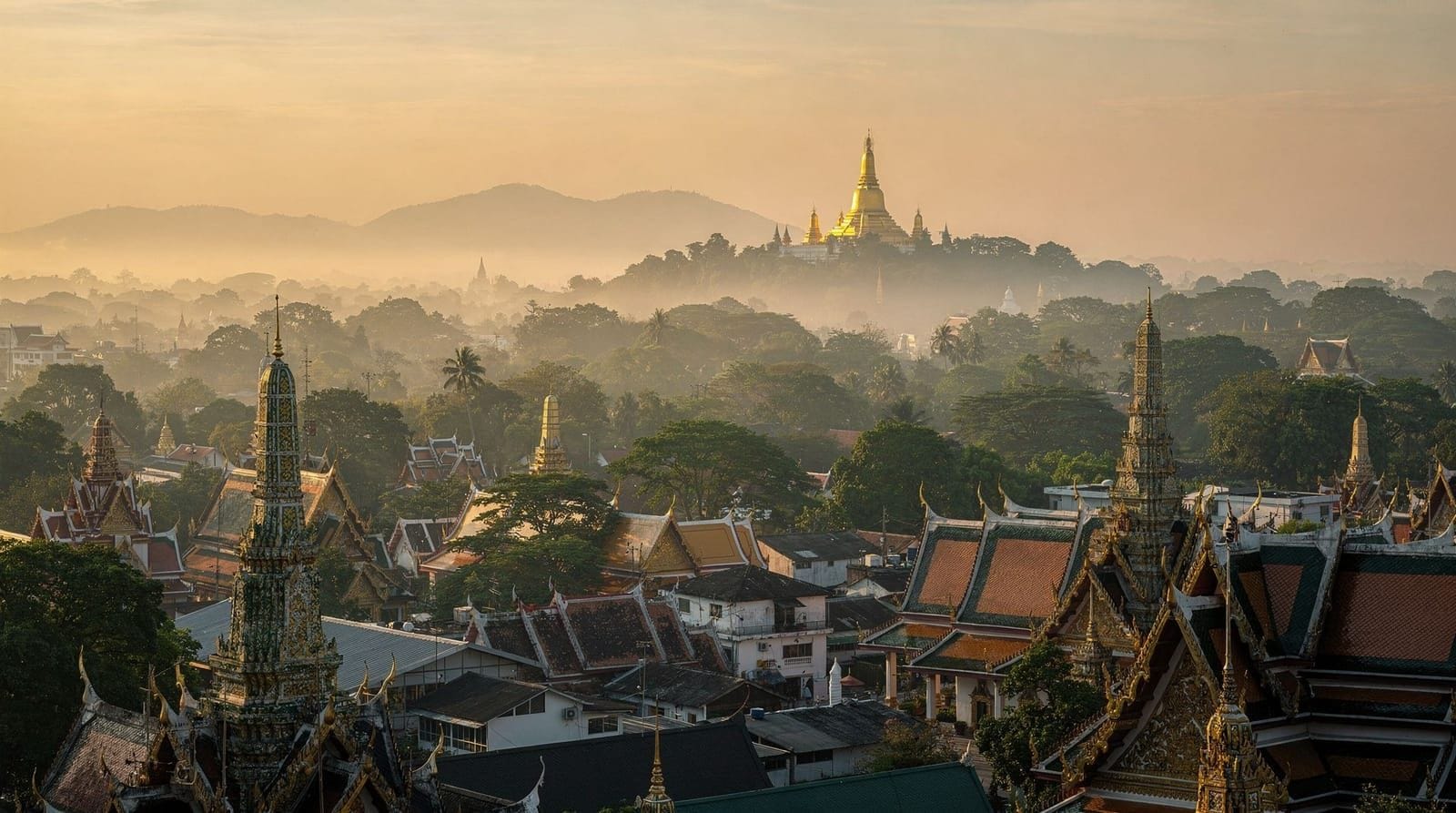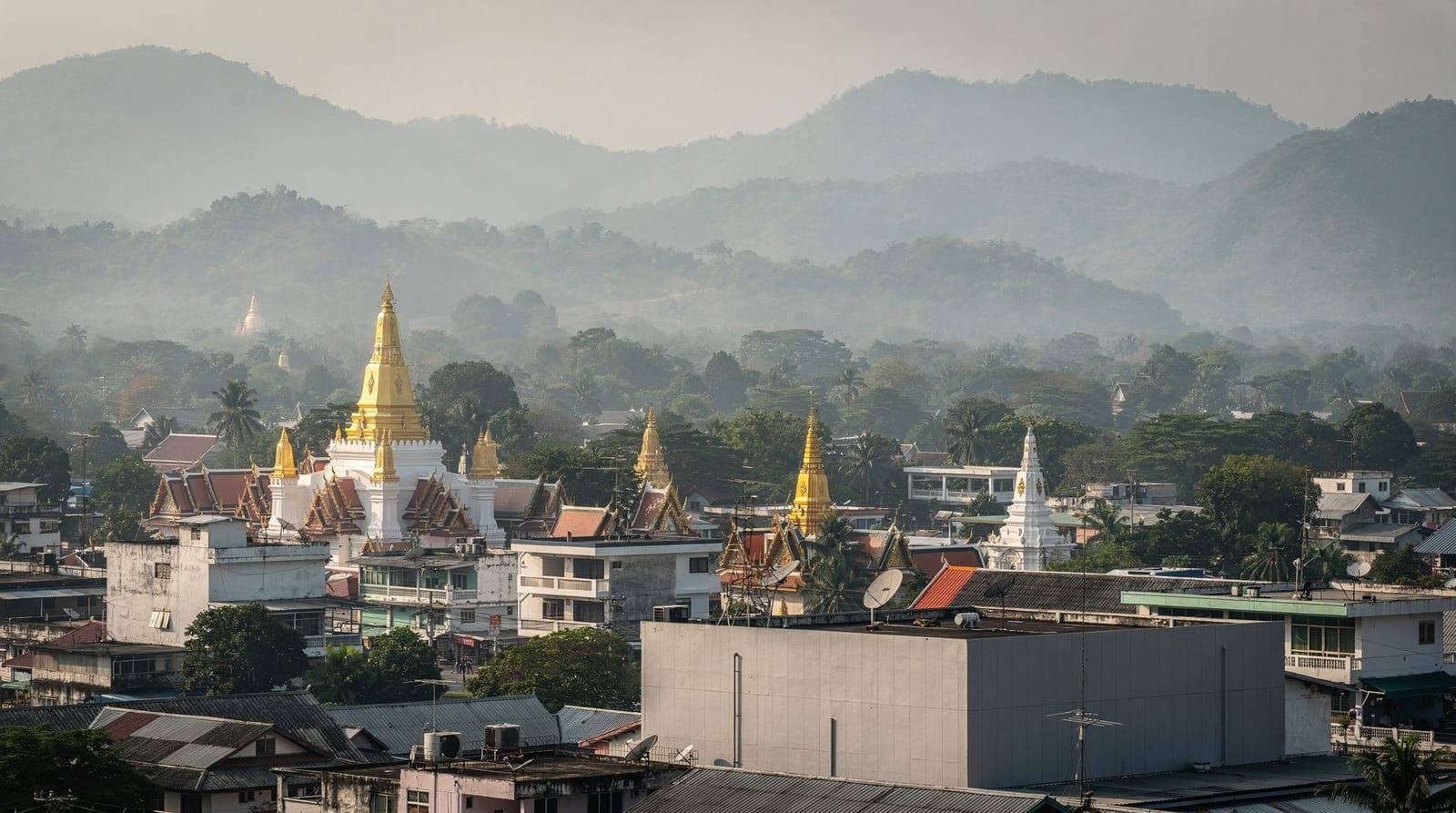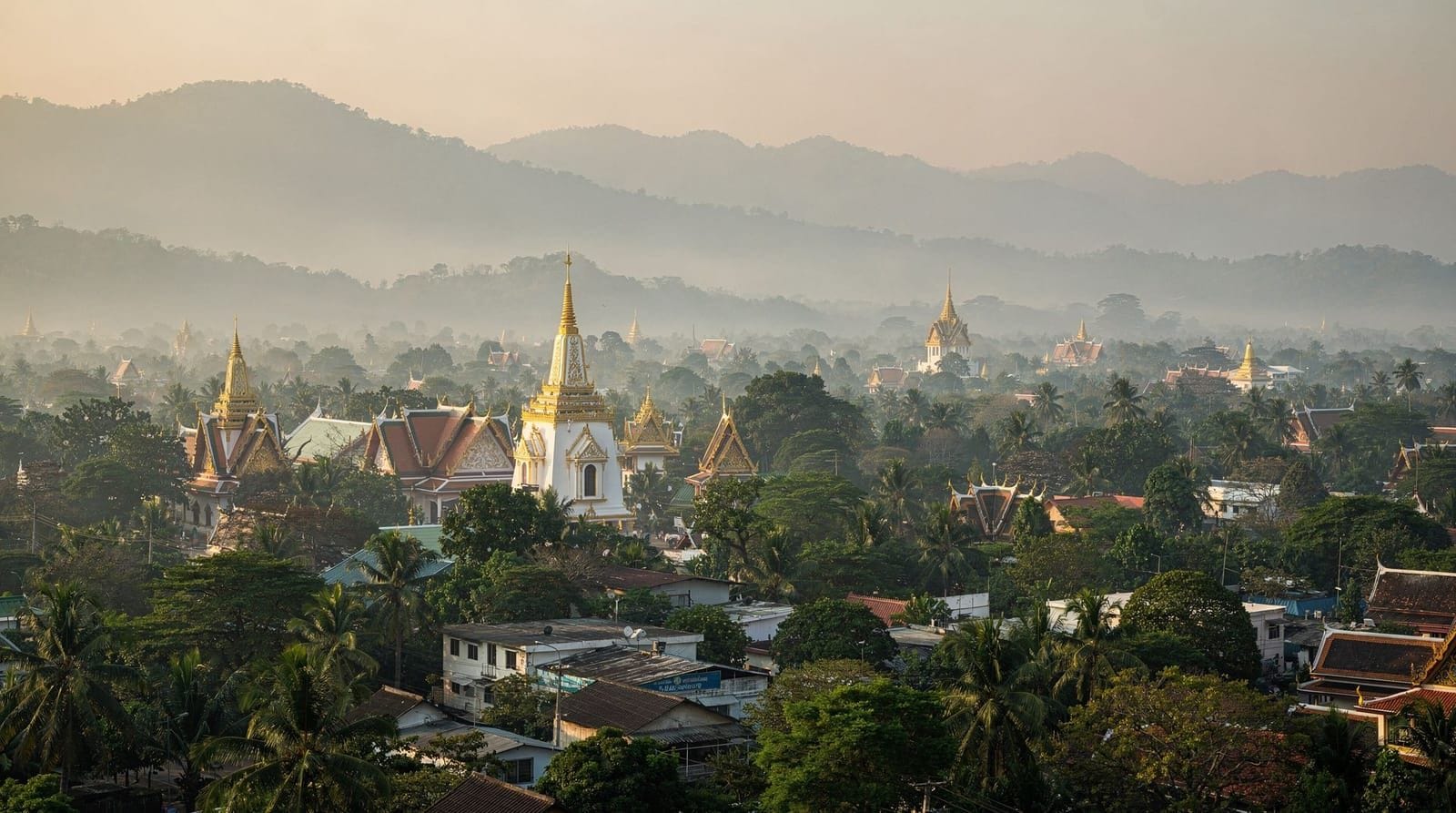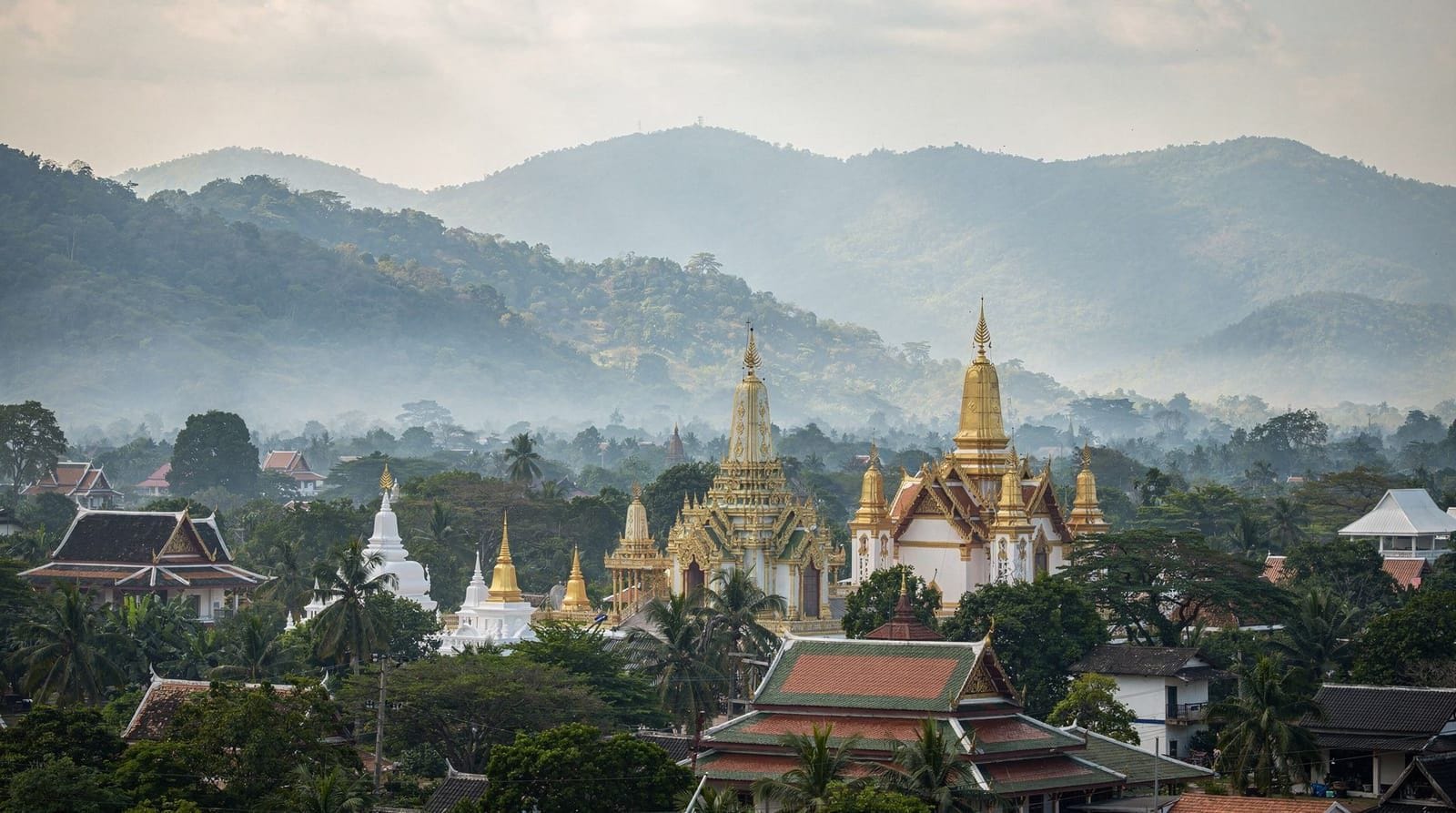
Chiang Mai in cool season: the November-February window
Chiangmai: Chiangmai Boxing Stadiums Ticket
What is cool season like in Chiang Mai?
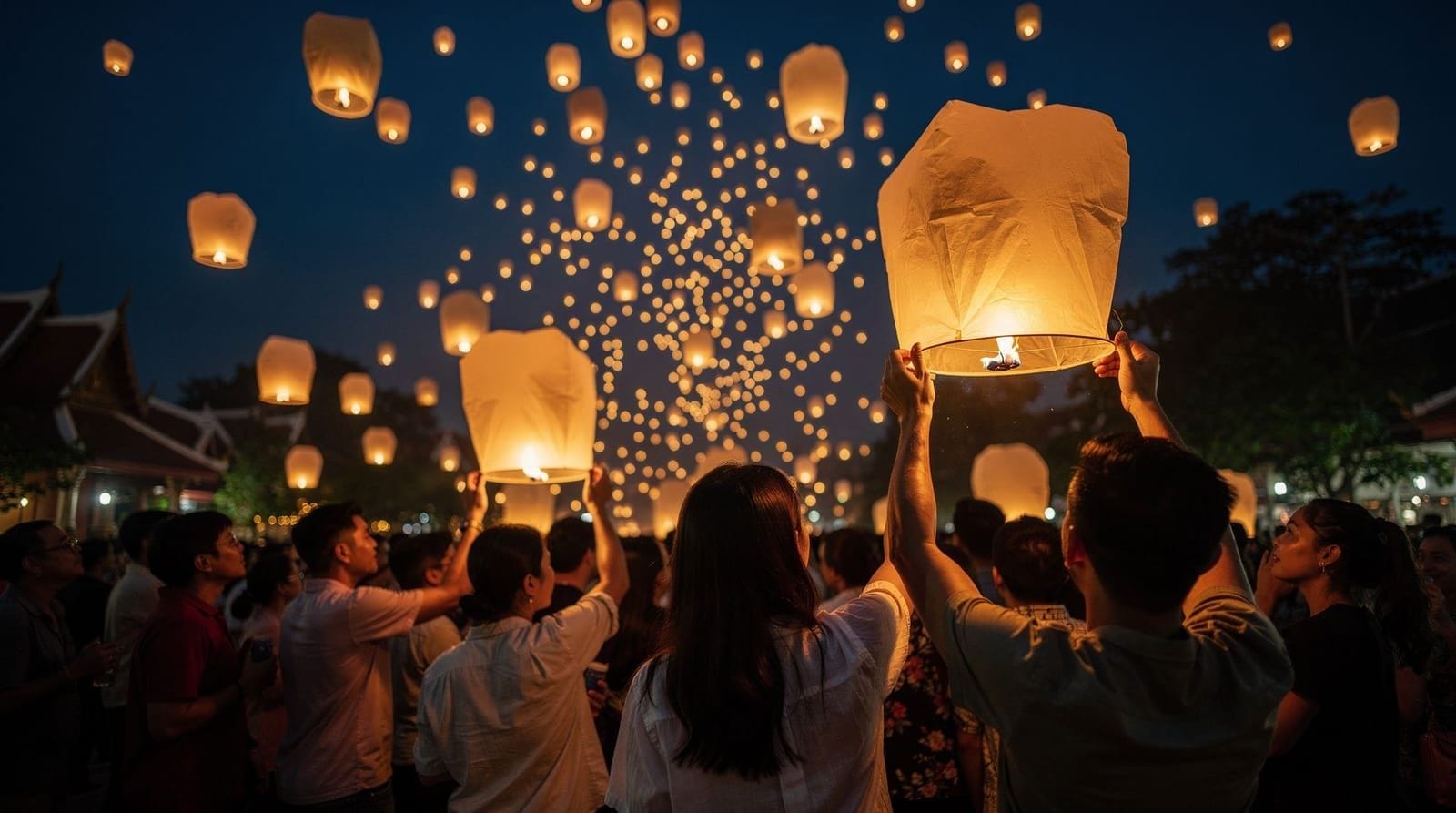
November through February brings Chiang Mai's most comfortable weather: low humidity, clear skies, daytime highs around 25-30°C (77-86°F), and cool evenings dipping to 13-18°C (55-64°F) in December and January. It's also peak season, meaning the highest crowds and hotel prices of the year, especially around the Yi Peng and Loy Krathong festivals in November and the Christmas-New Year period.
Cool season is Chiang Mai’s peak for a straightforward reason: it’s the only stretch of the year where genuinely comfortable weather and the city’s two biggest cultural events land in the same window. November through February brings low humidity, clear skies, and evening temperatures cool enough to justify a light jacket, a real departure from the heat of the rest of the year, alongside Yi Peng, Loy Krathong, and the Flower Festival.
The trade-off is equally straightforward: this is also the most crowded, most expensive season, and travelers who book without accounting for that can find themselves paying December-level prices for a guesthouse that costs half as much in June. This guide covers what cool season actually feels like month by month, what it costs, and how to plan around its busiest weeks without losing the appeal that makes it the top choice for so many visitors.
Why this season earns the “peak” label
Three factors combine to make November-February Chiang Mai’s clear high season. Weather is the foundation: humidity drops noticeably compared to the rest of the year, rainfall becomes rare, and daytime temperatures settle into a genuinely pleasant 25-30°C (77-86°F) range that makes walking tours, temple visits, and day trips comfortable in a way the hotter months don’t allow. Festivals stack directly on top of the best weather: Yi Peng and Loy Krathong in November draw visitors from around the world specifically for the lantern release and river-float ceremonies, and the Flower Festival in early February adds a second, smaller draw near the season’s end. Finally, this window aligns with Northern Hemisphere winter school holidays and the Christmas-New Year break, pulling in a wave of European and North American travelers on top of the region’s own domestic tourism peak.
Month by month through cool season
November is the season’s most dramatic month, opening with warm, still-transitioning-from-rainy-season conditions in the first week or two before settling into classic cool-season weather as the month progresses. Yi Peng and Loy Krathong, whose exact dates shift with the lunar calendar each year, dominate the month’s second half, and hotel prices in the city center climb accordingly for the surrounding one to two weeks. December is arguably the most reliably comfortable month of the entire year: consistently dry, clear, and cool, though also the single busiest month given the Christmas-New Year overlap, with prices commonly running 30-60% above low-season rates. January continues in a similar vein, still cool and dry, marginally calmer than December once the New Year crowd clears in the first couple of weeks, and often the pick of the season for travelers who want peak-season weather without quite peak-season pricing. February opens still comfortably within cool-dry conditions and hosts the Flower Festival parade in its first week, but this is also the month when the first haze of the coming burning season can start to appear, particularly in the back half of the month, so late-February travel already carries a small version of that caveat. Full temperature and rainfall detail for each month sits in our weather by month guide.
What the weather actually feels like day to day
Daytime highs through cool season typically run 25-30°C (77-86°F), warm enough for short sleeves but rarely uncomfortably hot, especially compared to the 35°C-plus days common in April. The bigger, more surprising difference for many first-time visitors is the evening drop: December and January nights can fall to 13-18°C (55-64°F), particularly outside the city center or up at elevation on Doi Suthep or Doi Inthanon, where a sunrise visit can feel genuinely cold without a jacket. Humidity is low throughout the season compared to the rest of the year, which makes the daytime heat feel considerably more manageable than the same temperature would during the sticky lead-up to rainy season. Skies are reliably clear through most of the window, giving the best photography conditions of the year at viewpoints like Mon Cham and the summit areas of Doi Inthanon, at least until the first haze of late February potentially arrives.
Crowds and how far ahead to book
Cool season’s popularity is its most significant practical downside. The two weeks surrounding Yi Peng and Loy Krathong see the city’s guesthouses and better-known hotels fill up substantially, sometimes months in advance for the most sought-after properties with lantern-viewing rooftop access. December, particularly the final two weeks around Christmas and New Year, is comparably busy, and January remains solidly booked through its first half before easing somewhat. As a general rule, booking accommodation at least four to six weeks ahead for any cool-season date is a sensible minimum, and considerably earlier, ideally three months or more, for travel specifically timed around the lantern festivals. Major temples, Old City walking routes, and popular restaurants all feel noticeably busier during this window than during the June-October low season, which is worth factoring into expectations even outside the festival weeks specifically.
Book a Muay Thai fight night ticket as an evening option that stays comfortable and enjoyable throughout cool season’s cooler nights, a good fit for the season’s pleasant post-sunset temperatures.
Cost: what to expect to pay
Hotel rates during cool season, particularly the December-January stretch and the Yi Peng week in November, commonly run 30-60% above the June-October low season baseline, and well-regarded boutique properties in the Old City or Nimman can sell out at even elevated prices during the busiest fortnight. Tour and activity pricing is generally more stable across seasons than accommodation, though popular experiences like elephant sanctuary visits and cooking classes can require earlier booking during peak weeks simply due to demand rather than a price increase. Flights into Chiang Mai International Airport also tend to carry a seasonal premium during this window, reflecting the broader spike in both international and domestic Thai travel.
A useful rule of thumb for budgeting: a mid-range guesthouse room that runs 800-1,200 THB (roughly USD 22-33) a night during June or July can commonly climb to 1,400-2,200 THB (roughly USD 39-61) for the same room during the Yi Peng fortnight or the last two weeks of December, a genuinely significant swing for travelers planning a longer stay. Building this seasonal premium into a trip budget ahead of time, rather than discovering it at checkout, is one of the simplest ways to avoid an unwelcome surprise when comparing quoted rates against a rainy-season baseline seen in an earlier search.
Who cool season suits best
First-time visitors who want the most reassuring, comfortable introduction to the city, minimal rain risk, pleasant temperatures, clear photography conditions, are well served by this season despite the crowd and price trade-offs. Travelers specifically drawn to Yi Peng, Loy Krathong, or the Flower Festival have no real substitute season, since these events are fixed to this window by tradition and lunar calendar. Photographers benefit from the season’s clear skies and low humidity, which produce sharper, haze-free long-distance views from viewpoints than either hot or rainy season typically offers. Budget-conscious travelers without a specific festival in mind, or anyone who dislikes crowds more than they mind rain, may get better value from rainy season instead, since sightseeing quality holds up well through the wetter months at a meaningfully lower cost.
Families traveling during Northern Hemisphere winter school holidays often find cool season the only realistic option regardless of the crowd trade-off, and the good news is that the season’s comfortable temperatures genuinely suit children better than the heat of March-May or the unpredictability of rainy season, making outdoor days at elephant sanctuaries, waterfalls, or the zoo considerably easier to manage without a child overheating or a downpour cutting an outing short.
Day trips at their best during cool season
Cool season is arguably the strongest window for the region’s most popular day trips, since clear skies and comfortable temperatures make longer drives and outdoor stops far more enjoyable than during the heat of March-May or the rain risk of June-October. Doi Inthanon, Thailand’s highest peak, is at its most rewarding during cool season, when the summit can genuinely feel cold, cool enough that visitors regularly underestimate how much warmer clothing they’ll want at the top compared to the city below, and the twin royal pagodas’ gardens are in good shape without the harshest hot-season sun. Pai’s winding mountain road is at its safest and most scenic during the dry, clear conditions of this season, and the town’s own cool-season mornings can bring a genuinely misty, atmospheric feel that draws its own dedicated following. Chiang Rai’s White Temple and Blue Temple photograph at their best against cool season’s reliably clear skies, without the haze that can mute the same shots during March and April. Even shorter outings, a morning at Mae Rim’s elephant sanctuaries or an afternoon at the Sticky Waterfalls, benefit from the comfortable temperatures that make walking and standing outdoors for extended periods considerably more pleasant than during the year’s hotter or wetter stretches.
Comparing cool season across the wider region
Cool season’s appeal isn’t unique to Chiang Mai city; it extends across the whole of northern Thailand and shapes the best time to combine a Chiang Mai trip with wider regional travel. Chiang Rai, Mae Hong Son, and the Golden Triangle all share the same broad cool-dry pattern, meaning a multi-stop northern Thailand itinerary timed for November-February tends to deliver good weather throughout rather than requiring separate weather planning for each stop. This is a meaningful advantage over rainy season, when timing and local conditions can vary more day to day between stops, or burning season, when air quality can differ noticeably between locations depending on proximity to specific agricultural burning. For travelers building a longer northern Thailand loop rather than a Chiang Mai-only trip, cool season remains the single most dependable stretch of the year to lock in across the whole itinerary at once.
Making the most of cool season’s window
Booking early is the single most impactful habit for anyone traveling during this window, particularly around the festival dates, since availability and pricing both move against last-minute travelers. Layering for the evening temperature drop, especially for early sunrise trips to Doi Suthep or Doi Inthanon, avoids the season’s one real comfort surprise for visitors expecting uniform tropical heat. Confirming exact festival dates well ahead of booking, since Yi Peng and Loy Krathong shift with the lunar calendar each year, prevents the common mistake of arriving a week early or late and missing the event entirely. For travelers with fully flexible dates, targeting December or the first half of January delivers close to the best of the season, reliable weather, manageable crowds relative to the festival peak, without the very highest prices of the Yi Peng fortnight or the Christmas-New Year crush.
Evenings and nightlife during cool season
Cool season’s mild evening temperatures make it the most enjoyable stretch of the year for outdoor evening activities, a real practical advantage that doesn’t get mentioned as often as the festival dates or the daytime weather. Night markets across the city, from the nightly Night Bazaar to the weekly Sunday Walking Street, are considerably more pleasant to browse for an hour or two when the evening air is cool and dry rather than warm and humid, and outdoor dining, a real feature of Chiang Mai’s restaurant scene, works particularly well during this window without the discomfort that can accompany an open-air dinner during the hotter months. Rooftop bars in Nimman and along the riverside see a genuine seasonal uptick in appeal for the same reason, since a cool, clear evening view of the city or the surrounding hills is one of cool season’s understated pleasures. Evening temple visits, when several of the Old City’s wats stay softly lit after dark, also benefit from the season’s comfortable conditions in a way that’s easy to overlook when planning is focused mainly around daytime sightseeing and the headline festivals.
Domestic Thai travel patterns worth knowing
Cool season’s crowd isn’t only international. Thai domestic tourism also peaks during this window, driven by the country’s own preference for visiting the north during its most comfortable weather, plus a cluster of public holidays, New Year’s Day chief among them, that push Thai travelers toward long weekends in Chiang Mai alongside the international visitor wave. This dual demand, foreign and domestic arriving at the same time, is part of why cool-season price increases can feel sharper than a simple “more tourists” explanation would suggest; two separate travel markets are competing for the same limited stock of rooms and flights during the same six-to-ten week window. It’s worth keeping in mind when comparing Chiang Mai’s cool-season crowding to other destinations that draw mainly one type of visitor or the other, since the overlap here is genuinely a double peak rather than a single one.
Frequently asked questions about Chiang Mai’s cool season
Why is cool season considered the best time to visit Chiang Mai?
Because it combines the most reliably comfortable weather of the year, low humidity, minimal rain, clear skies, with the two headline festivals, Yi Peng/Loy Krathong in November and the Flower Festival in February. It’s the only stretch of the year where good weather and major cultural events overlap this consistently.
Do I need warm clothing for Chiang Mai’s cool season?
A light jacket or long-sleeved layer is genuinely useful for December and January evenings, when temperatures can dip to 13-18°C (55-64°F), particularly outside the city or at elevation on Doi Suthep or Doi Inthanon. It’s not cold by most standards, but it’s a real, noticeable drop from the rest of the year.
How far ahead should I book for cool season?
For November (festival season) and December-January, booking accommodation at least four to six weeks ahead is a sensible minimum, and considerably earlier for well-known guesthouses during the exact Yi Peng and Loy Krathong week, which can sell out months in advance.
Is cool season affected by burning season at all?
Late February starts to overlap with the earliest weeks of burning season, so travel booked for the tail end of cool season carries a small but real chance of the first seasonal haze appearing. November through mid-February is reliably clear.
What festivals happen during cool season?
Yi Peng and Loy Krathong, Chiang Mai’s biggest events, fall in November on dates set by the lunar calendar. The Chiang Mai Flower Festival takes place in early February, featuring a flower-covered parade through the city.
Is cool season worth the higher prices compared to other seasons?
For travelers prioritizing comfortable weather and festival access, yes; for budget-focused travelers without a strong preference for a specific event, rainy season offers similar sightseeing value at meaningfully lower cost. It comes down to what matters more for a given trip.