Golden Triangle
Sop Ruak's Golden Triangle — Mekong River viewpoints, the Hall of Opium museum, longtail boats and Chiang Saen ruins near Chiang Rai.
Golden Triangle, Mekong River & Laos Private Guided Tour
Duration: Full day
Quick facts
- Getting there
- ~60km (1hr) north of Chiang Rai town at Sop Ruak; ~4-4.5hr (~250km) from Chiang Mai
- Key sight
- The point where Thailand, Laos, and Myanmar meet along the Mekong River, marked by viewpoints and a large seated Buddha
- Time needed
- 2-4 hours, usually as part of a full-day Chiang Rai tour
- Best time
- Morning for calmer river conditions and cooler temperatures on the open-air longtail boats
- Cost
- Viewpoints are free; Hall of Opium museum ~200 THB (~$5.60); longtail boat trips typically 300-600 THB per person (~$8.50-17)
The Golden Triangle is the point where Thailand, Laos, and Myanmar meet along the Mekong River — a place whose name evokes decades of opium production far more dramatically than the calm river viewpoints and museum that greet visitors today.
Quick answer: The Golden Triangle refers to the border region where Thailand, Laos, and Myanmar converge, historically one of the world’s largest opium-producing areas. The most visited viewing point is Sop Ruak, a small town about an hour north of Chiang Rai, where a large seated Buddha, riverside viewpoints, and the Hall of Opium museum mark the area’s transition from illicit trade route to tourist attraction. Most visitors add a longtail boat trip on the Mekong itself, sometimes briefly touching a Laos river island, and the ruins of nearby Chiang Saen for a broader look at the region’s history. It’s almost always visited as an extension of a Chiang Rai day trip rather than a standalone destination, given the additional distance north of the city.
Why it’s called the Golden Triangle
The name refers to the historical overlap of Thailand’s, Laos’s, and Myanmar’s borders in an area that, through the mid-to-late 20th century, produced a substantial share of the world’s opium, controlled at various points by regional warlords and armed groups operating largely outside government control. Thailand’s own opium production has been sharply reduced since the 1980s through crop substitution programs promoted heavily by the Thai royal family — a shift you’ll see referenced at several stops in the region, including exhibits at the Hall of Opium museum itself. Myanmar’s side of the border has had a more complicated history with the trade, and while today’s Golden Triangle is overwhelmingly a tourism-focused area on the Thai side, the name still carries this weight of recent history rather than referring to something purely historical or abstract.
Sop Ruak: the viewpoint town
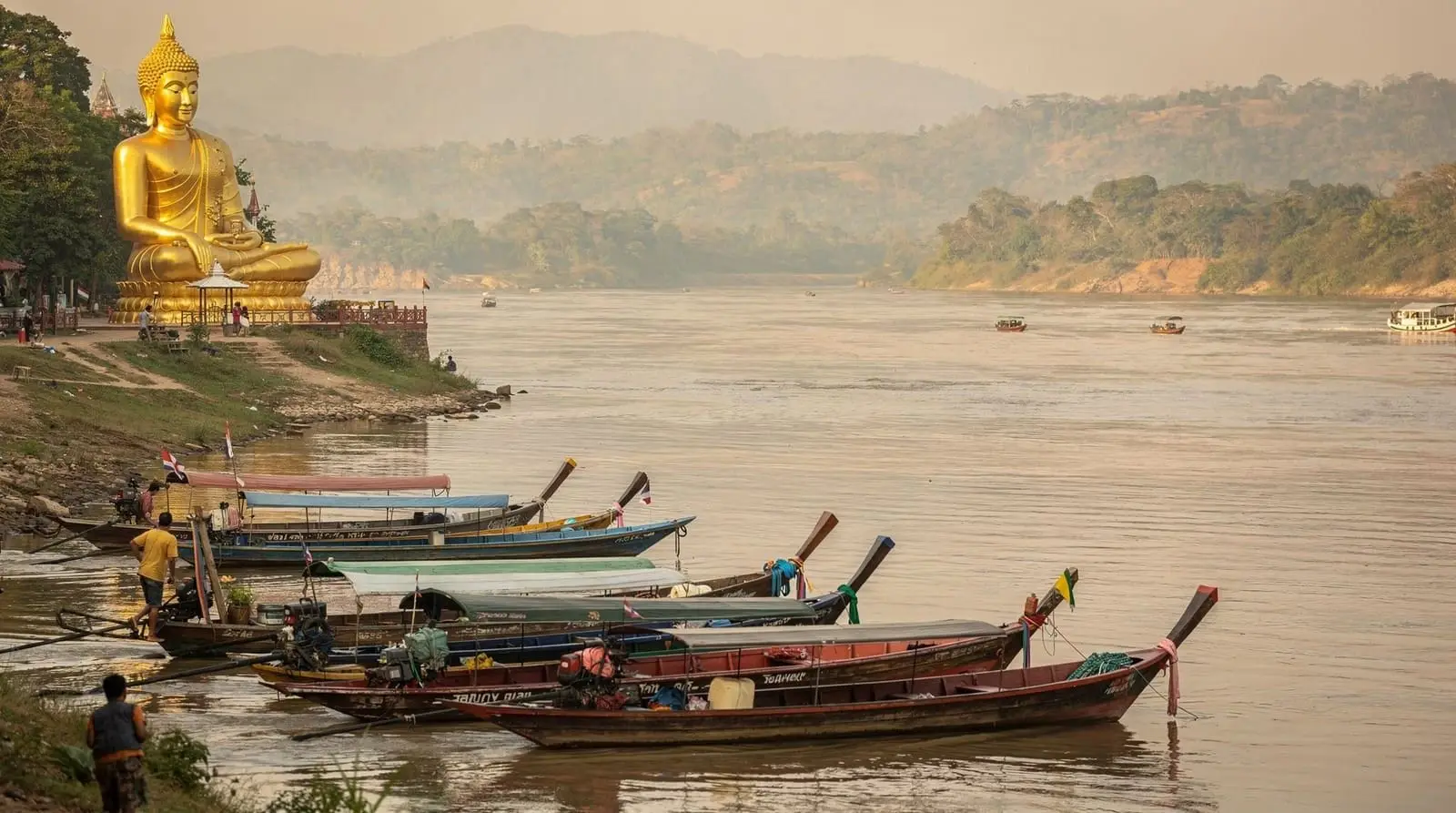
The small town of Sop Ruak sits at the actual river confluence and functions as the practical center of a Golden Triangle visit. A large golden seated Buddha statue overlooks the river from a landscaped plaza, and several viewpoints along the riverbank give a clear look across the water to Laos on one side and, further along, toward Myanmar. Souvenir stalls and a market cluster around the main viewpoint, selling everything from local handicrafts to novelty items referencing the area’s opium history — a slightly uneasy but common commercial framing of a genuinely serious historical subject.
The Hall of Opium museum
For visitors who want more than a viewpoint and a photo, the Hall of Opium is a well-produced museum, built partly underground, covering the history of opium cultivation and trade in the region, the drug’s chemistry and effects, and Thailand’s decades-long effort to shift hill-tribe farmers toward alternative crops. It’s a more substantial, sobering stop than the Golden Triangle’s viewpoint plazas might suggest, and worth the roughly 200 THB (~$5.60) entry fee if the historical context genuinely interests you rather than just wanting the tripoint photo.
Longtail boats on the Mekong
A longtail boat trip is the most common add-on at Sop Ruak, running visitors out onto the Mekong for a look at the river confluence from the water, sometimes stopping briefly at a small Laos river island with its own market (a low-key, informal border crossing that doesn’t require a visa given the short, supervised nature of the stop). Prices typically run 300-600 THB per person (roughly $8.50-17) depending on route length and group size, arranged directly at the boat dock or bundled into a guided tour. Mornings tend to offer calmer water and more comfortable temperatures on the open boats than the afternoon heat.
A combined Golden Triangle, Mekong River and Laos private guided tour bundles the viewpoint, boat trip, and border-island stop into a single organized visit, while a Golden Triangle and Maekhong private boat trip focuses more specifically on the river portion of the visit.
Chiang Saen: the ancient town nearby
A short distance from Sop Ruak sits Chiang Saen, an older riverside town with the ruins of a genuine Lanna-era settlement — partial city walls, temple ruins, and a small museum — offering a quieter, more historical counterpoint to the Golden Triangle’s tourist-oriented viewpoints. It’s not always included in every Golden Triangle tour, so it’s worth asking specifically if the layered history of the wider border region interests you beyond the opium narrative alone.
Combining with Chiang Rai’s temple circuit
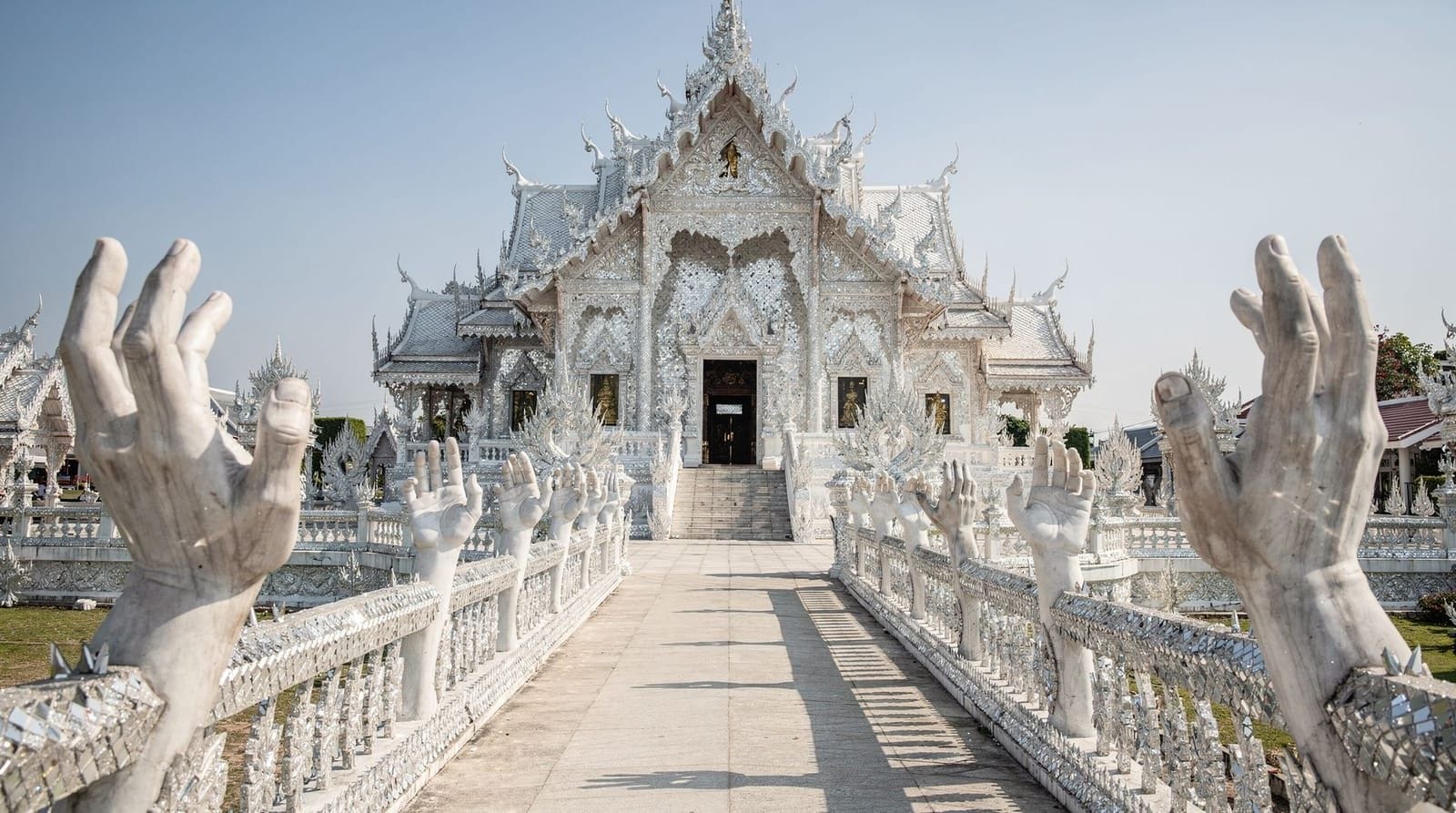
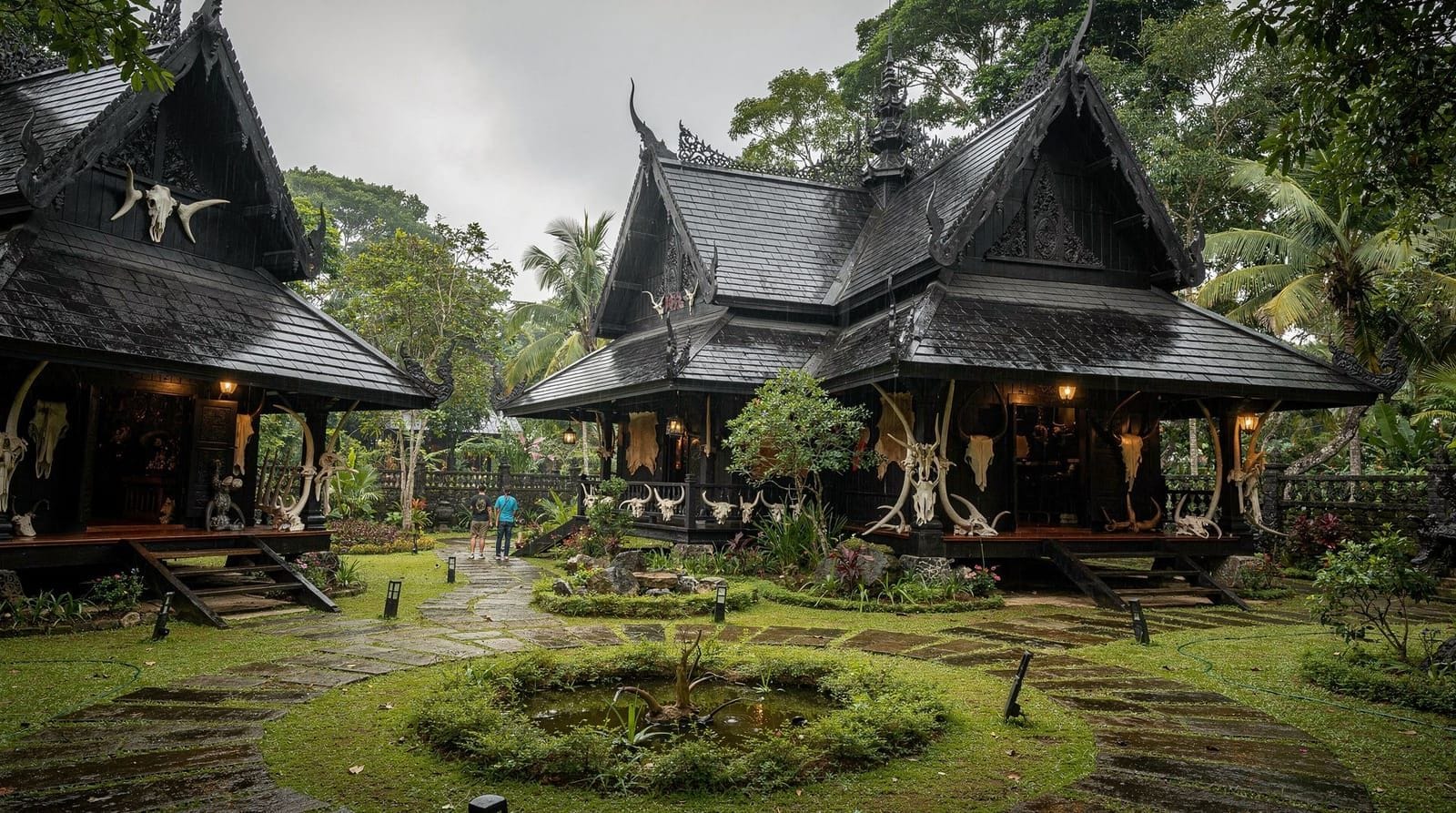
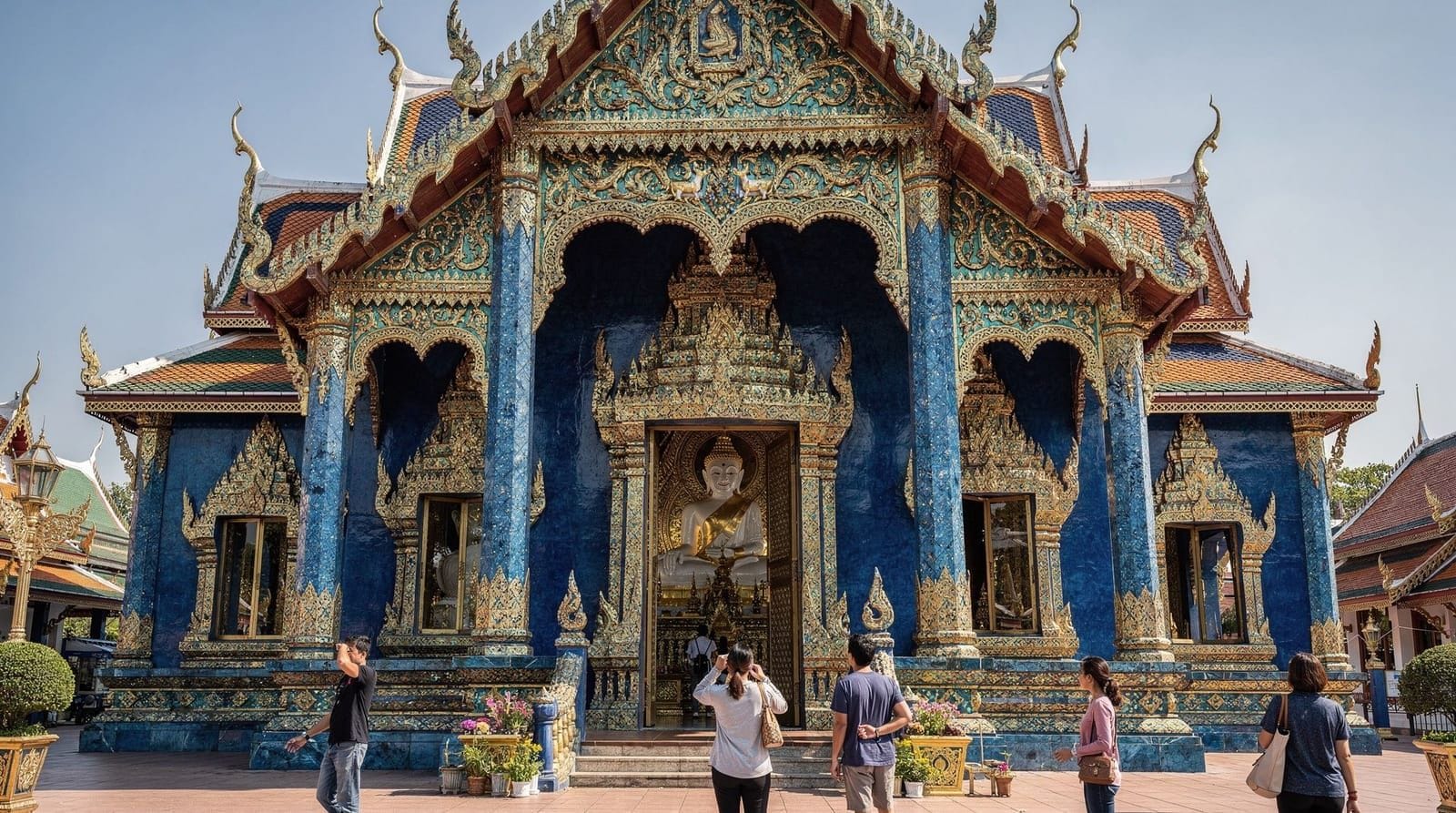
Given that Sop Ruak sits about an hour north of Chiang Rai town, and Chiang Rai itself is already a 3-3.5 hour drive from Chiang Mai, adding the Golden Triangle to a Chiang Rai day trip makes for a genuinely long day — often 12 hours or more door to door from Chiang Mai. Confirm specifically whether a tour you’re booking includes the Golden Triangle or treats it as a separate extension, since some standard Chiang Rai temple tours (covering the White Temple, Blue Temple, and Black House) don’t reach this far north at all.
A Chiang Rai temples and Golden Triangle tour is built specifically to cover both, while a private full-day Chiang Rai and Golden Triangle tour offers the same combination with a smaller, dedicated group and more flexible pacing. Travelers who’d rather see the region’s highlights condensed into a single itinerary can look at a seven-highlights tour including a Mekong boat trip, which packs the temple circuit, Golden Triangle, and river trip into one long day.
Getting there
Sop Ruak sits about 60km (roughly an hour) north of Chiang Rai town, and around 250km (4-4.5 hours) from Chiang Mai in total. Almost no independent traveler makes this specific trip by public transport alone, given the distance and the scattered nature of the sights (viewpoint, museum, and boat dock aren’t all in one compact area); a private car, guided tour, or a Chiang Rai-based day trip covers the practical logistics far more efficiently than trying to arrange each leg independently.
The opium trade’s decline and Thailand’s crop-substitution story
The reduction of Thailand’s opium production is one of the more genuinely successful and less-told stories referenced throughout the Golden Triangle region, particularly at the Hall of Opium museum. Beginning in earnest in the 1970s and 1980s, Thai royal-backed development projects worked with hill-tribe farming communities across the north — including many of the same Karen and Hmong villages visited on tours to Doi Inthanon and elsewhere — to replace opium poppy cultivation with alternative cash crops such as coffee, tea, and temperate fruits. The program is widely credited with sharply reducing Thailand’s opium output over subsequent decades, even as production shifted to less-governed areas across the Myanmar border, where the trade continues in some form today. This history gives useful context to why so many hill-tribe villages in the wider region now market themselves around coffee and craft production rather than the crop that once defined the area’s economy — a shift that’s visible in real terms, not just as a museum narrative.
What to expect at the border viewpoints
The actual river confluence marking the meeting of the three countries is best appreciated from one of several designated viewpoints around Sop Ruak, where signage typically marks the approximate lines separating Thailand, Laos, and Myanmar territory across the water. It’s worth setting expectations accurately here: there’s no dramatic physical marker or monument standing precisely at the tripoint itself, and the “meeting point” is better understood as a general area of the river confluence rather than a single exact spot you can stand on. The value of the visit lies more in the history and the river scenery than in any singular, precise landmark, which is worth knowing if you’re expecting something more visually dramatic than a wide river view with three countries’ worth of hillside visible in different directions.
Shopping and markets at Sop Ruak
The market stalls clustered around the main Sop Ruak viewpoint sell a mix of local handicrafts, textiles, and dried goods alongside more novelty-oriented items referencing the area’s opium history — reproduction pipes and scales are a common sight, sold explicitly as souvenirs rather than functional items. Prices are generally negotiable, as at most tourist markets in the region, and quality varies considerably between stalls, so it’s worth a browse before committing to a purchase rather than buying at the first stall you pass. If your visit includes the Laos river island stop as part of a boat trip, a small, similarly tourist-oriented market operates there as well, accepting Thai baht in addition to Laotian currency.
Accessibility notes
The main Sop Ruak viewpoint area and the Hall of Opium museum are both largely accessible, with paved paths and, at the museum, elevator access to the partially underground exhibition halls. The longtail boat trips are less accommodating for visitors with significant mobility limitations, given the low seating and the step down into the boats themselves from the dock, so it’s worth discussing this specifically with a tour operator in advance if accessibility is a concern for your group.
A note on scams and overpricing
As at many border tourist areas, it’s worth agreeing on boat trip prices before boarding rather than after, and confirming whether a quoted price is per person or for the whole boat, since this is a common point of confusion (and occasional overcharging) for first-time visitors. Market vendors around the main viewpoint are generally straightforward, but as with any tourist market in Thailand, prices quoted to foreign visitors can start higher than what locals pay, and a bit of polite negotiation is normal and expected rather than rude.
Facilities at Sop Ruak
The main viewpoint area has restrooms, several small restaurants overlooking the river, and parking suited to both private cars and tour coaches. The Hall of Opium museum has its own café and gift shop, useful for a break partway through a long day that’s already covered the Chiang Rai temple circuit before heading north. Boat operators at the dock typically handle life jackets and basic safety briefings before departure, though it’s reasonable to confirm this directly if it isn’t offered proactively.
Combining with Chiang Saen and Mae Sai
Beyond Sop Ruak itself, travelers with a full day in the area sometimes extend further to Mae Sai, Thailand’s northernmost town and a border crossing point with Myanmar, or spend more time in Chiang Saen exploring its ruins in greater depth than a brief drive-by stop allows. Neither is a standard inclusion on most Golden Triangle day tours from Chiang Mai, given the already substantial distance involved, but they’re worth asking about if your itinerary has flexibility and the wider border region’s history and geography genuinely interest you beyond the main Sop Ruak viewpoint and museum.
Is the Golden Triangle worth the extra distance?
Given that reaching Sop Ruak adds roughly two extra hours of round-trip driving beyond an already long Chiang Rai day trip from Chiang Mai, it’s a fair question whether the Golden Triangle earns its place on a tight itinerary. For travelers with a genuine interest in the region’s opium history, the Hall of Opium museum, and the visual novelty of standing where three countries meet along a major river, the answer is generally yes — but it’s honest to say the viewpoint alone, without the museum or boat trip, is a fairly quick, modest sight that some visitors find underwhelming relative to the drive required to reach it. Pairing the stop with the boat trip and museum, rather than treating it as a brief photo op, is what makes the extra distance worthwhile for most travelers.
What to bring
Sun protection is important given the extended time outdoors at the viewpoints and on the open-air longtail boats, which offer little to no shade during the ride itself. A light layer is worth carrying too, since the river breeze can feel noticeably cooler than the surrounding land temperature, particularly during the cool season mornings that otherwise offer the best boating conditions. Cash in small denominations is useful for the boat trips, market stalls, and any informal fees at the Laos river island stop, which may not accept cards or larger notes easily.
Frequently asked questions about the Golden Triangle
What exactly is the Golden Triangle?
The border region where Thailand, Laos, and Myanmar meet, historically one of the world’s largest opium-producing areas. Today it’s primarily a tourism destination centered on the town of Sop Ruak.
How far is the Golden Triangle from Chiang Rai?
About 60km, roughly an hour’s drive north of Chiang Rai town.
Is the Golden Triangle included in most Chiang Rai day tours from Chiang Mai?
Not always — some tours cover only the temple circuit (White Temple, Blue Temple, Black House). Check the itinerary specifically if the Golden Triangle is a priority.
Is the Hall of Opium museum worth visiting?
Yes, if the region’s history interests you — it’s a well-produced, sobering look at the opium trade and Thailand’s crop-substitution efforts, well beyond what the viewpoints alone convey.
Can I cross into Laos or Myanmar from the Golden Triangle?
Most visitor boat trips include a brief, supervised stop at a small Laos river island with its own market, not a full independent border crossing requiring a visa.
How much does a longtail boat trip cost?
Typically 300-600 THB per person (roughly $8.50-17), depending on route length and group size.
What’s the best time of day to visit?
Morning — river conditions are generally calmer and temperatures more comfortable on the open-air longtail boats than in the afternoon.
Is Chiang Saen worth adding to a Golden Triangle visit?
Yes, if you have the extra time — it’s a quieter, historically rich riverside town with genuine Lanna-era ruins, though not every standard tour includes it.
Top experiences
Bookable activities with verified prices and instant confirmation on GetYourGuide.

Golden Triangle, Mekong River & Laos Private Guided Tour
Chiang Rai: The Golden Triangle & Maekhong Private Boat Trip
Chiang Rai: 7 Most Famous Highlights with Mekong Boat Trip
From Chiang Mai: Chiang Rai Temples and Golden Triangle Tour