Northern Thailand in seven days
From Chiang Mai: Day Tour to Pai Highlights by Private Car
Duration: Full day
A week in northern Thailand is enough to properly combine Chiang Mai’s city highlights with the slower, mountain-town pace of Pai and a loop through Mae Hong Son province — three genuinely different travel experiences within a few hours’ drive of each other. This itinerary front-loads Chiang Mai, then heads northwest into the mountains for the back half of the week.
Quick answer: Days one through three cover Chiang Mai’s Old City temples, Doi Suthep, and an ethical elephant sanctuary. Days four and five head to Pai, the laid-back mountain town roughly 3 hours northwest via the famous 762-curve road. Day six continues (or loops back via) Mae Hong Son province for its misty valleys and long-neck Karen village context. Day seven returns to Chiang Mai for a final wind-down day. A rental car, hired driver, or a mix of minivans and local transport all work — a private driver is the least stressful option given the mountain roads.
Days 1-2: Chiang Mai city and Doi Suthep
Day 1: Old City temples and Night Bazaar
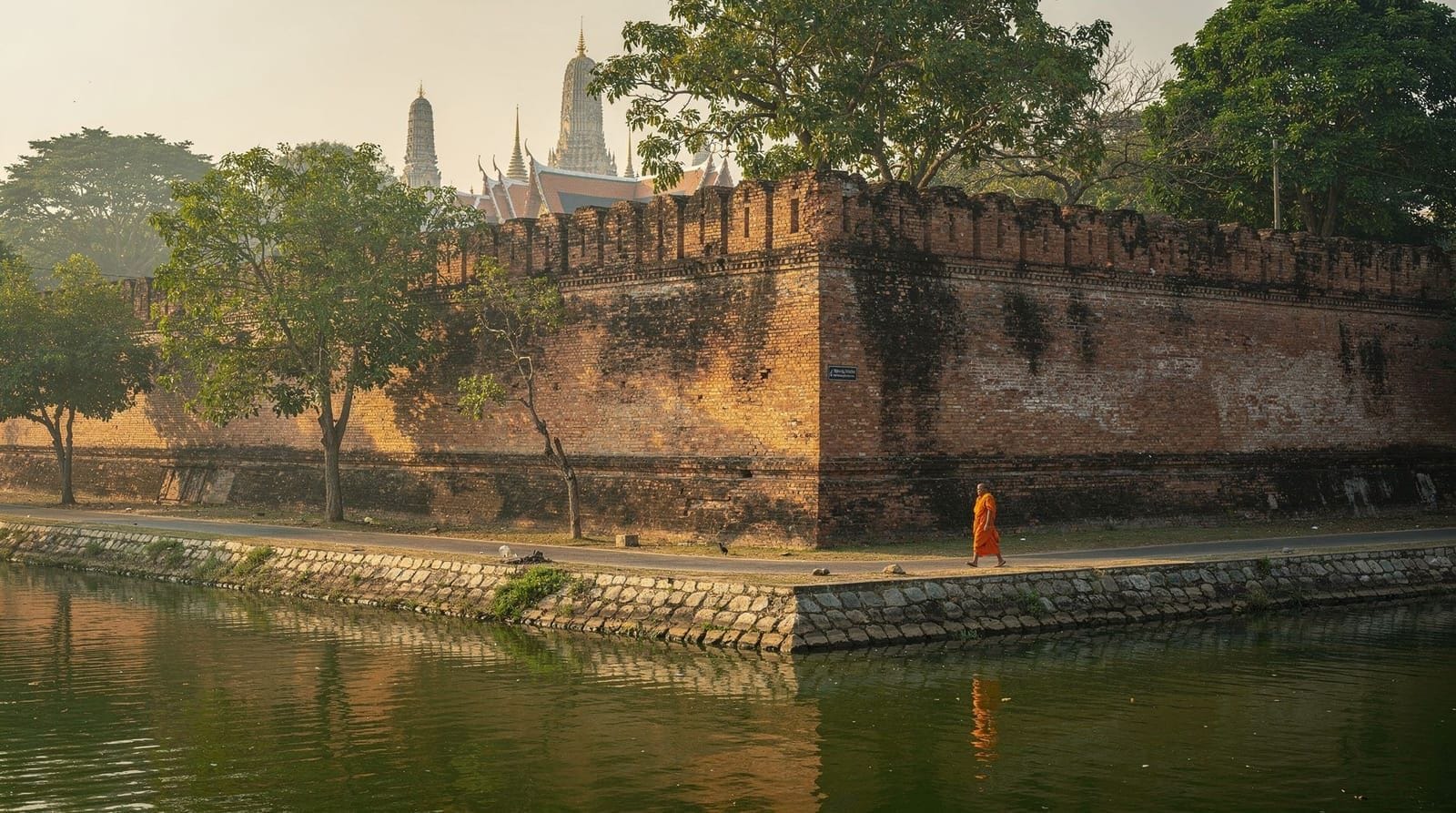
Start at Wat Phra Singh, then Wat Chedi Luang, both inside the Old City moat and connected by a 20-minute walk. A guided 3-hour Old City and temples walking tour covers this ground with context if you’d rather not research each temple yourself. Close the day at the Night Bazaar for dinner and browsing.
Day 2: Doi Suthep and Nimman
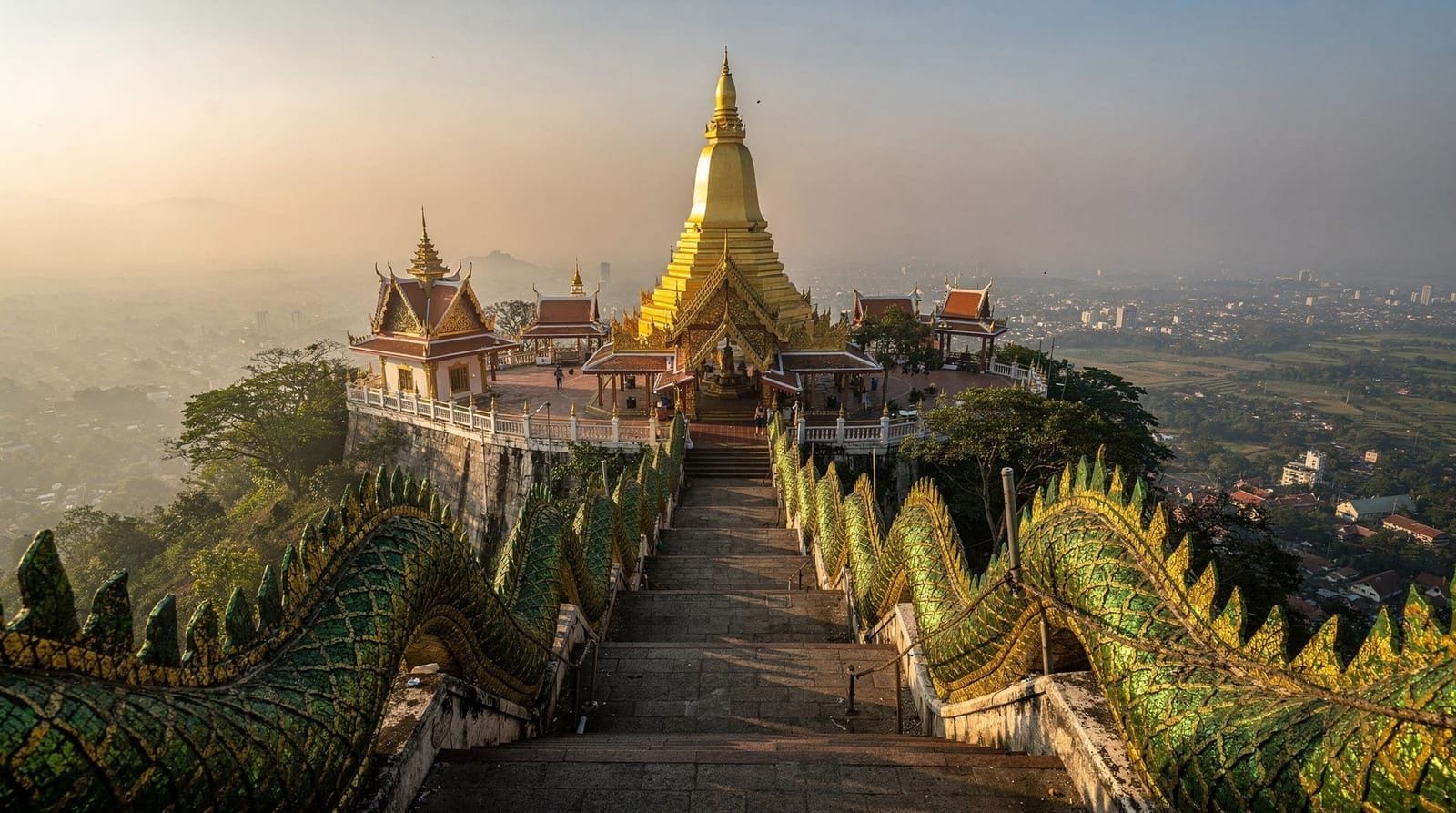
Leave by 7am for Doi Suthep to beat the late-morning tour-bus crowds. A combined Doi Suthep temple and Wat Pha Lat hike adds a quieter forest temple stop. Spend the afternoon in Nimmanhaemin, Chiang Mai’s café district, with an early night before day three’s sanctuary visit.
Day 3: Ethical elephant sanctuary
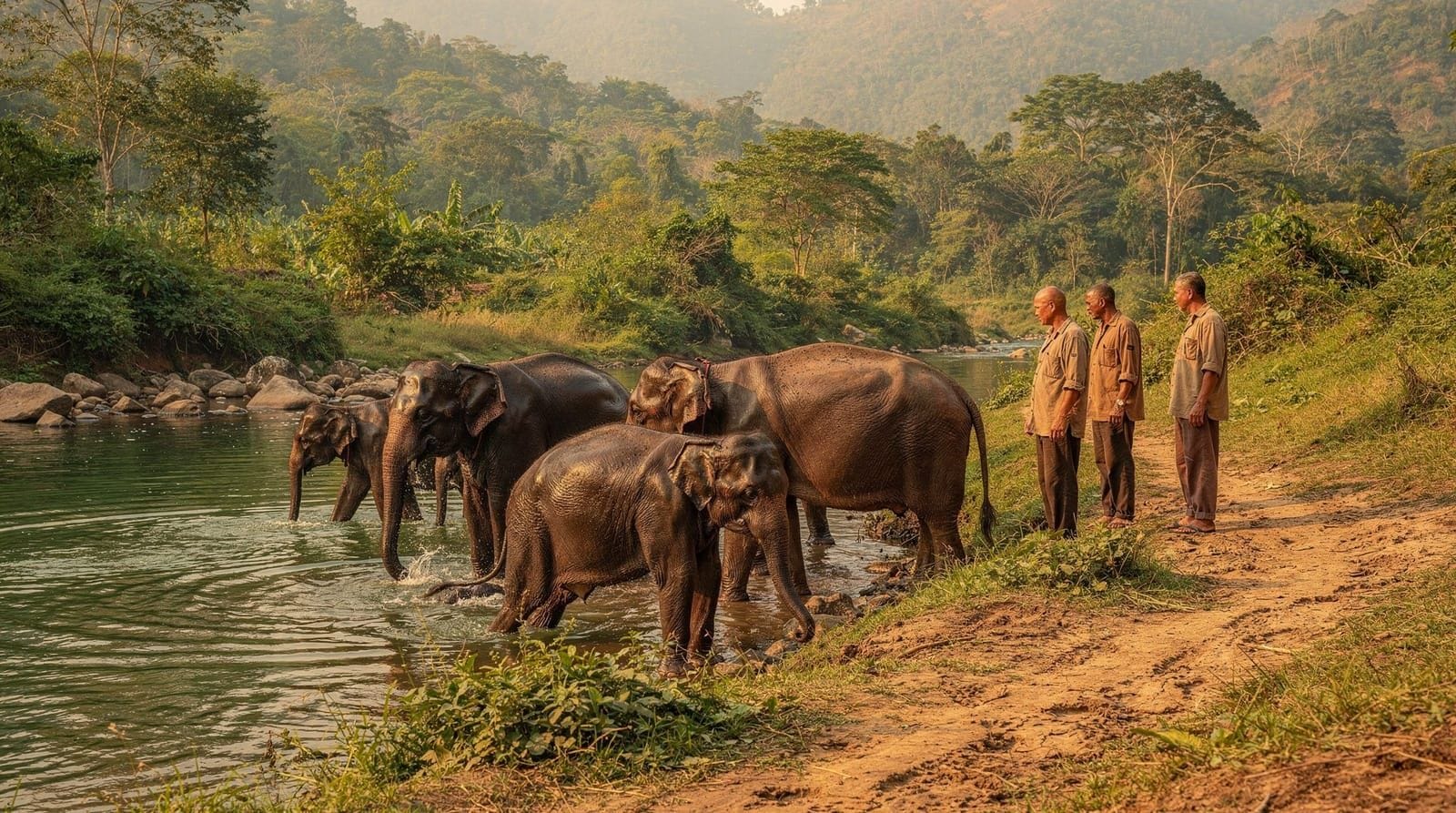
Spend the morning to early afternoon at an ethical elephant sanctuary that explicitly avoids riding, chaining, and bullhooks. A small group ethical elephant sanctuary tour runs as a half-day program with pickup and a return by mid-afternoon, leaving the rest of the day free to pack and prepare for tomorrow’s drive northwest — pick up any gear you’ll need for Pai (layers for cooler evenings, sun protection) before you leave the city, since Pai’s shops are more limited.
Days 4-5: Pai
Day 4: the drive and Pai canyon
The road from Chiang Mai to Pai is genuinely part of the experience — roughly 3-4 hours covering 762 curves through forested mountains, notorious enough that “the 762 curves” is how most locals refer to the route itself. A day tour to Pai highlights by private car is a reasonable way to do this drive if motion sickness or unfamiliar mountain roads are a concern, stopping at viewpoints along the way rather than driving straight through. If you’re prone to car sickness, sit in the front and consider motion sickness medication before setting out — this is one of the curviest roads in Thailand.
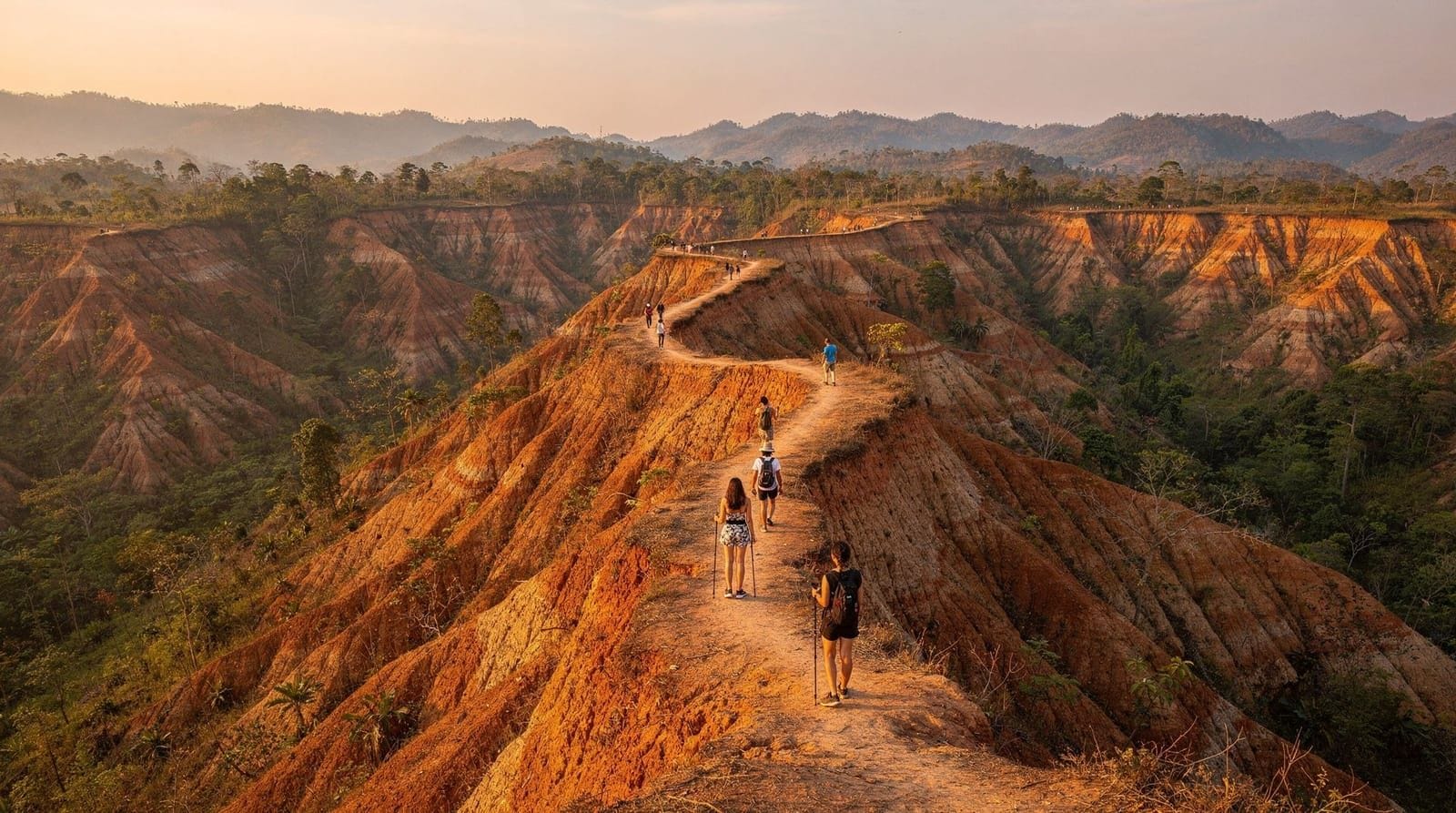
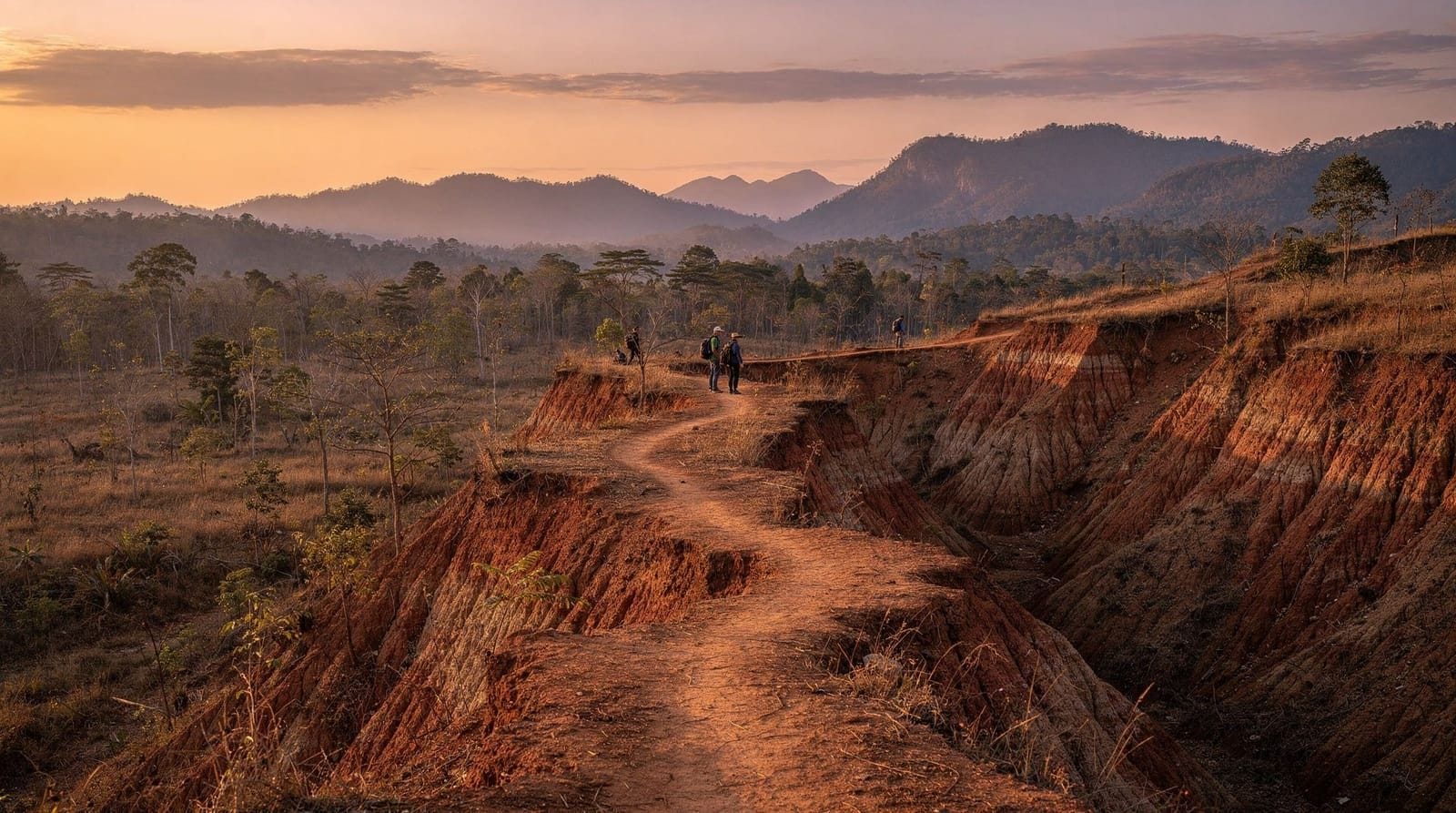
Once in Pai, spend the afternoon at Pai Canyon, a narrow ridge-top trail with dramatic drop-offs on both sides — walkable in an hour or two, best near sunset when the canyon’s ochre cliffs catch the light and the day-tripper crowds from Chiang Mai (who often do Pai as a single long day, unlike this itinerary’s overnight stay) have mostly left.
Day 5: hot springs, bamboo bridge, and Pai Walking Street
Spend day five at a slower pace exploring Pai’s surroundings — the Sai Ngam hot springs, the wooden Boon Ko Ku So bamboo bridge crossing rice paddies near Santichon village, and the town’s small waterfalls are all realistic half-day combinations. A Pai hot spring, bamboo bridge, and Santichon village tour covers this combination in a single organized half-day if you’d rather not self-drive between the scattered sites. In the evening, Pai’s Walking Street sets up along the town’s main road with food stalls and live music — a smaller, more relaxed version of Chiang Mai’s night markets, reflecting the town’s slower character generally.
Day 6: Mae Hong Son loop
Continue northwest to Mae Hong Son, completing more of the famous mountain loop rather than backtracking the way you came. The province is noticeably quieter and mistier than Pai, with misty valley views and, for travellers interested in the context, opportunities to visit long-neck Karen villages — worth approaching thoughtfully, since these communities’ displayed presence for tourism raises real ethical questions worth reading about before visiting, rather than treating the visit as a straightforward photo stop. A private Mae Hong Son highlights car tour from Pai covers the main viewpoints and the Su Tong Pae bamboo bridge in a single day if you’re doing Mae Hong Son as an add-on from your Pai base rather than staying overnight there separately.
If a full loop through Mae Hong Son back to Chiang Mai (rather than backtracking through Pai) appeals, this is a full extra day of mountain driving — factor that into your energy levels for the return leg, since it’s a longer and more remote route than the Chiang Mai-Pai road.
Day 7: return to Chiang Mai
Head back to Chiang Mai, either retracing the Pai road or completing the loop via Mae Hong Son’s southern route, depending on which direction you took on day six. Treat this as a travel day rather than scheduling activities — the drive alone takes most of the day depending on your route, and arriving back in the late afternoon or evening leaves time for a final relaxed dinner rather than another full day of sightseeing.
Practical logistics for the loop
A private driver or hired car is genuinely the least stressful way to handle this itinerary’s mountain roads, given the combination of unfamiliar hairpin turns, occasional fog at altitude, and long driving days. Self-driving a rental car or motorbike is possible and common among more experienced riders, but the Chiang Mai-Pai road specifically has a real accident history among inexperienced scooter riders — if you’re not confident on a motorbike over mountain switchbacks, a car or private driver is the safer choice. Shared minivans also run the Chiang Mai-Pai route multiple times daily and are the budget option, though they don’t stop for viewpoints along the way the way a private car does.
Budget breakdown for the week
Days one through three (Chiang Mai city, Doi Suthep, elephant sanctuary) run to roughly 3,500-5,500 THB ($100-155) per person, matching the 3-day itinerary. Days four through seven add a private driver or rental car for the Pai and Mae Hong Son legs — a private driver for the full loop typically costs 3,000-5,000 THB ($84-140) per day if hired for multiple days at a discounted rate, versus renting a car yourself for roughly 1,000-1,500 THB ($28-42) per day plus fuel, which is cheaper but requires confidence on mountain roads. Add accommodation in Pai (typically cheaper than Chiang Mai, from around 500 THB / $14 per night for simple guesthouses) and meals throughout. All told, a full week runs roughly 12,000-18,000 THB ($336-504) per person excluding Chiang Mai accommodation, varying significantly based on whether you self-drive or hire a driver.
Food along the route
Pai has developed a genuinely distinct food scene beyond standard Thai fare, with a strong contingent of cafés, bakeries, and international options catering to the town’s long-term backpacker and digital nomad population — a noticeable contrast to Chiang Mai’s more traditionally Thai and northern Thai-focused food scene. Mae Hong Son’s food options are more limited and traditional, generally centred on simple Thai and Shan-influenced dishes reflecting the province’s proximity to Myanmar. Along the driving route itself, small roadside stops sell fruit, snacks, and simple meals — useful for breaking up the long driving days on days four and six.
What to pack for the mountain leg
Layers matter more on this itinerary than any other on this site — Chiang Mai’s heat gives way to genuinely cool mornings and evenings in both Pai and Mae Hong Son, particularly November through February. Motion sickness medication is worth carrying even if you don’t normally need it, given the intensity of the switchbacks on both the Chiang Mai-Pai road and the Mae Hong Son loop. A printed map or offline map download is useful insurance against patchy mobile signal in more remote stretches between towns.
Honest planner notes
Pai has a reputation — deserved in parts — for having drifted toward a backpacker-party scene in its central walking street area, which surprises some travellers expecting only a quiet mountain retreat. It’s genuinely both: quiet and scenic during the day, livelier in the evening around the main strip. If a purely tranquil stay matters more to you than nightlife, choose accommodation slightly outside the town center rather than right on Walking Street. On the Mae Hong Son side, be honest with yourself about the ethics of visiting displayed long-neck Karen villages before booking — some tours handle this more respectfully than others, and it’s worth researching the specific operator rather than booking the first option that appears.
Frequently asked questions about this itinerary
How long is the drive from Chiang Mai to Pai?
Roughly 3-4 hours covering 762 curves through mountainous terrain — genuinely one of the curviest roads in Thailand, worth preparing for if you’re prone to motion sickness.
Should I rent a car, hire a driver, or take a minivan to Pai?
A private driver is the least stressful option given the road’s difficulty. Shared minivans are cheaper but don’t stop for viewpoints. Self-driving suits confident, experienced drivers only.
Is Pai worth an overnight stay, or is it better as a day trip?
An overnight stay lets you see Pai Canyon at sunset and explore hot springs and the bamboo bridge without rushing — a single day trip from Chiang Mai (also possible) compresses all of this into a much longer, more tiring single day.
Is visiting a long-neck Karen village ethical?
It’s genuinely debated — these communities are often displayed specifically for tourism, which raises real questions. Research the specific tour operator’s approach before booking rather than assuming all options are equivalent.
Can I do this itinerary without a car?
Yes, using shared minivans between Chiang Mai and Pai, and organized day tours for Mae Hong Son and the elephant sanctuary — a car or driver simply adds more flexibility on the mountain days.
Is seven days too long for this route?
Not if you enjoy a slower pace with time in both a city and mountain towns. Travellers with less time often compress this into 5 days by skipping Mae Hong Son and returning from Pai directly.
What’s the best time of year for this loop?
November through February, for cool, dry weather and the clearest mountain views. February through April brings burning-season haze that reduces visibility on viewpoint stops throughout the region.
Top experiences
Bookable activities with verified prices and instant confirmation on GetYourGuide.

Chiang Mai: 3 Hour Old City and Temples Guided Walking Tour

Chiang Mai: Doi Suthep Temple & Wat Pha Lat Hike

Chiang Mai: Small Group Ethical Elephant Sanctuary Tour

From Chiang Mai: Day Tour to Pai Highlights by Private Car
Pai Day Trip to Hot Springs, Waterfalls & Lunch