Visiting hill-tribe villages near Chiang Mai responsibly
Chiang Mai: 2-Day Karen Village Homestay with Meals
Duration: Multi-day
How do I know if a hill-tribe village visit near Chiang Mai is ethical?
Look for a named village and community (Karen, Hmong, Lahu, or Lisu, not a vague catch-all), a licensed local guide, a small group size, and an operator who can explain specifically how the village benefits, through homestay fees, guiding fees, or direct sales of food and crafts. Avoid staged 'human zoo' style stops, particularly the long-neck Kayan villages built purely for paid photography, which our dedicated guide covers separately.
Hill-tribe tourism around Chiang Mai has existed for decades, and it operates on a genuine spectrum: at one end, communities that host trekkers and homestay guests on their own terms and control their own tourism income; at the other, villages effectively turned into paid photo displays with little say in how they’re presented or what they earn. Most travelers arrive wanting to see something authentic and leave unsure which end of that spectrum they actually experienced. This guide sets out the practical distinctions that matter and how to make choices that support the first model rather than the second.
This isn’t a purely academic distinction. It shapes how much of your money actually reaches the people whose home you’re visiting, how comfortable that visit is for residents, and whether the community has any real say in how it’s presented to outsiders. None of this requires becoming an expert before you book anything, just asking a handful of specific, answerable questions and treating vague or evasive responses as useful information in themselves.
Who lives in Chiang Mai’s hill country
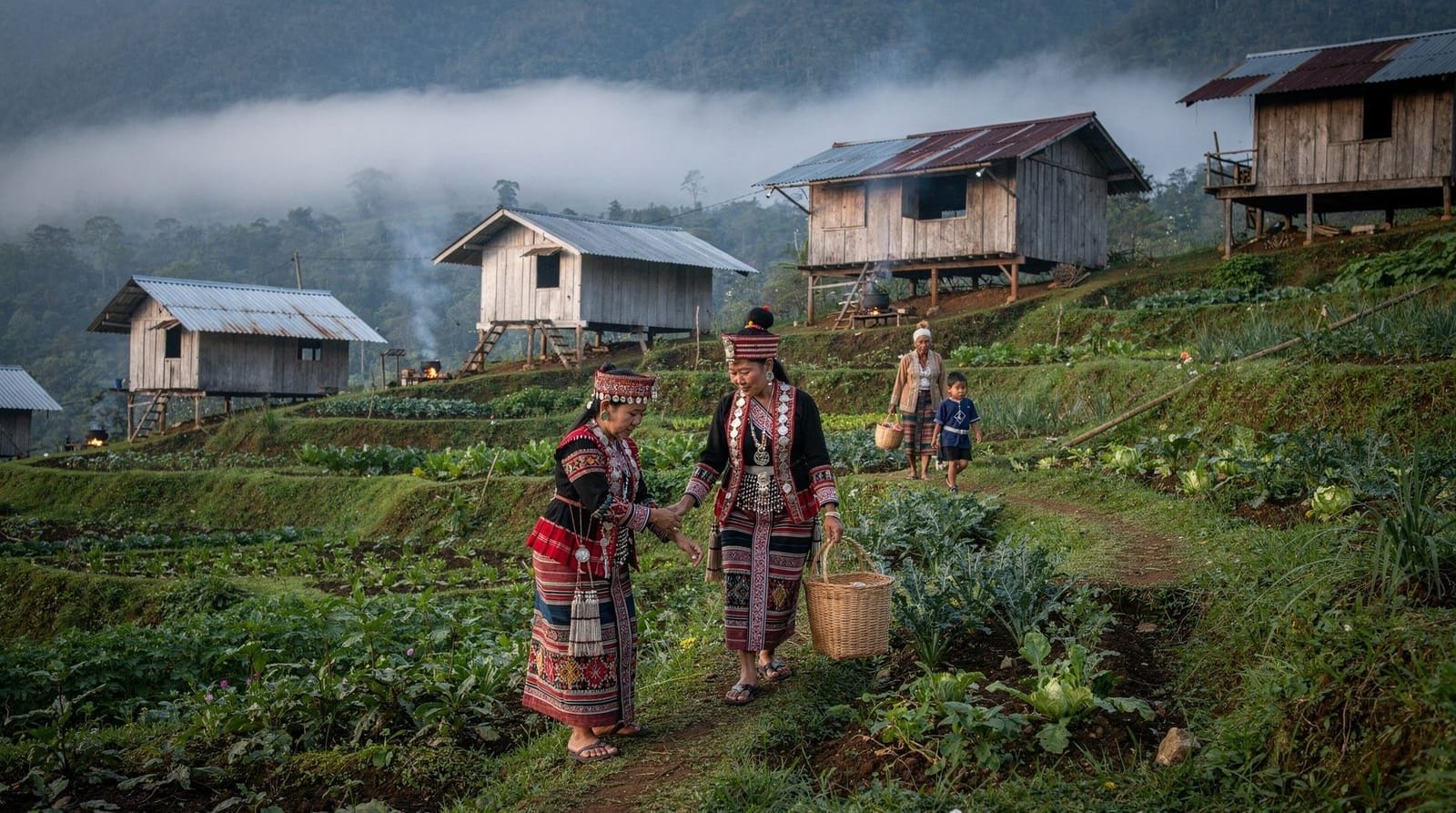
Northern Thailand’s uplands are home to several genuinely distinct ethnic groups, each with its own language, dress, and history, and treating them as a single interchangeable “hill tribe” category is itself part of the problem this guide addresses. Karen (also called Kariang, or by some communities Pga K’nyau) form the largest group in the region, farming rice and running the majority of trekking and homestay operations in valleys like Mae Wang and Mae Taeng. Hmong communities, known for elaborate embroidered textiles, live at higher elevations, notably around Doi Suthep and Doi Pui, where several villages have shifted from cash-crop farming toward tourism, coffee, and flower cultivation. Lahu and Lisu villages are smaller and appear on fewer standard commercial routes, more often reached on longer itineraries toward Chiang Dao or Mae Hong Son. Akha communities are more strongly associated with Chiang Rai province and the far north than with Chiang Mai proper. Each group has its own distinct customs around dress, ceremony, and daily life, and a responsible operator or guide will describe the specific community you’re visiting by name rather than defaulting to a generic label.
What “responsible visiting” actually means in practice
A genuinely responsible hill-tribe visit shares a few concrete features regardless of which community is involved. The village, not an outside operator, controls the terms of the visit, whether that means running its own homestay program, hosting trekking groups under an agreement negotiated with local operators, or selling food and crafts directly to visitors. A named local guide, ideally from or closely connected to the community, accompanies the visit and can answer specific questions rather than reciting a generic script. Group sizes stay small enough that a visit doesn’t overwhelm a village’s daily rhythm, and there’s a clear, explainable path for money to reach residents rather than being absorbed entirely by a city-based agency.
A two-day Karen village homestay with meals is a useful reference point for this model in practice: an actual overnight stay with a host family, meals prepared and shared as part of the price, rather than a scheduled stop on a larger group itinerary.
Red flags: signs of a staged or exploitative visit
A handful of warning signs are worth treating seriously when researching or booking a village visit:
- A village description with no specific ethnic group named, using only “hill tribe” or “local tribe” as the entire description.
- An entry fee charged purely for viewing, with no accompanying activity, meal, or genuine interaction, structured more like a paid photo opportunity than a visit.
- Residents dressed in traditional clothing that doesn’t match their community’s actual customs, worn specifically because tourists expect it rather than as an everyday practice, a pattern especially common around staged long-neck Kayan displays.
- No mention of who benefits from your entry fee or purchase, or an evasive answer when you ask directly.
- Extremely short visits packaged as a highlight, sometimes fifteen minutes or less as one stop among many on a crowded day-trip itinerary, structured for a quick photo rather than any real engagement.
The clearest, most extensively documented example of this pattern in the region is the so-called long-neck Kayan village phenomenon, where communities, many of them stateless refugees from Myanmar, live in villages built and marketed specifically for tourist photography with limited freedom to work elsewhere. Our dedicated guide on long-neck Karen villages covers the full history and ethical alternatives.
Photography and personal boundaries
A village visit is someone’s home and workplace, not a museum exhibit, and photography etiquette matters more here than almost anywhere else on a typical Chiang Mai itinerary. Ask before photographing individuals, particularly children, using a simple gesture toward your camera if there’s a language barrier, and accept a no without pushing further. Photographing landscapes, buildings, crafts in progress, or general activity is generally fine without asking each time, but treat a specific person as requiring the same courtesy you’d expect if someone wanted to photograph you at home. Dress modestly, covering shoulders and knees, and follow your guide’s lead on where it’s appropriate to walk or enter, since not every building or area is open to visitors by default.
Homestays vs day-trip village stops
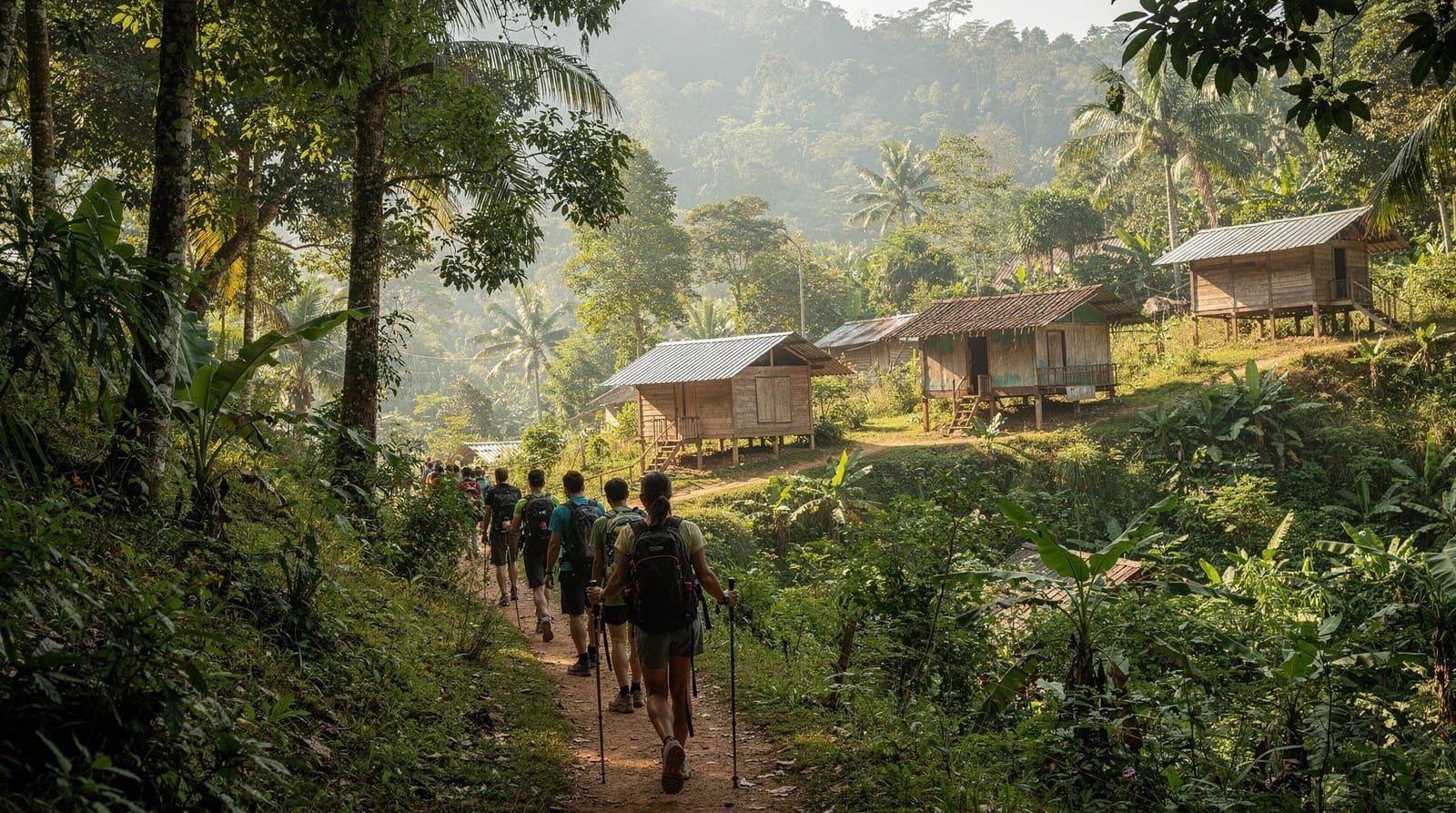
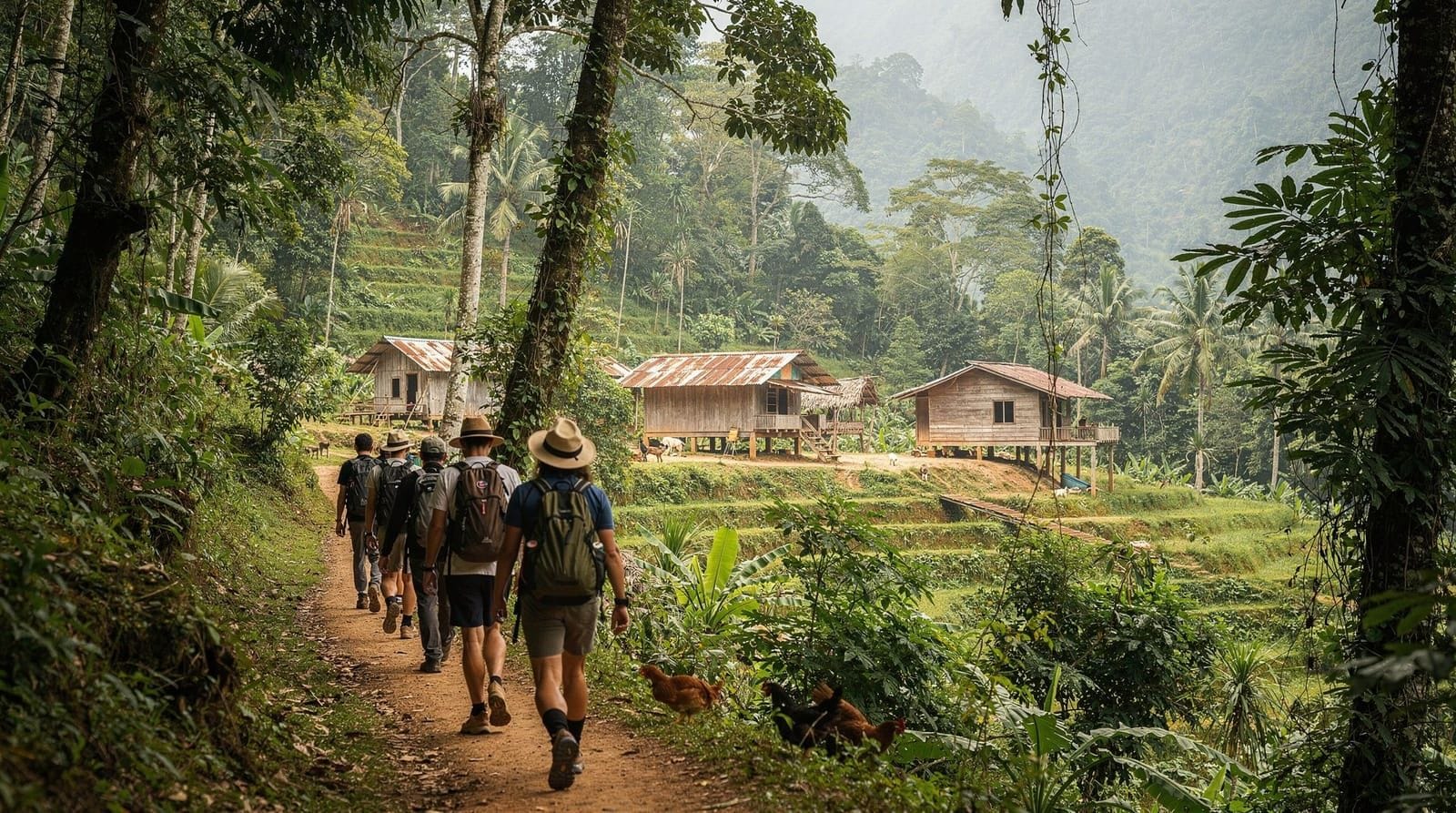
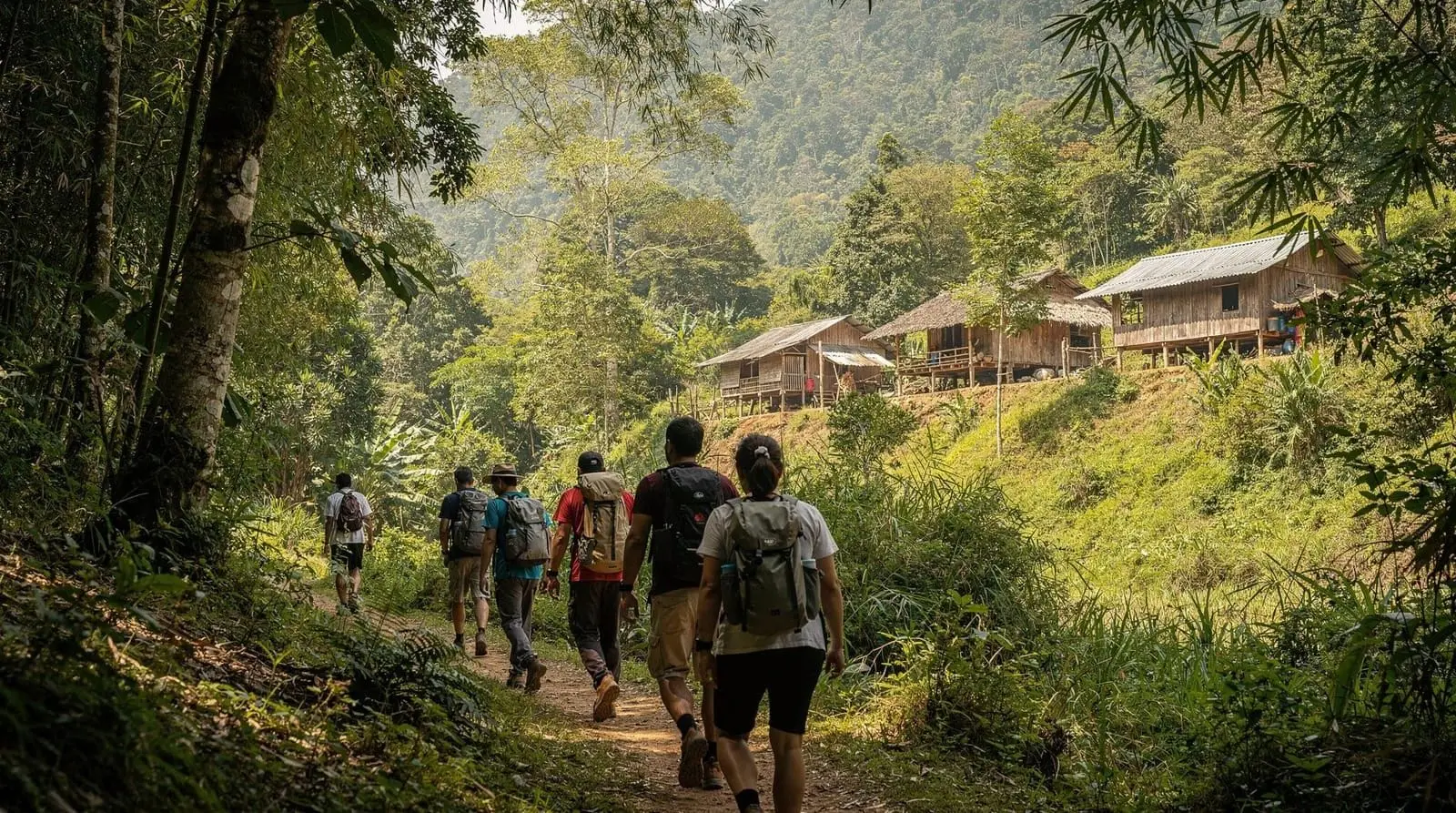
Homestays, an overnight stay with a host family in their own home, generally represent the clearest, most direct benefit model: you pay the family for lodging and meals, spend real time in the household, and the money involved is transparent and substantial relative to a brief day-trip stop. Day-trip village visits, more common on one-day treks and multi-village tours, are shorter and more scheduled, but can still be genuinely respectful when the operator has a real, ongoing relationship with the community and pays a fair per-visitor fee. A two-day, one-night eco trek to the White Pakayaw village sits closer to the homestay end of this spectrum, framing the overnight stay itself, not just the walking, as the core of the trip.
Where the money actually goes
This is worth asking about directly rather than assuming, since the honest answer varies a lot by operator. A homestay fee paid straight to a host family is close to fully retained by that household, minus whatever cut a booking platform or intermediary agency takes. A package tour that includes a village stop typically pays the community a per-visitor fee, sometimes negotiated collectively by village leadership, sometimes by an individual family hosting a lunch stop, and the proportion of your total tour price that this represents is rarely disclosed upfront. Buying food, coffee, textiles, or crafts directly from villagers while you’re there is one of the most reliably direct ways to put money into local hands, on top of whatever your booked tour already includes, and it’s worth carrying extra cash specifically for this.
Elephants and hill-tribe communities
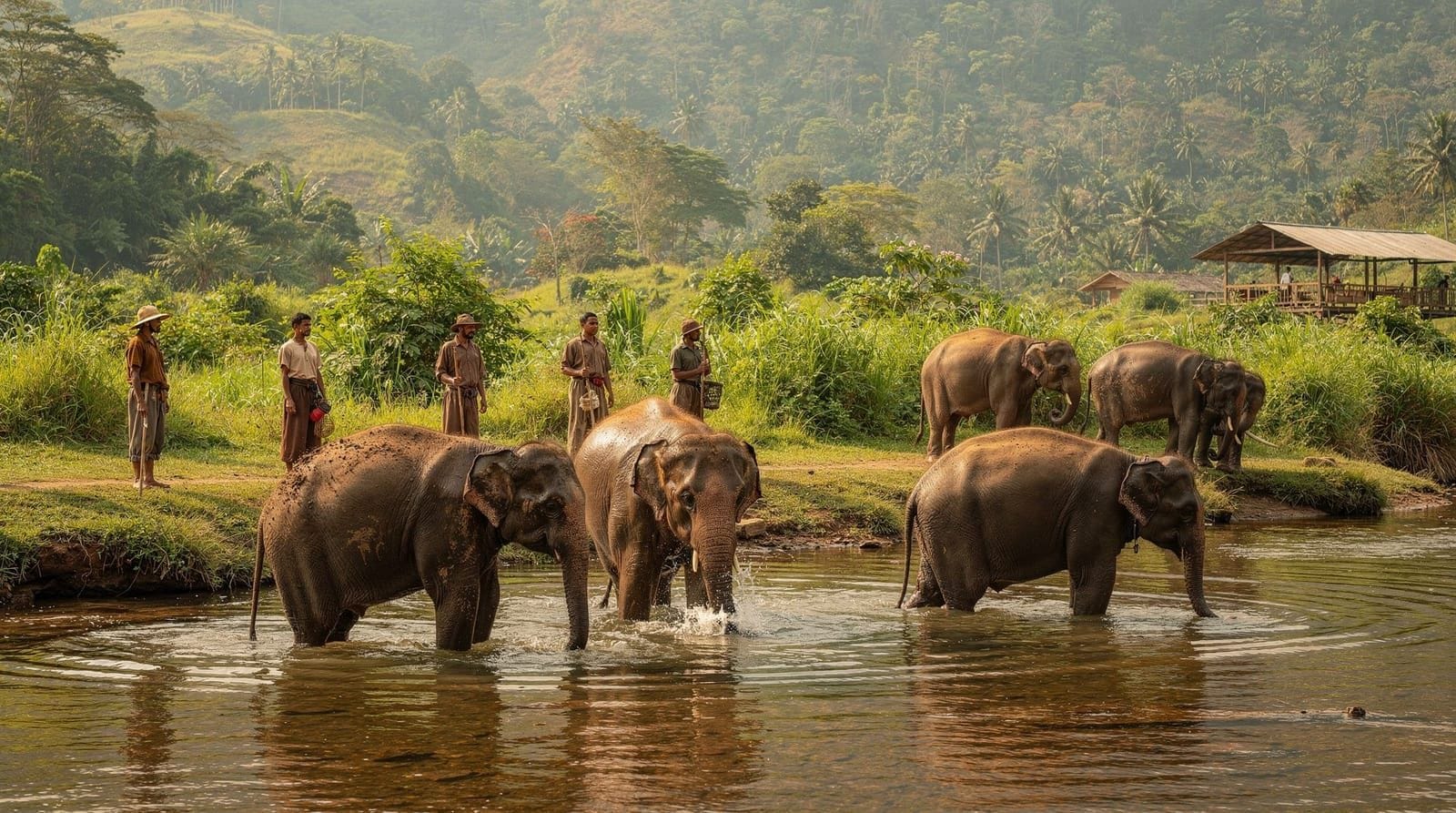
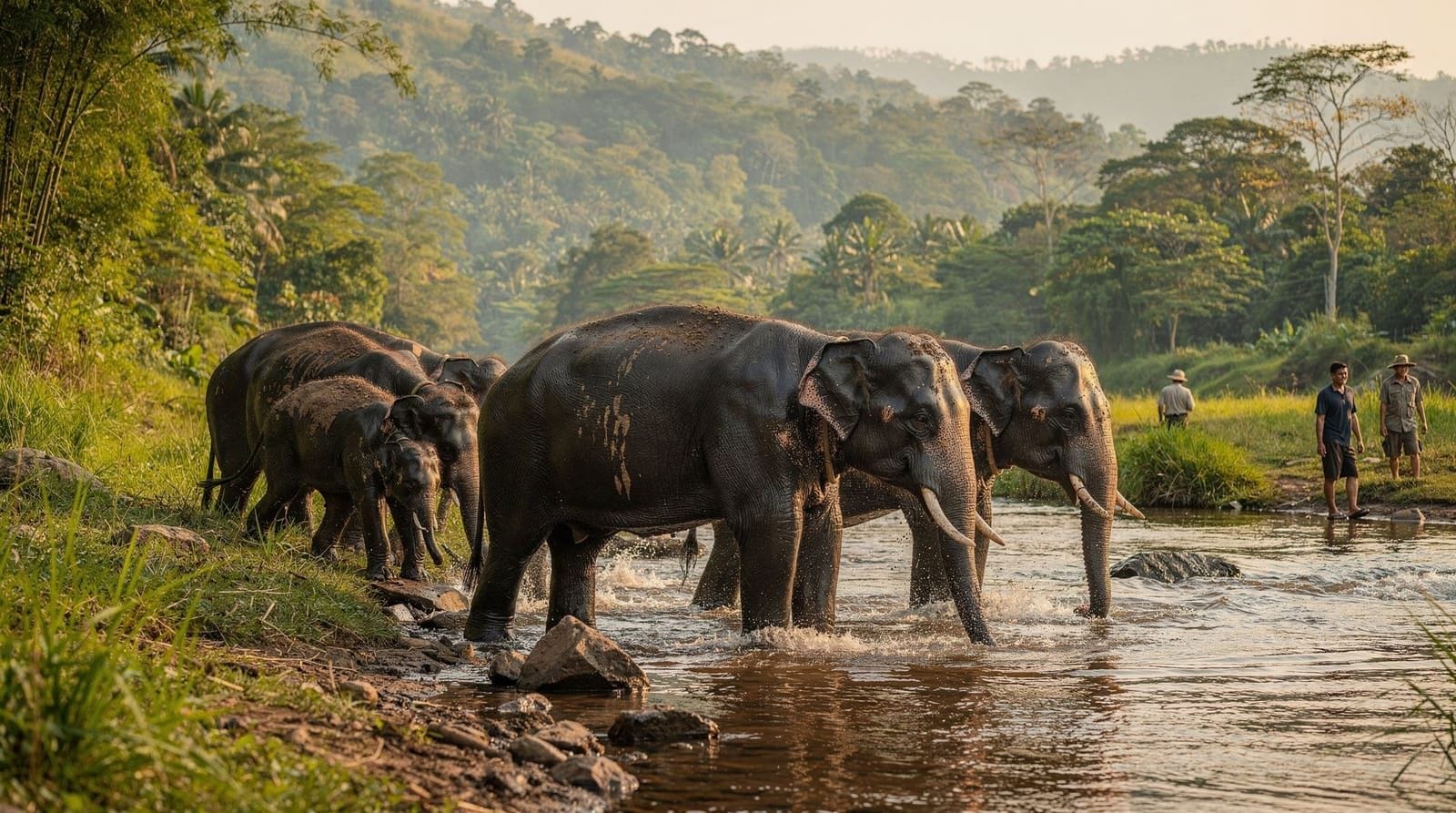
Several ethical elephant programs near Chiang Mai employ hill-tribe community members, often Karen, as mahouts and caretakers, which is a genuinely positive overlap between two forms of tourism this guide and our broader trekking coverage both address. An elephant sanctuary tour staffed by local hill-tribe caretakers combines a no-riding elephant program with employment for community members in a way that’s worth seeking out specifically, rather than treating elephant tourism and hill-tribe tourism as entirely separate categories. See our ethical elephant sanctuary guide for the full picture on choosing a genuinely no-riding operator.
Temple and short cultural visits
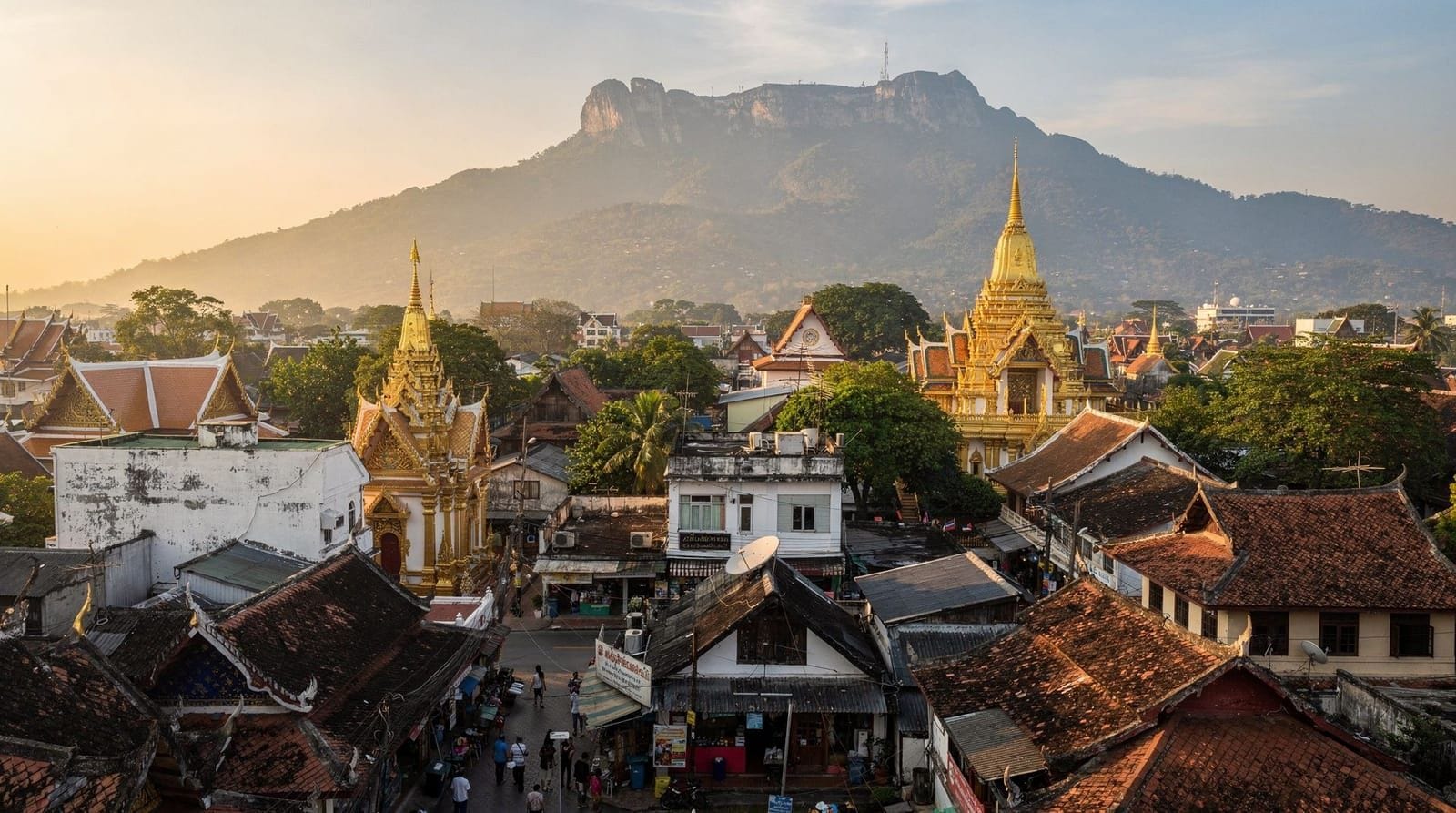
Not every hill-tribe encounter involves a multi-hour trek. Several half-day tours combine a temple visit with a nearby Hmong village stop, a lower-commitment option for travelers with limited time. A Doi Suthep temple and Hmong hill-tribe culture tour pairs Doi Suthep with a Hmong village visit in a single half day, though the same ethical questions apply at a smaller scale: ask what the visit actually includes beyond a walkthrough, and budget for direct purchases from village vendors rather than treating the stop as purely observational.
Traveling with kids
Village visits generally suit families well, since the pace is usually gentle and the cultural content genuinely educational for children old enough to engage with it, but it’s worth preparing kids in advance for basic etiquette: asking before photographing anyone, not touching crops, animals, or objects without permission, and understanding that a village is someone’s home rather than a stop built for entertainment. Framing the visit this way in advance tends to produce a more respectful, more engaged visit than treating it as just another attraction on the day’s list.
Community-based tourism networks
Thailand has a genuine, if still developing, community-based tourism (often shortened to CBT) movement, in which villages organize their own tourism programs collectively rather than relying entirely on outside tour operators to bring visitors in and set the terms. A village participating in this kind of network typically has its own committee overseeing homestay bookings, guiding fees, and how income gets distributed among households, which is about as close as hill-tribe tourism in Thailand gets to a formal legitimacy marker. It’s worth asking a prospective operator whether the village or villages on their itinerary participate in any community-run tourism program, since a clear, specific answer is itself a good sign, and a shrug or a change of subject is worth noting.
This applies whether you’re trekking one day or several
The same standards covered here apply regardless of how much time you’re spending in hill-tribe country. A single afternoon stop on a one-day trek deserves the same scrutiny as a multi-night homestay booked as part of a longer multi-day trekking itinerary, since a rushed, low-benefit visit is no more acceptable for being short. If anything, the brevity of a day-trip stop makes it more important to ask specific questions in advance, since there’s less time on the day itself to observe whether a visit feels genuine or staged.
The bigger picture: overtourism and hill communities
Chiang Mai’s hill-tribe tourism sits inside a larger conversation about the province’s tourism growth generally, and it’s worth reading in that context rather than in isolation. Our honest look at overtourism in Chiang Mai covers how rising visitor numbers affect communities and sites across the region, hill villages very much included, and our guide to Lanna culture provides useful background on the broader Northern Thai cultural context that hill-tribe communities exist alongside, distinct from, and sometimes overlapping with. Routes further out toward Chiang Dao, which see meaningfully fewer visitors than the closer Mae Wang valley, are worth considering if you’d specifically like a lower-impact, less crowded version of a village visit.
How to research an operator before booking
A few practical steps go a long way toward avoiding a staged or exploitative visit. Search recent reviews specifically for mentions of which community is visited by name, since a lack of specificity in reviews often mirrors a lack of specificity in the marketing. Ask the operator directly, before booking, which village or villages are included, whether the guide is from that community, and how residents benefit from the visit. Be willing to pay somewhat more for an operator that can answer these questions clearly, since transparency about benefit-sharing is rarely free to build into a business model. Our broader guide to avoiding scams and low-value tours in Chiang Mai covers similar due-diligence habits that apply well beyond hill-tribe visits specifically.
What to do if a visit feels wrong once you’re there
Occasionally a booked visit turns out to feel more staged or uncomfortable than the marketing suggested, and it’s worth knowing what to do in that moment rather than only planning in advance. You’re not obligated to photograph anything you feel uneasy about, and it’s reasonable to ask your guide directly whether a specific activity, like a scripted performance or an unusually transactional interaction, is standard or something added for the group. Leaving honest, specific feedback afterward, mentioning exactly what felt off rather than a generic low rating, is one of the more useful things you can do, since operators and future travelers both benefit from specific detail rather than vague dissatisfaction. If something crosses a clearer line, children being used for paid photos without a guardian present, for instance, it’s worth raising directly with the operator and, if unresolved, with the booking platform.
Bringing it all together
None of this requires turning a hill-tribe village visit into a research project before you’re allowed to go. The core of it is simple: favor visits the community itself controls and profits from, ask direct questions when a listing is vague, buy directly from villagers where you can, and treat photography as something you ask permission for rather than something you’re automatically entitled to. Applied consistently, these habits do more to support genuinely responsible hill-tribe tourism near Chiang Mai than any single certification or checklist ever could on its own.
Frequently asked questions about visiting hill-tribe villages responsibly
Is it OK to visit hill-tribe villages as a tourist at all?
Yes, when the visit is on the community’s own terms. A village that hosts trekkers, sells crafts or food directly, or runs its own homestay program is choosing to participate in tourism and benefiting from it. The problem is visiting villages that have been turned into a display for outsiders with little control over their own portrayal or income.
What’s the difference between Karen, Hmong, Lahu, Lisu and Akha villages?
These are distinct ethnic groups with separate languages, histories, and customs. Karen is the largest group in Chiang Mai’s hill country; Hmong communities sit at higher elevations like Doi Suthep and Doi Pui; Lahu and Lisu villages are smaller and less visited; Akha communities are more associated with Chiang Rai and further north.
Why are long-neck Karen (Kayan) villages controversial?
Because most operate as paid, static displays built for tourist photography rather than functioning villages that happen to welcome visitors, and because many residents are stateless refugees from Myanmar with genuinely limited freedom to leave. Our dedicated guide on long-neck Karen villages covers the full context.
Is it OK to take photos in a hill-tribe village?
Ask first, every time, especially for photos of individuals and children, and accept a no without argument. Photograph the landscape, buildings, and activity freely, but treat photographing a specific person as something you need permission for.
How much of what I pay actually reaches the village?
It varies significantly. Homestay-style visits, paid straight to a family, put a clear majority of that payment into the community. Package tours pass on a guiding fee and sometimes a village fee, but the proportion reaching the community is less transparent, and worth asking about directly.
Should I buy crafts or food directly from villagers?
Yes. Buying textiles, coffee, or snacks directly from a village stall or home puts money straight into local hands, more directly than most tour fees do.
Are homestays more ethical than day-trip village visits?
Generally yes, when run by the community itself. A homestay involves an actual overnight stay, a clearer, larger payment to the host family, and more genuine interaction than a scheduled day-trip stop typically allows.
Top experiences
Bookable activities with verified prices and instant confirmation on GetYourGuide.