Doi Pui Hmong village
Doi Pui Hmong village sits above Doi Suthep with a hill-tribe market, gardens and an opium history museum. Honest guide to what it is and isn't.
Chiang Mai: Doi Suthep and Hmong Village Half-Day Tour
Duration: Half day
Quick facts
- Getting there
- Grab or chartered driver from the old city, 45-60 min past Doi Suthep, roughly 600-800 THB return
- Key sight
- Hmong hill-tribe market, flower gardens, opium history museum
- Time needed
- 1-1.5 hours
- Best time
- Morning, cool season (Nov-Feb) for clear views
- Entry cost
- Village access is a small donation; museum and gardens are cheap add-ons
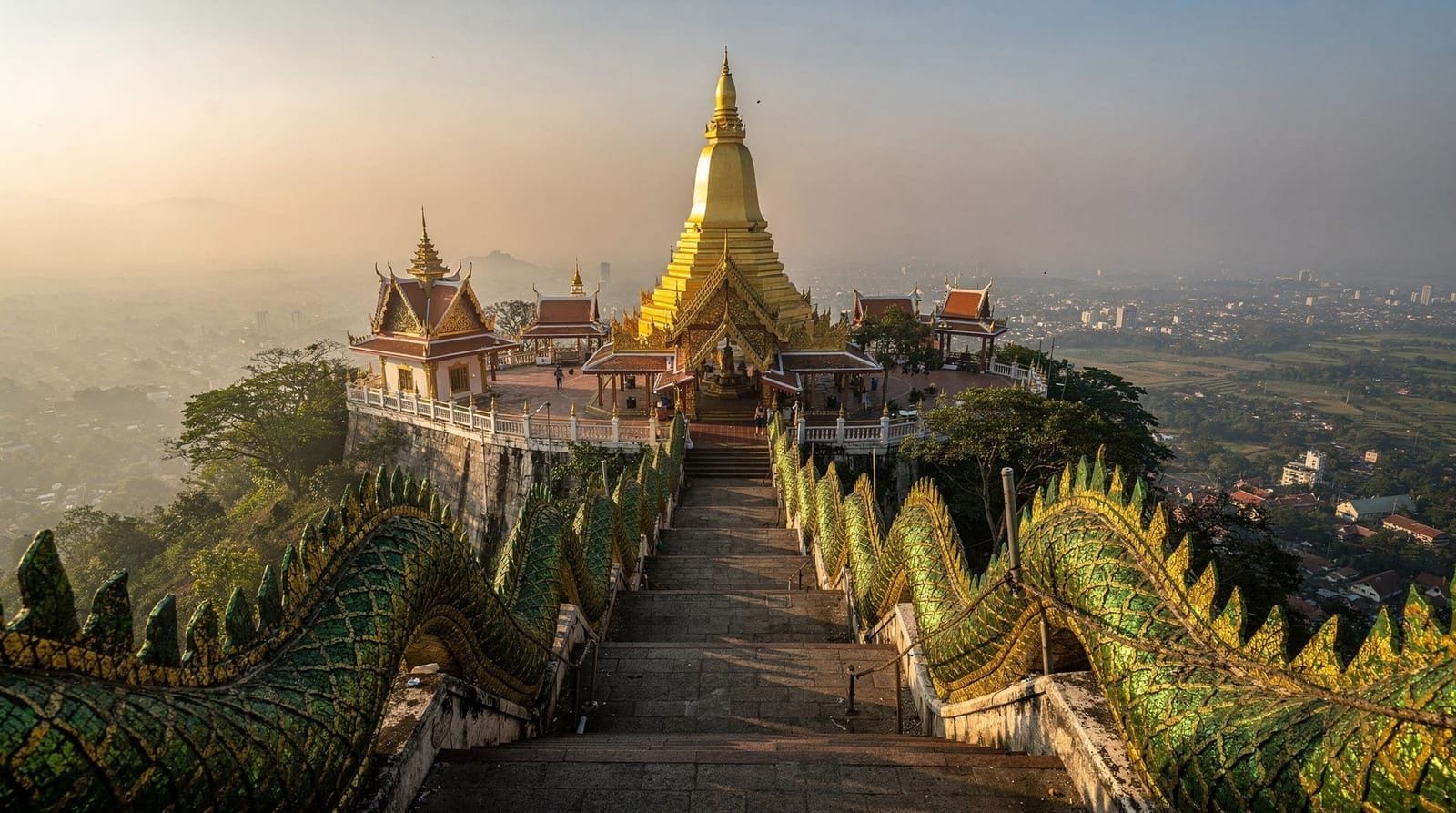
Doi Pui is the Hmong village that sits highest on the Doi Suthep-Pui mountain road, a further 4 km past Bhubing Palace on a narrow, winding lane. It is the destination most half-day “Doi Suthep and hill tribe” tours tack on at the end, and it is also the most misunderstood stop on that circuit. What you find is not a living, self-sufficient hill-tribe settlement frozen in time — it is a market village that has organized itself, sensibly, around tourism, with souvenir stalls, flower terraces built for photographs, and a small museum about the opium economy that once defined this part of northern Thailand. Knowing that going in changes how you experience it, and it is the difference between leaving disappointed and leaving with a clear-eyed sense of how hill-tribe communities in the hills above Chiang Mai have adapted over the last half-century.
Quick answer: Doi Pui Hmong village is a market and garden stop about 20 minutes past Doi Suthep and 4 km past Bhubing Palace, reached by songthaew, Grab, or as part of a half-day temple-and-village tour. Budget 1-1.5 hours: a walk through the market street, the terraced flower gardens, and the small opium-history museum. It is touristy but scenic, and it works best as the last stop on a Doi Suthep morning rather than a trip on its own.
What Doi Pui actually is
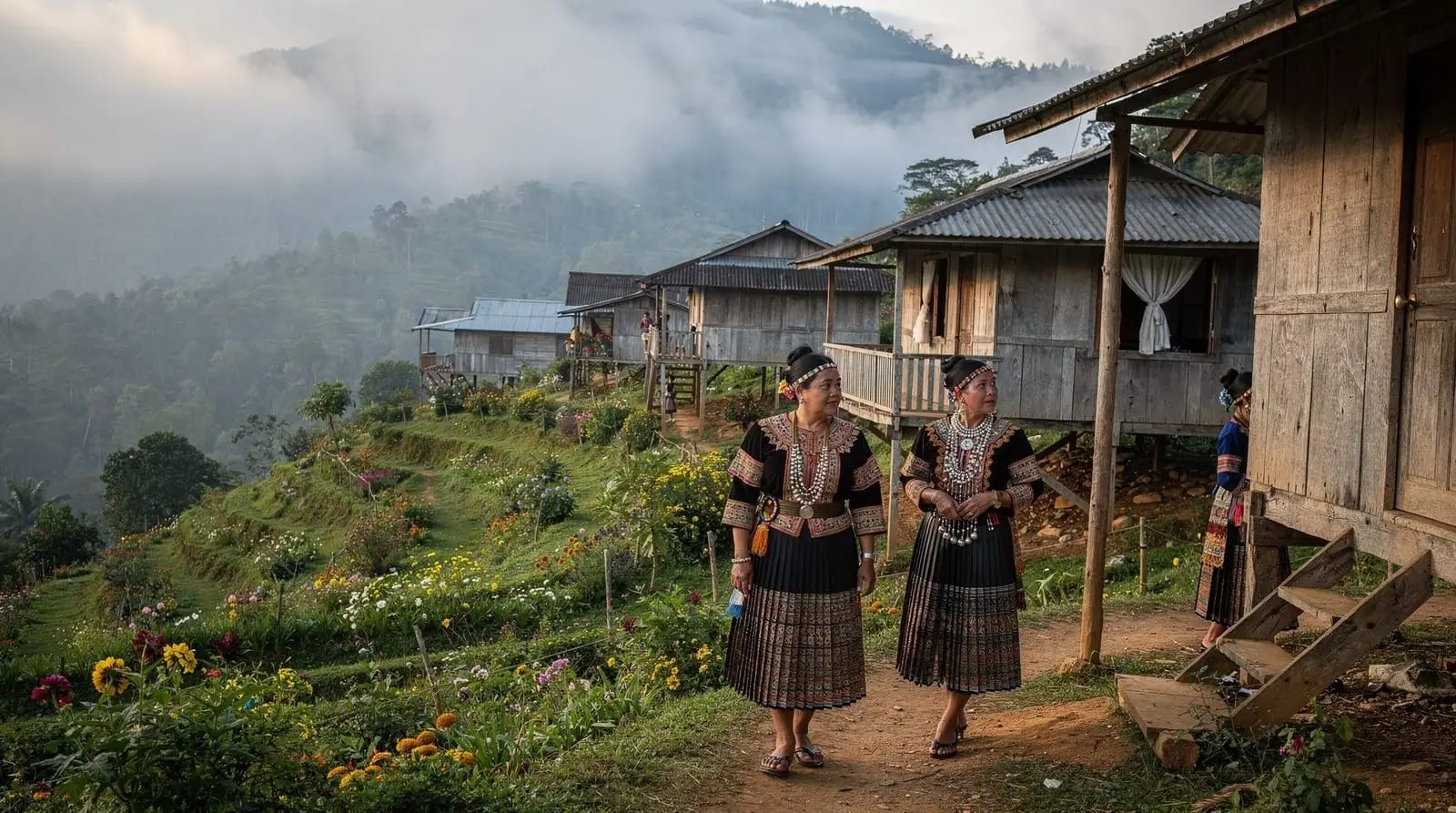
The Hmong (also written Miao or, in some older tour listings, Meo) are one of several hill-tribe groups who settled the mountains of northern Thailand over the past two centuries, many arriving from southern China and Laos. Doi Pui’s community has lived on this ridge for generations, and like many hill-tribe villages within an hour of a major tourist city, its economy shifted decades ago from swidden agriculture and opium cultivation toward tourism, flower and vegetable farming for Chiang Mai’s markets, and small-scale handicrafts. That shift is worth understanding before you visit, because it explains everything about what’s there: a paved market street lined with stalls selling embroidered textiles, silver jewelry, and dried fruit; terraced gardens planted mainly for visitors to photograph; and houses that function as homes, not exhibits.
This is different from a “human safari” style hill-tribe visit sometimes marketed elsewhere in the region, where villagers are essentially paid to pose in traditional dress for day-trippers who never learn anyone’s name. Doi Pui is closer to a working village that has built a market economy around its location — more like visiting a mountain town with a strong local identity than visiting a museum exhibit. That said, go in with realistic expectations: on a Saturday or Sunday, tour buses queue on the narrow access road and the market street can feel more like a shopping strip than a cultural encounter.
Getting to Doi Pui
Doi Pui sits about 21 km from central Chiang Mai, following the same winding mountain road as Doi Suthep and Bhubing Palace, then continuing another 4 km up a narrower, single-lane stretch. Options:
- Grab or private driver: The easiest way to combine all three stops (Doi Suthep, Bhubing Palace, Doi Pui) in one morning. Expect roughly 600-800 THB for a return trip with waiting time if you book a driver for 3-4 hours, though Grab pricing varies by demand and time of day.
- Red songthaew (shared truck): Songthaews congregate near Chiang Mai Zoo and the base of Doi Suthep and will negotiate a combined Doi Suthep-Bhubing-Doi Pui run, usually cheaper per person in a group but slower with more stops.
- Guided half-day tour: Most operators package Doi Suthep temple, Bhubing Palace gardens, and Doi Pui village into a single 4-hour morning tour with hotel pickup, which removes the hassle of arranging the final, narrower stretch of road yourself.
The road beyond Bhubing Palace narrows considerably and can back up on weekends, so if you’re self-driving a rental scooter, budget extra time and be cautious on blind curves — this is not a road for a first-time rider in Thailand. Parking near the village itself is limited to a small area at the entrance, which fills quickly once several tour vans arrive at once, another reason weekday mornings tend to be a smoother experience than a Saturday or Sunday visit.
Book a half-day Doi Suthep and Hmong village tour that handles the whole loop with a driver, so you’re not navigating the mountain road yourself.
What to see and do
The market street. A single paved lane lined with wooden stalls selling embroidered Hmong textiles, indigo-dyed fabric, silver jewelry, dried fruit, and small snacks. Prices are set for tourists, so gentle bargaining is normal and expected, though it is nowhere near as aggressive as night bazaar haggling in the city.
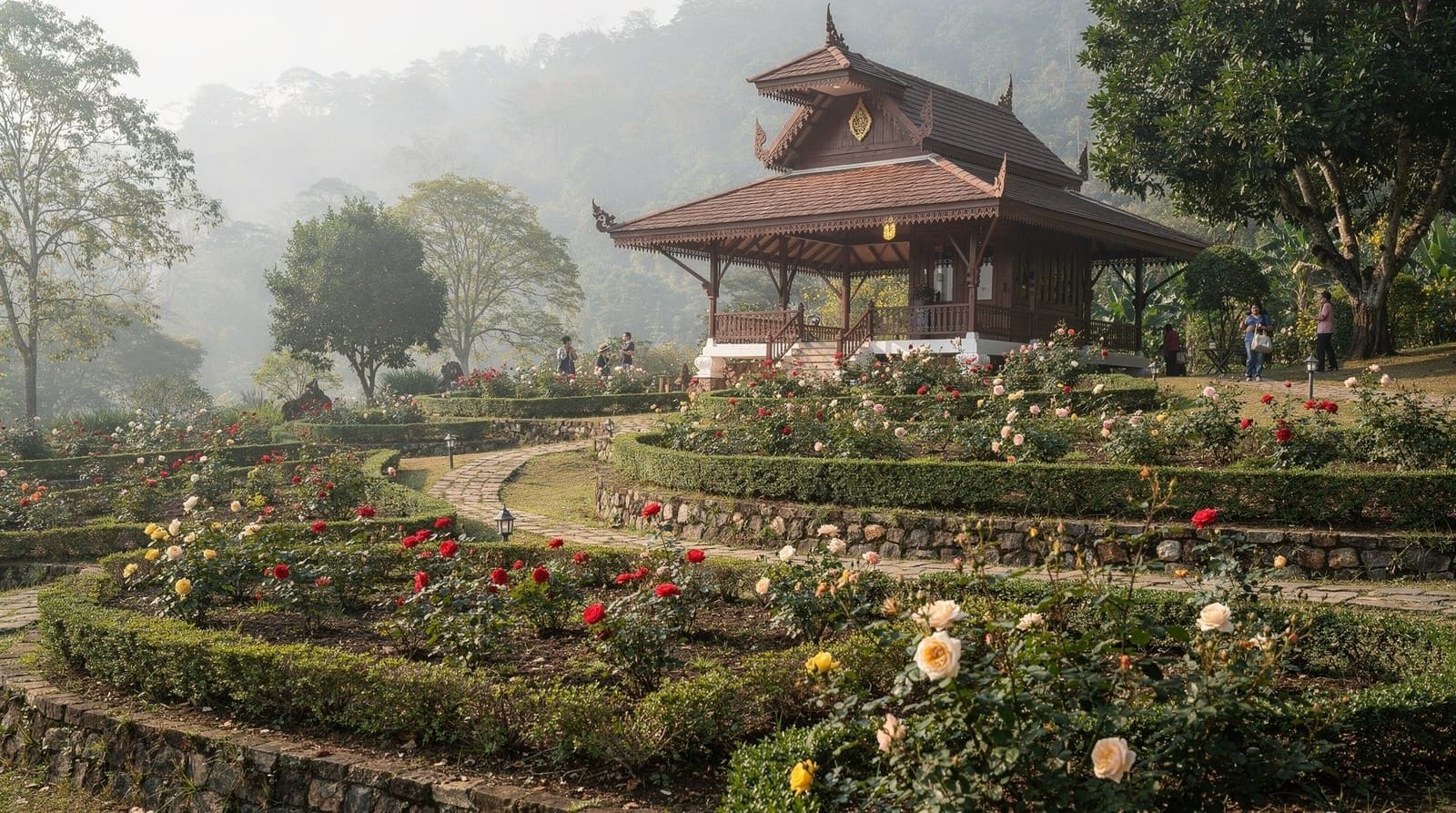
The flower gardens. Terraced beds of seasonal flowers — usually including hydrangeas, poinsettias in cool season, and various annuals — planted specifically for photographs. There’s a modest entry fee to some of the garden sections, collected separately from the general village access. This is the most obviously tourism-built part of the visit, and it’s worth knowing that going in rather than being surprised by it.
The Hmong Doi Pui Tribal Museum. A small, low-key museum covering the history of opium cultivation in the region, the Thai government’s crop-substitution programs from the 1970s onward (the same royal projects tied to Bhubing Palace and Doi Inthanon’s agricultural stations), and traditional Hmong dress and tools. It’s a five-minute stop, but it’s the single most informative part of the village for understanding why the community looks the way it does today.
Village walk. Beyond the main market street, narrow paths lead past houses and small vegetable plots. This part is quieter and gives a better sense of daily life than the tourist strip, though it’s genuinely someone’s home, so keep a respectful distance and don’t photograph people or private property without asking.
Hmong identity and history in northern Thailand
The Hmong are one of six officially recognized hill-tribe groups in Thailand, alongside the Karen, Akha, Lahu, Lisu, and Mien, and they are the group most visitors to Doi Pui and Doi Inthanon’s surrounding villages will encounter directly. Hmong communities migrated into the mountains of northern Thailand, Laos, and Vietnam from southern China over roughly the past two centuries, settling at higher elevations than many lowland Thai communities, in part because traditional Hmong agriculture — historically including opium poppy cultivation for cash income — suited cooler, higher-altitude conditions.
Thailand’s crop-substitution programs, launched from the 1970s onward and closely associated with the royal family’s rural development projects, offered hill-tribe farmers alternative cash crops (temperate fruits, flowers, coffee, and vegetables) in exchange for phasing out opium cultivation. Doi Pui’s own shift toward flower farming and market tourism traces directly back to this era, and the small museum at the village is one of the more accessible places near Chiang Mai to learn about that history in a reasonably serious way rather than a superficial “hill tribe” gift-shop framing. Traditional Hmong dress — indigo-dyed hemp or cotton fabric, elaborate silver jewelry, and intricate embroidery — is still worn for ceremonies and sometimes displayed or sold in the market, distinct from the simplified “costume rental” photo experiences offered at some other tourist-oriented village stops in the region.
Responsible visiting: etiquette that actually matters
A few specific habits make a real difference to how a Doi Pui visit lands, both for you and for the people who live there:
- Ask before photographing people. The market stalls and gardens are fair game for photos, but individuals — especially older residents going about daily life away from the tourist strip — should be asked first, the same courtesy you’d expect visiting anywhere.
- Buy something if you can. The market stalls are how many residents supplement farming income; a small purchase (embroidered textiles, dried fruit, a snack) directly supports the local economy rather than just passing through.
- Don’t wander into private homes or yards. The paths beyond the market street pass real houses. Respect the same boundaries you’d expect a stranger to respect at your own home.
- Keep expectations realistic and say so if asked. If a tour guide or driver oversells Doi Pui as an “authentic hill-tribe experience,” it’s fair to mentally recalibrate — it’s a market and garden stop with real cultural roots, not an immersive village stay.
Combining Doi Pui with the rest of the mountain
Almost nobody visits Doi Pui as a standalone trip — it makes sense as the third stop on a single morning that starts at Doi Suthep for the temple and city view, continues to Bhubing Palace for the royal gardens (only open when the royal family isn’t in residence), and finishes at Doi Pui for the market and museum. Start early: leaving the old city by 8am gets you to Doi Suthep before the bus groups, and by the time you reach Doi Pui in the late morning the road traffic has usually thinned out from its peak.
See the Doi Suthep, Bhubing Palace and Hmong village combination tour if you’d rather have all three stops planned and driven for you rather than piecing together songthaews.
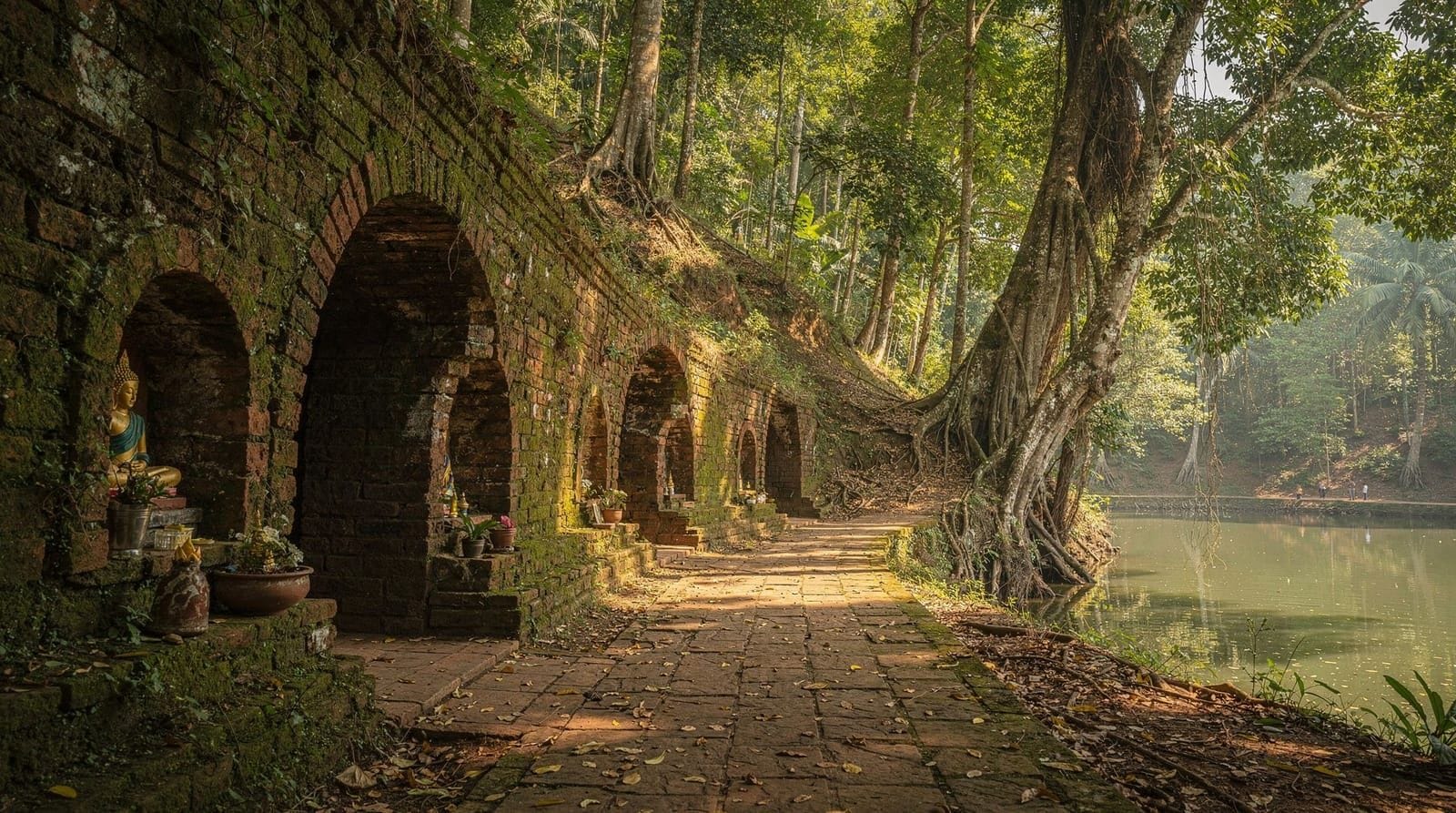
Some operators frame this loop as a half-day (around 4 hours from pickup to drop-off), which is realistic if you move briskly through each stop; others stretch it into a longer morning with a stop at Wat Umong’s forest tunnels on the way back down, which is worth it if you have the time and want a fourth, very different temple experience.
Check the 4-hour Doi Suthep and Hmong hill-tribe village tour for a tighter, faster-paced version of the same loop.
Honest take: is it worth it?
What Doi Pui is not
It’s worth being explicit about a few things Doi Pui does not offer, since tour marketing occasionally implies otherwise. It is not an overnight homestay experience — visits are day-trip stops of an hour or two, not the kind of multi-day village stay available on treks further afield near Chiang Dao or Mae Hong Son. It is not a place to see traditional agricultural life in progress — the terraced gardens near the entrance are ornamental, built for visitors, rather than working farmland, even though the wider community still farms elsewhere on the mountainside. And it is not staffed or performed for visitors in the way a cultural show venue might be — nobody at Doi Pui is paid to dress up or demonstrate a craft on request; what you see is largely just a market operating as it would regardless of that day’s visitor numbers.
Practical tips
- Weekends are busiest. Saturday and Sunday mornings bring the most tour buses and the most crowded market street. Weekday mornings are noticeably quieter.
- Dress modestly if you plan to also visit Doi Suthep or Bhubing Palace the same trip — shoulders and knees covered for the temple, and it doesn’t hurt at the palace gardens either.
- Bring small bills. Stalls and the museum entry are cash-only and rarely have change for large notes.
- Combine with Bhubing Palace’s opening schedule. The palace gardens close when the royal family is in residence (roughly December to February in some years) — check current status before planning your route, since it affects how you sequence the morning.
- Don’t expect a “living history” village. Go for the market, the view, and the small museum, not for an immersive cultural encounter — that’s better found on a multi-day trek further afield.
Frequently asked questions about Doi Pui Hmong village
How far is Doi Pui from Chiang Mai city centre?
About 21 km, roughly 45-60 minutes by car depending on traffic on the mountain road, following the same route as Doi Suthep and continuing another 4 km past Bhubing Palace.
Is Doi Pui a “real” hill-tribe village or built for tourists?
Both, in different parts. People genuinely live there and the community has lived on this ridge for generations, but the market street and photo gardens are deliberately built around tourism, which is worth knowing before you visit so you set realistic expectations.
Can I visit Doi Pui without a tour or driver?
Yes, by chartering a songthaew or booking a Grab, but the narrow final stretch past Bhubing Palace and the limited return transport options make a scheduled half-day tour or a hired driver considerably easier than piecing it together yourself.
How much time should I budget for Doi Pui?
1 to 1.5 hours is enough for the market, gardens, and museum. Most half-day tours allocate roughly this much time before heading back down the mountain.
Is there an entry fee for Doi Pui village?
Village access is typically a small donation, with a modest separate fee for some of the garden sections and the museum. Bring cash in small denominations.
Can I combine Doi Pui with Doi Suthep and Bhubing Palace in one trip?
Yes, this is how nearly everyone visits — a single morning loop covering all three, either self-arranged with a driver or via a packaged half-day tour.
Is Doi Pui worth visiting if I’ve already done a hill-tribe trek elsewhere?
Probably not as a priority. If you’ve already spent time in villages around Chiang Dao or on a Mae Hong Son loop trek, Doi Pui’s market-street format will feel considerably more commercial by comparison.
What’s the best time of day to visit Doi Pui?
Morning, ideally before 10am on weekdays, to beat both the tour-bus crowds and the midday heat on the exposed market street and gardens.
Are the Hmong at Doi Pui the same group found near Doi Inthanon or Chiang Dao?
Broadly yes — Hmong communities are found across several mountain areas of northern Thailand, including villages near Doi Inthanon and Chiang Dao, though each individual village has its own history and degree of tourism development. Doi Pui is among the most visited and most tourism-oriented of these communities specifically because of its proximity to the Doi Suthep road.
Is it okay to buy souvenirs at Doi Pui?
Yes, and it’s actively encouraged — market purchases are one of the more direct ways tourism revenue reaches individual households rather than a tour company or transport operator.
Can I do Doi Pui as a standalone half-day trip without Doi Suthep?
It’s possible with a private driver, but since the road passes directly through Doi Suthep and Bhubing Palace anyway, nearly everyone combines the three rather than making a special trip to Doi Pui alone.
Is there anywhere to eat at Doi Pui village?
Small food stalls sell simple snacks and drinks along the market street, but it’s not set up for a full sit-down meal — plan to eat back in the city or at a stop along the mountain road instead.
Top experiences
Bookable activities with verified prices and instant confirmation on GetYourGuide.