Muay Thai fight nights in Chiang Mai: where to watch, and ticket tips
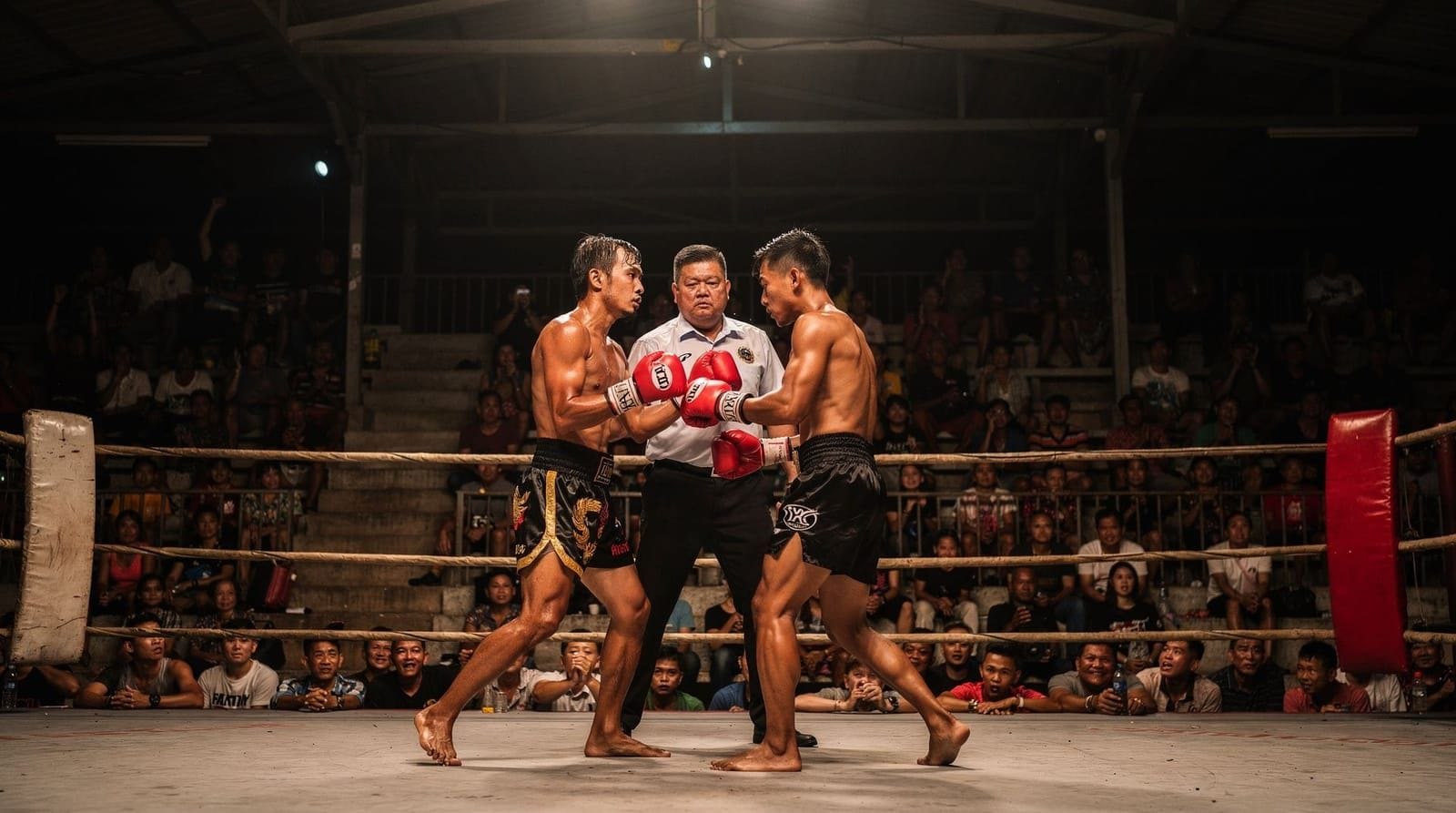
Chiang Mai: Thaphae Boxing Stadium Muay Thai
Where's the best place to watch Muay Thai in Chiang Mai?
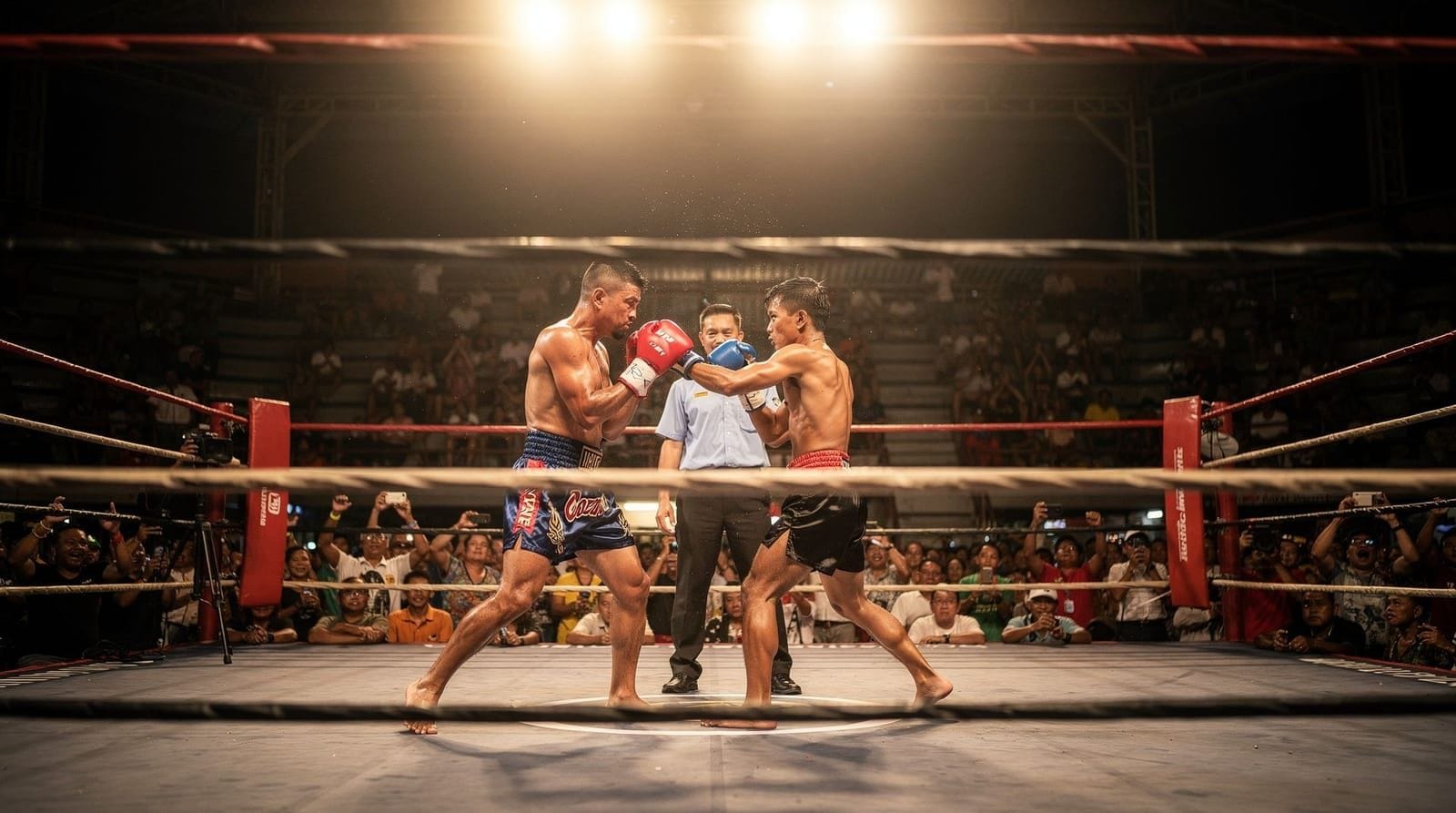
Thapae Boxing Stadium, near the eastern edge of the Old City, is the longest-established and most consistently programmed venue, typically running fight cards several nights a week. Kalare Night Bazaar's stadium and the Loi Kroh stadium, both in the riverside/night bazaar area, offer comparable fight nights within easy walking distance of central hotels. Tickets across all three run roughly 600-1,500 THB (about USD 17-42) depending on seating tier.
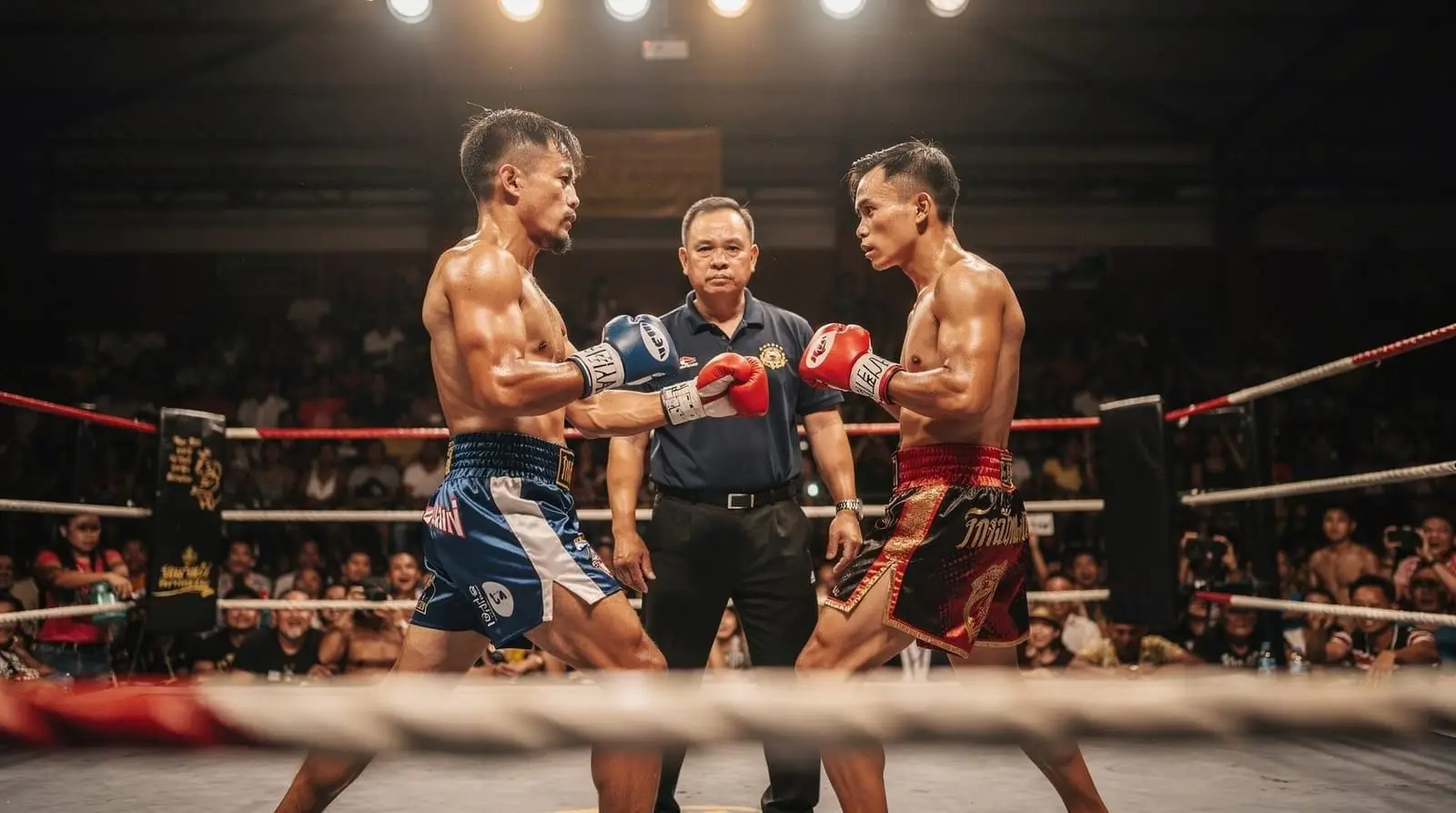
Watching a Muay Thai fight night is one of the more reliably good evening plans in Chiang Mai regardless of your interest level in combat sports generally, but with three or four active stadiums and a healthy population of ticket touts working the busiest ones, a bit of orientation before you go improves the odds of a good seat at a fair price rather than an overpriced ticket bought under pressure on the sidewalk. This guide compares the specific venues and covers the practical ticket-buying details that matter more than most first-time visitors expect.
Quick answer: Thapae Boxing Stadium, near the eastern Old City, is the most established and consistently programmed venue. Kalare Night Bazaar and Loi Kroh stadiums offer comparable fight nights within the riverside/night bazaar area, more convenient if you’re already out in that part of the city that evening. Tickets across all three run roughly 600-1,500 THB (about USD 17-42) by seating tier, and buying directly at the box office avoids the markup that street touts commonly add.
This guide focuses specifically on watching a fight rather than training yourself — if you’re weighing both, our main Muay Thai in Chiang Mai guide covers how the two experiences complement each other, and our training camps guide compares gyms for anyone wanting to step into the ring themselves rather than only watch from the stands.
Thapae Boxing Stadium: the established option
Thapae Boxing Stadium, close to Tha Phae Gate at the eastern edge of the Old City, has run fight cards consistently for longer than most of Chiang Mai’s other tourist-facing venues, giving it the deepest track record and, generally, the most consistently programmed schedule of the city’s main stadiums. Its location makes it an easy walk or short songthaew ride from most Old City and Nimman accommodation, and its card structure — undercard bouts building toward stronger main-event fights later in the evening — follows the standard format described in our main Muay Thai in Chiang Mai guide.
The stadium’s longer operating history also means its staff, ticketing process, and general house-keeping (seating layout, concessions, crowd flow) tend to run smoothly and predictably compared with newer venues still working out their operational routine. For a first-time visitor to Chiang Mai’s Muay Thai scene wanting the option with the fewest unknowns, Thapae is a reasonable default choice, with the other venues covered below as strong alternatives based on location rather than any significant quality gap.
Kalare Night Bazaar Stadium: convenience inside the market
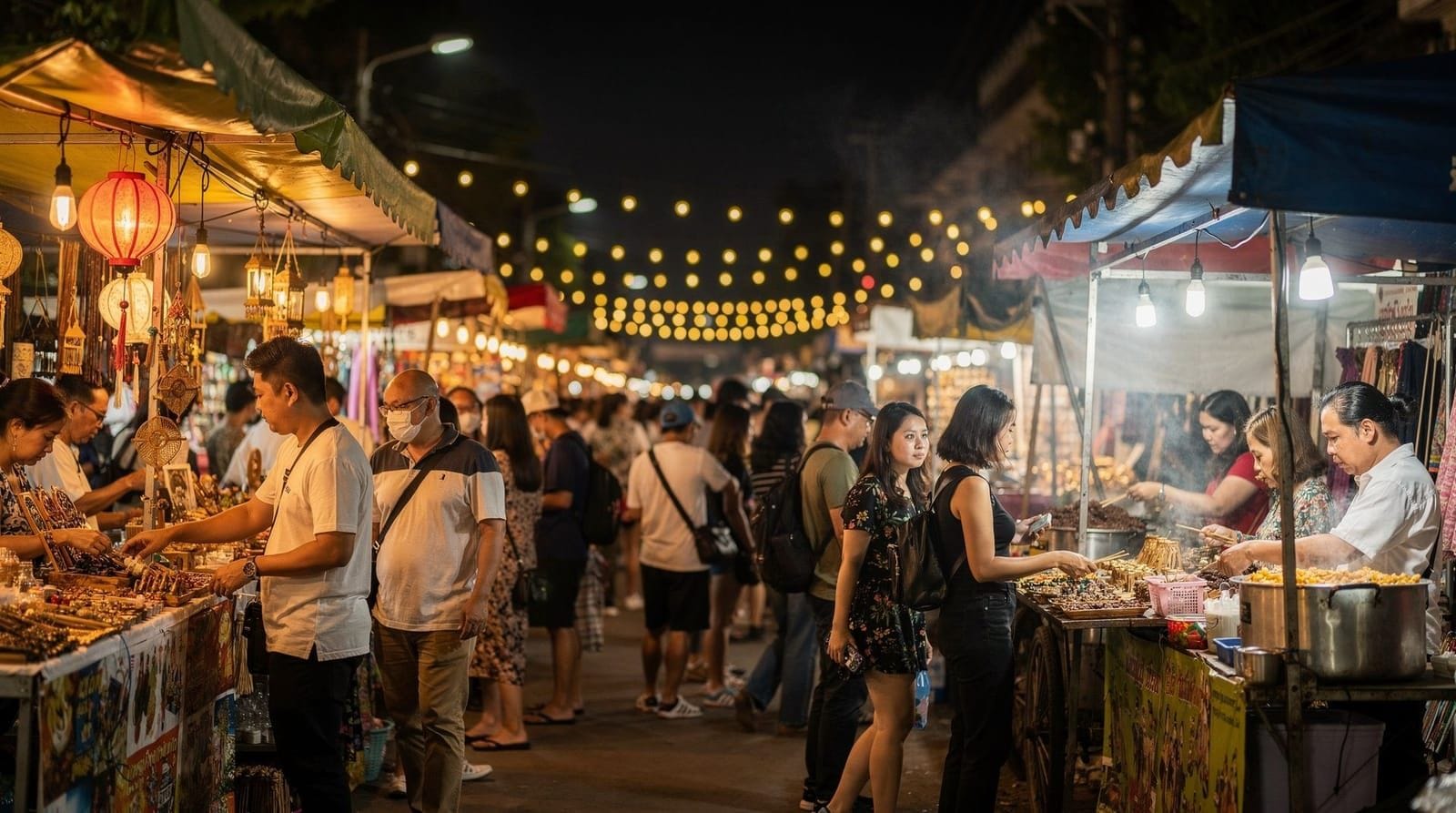
The stadium at Kalare Night Bazaar, on Chang Khlan Road, sits directly inside the busy night market complex, making it a natural add-on for visitors already planning an evening of shopping and street food in the area. A Kalare Night Bazaar boxing stadium ticket lets you fold a fight night into an evening you were likely having anyway rather than requiring a dedicated separate trip, and the surrounding market gives you plenty to do before or after the card if you arrive early or want to extend the evening once the fights wrap up.
Being embedded within a working market complex does mean the stadium’s immediate surroundings are noisier and busier than a standalone venue, with market foot traffic and vendor activity continuing right up to the stadium entrance throughout the evening. This adds to the overall energy for visitors who enjoy that kind of bustling atmosphere, though it’s a genuinely different feel from a more self-contained venue like Thapae, worth knowing if you’d prefer a slightly calmer approach to the fight card itself.
Loi Kroh Stadium: the closest riverside option
A short distance from Kalare, the stadium on Loi Kroh Road offers a broadly similar experience and sits within easy reach of the Anusarn night market area and the wider riverside neighborhood. A Loi Kroh Muay Thai boxing stadium ticket makes sense for visitors staying in the riverside area specifically, cutting down on evening transport compared with heading over to the Old City for Thapae. Fight quality and format across Kalare and Loi Kroh is broadly comparable, so proximity to your accommodation for that particular evening is a reasonable tiebreaker between the two.
Loi Kroh Road itself has a somewhat mixed reputation among longer-term visitors, with a concentration of bars and nightlife venues alongside the stadium, so if you’re bringing children or simply prefer a quieter approach to the evening, arriving directly for the fight card and heading elsewhere afterward rather than lingering extensively along the street itself is a reasonable approach for anyone who’d rather avoid that specific nightlife scene.
Northern Muay Thai Boxing Stadium and other venues
A Northern Muay Thai Boxing Stadium ticket covers a further option that’s opened as demand from visitors has grown in recent years, generally running a similar tourist-oriented format to the more established venues. Chiang Mai’s stadium landscape has shifted somewhat over time as new venues open and older ones adjust their schedules, so it’s worth checking what’s currently running fight cards on your specific travel dates through a current listing rather than relying on an outdated fixed schedule, especially if a specific night of the week matters to your itinerary.
Newer venues sometimes offer a genuinely comparable experience at a slightly lower price point while they build up their own reputation and returning audience, which can make them worth considering purely on value, though they also carry a bit more uncertainty around long-term consistency than a stadium with a decade or more of continuous operation behind it. A quick check of recent visitor feedback for whichever specific venue you’re considering, rather than relying solely on how long it’s been operating, gives the most current picture of what to actually expect.
Photography during a fight night is generally welcomed at all of these venues, given how much the spectacle depends on visitor engagement, though flash photography aimed directly at fighters mid-bout is best avoided out of basic consideration, similar to the etiquette that applies at any live combat sporting event. A phone or camera captures the ring action reasonably well from most seating tiers given the stadiums’ compact size, and a slightly faster shutter speed, where your device allows manual adjustment, helps freeze the genuinely quick striking exchanges better than a standard automatic setting.
Comparing the venues at a glance
None of Chiang Mai’s main stadiums is dramatically superior to the others in absolute terms — fight quality, ticket pricing, and general atmosphere are broadly comparable across Thapae, Kalare, Loi Kroh, and the newer northern venue. The meaningful differences come down to location relative to your accommodation and evening plans, and, to a lesser extent, each venue’s specific track record and consistency of scheduling, with Thapae generally holding a slight edge on the latter given its longer operating history. For most visitors, picking whichever stadium best fits the rest of that evening’s plans is a perfectly reasonable way to decide, rather than treating this as a decision requiring extensive research.
If you’re staying in Chiang Mai for long enough to attend more than one fight night, visiting two different stadiums across your stay is a reasonable way to get a broader sense of the city’s overall Muay Thai scene rather than assuming one venue is fully representative. Each stadium tends to draw a slightly different mix of local and tourist attendees, and cards vary night to night in terms of which fighters and gyms are featured, so a second visit at a different venue rarely feels repetitive even having already seen one full card elsewhere in the city.
Ticket prices and where inflation creeps in
Genuine stadium prices typically run 600-1,500 THB (about USD 17-42), with ringside seats costing more than rear or standing sections. The most common overcharging pattern involves touts working the street near a stadium entrance, quoting a price above the venue’s own posted rate and sometimes pressuring a quick decision before you’ve had a chance to check the box office directly. Our honest-planner guide to common Chiang Mai scams covers this pattern alongside other tout-driven markups around the city; the practical fix here is the same in every case — walk to the actual box office or buy through an official listing, and treat a tout’s urgency as a reason for more scrutiny, not less.
Prices can also fluctuate slightly by night and by how significant a specific fight card is billed as — a card featuring a notable fighter or a title bout sometimes carries a modestly higher price than a routine weeknight card, which is a legitimate, transparent pricing difference rather than an inflation attempt. The distinction to watch for is a price quoted well above what’s posted at the stadium itself or listed through an official channel, not a modest, disclosed difference between an ordinary night and a specially billed one.
Seating tiers and what they actually get you
Most stadiums offer at least two or three tiers: ringside seating closest to the action, mid-tier seating further back but still with a clear sightline, and rear or standing areas at the lowest price point. Ringside seats cost meaningfully more but put you close enough to appreciate the speed and impact of strikes that read as noticeably slower and less forceful from further back, particularly on a phone video recorded from a distance. For a first-time visitor unsure whether the sport will hold their interest for a full evening, a mid-tier seat is often the more sensible starting choice, with ringside reserved for a repeat visit once you know you want the closer view.
Sightlines from most mid-tier and rear seating at Chiang Mai’s stadiums remain genuinely usable even at the lower end of the price range, given how compact these venues are compared with much larger stadiums elsewhere — this isn’t a cavernous arena where the cheapest seats leave you squinting at distant action, but a relatively intimate space where even a standing or rear-tier ticket delivers a clear view of the ring.
What time to arrive and how a card unfolds
Arriving 20-30 minutes before the posted start time gives you time to settle into your seat before the earlier undercard bouts begin, which is worth doing since these lower-stakes early fights still set the evening’s atmosphere and give you a chance to acclimatize to the format before the stronger main-event bouts later on. A full card typically runs two to three hours across eight to twelve bouts, with natural breaks between fights giving you room to get a drink or snack from circulating vendors without missing significant action.
Fights themselves vary considerably in length depending on how the bout unfolds — some end early via knockout or technical stoppage, others go the full scheduled rounds to a judges’ decision — so the overall evening’s pacing is genuinely unpredictable in a way that adds to rather than detracts from the atmosphere. Staying for the full card rather than leaving after an early highlight is worth doing if your schedule allows, since the strongest, most competitive matchups are typically saved for later in the evening rather than opening the card.
Combining a fight night with the rest of your evening
Because Kalare and Loi Kroh sit directly within or beside busy market areas, a fight night there combines naturally with dinner and shopping before or after the card, letting you build a single, efficient evening out rather than treating the fight as an isolated activity. Thapae’s Old City location works similarly well paired with an evening walk through the Old City or a stop at one of the area’s restaurants before heading to the stadium. Either approach avoids the less efficient pattern of a dedicated round trip solely for the fight card with no other activity built around it.
Transport back to your accommodation after a fight night is worth planning in advance in a general sense, even if not booking anything specific — ride-hailing apps work reliably across all three main stadium areas, and a short wait outside the venue after a card ends, when many other attendees are also looking for transport at once, is normal rather than a sign something’s gone wrong. Having your accommodation’s address saved in a ride-hailing app beforehand avoids fumbling with this after a late evening out.
Bringing children or watching as a family
Chiang Mai’s tourist-oriented stadiums generally welcome family attendance without restriction, though it’s worth setting expectations in advance that Muay Thai is genuine full-contact combat sport with visible strikes, occasional cuts, and an intensity that some younger children may find more than they expected from a “show.” If the presence of child fighters on a specific card is a concern — a real, legitimate ethical question covered in more depth in our main Muay Thai guide — asking the venue directly about that evening’s specific lineup before buying tickets is a reasonable step for families wanting to avoid supporting cards that include child bouts.
Younger children unfamiliar with combat sports sometimes find the loud music, crowd noise, and visible physical contact more intense than expected, so it’s worth setting expectations with them beforehand rather than assuming the evening will read purely as light entertainment. Sitting slightly further back rather than at ringside can soften the intensity for a first-time young attendee while still giving a clear, engaging view of the overall evening.
Making the most of a single fight night
If you only have time for one fight night during your stay, prioritize a stadium that fits logistically with the rest of that evening over chasing a marginal difference in reputation between venues, since the core experience — atmosphere, ring ritual, live music, competitive later-card bouts — is broadly consistent across Chiang Mai’s main tourist-facing stadiums. Pairing the fight night with a same-day or previous training session, as covered in our Muay Thai training camps guide, tends to deepen appreciation for the skill on display, giving you a firsthand sense of how demanding even a single strike is to execute well under the pressure of a real bout.
Whichever venue and evening you choose, a Muay Thai fight night remains one of the more distinctive, low-cost evening activities available in Chiang Mai relative to its actual entertainment value — a few hours of genuine local sporting culture, live music, and competitive athletics for a ticket price well under what a comparable live sporting event would cost in most other countries. Treating it as a standard, worthwhile evening out rather than a niche activity for combat sports enthusiasts specifically is a reasonable way to approach a first visit, and most first-timers come away having enjoyed the atmosphere considerably more than they expected going in.
Frequently asked questions about Muay Thai fight nights in Chiang Mai: where to watch, and ticket tips
How do I avoid overpaying for a Muay Thai ticket?
What time should I arrive for a fight night?
Which stadium has the best atmosphere?
Can I bring children to watch a fight?
Is it safe to sit close to the ring?
Do fight cards run every night of the week?
Top experiences
Bookable activities with verified prices and instant confirmation on GetYourGuide.