Muay Thai training camps in Chiang Mai: comparing gyms for short-term training
Chiangmai: Basic Muay Thai Experience with Training Session
How do I choose a Muay Thai gym in Chiang Mai as a tourist?
Decide first how much time and intensity you want: a single 60-90 minute taster session (roughly 300-600 THB, about USD 8-17) suits a one-off experience, while a week-long package (roughly 1,500-3,000 THB, about USD 42-83) suits visitors wanting real progression without a long-term commitment. Longer fight camps, running weeks to months and sometimes including accommodation, cater to visitors training seriously, often toward an amateur fight of their own.
Chiang Mai has one of the deepest concentrations of tourist-accessible Muay Thai gyms anywhere in Thailand, ranging from a single 90-minute taster class for someone who’s never thrown a punch to multi-week fight camps for visitors training seriously toward real conditioning gains or an amateur bout. The range is genuinely wide, and the right choice depends far more on how much time and intensity you actually want than on finding an objectively “best” gym, since a demanding fight camp and a relaxed one-off session serve completely different visitors well.
Quick answer: a single taster session runs roughly 300-600 THB (about USD 8-17) and suits a one-off experience with no prior training. A week of daily group classes runs roughly 1,500-3,000 THB (about USD 42-83) and gives real technical progression without a long-term commitment. Multi-week fight camps, sometimes bundling accommodation, cost considerably more and suit visitors training seriously over an extended stay.
Deciding how much time you actually want to commit
The single biggest factor in choosing a gym isn’t the gym’s specific reputation — it’s an honest read on how much of your trip you actually want to spend training. A single session slots into any itinerary without displacing much else, a few sessions across a longer stay lets you build enough technique to feel real progress, and a dedicated week-plus camp effectively becomes the primary activity of your trip rather than an add-on around sightseeing. Being clear about this before booking avoids either overcommitting to a demanding daily schedule that leaves no time for the rest of Chiang Mai, or undercommitting to a single session when you actually wanted the deeper experience a longer package provides.
It’s worth thinking about this alongside the rest of your itinerary rather than in isolation. A daily two-a-day fight camp genuinely limits how much sightseeing, day-tripping, or other activity you can realistically fit around it, given both the time commitment and the physical fatigue that accumulates across consecutive intensive days. Visitors who want both a serious training block and a full sightseeing itinerary sometimes split their stay into phases — a dedicated training week followed by a more typical sightseeing-focused second week, for example — rather than trying to interleave demanding twice-daily sessions with full days out at temples or waterfalls.
The single taster session
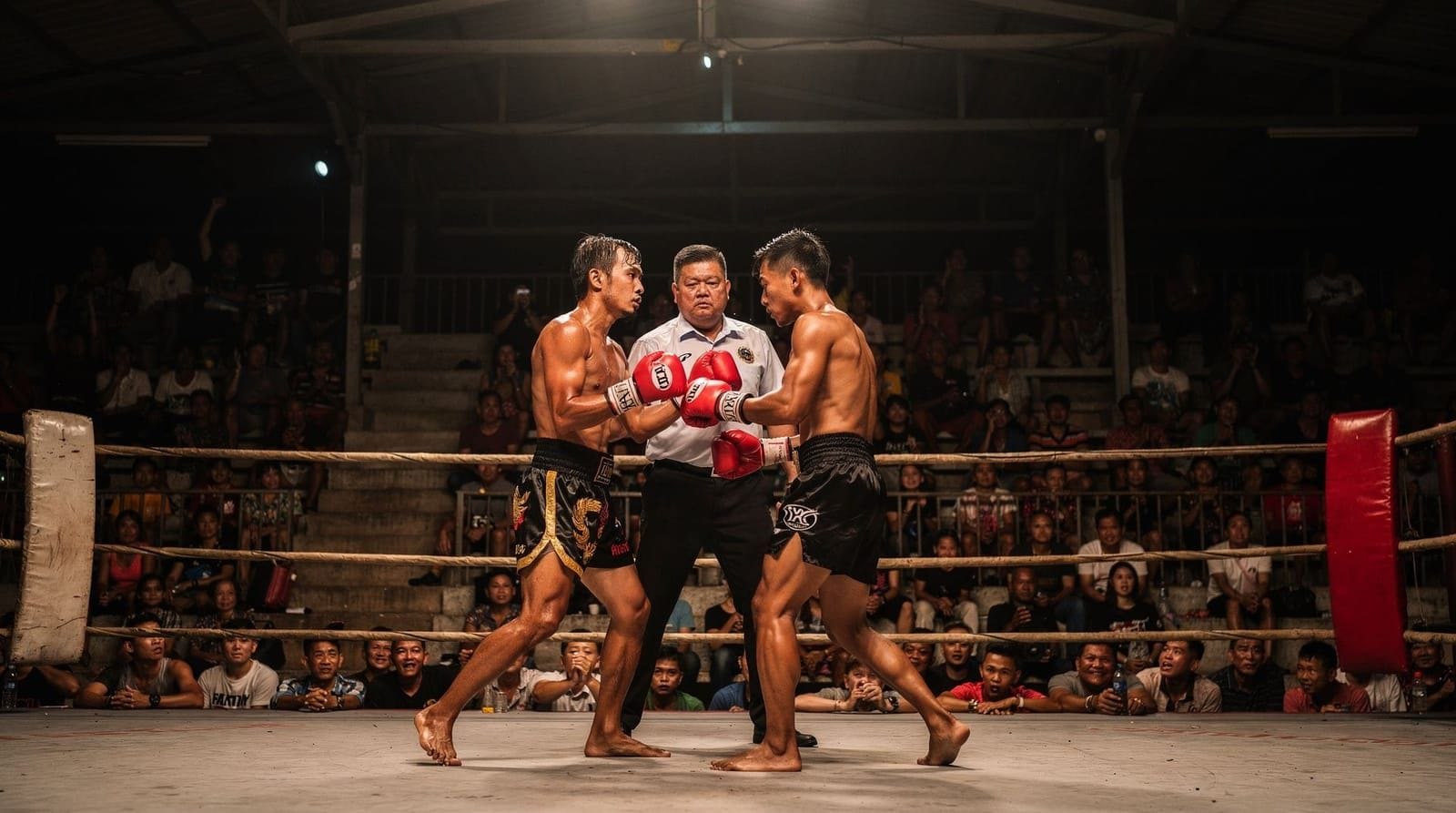
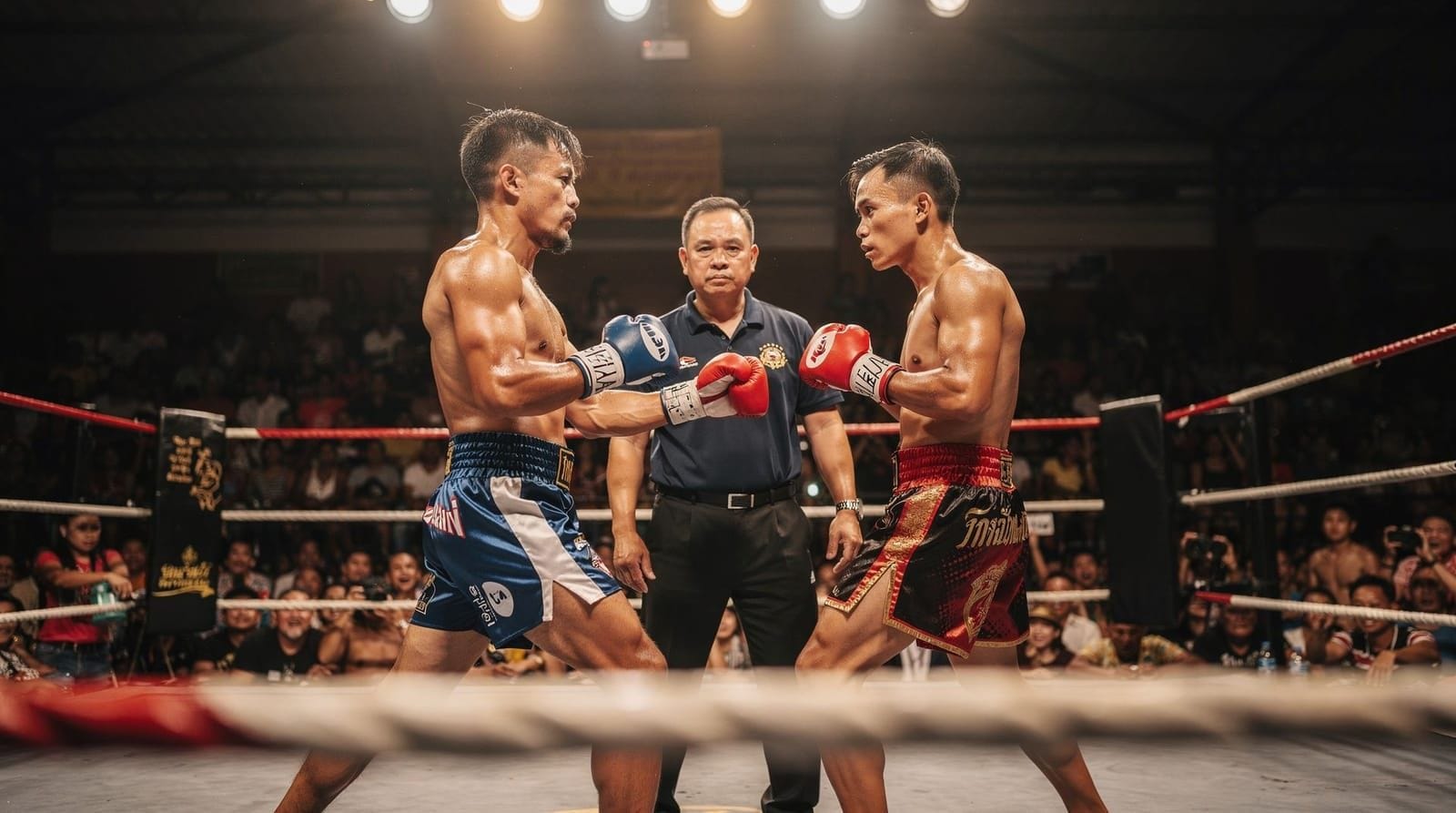
A basic Muay Thai experience with training session or a similar Muay Thai boxing experience is the standard entry point for visitors who want to try the sport once without any ongoing commitment. Expect a 60-90 minute session covering a warm-up, basic stance and footwork, core strikes (jab, cross, roundhouse kick, and often a basic elbow or knee), and pad work with a trainer holding focus mitts or Thai pads for real-time feedback. These sessions are priced accessibly, typically 300-600 THB (about USD 8-17), often including glove and wrap rental, and require no advance fitness or experience.
Most gyms run these taster sessions as scheduled group classes at fixed times through the day, commonly a morning and a late-afternoon slot, rather than an on-demand booking you can walk into at any hour. Checking a specific gym’s class schedule and arriving 10-15 minutes early to fill out any waiver paperwork and get fitted with gloves is the practical routine for a first-timer, and most gyms handle this smoothly enough that it adds only a few minutes to the overall visit.
Multi-day packages: real progression without a full camp commitment
A few days to a week of consecutive sessions, sometimes through a package like a Muay Thai training academy program, lets you build real muscle memory around basic strikes and combinations in a way a single session can’t, since technique genuinely improves with repetition over several days rather than one isolated class. This tier suits visitors staying in Chiang Mai for a week or more who want training as one serious activity among several rather than the sole focus of the trip, and it typically still avoids full-contact sparring, keeping the emphasis on technique refinement and conditioning.
A common pattern for this tier is training once a day, five or six days across a one-week stay, leaving evenings and at least one full day free for sightseeing, a day trip, or simple rest. This middle-ground approach is often the best fit for visitors who are curious enough about the sport to go beyond a single session but aren’t planning their whole trip around training the way a dedicated fight camp participant would. Progress at this level is genuinely noticeable by the end of a week — cleaner technique, better cardio for the drills, more comfort with combinations — without requiring the total lifestyle shift a longer camp involves.
Full fight camps: for visitors training seriously
At the more intensive end, dedicated fight camps run structured daily schedules, often two sessions a day (commonly early morning and late afternoon, avoiding Chiang Mai’s hottest midday hours), building progressively toward supervised sparring and, for some visitors, an actual amateur bout arranged through the gym near the end of a longer stay. These programs expect a level of commitment closer to how a Thai fighter trains — consistent daily attendance, a genuine effort at conditioning between sessions, and acceptance that soreness and fatigue are part of the process rather than a sign something’s wrong. Several gyms offer on-site or nearby accommodation bundled into longer camp packages, worth asking about directly since it affects both convenience and total cost.
Visitors considering a full camp for the first time sometimes underestimate how physically demanding consecutive weeks of twice-daily training genuinely are, even accounting for rest days that most reputable camps build into a longer schedule (commonly one rest day per week). It’s worth starting with a shorter trial period — a few days to a week at the full camp intensity — before committing financially to a longer multi-week package, both to confirm the specific gym and trainer are a good fit and to get an honest read on how your own body handles the training load before locking in a longer, harder-to-refund commitment.
What a typical session structure looks like
Regardless of package length, most sessions follow a broadly similar arc: a cardio-focused warm-up (skipping rope is near-universal), shadow-boxing or bag work to loosen up technique, focused pad work with a trainer for direct feedback, and a cool-down or stretch to close. Longer camps add supplementary conditioning — bodyweight strength circuits, running, occasionally clinch work — that a single taster session skips entirely in favor of getting a newcomer through the core technique basics within the available time. Trainers pace this differently across gyms, so if a specific structure or emphasis (heavier on conditioning versus heavier on pure technique, for instance) matters to you, it’s a reasonable question to ask before booking rather than assuming all gyms run an identical format.
Clinch work — the close-range grappling and knee-strike exchanges distinctive to Muay Thai compared with other striking sports — is one of the more technically demanding elements and is usually introduced gradually, often not until a visitor has trained multiple sessions and demonstrated reasonable control of basic strikes first. Trainers vary in how quickly they introduce this, and a gym that rushes an inexperienced visitor into clinch work or sparring within a first session or two, without a clear technical foundation first, is worth treating as a caution sign rather than a mark of an accelerated, efficient program.
Equipment, safety, and what’s provided
Reputable gyms working with tourists provide or rent gloves, hand wraps, and shin guards for beginners rather than requiring you to own equipment before a first session, and well-run gyms keep this equipment in visibly good condition rather than offering worn, poorly maintained gear shared across many visitors without proper care. If you’re training multiple sessions or a longer camp, bringing your own hand wraps is a reasonable, inexpensive step for hygiene, though most gyms provide these as standard even for repeat visitors. A basic first-aid readiness — tape, ice, a trainer or staff member who can address a minor knock or strain — is worth confirming exists before committing to a longer, more intensive package where minor injuries are somewhat more likely simply given the volume of training involved.
Travel insurance is worth double-checking specifically for Muay Thai training, since some standard policies exclude combat sports or contact sports from coverage by default, treating them similarly to other higher-risk activities like scuba diving or motorbiking. This matters more the longer and more intensive your planned training is — a single light taster session carries a different risk profile than a multi-week camp building toward supervised sparring — and confirming your specific policy’s stance before booking a longer package avoids an unpleasant gap in coverage if a minor injury does occur.
Where gyms tend to cluster
Chiang Mai’s Muay Thai gym scene isn’t concentrated in one single neighborhood the way some tourist activities are, with established gyms found across the Santitham area, out toward the ring road, and in a few spots closer to the Old City itself — see our Santitham neighborhood guide for more on that specific, less touristy area where several long-running gyms are based. Most gyms catering to visitors offer hotel pickup or clear directions via ride-hailing apps, so a gym’s exact neighborhood matters less than its schedule, trainer quality, and package structure for most visitors deciding where to train.
Distance from your accommodation is still worth weighing for anyone booking a multi-day or camp-length package, since a daily commute of 30-40 minutes each way to a gym further from central Chiang Mai adds up meaningfully across a week or more of twice-daily sessions, cutting into recovery time between training blocks. Visitors booking a longer camp sometimes choose accommodation specifically near their chosen gym for this reason, even if it means staying somewhat outside the more central tourist neighborhoods for the duration of the training block.
Realistic costs across the tiers
A single session runs roughly 300-600 THB (about USD 8-17). A week of daily group classes runs roughly 1,500-3,000 THB (about USD 42-83), broadly comparable to other week-long activity commitments covered in our Chiang Mai budget guide. Full fight camps of several weeks to a few months, particularly those bundling accommodation and two-a-day sessions, run considerably higher and vary enough between operators that getting a specific, current quote directly from the gym is more reliable than relying on a general figure, since accommodation quality and session volume both swing the total meaningfully.
Meals are a separate cost most visitors don’t initially budget for alongside training itself, and it’s worth planning for genuinely higher food intake during an intensive training block than during a typical sightseeing-focused stay, given how much energy twice-daily sessions burn. A handful of gyms build simple meal plans or on-site food options into longer packages, which is worth asking about specifically if convenience matters to you, since sourcing adequate meals independently around a demanding two-a-day schedule takes more planning than it might initially seem. Simple, protein-forward Thai dishes widely available near most gyms — grilled chicken, soups, rice-based meals — work well as recovery food between sessions without requiring a special diet or imported supplements that aren’t easily found locally.
Training with children or as a family
Some gyms run lighter, shorter sessions suitable for children accompanying parents, generally framed as a fun physical activity rather than serious combat training, and this can work well as one activity within a broader family trip — see our Chiang Mai with kids guide for how it fits alongside other family-friendly options. Not every gym accommodates younger children, and those that do typically adjust intensity and contact level significantly compared with an adult session, so it’s worth confirming a specific gym’s approach to younger participants directly rather than assuming a standard adult class is appropriate to bring a child along to.
What to pack for training
Athletic shorts or leggings and a breathable t-shirt or sports top cover most sessions, alongside a reusable water bottle given how quickly Chiang Mai’s heat and humidity add to normal training sweat loss — our packing list guide covers general trip essentials, but for training specifically, a small towel and a change of clothes for after the session are worth having on hand regardless of package length. Most gyms don’t require you to bring your own gloves or pads for shorter packages, though visitors committing to a longer camp sometimes prefer to bring or buy their own gear locally for a better fit and personal hygiene over an extended stay.
Managing expectations around soreness and pacing
A first Muay Thai session, even at introductory intensity, commonly leaves complete beginners sore in muscles — hip flexors, forearms, shins — that don’t get worked in more typical exercise, and this is normal rather than a sign of doing something wrong. Pacing yourself across a multi-day or week-long package matters more than pushing maximum effort in every single session, since accumulated fatigue without adequate recovery is a more common reason visitors cut a longer package short than any single injury. Staying hydrated, eating adequately between sessions, and being honest with a trainer about fatigue levels rather than pushing through out of a sense of obligation all make a longer training commitment more sustainable and more enjoyable.
Chiang Mai’s heat and humidity, particularly outside the cool season, add a further layer of fatigue on top of the training itself, and visitors arriving from cooler climates sometimes underestimate how much longer it takes their body to adapt to training in this kind of heat compared with training back home. Scheduling the more demanding sessions of a first week slightly lighter than you might otherwise choose, and building intensity as your body acclimatizes over the first several days, is a more sustainable approach than assuming you can immediately match your usual training intensity in a noticeably hotter, more humid environment.
Where to go from here
If watching a fight is also part of your plan, our main Muay Thai in Chiang Mai guide covers how training and watching complement each other, and our guide to where to watch a fight night compares the specific stadiums in more depth. Several gyms and stadiums are run by overlapping operators, so a trainer at your gym can often point you toward a specific fight card worth attending that same week, a useful, low-effort way to combine both sides of the experience during a single stay.
Frequently asked questions about Muay Thai training camps in Chiang Mai: comparing gyms for short-term training
Do I need to book a Muay Thai class in advance in Chiang Mai?
What's the difference between a tourist gym and a fight camp?
Is sparring included in beginner training?
Can I train if I have no combat sports experience at all?
How much does a week of training cost?
What should I look for to avoid a low-quality gym?
Top experiences
Bookable activities with verified prices and instant confirmation on GetYourGuide.