Chiang Mai vs Bangkok: which suits your trip
Should I visit Chiang Mai or Bangkok?
Bangkok suits travelers who want a fast-paced global megacity: rooftop bars, malls, a huge street food scene, and the country's main international airport hub. Chiang Mai suits travelers who want a slower, mountain-ringed city built around temples, cooking classes, ethical elephant sanctuaries, and easy nature day trips. Most first-time visitors to Thailand benefit from combining both, typically 3-4 days in Bangkok and 4-6 in Chiang Mai.
Nearly every Thailand itinerary eventually runs into the same question: Bangkok or Chiang Mai, and if both, in what order and for how long. It’s a genuinely useful comparison to make deliberately, since the two cities offer close to opposite experiences of the same country, a sprawling, fast-moving capital versus a compact, mountain-ringed cultural hub, rather than two interchangeable versions of “a Thai city.” Understanding the real differences helps travelers with limited time make a more deliberate choice than defaulting to whichever city their flight happens to land in first.
The short answer for most first-time visitors is that both belong on the itinerary if time allows, since they answer genuinely different questions about what a Thailand trip can be. Bangkok is the country’s dense, 24-hour capital: enormous, endlessly varied, and the natural international gateway. Chiang Mai is smaller, slower, and built around a different set of priorities, temples, food, nature, and hands-on cultural experiences, that reward a few extra unhurried days rather than a packed itinerary of megacity highlights. This guide compares the two honestly across the factors that actually shape a trip, and covers how to combine them well for travelers with the time to do both.
Pace and atmosphere: the clearest difference
Bangkok moves fast, and that’s true almost everywhere in the city, from the elevated BTS Skytrain platforms to the density of malls, markets, and street food stalls packed into every neighborhood. It’s a genuinely exciting, occasionally overwhelming city, one where a single day can include a Michelin-starred meal, a rooftop bar with a skyline view, and a chaotic, brilliant street market, often within the same few city blocks. The energy is a real draw for travelers who want a fast-paced, cosmopolitan introduction to Thailand, and it can also be genuinely tiring for travelers who prefer a calmer rhythm.
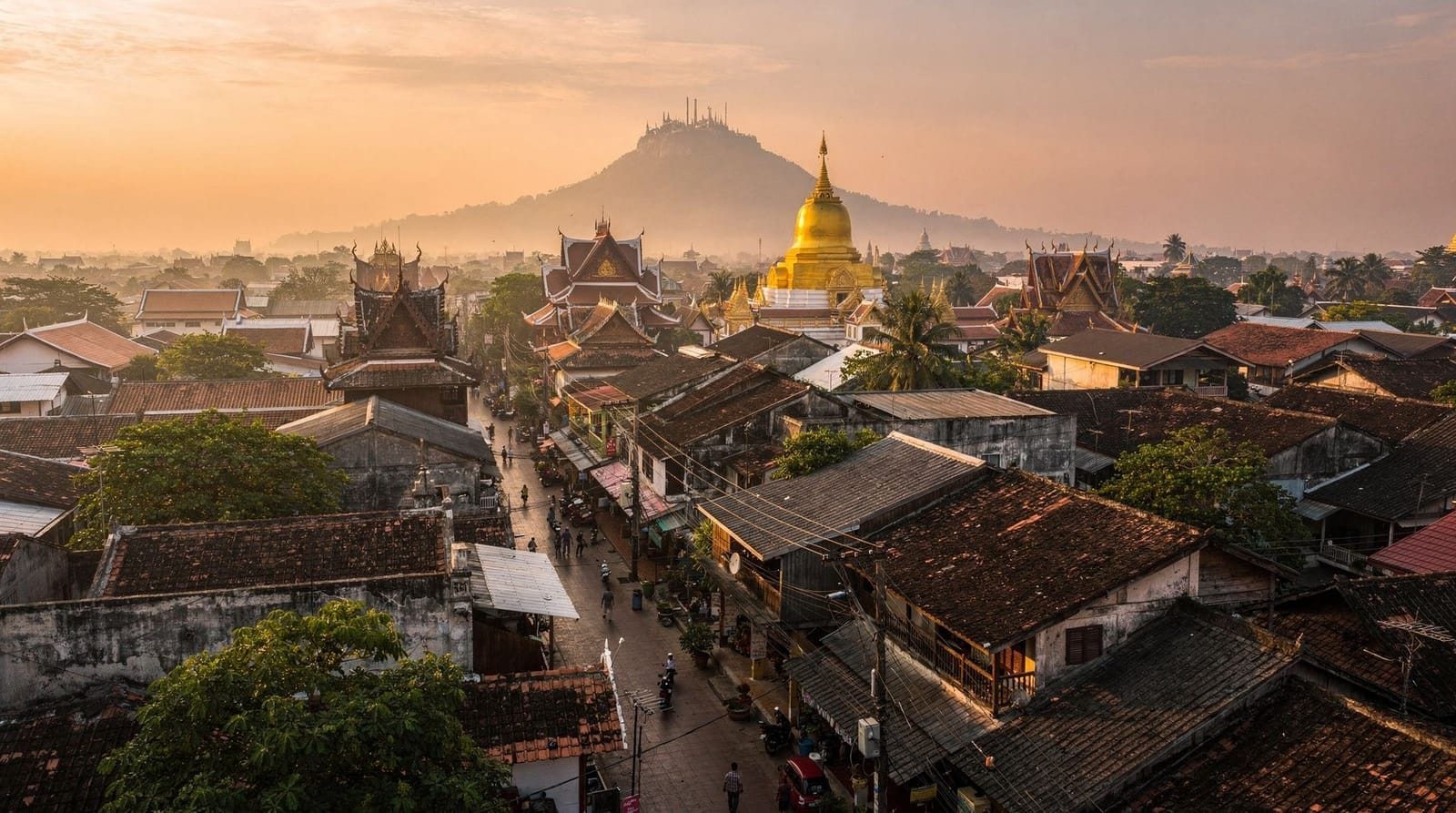
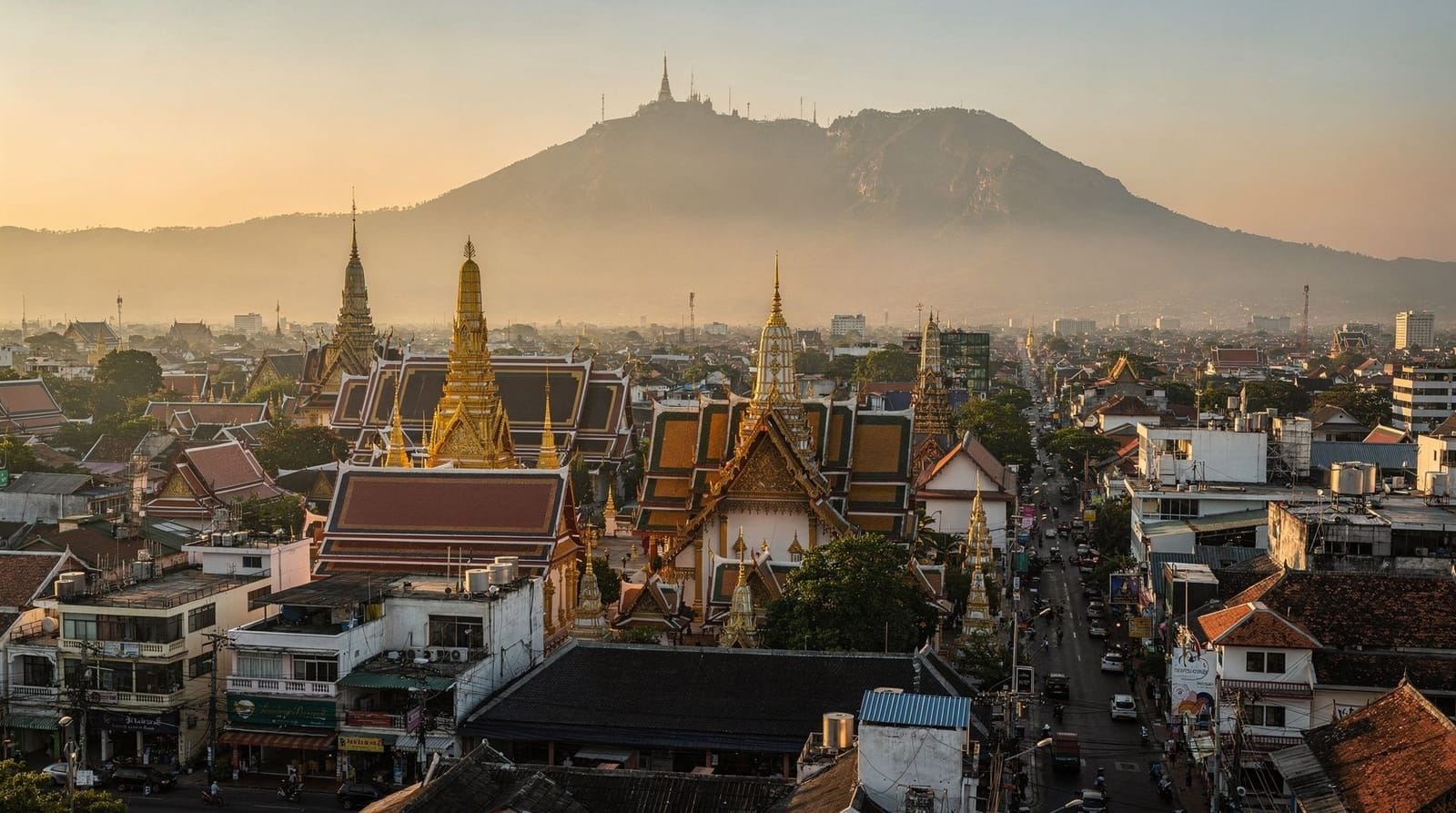
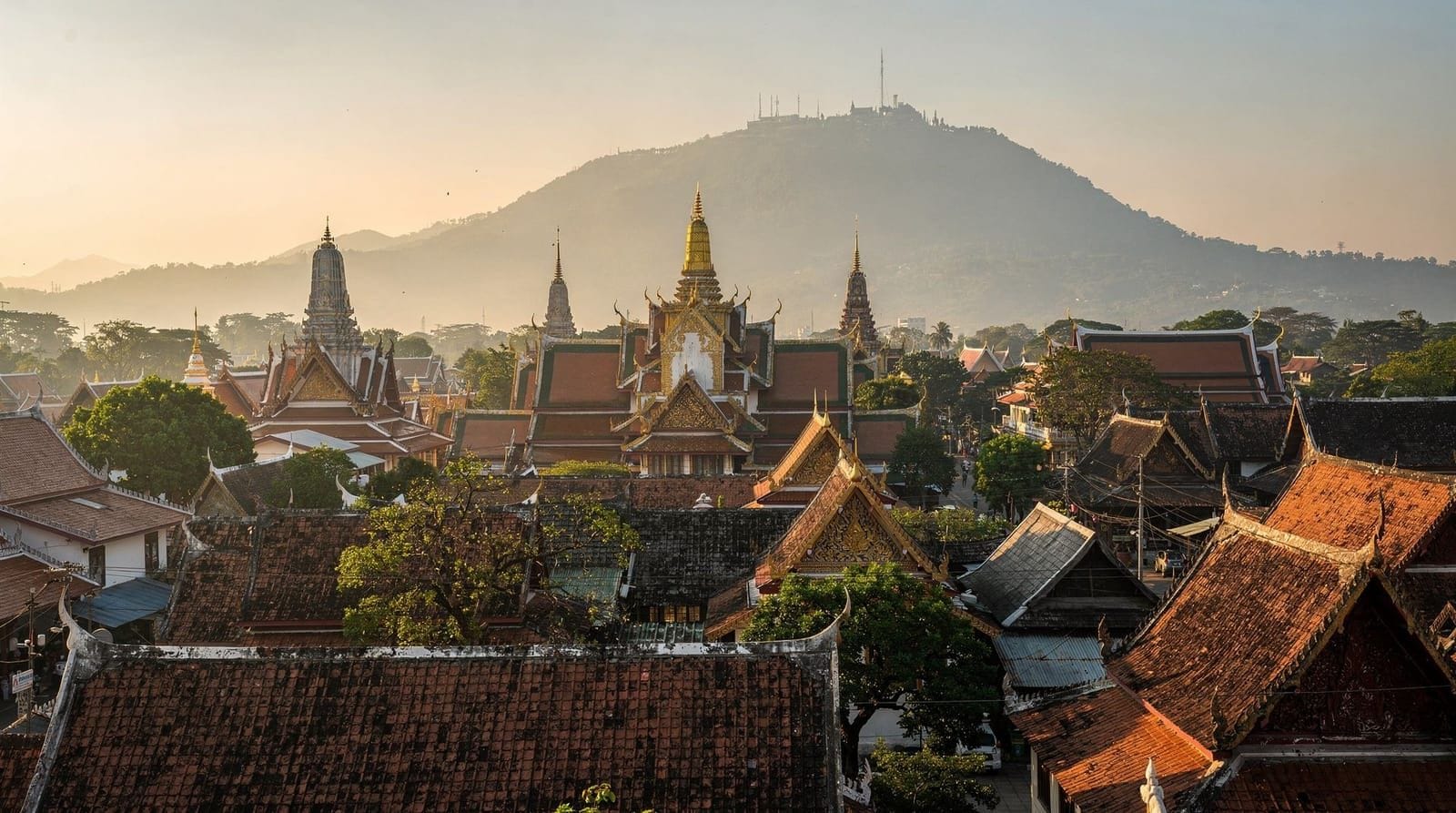
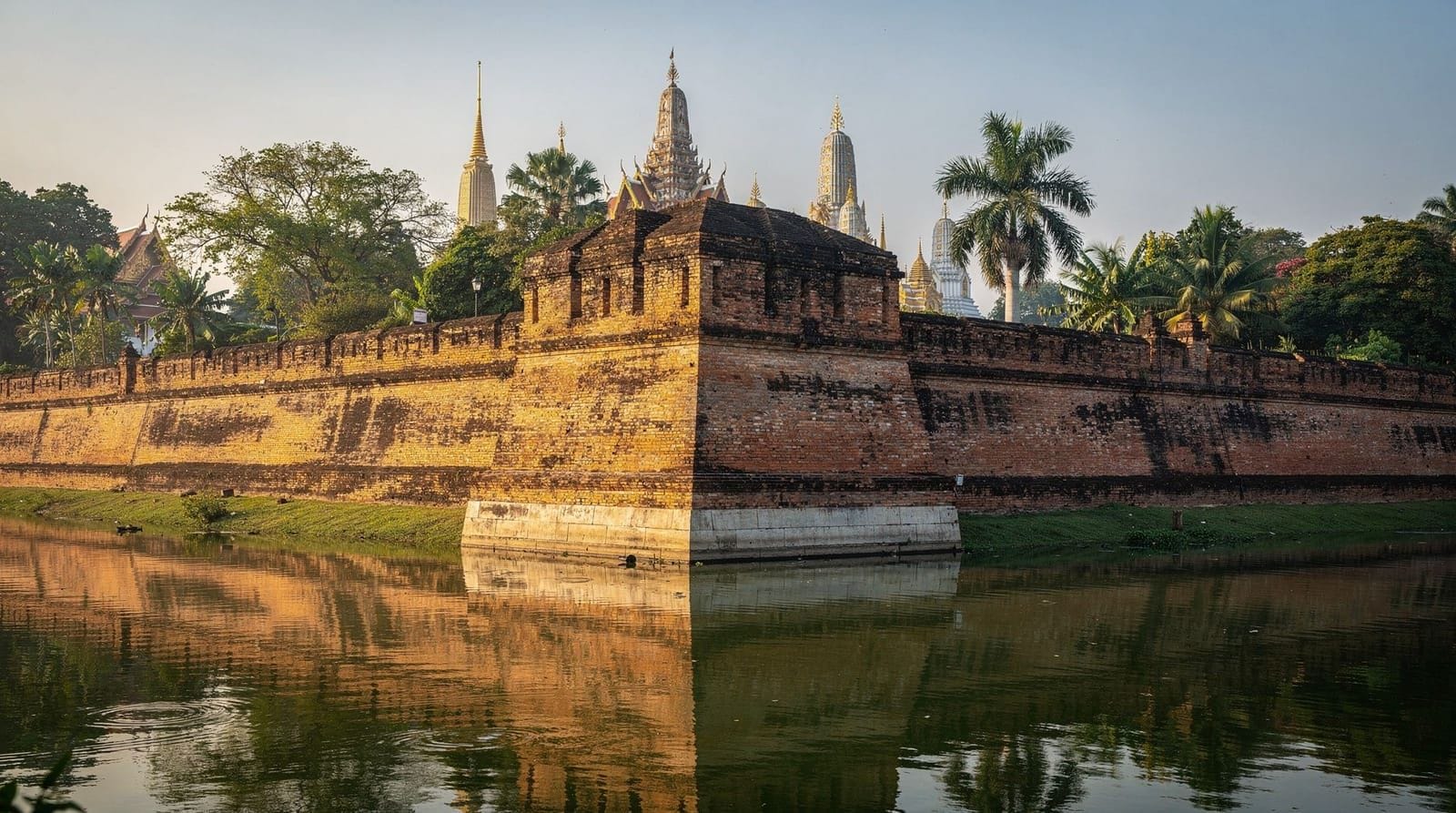
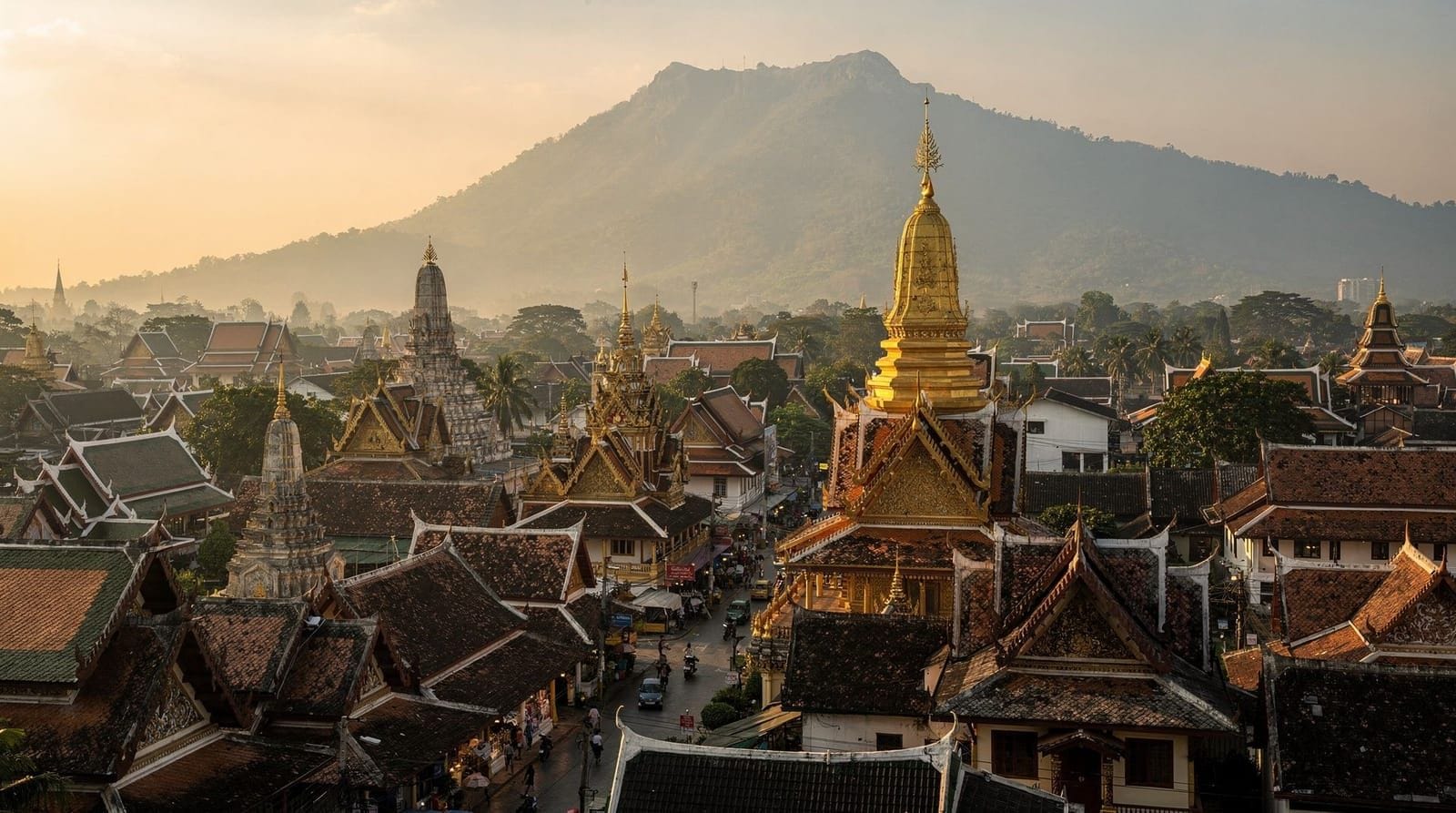
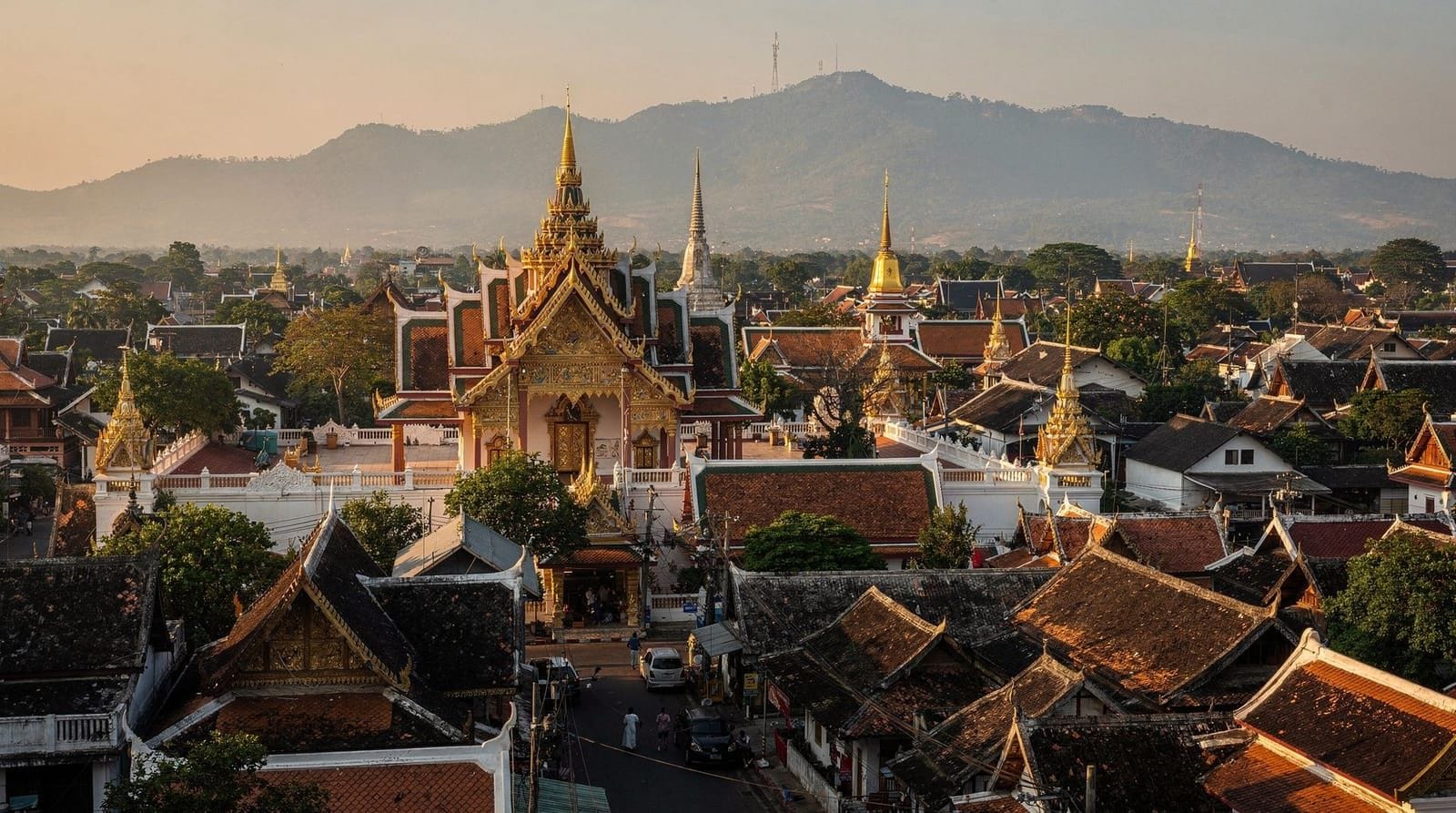
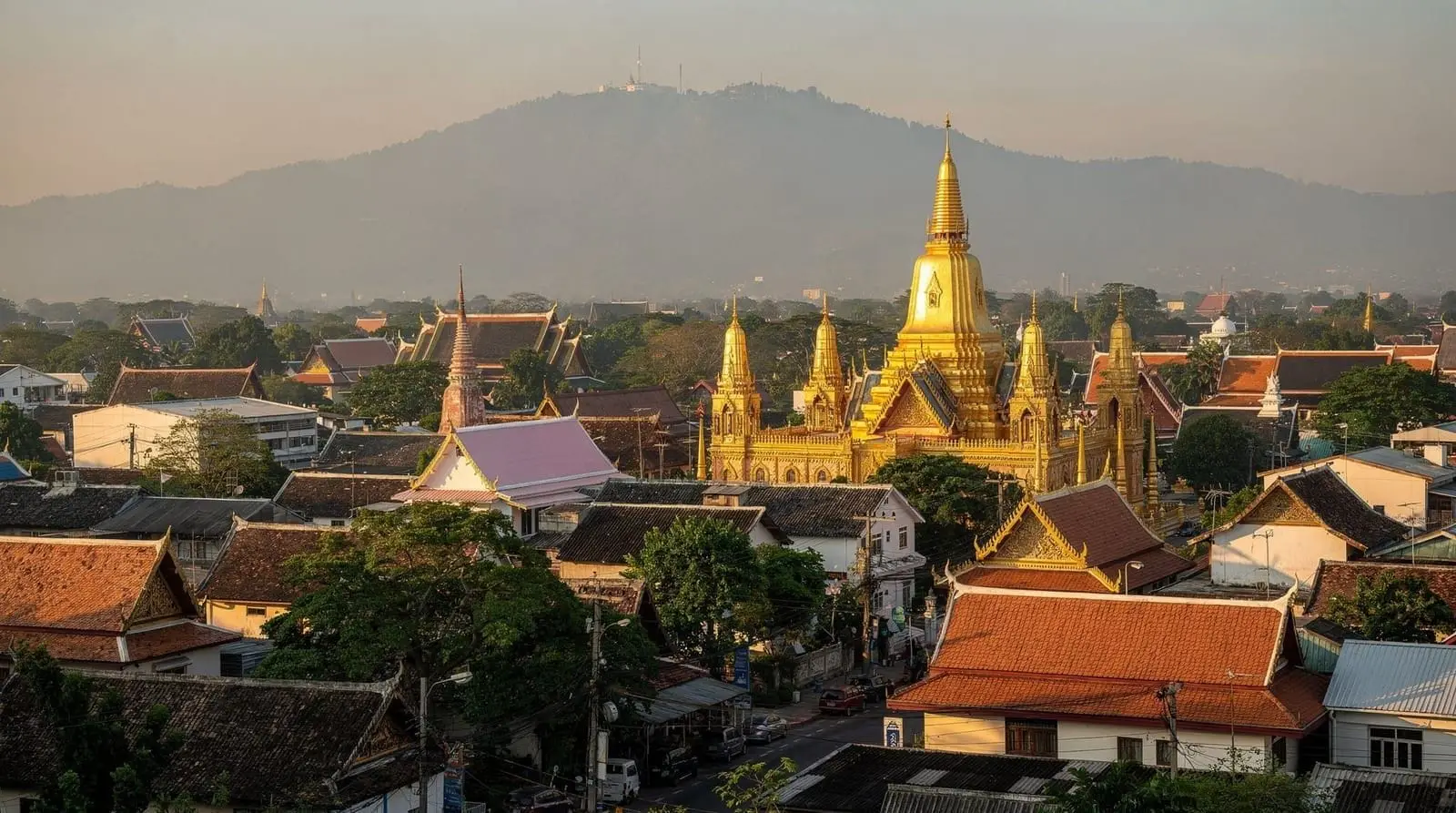
Chiang Mai runs at a different speed entirely. The city itself is a fraction of Bangkok’s size, walkable in a way Bangkok simply isn’t, and its historic Old City, ringed by a moat and partial wall dating back centuries, sets a slower, more contemplative tone from the moment a visitor arrives. Mountains ring the valley, Doi Suthep is visible from much of the city, and the surrounding countryside, waterfalls, elephant sanctuaries, hill-tribe villages, is close enough to reach on an easy day trip rather than requiring a flight or a multi-hour transfer. Neither pace is objectively better; the choice comes down to what a given traveler actually wants from the days they have.
Cost: a real but narrowing gap
Chiang Mai has traditionally been the cheaper of the two cities, and that’s still broadly true, though the gap has narrowed over the past decade as both cities’ tourism infrastructure has matured. Guesthouse and mid-range hotel rates in Chiang Mai commonly undercut equivalent Bangkok options by a meaningful margin, and the same applies to many day-tour and activity prices, elephant sanctuary visits, cooking classes, and trekking day trips, which run at prices that would be harder to find at comparable quality in Bangkok. Street food and casual local restaurants are similarly priced in both cities, generally 40-80 THB (roughly USD 1.10-2.20) for a simple noodle or rice dish, but Bangkok’s much larger range of international and fine-dining options pulls its upper price bracket noticeably higher than anything comparable in Chiang Mai.
Accommodation illustrates the gap clearly: a solid mid-range boutique hotel room that runs 1,500-2,500 THB (roughly USD 42-70) a night in Chiang Mai’s Old City or Nimman commonly costs somewhat more for an equivalent standard in Bangkok’s popular Sukhumvit or Silom areas, though budget hostels and simple guesthouses are competitively priced in both cities. Overall, a traveler on a tight budget will likely stretch it further in Chiang Mai, but the difference is one of degree rather than a dramatic contrast, and shouldn’t be the sole factor driving the choice.
Temples: grand scale vs walkable history
Both cities take temples seriously, but the character of what’s on offer differs substantially. Bangkok’s major temples, Wat Arun’s riverside spires, Wat Pho’s giant reclining Buddha, and the Grand Palace complex, are grand, ornate, and built at a scale reflecting their historic role as the seat of Thai royal power. Visiting them typically means a dedicated half-day outing, often combined with a river-boat ride along the Chao Phraya, given how spread out Bangkok’s major sights are relative to each other.
Chiang Mai’s temples are generally smaller, older in some cases (Wat Chiang Man dates to 1296), and set close enough together within the walkable Old City that a single unhurried morning can cover several without any need for transport planning. Wat Phra Singh and Wat Chedi Luang, the city’s two most significant temples, sit an easy ten-minute walk apart, and the overall experience feels more like a neighborhood stroll through living history than a series of individually ticketed major attractions. Neither city’s temples are “better” in an absolute sense; Bangkok delivers grandeur and scale, Chiang Mai delivers intimacy and walkability.
Food: broader range vs regional specialty
Bangkok’s food scene is famously enormous and varied, spanning everything from world-class street food stalls, several with Michelin recognition, to a genuinely deep fine-dining scene and every regional Thai cuisine represented somewhere in the city, alongside a huge range of international options reflecting its status as a global capital. It’s difficult to overstate how broad the choice is, and food is, for many travelers, one of Bangkok’s single strongest draws.
Chiang Mai’s food scene is smaller in overall volume but distinctive in a way Bangkok’s broader scene can’t quite replicate: northern Thai, or Lanna, cuisine, built around dishes like khao soi (a coconut curry noodle soup unique to the north), sai oua (herb-packed northern sausage), and nam prik ong (a tomato-and-pork chili dip), that are considerably harder to find done well outside the region. Chiang Mai is also the country’s strongest hub for hands-on cooking classes, a genuinely different way to engage with the food than eating alone allows. Our street food guide covers the city’s specific scene in full.
Nature and day trips: Chiang Mai’s clearest advantage
This is where the two cities diverge most sharply. Bangkok is a genuinely urban destination; meaningful nature or mountain scenery requires a multi-hour trip out of the city, and most visitors don’t attempt it within a typical stay. Chiang Mai sits inside a valley ringed by mountains, and activities entirely unavailable as an easy day trip from Bangkok, ethical elephant sanctuary visits, waterfall hikes, hill-tribe trekking, are a 30-90 minute drive from the city center. For travelers who want nature, wildlife, and outdoor activity as a real part of the trip rather than an afterthought, Chiang Mai offers considerably easier access than Bangkok does.
Nightlife: bigger scene vs relaxed evenings
Bangkok’s nightlife is on another scale entirely: a huge range of rooftop bars with genuine skyline views, large club districts, and an after-dark scene that runs considerably later and louder than anything in Chiang Mai. It’s a real draw for travelers specifically seeking that kind of night out. Chiang Mai’s evening scene is smaller and more relaxed, centered on a scattering of bars in the Old City and Nimman, better suited to a good dinner followed by a low-key drink than an all-night circuit. Neither city is wrong for nightlife; they simply serve different expectations of what a night out should feel like.
Our Chiang Mai temples guide covers the compact, walkable temple-hopping experience that sets the Old City apart from Bangkok’s more spread-out major sights in more detail.
Getting between the two cities
A direct flight between Bangkok and Chiang Mai takes about 1 hour 15 minutes, runs multiple times daily on several airlines, and is by far the most common way travelers cover the distance. An overnight sleeper train is a genuinely enjoyable, if slower, alternative, roughly 12-14 hours depending on the specific service, and appeals to travelers who want a scenic, old-school travel experience as part of the trip rather than a pure logistics exercise. A long-distance bus covers the same route in about 9-11 hours at the lowest cost, a reasonable budget option for travelers without a strong time constraint. None of the options is inconvenient enough to meaningfully discourage combining both cities in a single trip.
Shopping and markets
Bangkok’s shopping scene spans the full range from air-conditioned megamalls like Siam Paragon and CentralWorld to the sprawling Chatuchak Weekend Market, one of the largest markets in the world by stall count, plus a huge number of smaller specialist markets scattered across the city. It’s a genuine strength of the city and easily fills several days on its own for anyone with a specific interest in shopping.
Chiang Mai’s markets are smaller in scale but distinctive in character, built around handicrafts and northern Thai goods rather than mass-market retail. The night markets, particularly Night Bazaar and the weekly Sunday Walking Street, mix food, textiles, and local crafts in a walkable, low-key setting that feels closer to a community event than a retail destination. Villages just outside the city, Bo Sang for hand-painted umbrellas and Baan Tawai for woodcarving, offer a kind of specialist, maker-direct shopping that Bangkok’s larger, more anonymous markets don’t really replicate.
Practical logistics: visas, airports, and getting around
Both cities are accessible on the same visa terms, since Thailand’s visa rules apply nationally rather than by city, and most nationalities eligible for visa-free entry or visa-on-arrival can use either Suvarnabhumi or Don Mueang in Bangkok, or Chiang Mai International Airport, as their entry point without any difference in requirements. Bangkok’s airports are considerably larger and better connected internationally, with a wider range of direct long-haul routes, while Chiang Mai International Airport is smaller, easier to navigate, and located close enough to the city center that a taxi or Grab into the Old City typically takes 15-20 minutes.
Getting around within each city differs substantially. Bangkok’s BTS Skytrain and MRT subway network make it genuinely easy to cover long distances without relying on traffic-prone roads, a real asset given the city’s size and notorious congestion. Chiang Mai has no rail transit system, and getting around relies on red songthaew trucks, tuk-tuks, and ride-hailing apps like Grab, though the city’s compact size means most central destinations are a short, inexpensive ride, or in many cases a walk, away regardless. Our getting around Chiang Mai guide covers this in full detail.
Which city suits which traveler
Travelers who want fast-paced urban energy, a huge range of dining and nightlife options, and the country’s main international gateway are best served leading with Bangkok. Travelers who prioritize a calmer pace, walkable historic architecture, nature and wildlife access, and hands-on cultural experiences like cooking classes get more out of Chiang Mai. First-time visitors to Thailand on a trip of a week or longer are generally best served combining both, since the contrast between the two is itself part of what makes a well-rounded Thailand trip feel complete rather than a single-note experience of just one side of the country.
How to combine both well
A common, well-balanced structure for a two-week Thailand trip allocates 3-4 days to Bangkok and 4-6 days to Chiang Mai, leaving the remainder for a beach extension in the south or an extra day trip from Chiang Mai to Pai or Chiang Rai. Shorter one-week trips can still work with roughly 2-3 days in each city, though it starts to feel rushed, particularly on the Chiang Mai side, where several of the best experiences, a full-day elephant sanctuary visit, a cooking class, a trek, genuinely benefit from an unhurried schedule rather than being squeezed between flights. Our how many days in Chiang Mai guide and trip planning checklist both help build out the Chiang Mai portion of a combined itinerary once the overall split is decided.
Travelers arriving into Bangkok first generally do well saving Chiang Mai for the back half of the trip, since it offers a genuinely restful counterpoint after the intensity of the capital, a natural way to wind down before a long flight home rather than ending on Bangkok’s more overstimulating note. The reverse order, Chiang Mai first, works just as well for travelers who want to ease into Thailand gently before tackling Bangkok’s bigger, faster pace, and there’s no strong reason to favor one sequence over the other beyond personal preference and flight availability.
Frequently asked questions about Chiang Mai vs Bangkok
Is Chiang Mai cheaper than Bangkok?
Generally yes, though the gap is narrower than it used to be. Guesthouse and mid-range hotel rates in Chiang Mai commonly run somewhat below equivalent Bangkok options, and street food and local restaurants are comparably priced in both cities, with Bangkok’s more international dining scene pulling its upper price range higher on average.
How do I get from Bangkok to Chiang Mai?
A direct flight takes about 1 hour 15 minutes and is the fastest, most common option, run by multiple airlines with frequent daily departures. An overnight sleeper train takes roughly 12-14 hours and is a genuinely enjoyable, scenic option for travelers with time to spare; a bus covers the same distance in about 9-11 hours at the lowest cost.
Which city has better food, Chiang Mai or Bangkok?
Both are excellent, but they specialize differently. Bangkok has the wider range, from Michelin-starred fine dining to an enormous, varied street food scene. Chiang Mai has the stronger northern Thai specialty, khao soi, sai oua, and other Lanna dishes rarely found outside the region, plus the country’s best concentration of hands-on cooking classes.
Is Bangkok or Chiang Mai better for a first-time visitor to Thailand?
Neither is objectively better; they answer different questions. Bangkok is the natural international arrival point and gives a fast, dense introduction to Thai urban life; Chiang Mai offers a calmer, culture- and nature-focused counterpoint. Most itineraries benefit from including both rather than choosing one over the other.
How many days should I split between Bangkok and Chiang Mai?
A common, well-balanced split for a two-week Thailand trip is 3-4 days in Bangkok and 4-6 days in Chiang Mai, leaving the remainder for a beach extension or a Chiang Mai day trip like Pai or Chiang Rai. Shorter trips of one week can still work with 2-3 days in each city, though it starts to feel rushed.
Which city is better for temples?
Both have major, must-see temples, but the character differs. Bangkok’s are grander in scale and often more ornate (Wat Arun, Wat Pho, the Grand Palace); Chiang Mai’s are generally smaller, older, and set within a walkable historic quarter, making temple-hopping feel more like a neighborhood stroll than a series of individual attractions.
Is nightlife better in Bangkok or Chiang Mai?
Bangkok’s nightlife is considerably bigger and more varied, from rooftop bars to large club districts. Chiang Mai’s is smaller-scale and more relaxed, centered on a handful of bar streets in the Old City and Nimman, better suited to travelers who want an evening out rather than an all-night scene.