Chiang Mai vs Phuket: north or south Thailand
Should I visit Chiang Mai or Phuket?
They deliver almost entirely different trips. Chiang Mai is a mountain-ringed cultural hub built around temples, cooking classes, ethical elephant sanctuaries, and nature day trips. Phuket is Thailand's largest island, built around beaches, island-hopping boat trips, and coastal resort life. Neither substitutes for the other, and travelers with 10+ days often combine both rather than choosing one.
Chiang Mai and Phuket sit at opposite ends of Thailand, geographically and experientially, and comparing them directly is a bit like comparing a mountain retreat to a beach resort: both are excellent, but they’re built around entirely different ideas of what a Thailand trip should include. Chiang Mai is a landlocked, mountain-ringed cultural hub in the north; Phuket is Thailand’s largest island, built almost entirely around its coastline, in the south. Understanding what each actually offers helps decide whether to pick one, or, for travelers with enough time, combine both into a single well-rounded trip.
The fundamental difference: mountains and culture vs beaches and islands
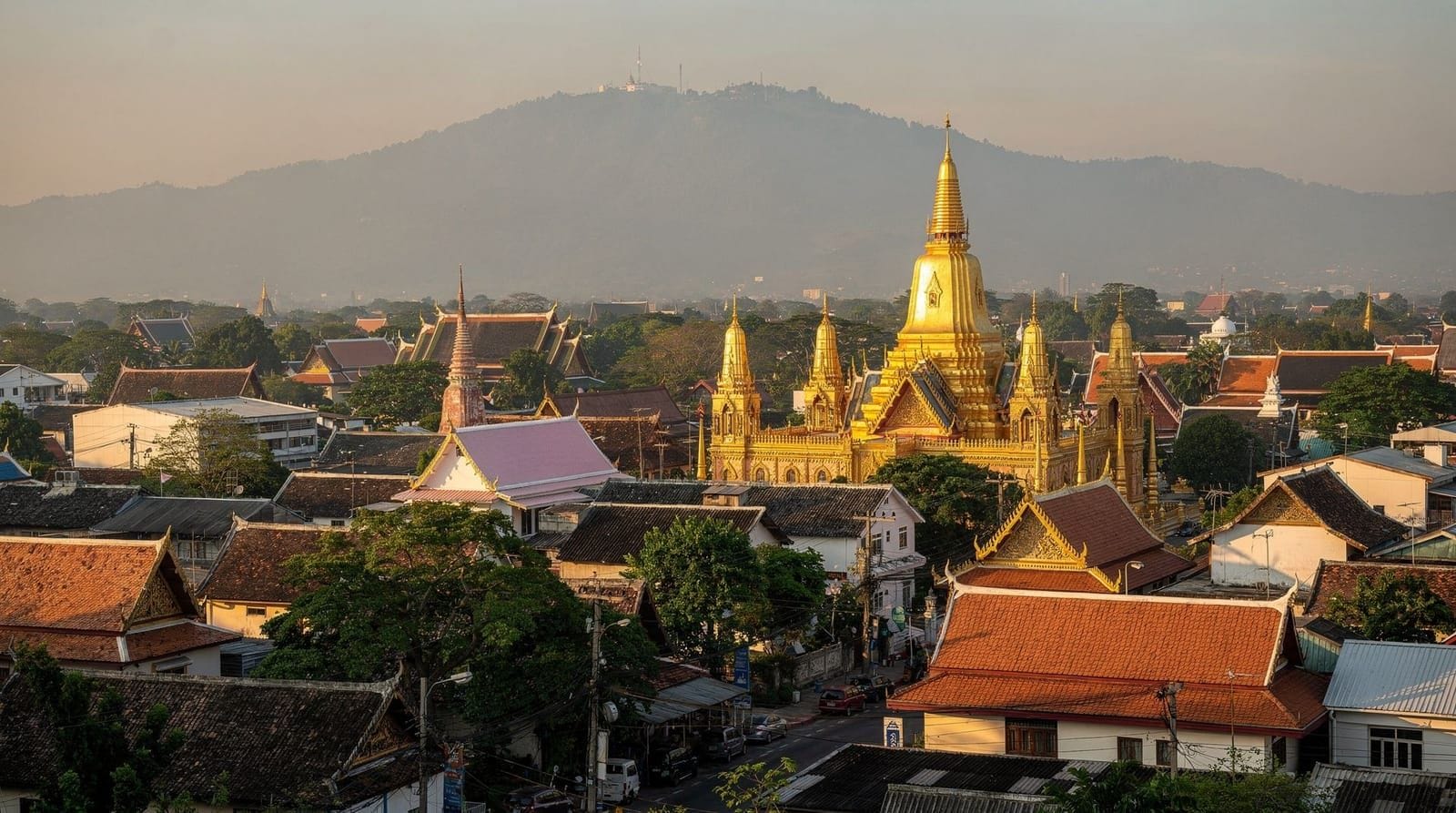
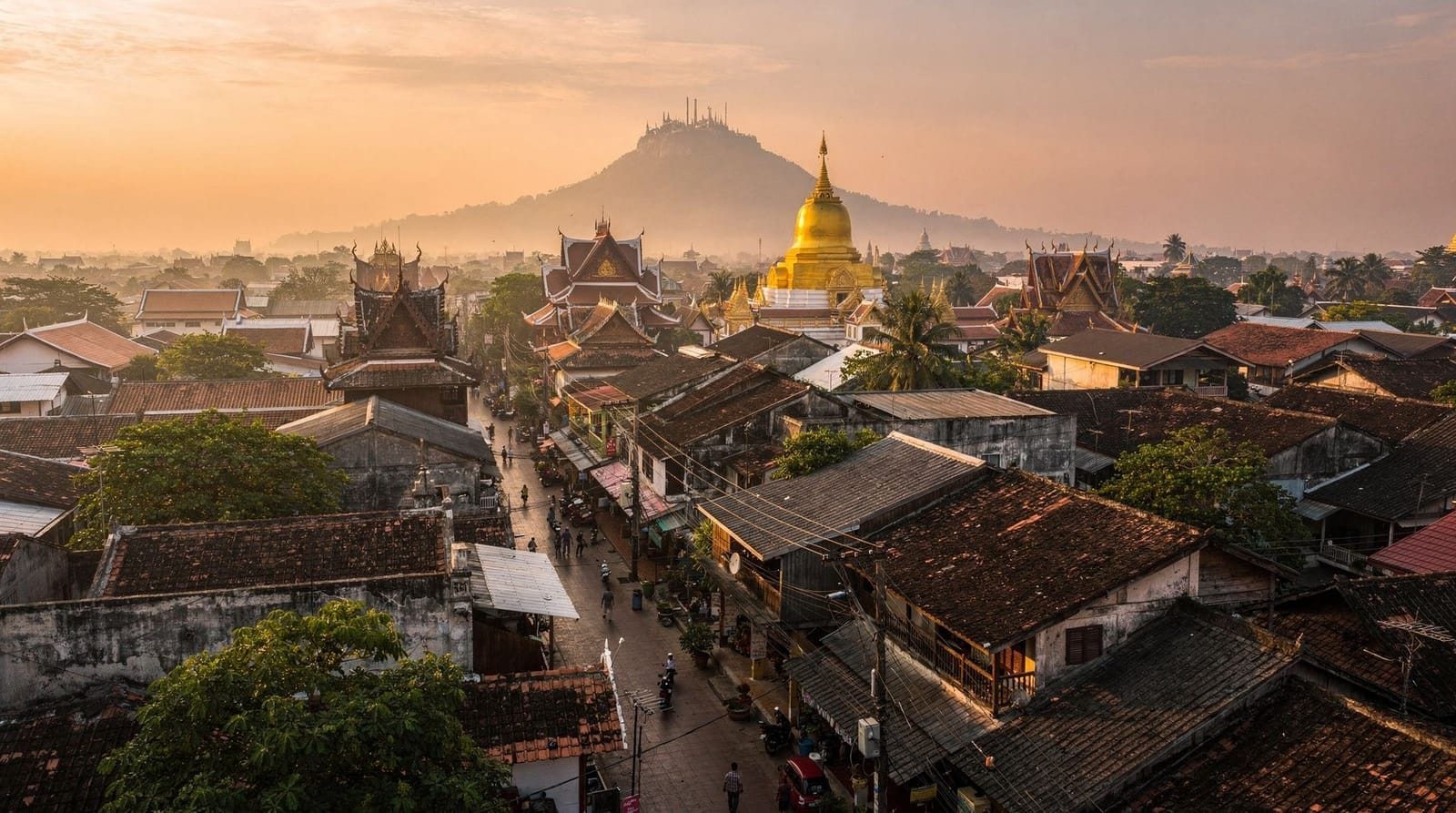
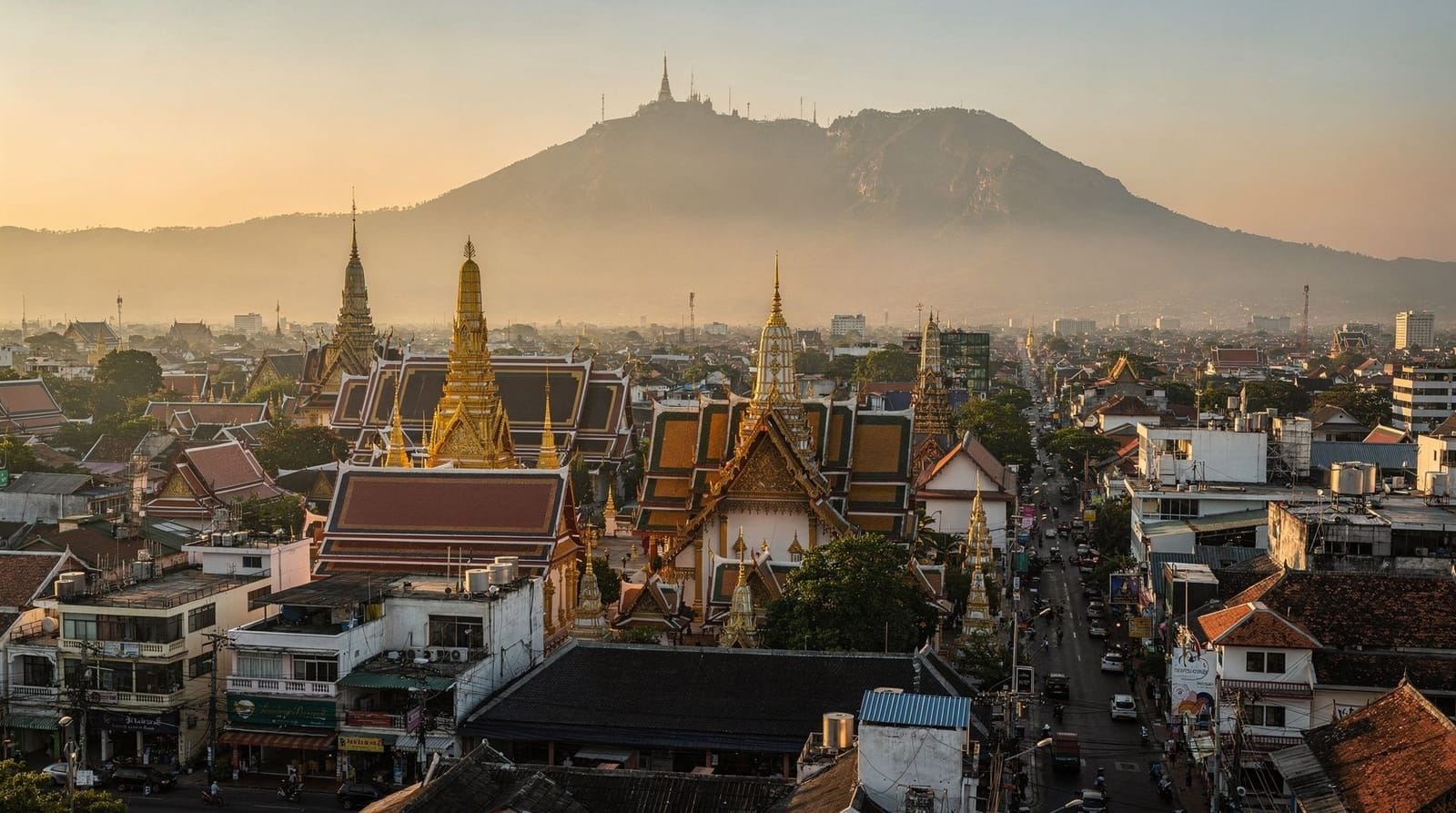
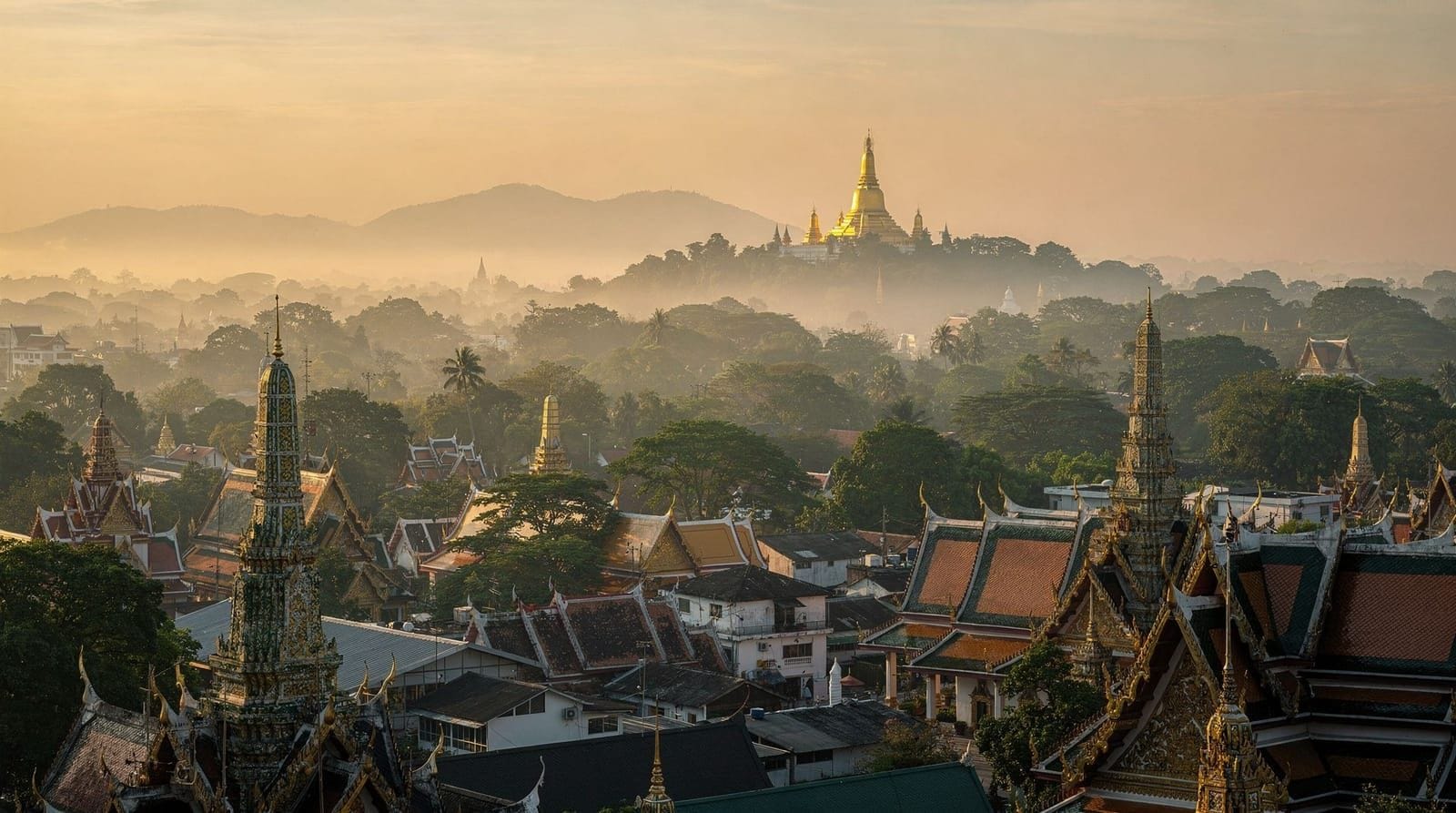
Chiang Mai’s appeal centers on land-based culture and nature: centuries-old temples, hands-on cooking classes, ethical elephant sanctuaries, and mountain day trips to destinations like Doi Inthanon. There is no coastline, no beach, and no ocean-based activity of any kind, since the city sits well inland in a river valley surrounded by hills.
Phuket, by contrast, is defined almost entirely by its coastline: beaches ranging from the busy, developed Patong to quieter stretches further south, island-hopping boat trips to destinations like Phi Phi and James Bond Island, snorkeling, diving, and a resort and nightlife scene built around beachfront tourism. Cultural and historic sites exist in Phuket too, notably Phuket Old Town’s Sino-Portuguese architecture, but they play a distinctly secondary role to the beach and island experience that draws the overwhelming majority of visitors there.
Weather patterns: broadly similar timing, different character
Both destinations share a broadly similar high season, November through February, when weather is driest and most comfortable in both regions, though the reasons differ. Chiang Mai’s cool season, covered in depth in our cool season guide, brings low humidity and genuinely cool evenings thanks to its inland, elevated position. Phuket’s high season brings calm seas, ideal for island-hopping and diving, and consistently sunny, hot, humid beach weather without the evening cooling Chiang Mai experiences.
The rainy seasons differ more meaningfully in practical impact. Chiang Mai’s rainy season, covered in our rainy season guide, typically brings a predictable, limited afternoon downpour that rarely derails a full day of land-based sightseeing. Phuket’s monsoon season, roughly May through October, can bring rougher seas that occasionally suspend or cancel boat trips to outlying islands, a real practical consideration for a beach-and-island-focused trip in a way that rarely applies to Chiang Mai’s more land-based activities. Crucially, Chiang Mai’s specific burning-season air-quality problem, roughly mid-February through April and covered fully in our burning season guide, is a northern and highland Southeast Asia phenomenon entirely absent from Phuket, which sits far enough south and close enough to the coast to avoid the regional agricultural smoke haze altogether.
Cost comparison
Chiang Mai is generally the more budget-friendly of the two destinations, with lower average costs across accommodation, food, and many activities, reflecting both its inland, less internationally resort-driven tourism economy and its lower cost of living generally. Phuket’s beachfront accommodation in particular commands a real premium, especially for properties directly on or near the most popular beaches, and boat-based activities like island-hopping tours add a category of expense that simply doesn’t exist in a Chiang Mai itinerary. Travelers on a tighter budget who still want both experiences sometimes solve this by allocating more nights to the cheaper Chiang Mai leg of a combined trip and a shorter, more targeted stretch in Phuket for the beach component specifically.
What each destination does that the other can’t
Chiang Mai’s unique strengths, hands-on cultural immersion through cooking classes and craft villages, close access to ethical wildlife encounters, historic temple architecture within a walkable Old City, and mountain scenery, have no real equivalent in Phuket. Conversely, Phuket’s core draws, swimming and beach time, island-hopping to spots like Phi Phi and the surrounding archipelago, snorkeling and diving on coral reefs, and a beachfront resort and nightlife scene, have no equivalent in landlocked Chiang Mai. This isn’t a case where one destination does a lesser version of what the other offers; they’re genuinely non-overlapping categories of experience, which is precisely why so many multi-week Thailand itineraries include both rather than treating the choice as either-or.
Getting between the two
A direct flight between Chiang Mai and Phuket takes about 2 hours and runs regularly, making the two easy to combine within a single trip without an inconvenient routing through Bangkok, though some fare and schedule combinations do route through Bangkok anyway depending on the specific airline and booking. There’s no practical overland option worth considering given the distance involved, roughly 1,400 km (870 miles) by road, so flying is effectively the only sensible way to connect the two destinations. Booking the connecting flight well ahead of a trip, rather than as an afterthought once both legs are already planned, tends to secure better fares and more convenient departure times, since routes between Thailand’s major domestic airports can fill up during the same November-February peak season that both destinations share.
How to combine both in one trip
For travelers with 10 days or more, a common and well-balanced structure allocates roughly 4-5 days to Chiang Mai and 5-7 days to Phuket, often including a multi-day island-hopping extension or a stop at a quieter southern beach as part of the Phuket leg. The order matters less than the overall balance, though some travelers prefer starting in the cooler, culturally dense Chiang Mai leg before transitioning to Phuket’s more purely relaxing beach stretch as a way to wind down before flying home, a similar logic to how Bangkok and Chiang Mai itineraries are often sequenced. Shorter trips of a week or less are usually better served picking one destination rather than splitting time thinly across both, since the flight and adjustment time between such different regions eats meaningfully into a short visit.
Health and practical safety differences
Each destination carries its own specific, worth-naming practical considerations that don’t really overlap. In Phuket, ocean safety is the primary consideration: rip currents affect certain beaches at certain times of year, particularly during the monsoon months, and boat-based day trips carry their own set of considerations around operator safety standards and life-jacket use that a land-based Chiang Mai itinerary simply doesn’t involve. In Chiang Mai, the more relevant seasonal health consideration is air quality during burning season, covered in detail in our dedicated guide, along with the ordinary road-safety considerations of scooter and songthaew travel common to most Thai cities. Neither destination is meaningfully more or less safe than the other in a general sense, but the specific risks worth planning around are genuinely different in kind, water safety in one case, air quality and road travel in the other, and it’s worth reading the relevant guide for whichever destination is on the itinerary rather than assuming general Thailand travel advice covers both equally well.
Photography: temples and canyons vs turquoise water
Chiang Mai’s most photogenic subjects, centuries-old temple architecture within the walkable Old City, the misty mountain views from Doi Suthep and Doi Inthanon, and the region’s waterfalls and rice terraces, reward a very different kind of photography than Phuket’s. Phuket’s strongest images come from its coastline itself: turquoise water against limestone cliffs on an island-hopping trip, dramatic sunset shots over the Andaman Sea, and the vivid blue-and-white color palette that defines most people’s mental image of a Thailand beach holiday. Photographers with time for both destinations come away with genuinely complementary portfolios, mountain and cultural imagery from the north, coastal and marine imagery from the south, which is itself part of why so many longer Thailand itineraries deliberately include both rather than treating the choice as strictly either-or.
Which destination suits which traveler
Travelers whose trip priorities center on culture, food, wildlife, and land-based nature are clearly better served by Chiang Mai, and can build a genuinely full, varied week or more entirely within the region using our trip planning guide and how many days guide. Travelers whose priority is beach time, swimming, and island-hopping should look toward Phuket instead, since none of that is available in Chiang Mai regardless of how the itinerary is structured. Families balancing both interests, or travelers on a longer Thailand trip without a strong single preference, are well served combining both, giving the trip a genuine sense of the country’s range rather than experiencing only one of its two very different faces.
Solo travelers and digital nomads often gravitate toward Chiang Mai specifically for its lower cost of living, strong coworking and café culture, particularly around Nimman, and its reputation as one of Southeast Asia’s more established longer-stay hubs, a role Phuket fills less naturally given its more transactional, short-stay resort economy. Couples celebrating a honeymoon or anniversary, by contrast, often lean toward Phuket for its beachfront resort options and the romantic appeal of an ocean-view stay, though a growing number of well-regarded boutique properties in Chiang Mai make a strong case for a culturally rich honeymoon alternative as well. Ultimately, the decision comes down less to which destination is objectively better suited to a given traveler type and more to which specific experiences, mountains and culture, or beaches and islands, matter more for that particular trip.
Food scene: northern specialties vs coastal seafood
Both destinations have strong, but very differently specialized, food scenes. Chiang Mai’s kitchen is built around northern Thai, or Lanna, cuisine: khao soi, a coconut curry noodle soup unique to the north, alongside dishes like sai oua (herb-packed sausage) and nam prik ong (a tomato-chili dip), most of which are considerably harder to find well made outside the region. The city is also the country’s strongest hub for hands-on cooking classes, giving visitors a way to actively engage with the cuisine rather than just eat it.
Phuket’s food identity leans heavily coastal: fresh seafood is the headline draw, grilled, curried, or served alongside the island’s own distinctive southern Thai dishes, generally spicier and more turmeric-forward than northern cooking, reflecting the different regional culinary tradition of the south. Phuket’s dining scene also carries a stronger international resort-town character than Chiang Mai’s, with a wider spread of upscale beachfront restaurants and a broader range of Western and pan-Asian options catering to its larger share of resort-based tourists. Neither cuisine is a lesser version of the other; they represent genuinely distinct regional Thai traditions, seafood-and-southern-spice against northern Lanna comfort food, that reward sampling both rather than assuming one city’s food scene stands in for Thailand as a whole.
Nightlife and evening atmosphere
Phuket’s nightlife, particularly around Patong, is considerably larger, louder, and more overtly resort-and-party-oriented than anything in Chiang Mai, with a dense concentration of beach clubs, bars, and late-night venues built specifically around the island’s tourism economy. It’s a genuine draw for travelers specifically seeking that kind of scene. Chiang Mai’s evening atmosphere is smaller-scale and more mixed in character, spanning a handful of bar streets in the Old City and Nimman, night markets that wind down by mid-evening, and a generally calmer, earlier-closing rhythm outside a few specific nightlife pockets. Travelers whose trip priorities include a strong nightlife component will find Phuket the more purpose-built option by a wide margin.
Family travel considerations
Both destinations work well for families, but for different reasons and with different practical considerations. Phuket’s beaches and calm, shallow sections of coastline suit young children well, and many resorts are specifically built around family amenities, kids’ clubs, pools, and easy beach access, though rip currents and boat safety on excursions are worth real attention, particularly outside the calmest, most sheltered beaches. Chiang Mai’s family appeal centers on hands-on, engaging activities, covered in our dedicated family guide, ethical elephant encounters, the zoo and night safari, and gentler cultural sightseeing that doesn’t require the same level of water-safety supervision a beach destination does. Families torn between the two might reasonably let a child’s specific interests, animals and hands-on activities versus swimming and beach time, help settle the decision.
Tourist infrastructure and ease of travel
Both destinations are well set up for international visitors, but the texture differs. Phuket’s tourism infrastructure leans heavily toward resort-style convenience: package-friendly accommodation, extensive English signage in tourist zones, and a well-established system of organized boat tours and airport transfers built around large-scale beach tourism. Chiang Mai’s infrastructure, while thoroughly developed for tourism, retains more of a working-city character outside the most touristed pockets, with getting around relying more on songthaews, tuk-tuks, and ride-hailing apps than a resort-style shuttle system. Neither presents a serious practical barrier to a comfortable first-time visit, but travelers who prefer an all-inclusive, resort-managed style of travel may find Phuket’s infrastructure a more natural fit, while travelers who enjoy a bit more independent, city-navigating exploration often prefer Chiang Mai’s slightly less packaged feel.
Frequently asked questions about Chiang Mai vs Phuket
Can I combine Chiang Mai and Phuket in one trip?
Yes, and it’s a common combination for trips of 10 days or longer. A direct flight between the two takes about 2 hours, making it straightforward to pair a few days of culture and mountains in Chiang Mai with a beach-focused stretch in Phuket.
Which is better for a first trip to Thailand, Chiang Mai or Phuket?
It depends entirely on what kind of trip is wanted. Travelers prioritizing culture, temples, food, and nature lean toward Chiang Mai; travelers prioritizing beaches, swimming, and island-hopping lean toward Phuket. Many first-time visitors do both if time allows, since they answer such different questions about the trip.
Is Chiang Mai or Phuket cheaper?
Chiang Mai is generally somewhat cheaper across accommodation, food, and activities, since Phuket’s resort-heavy, beach-driven tourism economy commands higher prices, particularly for beachfront accommodation and boat tours.
Does burning season affect Phuket too?
No. Chiang Mai’s burning-season air-quality issue (roughly mid-February through April) is a northern Thailand and highland Southeast Asia phenomenon tied to regional agricultural burning; Phuket, in the south, is unaffected by it.
Which has better weather timing, Chiang Mai or Phuket?
Their high seasons broadly overlap, both are best in the cool, dry November-February window, but their rainy seasons differ somewhat in timing and character. Phuket’s monsoon (roughly May-October) tends to bring more sustained, occasionally rougher weather affecting boat trips, while Chiang Mai’s rainy season rain is typically a shorter, more predictable afternoon downpour.
How long should I spend in each if combining both?
A common split for a two-week Thailand trip is 4-5 days in Chiang Mai and 5-7 days in Phuket (often including an island-hopping extension), though this varies widely depending on whether beaches or culture and nature matter more to the traveler.