Chiang Mai or the capital first? Our honest opinion
Every first-time Thailand itinerary hits the same fork in the road: land in the capital and work north, or land in Chiang Mai and work south. Guidebooks tend to dodge the question by saying “it depends,” which is true but useless. Here’s our actual opinion, formed over multiple trips threading both directions: for most first-time visitors, start in Chiang Mai.
That’s a minority opinion in a lot of travel forums, where the capital-first sequence is treated as the default simply because more international flights land there. But default isn’t the same as best, and once you separate out the jet-lag math, the pacing logic, and what each city is actually good for, the case for starting north is stronger than it gets credit for.
The jet lag argument nobody talks about
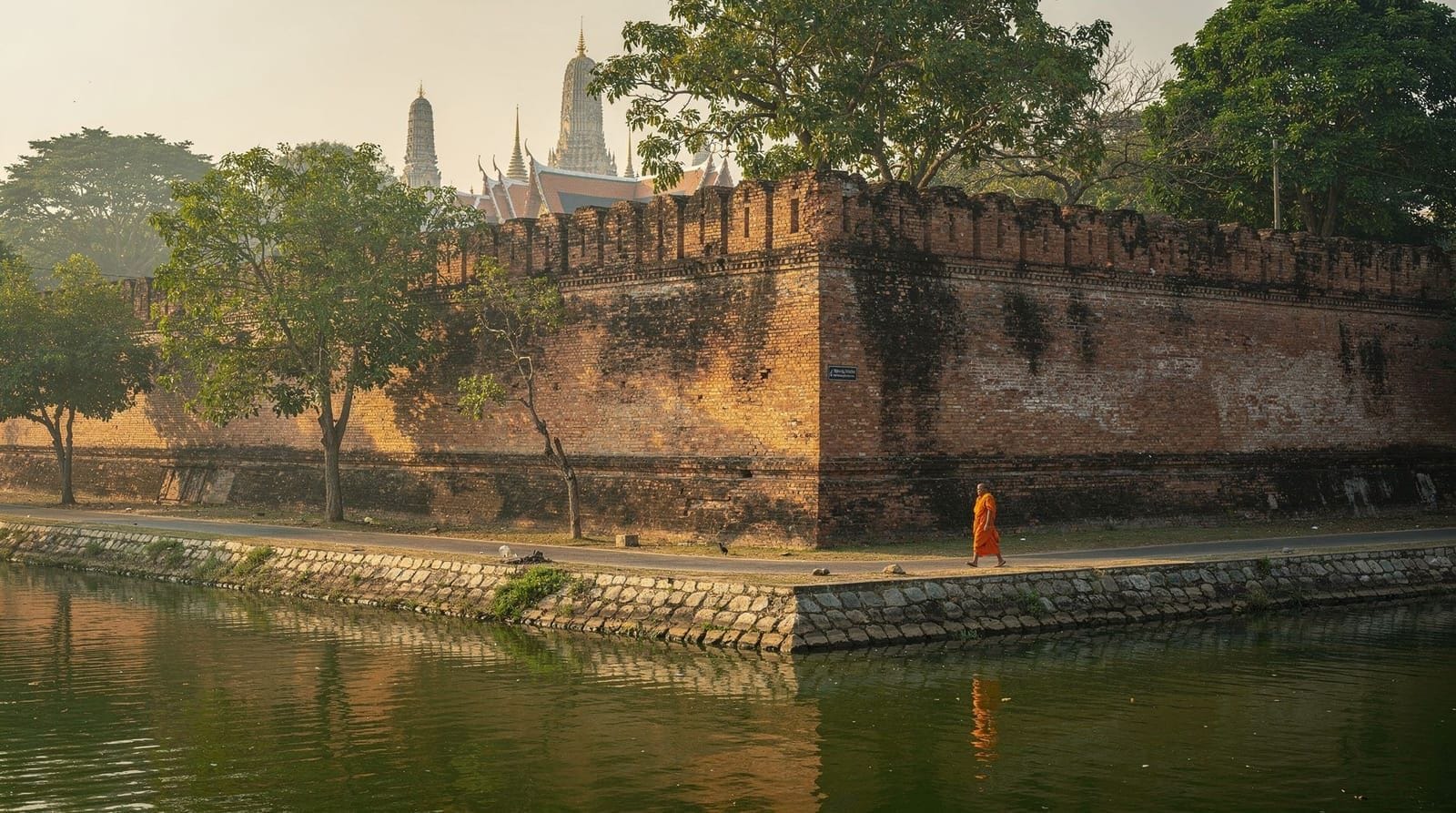
Long-haul flights from Europe or North America land you in Thailand at the tail end of a rough overnight, usually mid-morning to early afternoon local time, with your body clock somewhere between six and thirteen hours off depending on where you started. Landing straight into a capital of over ten million people — dense traffic, sensory overload, a genuinely overwhelming scale — while running on almost no sleep is a rough way to start a trip. Chiang Mai’s compact scale, walkable Old City, and much lighter traffic make the first jet-lagged 48 hours meaningfully easier to absorb. You can nap, wander a few temple courtyards, eat well, and let your body catch up before tackling anywhere more intense.
Our full head-to-head guide goes deeper on this exact comparison if you want the complete breakdown of neighborhoods, costs, and trip-length trade-offs — this piece is the shorter, more opinionated version aimed specifically at the sequencing question.
What each city is actually for
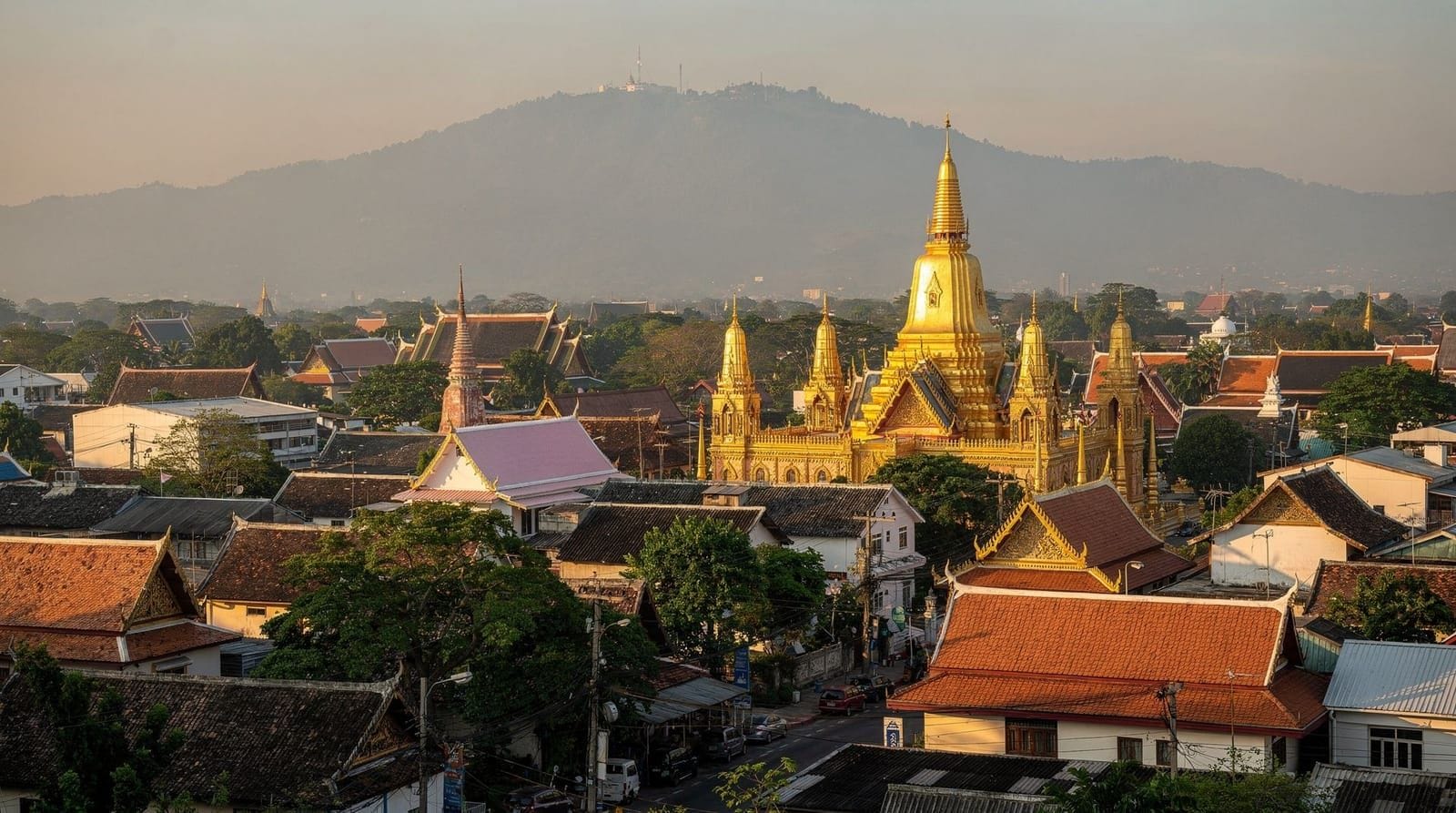
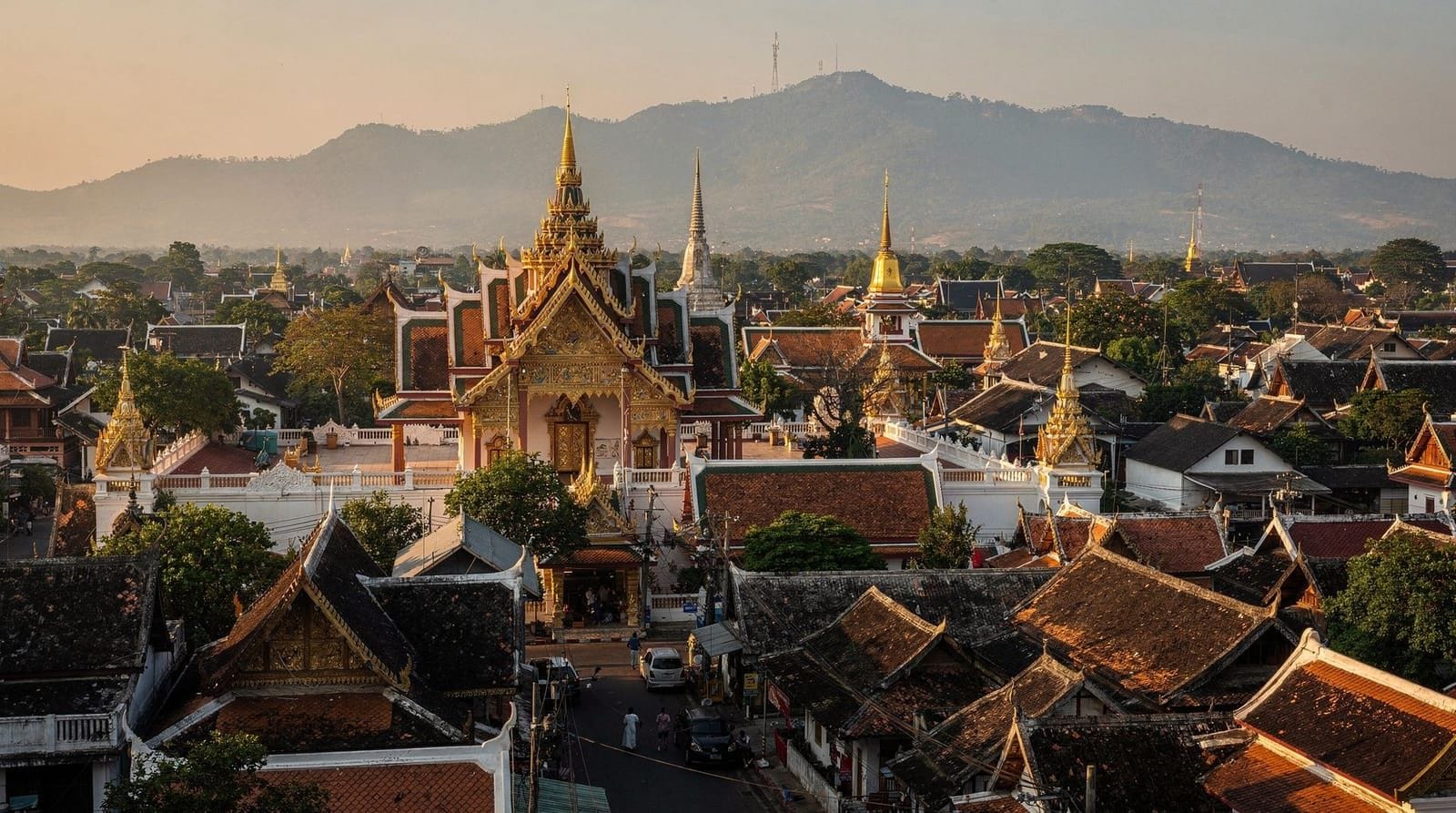
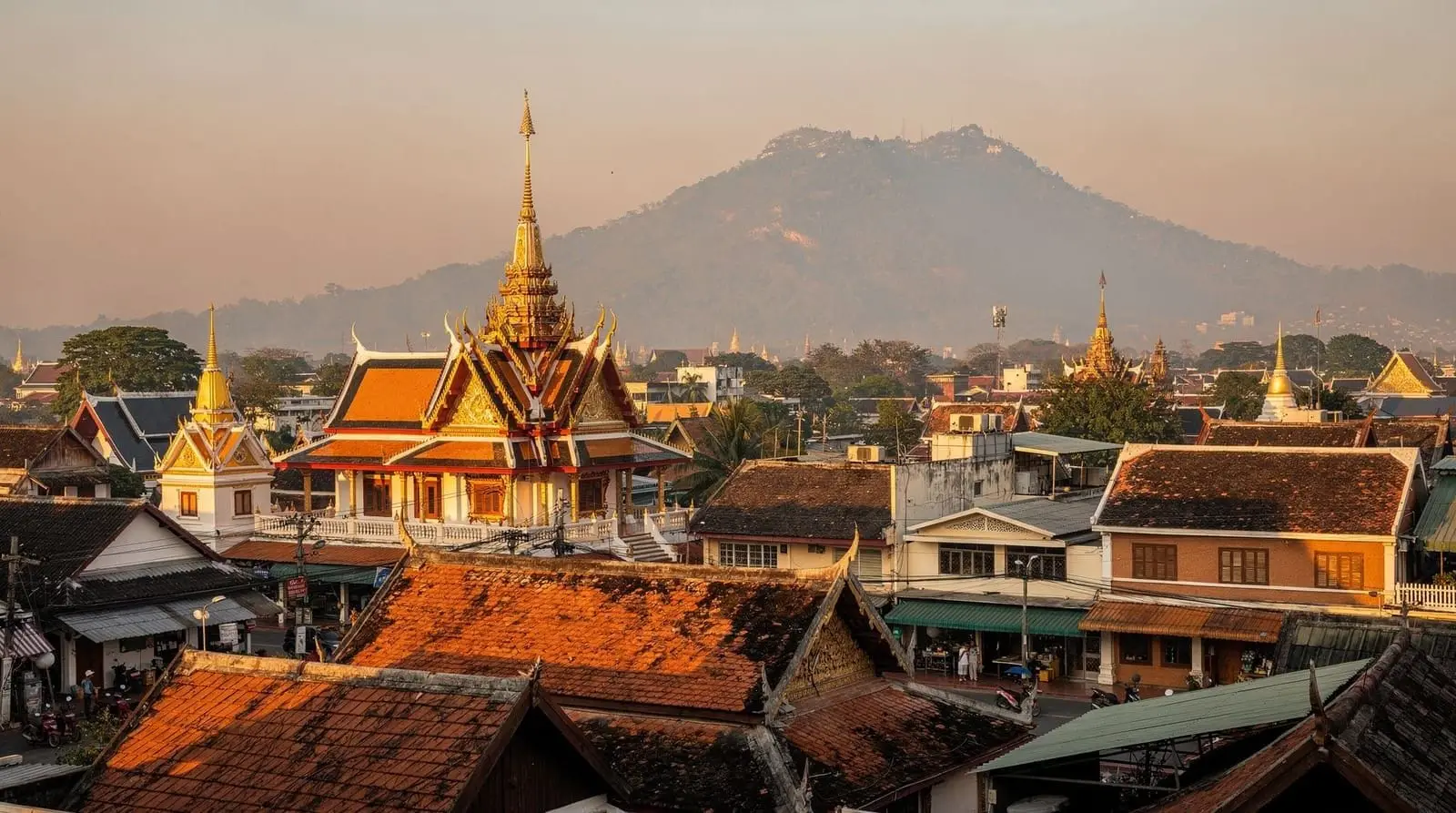
The capital is unmatched for scale: mega-malls, a huge range of fine dining, a genuinely 24-hour nightlife scene, and the kind of density that rewards a fast-paced few days rather than a slow week. Chiang Mai is the opposite proposition — smaller, slower, built around temples, mountains, food, and a level of green space within city limits that the capital simply doesn’t have room for. Neither is a lesser version of the other; they’re solving different travel appetites.
For a first Thailand trip, we think the north-to-south sequence — Chiang Mai first, capital second (or vice versa in terms of exit) — makes the adjustment curve gentler. You ease into the country somewhere walkable and calm, build up some comfort with the food, the currency, the general rhythm of Thai travel, and only then hit the full intensity of the capital once you’re not simultaneously fighting jet lag and culture shock. Doing it the other way around front-loads the hardest adjustment onto the day you’re least equipped to handle it.
The counter-argument, fairly stated
There’s a real case for capital-first too, and it’s not nothing: flight availability and pricing are usually better into the capital, a short domestic flight north is cheap and frequent (around 45-60 minutes in the air), and if your trip is short — five or six days total — starting in the bigger, more logistically central hub can simplify onward planning. If nightlife and scale are genuinely your priority for this specific trip rather than temples and mountains, starting there and treating Chiang Mai as an optional add-on rather than a co-equal stop is a legitimate call.
How long each city actually deserves
This is where a lot of itineraries go wrong in both directions — either two rushed days in each city, or five days in one and a token overnight in the other. Our how many days in Chiang Mai guide sets the realistic floor at three full days to get temples, an ethical elephant sanctuary visit, and one proper food-focused evening in without rushing; five to seven days lets you add a mountain day trip or a night up in Chiang Rai. If you’re genuinely trying to give both cities their due in one trip, we’d bias toward slightly more time in Chiang Mai than most itineraries default to, on the basis that the capital’s density means you can cover a satisfying amount even in a compressed two or three days, while Chiang Mai’s appeal is more spread out and needs a bit more runway to land.
Practical sequencing notes
If you do land in Chiang Mai first, plan on the airport being a genuinely painless five-to-fifteen-minute transfer into town — our airport transport guide covers exact pricing and options, and there’s essentially no version of this transfer that eats meaningfully into your first day. Choosing where to actually stay once you land is its own decision — Old City versus Nimmanhaemin covers that trade-off, and our broader first-timer orientation guide is worth reading before you land regardless of which city comes first on your route.
Our actual recommendation
If pressed for one answer: fly into Chiang Mai, spend four or five unhurried days settling into the pace of Thai travel, then take the short domestic flight south for the final leg of the trip. It’s not the sequence most flight search engines will suggest by default, and it does occasionally cost a little more in domestic flights than a single-entry-point trip. But for a first visit, easing in somewhere calmer before hitting somewhere more intense produces a noticeably better trip than doing it the other way around — and that’s the honest opinion behind this piece, not just a neutral list of pros and cons. Full trip-planning logistics, regardless of which order you choose, are in our master planning guide.