Is Chiang Mai worth visiting in 2026? An honest verdict
Every year there’s a version of this question circulating in travel forums: has Chiang Mai been overrun, over-instagrammed, and priced out of the thing that made it worth visiting in the first place? After splitting close to three weeks between the Old City, Nimmanhaemin and the mountains north of town, the answer isn’t a clean yes or no — it’s a “worth it, if you know what you’re actually buying a ticket for.”
Chiang Mai in 2026 is busier than it was a decade ago, no question. The Sunday Walking Street gets genuinely crowded, a handful of the most-photographed cafés in Nimmanhaemin have queues, and Doi Suthep’s parking lot fills before 9am on weekends. None of that is invented, and any piece telling you the city is some undiscovered secret is lying to you. What’s also true: none of that crowding erases what actually makes the city good, which has very little to do with any single photogenic spot and everything to do with the day-to-day texture of the place — the temples still function as temples, the food is still absurdly good and absurdly cheap, and the mountains an hour outside the ring road are still nearly empty.
What Chiang Mai actually does well
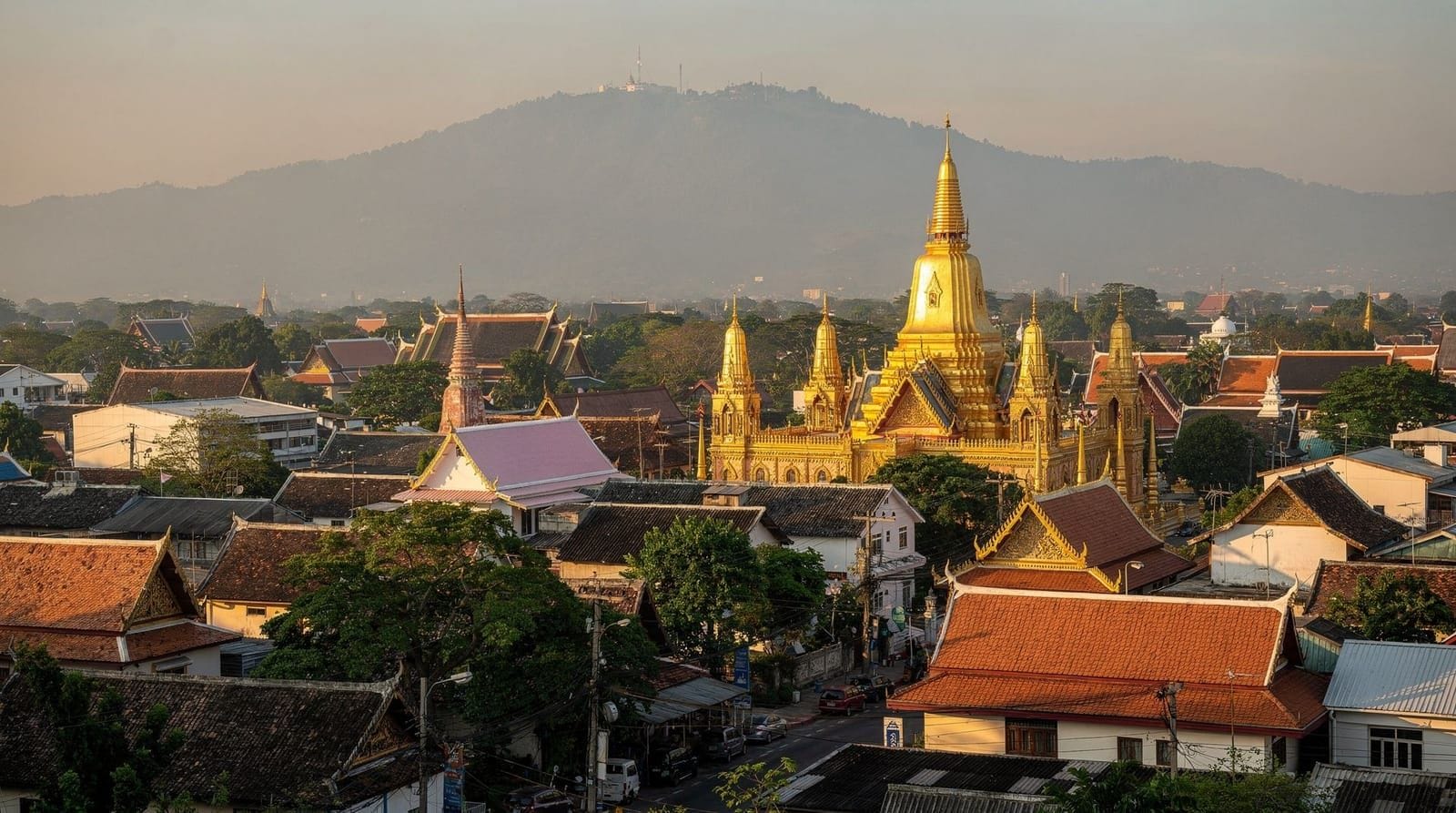
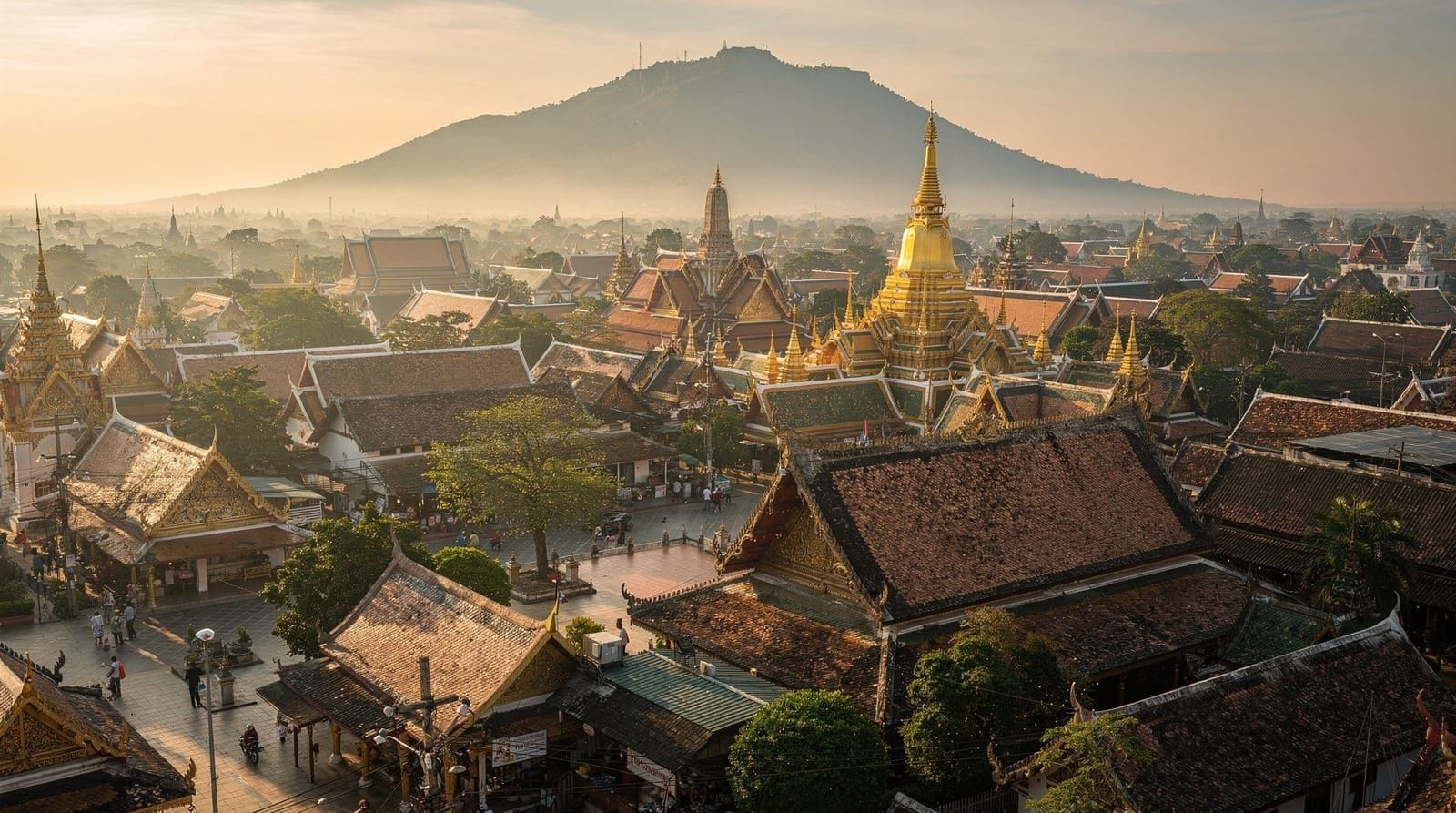
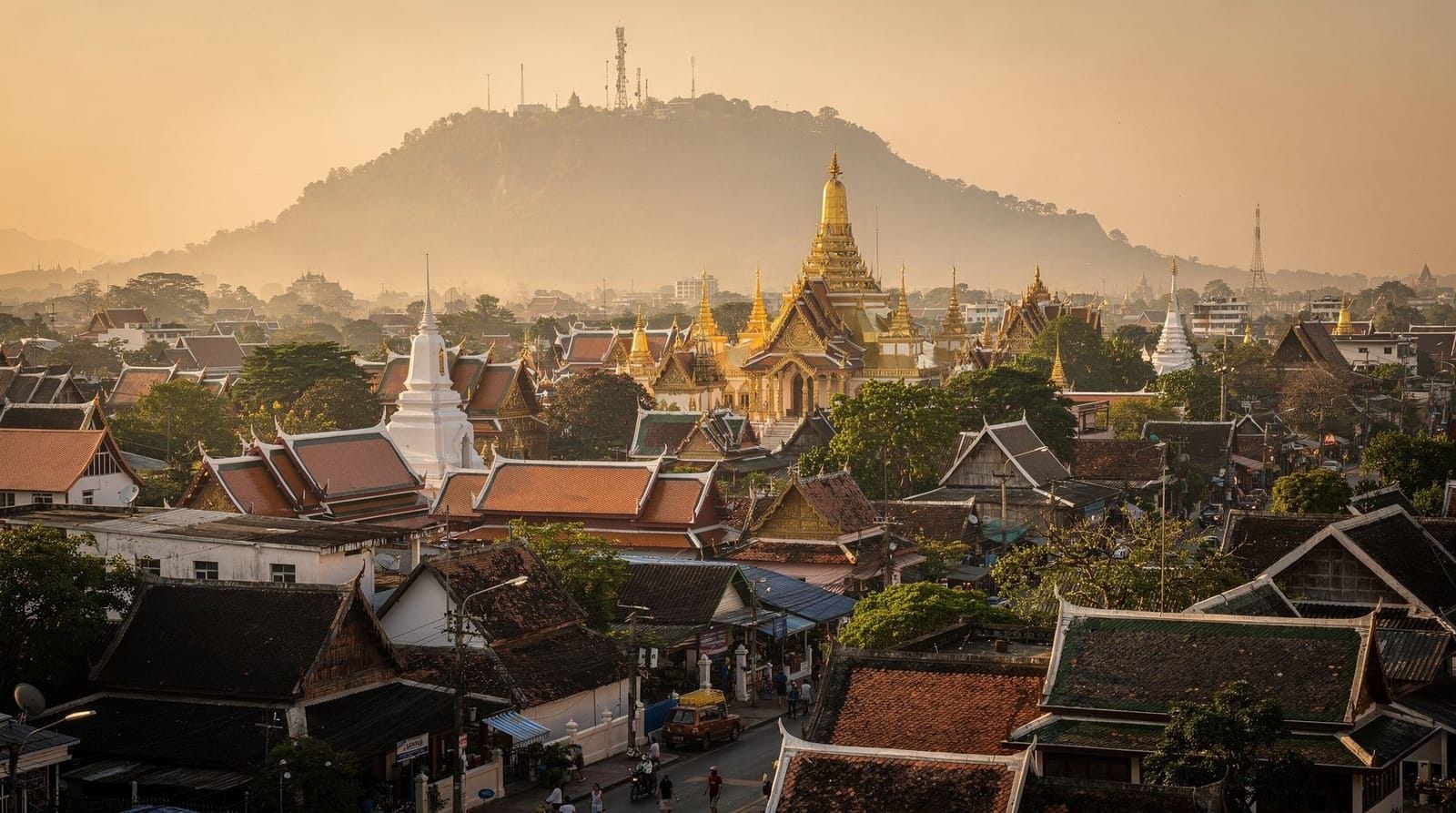
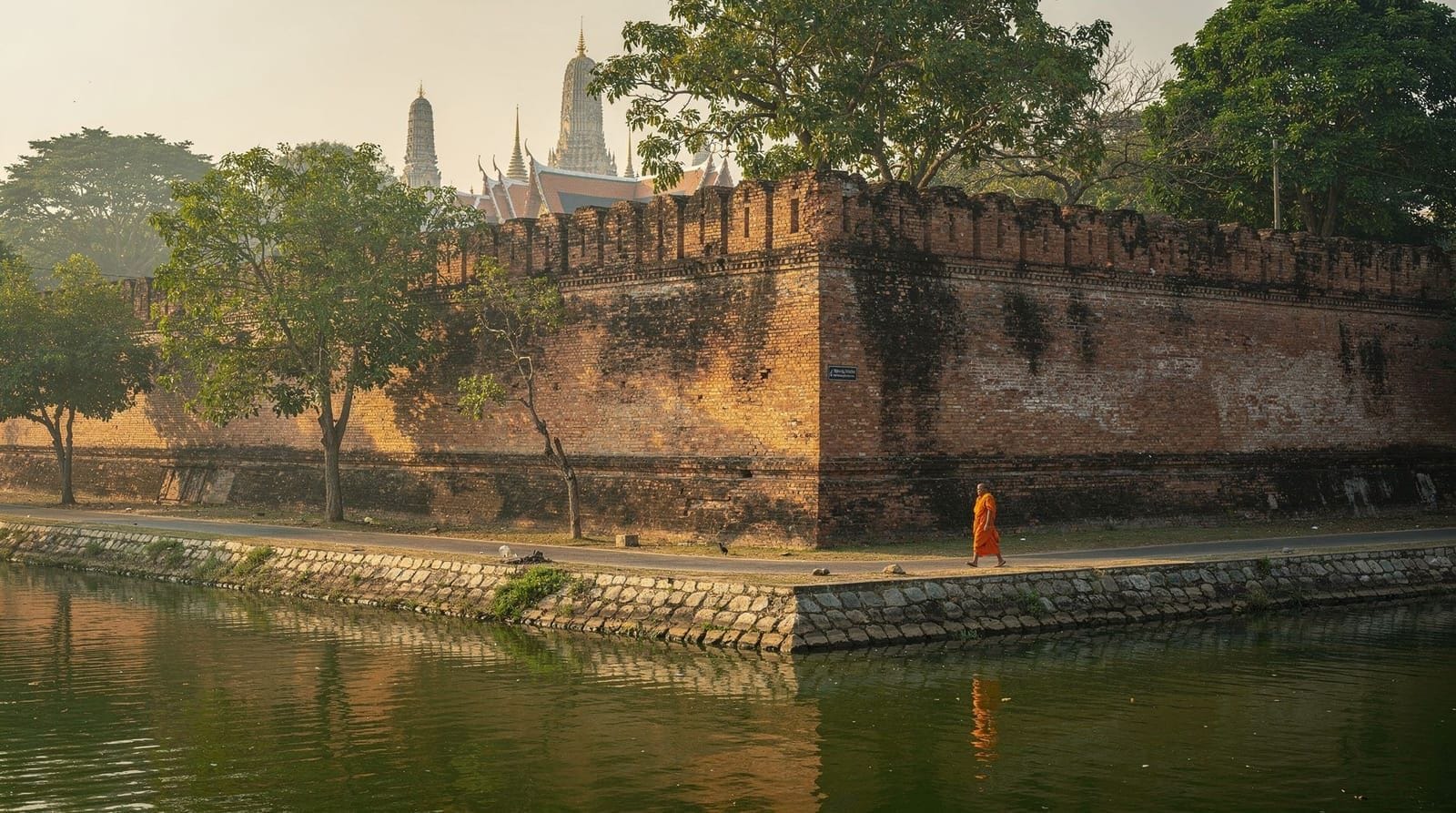
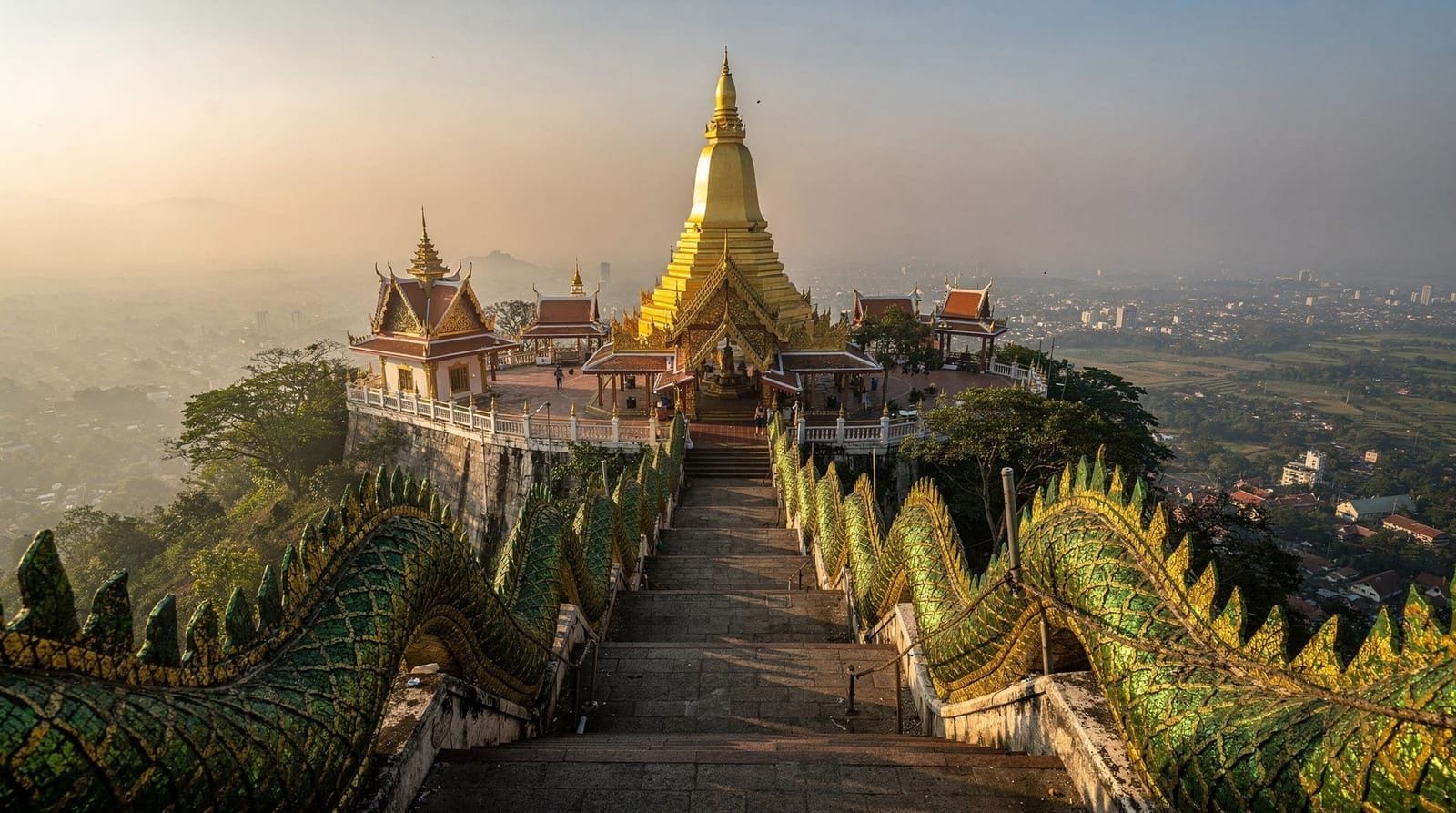
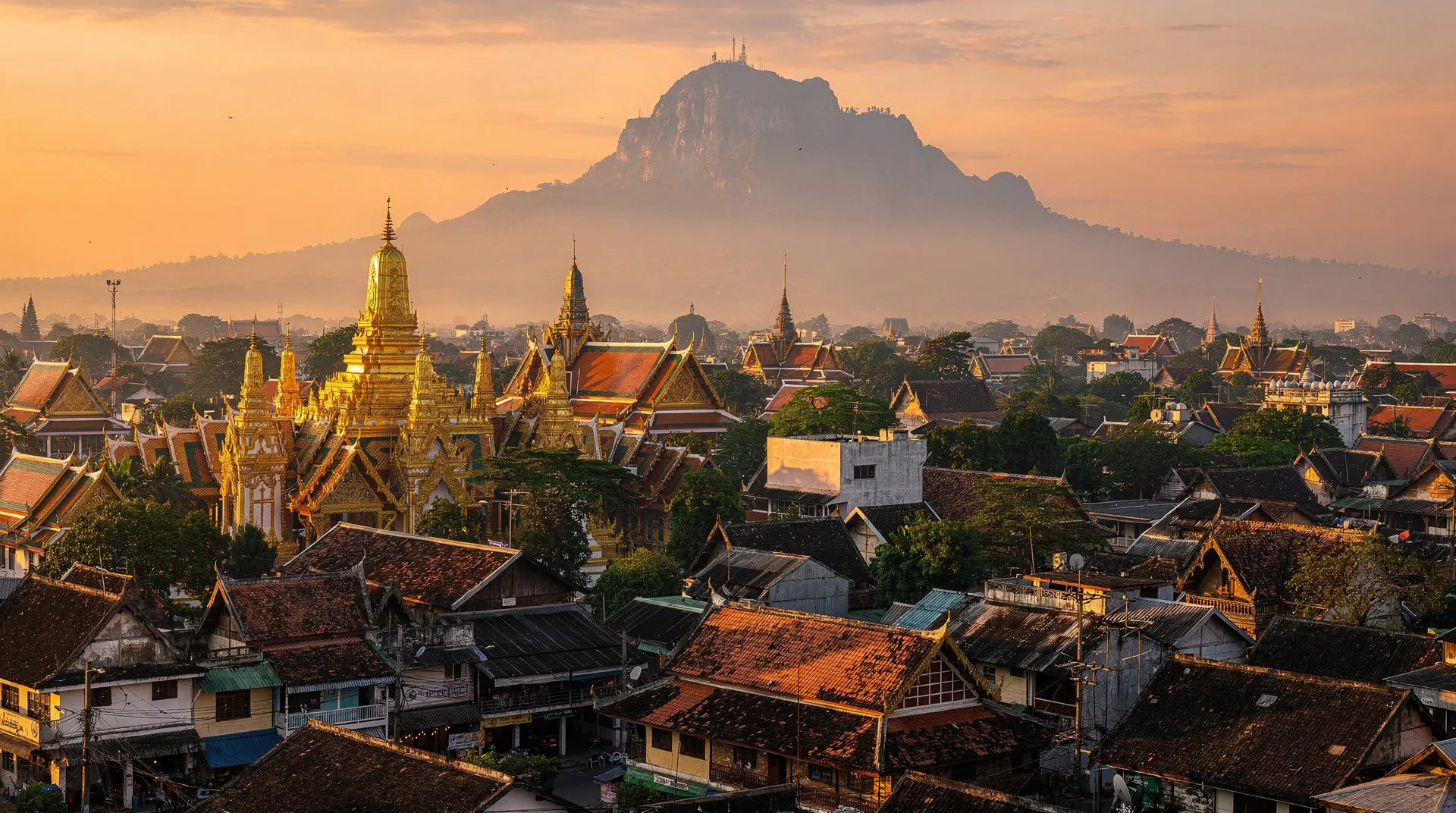
The case for Chiang Mai isn’t a highlight reel, it’s an accumulation. The Old City is compact enough to walk temple to temple in an afternoon, and unlike a lot of “historic quarters” elsewhere in Asia, it hasn’t been hollowed out into a pedestrian mall of souvenir shops — real neighborhoods, real noodle stalls, real monks, sit right alongside the wats that draw the tour buses. Doi Suthep delivers a genuinely different experience than anything at street level: cooler air, a naga staircase worth the climb, and a view over the whole Ping River valley that’s earned rather than staged.
Food is the strongest, least arguable point in the city’s favor. A bowl of khao soi that costs 60-80 THB (about USD 1.65-2.20) at a proper local shop is better than most 400 THB “elevated Thai” tasting plates in bigger cities, and that ratio holds across almost every category of eating here — see our full street food guide for where that actually plays out. And the region gives you something almost no other Southeast Asian hub matches: a legitimate, well-regulated ethical elephant sanctuary scene, built specifically around not riding or bathing-on-cue, within an hour’s drive of your hotel.
Chiang Mai: Half-Day Private City Tour by Tuk TukWhere the hype outruns the reality
The honest counterpoint: burning season is real and it’s not a minor caveat. From roughly February through April, agricultural burning across the region and neighboring countries pushes air quality readings into unhealthy territory on a meaningful number of days, and if you’re picturing crisp mountain views from Doi Suthep during those months, you may get haze instead. Our burning season guide lays out exactly which weeks tend to be worst, and it’s the single biggest reason we’d steer a first-time visitor toward November through February instead.
There’s also a mismatch between what gets posted online and what a typical day involves. The cliff-edge infinity pool shots and lantern-filled night skies are real, but they’re the result of specific bookings on specific nights (usually Yi Peng, which runs a few days a year), not the ambient backdrop of an ordinary Tuesday. If you show up expecting sky lanterns every evening, you’ll be let down; if you show up expecting good coffee, better food, mountains, and temples that are still functioning as temples, you’ll get exactly what you came for. Our tourist traps guide and separate “is Chiang Mai overrated” piece both go deeper on this specific gap between marketing and reality.
Who Chiang Mai suits — and who it doesn’t
Chiang Mai rewards travellers who like a slower pace than Bangkok, prefer temples and mountains to beaches, and are happy spending real time in one place rather than city-hopping every two days. It’s an easy sell for first-timers to Thailand who want culture without the intensity of the capital, for return visitors looking for something calmer than the southern islands, and for the growing digital nomad crowd drawn by the cost of living and the café scene.
It’s a weaker fit if a beach is non-negotiable — there isn’t one within reasonable reach — or if your trip window falls entirely within burning season with no flexibility. It’s also not the place for travellers chasing round-the-clock nightlife on the scale of Bangkok or Pattaya; Nimmanhaemin has a genuinely good bar and café scene, but it’s a fraction of the intensity of a big-city entertainment district, and that’s by design rather than a shortcoming.
How much time actually makes it worth the trip
Three days is the honest minimum to get a real feel for the city rather than a highlight-reel skim — our is 3 days enough piece walks through what that compressed version looks like and what it cuts. Five to seven days is where Chiang Mai really opens up: enough time for the Old City, an elephant sanctuary half or full day, a cooking class, and at least one trip out to the mountains or to Chiang Rai, without every day feeling scheduled to the hour.
Chiang Mai: Small Group Ethical Elephant Sanctuary TourThe verdict
Chiang Mai in 2026 is worth visiting, and it’s worth visiting specifically because the things that made it good ten years ago — the food, the temples, the mountains, the pace — are still intact even with more visitors around them. It is not the undiscovered secret some older blog posts still describe, and pretending otherwise does new visitors a disservice. Go in November through February if your dates are flexible, budget honestly using our Chiang Mai budget guide rather than outdated “$10 a day” claims, and treat the city as a base for the surrounding region rather than a checklist of Instagram spots, and it delivers. If you’re weighing it against Bangkok for a single Thailand trip, that comparison deserves its own read — the short version is that they solve different problems, and most travellers end up wanting both rather than choosing one.
Overtourism concerns are legitimate at specific pinch points — the Doi Suthep parking lot on a Saturday morning, the busiest stretch of Nimmanhaemin on a Friday night — and our separate honest take on overtourism doesn’t sugarcoat those moments. But a handful of crowded chokepoints don’t define a city built around 300-plus temples, a mountain range, and a food scene this deep. That’s the actual case for going, hype aside.