Chiang Dao day trip guide
From Chiang Mai: Chiang Dao Cave Trekking Full-Day Tour
Duration: Full day
How long does a Chiang Dao day trip take?
Half a day covers the cave and nearby Wat Tham Pha Plong comfortably; a full day allows time to add hot springs and birdwatching. The drive itself is about 70km, roughly 1.5 hours each way from Chiang Mai.
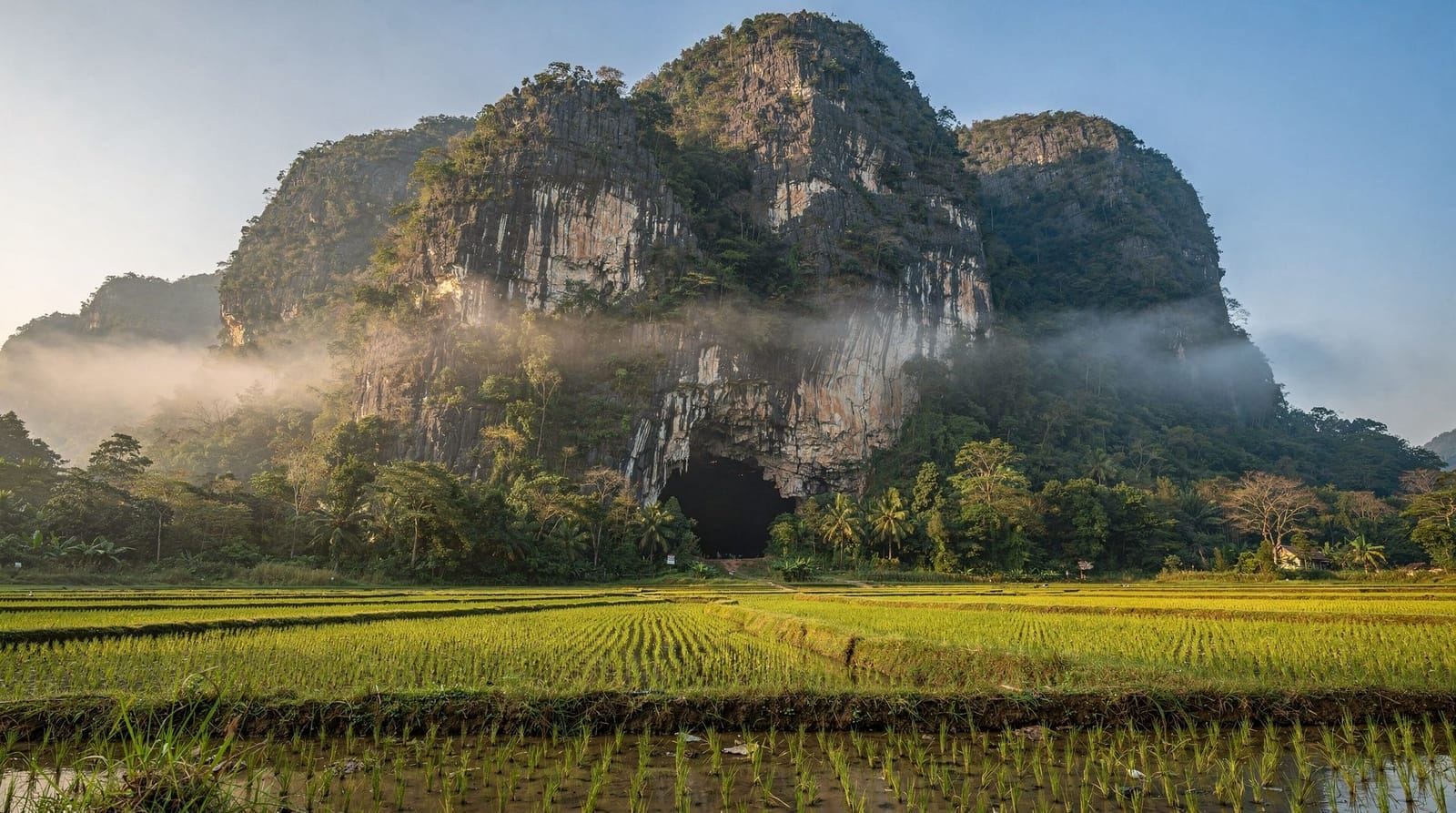
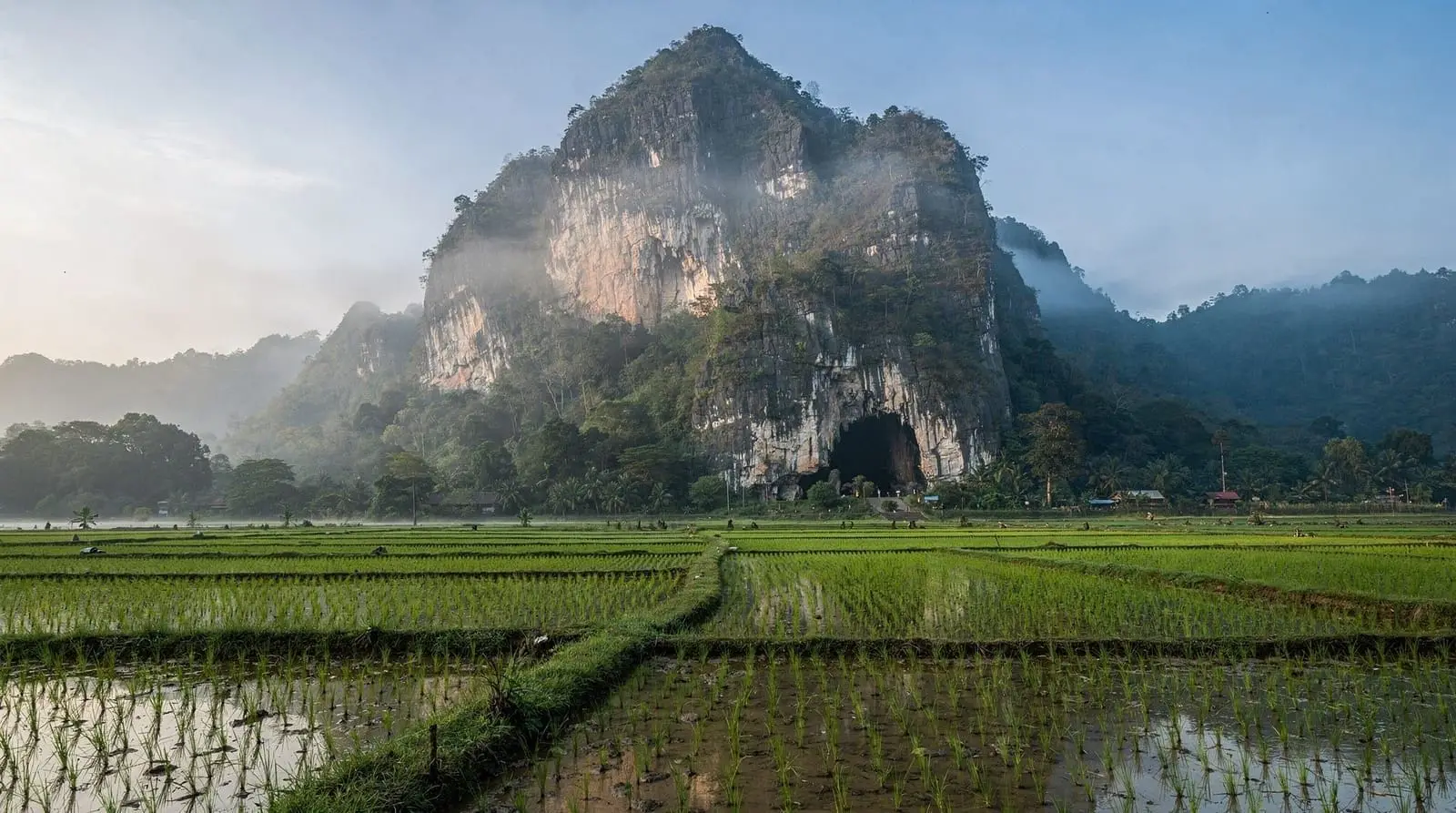
Chiang Dao sits about 70km and 1.5 hours north of Chiang Mai, offering a genuinely different kind of day trip from the region’s temple circuits and mountain viewpoints: a limestone cave system beneath Thailand’s third-highest peak, with a short self-guided section for casual visitors and deeper lamp-lit passages for those wanting to go further underground.
Quick answer: a Chiang Dao day trip works well as either a half day (cave and the nearby Wat Tham Pha Plong forest temple) or a full day if you add the area’s smaller hot springs and some birdwatching time. The drive is a manageable 1.5 hours each way, closer than most of Chiang Mai’s other headline day trips.
Tham Chiang Dao: the cave itself
The cave’s structure works in two distinct tiers. A short, lit section near the entrance is self-guided, taking 20-30 minutes to explore at a relaxed pace and suitable for most visitors regardless of caving experience. Beyond this, deeper unlit passages extend much further into the mountain, requiring a local lamp-guide hired on the spot — there’s no fixed lighting or marked path once you go beyond the main chamber, and the guide requirement exists for genuine safety reasons rather than as an upsell. A guided Chiang Dao cave trekking full-day tour from Chiang Mai handles both the guide arrangement and the round-trip transport in a single booking.
Wear closed shoes with good grip — the limestone surfaces in the deeper sections can be uneven and slippery — and bring a light layer, since the cave interior runs noticeably cooler than the surrounding forest air outside.
Doi Luang Chiang Dao: the mountain above
Rising above the cave, Doi Luang Chiang Dao (roughly 2,225m) is Thailand’s third-highest peak, and it’s worth being clear about what a day trip here does and doesn’t include: casual day visitors see the cave and the surrounding lower-elevation area, not the summit itself. Climbing Doi Luang is a genuine multi-day trekking undertaking requiring a permit and an experienced guide, entirely separate from the cave day trip covered here — not something to expect as part of a standard half or full-day itinerary.
Wat Tham Pha Plong and the surrounding area
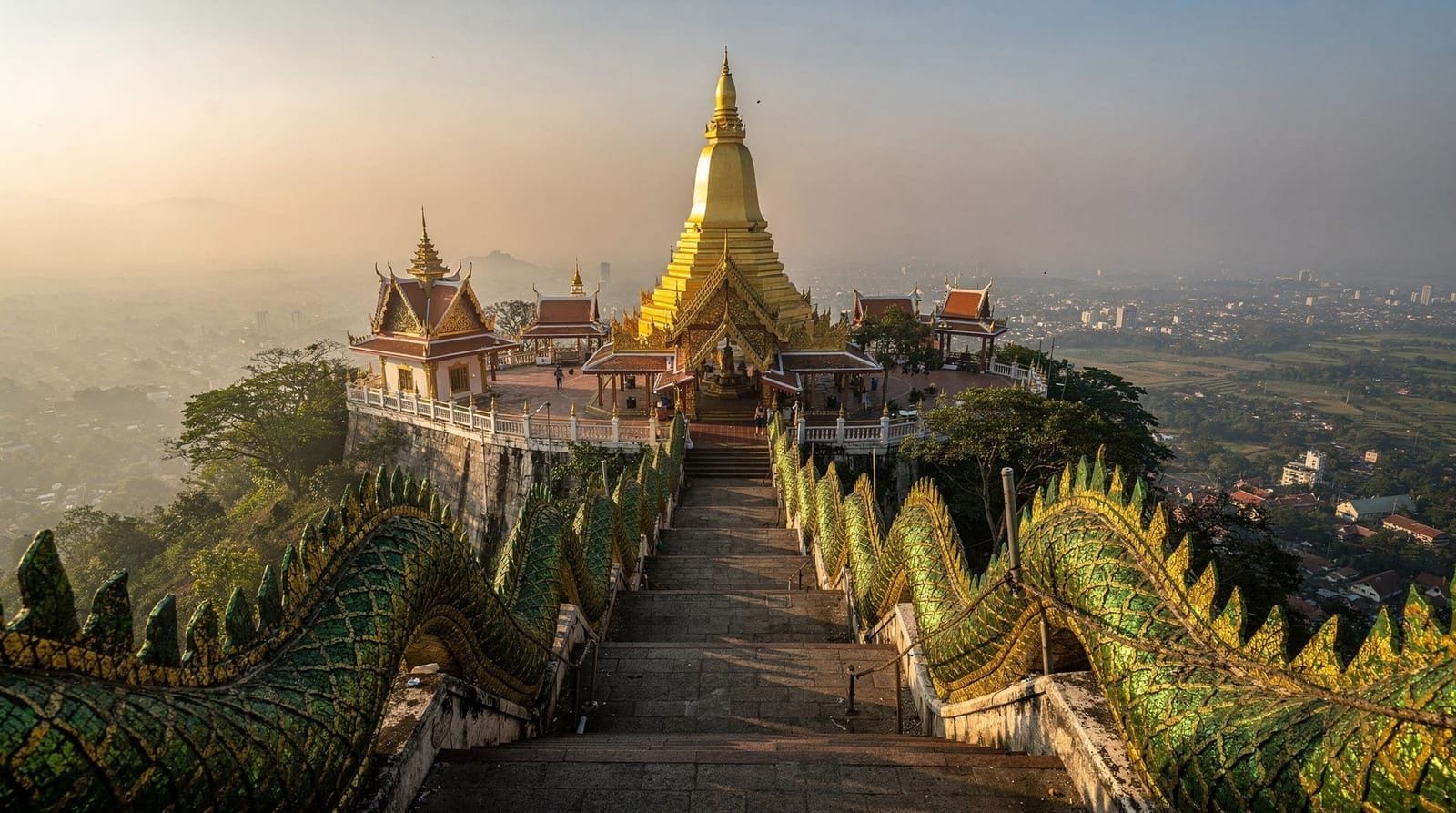
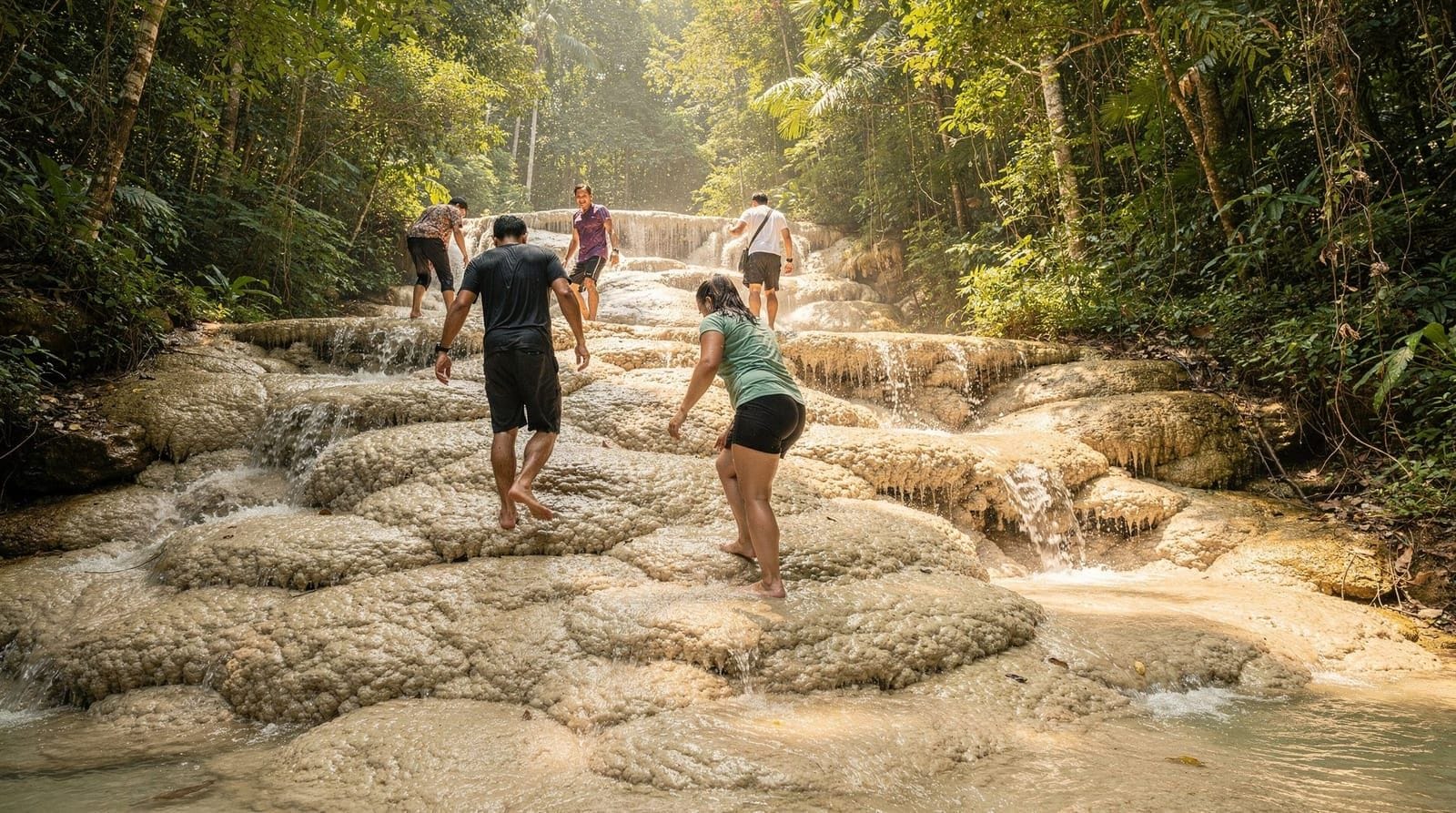
A short distance from the main cave, Wat Tham Pha Plong is a forest temple reached by a steep staircase through the jungle, offering a quieter, more contemplative stop than the cave’s more commercial entrance area. Combining both in a single half day is straightforward given their proximity, and several tours, such as a Chiang Dao cave, Den Sali temple and waterfall tour, build in additional nearby temple and waterfall stops for travelers wanting a fuller day.
Adding hot springs and hill-tribe stops
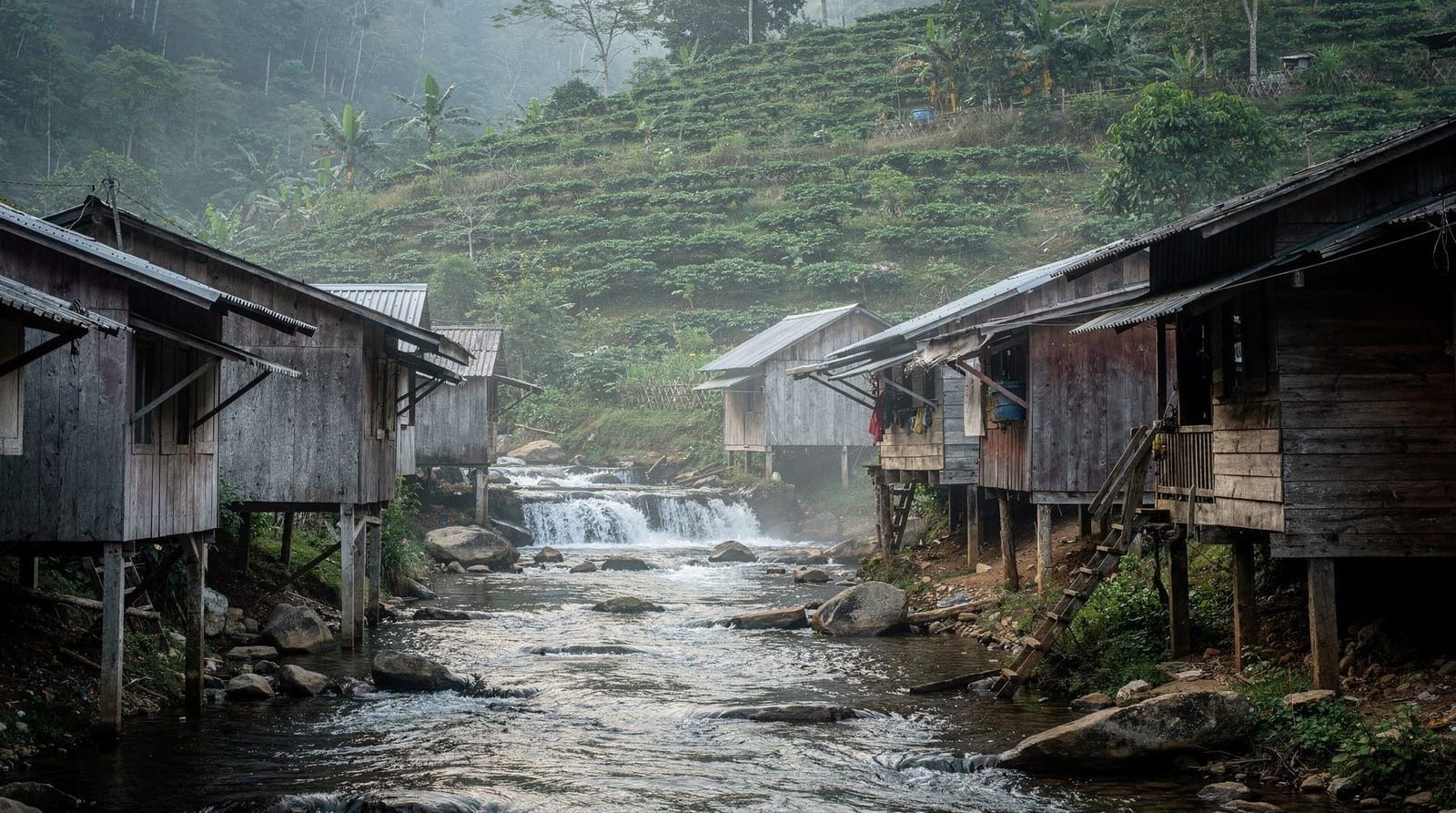
For a full-day version of the trip, a smaller, less commercialized hot spring near the cave area is a worthwhile addition if you have the time — quieter and less developed than the San Kamphaeng hot springs closer to Chiang Mai. Some operators also combine the cave with hill-tribe village visits; a Chiang Dao cave and 5 hill tribe villages tour covers several communities in the wider area in a single day, worth considering if a broader cultural component interests you alongside the cave itself, though as with any hill-tribe visit, it’s worth choosing an operator that frames these as genuine community visits rather than staged photo stops.
For the more adventurous: caving and kayaking
Travelers wanting more than the standard lit-and-guided cave circuit can combine Chiang Dao with a more adventure-focused day via a full-day Chiang Dao caving and jungle kayaking tour, pairing the cave with a kayaking leg through the surrounding jungle terrain — a genuinely different pace from the standard cave-and-temple day.
Birdwatching
Chiang Dao is recognized as one of Thailand’s noted birding sites, drawing dedicated birdwatchers to the mixed forest and limestone habitat around the mountain. If this is a specific interest, a dawn start dedicated to birdwatching, separate from the main cave visit, gets the best results — most standard day-tour itineraries don’t build in enough quiet observation time for serious birding.
Getting there
A Grab, private driver, or guided tour covers the 70km, roughly 1.5-hour drive from Chiang Mai. Self-driving by rental car is straightforward given the relatively direct route compared to the more winding roads toward Pai or Mae Hong Son, making Chiang Dao one of the easier destinations on this list to visit independently rather than as part of a packaged tour.
Best time to visit
The cave itself is a year-round destination, largely unaffected by season given its underground setting. For the surrounding trails, hot springs and any hiking around Wat Tham Pha Plong, November-February offers the coolest, clearest conditions and the most comfortable temperatures for time spent outside the cave.
Comparing Chiang Dao to other nearby day trips
Chiang Dao’s closer distance and half-day flexibility make it a good complement to a trip that’s already included a longer excursion like Doi Inthanon or Chiang Rai — a genuinely different pace and subject matter without another exhausting full day of driving. For those who’d rather stay even closer to the city, Sticky Waterfalls offers a similarly compact half-day option in a different direction.
The geology behind the cave
Tham Chiang Dao formed over an estimated hundreds of thousands of years as groundwater dissolved the limestone bedrock of Doi Luang Chiang Dao, creating the extensive network of chambers and passages that visitors explore today. The formations inside — stalactites, stalagmites and flowstone deposits — continue to develop extremely slowly through the same mineral-deposition process, which is part of why guides ask visitors not to touch the formations directly, since oils from skin contact can disrupt the delicate mineral-building process that’s been ongoing for millennia. The cave also holds religious significance for local communities, with several Buddha images and shrines placed within the main lit chamber, reflecting a long history of the cave as a site of both natural curiosity and spiritual practice rather than a purely secular tourist attraction.
Food near Chiang Dao
The town of Chiang Dao itself, a short distance from the cave, has a modest but genuine selection of local restaurants serving northern Thai food, along with a small but notable community of expatriate-run cafes and guesthouses that have grown around the area’s popularity with longer-staying nature and trekking enthusiasts. Given the half-day nature of most cave visits, a simple lunch stop near the cave entrance or in Chiang Dao town itself is the most practical plan, with a wider selection of dining options limited compared to Chiang Mai city but perfectly adequate for a day-trip meal.
Family suitability and budget
The cave’s lit, self-guided section is manageable for most families with older children, though the uneven ground and dim lighting make it less suitable for very young children or anyone unsteady on their feet. The deeper guided passages require more scrambling and are better suited to older kids and adults comfortable with confined, dark spaces. Budget-wise, a shared full-day tour including cave guide fees and transport typically runs 800-1,500 THB (~$23-42) per person, making Chiang Dao one of the more affordable day trips on this list given its closer distance and modest entry costs compared to farther, more elaborate itineraries.
Accessibility notes
The cave’s short, lit self-guided section has a relatively even, if not perfectly flat, surface manageable for most visitors, though the low lighting and occasional uneven ground still warrant caution for anyone with significant mobility limitations. The deeper guided passages involve more scrambling, ducking under low sections, and navigating narrower gaps, making them unsuitable for wheelchair users or anyone with serious mobility restrictions. Wat Tham Pha Plong, the nearby forest temple, is reached by a steep staircase through the jungle, a genuine physical undertaking rather than a quick stop, and is worth skipping if stair-climbing is a concern, in favor of more time at the cave itself or the surrounding hot springs.
Combining with other nearby villages
Beyond the standard hill-tribe village tours mentioned earlier, the wider Chiang Dao area is home to a diverse mix of communities, including Lisu, Lahu and Palaung villages in addition to the Karen villages more commonly featured on organized tours. Travelers with a specific interest in northern Thailand’s ethnic diversity, rather than just the cave itself, may find it worth researching a specialized operator focused on responsible visits to these communities, distinct from the more standard “5 hill tribes” package tours that move quickly between several villages in a single day. As with any hill-tribe visit throughout the region, choosing an operator that frames these stops as genuine, respectful community visits rather than staged photo opportunities makes a meaningful difference to both the visitor experience and the impact on the communities themselves.
Why Chiang Dao works well as a second northern excursion
For travelers who’ve already done a longer, more demanding day trip like Doi Inthanon or Chiang Rai earlier in their stay, Chiang Dao’s shorter drive and genuinely different subject matter (a cave rather than another temple or waterfall circuit) make it a satisfying, lower-effort follow-up rather than a repeat of similar scenery. Its closer distance also makes it more forgiving of a later start than some of the region’s other day trips, useful if your schedule doesn’t allow for the 6:30-7:30am departures that Doi Inthanon or Chiang Rai tours typically require. This combination of novelty, manageable distance and flexible timing is part of why Chiang Dao consistently appears on shortlists for travelers with more than a few days in the Chiang Mai area looking to round out their itinerary beyond the most obvious headline destinations.
Trekking options beyond a single day
For travelers whose interest in Chiang Dao extends beyond a single day’s cave visit, Doi Luang Chiang Dao itself offers genuine multi-day trekking for experienced hikers, requiring an official permit (issued in limited numbers to protect the mountain’s ecology) and typically arranged well in advance through a licensed trekking operator. This is an entirely separate undertaking from the standard day-trip cave visit covered in this guide — a serious multi-day mountain trek rather than a half or full-day excursion — and worth researching separately if summiting the peak itself, rather than simply visiting the cave beneath it, is your actual goal. Most standard Chiang Mai tour operators don’t offer this trek directly, so a specialized trekking company familiar with the mountain’s permit system is the more reliable route for travelers genuinely interested in the summit.
What to wear and bring
Beyond the closed shoes and light jacket already mentioned, a few additional items make the visit smoother: a headlamp or small flashlight, even though guides typically provide lamps for the deeper passages, gives you independent lighting for photography or simply extra reassurance in the dark sections. A change of clothes is worth having in the car if you’re also planning a hot springs stop, and cash in small denominations covers the guide tip and any entry fees not bundled into a pre-booked tour. Given the cave’s consistently cooler interior temperature, dressing in light layers you can adjust between the warm outdoor air and the cooler cave passages works better than a single outfit suited to only one environment.
A final comparison note
Travelers deciding between Chiang Dao and a similarly-scaled alternative like Sticky Waterfalls or San Kamphaeng should weigh the type of experience each offers rather than assuming they’re interchangeable half-day options. Chiang Dao delivers a genuinely distinctive underground experience and mountain scenery; the other two lean toward water-based or craft-based activities in a flatter, more accessible setting. All three share the advantage of a manageable drive and half-day flexibility, making the choice more about personal interest than practical logistics.
A note on visiting during peak periods
Weekends and Thai public holidays bring noticeably more domestic visitors to the cave entrance area, occasionally leading to short waits for a lamp-guide during the busiest midday hours. A weekday visit, or an early morning arrival on weekends, generally avoids this entirely, keeping the half or full-day experience as calm as the destination’s overall low profile suggests it should be.
Frequently asked questions about a Chiang Dao day trip
How far is Chiang Dao from Chiang Mai?
About 70km, roughly 1.5 hours by car, minivan, or guided tour.
Do I need a guide inside Chiang Dao cave?
A short, lit section near the entrance is self-guided. Deeper, unlit passages require a local lamp-guide, hired on-site at the cave entrance, since there’s no fixed lighting or marked path beyond the main chamber.
How long does it take to see Chiang Dao cave?
The self-guided lit section takes 20-30 minutes. A guided tour of the deeper dark passages typically runs 45 minutes to an hour depending on how far you go.
Is Chiang Dao worth visiting if I’ve already done Doi Inthanon?
Yes, it’s a genuinely different experience — a cave and cultural landscape rather than a mountain summit and waterfalls — and it’s closer to Chiang Mai, making it a good half-day option if Doi Inthanon already used up a full day of your trip.
What is Doi Luang Chiang Dao?
Thailand’s third-highest peak at roughly 2,225m, rising above the cave and town. It’s a serious multi-day trekking destination for experienced hikers with a permit, not a casual day-trip climb.
Are there hot springs near Chiang Dao?
Yes, a smaller, less commercialized hot spring sits near the cave area, worth adding to a full-day itinerary if you have time beyond the cave visit itself.
Is Chiang Dao good for birdwatching?
Yes, the area is one of Thailand’s noted birding sites, drawing dedicated birdwatchers for species found in the mixed forest and limestone habitat around the mountain.
What should I wear inside the cave?
Comfortable closed shoes with good grip, since the deeper passages have uneven, sometimes slippery limestone surfaces. A light jacket helps too, since the cave interior runs noticeably cooler than the outside air.
Top experiences
Bookable activities with verified prices and instant confirmation on GetYourGuide.