Sticky Waterfalls day trip guide
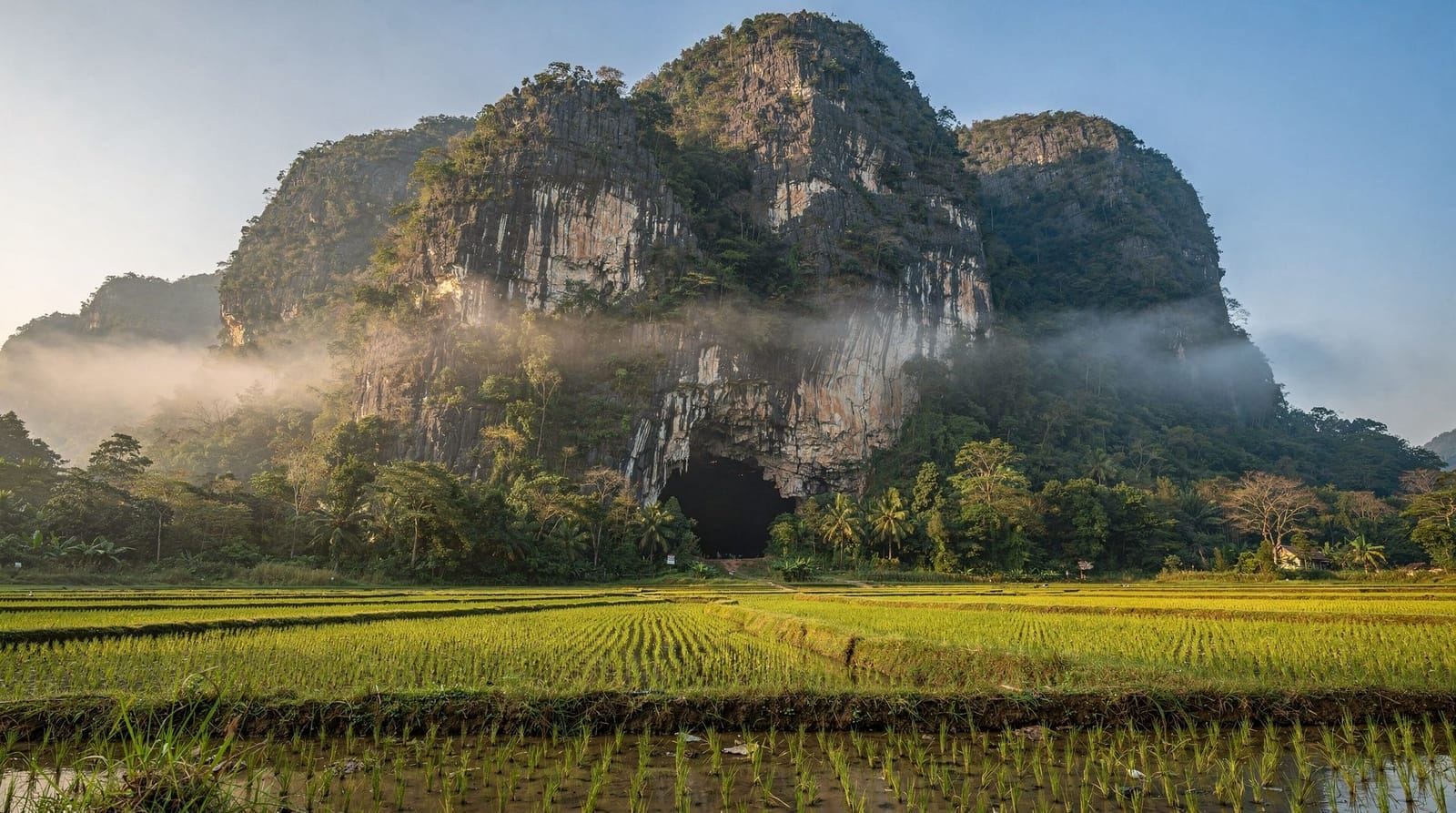
Chiang Mai: Bua Tong Sticky Waterfall, Huge Cave & Thai Buffet
How long does a Sticky Waterfalls day trip take?
The falls themselves take 2-3 hours including the barefoot climb and a stop at the nearby Chok Sae Muang spring. Most visitors treat it as a half-day trip, roughly an hour northeast of Chiang Mai, and combine it with Mae Kampong village or the San Kamphaeng crafts area for a fuller day.
Bua Thong Sticky Waterfalls are one of the more unusual short trips near Chiang Mai — not because of scale or drama, but because of a genuinely odd physical property: the mineral-coated limestone gives enough grip to climb the cascade barefoot, an experience unlike almost any other waterfall you’ll encounter in the region. About an hour northeast of the city, it’s an easy, budget-friendly half-day trip that pairs naturally with several other nearby stops.
Quick answer: the falls themselves take 2-3 hours including the barefoot climb and a stop at the nearby Chok Sae Muang spring, making this a genuine half-day trip. Most visitors combine it with Mae Kampong village or the San Kamphaeng crafts area to fill out a fuller day.
What makes these waterfalls “sticky”
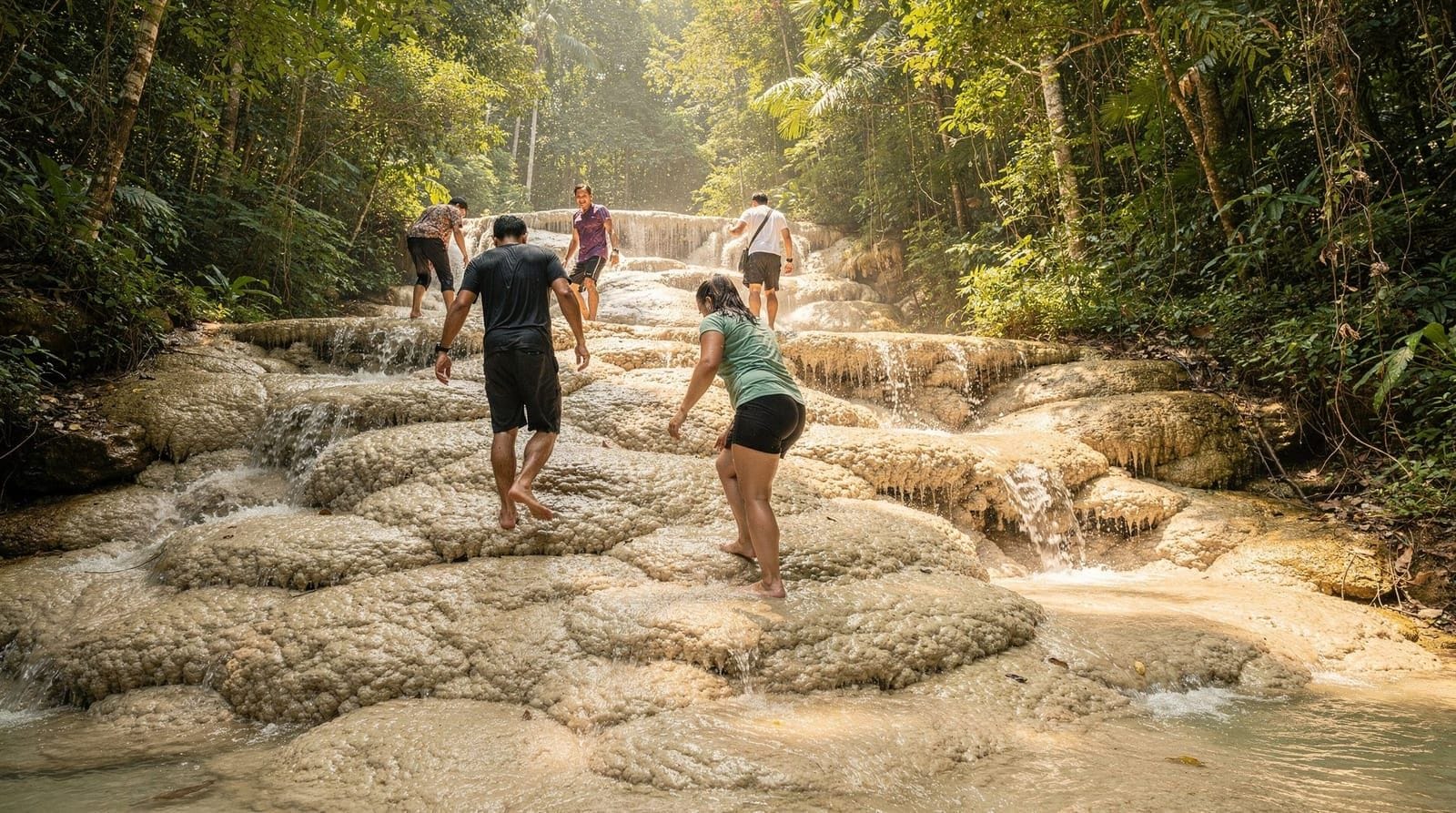
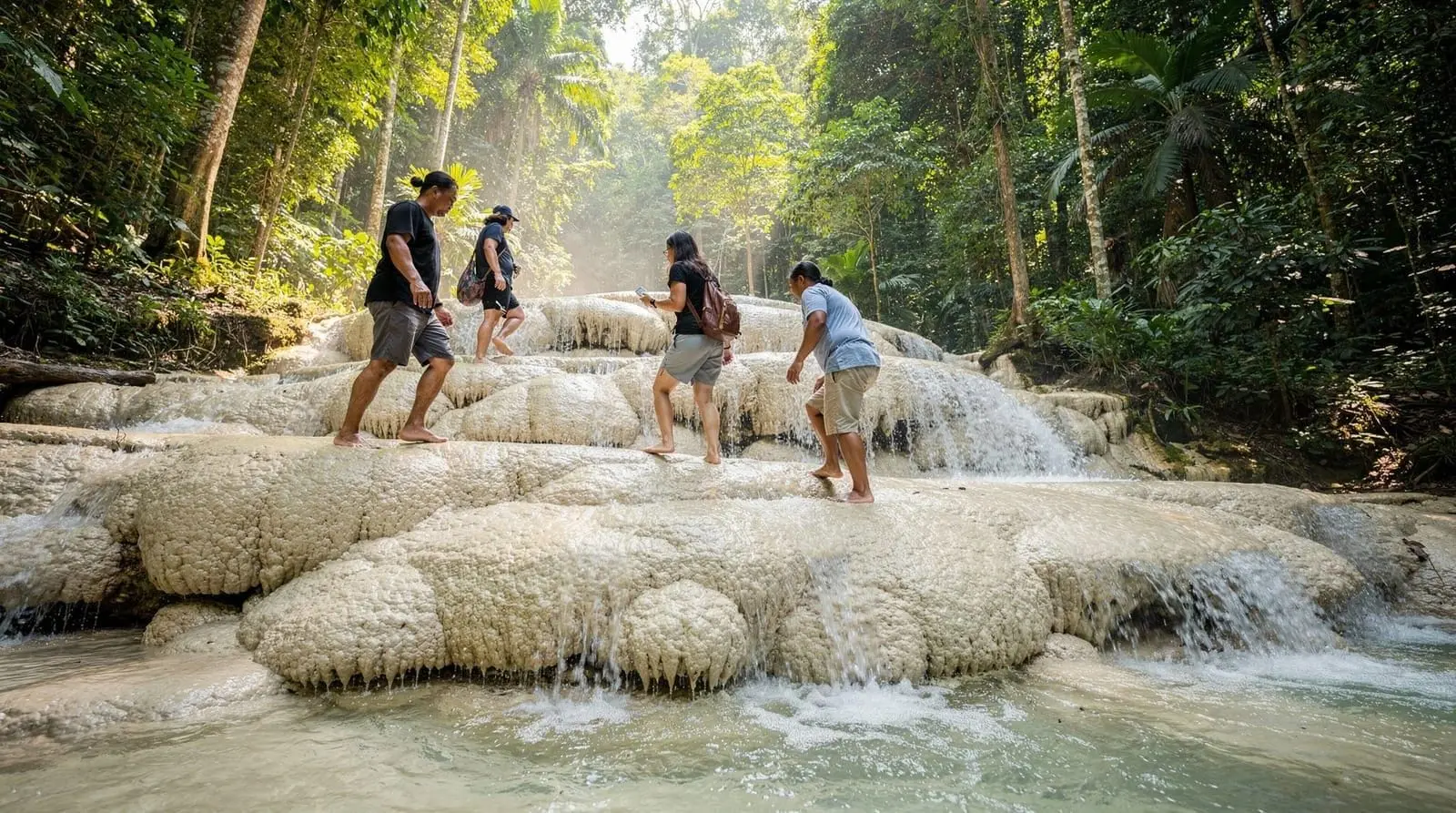
The mineral deposits (mostly calcium carbonate) that build up on the limestone surface at Bua Thong create a rough, grippy texture rather than the slick, slippery rock you’d expect on a wet waterfall — hence the name. This means visitors can climb directly up sections of the cascade barefoot without the fall risk that would apply almost anywhere else, making it a genuinely playful, hands-on experience rather than a look-from-a-viewing-platform stop. A “climb Sticky Waterfall like Spiderman” tour leans directly into this novelty, and it’s an apt description of what the climb actually feels like.
Getting there and entry costs
The falls sit near Sri Lanna National Park, about an hour northeast of Chiang Mai by Grab, private driver, or organized tour, with round-trip Grab fares running roughly 800-1,000 THB ($23-28). National park entry itself is free, with parking running around 20-50 THB ($0.60-1.40) — one of the more budget-friendly day trips on this list precisely because there’s no significant entry fee structure. A half-day tour to Sticky Waterfall with hotel transfer handles the round-trip logistics for travelers who’d rather not arrange their own transport.
What a visit actually involves
Most visitors spend their time climbing several tiers of the main cascade, pausing at natural pools along the way, before continuing to the nearby Chok Sae Muang spring, a smaller, separate stop with clearer, cooler water. A afternoon Bua Tong Sticky Waterfall trip by red taxi covers exactly this combination for a compact half-day visit. Bring swimwear or quick-dry clothing and a towel; most people climb the main cascade barefoot, though water shoes can help on the wetter lower sections if you’re not confident on bare rock.
Combining with a cave and buffet, or other add-ons
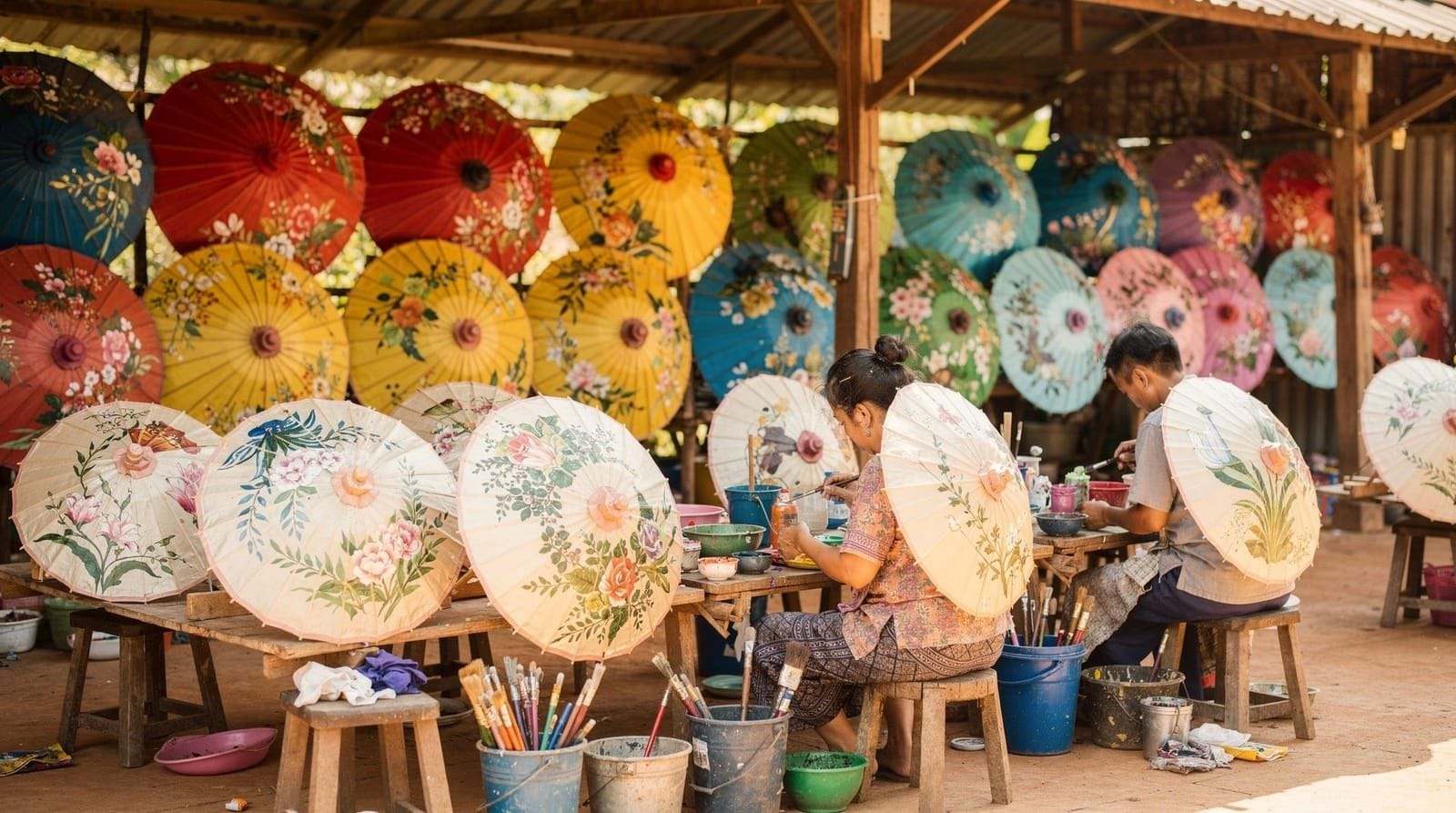
Several tours package the falls with additional nearby stops to fill a fuller day — a Bua Tong Sticky Waterfall, cave and Thai buffet tour adds a nearby cave visit and lunch to the standard falls itinerary, useful if you’d rather have a single booked package than arrange each stop separately. For travelers who’d like to pair the falls with a craft-village stop instead, a Bo Sang umbrella-making experience combined with Sticky Waterfalls swaps the cave for a hands-on umbrella-painting session in Bo Sang village.
Extending into a fuller day
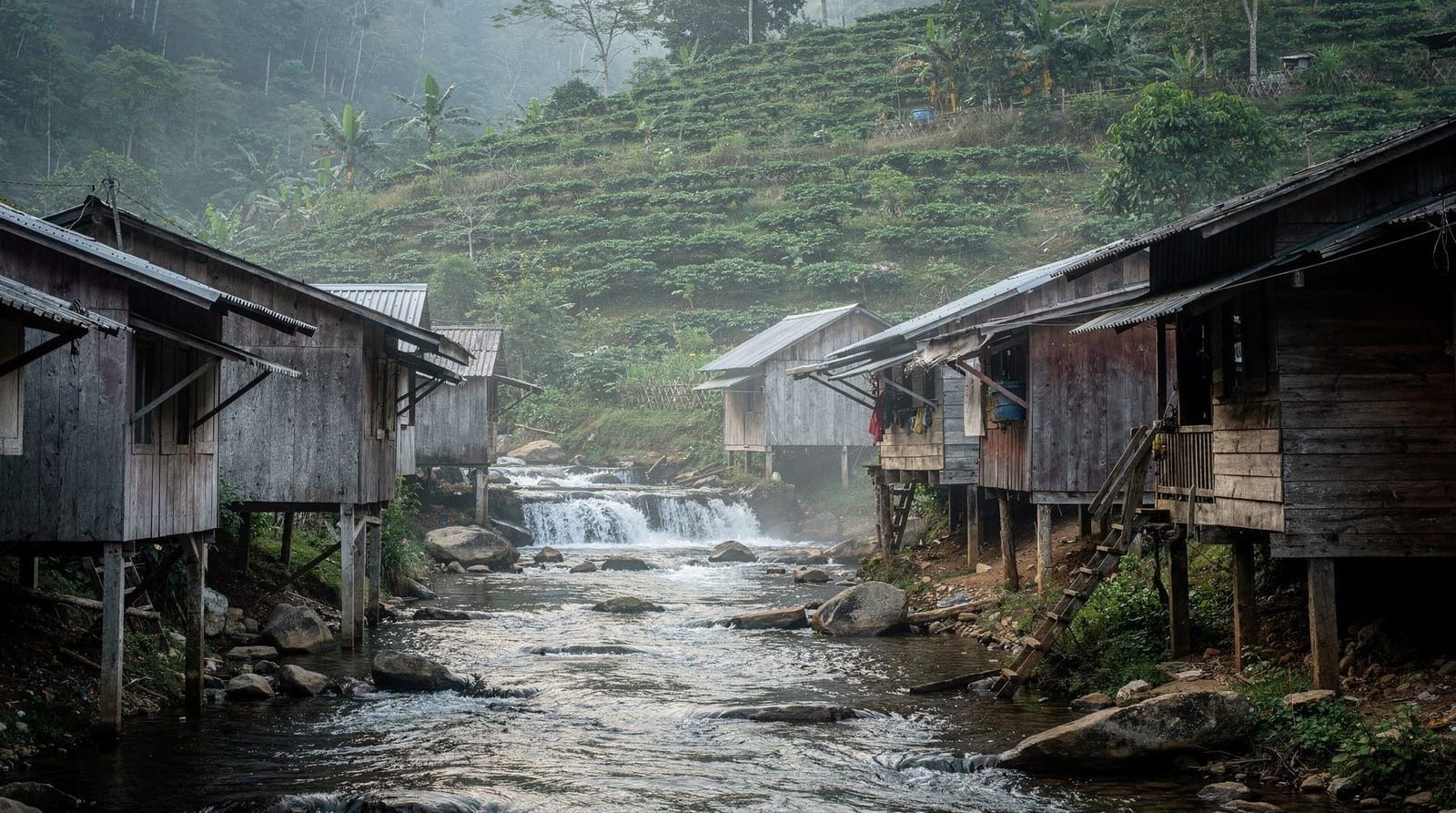
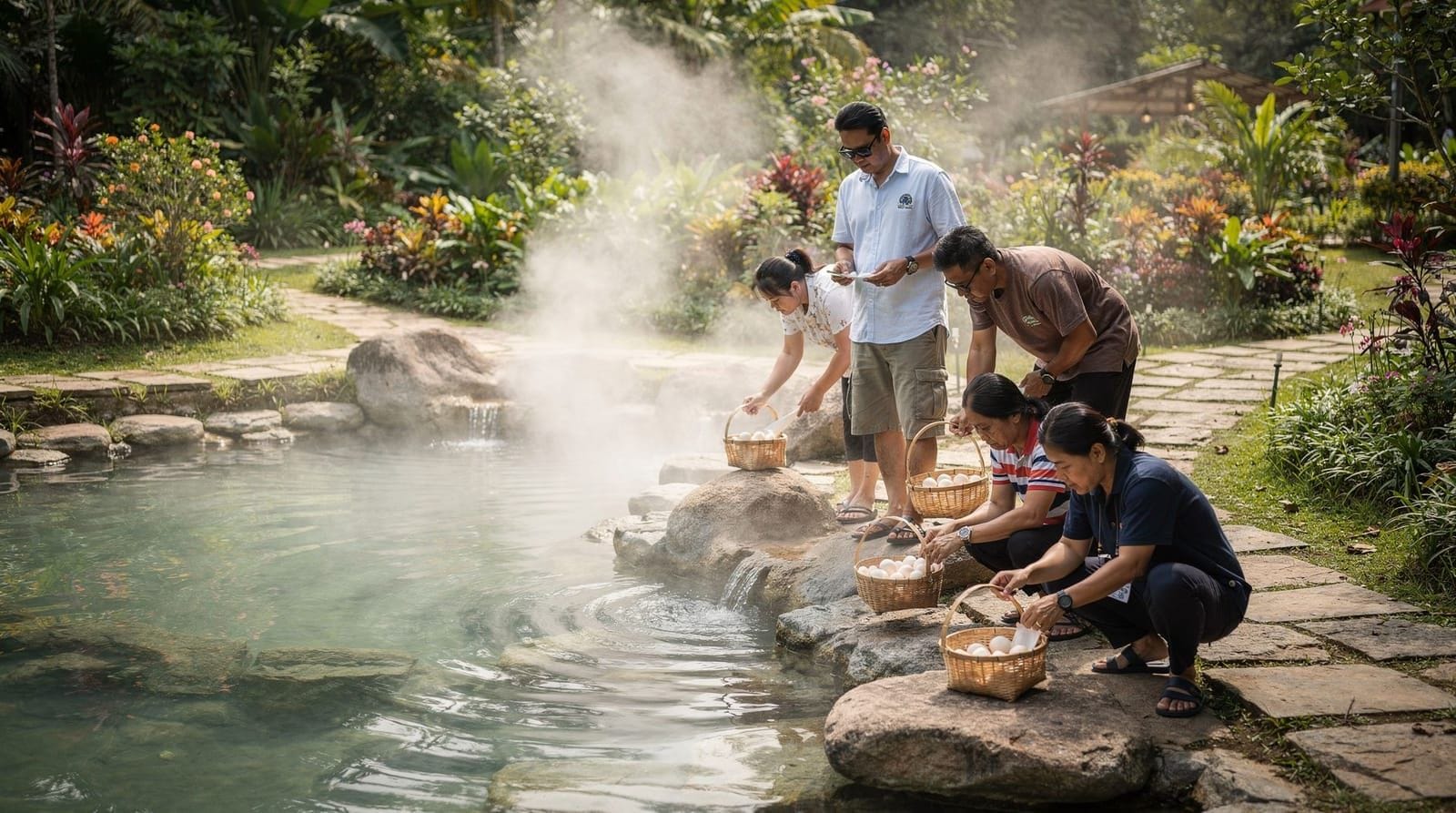
Given the falls alone only take 2-3 hours, many visitors extend the trip further into the hills to Mae Kampong village, a misty mountain village with fermented-tea and coffee traditions and its own small waterfall — a natural pairing given the similar general direction from Chiang Mai. Alternatively, combining the falls with San Kamphaeng hot springs or Bo Sang umbrella village rounds out a half day into a fuller one without significant extra driving, since all three sit in a similar eastern corridor from the city.
Best time to visit
Weekday mornings, year-round, give the best experience by avoiding the weekend crowds that can make the main climbing sections feel congested. The rainy season (roughly June-October) brings the fullest, most dramatic water flow, though also the slipperiest conditions on sections without full mineral coverage — take extra care on wetter days regardless of the falls’ grippy reputation.
For a fuller elephant-and-waterfall day
Travelers wanting to combine an ethical elephant experience with the falls can also look at options pairing an elephant sanctuary visit with the waterfall stop, since several operators in the wider area run exactly this combination as a single half or full day — worth checking that any sanctuary involved follows genuine no-riding, ethical practices rather than using the terminology loosely.
The geology behind the grip
The “sticky” texture at Bua Thong comes from a continuous process of calcium carbonate deposition, as mineral-rich water flowing over the limestone leaves behind a rough, porous coating rather than the smooth, algae-slick surface typical of most tropical waterfalls. This is the same general mineral-deposition process responsible for formations inside limestone caves like Chiang Dao, just expressed differently on an exposed, flowing waterfall rather than in a still cave chamber. The coating is continuously renewed by the flowing water, which is part of why the falls maintain their climbable texture year-round rather than gradually wearing smooth the way a typical rock surface would under constant water flow and foot traffic.
Food near the falls
A handful of simple food stalls and small restaurants operate near the Bua Thong entrance, offering basic Thai dishes and drinks for visitors who haven’t packed their own snacks. Given the short, half-day nature of a standalone visit, most travelers either eat before or after visiting rather than planning an extended meal at the falls themselves, though tours that bundle in a nearby cave visit or a Thai buffet (like the combined cave-and-buffet option mentioned earlier) build a proper meal into the day’s itinerary directly.
Budget breakdown
Sticky Waterfalls stands out among Chiang Mai day trips for its low cost: free national park entry, parking around 20-50 THB, and a Grab round trip running roughly 800-1,000 THB ($23-28) if arranged independently rather than through a tour. A shared half-day tour with transport included typically runs 600-1,000 THB ($17-28) per person, making this one of the most budget-friendly half-day options available, particularly appealing for travelers looking to balance a longer, pricier day trip elsewhere in their itinerary with a cheaper, shorter outing.
Accessibility and safety notes
The falls themselves involve climbing over wet, sloped rock, which — despite the mineral grip — is not suitable for visitors with significant mobility limitations or balance concerns. The lower viewing areas and the path to the falls from the parking area are more manageable, offering a way to see and appreciate the falls without attempting the climb itself if that’s a concern for anyone in your group. The nearby Chok Sae Muang spring involves flatter, easier terrain, making it a reasonable alternative or complement for visitors who’d rather not attempt the main cascade climb. As with any wet rock surface, care is still warranted even given the falls’ reputation for good traction — the grip is real but not absolute, particularly at transition points between differently mineralized sections.
Family and group considerations
Sticky Waterfalls works well for groups with a range of ages and confidence levels, since the lower tiers offer an easier climb suitable for cautious visitors or younger children with supervision, while the upper sections provide a more adventurous challenge for confident climbers. Unlike some day trips that require the whole group to commit to the same activity level, Bua Thong allows for a genuinely mixed-ability visit, with some group members climbing higher while others enjoy the lower pools and viewing areas. This flexibility, combined with the free entry and short overall time commitment, makes it one of the more universally appealing half-day options for groups with varied preferences or physical abilities.
Why this makes a good “second half” of a busier day
Given its short time commitment, Sticky Waterfalls works particularly well as the second stop of a fuller day rather than as a standalone half-day trip on its own — pairing it with a morning at San Kamphaeng hot springs, Bo Sang village, or Mae Kampong village turns a modest single activity into a genuinely full and varied day without excessive additional driving, since all of these sit in a broadly similar eastern direction from Chiang Mai. This flexibility is one of the falls’ underappreciated strengths: rather than committing an entire day to a single destination, as many of the region’s headline day trips require, Sticky Waterfalls slots efficiently alongside another stop, making it a useful building block for travelers piecing together a custom itinerary rather than following a single fixed day-trip package.
Environmental considerations at a natural site
Because Sticky Waterfalls sits within Sri Lanna National Park and remains a genuinely natural, undeveloped site compared to some of the region’s more commercialized attractions, basic visitor etiquette matters more than it might at a purpose-built tourist facility. Avoiding sunscreen or other chemical products directly before entering the water helps protect the delicate mineral-deposition process responsible for the falls’ climbable texture in the first place, and packing out any rubbish rather than leaving it on-site helps preserve what remains a relatively low-impact natural attraction compared to more heavily developed alternatives. The free entry and lack of extensive commercial infrastructure are part of what makes the site appealing, and maintaining that character depends on visitors treating it with a reasonable degree of care.
Who Sticky Waterfalls suits best
This is a strong fit for budget-conscious travelers, families with older children, and anyone looking for a genuinely active, hands-on natural attraction rather than a passive viewing experience. It’s less suited to travelers with mobility limitations, given the climbing involved, or to those specifically seeking a quiet, contemplative nature experience, since the falls’ novelty factor and free entry make it a popular weekend spot for domestic visitors, meaning it can feel considerably busier than its relatively modest scale might suggest, particularly on weekends and public holidays. Weekday mornings remain the best way to experience the falls closer to how they’re often described in older, less crowd-conscious travel writing.
A final tip for a smoother visit
Arriving with a plan for what to do after the falls — rather than deciding on the spot — helps make the most of a short but satisfying half day. Since the falls themselves rarely fill more than two to three hours, deciding in advance whether you’ll head to Mae Kampong village, San Kamphaeng hot springs, or simply back to the city for an early afternoon rest means you’re not spending valuable time mid-trip figuring out logistics for the rest of your day. This small piece of pre-planning is the difference between Sticky Waterfalls feeling like a satisfying, efficient half day and feeling like an oddly short outing that leaves the rest of your day underplanned.
One more scheduling consideration
Given how popular Sticky Waterfalls has become with domestic weekend visitors, arriving right at opening on a weekday remains the single most reliable way to experience the falls close to how earlier visitors describe them — a genuinely quiet natural attraction rather than a busy weekend outing. If a weekday visit isn’t possible, an early arrival on a weekend still helps considerably, since crowds tend to build steadily through the late morning and early afternoon.
Bringing it all together
Sticky Waterfalls earns its place on nearly every Chiang Mai day-trip list for good reason: free entry, a short and manageable drive, a genuinely novel activity unlike anything else in the region, and enough flexibility to work either as a standalone half day or as one piece of a fuller day combined with a nearby village or hot spring. It’s not the most dramatic or scenic waterfall in northern Thailand, but the barefoot climb is a memorable, hands-on experience that consistently ranks among the more talked-about short outings from Chiang Mai.
One last practical reminder
Since the falls sit within a national park area with limited on-site facilities, bringing your own water, snacks, and a dry bag for phones or cameras is worth doing rather than relying on the small selection of nearby stalls, particularly if you’re visiting outside the busier weekend hours when vendor presence can be thinner.
Frequently asked questions about a Sticky Waterfalls day trip
What are the Sticky Waterfalls?
Bua Thong Sticky Waterfalls are mineral-coated limestone cascades near Sri Lanna National Park, about an hour northeast of Chiang Mai, unusual because the mineral deposits create enough grip to climb the falls barefoot without slipping.
Is entry to Sticky Waterfalls free?
Yes, national park entry is free; parking runs around 20-50 THB (~$0.60-1.40), and an optional guide tip is customary if a local guide assists you on the climb.
Can you actually climb the waterfall?
Yes, that’s the main draw — the mineral coating on the limestone gives enough traction to climb up sections of the cascade barefoot, unlike most waterfalls where wet rock is treacherously slippery.
When is the best time to visit Sticky Waterfalls?
Weekday mornings year-round avoid the worst crowds, while the rainy season (roughly June-October) brings the fullest water flow for a more dramatic cascade.
What should I bring to Sticky Waterfalls?
Swimwear or quick-dry clothing, a towel, and water shoes are optional but can help on the more slippery lower sections; most visitors climb barefoot on the main cascade itself.
Can I combine Sticky Waterfalls with other day trips?
Yes, it pairs naturally with Mae Kampong village, Bo Sang umbrella village, or the San Kamphaeng crafts road, all within a similar distance and direction from Chiang Mai.
Is Sticky Waterfalls suitable for kids?
Yes, older children who are reasonably confident on their feet generally enjoy the climb, though supervision matters given the uneven, wet rock surface even with the mineral grip.
How do I get to Sticky Waterfalls without a tour?
Grab, a private driver, or a rented scooter all cover the roughly hour-long route from Chiang Mai; there’s no direct public transport option, so arranging your own transport or joining an organized tour are the two practical choices.
Top experiences
Bookable activities with verified prices and instant confirmation on GetYourGuide.