Motorbike rental in Chiang Mai: licensing, insurance and realities
Do you need a license to rent a motorbike in Chiang Mai?
Legally, yes — an International Driving Permit with a motorcycle category, or a Thai motorbike license, is required, and riding without one voids most travel insurance if you're in an accident. In practice many rental shops rent to unlicensed tourists anyway, but that's a real legal and financial risk, not a loophole worth relying on. Rentals run roughly 150-300 THB ($4.30-$8.50) per day for a standard scooter.
Motorbike rental is one of the most common ways independent travelers get around Chiang Mai and reach outlying temples, waterfalls and viewpoints that public transport doesn’t cover well. It’s also an area where honest safety and legal information gets glossed over more than almost any other topic on this site, because the gap between “what rental shops will let you do” and “what’s actually legal and insured” is genuinely wide. This guide covers licensing requirements, real insurance implications, common scams, and the road-safety realities worth knowing before you rent.
None of this is meant to discourage renting a bike outright — plenty of travelers rent, ride sensibly, and have a completely trouble-free experience getting around at their own pace. The goal here is making sure you go in with accurate information about the legal and insurance realities, rather than the more casual “everyone does it, it’ll be fine” attitude that circulates informally among backpackers and occasionally leads someone into a genuinely costly situation after an entirely preventable accident.
The licensing requirement most tourists ignore
Thai law requires a valid motorcycle license to legally operate any motorbike or scooter on public roads, including small-displacement scooters under 125cc that many tourists assume don’t require one. For foreign visitors, this means either an International Driving Permit (IDP) that includes the motorcycle category, obtained in your home country before travel, or a Thai-issued motorbike license. A standard car driving license, whether foreign or international, does not cover motorbikes — a common and consequential misunderstanding among first-time renters. The reality on the ground is that a significant number of rental shops will hand over a scooter to any tourist with a passport and a cash deposit, regardless of licensing, which has created a widespread assumption among travelers that renting without a proper license is a minor formality. It isn’t — it’s illegal, and more importantly, it typically voids your travel insurance entirely if you’re involved in an accident while unlicensed.
What happens to your insurance if you’re not properly licensed
This is the single most important practical consequence of skipping the licensing requirement, and it’s worth stating plainly: the overwhelming majority of travel insurance policies exclude coverage for motorbike accidents if the rider didn’t hold an appropriate license for the vehicle at the time of the incident. This means a tourist injured in a motorbike accident without an IDP motorcycle category can face the full cost of medical treatment, repatriation, and any liability claims entirely out of pocket — a genuinely serious financial exposure that many travelers don’t fully register until it’s too late to matter. Helmet use is a related and equally common exclusion; several policies also deny claims if the rider wasn’t wearing a helmet, independent of the licensing question. Before renting anything, it’s worth actually reading your policy’s motorbike and helmet clauses rather than assuming standard travel insurance covers this activity by default.
Rental costs: what to actually expect
A standard automatic scooter, typically 110-125cc, runs roughly 150-300 THB ($4.30-$8.50) per day from most shops around the Old City and Nimman areas, with newer or larger-displacement bikes costing more. Multi-day and weekly rentals generally bring the effective daily rate down, and it’s worth negotiating a lower rate for rentals beyond a week, which most shops expect and accommodate. Fuel is a separate cost on top of the rental fee, though modest given how compact greater Chiang Mai is for typical day-trip distances — a full tank rarely costs more than a few hundred baht and covers substantial riding distance.
The passport deposit scam and how to avoid it
A recurring problem reported by travelers involves rental shops requesting a passport as security deposit rather than cash, then later claiming pre-existing damage on return to justify withholding the passport until a payment is made, or charging inflated “repair” costs for damage that may have existed before the rental began. The safer approach is to negotiate a cash deposit instead of surrendering your passport, or to use a shop that accepts a credit card hold as an alternative. If a passport deposit is genuinely unavoidable with your chosen shop, photograph your passport and get a signed, dated receipt acknowledging it’s held as a deposit, and thoroughly photograph the bike itself — every panel, both mirrors, and any existing scratches or dents — with a timestamp before riding off, so you have documented evidence of the bike’s condition at pickup.
Pre-ride inspection: what to check before you leave
Before accepting any rental bike, test the front and rear brakes, both turn signals, the horn and the headlight, and take a slow lap around the parking area to get a feel for how the bike handles at low speed. Check tire tread and pressure by eye if you have any relevant experience, and don’t hesitate to ask the shop to address any issue you notice before you leave rather than assuming it’s fine. A shop that’s reluctant to let you inspect the bike thoroughly, or that rushes you through the handover, is a reasonable signal to consider a different rental provider even if the price was attractive.
It’s also worth asking directly what the shop’s policy is for a mechanical breakdown mid-rental — a reasonable shop will offer either a replacement bike or roadside assistance rather than leaving you to sort out a flat tire or dead battery entirely on your own in an unfamiliar area.
Automatic scooter vs manual motorbike
The vast majority of tourist rentals in Chiang Mai are automatic scooters, and for good reason — no clutch or gear shifting to manage while also navigating unfamiliar traffic patterns, road signage in a foreign language, and driving on the opposite side from what many visitors are used to. Manual motorbikes are available for riders who specifically want them and have relevant experience, but taking one on as a first-time renter adds a layer of complexity that meaningfully increases accident risk during the learning curve. Unless you have genuine manual motorbike experience already, an automatic scooter is the more sensible choice regardless of any perceived cost difference.
Road safety realities worth taking seriously
Thailand has one of the higher road fatality rates globally on a per-capita basis, and motorbikes are disproportionately represented in those statistics — a fact worth internalizing rather than dismissing as an exaggerated tourist-safety warning. Local traffic patterns, including frequent lane-splitting, vehicles turning without signaling, and a general driving culture that differs from many visitors’ home countries, catch out inexperienced tourist riders more often than seasoned local riders. Riding defensively — assuming other vehicles won’t signal or yield, maintaining a wider following distance, and avoiding riding after dark as a beginner given reduced visibility and unpredictable road users — meaningfully reduces risk without eliminating it. A properly fitted, full-face or open-face helmet, not the flimsy half-shell often handed over by rental shops as an afterthought, is worth insisting on or bringing your own.
Where a rental bike genuinely helps vs where it doesn’t
A rental scooter is genuinely useful for reaching sights within a reasonable riding distance of the city that public transport covers poorly — parts of Doi Suthep, Mae Rim valley stops, or moving flexibly between Old City and Nimmanhaemin without relying on songthaews or Grab rides for every trip. It’s a poor substitute for the guided adventure activities covered elsewhere on this site — you can’t rent a scooter and expect to access ATV trails, zipline courses, or rafting put-in points, which require the operator’s own equipment and guided access regardless of how you arrive. See our Chiang Mai adventure guide for the guided activities a rental bike doesn’t replace, and our getting around Chiang Mai guide for the full range of transport options if renting a bike doesn’t suit your comfort level or itinerary.
Alternatives if you’d rather not ride
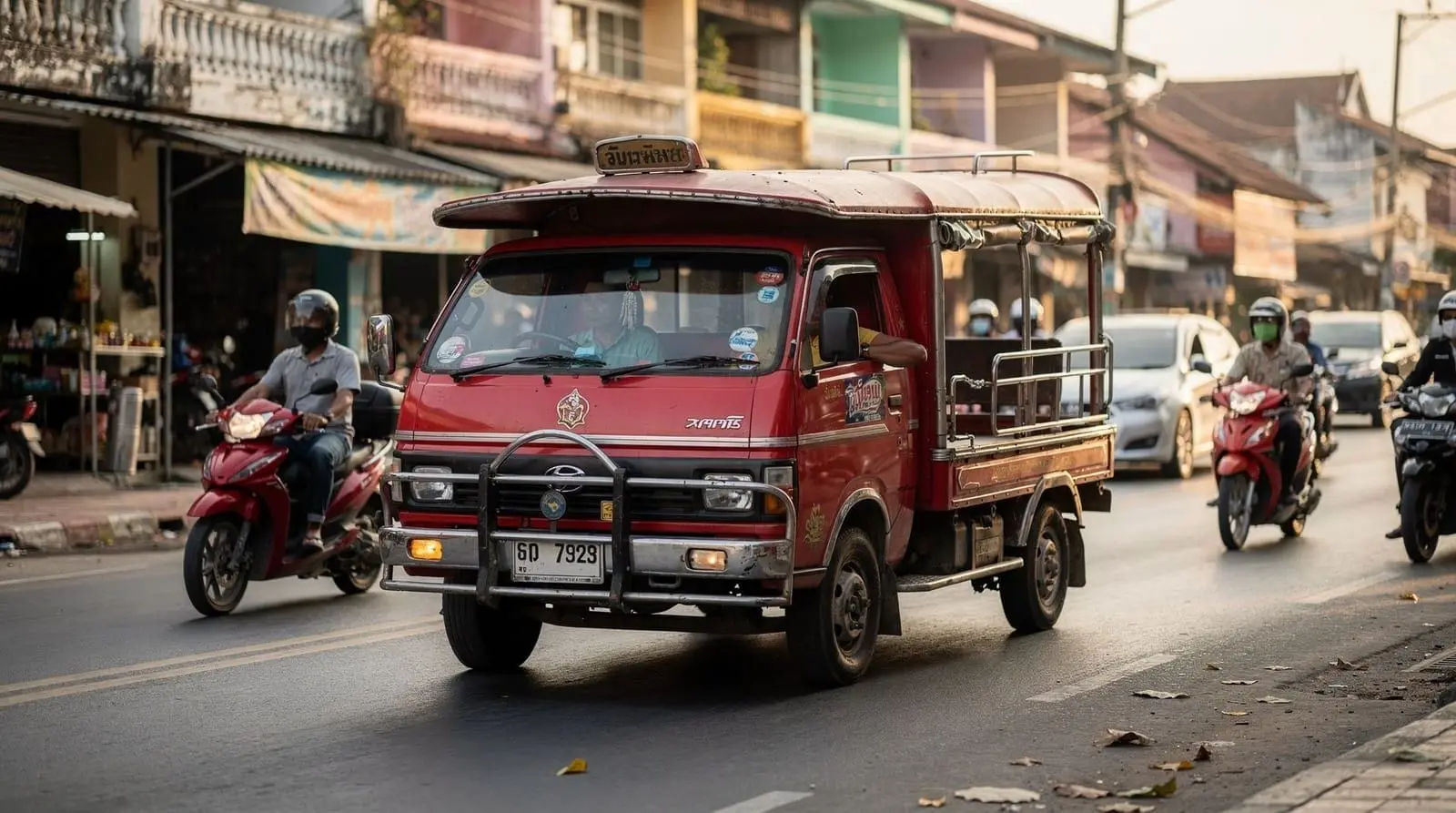
Grab (the regional ride-hailing app), songthaews (shared red trucks), and hired drivers for day trips are all reasonable alternatives if the licensing requirements, insurance gaps or general road safety concerns above make motorbike rental feel like more risk than it’s worth for your trip. None of these alternatives offer quite the same flexibility as having your own bike, but they remove the legal and insurance exposure entirely, and for many visitors — particularly those without prior motorbike experience anywhere — that trade-off is the sensible one. Our scooter and car rental guide covers the car-rental alternative in more depth for travelers who want independent transport without the motorbike-specific risks.
Where to rent: shop reputation matters more than price
Chiang Mai has an enormous number of independent rental shops, particularly around the Old City moat and Nimman, with prices varying only modestly between them — meaning reputation and honesty matter far more than chasing the absolute cheapest listed rate. A shop offering a rate noticeably below the going market price is worth treating with some caution rather than assuming it’s simply a great deal, since underpriced rentals sometimes come with older, poorly maintained bikes or a business model that relies on damage-claim disputes at return to make up the difference. Reading recent reviews specifically for mentions of deposit disputes, damage claim disagreements, or bikes in poor mechanical condition is a better use of research time than comparing prices that differ by only a few hundred baht across a week-long rental. Shops attached to established guesthouses or recommended directly by your accommodation often carry a bit more accountability than an anonymous storefront, simply because the guesthouse has an ongoing relationship with the rental shop and some incentive to steer guests away from a disreputable one.
Parking, traffic stops and local road rules
Parking a rental bike illegally or in a restricted zone, particularly around the moat and within the Old City’s narrow lanes, can result in a boot lock or impoundment by local authorities, an inconvenient and time-consuming problem to resolve as a tourist. Police checkpoints, particularly around holidays and in the evening, do stop tourist riders to check for a valid license and helmet use, and being unable to produce an appropriate license at a checkpoint can result in a fine on the spot — a smaller but tangible consequence of skipping the licensing requirement covered above, separate from the more serious insurance implications in an actual accident. Familiarize yourself with basic local road rules before riding, including that helmets are legally required for both rider and passenger, since enforcement of this specific rule is more consistent than some visitors expect.
Riding in the rain and during burning season
Rainy-season riding (roughly June-October) brings genuinely reduced visibility and slicker road surfaces, particularly on painted road markings and metal drain covers that become notably more slippery when wet — a real hazard worth knowing about rather than discovering the hard way. Reducing speed, increasing following distance, and being willing to simply wait out a heavy downpour under a covered stop rather than pushing through it are all reasonable adaptations experienced riders make during the wetter months. Burning season (roughly February-April) brings a different hazard: reduced visibility from smoke haze, particularly in early morning and evening, worth factoring into route planning and lighting use during this period regardless of how clear the air feels at ground level in the city itself.
Common mistakes first-time renters make
Beyond the licensing and insurance issues already covered, first-time renters commonly underestimate how differently Chiang Mai traffic behaves compared to their home country — mopeds weaving between lanes, vehicles pulling out without checking mirrors, and a general acceptance of closer following distances than many Western drivers are used to. Riding at night as a beginner is a frequently regretted decision given reduced visibility, less predictable other road users, and the general fatigue that comes with a full day of sightseeing before an evening ride home. Renting a bike with more power or a higher displacement than you’re genuinely comfortable handling, simply because it was available or looked appealing, is another common misstep — matching bike size to your actual experience level matters more than any perceived status or performance benefit of a larger machine.
Frequently asked questions about motorbike rental in Chiang Mai
Can I legally rent and ride a motorbike in Chiang Mai without a license?
No — Thai law requires a valid motorcycle license (an International Driving Permit with the motorcycle category, or a Thai-issued license) to legally operate a motorbike, including scooters under 125cc. Some rental shops will hand over a bike regardless, but riding without proper licensing is illegal and, critically, voids most travel insurance policies if you’re involved in an accident.
What’s the deposit scam to watch out for?
Some shops ask for your passport as deposit rather than cash, then claim pre-existing damage on return to withhold it or demand payment before returning it. Photograph the bike from multiple angles before riding off, and where possible pay a cash deposit instead of leaving your passport, or use a shop that accepts a credit card hold instead.
How much does motorbike rental cost in Chiang Mai?
A standard automatic scooter (110-125cc) typically runs 150-300 THB ($4.30-$8.50) per day, with larger or newer bikes costing more. Multi-day and weekly rentals usually bring the per-day rate down further. Fuel isn’t included and is a separate, modest cost given Chiang Mai’s relatively compact riding distances.
Is riding a motorbike in Chiang Mai actually safe?
It carries genuine risk that’s worth taking seriously rather than downplaying — Thailand has one of the higher road fatality rates globally, disproportionately involving motorbikes, and a meaningful share of incidents involve inexperienced tourist riders unfamiliar with local traffic patterns. Riding defensively, wearing a proper helmet, and avoiding night riding as a beginner all meaningfully reduce risk, but it’s not a risk-free activity regardless of experience level.
Does travel insurance cover motorbike accidents in Thailand?
Only if you’re properly licensed for the vehicle you’re riding and, in many policies, only if you were wearing a helmet at the time. Riding without an appropriate license is one of the most common reasons travel insurance claims get denied after a motorbike accident in Thailand, so checking your specific policy’s requirements before renting is essential, not optional.
What should I check on a rental bike before riding off?
Test the brakes, both indicators, the horn, and the headlight before leaving the shop, and photograph any existing scratches, dents or damage from multiple angles with a timestamp. A shop that’s reluctant to let you do this basic check is a reasonable signal to consider a different rental provider.
Is an automatic scooter or a manual motorbike better for a first-time renter?
An automatic scooter is the far more practical choice for anyone without prior motorbike experience — no clutch or gear shifting to manage, simpler controls, and the standard choice for the vast majority of tourist rentals in Chiang Mai. Manual bikes are available for experienced riders who specifically want them, but they add complexity that isn’t worth taking on for a first-time renter navigating unfamiliar traffic.