Mae Sa valley day trip
One-Day Private Tour with Driver: Temples & Mae Sa Waterfall
Duration: Full day
What can you fit into a Mae Sa valley day trip?
Most visitors combine two or three of the following in a single day, 30-40 minutes from Chiang Mai's old city: the ten-tier Mae Sa waterfall, the Queen Sirikit Botanic Garden's canopy walk, an ethical elephant sanctuary, and a zipline or adventure park stop. Trying to fit in all four in one day is tight but doable with an early start.
Mae Sa valley, tucked into the Mae Rim district about 30-40 minutes north of Chiang Mai’s old city, packs an unusual range of activities into a compact loop: a ten-tier waterfall, a major botanic garden with a canopy walkway, several zipline and adventure parks, and — a short drive further into Mae Rim — some of the region’s more reputable ethical elephant sanctuaries. Because everything sits within a short drive of everything else, this is one of the easier day trips to customize around your own interests rather than following a fixed itinerary.
Quick answer: most visitors combine two or three stops from the waterfall, botanic garden, an elephant sanctuary and a zipline park into a single day, 30-40 minutes from the old city. The waterfall and garden pair most naturally since both are relatively quick stops; adding a sanctuary visit or adventure park stretches the day into a fuller one.
Mae Sa waterfall: the valley’s namesake
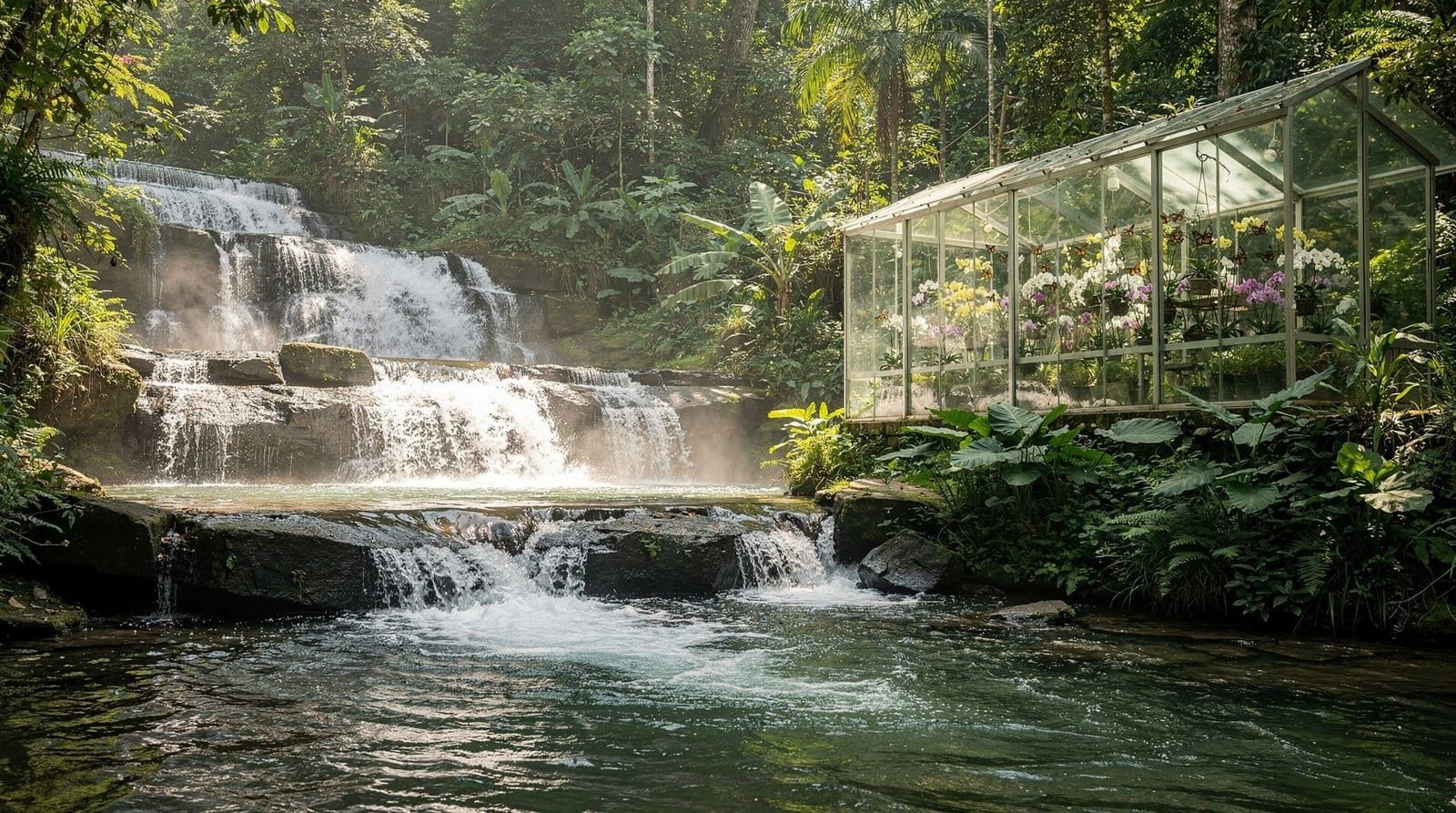
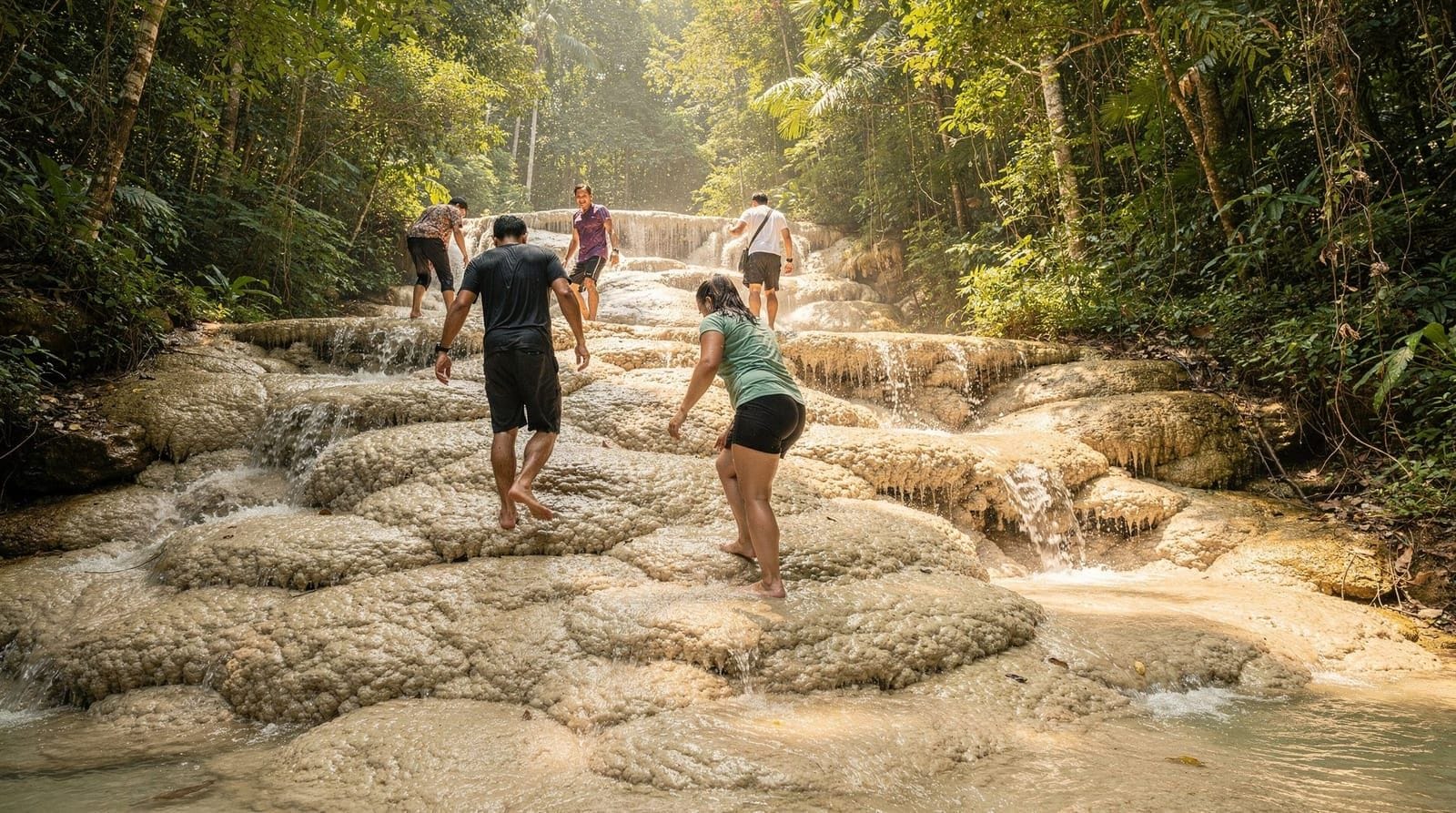
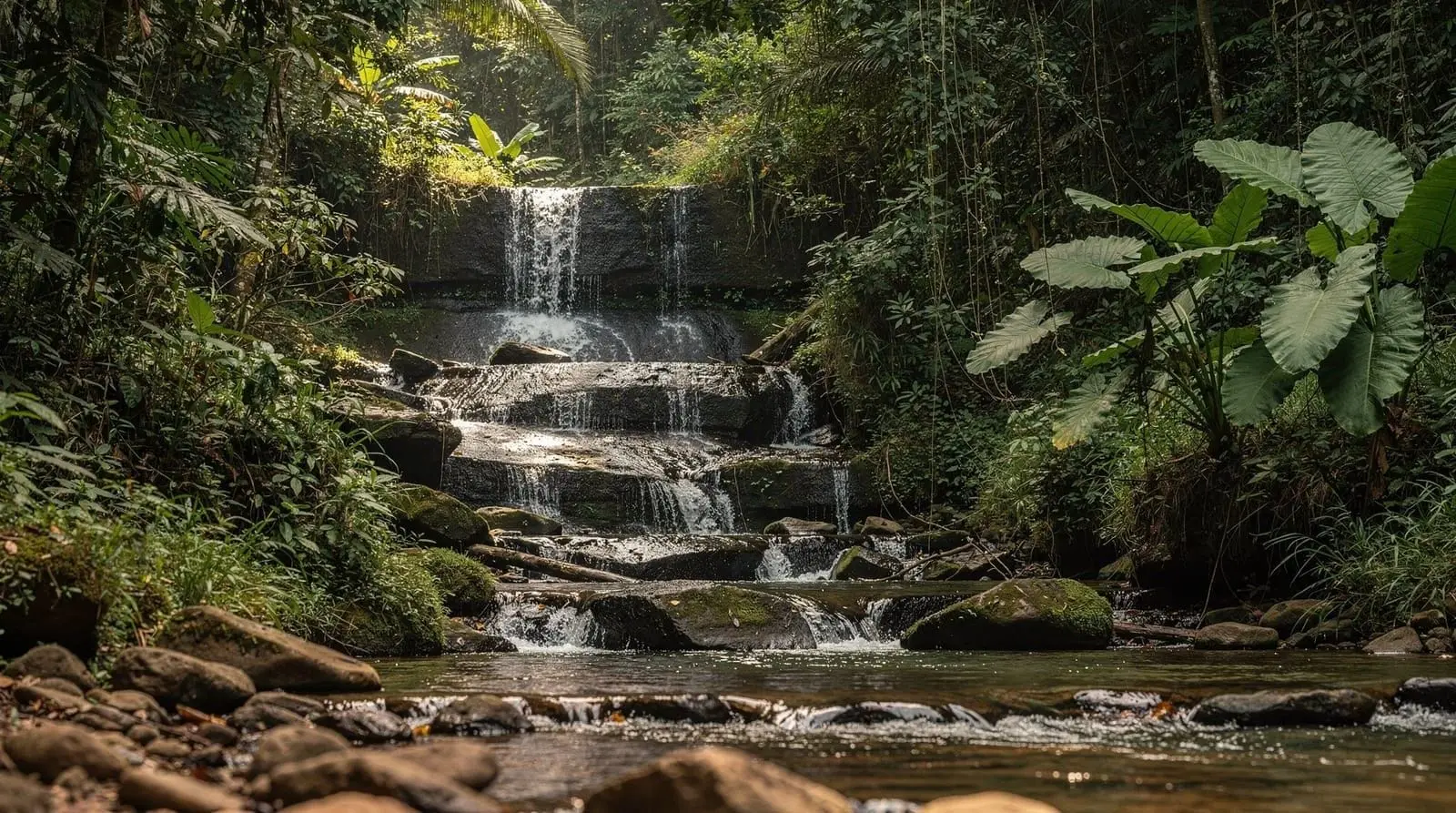
Mae Sa waterfall’s ten tiers cascade down a forested hillside, with a walking path connecting several accessible viewpoints and a few pools suitable for a quick swim, depending on the season’s water level. Entry runs around 100 THB (roughly $3), and most visitors spend an hour to ninety minutes here, walking as far up the tiers as their time and footwear allow. A private tour with driver covering temples and Mae Sa waterfall is a common way to combine the falls with a city-temple stop on the same day if you’re not planning a full valley-focused itinerary.
Flow varies significantly by season: June-October (rainy season) gives the fullest, most dramatic cascades, while November-February trades some water volume for cooler, more comfortable hiking weather.
Queen Sirikit Botanic Garden
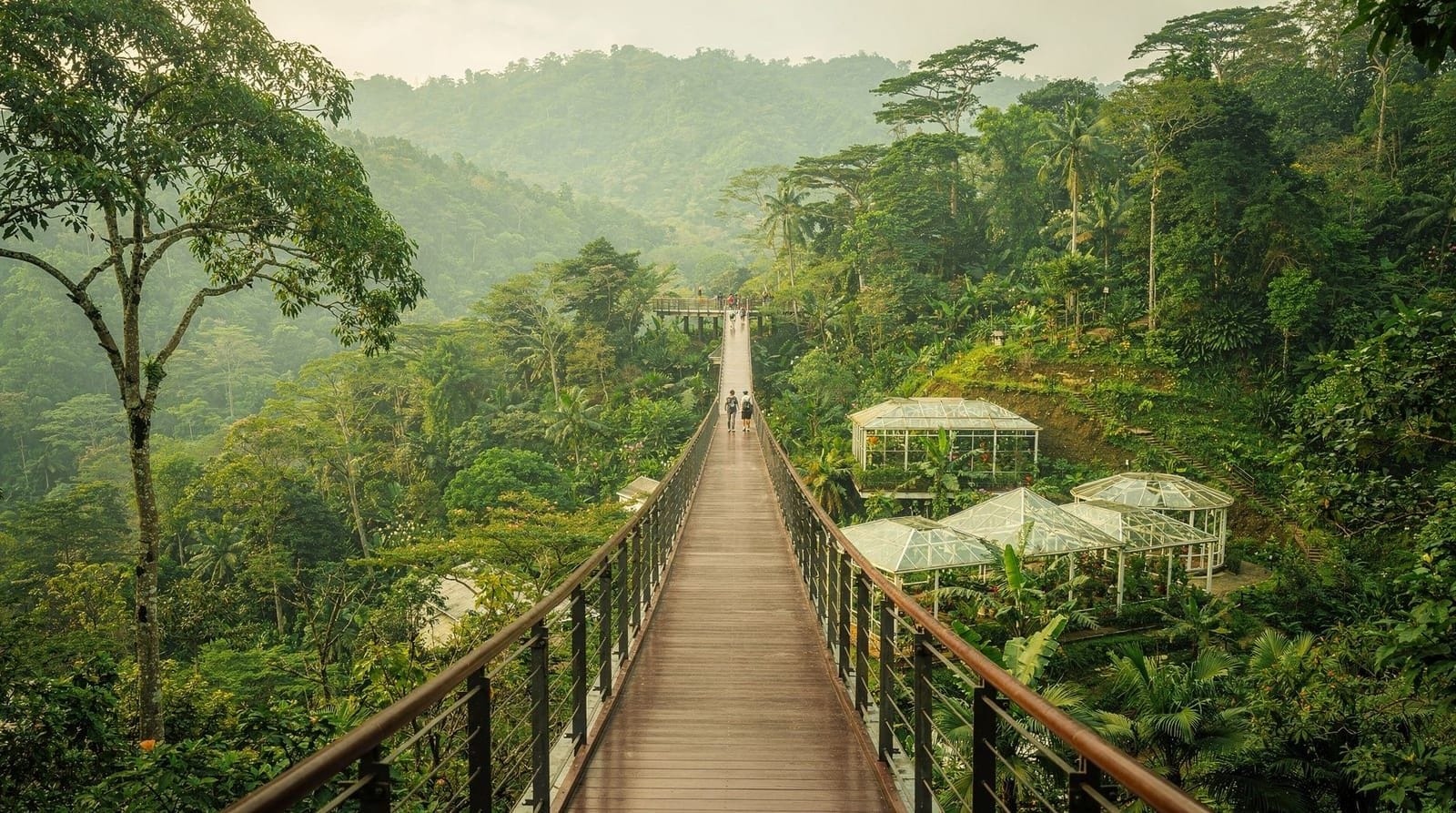
A short drive from the waterfall, the Queen Sirikit Botanic Garden holds a canopy walkway through the forest treetops and a series of themed glasshouses, making it one of the more substantial garden experiences near Chiang Mai rather than a quick photo-stop park. Entry runs similarly around 100 THB, and the canopy walk in particular is worth timing for mid-morning or late afternoon light rather than the harsher midday sun.
Zipline and adventure parks
Mae Sa valley and the wider Mae Rim area host several zipline and canopy adventure operators, ranging from family-friendly short courses to longer, more adrenaline-focused circuits. A segway and eco canopy zip-line adventure combines two different activity styles in a single booking, while dedicated multi-line zipline courses elsewhere in the valley run from roughly 1,500 to 3,000 THB depending on length and operator. These are worth booking as a half-day add-on rather than trying to fit alongside both the waterfall and garden in the same morning — the logistics of gearing up and briefing for a zipline course take longer than the actual ride time.
Ethical elephant sanctuaries nearby
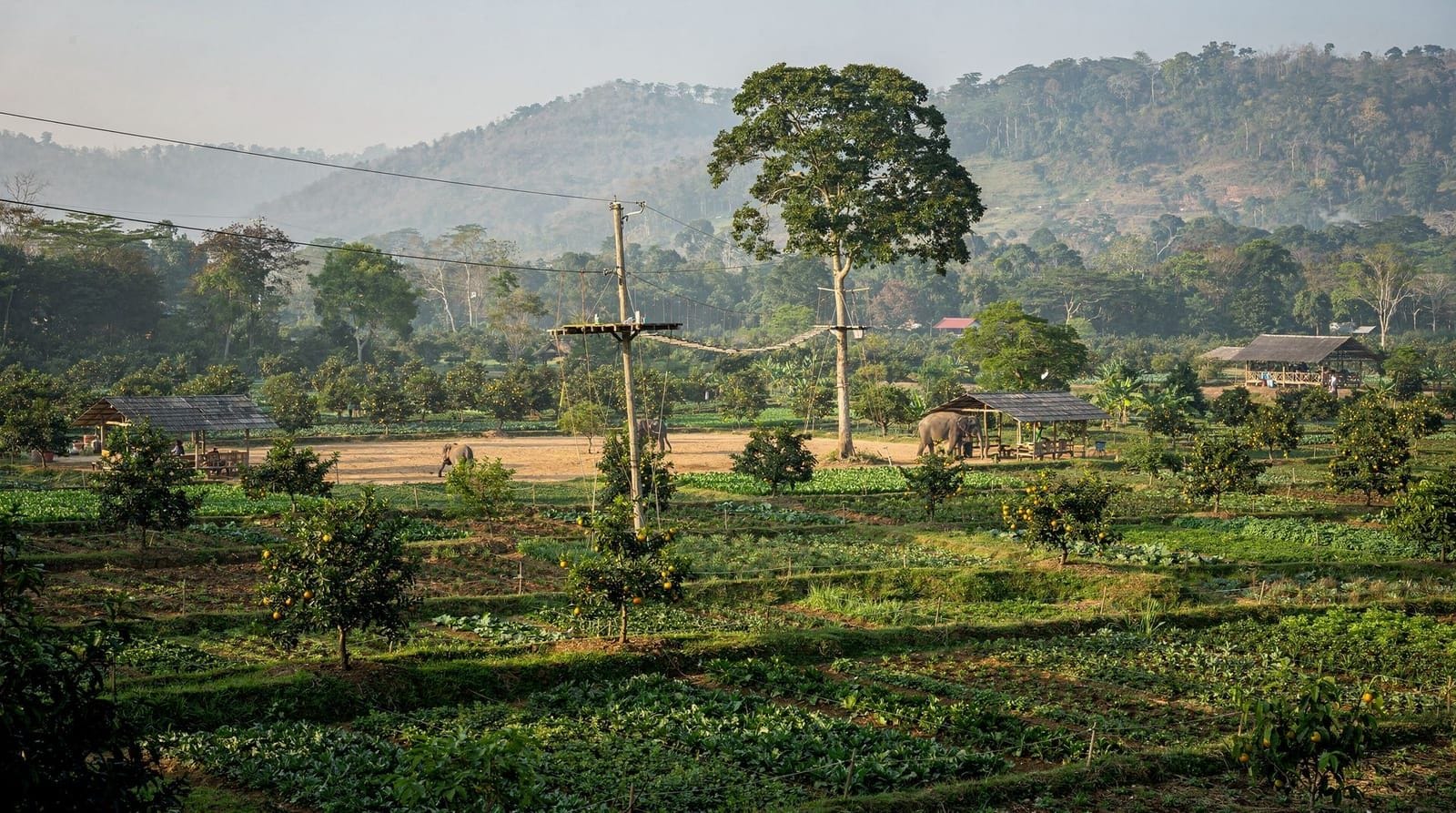
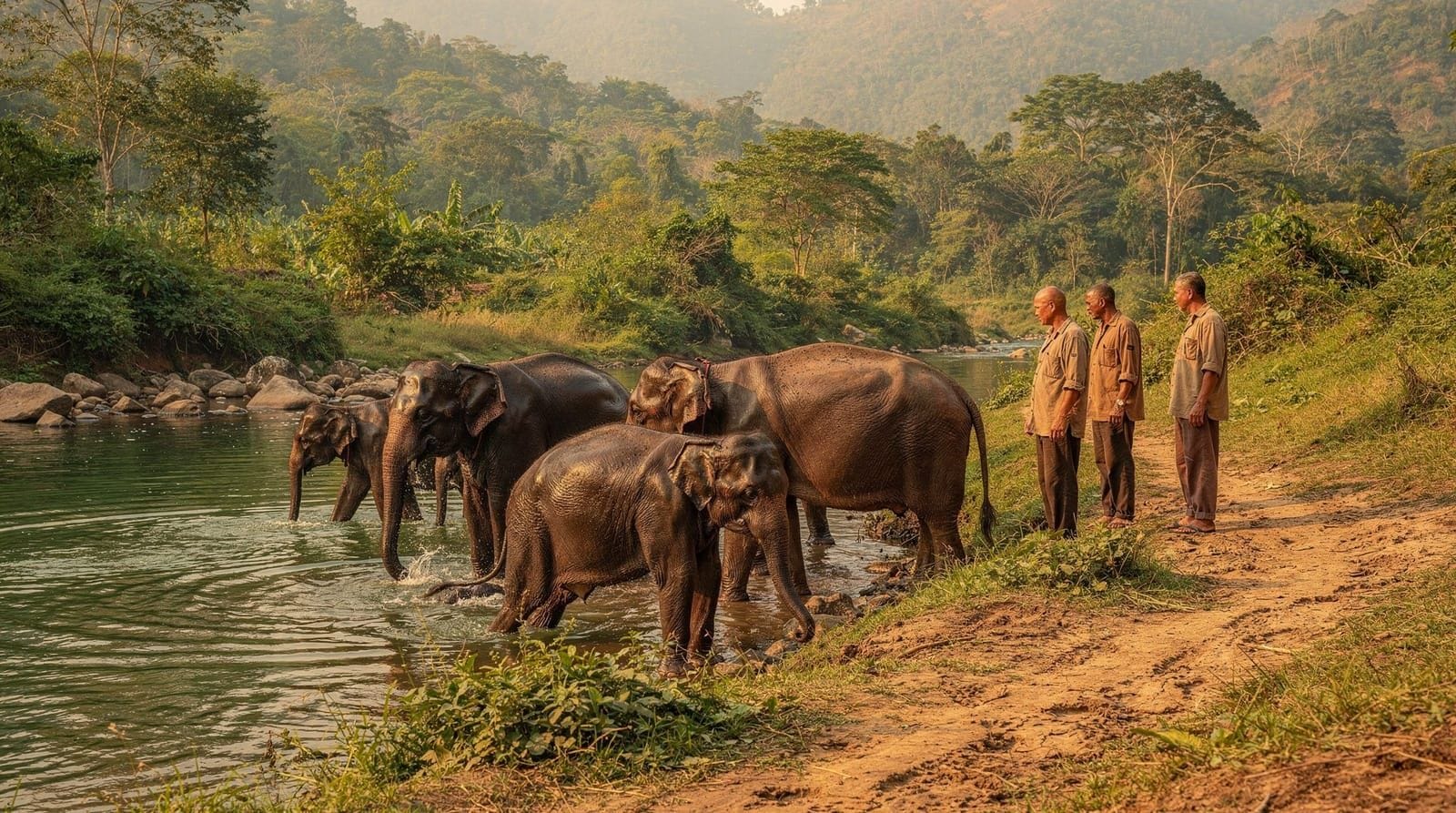
The broader Mae Rim district, adjoining Mae Sa valley, is home to several no-riding elephant sanctuaries that pair naturally with a valley day trip. An ethical half-day elephant sanctuary and waterfall visit or a fuller elephant sanctuary, waterfall and bamboo rafting day both combine the sanctuary experience with a waterfall stop, making efficient use of the same general area. If choosing a sanctuary matters to you beyond convenience, the ethical elephant sanctuary guide explains what separates a genuine no-riding operation from a camp using ethical language as marketing without changing its practices.
A realistic single-day plan
For most visitors, a Mae Sa valley day starts with the waterfall or an elephant sanctuary in the cooler morning hours, moves to the botanic garden by early afternoon, and either wraps up there or adds a shorter zipline session if energy and time allow. Trying to fit the waterfall, garden, a sanctuary visit and a zipline course into a single day is possible only with an early start (before 8am) and tight timing between stops — most travelers find picking three of the four more realistic than forcing all four in.
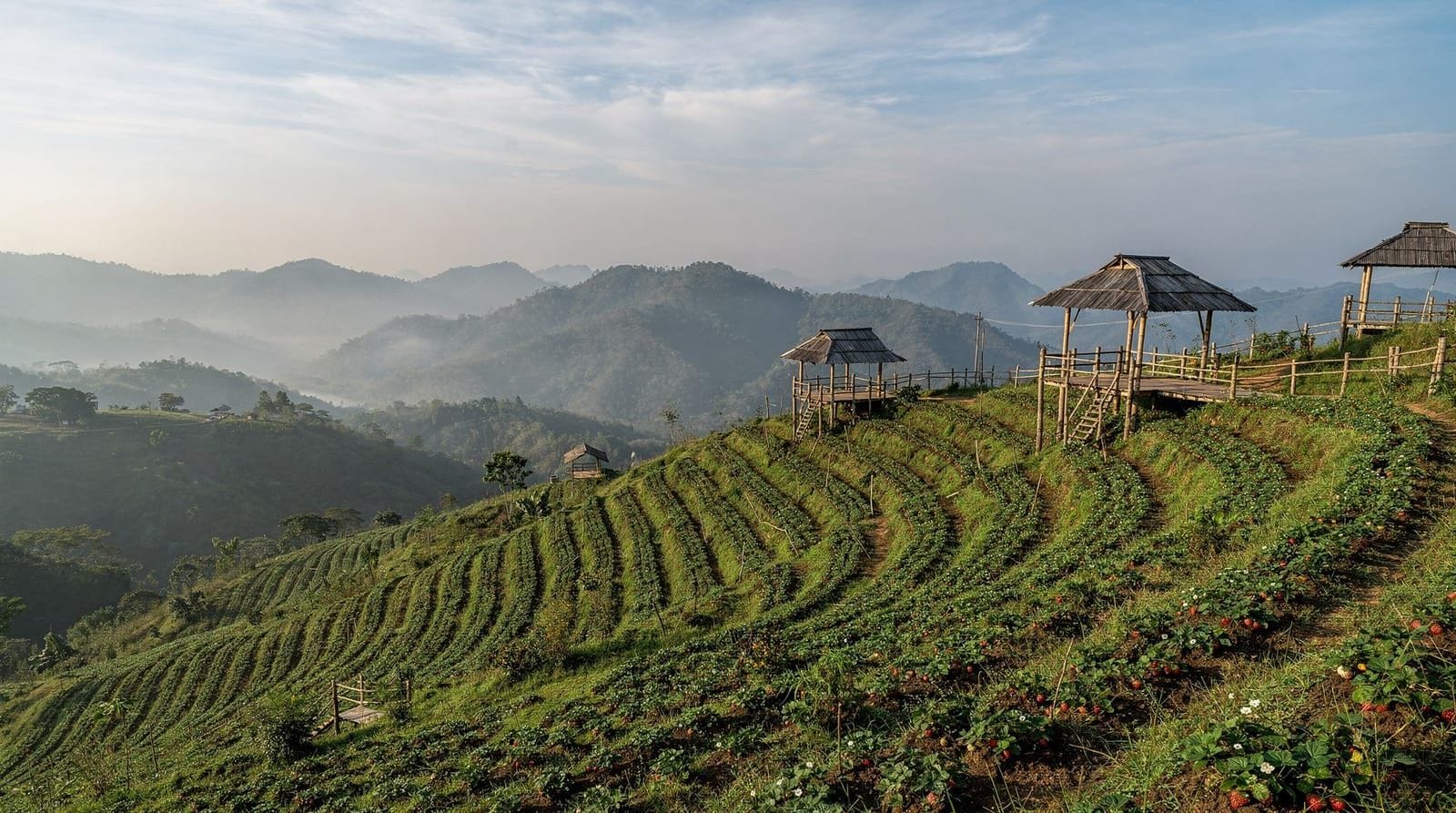
A Mae Sa and Mon Cham full-day motor scooter tour is worth considering for travelers comfortable on two wheels, since it extends the loop up to the Mon Cham viewpoint above the valley — hilltop views and strawberry farms that add a genuinely different scenic element to the day beyond the valley floor itself.
Getting there and getting around
A Grab or private driver from the old city to Mae Sa valley runs 30-40 minutes and roughly 500-700 THB one-way. Once in the valley, distances between the waterfall, garden and adventure parks are short — a few minutes’ drive apart — but there’s no meaningful public transport connecting them, so either a private driver for the day, a rented scooter, or a packaged tour covering multiple stops is the practical way to move around once you’ve arrived.
Best time to visit
June to October gives the fullest waterfall flow, at the cost of occasional rain interrupting outdoor plans. November to February offers the most comfortable temperatures for walking the botanic garden’s canopy walk and the waterfall’s upper tiers, with a noticeably reduced but still present water flow.
How the valley developed as a day-trip destination
Mae Sa valley’s transformation into a day-trip hub reflects Chiang Mai’s broader growth as a tourism base from the 1980s onward. The waterfall itself has long been a local recreation spot, but the botanic garden was established later, in the 1990s, as a royal-project initiative focused on plant conservation and public education, which explains its more substantial infrastructure (glasshouses, a proper canopy walkway) compared to a typical roadside nature stop. The zipline and adventure park sector arrived more recently still, growing rapidly over the past 15-20 years as adventure tourism became a larger part of the Chiang Mai visitor mix, which is why the valley today offers such a broad range of experiences within a fairly compact geographic area — different eras of tourism development stacked along the same short stretch of road.
Food and dining in the valley
A scattering of restaurants and cafes along the main road through Mae Sa valley cater specifically to day-trip traffic, ranging from simple noodle and rice stalls to more elaborate garden-set restaurants near the botanic garden entrance. Given that most visitors are moving between multiple stops in a single day, a mid-route lunch stop near the waterfall or garden is the most practical option rather than planning a specific destination restaurant, though a few valley cafes have built a following among Chiang Mai locals for weekend day trips, worth asking your driver about if you’d like a specific recommendation beyond the roadside options closest to the main attractions.
Photography and accessibility notes
The botanic garden’s canopy walkway offers some of the more distinctive photography in the valley, best captured in mid-morning or late-afternoon light rather than the flatter midday sun. The waterfall’s lower tiers are the most photogenic and also the most accessible, with a paved or well-maintained path; the upper tiers require more scrambling over rocks and uneven ground, less suitable for visitors with mobility limitations. If accessibility is a priority, the botanic garden’s glasshouses and lower walkways, along with the waterfall’s lower tiers, are the more realistic combination compared to the zipline courses or the waterfall’s higher, harder-to-reach sections.
Budget breakdown for the day
Costs vary considerably depending on how many activities you combine. A basic waterfall-and-garden day, using Grab for transport between stops, runs roughly 1,000-1,500 THB ($28-42) total for transport plus the two entry fees (about 100 THB each). Adding a zipline course pushes the day’s cost up significantly, with packages typically running 1,500-3,000 THB per person depending on the operator and course length. An ethical elephant sanctuary half-day visit adds a further 1,500-2,500 THB ($42-70) per person on most reputable no-riding operators. A packaged tour combining several of these elements into one booking, such as the private driver and waterfall tour mentioned earlier, typically runs more efficiently than arranging each stop’s transport separately, particularly for solo travelers or couples.
Choosing your combination: families vs adventure travelers
Mae Sa valley’s range of activities makes it worth tailoring your combination to your travel style rather than following a fixed itinerary. Families with younger children generally get the most out of the waterfall’s lower tiers and the botanic garden’s canopy walk, both manageable without significant physical demands, potentially adding an ethical elephant sanctuary visit if a wildlife encounter matters to the day. Adventure-focused travelers, by contrast, might prioritize a zipline course and the Mon Cham scooter loop over the more contemplative garden stop, treating the waterfall as a shorter cool-down rather than the day’s centerpiece. Neither approach is more “correct” — the valley’s compact geography is precisely what allows this kind of personalization without significant time cost either way.
Common mistakes to avoid in the valley
Beyond the planning considerations already covered, a few recurring issues catch first-time visitors to Mae Sa valley off guard. Arriving without swimwear when planning to visit the waterfall is a common oversight, since the pools invite a quick dip even for visitors who hadn’t specifically planned on swimming. Underestimating travel time between stops within the valley — while individually short, several short drives between waterfall, garden, sanctuary and zipline park add up across a full day, particularly if traffic on the narrow valley road is heavier than expected during peak weekend periods. Finally, booking a zipline course without checking weight or health restrictions in advance occasionally causes disappointment on arrival, since most operators enforce minimum and maximum weight limits, along with restrictions for pregnant visitors or those with certain heart or back conditions — worth confirming before building a zipline stop into your day’s plan.
Weather-proofing your day
Given the valley’s mix of outdoor activities, having a rough backup plan for wet weather is worth considering, particularly during the rainy season (June-October) when afternoon showers are common even on an otherwise clear day. The botanic garden’s glasshouses offer genuine shelter if rain interrupts outdoor plans, while the waterfall itself is, somewhat counterintuitively, one of the more rain-tolerant stops on the itinerary, since you’re getting wet regardless of whether it’s raining or not. Zipline operators typically pause activities during heavy rain or lightning for safety reasons, so if a zipline course is a priority for your day, checking the forecast and perhaps scheduling it earlier in the day, before typical afternoon rain develops, reduces the risk of a canceled or rescheduled booking.
Who Mae Sa valley suits best
This is one of the more genuinely flexible day trips near Chiang Mai, which makes it a strong fit for a wide range of travelers rather than one specific type. First-time visitors looking for a manageable introduction to nature activities outside the city, families balancing different energy levels and interests among group members, and repeat visitors who’ve already covered the bigger single-destination day trips and want a customizable half or full day all find something to like here. The main group less well served by Mae Sa valley are travelers seeking a single, dramatic must-see sight — the valley’s appeal is genuinely in the combination and flexibility of activities rather than any one standout attraction comparable to, say, Doi Inthanon’s summit or Chiang Rai’s White Temple.
A final planning note
Because Mae Sa valley offers so many combinable stops, the biggest planning risk is over-scheduling rather than under-scheduling — trying to fit too much into a single day tends to produce a rushed, less enjoyable experience than picking two or three activities and genuinely enjoying them. If in doubt, prioritize the waterfall and garden as the core of your day, treating a sanctuary visit or zipline course as an optional addition only if your morning start and overall energy allow for it, rather than building your itinerary around fitting in everything the valley offers.
One more note on timing your visit
Weekends and Thai public holidays bring noticeably more domestic visitors to the valley’s most popular stops, particularly the waterfall and the more established zipline operators, so a weekday visit generally means shorter waits and a calmer overall experience if your schedule allows the flexibility to choose.
Frequently asked questions about a Mae Sa valley day trip
How far is Mae Sa valley from Chiang Mai?
About 30-40 minutes by Grab or private driver from the old city, roughly 500-700 THB one-way.
What’s the best combination for a Mae Sa valley day trip?
The waterfall and botanic garden pair well together since they’re a short drive apart and both take under two hours each. Adding an ethical elephant sanctuary or a zipline park makes for a fuller day but requires an earlier start.
Is Mae Sa waterfall worth visiting?
Yes, its ten tiers offer a range of accessible viewpoints and a few swimming spots, and it’s a relatively easy stop compared to the wetter, more remote waterfalls elsewhere in the region.
When is the best time to see Mae Sa waterfall at full flow?
June to October, during the rainy season, gives the fullest water flow. November to February offers cooler, more comfortable hiking conditions but a somewhat reduced flow.
Can I visit an ethical elephant sanctuary in Mae Sa valley?
Yes, several no-riding sanctuaries operate in and around the Mae Rim area near Mae Sa valley, often combinable with the waterfall or garden in the same day.
Do I need a car for Mae Sa valley?
Not necessarily. Grab and private drivers cover the route easily, and many day tours include hotel pickup, transport between stops, and entry fees as a single package.
What’s the entry fee for Mae Sa waterfall and the botanic garden?
Both run around 100 THB (roughly $3) for foreign visitors; zipline packages cost considerably more, typically 1,500-3,000 THB depending on the operator and course length.
Is Mae Sa valley suitable for families?
Yes, the waterfall’s lower tiers and the botanic garden’s canopy walk are both manageable for children, and several adventure parks in the area offer family-friendly zipline courses alongside more extreme options.
Top experiences
Bookable activities with verified prices and instant confirmation on GetYourGuide.