Queen Sirikit Botanic Garden guide: canopy walk and glasshouses
One-Day Private Tour with Driver: Temples & Mae Sa Waterfall
Duration: Full day
What is the Queen Sirikit Botanic Garden and is it worth a visit?
It's a large botanic garden in the Mae Rim hills northwest of Chiang Mai, built around a series of themed glasshouses and a raised canopy walkway through natural forest canopy. It's worth visiting for travelers who want a genuinely quiet, uncrowded nature stop rather than another temple or market, though it's less commonly bundled into standard Mae Sa Valley tour itineraries than the area's waterfalls and elephant experiences, so it often works best as a self-arranged add-on.
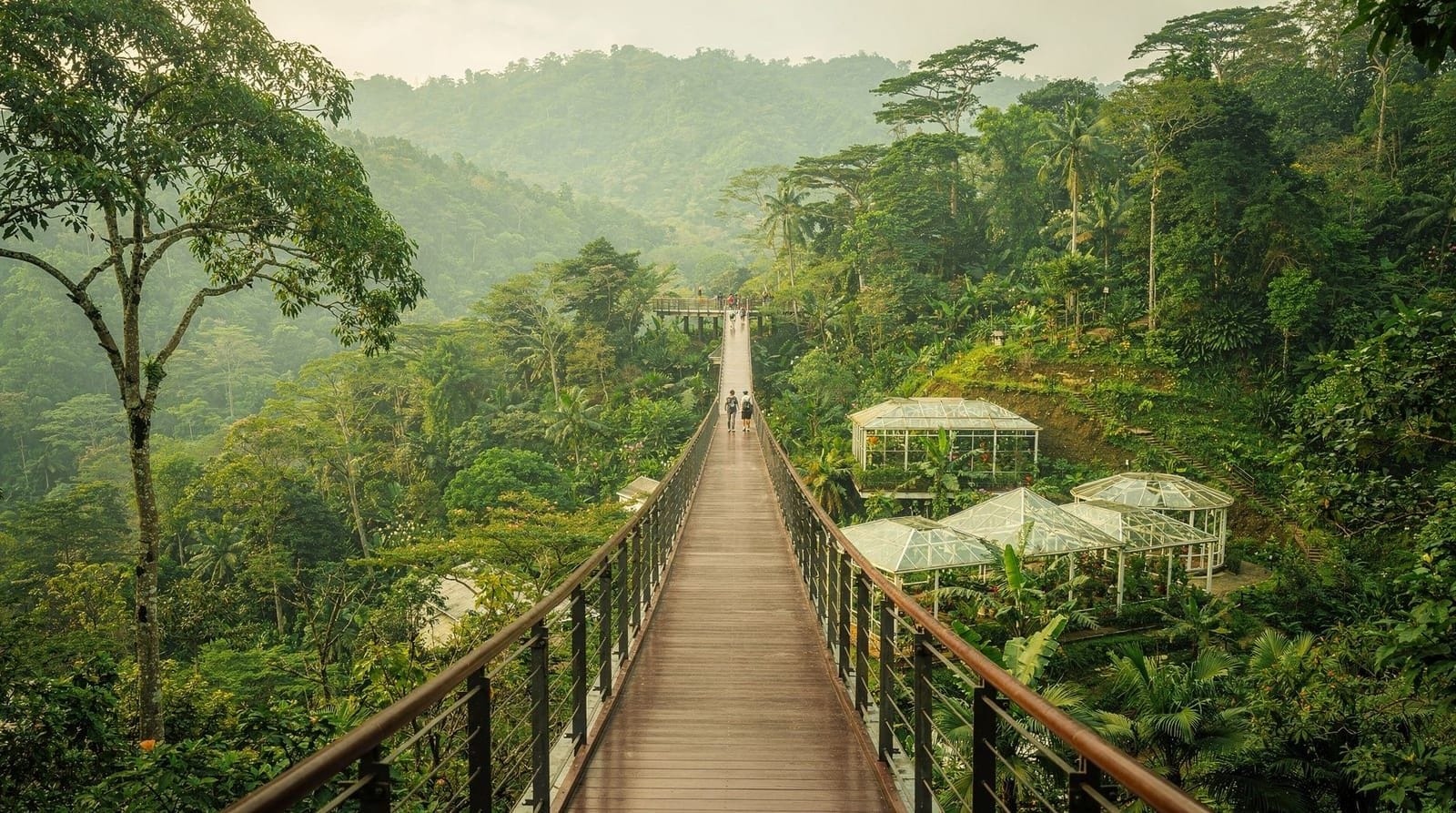
The Queen Sirikit Botanic Garden sits in the forested Mae Rim hills northwest of Chiang Mai, a large, well-maintained botanic garden built around themed glasshouses and a raised canopy walkway through natural rainforest — one of the quieter, less commercialized nature stops in a valley otherwise known for elephant experiences and waterfall parking lots. It’s a genuinely different kind of visit from most of the Mae Sa Valley’s attractions: a walk through curated plant collections and forest canopy rather than an activity-driven stop.
What’s actually inside the garden
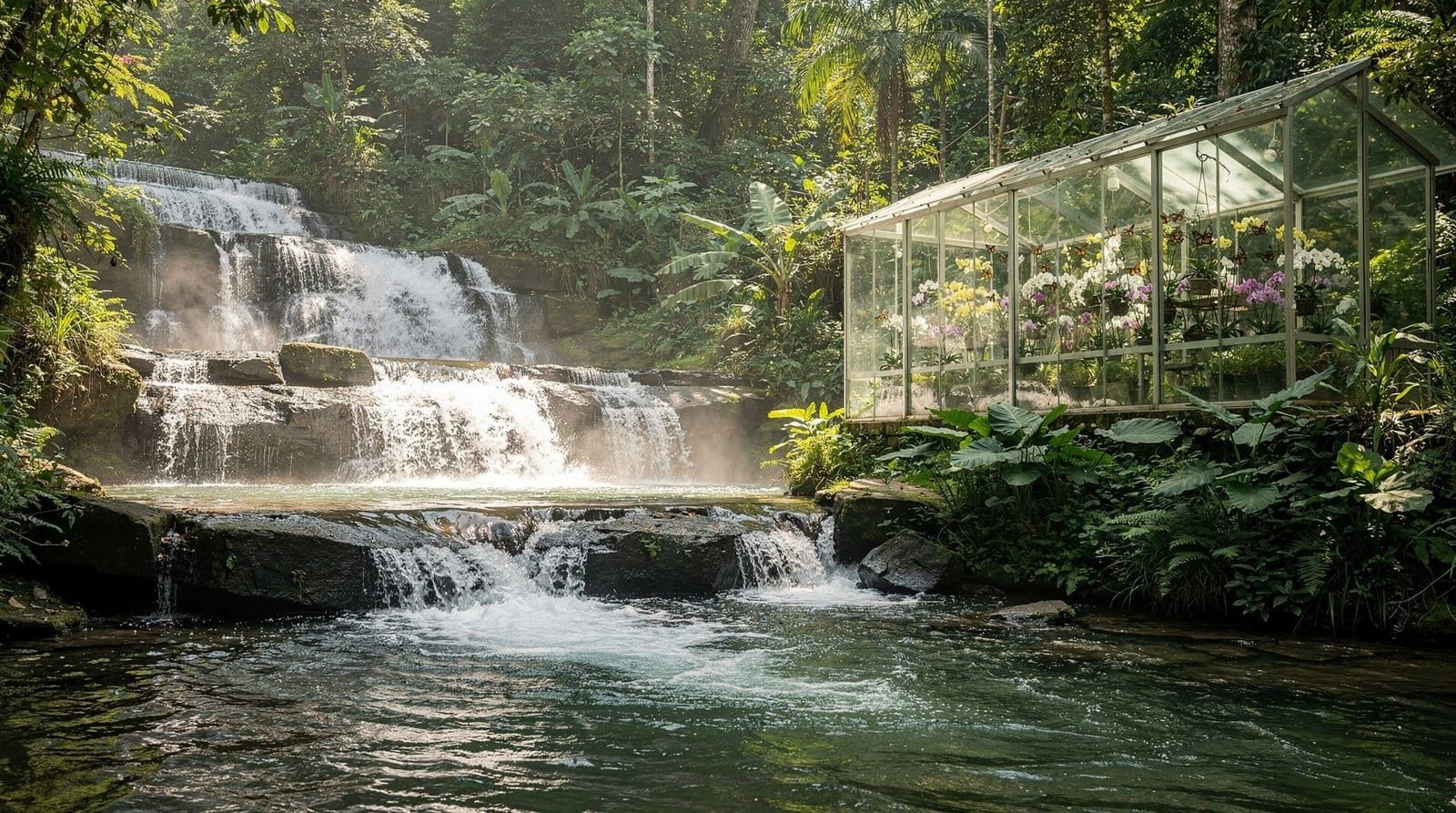
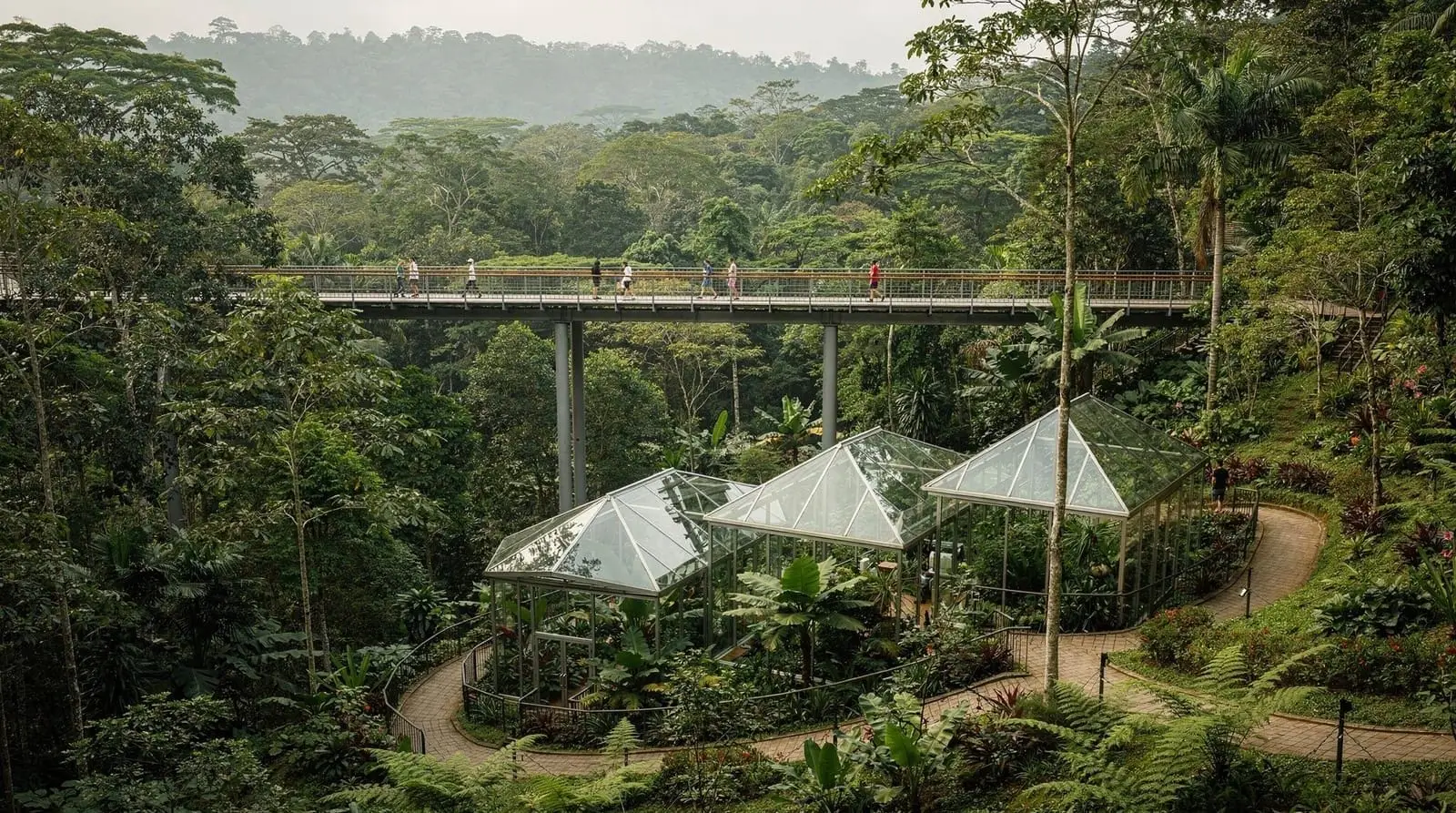
The site is organized around a series of themed glasshouses, each dedicated to a different plant ecosystem or collection — arid-zone succulents, orchids, ferns, and a rainforest reproduction among them — connected by paved paths through the wider landscaped grounds. The glasshouses are the garden’s most photographed feature, giving a controlled-climate look at plant diversity that would otherwise require visiting several different regions of Thailand to see naturally.
Beyond the glasshouses, the garden’s signature feature is a raised canopy walkway threading through natural forest at treetop height, giving a genuinely different vantage point on the forest ecosystem than a ground-level trail offers — a look at the upper canopy layer where much of a rainforest’s biodiversity actually lives, rather than just the trunks and understory visible from below. The walkway is structurally solid and railed throughout, more a steady elevated path than anything resembling a swaying rope bridge, though the exposure at height may still be uncomfortable for visitors with a pronounced fear of heights.
Why this garden is quieter than the rest of the valley
Unlike Mae Sa Waterfall, the valley’s elephant experiences, or the Mon Cham viewpoint further up the road — all regular stops on fixed-itinerary Mae Sa Valley group tours — the botanic garden is less consistently included on standard packaged tours, which has the side effect of keeping visitor numbers noticeably lower than at the valley’s more famous attractions. For travelers who find themselves slightly overwhelmed by the volume of tour buses and activity operators along the main Mae Sa Valley road, the garden offers a genuinely calmer alternative within the same general area.
Getting there and how to include it in your day
The garden sits in the Mae Rim hills, reachable within roughly an hour of central Chiang Mai by car. Because it’s less commonly bundled into fixed group-tour itineraries, the most reliable ways to visit are self-driving or hiring your own transport for the day, or specifically requesting the stop when arranging a private tour of the valley. A private driver day tour covering temples and Mae Sa Waterfall covers the same general area, and travelers arranging a private itinerary like this can reasonably ask the driver to add the botanic garden as an extra stop, since it sits along broadly the same route through the valley — worth confirming this addition and any extra time or cost directly with the operator rather than assuming it’s automatically included.
For travelers without a car, joining a scooter-based valley tour, as covered in our best viewpoints guide discussion of Mon Cham, offers more flexibility to add a stop like this than a fixed-schedule coach tour would.
Entrance fee and practical details
A modest entrance fee applies for foreign visitors, collected at the gate, generally comparable to other regional botanic garden and park attractions rather than a premium price. Cash is the more reliable payment method at the entrance. The grounds include on-site parking, restrooms, and a simple cafe area, though options are limited enough that arriving with your own water is a sensible precaution, particularly for a longer visit that includes both the glasshouses and the canopy walkway.
Best time to visit
Cool-season mornings (November-February) offer the most comfortable walking temperatures for exploring the outdoor sections of the grounds and the canopy walkway, while the glasshouses themselves are climate-controlled and pleasant regardless of season. The rainy season (roughly June-October) brings lush, vivid greenery to the forest sections but also a higher chance of the canopy walkway being temporarily closed during heavy storms, so checking conditions ahead of a rainy-season visit is worthwhile.
How much time to allow
Most visitors spend 1.5-3 hours here at a relaxed pace, enough to walk through the main glasshouses and complete the canopy walkway without rushing. It’s realistic as a half-day stop on its own, or as one component of a fuller Mae Sa Valley day that also includes a waterfall or viewpoint — see our Mae Sa Waterfall guide and the Mon Cham viewpoint for how those stops fit into the same general route.
How it compares to Royal Park Rajapruek
Chiang Mai has a second major botanical attraction, Royal Park Rajapruek, in the Hang Dong direction southwest of the city rather than the Mae Rim hills to the northwest. Royal Park Rajapruek is built around formal, internationally-themed garden pavilions from a former royal exposition, a more manicured, event-style landscape, while the Queen Sirikit garden leans more into natural forest ecosystems and the canopy walkway experience. They’re different enough in character that visiting both on the same trip, if botanic gardens genuinely interest you, isn’t unreasonable, though they sit in opposite directions from the city and aren’t realistically combined in a single day.
Who this garden actually suits
Honestly, this isn’t the stop for visitors chasing thrill activities or wanting to check off the valley’s most Instagrammed attractions in a single afternoon — the elephant experiences and Mon Cham’s cafe views draw far more attention on social media. It suits travelers who specifically want a quiet, unhurried walk through curated plant collections and forest canopy, ideally as one part of a broader Mae Rim day rather than the sole reason for the trip out from the city.
A short history of the garden
The garden was established under royal patronage as part of a broader effort to research, conserve, and display Thailand’s plant diversity, taking its name from Queen Sirikit in recognition of the royal family’s long-standing involvement in forest conservation and botanical research across the northern hills. The site’s development into a public-facing garden with themed glasshouses and the canopy walkway came in phases over subsequent decades, building on an initial focus on scientific plant collection and research rather than tourism. This research mandate continues alongside the garden’s public visitor role today — the glasshouse collections in particular reflect ongoing botanical documentation work rather than purely decorative planting.
Seasonal blooms and what to expect by month
Different sections of the garden peak at different times of year, since the collections span plants adapted to a range of natural conditions rather than a single flowering season. The outdoor ornamental sections tend to show the most color during the cooler months, November through February, when many flowering plants are at their best and the milder temperatures make walking the grounds more comfortable. The glasshouses, being climate-controlled, offer a more consistent year-round experience regardless of the outdoor season, which is worth knowing if your visit falls during the hot or rainy months and you’re mainly interested in guaranteed blooms rather than the outdoor forest sections.
Family visit tips
The garden’s paved paths and glasshouses are generally manageable for visitors of most ages, including young children, though the canopy walkway’s height may not suit very young children without close supervision. A stroller can navigate the main paved sections without major difficulty, though some sections of the canopy walkway itself involve stairs rather than a fully accessible ramp. Bringing snacks and a change of clothes is sensible if young children are likely to want to explore beyond the main paths, since shaded rest areas are available but food options on-site are limited.
Research and conservation role
Beyond its public visitor function, the garden serves an active role in plant research and conservation, housing collections used for ongoing botanical documentation and, in some cases, propagation of species of conservation concern. This isn’t always obvious to a casual visitor focused on the glasshouses and canopy walkway, but it’s part of why the garden’s collections are organized thematically by ecosystem type rather than purely for visual impact — a structure that reflects the site’s scientific origins as much as its role as a visitor attraction.
Nearby dining options
Beyond the garden’s own simple on-site cafe, the wider Mae Rim area includes a range of small restaurants and cafes catering to the valley’s steady flow of day-trip visitors, from straightforward Thai noodle and rice places to a few more elaborate valley-view restaurants further along the main road. Since the garden itself doesn’t offer extensive dining, planning either a packed lunch or a stop at one of these nearby options before or after your visit is the more reliable approach than expecting a full meal on-site.
Is the garden worth visiting if you’re not especially into plants?
It’s a fair question, since a botanic garden sounds like a niche interest compared to the valley’s more universally appealing waterfalls and viewpoints. In practice, the canopy walkway alone offers a genuinely distinctive experience — an elevated forest perspective most visitors don’t get anywhere else on a standard Chiang Mai trip — that appeals beyond dedicated plant enthusiasts. The glasshouses similarly work as much for the novelty of walking through different simulated climates in quick succession as for any deep botanical interest, making the site reasonably approachable even for visitors who wouldn’t otherwise seek out a garden specifically.
How the garden fits a longer Chiang Mai stay
For travelers spending a week or more in the region rather than a rushed few days, the botanic garden works well as a deliberately slower, lower-key day in contrast to more activity-packed stops like Sticky Waterfalls or a trekking day. It pairs naturally with a broader “quiet day” that might also include a relaxed lunch in Mae Rim and an early return to the city, rather than being stacked alongside multiple other valley attractions in a single rushed itinerary. Travelers on a tighter schedule who have to prioritize are generally better served choosing Mon Cham or one of the valley’s waterfalls over the garden if forced to pick just one Mae Sa Valley stop, but for a longer stay it’s a worthwhile addition rather than a replacement for those more popular options.
What to skip if you’re pressed for time
If your visit is genuinely rushed, the canopy walkway is the single element worth prioritizing over the full glasshouse circuit, since it’s the garden’s most distinctive feature and the one least replicated elsewhere in the region. A quick pass through one or two glasshouses rather than the complete collection is a reasonable compromise if time is tight, since the general experience of a climate-controlled plant house is similar across each individual glasshouse even if the specific plant collections differ.
Weather considerations for your visit
The outdoor sections of the garden are exposed to the same seasonal patterns as the rest of the Mae Rim area — comfortable, mild temperatures during the cool season, hotter and more humid conditions during the hot season, and a genuine risk of afternoon downpours during the rainy months that can temporarily close the canopy walkway for safety. Checking the forecast before a rainy-season visit and building in flexibility to shift your time at the outdoor sections earlier in the day, before typical afternoon storms build, is a sensible precaution regardless of which season you visit in.
Comparing a garden visit to the valley’s more active options
If you’re deciding how to split your time in the Mae Sa Valley between this garden and the area’s more physically active options — the waterfall’s climbing tiers, an elephant sanctuary’s walking terrain, or Mon Cham’s ridge — the botanic garden is by far the least physically demanding choice, with paved paths throughout and no significant walking beyond a comfortable stroll. This makes it a sensible stop to pair with a more active morning elsewhere in the valley, giving your group a calmer, less strenuous activity for part of the day rather than stacking multiple demanding stops back to back.
Frequently asked questions about the Queen Sirikit Botanic Garden
Is the Queen Sirikit Botanic Garden included in most Mae Sa Valley tours?
Not reliably — unlike the valley’s waterfalls and elephant experiences, it’s less commonly a fixed stop on standard group tour itineraries, so self-driving or a private tour with the stop specifically requested is the more dependable approach.
Is the canopy walkway suitable for children?
Yes, generally, given the solid, railed construction, though supervision matters at height regardless of a child’s comfort with the walkway itself.
How does it compare to a standard city park?
It’s considerably larger and more curated than a typical urban park, organized specifically around botanical collections and ecosystem displays rather than open recreational lawns, closer in spirit to a proper botanic institution than a casual green space.
Is photography allowed inside the glasshouses?
Yes, casual photography is generally permitted throughout the garden and glasshouses, though tripod use or commercial shoots may require separate permission arranged in advance.
What should I wear to visit?
Comfortable walking shoes for the paved paths and canopy walkway, and a light layer, since the glasshouses maintain warmer, more humid conditions than the outdoor forest trails.
Top experiences
Bookable activities with verified prices and instant confirmation on GetYourGuide.