Royal Park Rajapruek
A large royal botanical park south of Chiang Mai built for the 2006 Royal Flora expo, centered on a teak pavilion and international themed gardens.
Quick facts
- Getting there
- Hang Dong district, ~10 km south of the Old City; Grab or car ~20-25 min
- Key sight
- Ho Kham Royal Pavilion (teak architecture), international themed gardens, orchid house
- Time needed
- 2-3 hours to cover the pavilion and main gardens; half a day if you tour every themed section
- Best time
- November-February, cool and dry with the widest range of flowers in bloom
- Typical cost
- Roughly 200 THB (~$5.50) foreign adult entry, with a tram ride typically included or available for a small extra fee
Royal Park Rajapruek is the kind of place that surprises visitors who assume Chiang Mai’s sights are all temples and markets — a genuinely large, formally landscaped royal botanical garden in Hang Dong district, built around a golden-teak royal pavilion and dozens of themed international gardens, and rarely mentioned in the same breath as Doi Suthep or the Old City despite being one of the most photogenic, least crowded stops in the entire Chiang Mai area.
Quick answer: Royal Park Rajapruek (also spelled Ratchaphruek) is a large public botanical park about 10 km south of the Old City in Hang Dong district, roughly a 20-25 minute Grab ride. Built for the 2006 Royal Flora Ratchaphruek horticultural exposition, its centerpiece is the Ho Kham Royal Pavilion, a large Lanna-style teak structure, surrounded by international themed gardens, an orchid house, and a tram that loops the grounds. Foreign adult entry runs roughly 200 THB (~$5.50). Two to three hours covers the highlights; a full half day lets you walk every garden section.
What the Royal Flora expo left behind
The park’s origin explains its unusual scale and layout. It was built as the permanent site of the Royal Flora Ratchaphruek 2006, an international horticultural exposition held to honor the 60th anniversary of King Bhumibol Adulyadej’s accession to the throne, and — unlike many one-off expo grounds — it was maintained afterward as a permanent public park rather than being dismantled or left to decay. That history is why the grounds feel more like a national exhibition site than a typical city garden: broad formal walkways, a purpose-built pavilion at the center, and a series of individually designed themed gardens laid out around the main axis rather than a single naturalistic landscape.
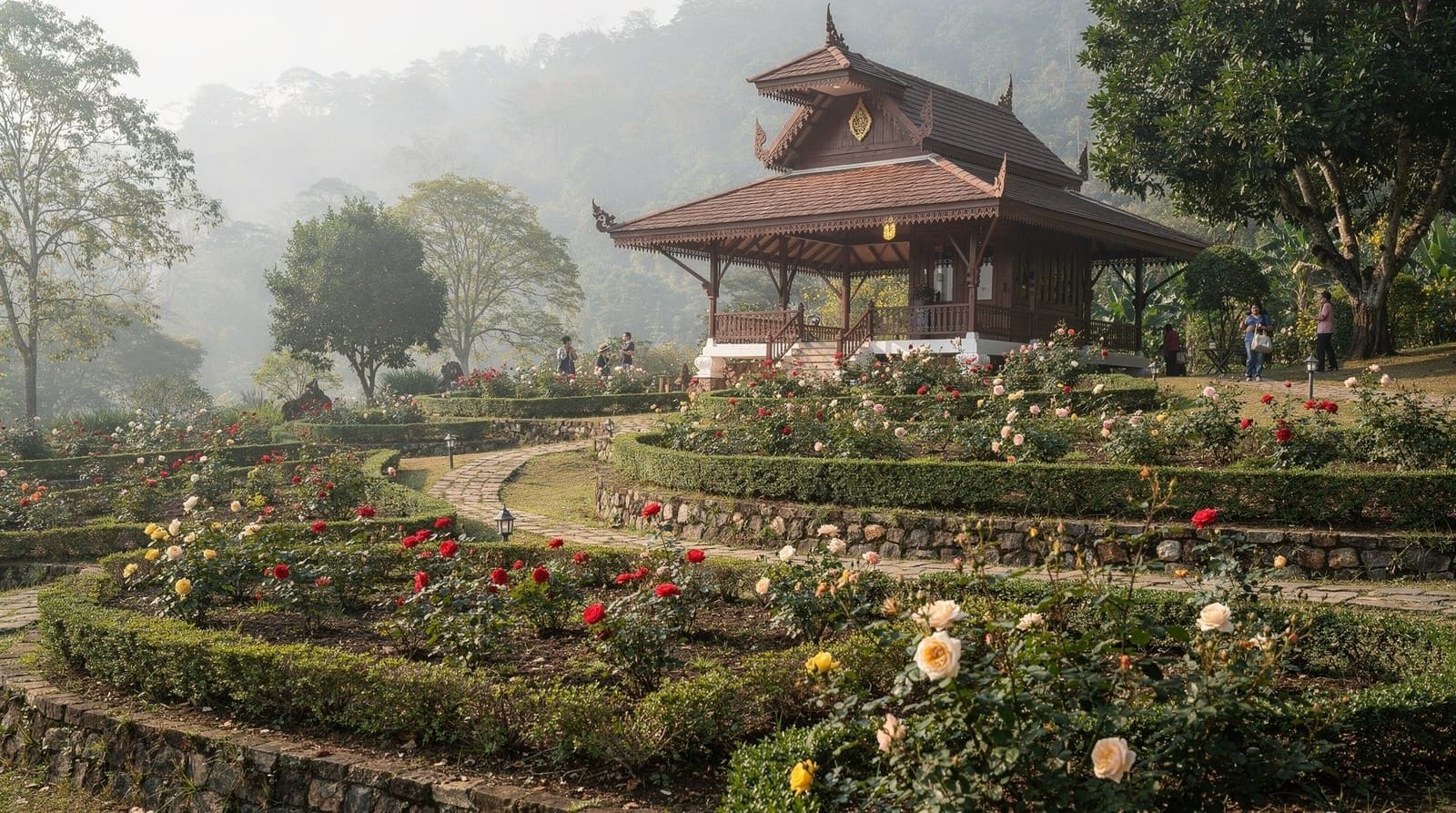
- Ho Kham Royal Pavilion — the park’s architectural centerpiece, a large golden teak pavilion built in traditional Lanna style, used during the original expo for royal ceremonies and now open as the park’s main indoor exhibit and photo point. The scale and craftsmanship of the teak structure are worth the visit on their own, independent of the gardens surrounding it.
- International themed gardens — dozens of individually designed garden plots, originally built and maintained by participating countries and organizations during the 2006 expo, ranging from formal European-style parterres to more naturalistic Asian garden designs, giving the park a genuinely varied, almost world’s-fair character rather than a single unified planting scheme.
- Orchid house and greenhouse displays — a dedicated glasshouse section showing off Thailand’s orchid cultivation, one of the more reliably colorful stops regardless of season.
- The tram loop — a slow, open-air tram circuits the grounds, useful given how spread out the park is, and a relaxed way to get an overview before deciding which sections to walk more slowly on foot.
Getting to Royal Park Rajapruek
The park sits in Hang Dong district, close enough to central Chiang Mai to work as a half-day outing without eating into a full day of your itinerary.
- Grab or taxi: The simplest option, roughly 20-25 minutes and one of the shorter drives of any Hang Dong attraction from the Old City. Fares are typically modest given the distance.
- Rental scooter or car: Reasonable if you’re planning to combine the park with Baan Tawai, Grand Canyon, or Wiang Kum Kam on the same day, since all sit within a similar southwestern corridor.
- Organized day tour: Less common for this specific park than for Doi Suthep or the elephant sanctuaries, but some general Chiang Mai sightseeing itineraries include it as one stop among several — worth checking inclusions carefully if a tour lists it, since it’s sometimes swapped for a different Hang Dong stop depending on the operator.
Walking the grounds: what to prioritize
Because the park is genuinely large — larger than most visitors expect from a garden attraction — it helps to have a rough plan rather than wandering without direction, especially if your time is limited to two or three hours.
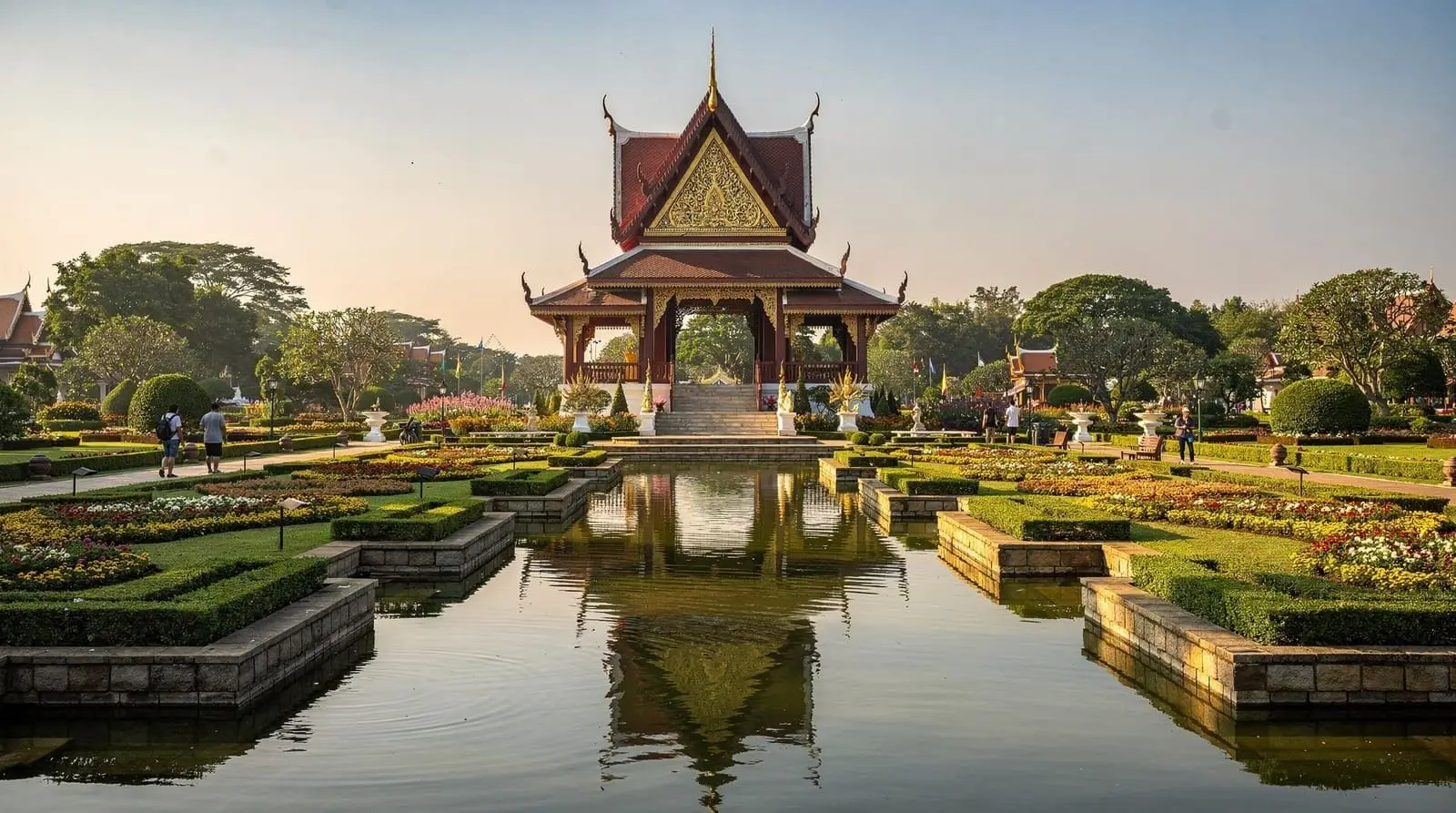
Start at the Ho Kham Royal Pavilion, both because it’s the most photographed single structure in the park and because it anchors the main walkway that most of the themed gardens branch off from. The teak construction and Lanna architectural details reward a slow look rather than a quick photo stop — carved eaves, gilded details, and the sheer scale of the wooden structure are easy to walk past too quickly if you’re focused on getting to the gardens beyond it.
From there, the international themed gardens are best sampled rather than exhaustively toured on a first visit — pick three or four sections that appeal (formal European-style plots, a Japanese-influenced garden, or one of the more naturalistic Thai-style plantings) rather than trying to walk every single one, since the full grounds add up to a genuinely long walk in Chiang Mai’s heat.
The orchid house is worth prioritizing if you’re visiting outside the cool season, since it’s covered and shaded, and orchid displays are maintained on a rotating basis so there’s reliably something in bloom regardless of the time of year.
Comparing Royal Park to Chiang Mai’s other gardens
Chiang Mai has more than one significant garden attraction, and it’s worth being clear about how they differ so you’re not duplicating a similar experience twice on the same trip.
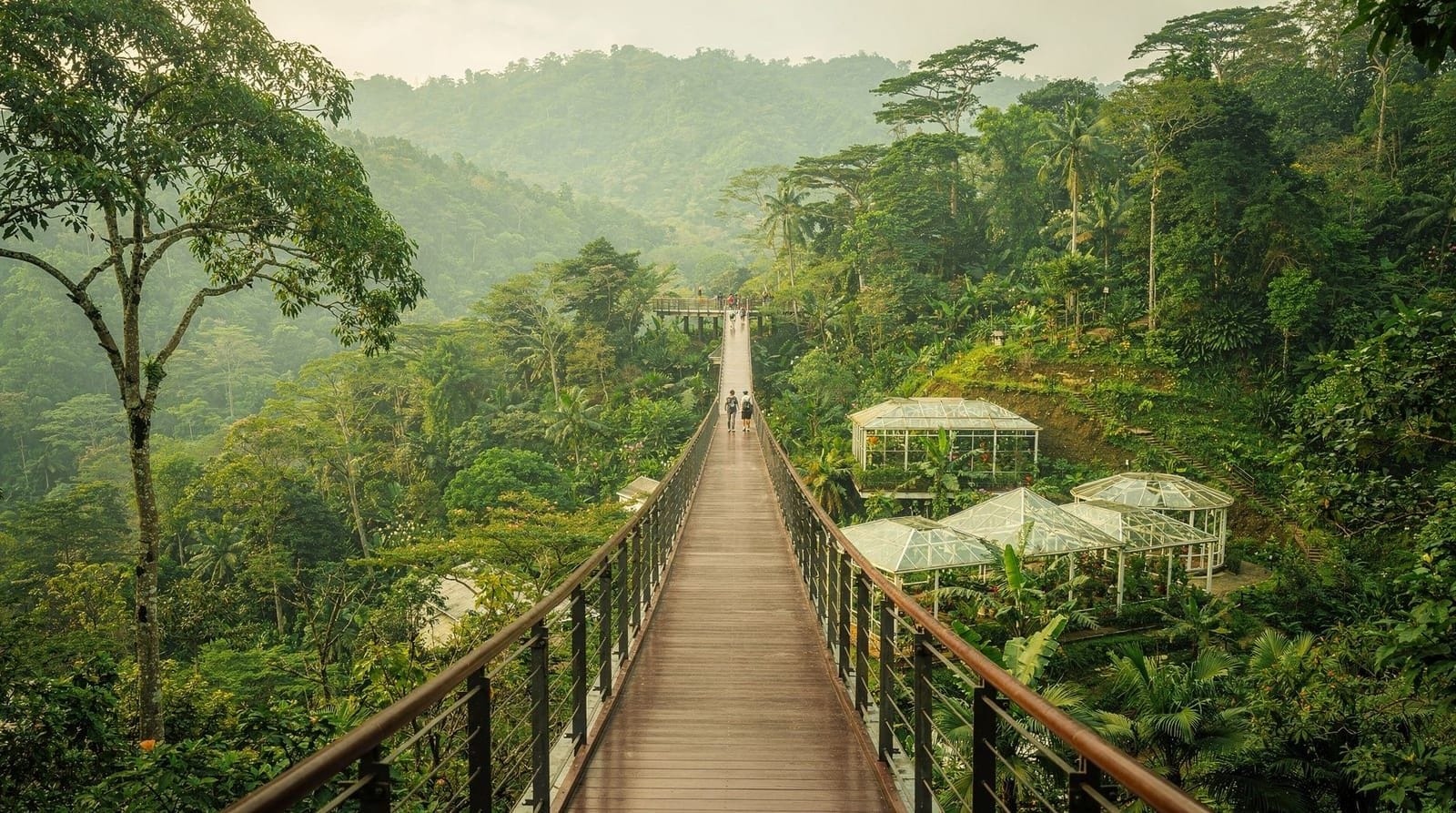
- Queen Sirikit Botanic Garden, up in the Mae Rim valley, is built around a working plant research collection and a rainforest canopy walkway — a more naturalistic, forest-adjacent experience than Royal Park’s formal expo-garden layout.
- Bhubing Palace, near Doi Suthep, pairs a smaller rose and fern garden with an active royal residence, and closes seasonally when the royal family is in residence — Royal Park has no such closure risk and is open more consistently.
- Royal Park Rajapruek sits between the two in scale, and its main distinguishing feature is the Ho Kham Pavilion’s architecture and the sheer variety of internationally themed garden plots, a legacy of its origin as a world expo site rather than a single organization’s collection.
If you only have time for one garden stop on your Chiang Mai trip, Royal Park’s combination of architecture and variety makes a reasonable case for itself, especially if you’re already planning a Hang Dong day that takes in Baan Tawai or Grand Canyon.
Best time to visit
- November to February brings the coolest, driest weather and typically the widest range of flowers in bloom across the themed gardens — the single best window for a full walking visit.
- March to May is hot enough that an early-morning visit is strongly preferable to a midday one; the park’s broad, largely unshaded walkways between garden sections get uncomfortable in full afternoon sun.
- June to October brings the rainy season, which keeps the gardens lush and green but makes outdoor walking more weather-dependent — a light rain jacket is worth carrying.
- Weekday mornings, regardless of season, are consistently the quietest time, since weekends can bring larger domestic tour groups and family outings.
Combining with the rest of Hang Dong
Royal Park Rajapruek sits within easy reach of the district’s other attractions, and pairing it with one or two makes for an efficient half or full day:
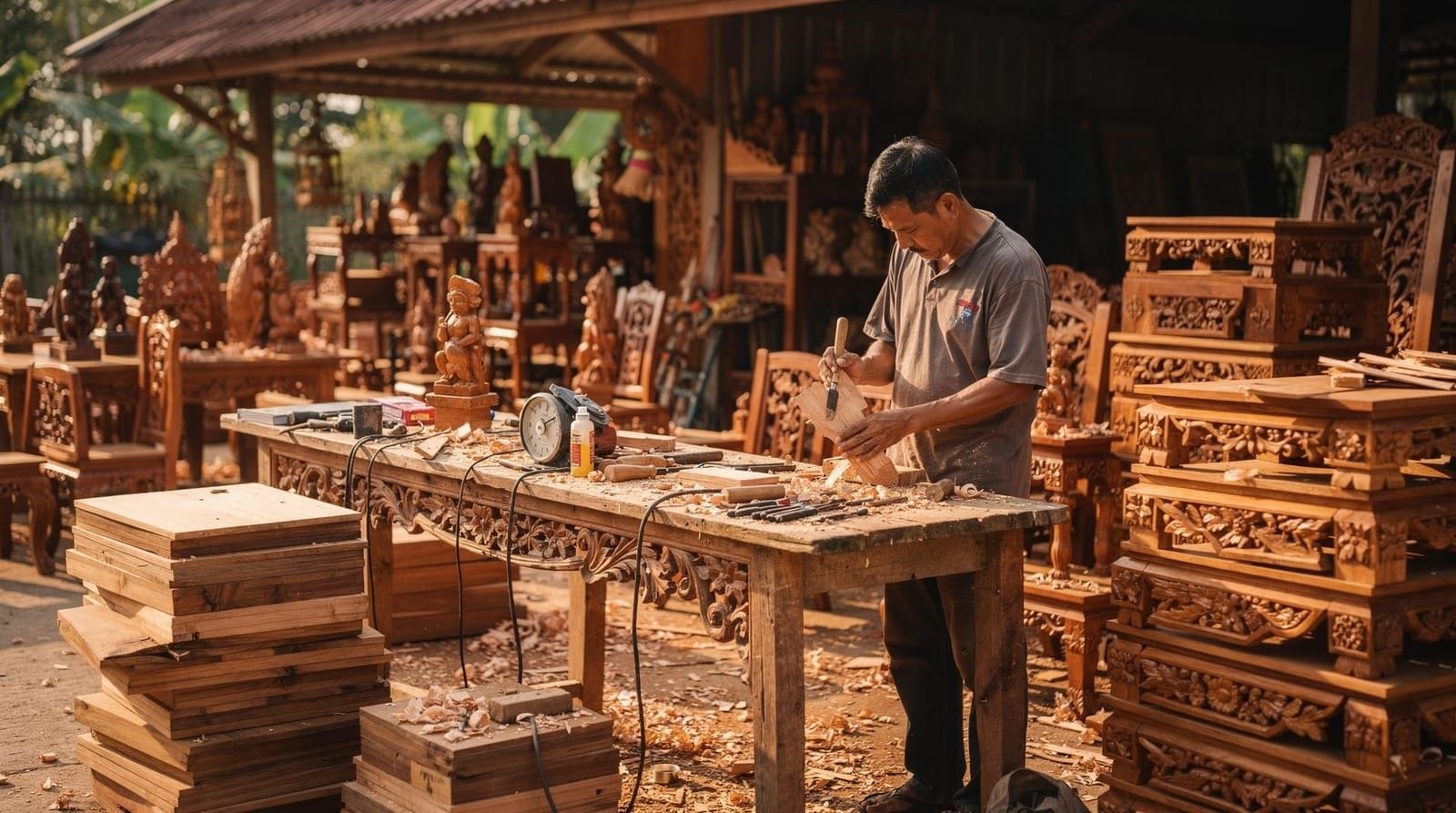
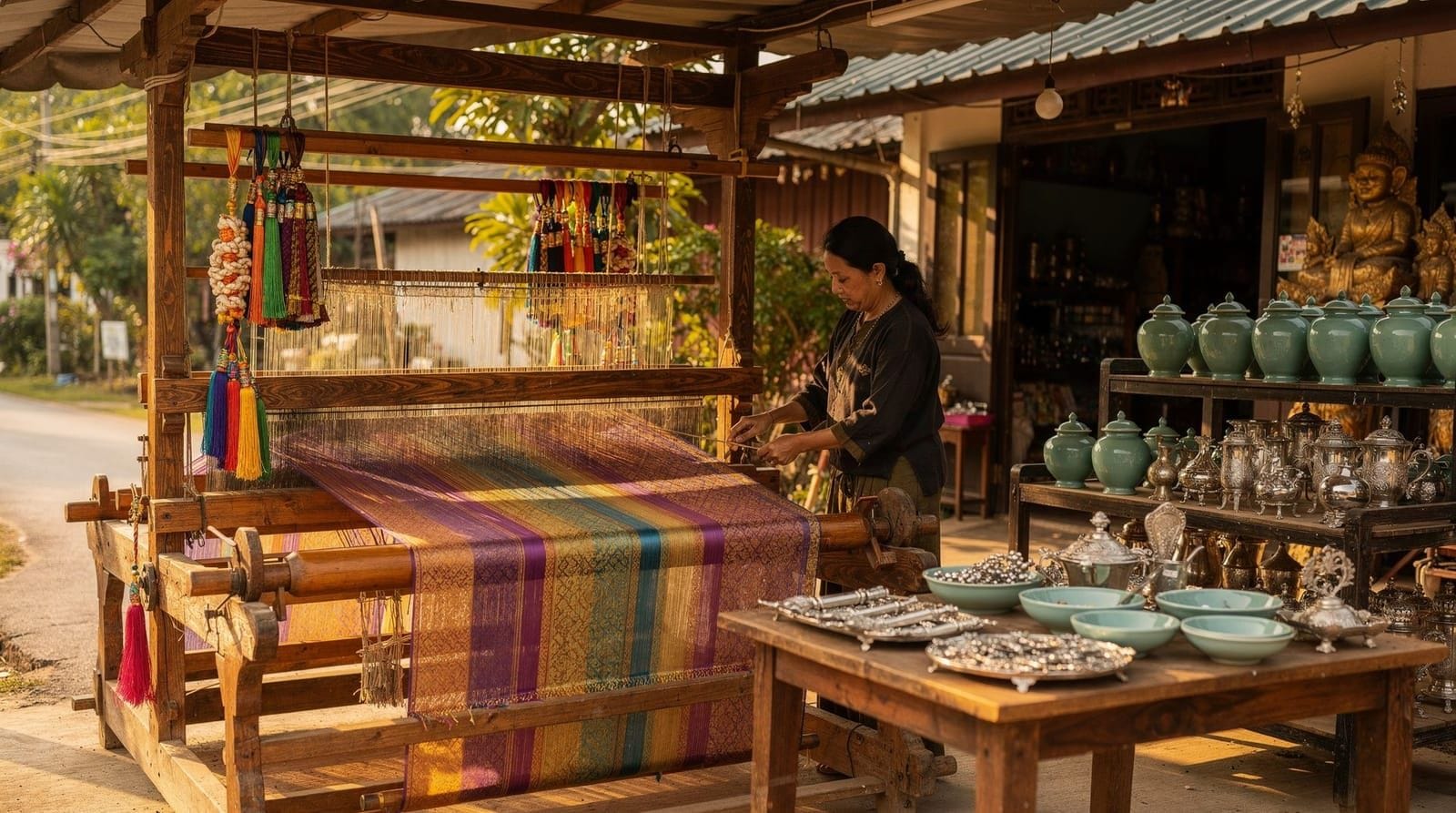
- Baan Tawai woodcarving village — a short drive away, worth combining if teak furniture, carved décor, or antiques interest you, and a natural complement given the park’s own teak pavilion.
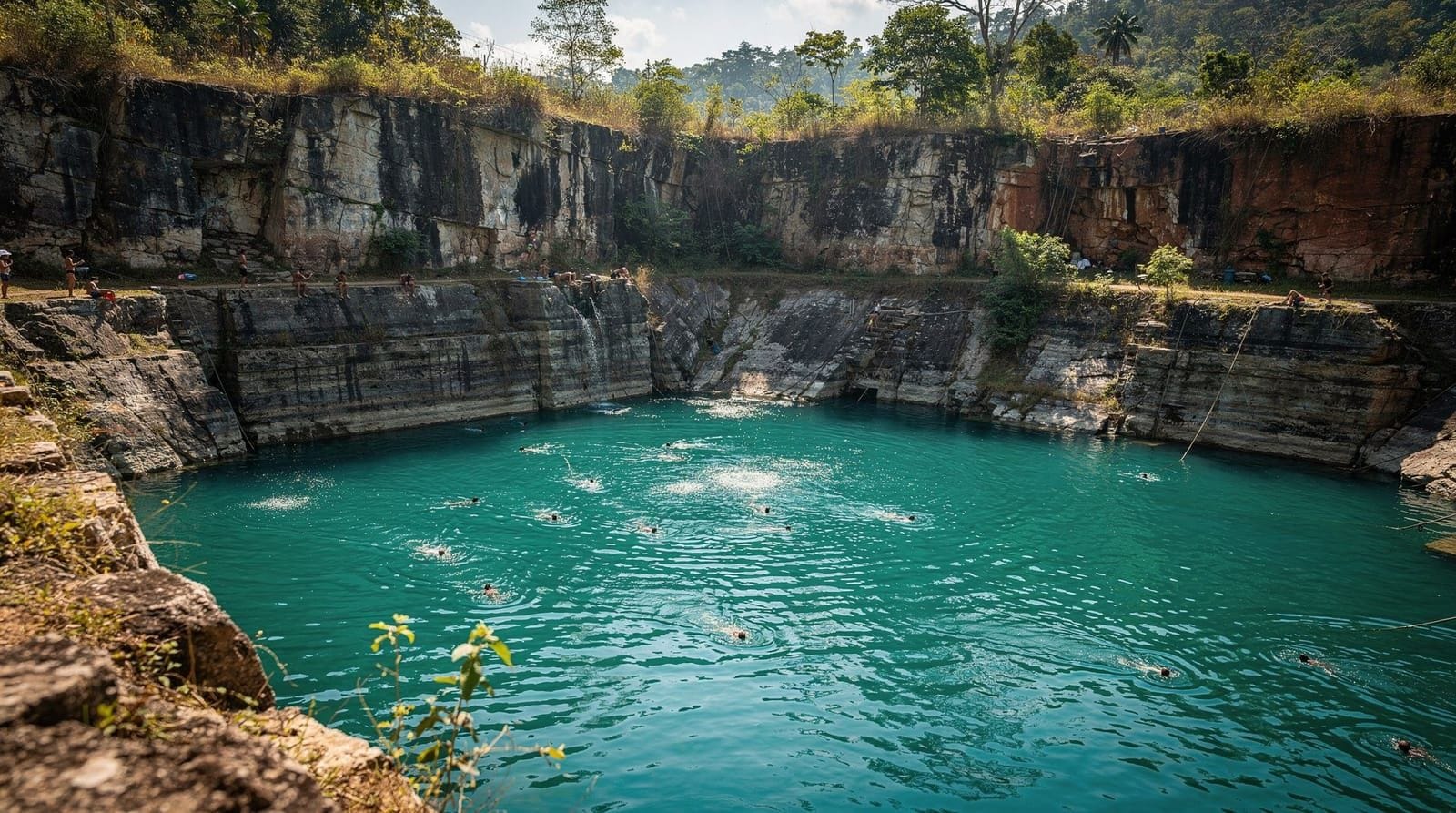
- Grand Canyon Hang Dong — the flooded quarry water park and cliff-jumping site, a total change of pace from the park’s calm, manicured gardens.
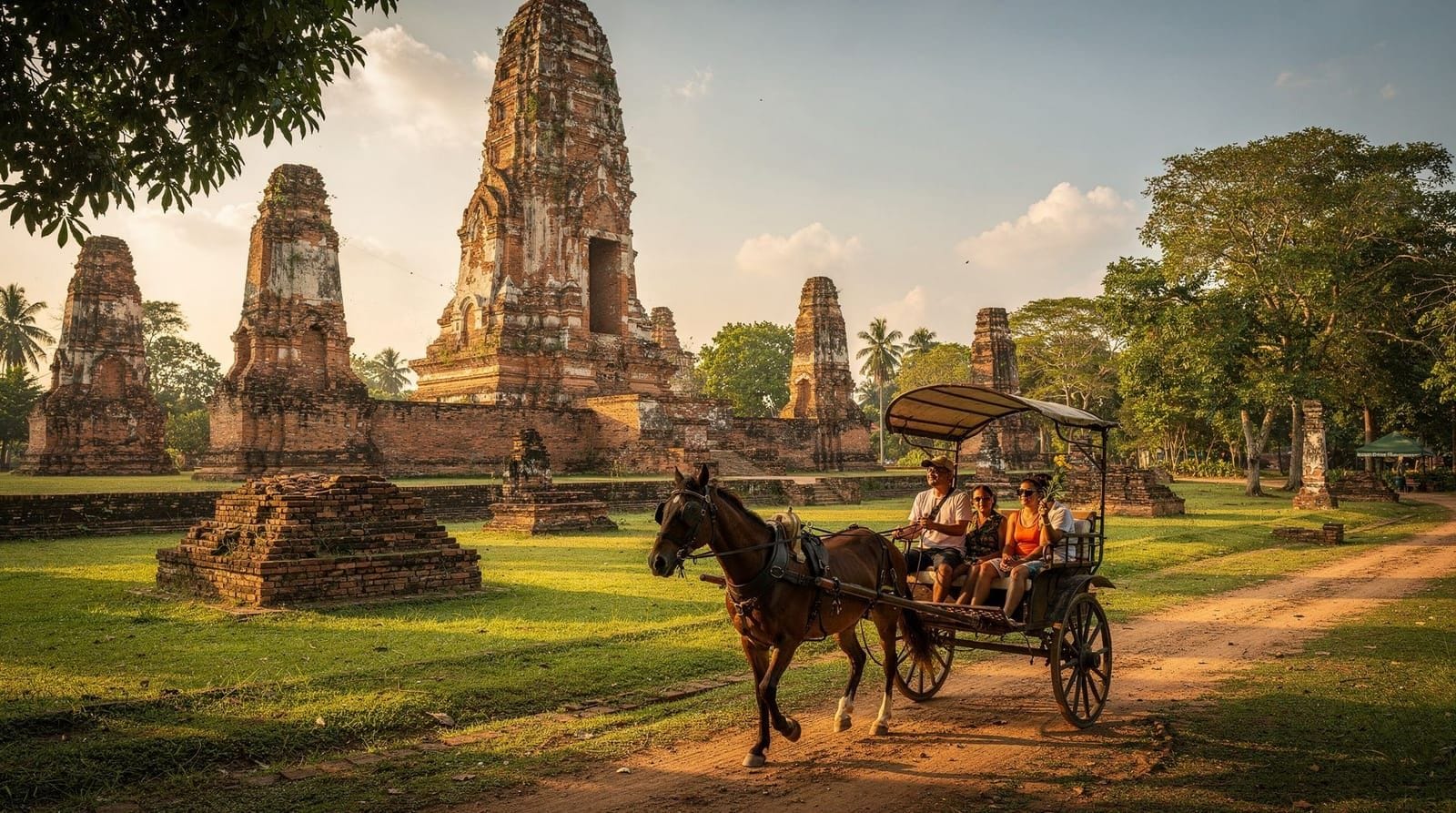
- Wiang Kum Kam — the excavated ruins of Chiang Mai’s predecessor capital, a good historical counterpart if you want to pair the park’s ornamental gardens with a genuinely old Lanna site.
Photographing the park
Royal Park Rajapruek is one of the more reliably photogenic stops in the Chiang Mai area precisely because it was designed as a formal exhibition site rather than left to grow naturalistically — the broad symmetrical walkways, the Ho Kham Pavilion’s golden teak façade, and the individually manicured themed garden plots all photograph well without much effort. Early morning light, before the midday sun flattens everything and before the heat becomes uncomfortable for a slow walk, is the best window for photographing the pavilion’s exterior details and the more formal European-style garden sections. The orchid house is a dependable option regardless of time of day, since it’s shaded and the flower displays are curated for visual impact. Wide shots of the pavilion reflected in nearby water features are a popular composition, and the park’s broad, uncluttered walkways make it easier than many Chiang Mai attractions to get a clean shot without other visitors wandering into frame, particularly on a quiet weekday morning.
A brief note on the name
Visitors researching the park online sometimes get tripped up by inconsistent spelling — Rajapruek, Ratchaphruek, and occasional variants all refer to the same place and the same 2006 exposition, differing only in how the Thai name has been transliterated into English over time. Official signage at the park itself, along with most current tourism materials, tends to favor “Ratchaphruek,” while “Rajapruek” remains common in older references and some map listings. If you’re searching for directions or reviews and one spelling comes up short, it’s worth trying the other.
Practical tips
- Bring sun protection even in cool season — the walkways between garden sections are largely unshaded.
- Wear comfortable walking shoes. Despite the tram option, seeing the gardens properly still involves a fair amount of walking on foot.
- Carry cash for the entry fee and any tram supplement, since card payment isn’t consistently available on-site.
- Check ahead for seasonal events. The park occasionally hosts flower festivals or special exhibitions timed to specific blooming seasons, which can be worth planning a visit around if the timing lines up.
- Combine with a Hang Dong lunch stop. Hang Dong town has ordinary local restaurants that make a reasonable lunch break between the park and a second stop like Baan Tawai.
Seasonal events at the park
Beyond its permanent garden displays, Royal Park Rajapruek periodically hosts flower festivals and horticultural exhibitions timed to specific blooming seasons or national celebrations, drawing on the same expo-hosting infrastructure that built the site in the first place. These events can bring noticeably larger crowds and additional temporary displays not present during a regular visit, and checking whether a festival happens to coincide with your trip is worth doing if flowers specifically are your reason for visiting — a well-timed festival visit can show off displays well beyond what the park’s standard permanent gardens offer, though it also means planning around bigger crowds and possibly a modified entry fee. Outside of festival periods, the park runs at its normal quieter pace, which suits visitors more interested in architecture and a calm walk than in a festival atmosphere.
Frequently asked questions about Royal Park Rajapruek
What is Royal Park Rajapruek?
A large royal botanical park in Hang Dong district, built for the 2006 Royal Flora Ratchaphruek horticultural exposition and maintained afterward as a permanent public garden, centered on the Ho Kham teak pavilion and dozens of internationally themed garden plots.
How much does it cost to enter?
Roughly 200 THB (~$5.50) for foreign adult visitors, with a tram ride typically included or available for a small additional fee.
How do I get to Royal Park Rajapruek from Chiang Mai?
By Grab, taxi, or private car, roughly 20-25 minutes south of the Old City — one of the shorter drives among Hang Dong’s attractions.
How long should I spend there?
Two to three hours covers the Ho Kham Pavilion and a good sample of the themed gardens; a full half day lets you walk every section without rushing.
Is Royal Park Rajapruek the same as Ratchaphruek?
Yes — Rajapruek and Ratchaphruek are alternate English transliterations of the same Thai name, used somewhat interchangeably in signage and older references to the 2006 expo.
What’s the best time of year to visit?
November to February, for the coolest weather and the widest range of flowers typically in bloom across the themed gardens.
Can I combine it with other Hang Dong sights?
Yes — Baan Tawai woodcarving village, Grand Canyon Hang Dong, and Wiang Kum Kam are all within a similar southwestern corridor, making a combined half or full day practical with a car or scooter.
Is the park suitable for families?
Yes — the paths are largely flat, the tram loop reduces walking for anyone who needs it, and the calm pace suits younger children better than some of the district’s more activity-heavy attractions.
Is there food available inside the park?
Basic food and drink facilities operate near the entrance and pavilion area, though options are modest compared to a full restaurant — a light lunch stop in Hang Dong town before or after the visit is a reasonable alternative.
Do I need to book tickets in advance?
Generally no — entry is typically available on arrival without advance booking, since the park doesn’t see the kind of sustained daily crowding that requires timed entry at Chiang Mai’s more heavily visited attractions. On rare occasions tied to festivals or major events, checking ahead is a sensible precaution.