Grand Canyon Hang Dong
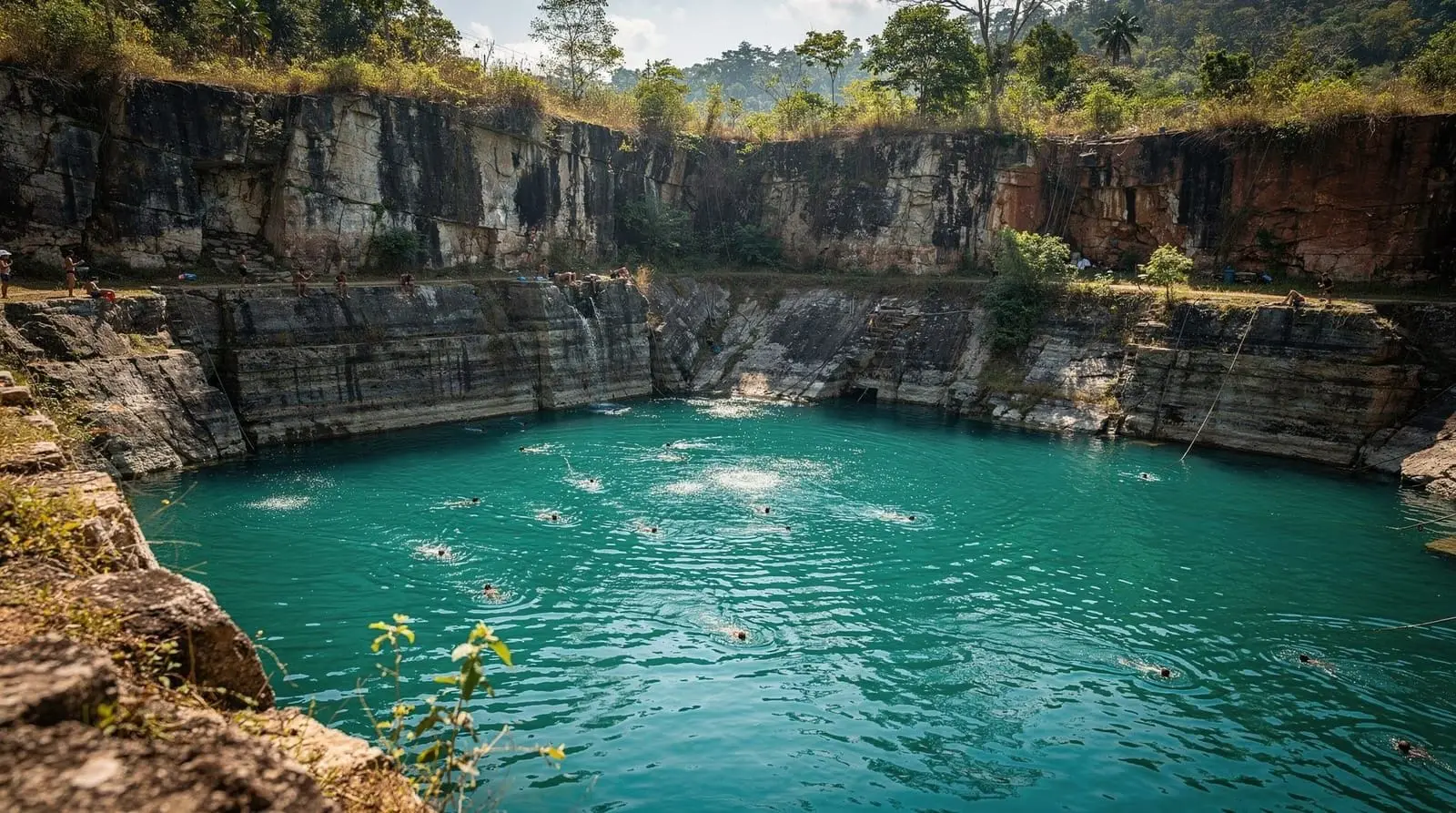
A flooded limestone quarry southwest of Chiang Mai split between an inflatable aqua park and cliff-jumping platforms over deep turquoise water.
Grand Canyon Water Park Ticket
Quick facts
- Getting there
- Hang Dong district, ~15-20 km southwest of the Old City; Grab or car ~30-40 min
- Key sight
- Flooded quarry cliffs, inflatable Grand Canyon Water Park, cliff-jumping platforms
- Time needed
- 3-4 hours for the water park, or a half day combined with Baan Tawai
- Best time
- March-May (hot season) for swimming; November-February for a cooler, quieter visit
- Typical cost
- Water park entry roughly 450-700 THB (~$12-19); cliff-side canyon access is separately ticketed and cheaper
Grand Canyon isn’t a natural landform, whatever the name and the marketing photos suggest — it’s a former stone quarry in Hang Dong district that flooded after excavation stopped, leaving sheer cut cliffs dropping into startlingly turquoise water. What operators have built around that accident of industrial history is now one of Chiang Mai’s most photographed hot-season stops, split between a fenced inflatable water park and the original cliffs, where jumping into deep water from a marked platform is still the main draw for a certain kind of visitor.
Quick answer: Grand Canyon Hang Dong sits about 15-20 km southwest of the Old City, a 30-40 minute Grab or car ride, not far from the shopping strip at Night Bazaar if you’re heading back into town for dinner afterward. There are effectively two experiences on the same flooded quarry: the fenced Grand Canyon Water Park, an inflatable aqua park costing roughly 450-700 THB (~$12-19) entry, and the older, less structured cliff-jumping canyon, where visitors pay a smaller separate fee to jump from marked platforms into the deep water below. Most people pick one, spend three to four hours there, and combine the visit with Baan Tawai woodcarving village or Royal Park Rajapruek on the same Hang Dong loop, starting the drive out from Old City hotels in the morning.
What Grand Canyon actually is
The site’s real history matters for understanding what you’ll find there. This was an active limestone quarry decades ago; once digging stopped, groundwater and rain filled the excavated pits, and what was left behind was a series of steep-walled basins with water deep enough — in places well over 10 meters — to make it genuinely dangerous to misjudge. Locals started swimming and jumping from the cut rock edges informally, and that informal use eventually got commercialized into two separate, adjacent businesses that both trade on the same striking cliffs and water.
- Grand Canyon Water Park is the newer, safer, and more heavily marketed of the two: a large inflatable obstacle course floating on the water, complete with slides, climbing walls, and floating platforms, fenced off from the open canyon and staffed with lifeguards. This is the version aimed squarely at families and casual swimmers, and it’s the one most Chiang Mai day-trip itineraries and GetYourGuide listings actually refer to.
- The original canyon and cliff-jumping platforms are the older, rawer version — sheer rock walls with marked jumping points at varying heights, appealing to visitors who want the adrenaline of a real cliff jump rather than an inflatable obstacle course. This side has a more serious safety profile: the water is deep and cold in the shaded sections, currents and underwater ledges aren’t always obvious from above, and injuries do happen when people jump from unmarked spots or misjudge the water depth below.
- A wakeboard cable park operates on part of the same body of water, popular with a different crowd again — visitors who’ve booked in advance for a wakeboarding or cable-ski session rather than a casual swim.
It’s worth being clear before you go: these are three separate, loosely overlapping businesses on the same lake, not one unified attraction with a single ticket. Confirm which one you’re booking, since the inflatable water park and the raw cliff-jumping side have different entry points, different fees, and very different risk profiles.
Getting to Grand Canyon Hang Dong
Hang Dong is a district immediately southwest of central Chiang Mai, and Grand Canyon sits a bit further out within it, off the main road toward the district’s rural southern edge.
- Grab or taxi: The simplest way in, roughly 30-40 minutes from the Old City depending on traffic, and the easiest option if you’re not also renting a scooter for the day. Fares typically run somewhere in the 250-400 THB range one-way, though surge pricing at peak weekend hours can push that higher.
- Rental scooter or car: A reasonable option if you’re comfortable navigating Thai roads and want the flexibility to also stop at Baan Tawai or Royal Park Rajapruek on the way back, since both sit in the same general Hang Dong corridor.
- Organized tour with transfer: Several water park tickets bundle round-trip hotel pickup, which removes the hassle of finding the site yourself — it’s set back from the main road and not always obvious from a passing car.
Book a Grand Canyon Water Park ticket with optional hotel pickup if you’d rather not deal with navigating there yourself, especially useful on a first visit when the entrance isn’t easy to spot from the road.
The water park experience
Inside the fenced water park area, the setup is fairly standard for an inflatable aqua park: a floating obstacle course of slides, climbing walls, trampolines, and balance beams anchored across a section of the quarry lake, with lifejackets provided (and in most cases required) for anyone using the course. Lifeguards supervise from the water’s edge and from boats positioned around the course, and the fenced section keeps swimmers away from the deeper, unsupervised parts of the quarry used for cliff jumping.
Changing rooms, lockers, and basic food stalls operate near the entrance, though the on-site food is limited and mostly geared toward snacks and drinks rather than a full meal — worth eating beforehand or planning lunch back in Hang Dong town afterward. Towels are sometimes available to rent but aren’t always guaranteed, so bringing your own is the safer bet.
Check current Grand Canyon Water Park ticket pricing and availability before you go, since entry fees and package inclusions (locker rental, life jacket deposit) are adjusted periodically and vary depending on whether transfer is bundled in.
Cliff jumping: what to actually know before you go
The cliff-jumping side of Grand Canyon draws a different, generally younger and more adrenaline-focused crowd, and it deserves a more careful safety note than the fenced water park. Jumping platforms are marked at several heights along the quarry walls, and staff or informal spotters are usually present to manage the queue at each platform, but the fundamental risk profile here is real: the water is deep, in places noticeably colder in the shaded, sun-blocked sections, and jumping from an unmarked point on the cliff — rather than a designated platform — has led to serious injuries in the past, since underwater rock ledges and varying depth aren’t visible from above.
A few points worth internalizing rather than skimming past:
- Only jump from marked, staffed platforms. Unofficial jumping spots exist and are used by some visitors trying to avoid a queue or find a more dramatic angle, but they haven’t been checked for underwater obstructions the way the official platforms have.
- The water is genuinely deep and cold in places. This isn’t a shallow swimming hole; misjudging your entry, panicking on a cold-water shock, or jumping without checking the landing zone below you are the realistic ways people get hurt here.
- Weekends and Thai public holidays get crowded, with longer queues at the popular jump platforms and less individual attention from any safety staff present — a weekday visit is noticeably calmer if your schedule allows it.
- Alcohol and cliff jumping don’t mix, and unfortunately do show up together at this site on busier days; if you’re visiting with a group that’s been drinking, the safer call is to stick to the fenced water park instead.
Best time to visit
The honest answer depends heavily on whether you’re there to swim or just to see the cliffs.
- March to May (hot season) is when Grand Canyon makes the most sense as a swimming destination — daytime temperatures regularly push into the mid-to-high 30s Celsius, and cooling off in the quarry water, whether in the inflatable park or from a jumping platform, is genuinely appealing rather than just a tourist-trail box to tick.
- November to February (cool season) brings more comfortable air temperatures for sitting around the site and better light for photography, but the water itself is noticeably colder, and fewer people actually swim — this is a better window if your interest is more scenic than aquatic.
- February to April overlaps with northern Thailand’s agricultural burning season, when regional haze can dull visibility and turn what should be a striking turquoise-against-rock scene into a hazier, flatter one — worth checking air quality forecasts if photography is a priority.
- Weekends and Thai public holidays bring noticeably larger crowds than weekdays, both at the water park and on the cliff-jumping side, with longer queues at the most popular platforms.
Combining Grand Canyon with the rest of Hang Dong
Grand Canyon sits within the broader Hang Dong district, which has become a loosely connected day-trip loop for visitors with a car or scooter for the day, since several otherwise-unrelated attractions happen to cluster in the same southwestern corner of the Chiang Mai area:
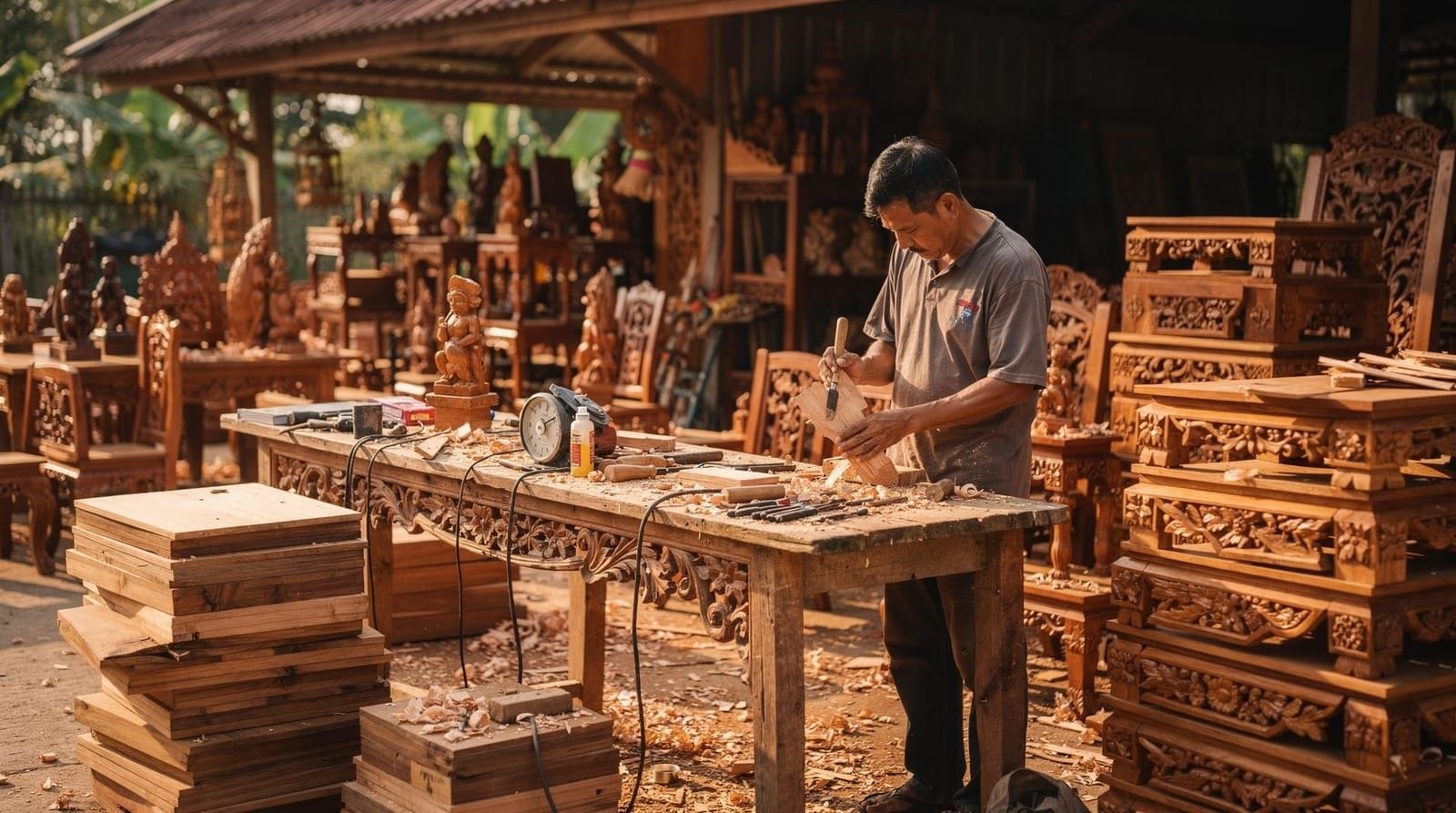
- Baan Tawai woodcarving village — Thailand’s best-known woodcarving and handicraft village, a short drive from Grand Canyon, worth an hour or two if furniture, carved teak, or antiques interest you.
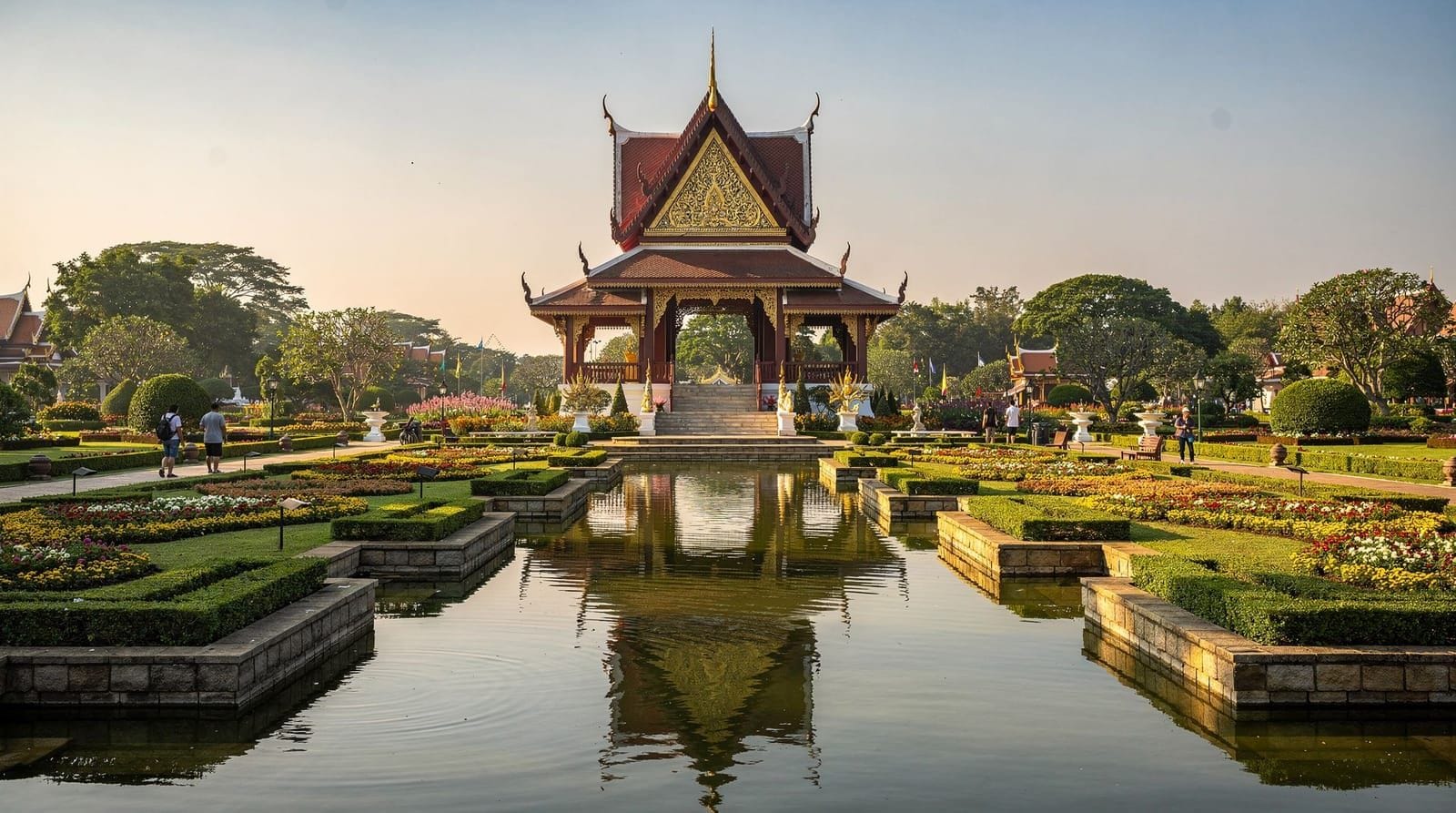
- Royal Park Rajapruek — a large royal botanical park built for the 2006 Royal Flora Ratchaphruek exposition, a calmer, more manicured contrast to the quarry’s raw rock and water.
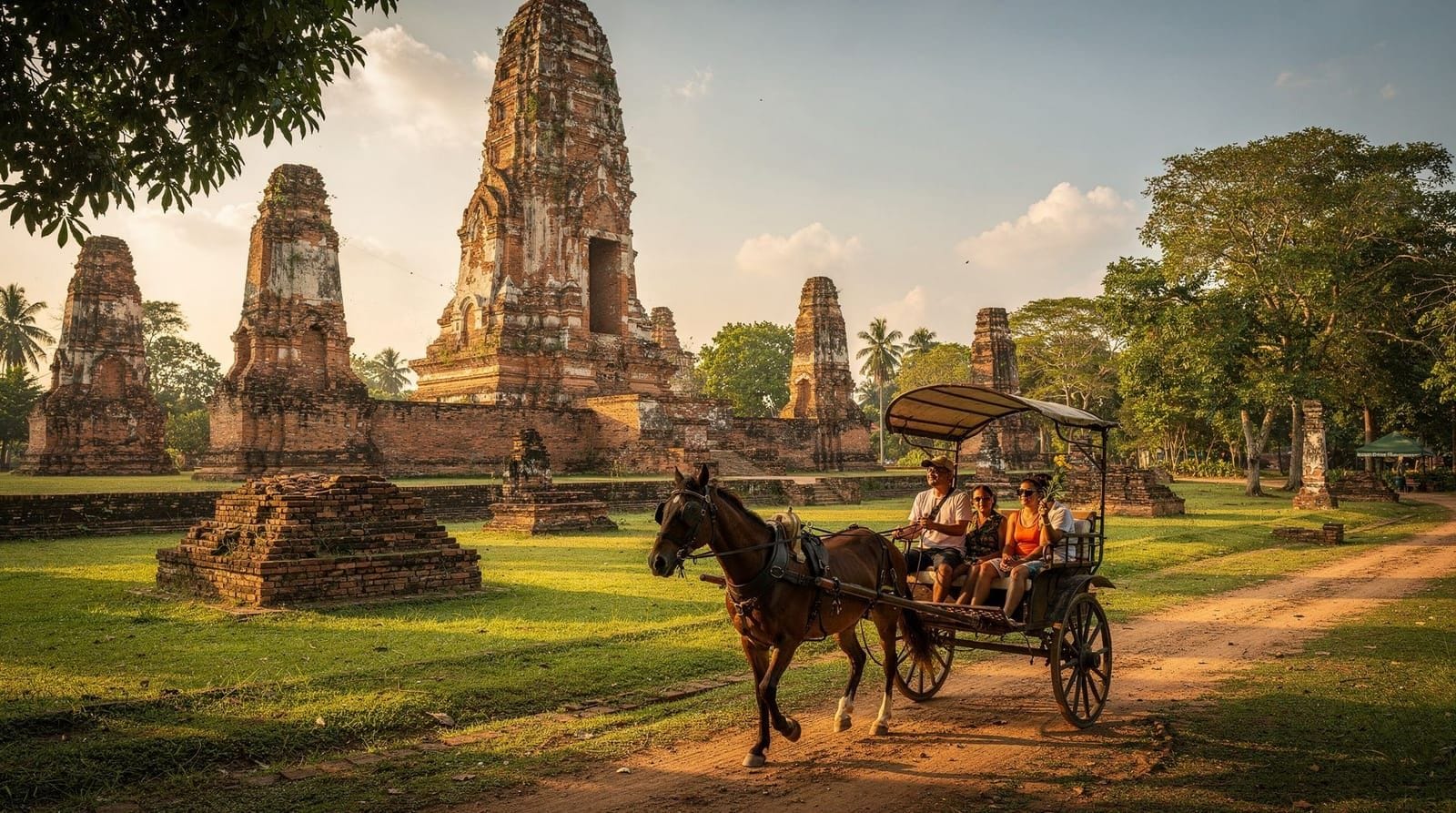
- Wiang Kum Kam — the excavated ruins of Chiang Mai’s predecessor Lanna capital, a quieter historical stop if you want to break up an otherwise activity-heavy day.
A typical full day might pair a morning swim or cliff-jump session at Grand Canyon with an afternoon browse through Baan Tawai’s furniture showrooms, since the two sit close enough together that the drive between them is short. Trying to squeeze in all four Hang Dong stops plus a return to central Chiang Mai in a single day is possible with an early start and your own transport, but rushed — most visitors are better served picking two.
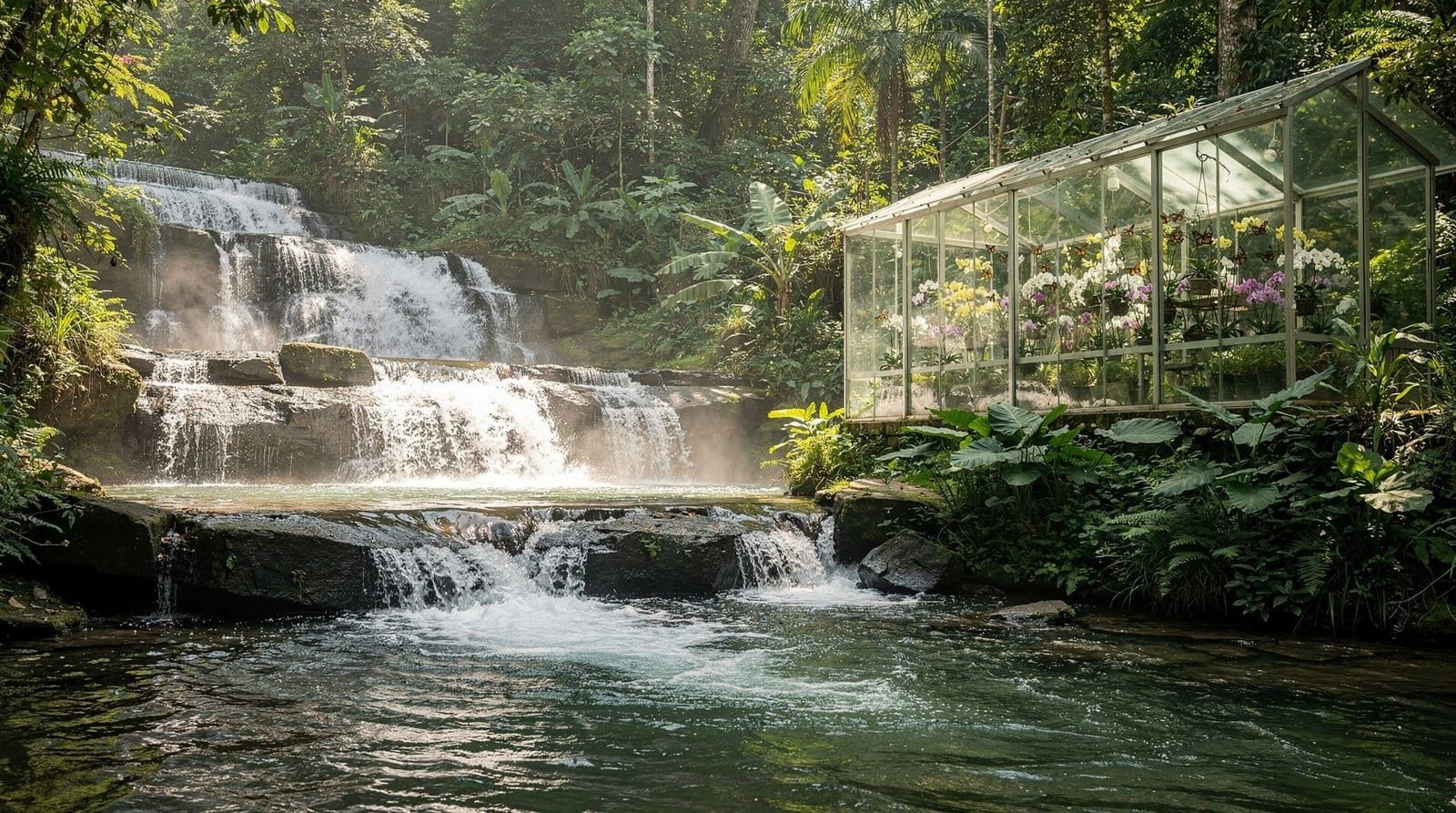
Grand Canyon also gets compared, unfavorably or otherwise, to the district’s other water-based activities up in the Mae Sa valley, where a natural ten-tier waterfall offers a gentler, less commercially built-up alternative to the quarry’s fenced water park. If wildlife is more your interest than swimming, an ethical elephant sanctuary visit in the same general direction out of the city makes a very different, calmer day than an adrenaline-focused Grand Canyon stop. And if you’re building a broader Chiang Mai itinerary around nature and adventure rather than temples, Doi Inthanon national park to the southwest offers waterfalls and cooler mountain air as a full-day counterpart to a half-day at the quarry.
The wakeboard cable park
A separate cable-ski and wakeboard operation runs on part of the same quarry lake, distinct from both the inflatable water park and the open cliff-jumping area. Riders are pulled around a fixed overhead cable circuit rather than behind a boat, a format that’s become popular across Southeast Asia because it’s cheaper to operate and easier for beginners to learn on than traditional boat-towed wakeboarding. Sessions are typically booked in advance directly with the cable park operator rather than bundled into a general Grand Canyon ticket, and beginner instruction is usually available for visitors who haven’t wakeboarded before. If wakeboarding specifically is the draw rather than swimming or cliff jumping, it’s worth confirming the cable park’s own opening hours and pricing separately, since they don’t always align with the water park’s schedule.
Photography at Grand Canyon
The quarry’s cut rock walls and turquoise water photograph well, particularly in the softer light of early morning or late afternoon rather than the flat overhead light of midday. The contrast between the pale limestone cliffs and the water’s color is most vivid on clear days outside the February-April haze window, and shooting from one of the elevated cliff-jumping platforms — even if you don’t plan to jump — can give a more dramatic sense of scale than photos taken from water level inside the fenced water park. Drone photography is popular at the site given the dramatic aerial views the quarry offers, though it’s worth checking current local rules and any posted restrictions before flying, since policies at Thai attractions can change and aren’t always consistently enforced or signed.
Practical tips
- Bring your own towel and a dry bag. Rental towels aren’t always guaranteed to be available, and you’ll want somewhere dry to stash a phone and wallet.
- Wear reef-safe or minimal sunscreen if you’re swimming for hours — the exposed water surface reflects a lot of sun, and sunburn is a common complaint from a full day at the water park.
- Water shoes help on the rocky entry points around the cliff-jumping side, where bare feet on wet stone can be uncomfortable or slippery.
- Check the weather and haze forecast in the February-April window if photography of the cliffs is a priority, since regional burning-season haze can significantly reduce visibility.
- Carry cash. Entry fees, locker rentals, and food stalls at the site are generally cash-based rather than card-friendly.
Frequently asked questions about Grand Canyon Hang Dong
Is Grand Canyon Hang Dong a natural canyon?
No — it’s a flooded former limestone quarry. The steep rock walls and deep water are the result of quarrying that stopped decades ago, after which the excavated pits filled with water.
How much does Grand Canyon Water Park cost?
Entry to the inflatable water park is roughly 450-700 THB (~$12-19), with the exact price depending on the season and whether transfer or equipment rental is bundled into the ticket.
Is cliff jumping at Grand Canyon safe?
It carries real risk if you jump from unmarked spots or misjudge water depth. Sticking strictly to the official, marked, staffed platforms is significantly safer than exploring informal jumping points along the quarry walls.
How do I get to Grand Canyon Hang Dong from central Chiang Mai?
By Grab or car, roughly 30-40 minutes southwest of the Old City. Several water park tickets include optional round-trip hotel pickup if you’d rather not navigate there yourself.
What’s the best season to visit?
March to May (hot season) if swimming is the goal — the heat makes the water genuinely appealing. November to February is cooler and less crowded but the water itself is colder.
Can I combine Grand Canyon with other Hang Dong sights in one day?
Yes — Baan Tawai woodcarving village, Royal Park Rajapruek, and Wiang Kum Kam are all within the same general district, and a car or scooter makes it possible to combine Grand Canyon with one or two of them in a single day.
Is there food available on site?
Only basic snacks and drinks near the entrance — it’s worth eating beforehand or planning a proper meal in Hang Dong town afterward.
Does Grand Canyon get crowded?
Yes, especially on weekends and Thai public holidays, when both the water park and the cliff-jumping platforms see noticeably longer queues than on weekdays.
Top experiences
Bookable activities with verified prices and instant confirmation on GetYourGuide.