Chiang Mai adventure itinerary: 4 days of ziplines, rafting, and Doi Inthanon
Flight of the Gibbon Full Day Chiang Mai Zipline Adventure
Duration: Full day
Chiang Mai’s adventure scene sits almost entirely outside the city itself, spread across river valleys, mountain slopes, and old quarry sites within an hour or two of the Old City. Four days is enough to string together the four biggest categories — ziplines, white water, mountain trekking, and an ethical elephant encounter — without cramming two activities into a single exhausting day, which is the mistake most rushed itineraries make.
Quick answer: spread the big activities one per day — zipline day, rafting day, Doi Inthanon trekking day, elephant sanctuary and waterfall day — and let transfer time between them (30-90 minutes each way) be part of the pacing rather than something to fight against. Budget roughly 2,000-3,500 THB (USD 56-97) per person per day for the paid activity plus transport and meals.
How adventure logistics work around Chiang Mai
Almost every activity in this itinerary is sold as a package that includes round-trip hotel pickup, since the sites themselves — Mae Taeng river, Doi Inthanon National Park, Mae Rim’s canopy parks — sit well outside the city and aren’t practically reachable by songthaew. That means you don’t need to rent a car or scooter for this itinerary; booking each day’s activity through a tour operator handles the transport, guide, and equipment in one price. If you’d rather self-drive, our car and scooter rental guide covers the licensing and insurance realities honestly before you commit.
Pickup times are typically early — 7:30am to 8:30am — since the mountain and river sites get hot and crowded by midday. Build in a proper breakfast before pickup rather than assuming you’ll eat en route.
Day 1: Zipline through the Mae Rim canopy
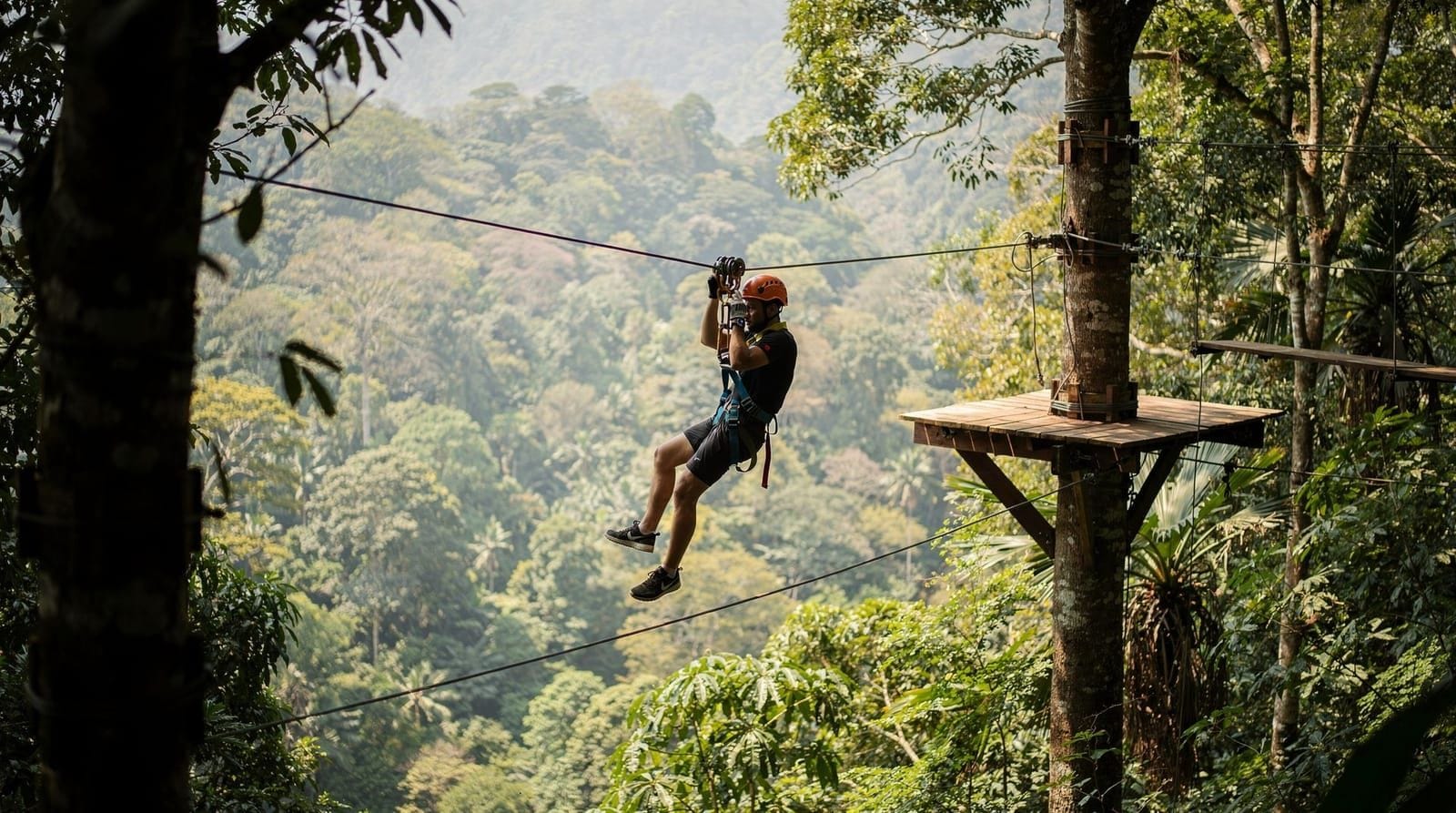
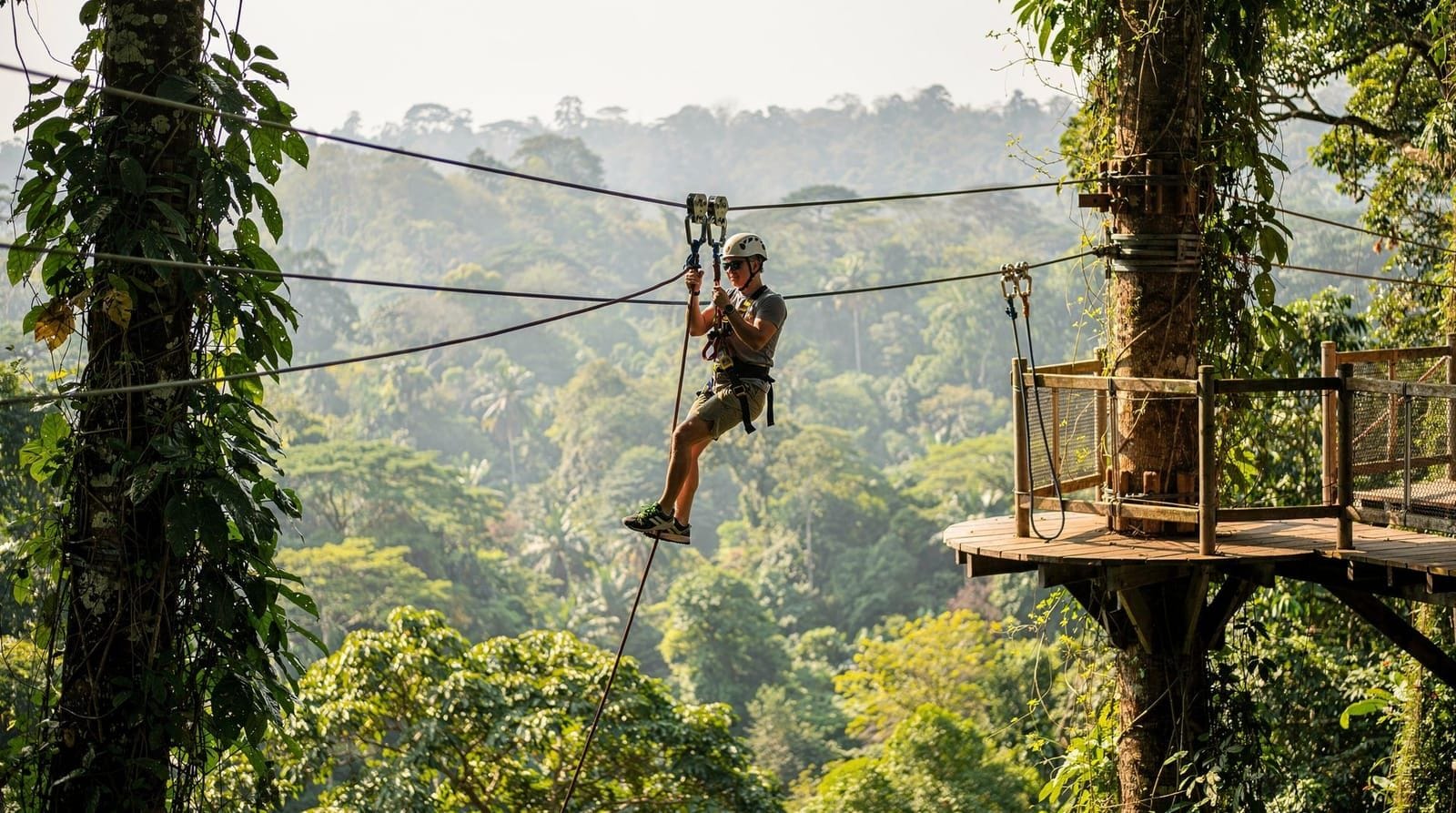
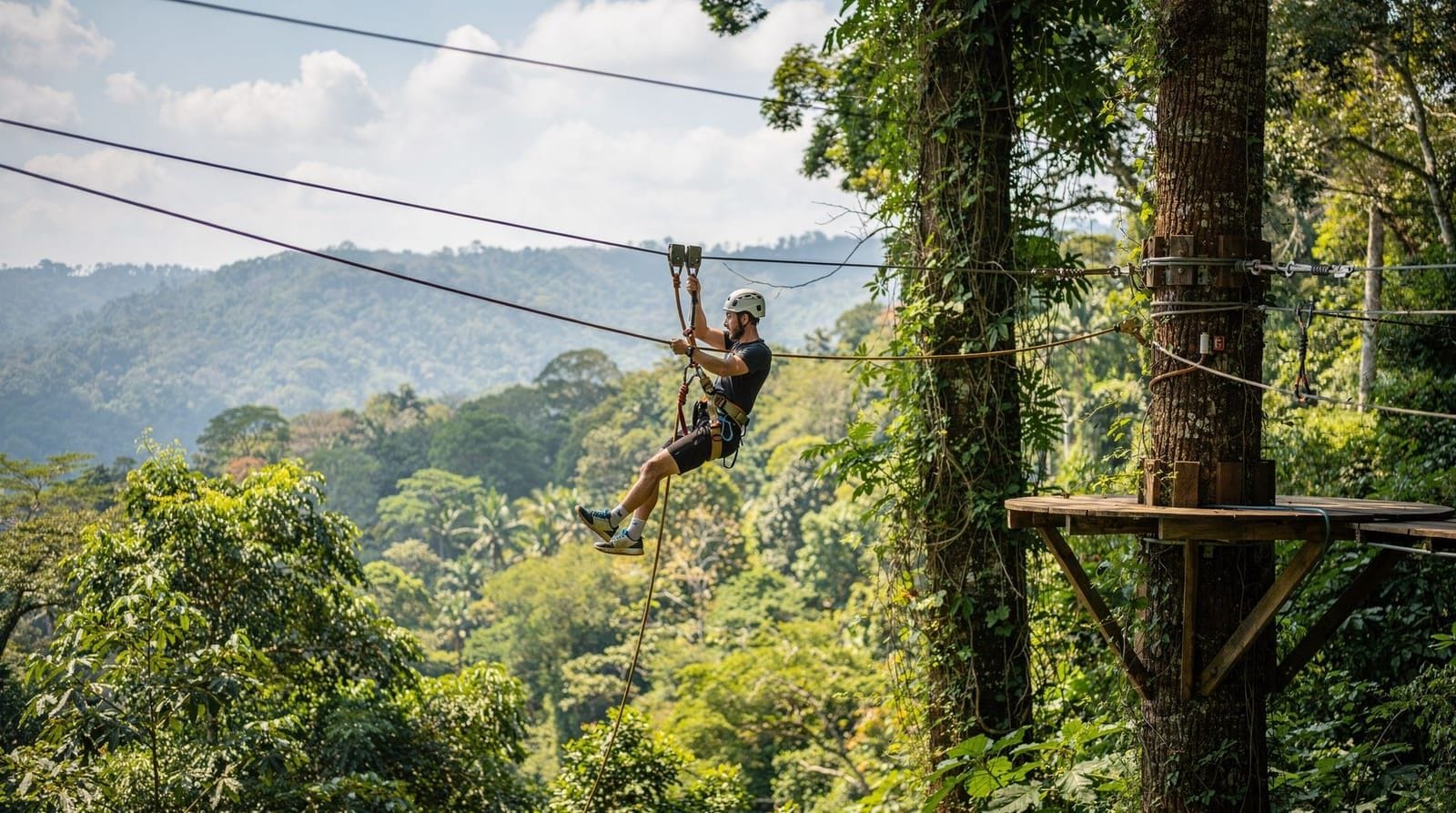
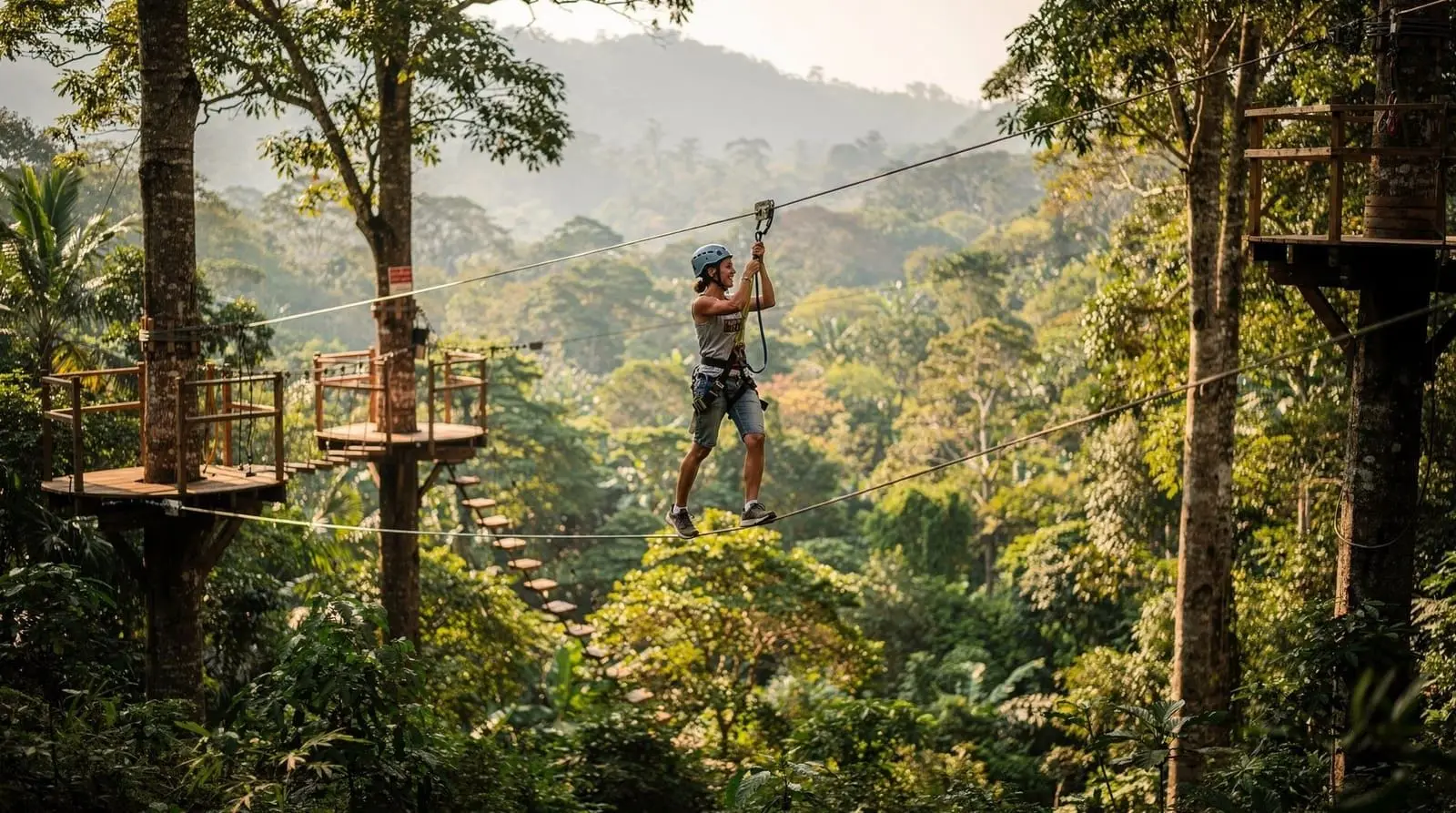
Morning. Start with a full-day zipline circuit through Mae Rim’s forest canopy. Flight of the Gibbon’s full-day zipline adventure runs around 4,000-4,700 THB (USD 111-131) and covers roughly 5,000 meters of zipline across dozens of platforms and a few sky bridges, with round-trip transfer and lunch typically included. It’s the most physically approachable of the four big activities here — no swimming or serious hiking fitness required, just a head for heights. Our zipline guide compares this operator against the smaller, cheaper alternatives if budget matters more than reputation to you.
Afternoon. Most zipline packages run into the early afternoon and include lunch on site, so treat the rest of the day as recovery. If you have energy left, the tour route often passes near Mae Sa Valley’s waterfalls — ask your operator whether a short stop is included, since several packages bundle a brief waterfall visit into the return transfer.
Evening. Head back into the city for an easy dinner — save the bigger nights out for later in the trip when you’re less physically spent.
Day 2: White-water rafting on the Mae Taeng river
Morning. Book a 10-kilometer white-water rafting trip on the Mae Taeng river, priced around 900-1,300 THB (USD 25-36) for a half-day session with a certified guide steering each raft. Water levels — and therefore rapid intensity — vary by season: rapids run biggest and most technical from roughly July through November after the rains, and noticeably calmer (sometimes requiring a shorter alternate route) in the dry season from February through May. Ask your operator about current conditions when booking rather than assuming peak rapids year-round. Our rafting guide covers the seasonal grading in more detail.
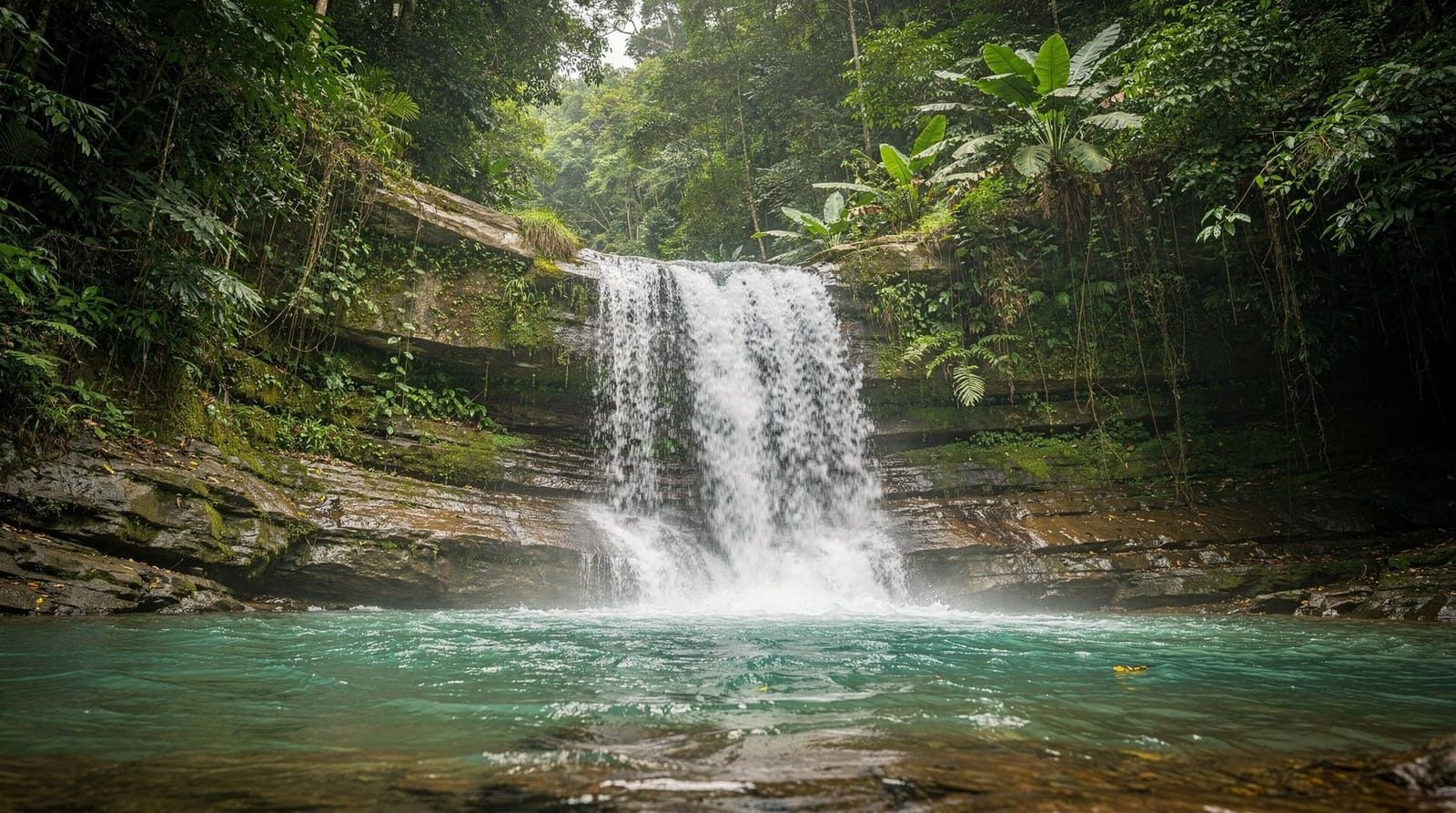
Afternoon. Many rafting operators combine the river trip with a stop at Sticky Waterfalls (Bua Thong), the unusual mineral-deposit falls that you can climb barefoot thanks to the naturally grippy limestone surface — genuinely one of the more distinctive natural sites in the region and free to enter. If your rafting package doesn’t include it, it’s a short add-on stop most drivers can accommodate; our Sticky Waterfalls guide explains how the climbable surface actually works and what to wear.
Evening. A quiet dinner back in the city — two physically demanding days in a row (zipline, then rafting) is a reasonable pace, but don’t add a third heavy activity on top without rest.
Day 3: Doi Inthanon, Thailand’s highest point
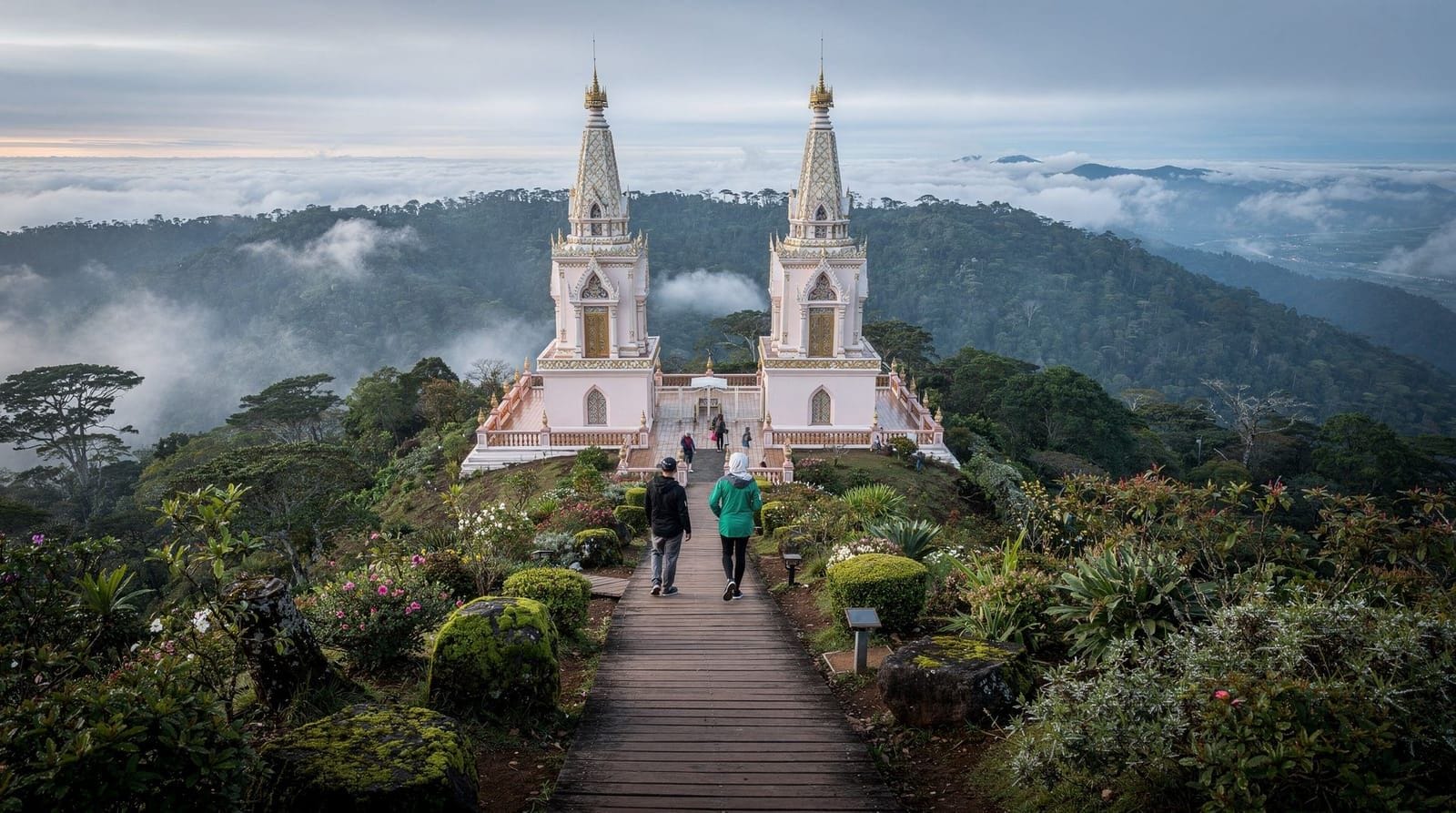
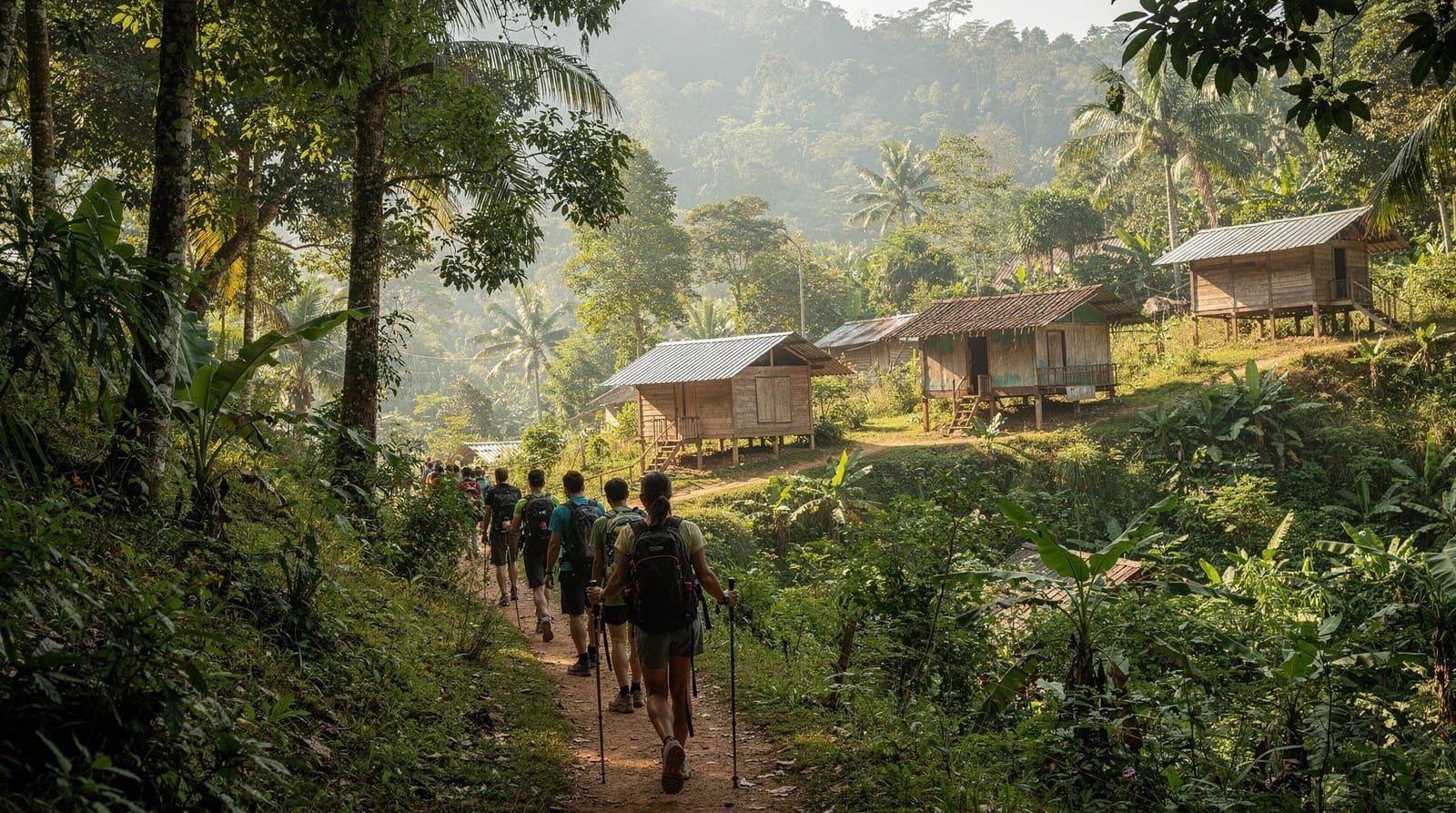
Morning to afternoon. This is a full-day trip to Doi Inthanon National Park, Thailand’s highest peak at 2,565 meters. A private tour combining the summit area with the Kew Mae Pan nature trail runs around 1,800-2,800 THB (USD 50-78) per person depending on group size, and covers the twin royal pagodas (Napamethanidol and Naphaphonphumisiri), the summit boardwalk through cloud-forest moss gardens, and the Kew Mae Pan trail itself — a roughly 3-kilometer loop across open ridgeline with genuinely dramatic views, best done with a required local guide since the trail closes without one. Expect it to be noticeably cooler at altitude — bring a layer even in the hot season, since temperatures at the summit can sit 10-15°C below the valley floor. Our full Doi Inthanon guide covers the park’s other trails and the waterfalls en route if you want to customize further.
Evening. Return transfers typically land back in the city by early evening. Given the altitude and hiking, an easy dinner and early night sets you up better for tomorrow’s elephant sanctuary morning.
Day 4: Ethical elephant sanctuary, waterfall, and bamboo rafting
Morning to afternoon. Close the trip with a combined elephant sanctuary, waterfall, and bamboo rafting day, typically priced 1,600-2,200 THB (USD 44-61) and built around feeding, walking with, and bathing elephants at a sanctuary that doesn’t offer riding — riding camps stress elephants’ spines and are widely discouraged by animal-welfare groups, and our ethical elephant sanctuary destination page explains what to look for when choosing an operator. The combo typically wraps with a calmer bamboo rafting float and a waterfall swim stop, a gentler close to a physically demanding four days.
Late afternoon (optional swap). If cliff jumping appeals more than a gentle raft float, several operators can substitute a stop at Grand Canyon Hang Dong, a flooded former quarry with cliff-jumping platforms and a cable swing — ask when booking, since not every sanctuary package routes past it. Our Grand Canyon Hang Dong guide covers the safety realities honestly, since jumping heights and water depth vary and aren’t always well marked.
Evening. A final dinner in the city — Nimmanhaemin or the Old City both work well for a relaxed last night after four active days.
Fitness level and what to skip if you’re short on time
Doi Inthanon’s Kew Mae Pan trail and the full-day zipline circuit are the two most physically demanding days here; the rafting and elephant sanctuary days are comparatively gentler. If you only have three days rather than four, drop the zipline day first — it’s the most easily substituted with a shorter half-day version elsewhere, while Doi Inthanon and the elephant sanctuary are harder to compress without losing the point of the visit. Our broader adventure overview guide and trekking guide cover other combinations if you want to swap a day for multi-day jungle trekking instead of these single-day activities.
What to pack for each activity
Different days call for different gear, and packing wrong for one can genuinely limit what you get out of the day. For the zipline day, wear closed-toe athletic shoes (sandals are typically not allowed on the platforms) and clothes you don’t mind getting a little dirty from harness contact. For rafting, quick-dry shorts or swimwear under regular clothes works best, along with a change of dry clothes left in the vehicle for afterward — most operators provide a dry bag for phones and valuables, but don’t count on it being fully waterproof. For Doi Inthanon, layer up: a t-shirt is fine at the base, but the summit boardwalk and Kew Mae Pan trail sit at altitude and can be genuinely cool, sometimes requiring a light jacket even in the hot season. For the elephant sanctuary day, wear clothes you’re comfortable getting muddy and wet, since feeding and bathing elephants is a hands-on, splashy activity by design.
Across all four days, sun protection matters more than most travelers expect — reef-safe sunscreen if you’ll be near water, a hat, and sunglasses, since several of these activities run through the middle of the day with limited shade.
Alternatives if the weather doesn’t cooperate
Rain during the wet season (roughly June through October) doesn’t necessarily cancel these activities — ziplining and rafting both continue in light rain, and rafting in particular can be more dramatic with slightly elevated water levels. Heavy storms are the exception; operators will typically reschedule rather than run in genuinely unsafe conditions, and most booking platforms offer free rescheduling for weather cancellations rather than a straight refund, so check the cancellation policy before booking during rainy season specifically. Doi Inthanon’s summit occasionally closes the Kew Mae Pan trail in poor visibility, since the required local guide system is partly a safety measure for exactly that scenario.
Budget summary
Across four days, plan for roughly:
- Zipline day: 4,000-4,700 THB (USD 111-131)
- Rafting + Sticky Waterfalls: 900-1,300 THB (USD 25-36)
- Doi Inthanon private trek: 1,800-2,800 THB (USD 50-78)
- Elephant sanctuary + waterfall + bamboo rafting: 1,600-2,200 THB (USD 44-61)
- Meals and incidentals: 400-700 THB (USD 11-19) per day
Total for the four days, excluding accommodation, typically lands between 9,500 and 13,500 THB (USD 264-375) per person.
Frequently asked questions about this Chiang Mai adventure itinerary
Do I need to be very fit for this itinerary?
Reasonable fitness helps for the Kew Mae Pan trail and a full day of zipline platforms, but none of these activities require advanced athletic ability. Guides set the pace on the rafting and trekking days.
Is white-water rafting safe for beginners?
Yes, when booked with a licensed operator using certified guides and provided life jackets and helmets — no prior rafting experience is required, though swimming ability is generally expected.
What’s the best season for this itinerary?
November through February offers the most comfortable temperatures and the clearest mountain views at Doi Inthanon, though rafting rapids are more dramatic in the rainy season (July-November). Avoid the burning season (roughly February-April) if hazy air quality concerns you — see our burning season guide for details.
Do I need to book these activities in advance?
Yes, particularly the Doi Inthanon private trek and zipline day during the November-February peak season, when popular operators can sell out several days ahead.
Can I do this itinerary without joining an elephant riding camp?
Yes — this itinerary deliberately routes only through sanctuaries that don’t offer riding, in line with current animal-welfare guidance. See our elephant riding guide for the full reasoning.
Is a rental car necessary for any of these days?
No. Every activity here includes round-trip transfer as part of the package price, which is both simpler and often safer than self-driving to trailheads and river put-in points you don’t know.
What should I pack for Doi Inthanon day?
A light jacket or fleece for the summit’s cooler temperatures, comfortable closed-toe shoes for the Kew Mae Pan trail, and a printed permit or booking confirmation, since the trail requires a registered local guide.
Can this itinerary work with kids?
The zipline and rafting days have minimum age and weight requirements that vary by operator — check before booking. The elephant sanctuary day is generally the most family-friendly of the four.
Top experiences
Bookable activities with verified prices and instant confirmation on GetYourGuide.