Grand Canyon Hang Dong guide: cliff jumping and quarry safety
Grand Canyon Water Park Ticket
Is Grand Canyon Hang Dong worth visiting and is it safe?
It's worth a half-day visit for the striking turquoise water and swimming, but the cliff-jumping side carries real risk that photos rarely convey — variable water depth, no lifeguard coverage at most platforms, and jumping injuries that do occur. Entry runs around 300-500 THB ($8.50-$14). Stick to marked platforms, never jump after drinking, and treat it as a swim-and-view stop rather than an extreme-sports destination.
Grand Canyon Hang Dong shows up on Instagram far more often than it appears in honest safety writeups, and that gap is worth addressing directly before diving into logistics. This former stone quarry southwest of Chiang Mai, flooded over decades into a striking turquoise lake, has become one of the region’s most photographed adventure spots — but the cliff-jumping side of the experience carries real risk that the beautiful photos rarely convey. This guide covers what the site actually is, what a visit costs, and the safety realities worth knowing before you jump from anything.
It’s worth being direct about why this guide spends more time on safety than most listings for the site: search results and social media for Grand Canyon Hang Dong lean heavily on dramatic jump photos with minimal context on water depth, supervision, or what happens when something goes wrong. That gap between marketing and reality is exactly the honest-planner angle this guide exists to fill, without discouraging a visit that, done sensibly, is genuinely worthwhile.
What Grand Canyon Hang Dong actually is
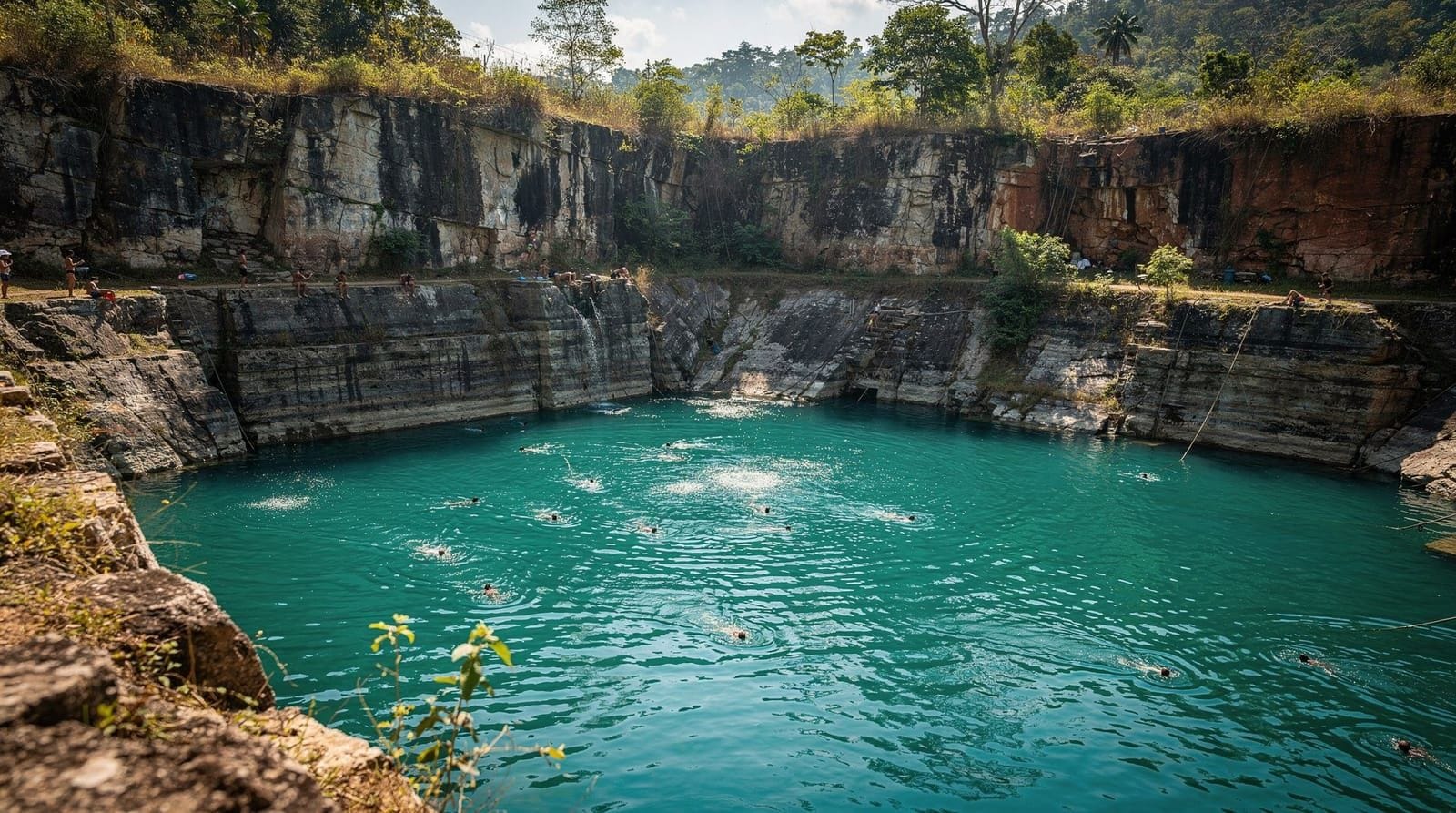
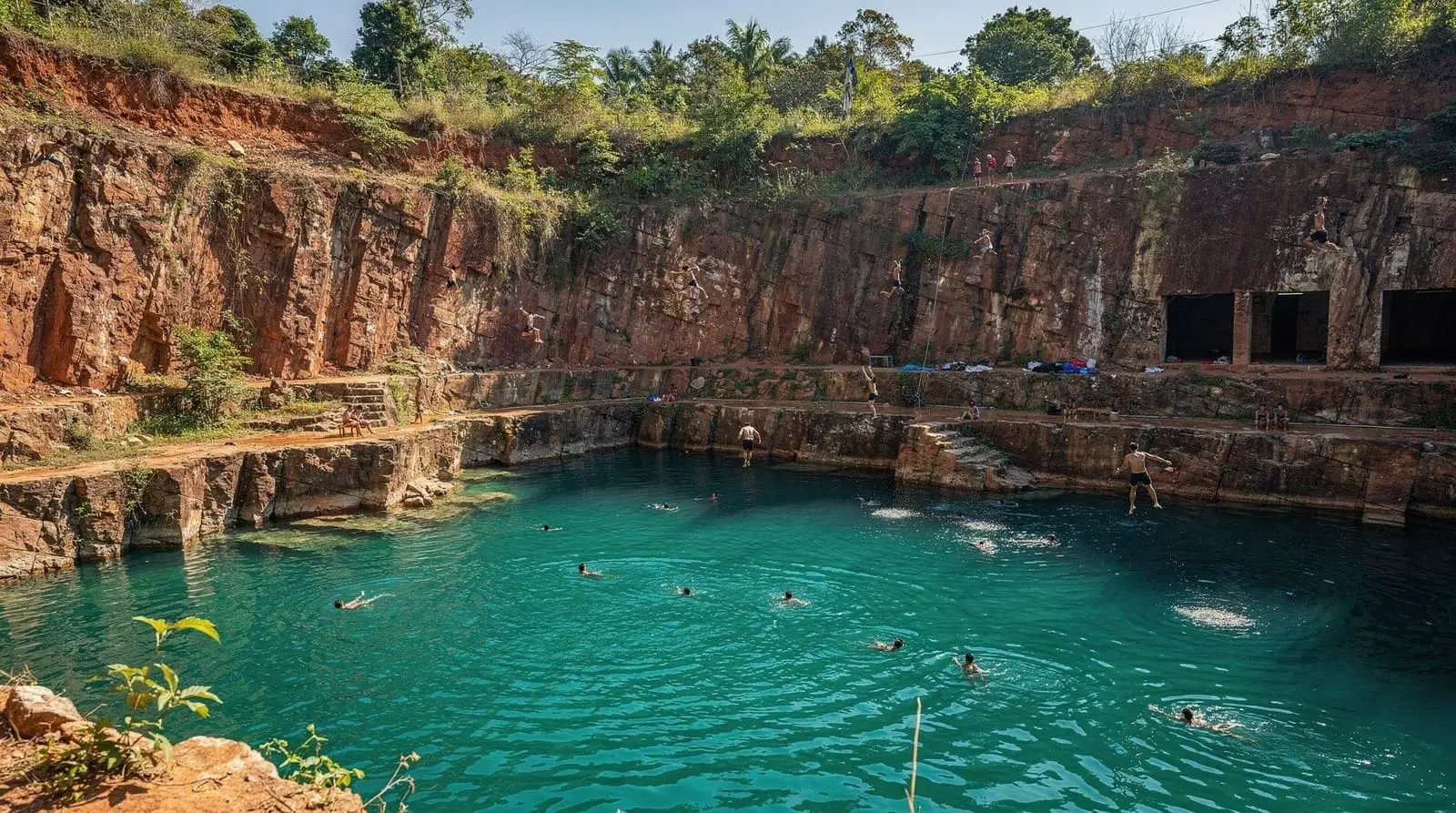
The site is a former limestone quarry in the Hang Dong district, roughly 20-30 minutes southwest of central Chiang Mai, abandoned decades ago and gradually filled by rainwater and groundwater into a deep, sheer-walled lake with a distinctive turquoise-green color from mineral content in the rock. It’s now operated as a semi-formal water park — not a fully modern, purpose-built facility, but a managed site with ticketed entry, marked jumping platforms cut into the quarry walls, kayak and floating-device rental, and a lakeside café area. The name “Grand Canyon” is a local nickname referencing the dramatic rock walls rather than any connection to the actual Grand Canyon; don’t expect anything on that scale, but the setting is genuinely striking for a quarry repurposed this way, and the color of the water genuinely does look close to what most photos show rather than being a heavily filtered exaggeration.
A standard Grand Canyon Water Park entry ticket covers access to the swimming and jumping areas without additional transport included, suited to travelers with their own transport or those staying nearby in Hang Dong.
Cliff-jumping platforms and realistic heights
Marked jumping platforms are cut into the rock at several points around the quarry, ranging from roughly 3 meters at the lowest, most beginner-friendly spots up to around 8-10 meters at the highest points some sections offer. Platform availability and exact heights have shifted somewhat over the years as site management has adjusted which areas remain open to jumpers, so treat any specific height figure as approximate rather than a guaranteed current measurement. Lower platforms are a reasonable introduction for nervous first-timers; the higher jumps are a genuinely serious commitment requiring confidence in both the jump technique and your swimming ability once you surface.
The safety reality behind the photogenic reputation
This is the section most tourist-facing listings skip, and it matters. Water depth across the quarry isn’t uniform — some areas beneath jumping platforms are genuinely deep enough for a safe landing, while depth elsewhere in the lake varies more than casual visitors might assume, and submerged rock or debris is a real if less publicized risk in a former quarry rather than a purpose-engineered pool. Lifeguard coverage is inconsistent across the site and shouldn’t be assumed present and attentive at every platform at all times, particularly during busy weekend crowds. Jumping injuries — from minor to serious — do occur here, most commonly among visitors jumping from unmarked spots, jumping without confirming depth, or jumping after drinking alcohol, which is both a bad idea and, at some points, explicitly against posted site rules.
The honest, protective approach: stick strictly to marked, currently open jumping platforms, watch another visitor safely clear a specific spot before attempting it yourself if you’re unfamiliar with that exact platform, never jump if you’ve been drinking, and treat the site as a swim-and-view destination first, with jumping as an optional add-on rather than the entire point of the visit.
Swimming without jumping
A genuinely large share of visitors come purely to swim in the main lake area and take in the quarry’s striking rock walls and water color without ever approaching a jumping platform — a lower-risk, still worthwhile way to enjoy the site. The swimming area away from the cliffs is generally calmer and better suited to families, weaker swimmers, or anyone who’d simply rather not deal with the jumping crowd, and there’s no social pressure at the site to jump if you’d rather not; plenty of visitors spend a full afternoon here without doing so.
Kayaking and other on-site activities
Kayak and inflatable floating-device rental are available on site for an additional fee beyond base entry, offering a way to explore more of the quarry’s water surface and get closer to the rock walls without swimming the full distance yourself. A lakeside café serves basic Thai food and drinks, adequate for a snack or light lunch rather than a destination-worthy meal, and shaded seating areas give visitors a place to rest between swims — useful given how much of the site itself sits in direct sun for much of the day.
Locker or storage facilities for valuables are limited or inconsistent depending on which part of the site you’re at, so the practical approach most repeat visitors take is bringing only what they’re comfortable leaving unattended on a towel by the water’s edge, or splitting up within a group so someone always has an eye on belongings while others swim.
Tickets, transport and what’s included
A Grand Canyon Water Park ticket with optional hotel pickup adds transport for travelers without their own vehicle, while a ticket bundled with transfers covers the round trip as standard rather than an add-on choice — useful if you’d rather not arrange a Grab ride or rental scooter for what’s a somewhat out-of-the-way location southwest of the city. Base entry alone runs roughly 300-500 THB ($8.50-$14), with transport-inclusive tickets naturally priced higher to reflect the added convenience.
Getting there independently
For visitors with a rental car or scooter, Grand Canyon Hang Dong sits roughly 20-30 minutes southwest of central Chiang Mai via the Hang Dong road, with clear enough signage once you’re in the immediate area, though the approach roads themselves aren’t always obviously marked from the highway. A Grab ride works as a straightforward alternative to self-driving, though confirm your driver has the exact location set correctly, since the site’s name and precise pin location have caused confusion for some ride-hailing drivers unfamiliar with the area.
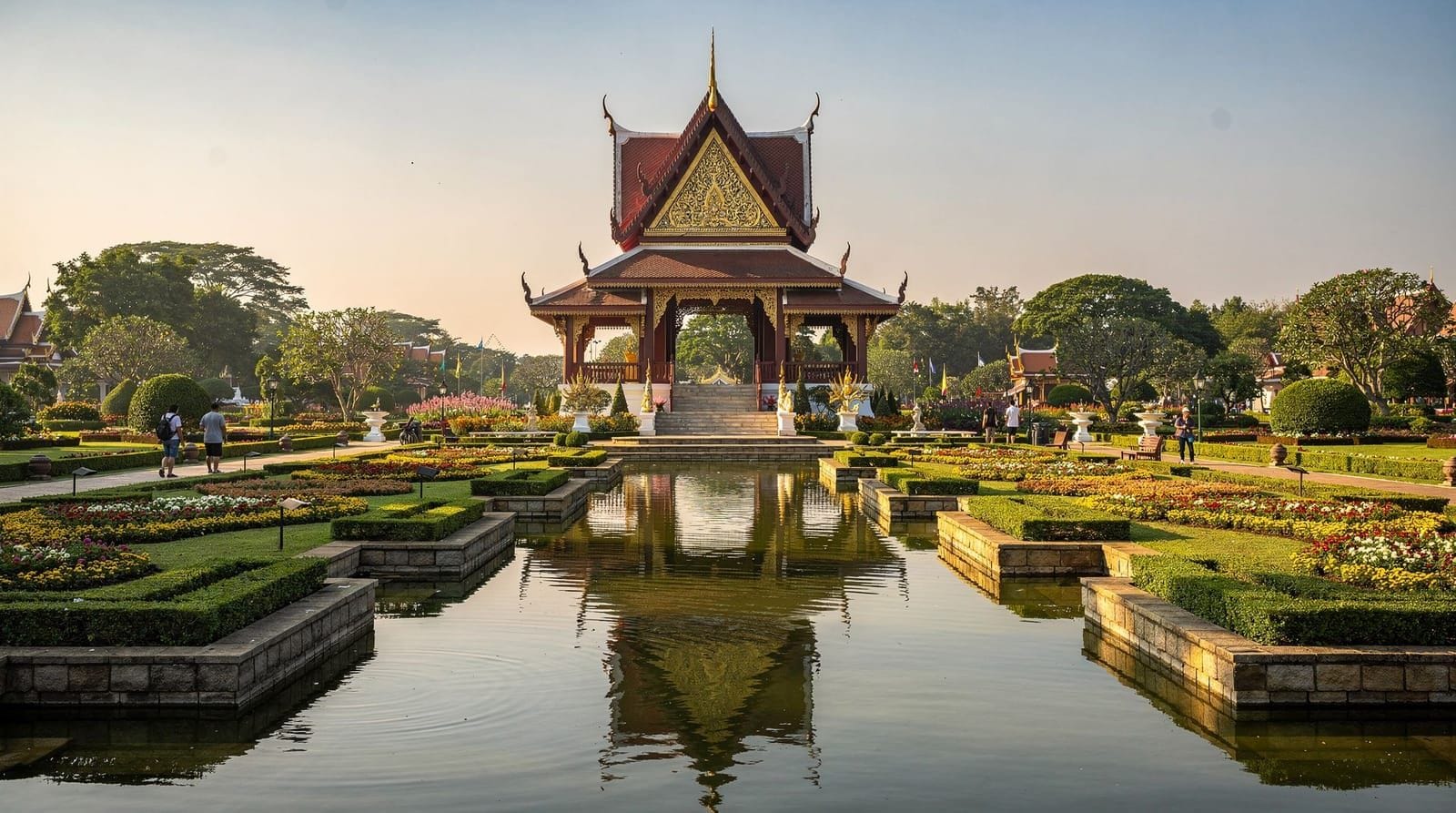
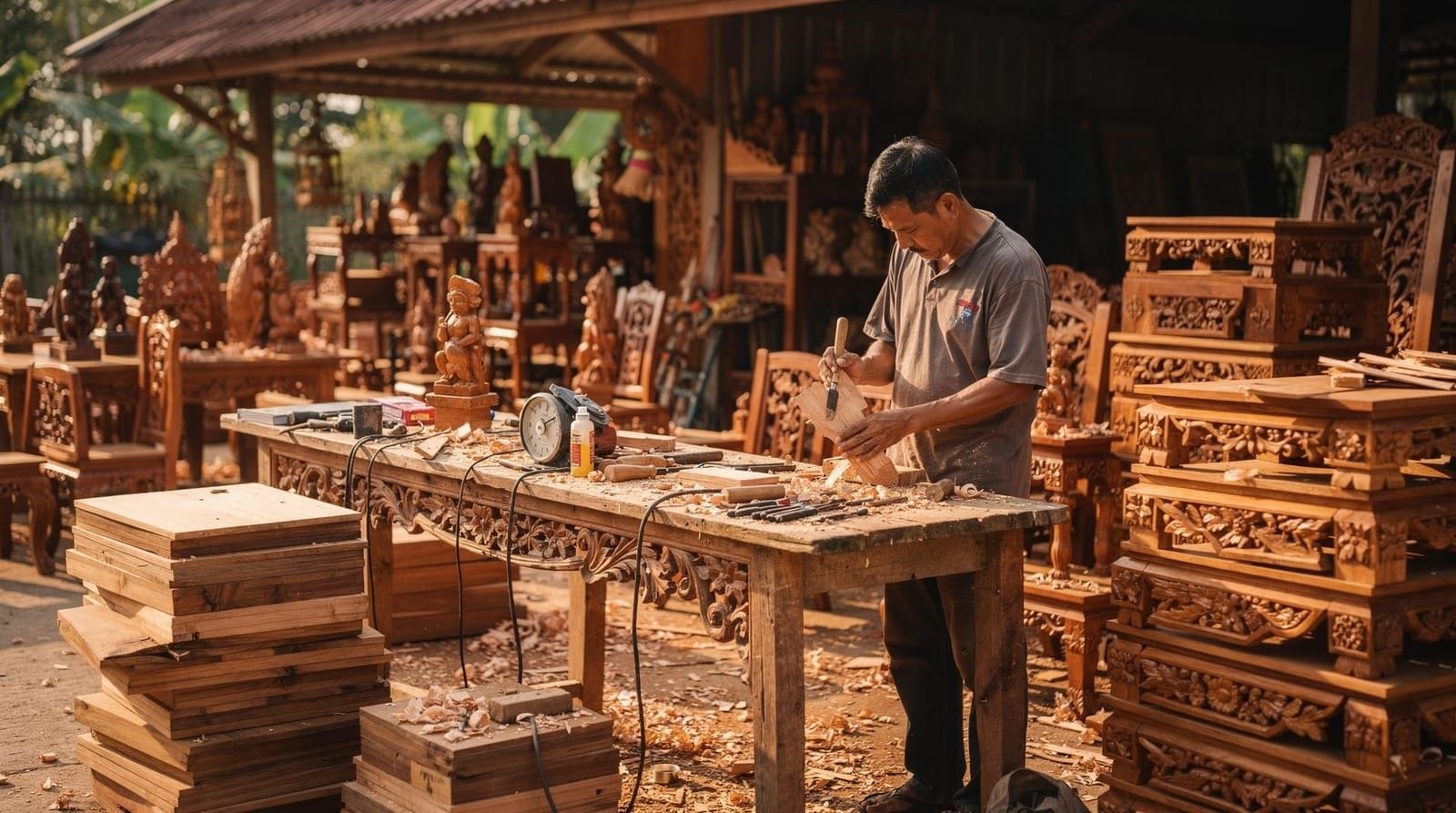
If you’re combining the visit with other stops in the Hang Dong area the same day, Baan Tawai woodcarving village and Royal Park Rajapruek both sit within a similar general direction southwest of the city, making it possible to build a half-day loop covering a swim, some craft shopping and a garden visit without excessive backtracking across the city.
Crowds and timing your visit
Weekends bring noticeably larger crowds, including local university students who treat the site as a popular swimming and social spot rather than purely a tourist attraction — fun for the atmosphere but meaning longer waits at the more popular jumping platforms and a busier overall lakeside area. Weekday mornings are the quietest window, worth prioritizing if you’d rather have more space and shorter waits, particularly if photography without crowds in the background matters to your visit. Arriving shortly after opening also means better light for photos before the sun is directly overhead.
School holidays and Thai public holidays bring an additional spike in domestic visitor numbers on top of the usual weekend pattern, worth avoiding if crowding specifically bothers you, though the site rarely reaches a point of being genuinely unusable even at its busiest — it simply shifts from a quiet, personal experience to a livelier, more social one.
Is Grand Canyon Hang Dong a tourist trap?
It sits in a gray area rather than a clear yes-or-no. The core experience — swimming in a genuinely striking flooded quarry — delivers on what the photos promise, and entry pricing is reasonable rather than inflated. Where it edges toward tourist-trap territory is in how casually some marketing presents the cliff-jumping side, glossing over the safety considerations covered above in favor of dramatic action shots. Visit with realistic expectations about the jumping risk and it’s a legitimate, worthwhile half-day stop rather than a trap; visit assuming it’s a fully supervised, risk-free adventure park and you may be disappointed or, worse, take a jump you shouldn’t have. Our Chiang Mai tourist traps guide covers other spots worth a similarly honest second look.
What to bring for a visit
A swimsuit worn under your clothes, a change of dry clothes for afterward, and water shoes or sandals with a secure strap are worth packing, since the rocky quarry edges and jumping platforms aren’t a soft sandy shore. Sunscreen and a hat matter more here than at some other stops, given how much of the site sits in open, direct sun with limited shade beyond the café area. A waterproof phone case or a dry bag is worth bringing if you want photos without risking your device — most visitors don’t swim with their phone unprotected given the water depth and lack of a shallow, phone-safe wading area near the jumping platforms. Cash is the practical way to pay for entry and any on-site rentals, since card payment isn’t reliably available at a site this informal.
Photography at Grand Canyon Hang Dong
The quarry’s turquoise water and sheer rock walls photograph well from the higher platforms and viewpoints looking down into the lake, particularly in the softer light of early morning before the sun sits directly overhead and flattens the color contrast. Action shots of jumpers are the most commonly shared image from the site, but capturing them well from the water level requires either a willing photographer friend on shore or a waterproof camera setup, since a phone alone rarely captures a jump in focus from the swimmer’s own position. If photography is a priority, arriving early on a weekday avoids both crowds in your frame and the harsher midday light that a busier weekend visit typically means contending with.
Where the quarry sits among Chiang Mai’s other swimming spots
Grand Canyon Hang Dong is one of relatively few genuine swimming destinations directly accessible from Chiang Mai city without a longer drive to a natural lake or river, which is a meaningful part of its appeal beyond the cliff-jumping novelty. Compared to swimming at the Sticky Waterfalls, which offers a gentler, shallower and generally safer wading experience across mineral-coated rock, Grand Canyon Hang Dong is deeper, more dramatic, and carries meaningfully more risk if you’re not a confident swimmer. Visitors torn between the two should weigh a preference for a safer family-friendly wade against a more striking, higher-risk swimming and jumping experience — they’re genuinely different activities despite both involving climbing on rock near water.
A note on the site’s informal management
Unlike a purpose-built commercial water park, Grand Canyon Hang Dong operates with a lighter-touch management structure reflecting its origin as a repurposed industrial quarry rather than a facility designed from the ground up for public swimming. This isn’t inherently a problem — the site has operated this way for years without major incident for the vast majority of visitors — but it does mean the consistent safety infrastructure (lifeguards at every platform, clearly posted depth markings, enforced no-alcohol rules) that a fully regulated water park might guarantee isn’t uniformly present here. Visitors who prefer a more heavily supervised, standardized safety environment should factor this into their expectations rather than assuming a ticketed entry implies the same safety standard as a purpose-built commercial attraction.
None of this is meant to talk you out of visiting — the vast majority of visits pass without incident, and the site remains one of the more distinctive half-day stops near Chiang Mai precisely because it isn’t a sanitized, corporate water park. It simply means treating it with the same self-directed caution you’d apply to any natural or semi-natural swimming spot rather than assuming professional oversight handles the risk for you.
Frequently asked questions about Grand Canyon Hang Dong
What is Grand Canyon Hang Dong exactly?
A former stone quarry southwest of Chiang Mai near Hang Dong that filled with rainwater over decades, creating a striking turquoise lake surrounded by sheer rock walls. It’s now run as a semi-formal water park with marked cliff-jumping platforms, kayak rental and a lakeside café area, popular with tourists and local students alike.
How high are the cliff-jumping platforms?
Platforms range from roughly 3 meters up to around 8-10 meters at the highest points, though exact heights vary by which section of the quarry you’re at and have shifted somewhat over the years as management has adjusted access. Lower platforms suit nervous first-timers; the higher jumps are a genuinely different commitment and not recommended without confidence in both the jump and your swimming ability.
Is Grand Canyon Hang Dong actually safe?
It carries more real risk than its popularity and photogenic reputation suggest. Water depth varies across the quarry and isn’t uniformly deep enough for every platform height, lifeguard coverage is inconsistent across the site, and jumping injuries — including serious ones — do happen, particularly among visitors who jump from unmarked spots or after drinking. Stick to marked jumping platforms and never jump if you haven’t seen someone else safely clear that specific spot first.
How much does it cost to enter Grand Canyon Hang Dong?
Entry typically runs around 300-500 THB ($8.50-$14) for foreign visitors, with some ticket options adding hotel transfer for an additional cost. Kayak and floating-device rental are usually available on site for an extra fee rather than included in the base entry price.
Can you swim without jumping from the cliffs?
Yes — swimming in the main lake area away from the jumping platforms is a normal, lower-risk way to enjoy the site, and plenty of visitors come purely for the swim and the scenery without ever approaching a jump platform. This is a reasonable choice for families or anyone uneasy about the jumping side of the experience.
Is Grand Canyon Hang Dong suitable for children?
The swimming and lakeside areas work fine for families with children under close supervision, but the cliff-jumping platforms are not appropriate for young children given the height, water depth variability and lack of consistent lifeguard coverage. Treat the jumping platforms as an adults-and-teens activity rather than something the whole family does together.
When is the best time to visit Grand Canyon Hang Dong?
Weekday mornings are noticeably quieter than weekends, when local students and larger tourist groups fill the site, sometimes creating long waits at popular jumping platforms. The cool season (November-February) offers comfortable temperatures without the hot season’s intensity, though the swimming itself is enjoyable in any season given Chiang Mai’s generally warm climate.
Top experiences
Bookable activities with verified prices and instant confirmation on GetYourGuide.