White-water rafting near Chiang Mai: Mae Taeng river seasons and grades
Chiang Mai: 10-Kilometer White Water Rafting Adventure
Is white-water rafting near Chiang Mai worth doing, and when?
Yes, for a genuinely fun half-day activity rather than a serious whitewater expedition — most commercial trips run 8-10km on the Mae Taeng river in roughly two to three hours, graded as beginner-to-intermediate. The rainy season (July-October) brings the fullest, most exciting water; the late dry season (March-May) can leave the river too low to run properly, so timing matters more here than most tour listings admit.
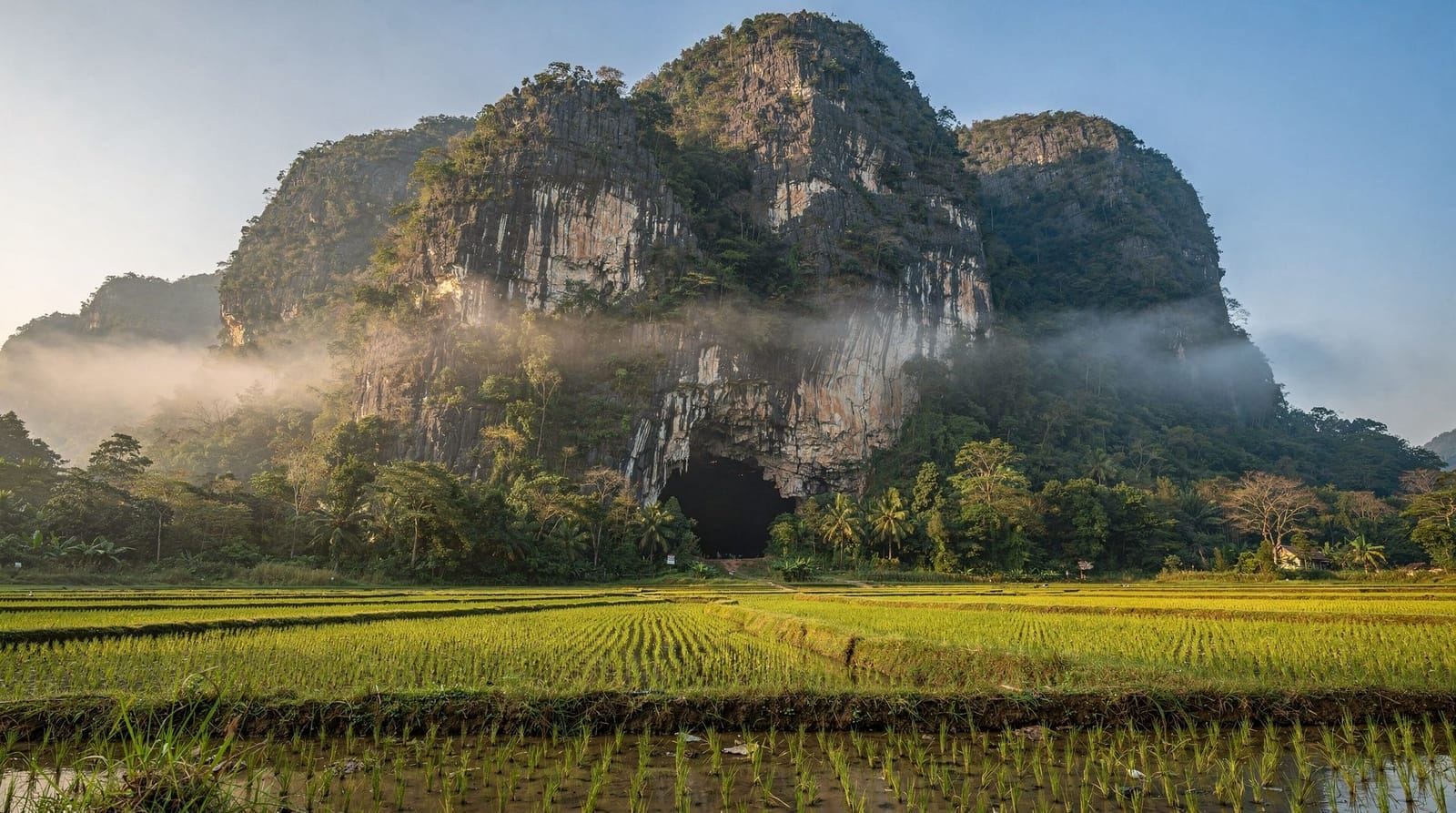
The Mae Taeng river, running through the valley north of Chiang Mai toward Mae Malai, is the region’s main white-water rafting venue and one of the more genuinely thrilling half-day activities available near the city — with a significant caveat that most tour listings gloss over: the actual rapid intensity varies enormously by season, month to month, in a way that can turn an identically priced trip into either a gentle float or a properly exciting ride depending purely on when you go. This guide focuses on that seasonal reality alongside the practical logistics of booking a trip.
It’s worth saying upfront that rafting here isn’t a spectator activity — everyone in the raft paddles, following the guide’s calls, and the experience rewards a willingness to get properly wet and occasionally cold if you’re rafting during a cool-season morning. If a passive river float sounds more appealing than an active paddling trip, this may not be the right activity, and a gentler bamboo rafting trip (covered in our trekking and hill tribes guide) or a scenic longtail boat ride elsewhere might suit better.
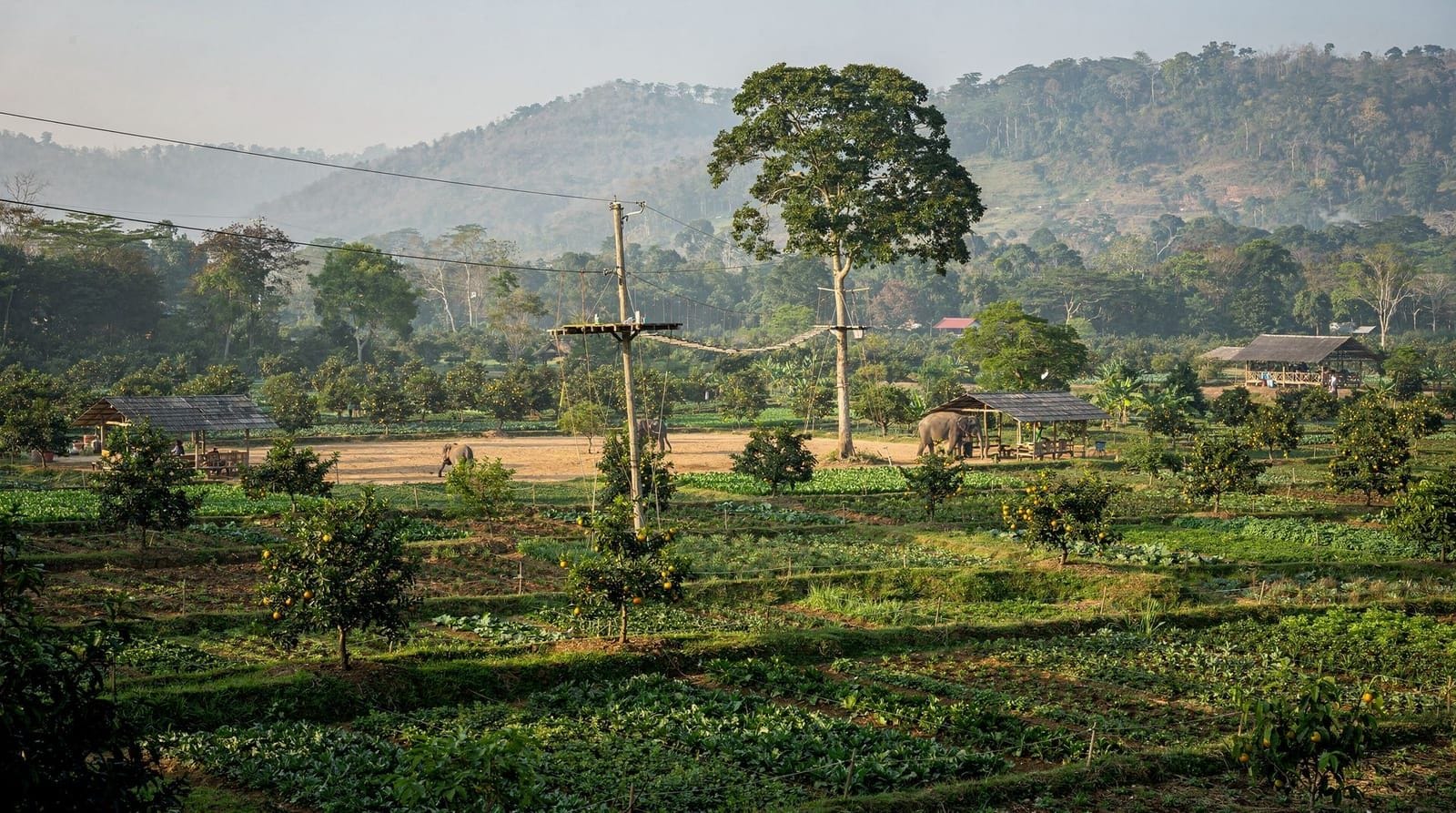
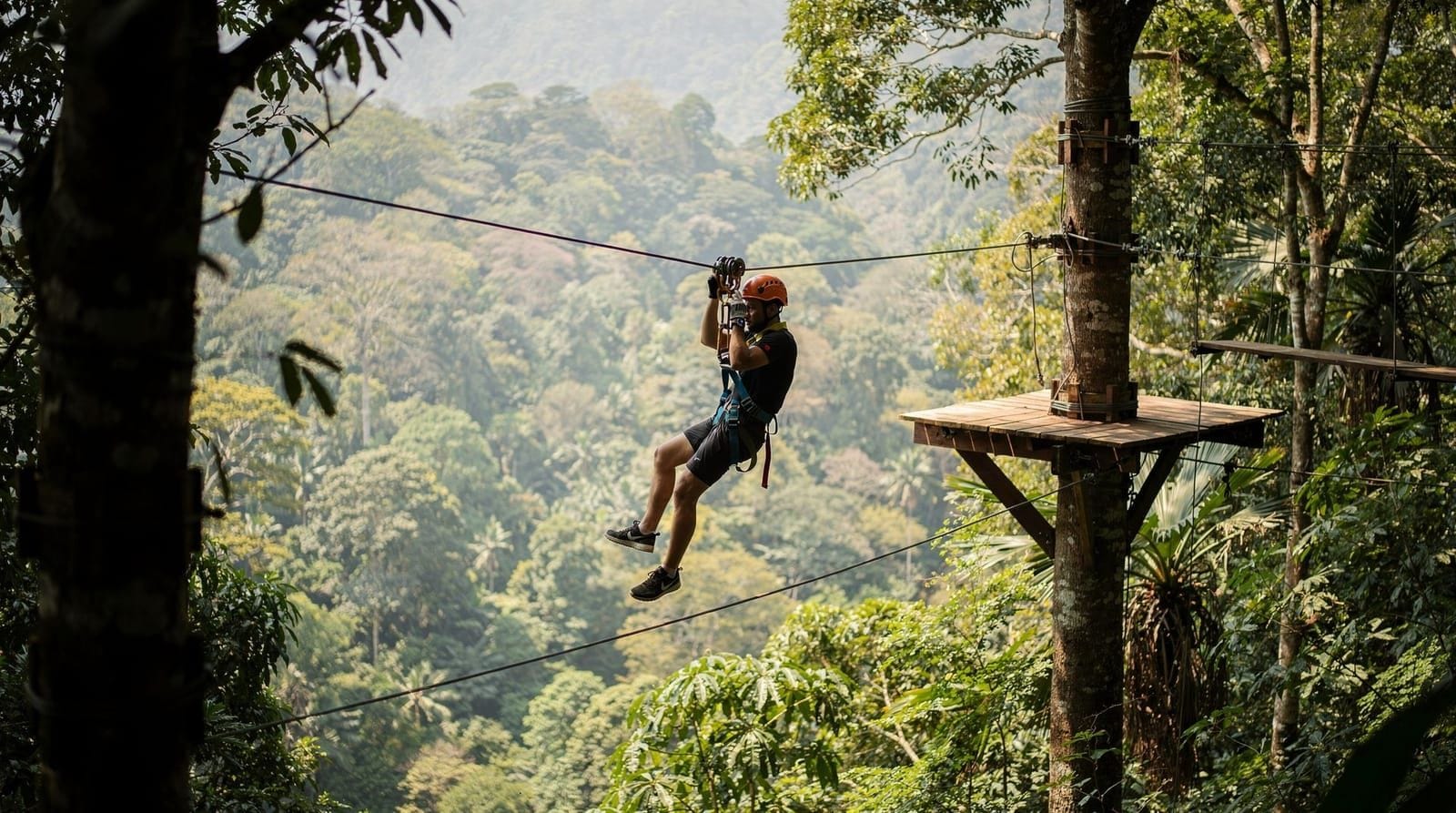
Almost every rafting operator runs out of the same general stretch of the Mae Taeng valley that hosts the region’s ATV and zipline operators, which is why combined-activity packages are so common here.
The river and the standard route
Commercial rafting trips cover roughly 8-10km of the Mae Taeng, taking about two to three hours on the water including a safety briefing beforehand and a short rest stop partway through most itineraries. The route passes through a mix of calmer stretches and clustered rapid sections rather than continuous whitewater, giving paddlers a chance to relax and take in the jungle-lined banks between the more active parts of the run. Guides steer from the back of each raft and call paddle commands, so the experience is genuinely accessible to first-timers rather than requiring rafting-specific skill.
The 10-kilometer white-water rafting adventure is the standard standalone booking for travelers who want the full route without pairing it with another activity.
Rapid grades: what to actually expect
Most commercial Mae Taeng trips are graded in the Class II-III range under normal water conditions — genuinely exciting for first-time rafters, with real rapids rather than a lazy float, but not technical expedition-level whitewater requiring specialized skill. During the peak of the rainy season, high water can occasionally push conditions toward Class III+ on certain sections, which operators typically flag as a more intense trip rather than silently running the same “beginner” itinerary regardless of conditions. Reputable operators will tell you honestly if water levels that day make for a notably rougher or gentler run than average — it’s a fair question to ask directly when booking, especially if traveling with nervous first-timers or, conversely, travelers hoping for more intensity than a calm day might offer.
Rainy season: fuller water, real rapids, real risk
July through October brings the Mae Taeng its highest water levels, producing the most reliably exciting rafting of the year — but also the highest genuine risk if a raft capsizes, given faster currents and higher water volume. Peak monsoon months (July-August) bring the heaviest, most unpredictable downpours, which can occasionally suspend trips altogether for safety reasons on a given day; the tail end of the season (September-October) often strikes the best balance of full water without the very heaviest storm activity. If rafting intensity is your priority, this window is the one to target, but go in with realistic expectations about both excitement and risk rather than assuming “rainy season” automatically means a uniformly good trip every day.
The whitewater rafting and waterfall trekking combination tour pairs the river run with a short trekking segment, a good option if you want rafting alongside a bit of walking rather than committing to a longer ATV combination.
Dry season: lower water, gentler runs, occasional closures
The late dry season, roughly March through May, sees Mae Taeng water levels drop significantly, sometimes low enough that operators reduce trip frequency or pause rafting altogether until levels recover with the first rains. Trips that do run during this window tend to be gentler, closer to Class I-II in practice, which suits nervous first-timers or families with children better than the rainy-season version of the same activity, but disappoints travelers specifically seeking a genuinely thrilling ride. If dry-season timing is unavoidable for your trip, it’s worth calling ahead to confirm the river is running at a level the operator considers worthwhile that week, rather than booking blind based on a generic year-round description.
Combining rafting with ATV riding
Because rafting and ATV operators share the same valley, combined packages pairing a shorter rafting session with an ATV ride through jungle trails are among the most commonly booked full-day adventure packages out of Chiang Mai.
The 3-hour ATV and white-water rafting adventure and the longer ATV adventure, jungle hike and white-water rafting tour both bundle the two activities into a single day, generally at a better combined price than booking each separately. Our ATV and quad biking guide covers the ATV side of these packages in more depth, including trail difficulty and what to wear.
Full-day packages with lunch included
Some operators sell a longer full-day format that adds a proper lunch stop and sometimes an additional stop such as a waterfall or village visit alongside the rafting and ATV components, aimed at travelers who want to fill an entire day around the Mae Taeng valley rather than a tighter half-day booking.
The one-day ATV tour and white-water rafting package with lunch is a reasonable option for this fuller-day format, and the full-day beginner-friendly rafting and ATV package is aimed specifically at first-timers who want a gentler introduction to both activities rather than the most intense version available.
What to wear and bring
Quick-dry clothing works far better than cotton, since you will get wet regardless of the season or rapid grade. Water shoes or old sneakers you don’t mind getting soaked are worth bringing — sandals tend to come off in rapids and bare feet risk injury on riverbed rocks during the rest stop. Sunscreen matters even on overcast days given several hours of direct river exposure with minimal shade, and a change of dry clothes for the return transfer is worth packing in your day bag rather than your main luggage. Leave valuables at your hotel; the dry bags most operators provide reduce but don’t eliminate the risk of losing a phone or wallet to the river.
Cool-season mornings (November-February) can genuinely surprise rafters who packed only for tropical heat — river water and wind chill combine to make the early stretch of a morning trip noticeably cold, even though Chiang Mai’s daytime temperatures feel comfortably warm on land. A light rash guard or quick-dry long-sleeve layer under your life jacket is a small addition that makes a real difference on a cool-season morning trip.
What a typical rafting day looks like
Most half-day trips start with hotel pickup around 8:00-9:00am, followed by a roughly 45-60 minute drive north to the Mae Taeng put-in point, where a safety briefing covers paddle commands, what to do if you’re thrown from the raft, and basic river hazard awareness before life jackets and helmets are fitted. The float itself runs two to three hours, typically with 6-8 people per raft plus a guide steering from the back, alternating calmer paddling stretches with clustered rapid sections and usually one short stop at a riverside rest point partway through. Full-day combination packages extend this with either a morning or afternoon ATV session and a lunch stop, putting most groups back at their hotel by mid-to-late afternoon. Whichever format you choose, expect a genuinely active few hours rather than a passive float — paddling is required throughout, not just during the rapid sections, since guides rely on the group’s paddling to help steer and maintain speed.
Group size and private rafting options
Standard rafting trips run as shared departures with multiple rafts on the water simultaneously, typically 6-8 paddlers per raft, which keeps costs down and adds a social, group-activity feel that many travelers enjoy. Private raft bookings are available from some operators at a price premium, generally worth considering for families wanting more control over pacing, or groups who’d rather not share a raft with strangers. Because guides steer and call commands regardless of raft composition, a private booking doesn’t meaningfully change the safety setup — the main trade-off is cost versus exclusivity rather than any difference in guide attention or equipment quality.
How dam releases and upstream water management affect the river
Unlike a natural, unregulated river, sections of the Mae Taeng’s flow are influenced by upstream water management for irrigation, which means water levels on a given day don’t always track rainfall alone in a simple, predictable way. Operators who run the river daily generally have a good practical sense of which mornings will offer a decent run regardless of the broader seasonal pattern, which is one reason a same-day or next-day check with a local operator is more reliable than trying to predict conditions purely from a seasonal calendar months in advance. This is also why two trips booked a week apart in the same general season can feel noticeably different in intensity — worth setting expectations around rather than assuming rigid month-by-month consistency.
Photography on the river
Bringing your own phone or camera onto the raft is possible with a proper waterproof case, but many rafters choose to leave electronics at the hotel entirely given the genuine risk of losing a device to the river during a rapid section. Some operators offer a guide-shot photo package, capturing images from the riverbank at known rapid points along the route, available for purchase after the trip — a reasonable way to get action shots without risking your own equipment. If documenting the day matters to you, deciding in advance whether to risk your own device or rely on the operator’s package saves a stressful mid-river decision.
How Mae Taeng compares to other rafting destinations in Thailand
The Mae Taeng is a genuinely respectable half-day whitewater destination by Southeast Asian standards, but it’s worth setting realistic expectations against rivers in northern regions with more consistently high water or longer commercial routes. What Mae Taeng offers that some longer, more remote rivers don’t is convenience — a genuine whitewater experience within roughly an hour of a major city, bookable as a half-day activity without an overnight commitment. If you’re specifically chasing the most intense whitewater in the country, other regions may edge it out on paper, but few match Mae Taeng’s combination of accessibility, established operator infrastructure and easy pairing with other Chiang Mai activities in the same trip.
Safety standards and what to check before booking
Life jackets and helmets should be standard equipment on every commercial trip, and a proper safety briefing covering what to do if you fall out of the raft is a reasonable minimum to expect before setting off. Ask about guide-to-raft ratios and whether a safety kayak or support boat accompanies the group — a meaningful marker of a more safety-conscious operator, particularly during higher-water rainy-season conditions. As with other adventure activities in the region, recent reviews mentioning genuine safety concerns are a more reliable signal than a polished booking page, and it’s worth confirming your travel insurance actually covers white-water rafting specifically, since some standard policies exclude it as an “extreme sport” by default.
It’s also reasonable to ask an operator directly how they handle a raft flip or a paddler falling out, rather than assuming it never happens — a confident, specific answer describing rescue procedure and support-boat positioning is a better sign than a vague reassurance that “it’s completely safe.” Operators who run the river daily and take the question seriously tend to be the ones worth booking.
Booking ahead vs same-day
Standalone rafting trips generally have enough daily capacity across multiple operators that same-day or next-day booking through a hotel tour desk works fine outside peak cool-season weekends. Combined ATV-and-rafting full-day packages are slightly more worth booking a day or two ahead, simply because they involve coordinating two activities and transfer logistics rather than a single float, and popular combination slots can fill up faster than standalone rafting departures. If your schedule has only one flexible day for this activity, checking availability a few days out removes the risk of arriving to find your preferred package already full for that date.
Frequently asked questions about white-water rafting near Chiang Mai
How difficult is the rafting on the Mae Taeng river?
Most commercial trips are graded roughly Class II-III, occasionally touching Class III+ during high water in the rainy season — genuinely exciting for first-timers but not technical expedition-grade whitewater. Guides sit at the back of each raft steering and calling paddle instructions, so no prior rafting experience is needed.
What’s the best time of year for rafting near Chiang Mai?
The tail end of the rainy season, roughly September-October, often gives the best balance of full water levels without the very heaviest downpours of peak monsoon (July-August). The late dry season (March-May) can leave the river too shallow for a satisfying run, occasionally forcing operators to pause trips altogether until water levels recover.
Will I definitely get wet and can I bring my phone?
Yes, you will get wet, often thoroughly soaked depending on the rapids that day. Most operators offer a dry bag or waterproof pouch for phones and small valuables, but it’s safer to leave anything you can’t afford to lose at your hotel rather than trusting a rental dry bag completely.
Do I need to know how to swim?
Basic swimming ability is generally required or strongly recommended by operators, since life jackets are provided but rafts can and occasionally do flip on rapids. If you’re a weak or non-swimmer, mention this to the operator before booking — some can accommodate with extra guide attention, but it’s a genuine safety consideration rather than a formality.
Can rafting be combined with ATV or ziplining in one day?
Yes — several operators in the Mae Taeng valley run combined packages pairing a shorter rafting session with ATV riding or a waterfall stop, since all three activities share the same river-valley geography. This is often better value than booking two separate half-day tours with separate transfers.
Is rafting suitable for children?
Most operators set a minimum age, commonly around 8-10 years old, and require an accompanying adult per child regardless of age. Softer, lower-water sections exist on some itineraries specifically marketed as family-friendly, but check with the operator directly if traveling with young children, since rapid intensity varies significantly by season.
How much does a rafting trip cost near Chiang Mai?
Standalone half-day rafting trips run roughly 1,000-1,500 THB ($29-$43), while combined ATV-and-rafting full-day packages run 1,800-2,800 THB ($51-$80). Prices typically include hotel transfer, life jacket and helmet rental, and a guide; lunch is included on some full-day combination packages but not always on shorter standalone trips.
Top experiences
Bookable activities with verified prices and instant confirmation on GetYourGuide.

Chiang Mai: 10-Kilometer White Water Rafting Adventure

Chiang Mai: Whitewater Rafting and Waterfall Trekking Tour
Chiang Mai 3-Hour ATV & White-Water Rafting Adventure
Chiang Mai: ATV Adventure, Jungle Hike & White Water Rafting
Chiang Mai: One Day ATV Tour & WhiteWater Rafting with Lunch