How we chose an ethical elephant sanctuary in Chiang Mai
We spent longer choosing an elephant sanctuary than we spent on any other single booking for this trip — more than we spent picking flights, more than we spent picking a hotel. That wasn’t overcaution for its own sake. The gap between an “ethical elephant sanctuary” as marketed and what actually happens on the ground in the hills around Chiang Mai can be enormous, and a lot of operators have learned to use the right words on their listing pages without changing much about their actual practices.
Why we didn’t just book the top-rated option
The obvious shortcut — sort by rating, book the top result — doesn’t work cleanly here, because a lot of camps that still offer riding or bathing-on-cue have picked up the word “sanctuary” in their name and market imagery without meaningfully changing their model. A high star rating tells you guests enjoyed themselves; it doesn’t tell you whether the elephants were ridden, whether they were chained between shows, or whether “rescue” is doing any real work in the marketing copy. Our own ethical sanctuary guide exists specifically because this gap between labeling and practice is so wide and so common across the region, not just around Chiang Mai.
So instead of sorting by rating, we built a shortlist using a specific set of questions, then cross-checked each candidate against them one at a time.
The questions that actually separated the real sanctuaries from the relabeled camps
First: does the tour description mention riding, saddle photos, or bathing the elephants on cue as an activity? Any “yes” here was an automatic no, full stop — genuine ethical sanctuaries don’t ride elephants, because riding puts sustained, damaging weight on an elephant’s spine, and they don’t stage bathing as a photo-op activity, because forcing an animal into water on a schedule for guest entertainment isn’t meaningfully different from performing tricks. Our why avoid elephant riding piece goes into the specific physical harm involved if you want the full case rather than the summary.
Second: how are the elephants actually described — as “rescued,” and if so, from what, specifically? Vague language (“our elephants are happy and free”) without any actual rescue history or current living situation detail was a soft red flag on its own, and a hard red flag when combined with any mention of performance or riding elsewhere in the listing.
Third: what’s the guest-to-elephant ratio and group size? Camps cramming twenty-plus guests around two or three elephants for a feeding photo-op felt closer to a zoo exhibit than a sanctuary visit, regardless of what the marketing called it. We looked specifically for smaller group caps and enough elephants that no single animal was fielding constant attention from a large rotating group all day.
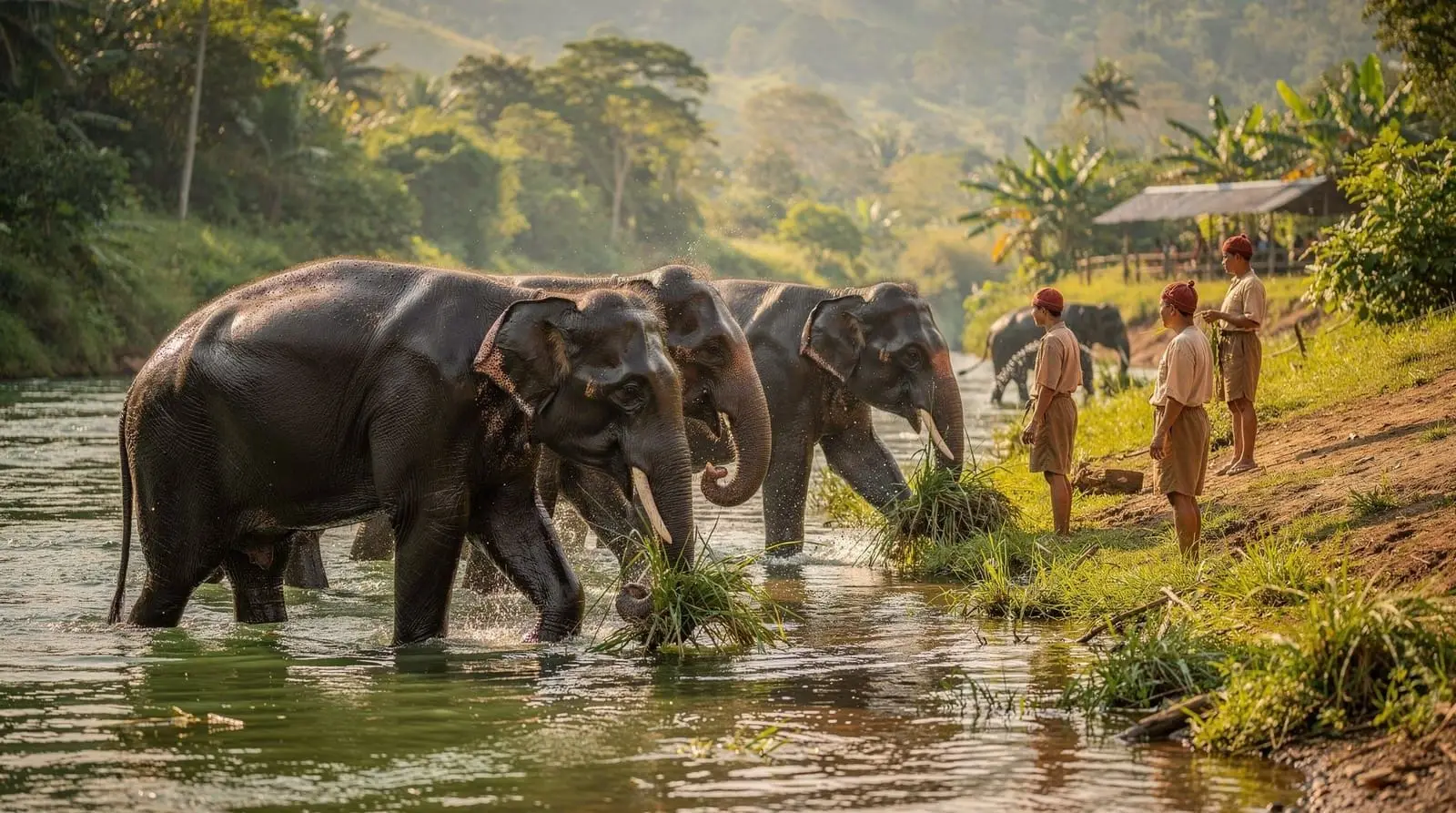
Fourth: is there a hands-off option, and is walking alongside — rather than mounting — the actual physical interaction described? The best listings we found described observing, feeding by hand from a safe distance, and walking through the grounds alongside the elephants at their own pace, not riding or forced proximity.
What we ruled out, and why
We eliminated several well-reviewed listings purely on language: two used “elephant riding available” as a listed inclusion despite otherwise sanctuary-style marketing, and one described a “bathing show” as a headline activity, which told us everything necessary about how that operation actually treats its animals day to day, regardless of how many four- and five-star reviews it had accumulated. None of that took special insider knowledge — it took reading each listing’s activity list slowly and specifically, rather than skimming the star rating and photos.
We also ruled out a few genuinely well-intentioned smaller operations simply on logistics — no fixed pickup schedule, unclear cancellation policy, or reviews mentioning long unexplained waits — not because their ethics were in question, but because for a single-day visit on a fixed trip schedule, reliability mattered too.
What we ended up booking
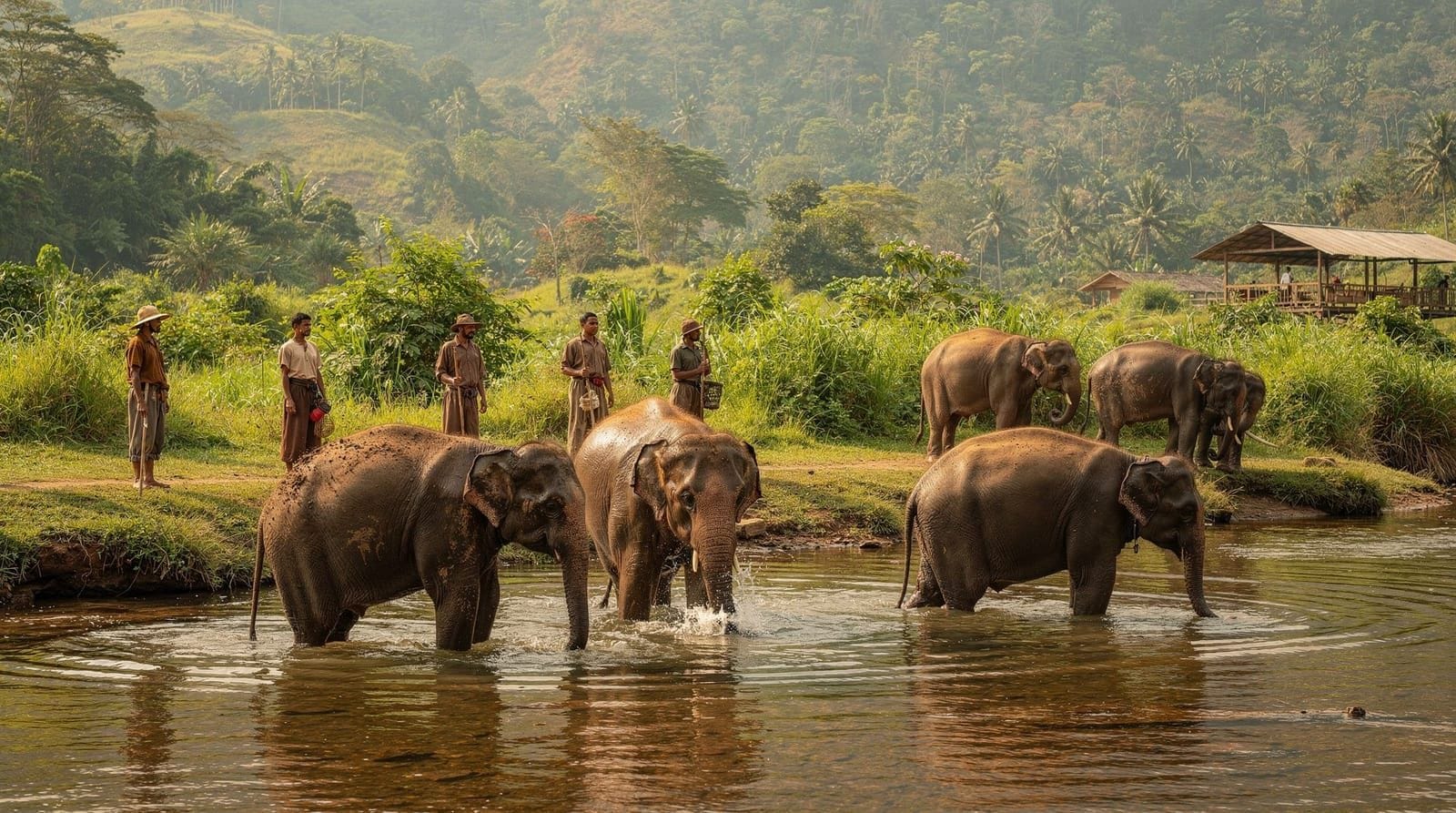
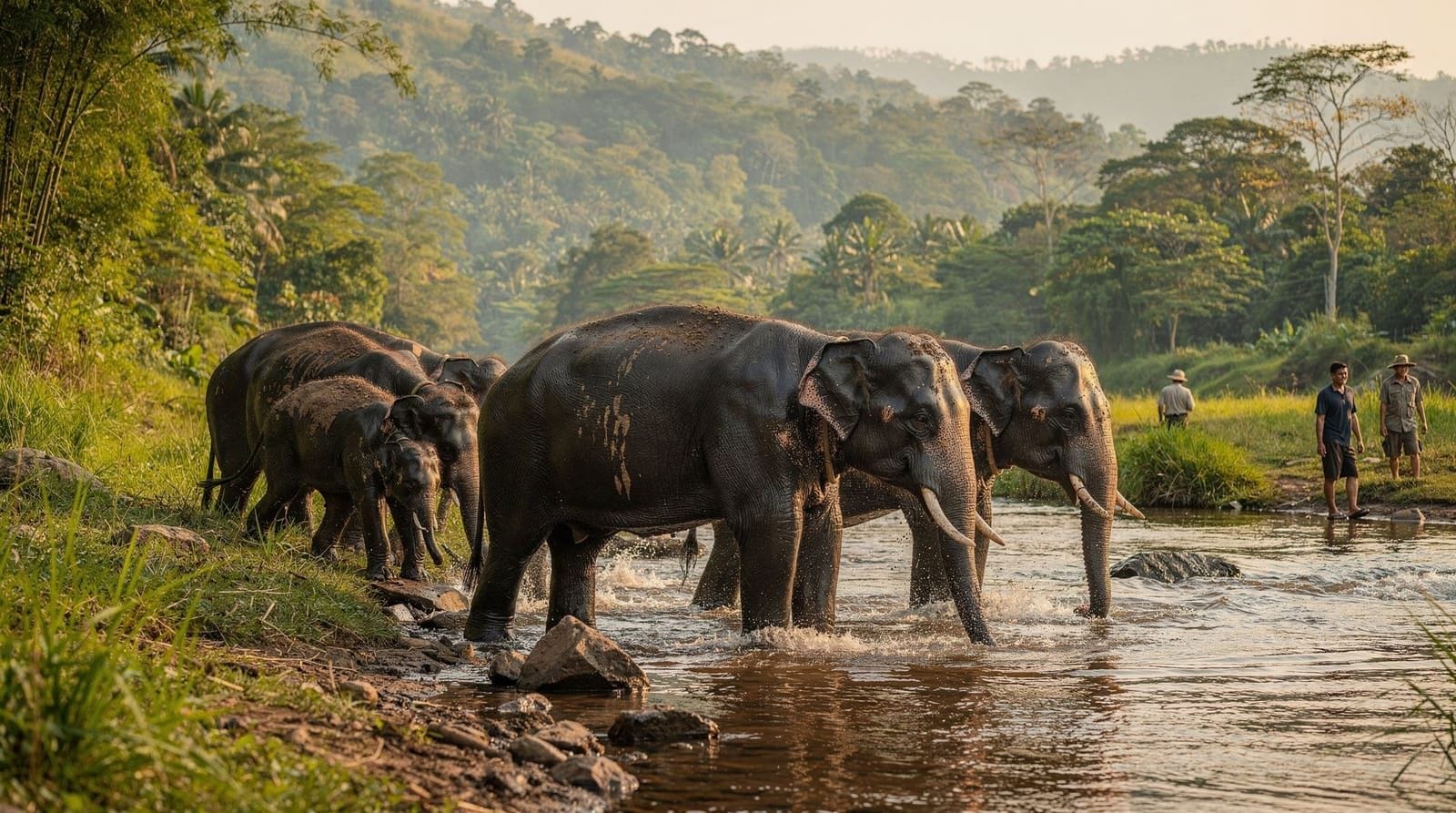
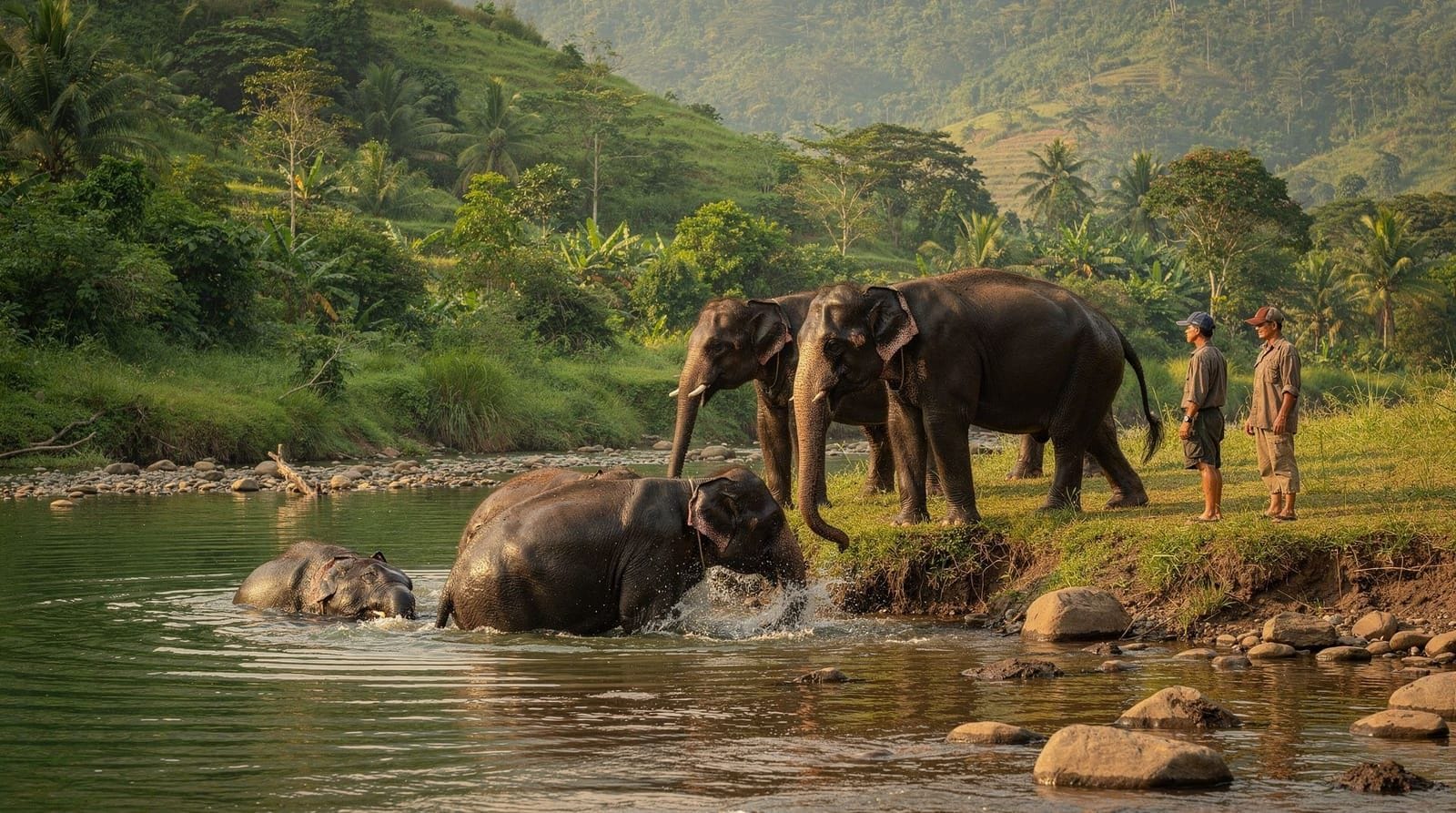
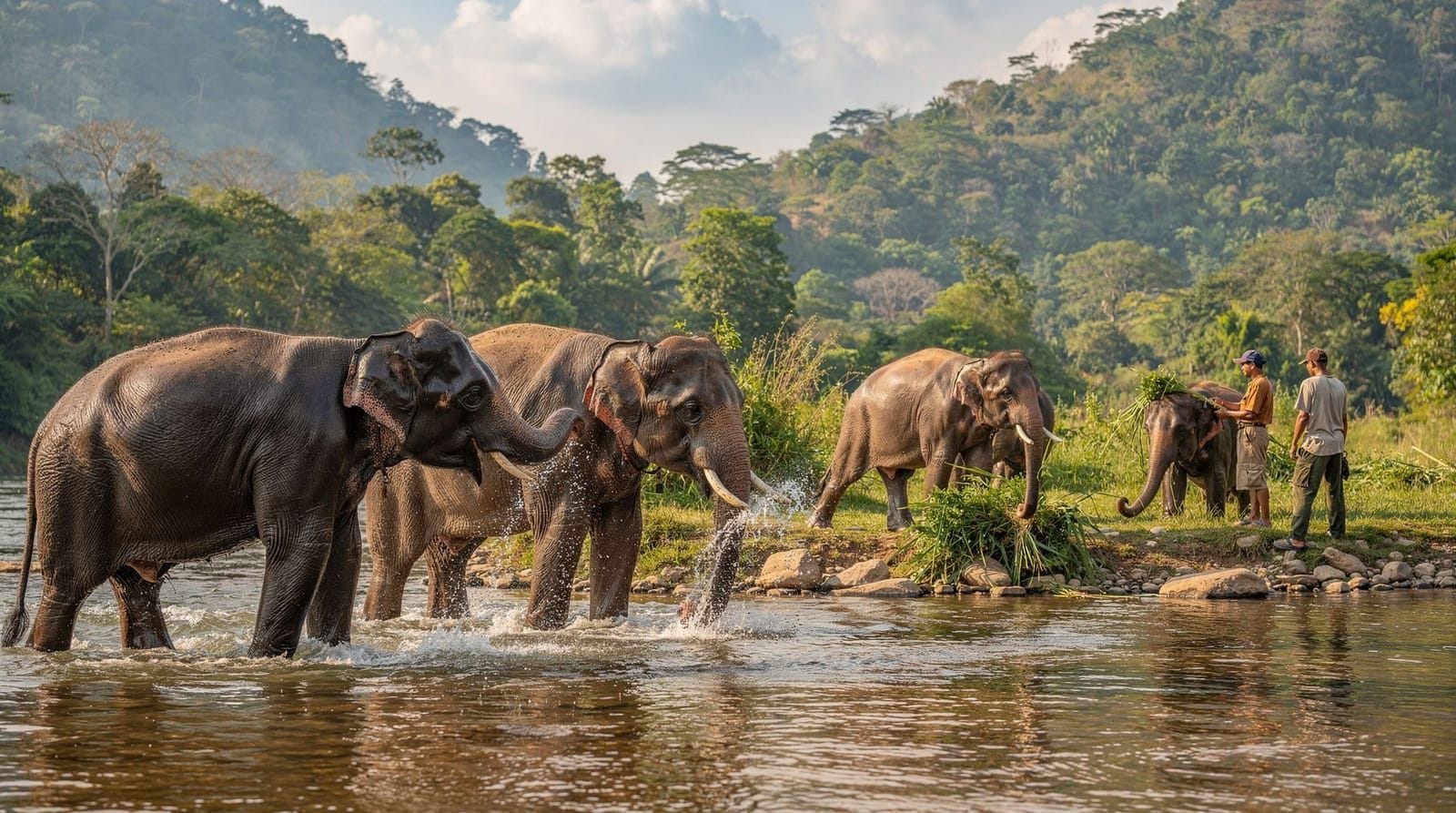
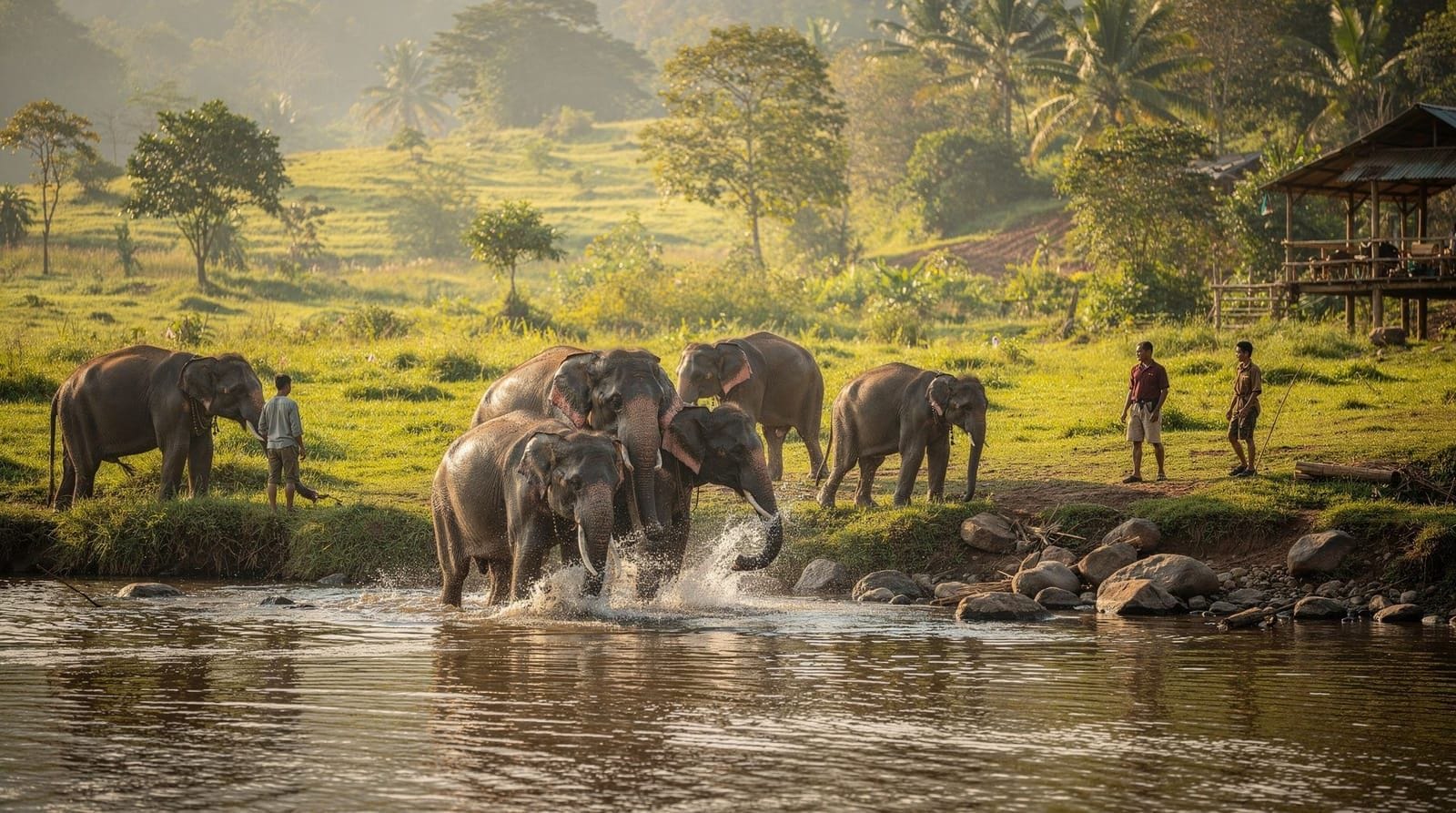
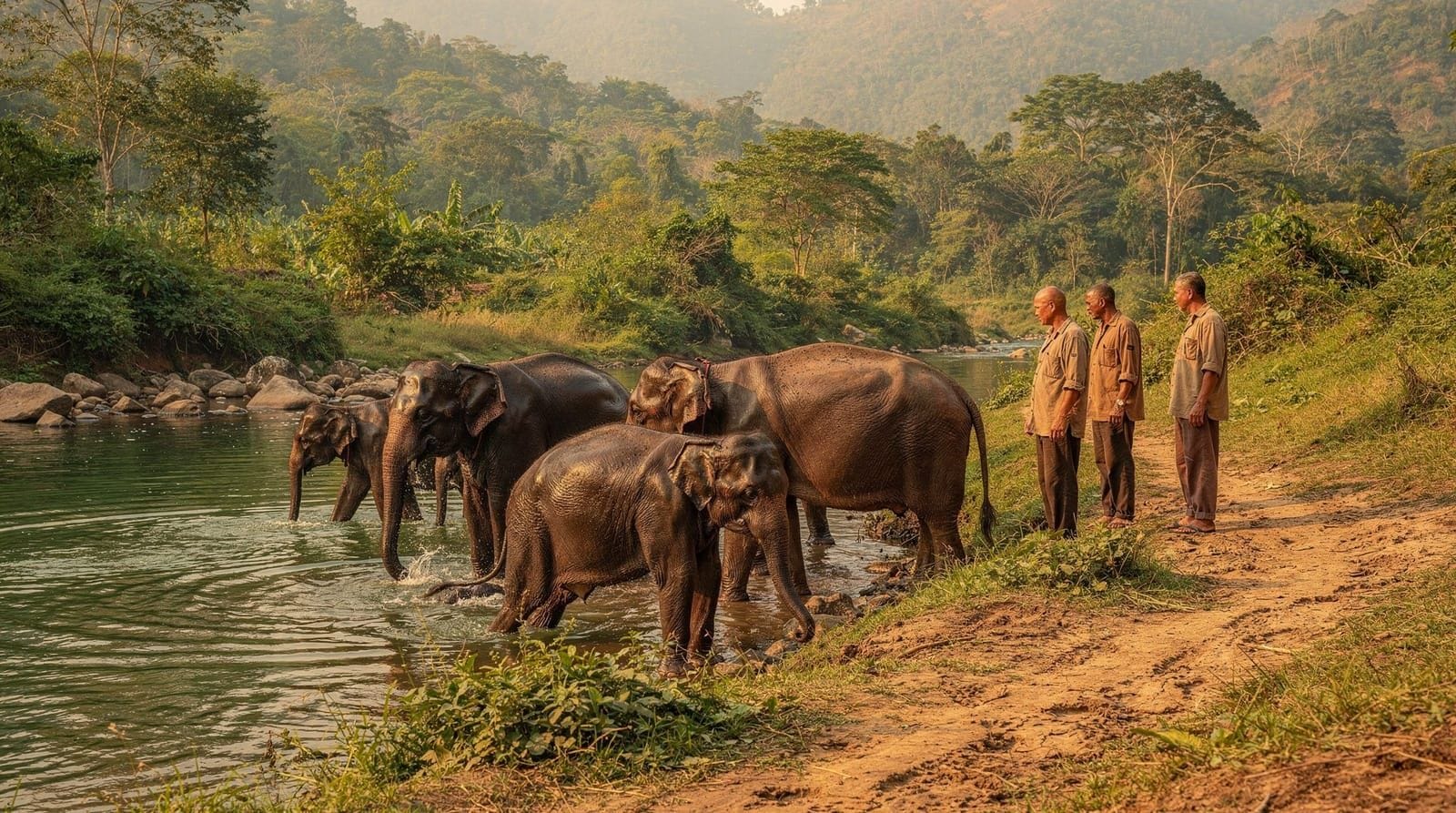
We landed on a half-day, small-group, no-riding, hands-off-by-default program in the Mae Rim valley, with a guest cap low enough that our group spent real time with each elephant rather than rotating through a crowd. Feeding was by hand at a comfortable distance, walking was alongside rather than atop, and there was no bathing-on-cue component built into the schedule — a genuinely different guest experience from anything we’d have gotten at a camp still offering rides.
Chiang Mai: Small Group Ethical Elephant Sanctuary TourDeciding between a half-day and full-day visit was its own small research project — our half-day vs full-day comparison covers that trade-off in detail, and we ultimately went half-day given the rest of our itinerary that week. If you’re weighing multiple specific, named operators against each other rather than starting from scratch, our side-by-side sanctuary comparison is the more direct next read.
Chiang Mai: Ethical Half Day Elephant Sanctuary & WaterfallWhat we’d tell anyone doing this research themselves
Read the activity list, not the star rating. Treat any mention of riding or bathing shows as disqualifying regardless of how the rest of the page is worded. Ask about group size specifically if it isn’t listed. And don’t assume “sanctuary” in the name means anything on its own — it’s become a marketing term as much as a description, and the only way to tell the difference is to read past it. What to actually bring for the visit itself — closed shoes, a change of clothes, sun protection — is covered separately in our packing guide for sanctuary visits, and it’s worth a read the night before, since a couple of small oversights (open sandals, no change of clothes) made our own visit slightly less comfortable than it needed to be.