Lampang day trip guide
From Chiang Mai: Lamphun and Lampang Temples Tour
Duration: Full day
Is Lampang worth a day trip from Chiang Mai?
Yes, particularly for travelers who've found Chiang Rai or the Old City temple circuit too crowded. Lampang, about 100km and 1.5 hours southeast, holds Wat Phra That Lampang Luang — a walled Lanna temple complex drawing far fewer visitors than the bigger-name sights — plus horse-drawn carriages still used as everyday transport.
Lampang rarely makes a first-time visitor’s shortlist next to Chiang Rai or Doi Inthanon, and that’s precisely its appeal for travelers who’ve already covered the bigger names or who’d simply rather skip the tour-bus crowds. About 100km and 1.5 hours southeast of Chiang Mai, it holds a genuinely significant Lanna temple complex, a working tradition of horse-drawn carriages found nowhere else in Thailand, and a distinctive local ceramics craft — all with noticeably fewer visitors than the Chiang Rai circuit.
Quick answer: Lampang is worth a day trip, particularly if you’ve already done the busier northern circuit and want a quieter alternative. The drive is a manageable 1.5 hours, and the day comfortably covers the old town, a horse-carriage ride, and Wat Phra That Lampang Luang about 20km outside town.
Horse-drawn carriages: a genuine living tradition
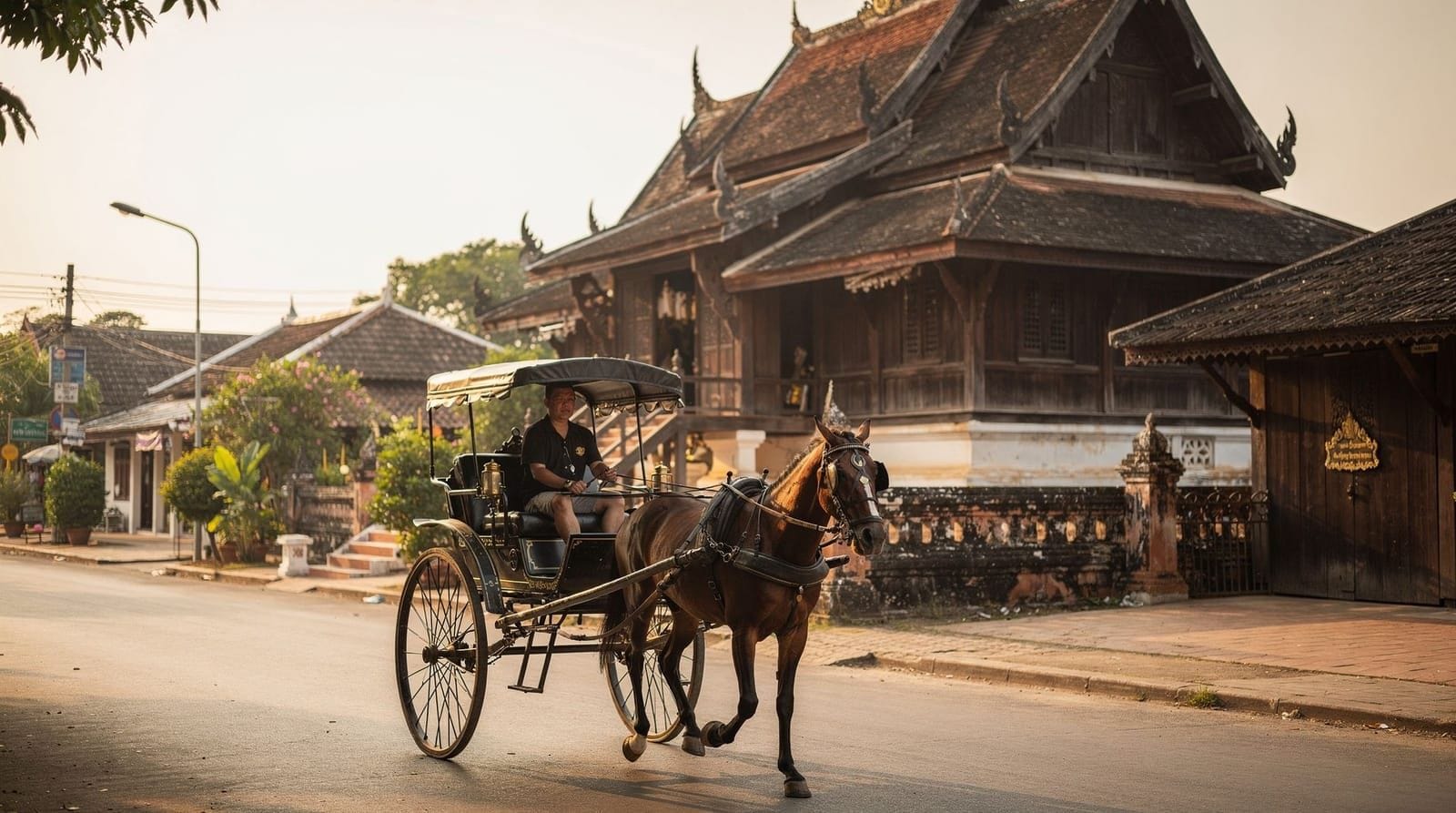
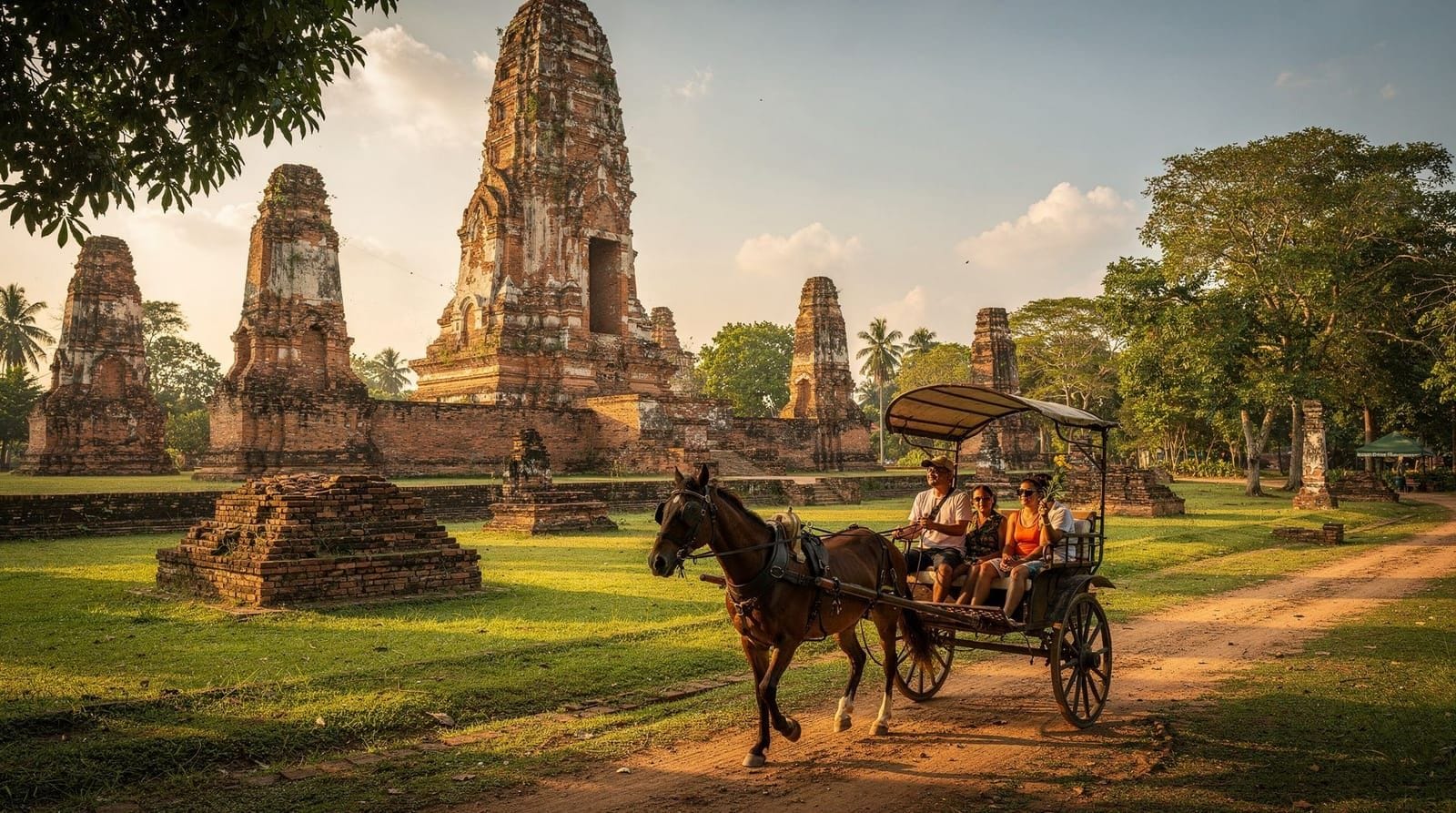
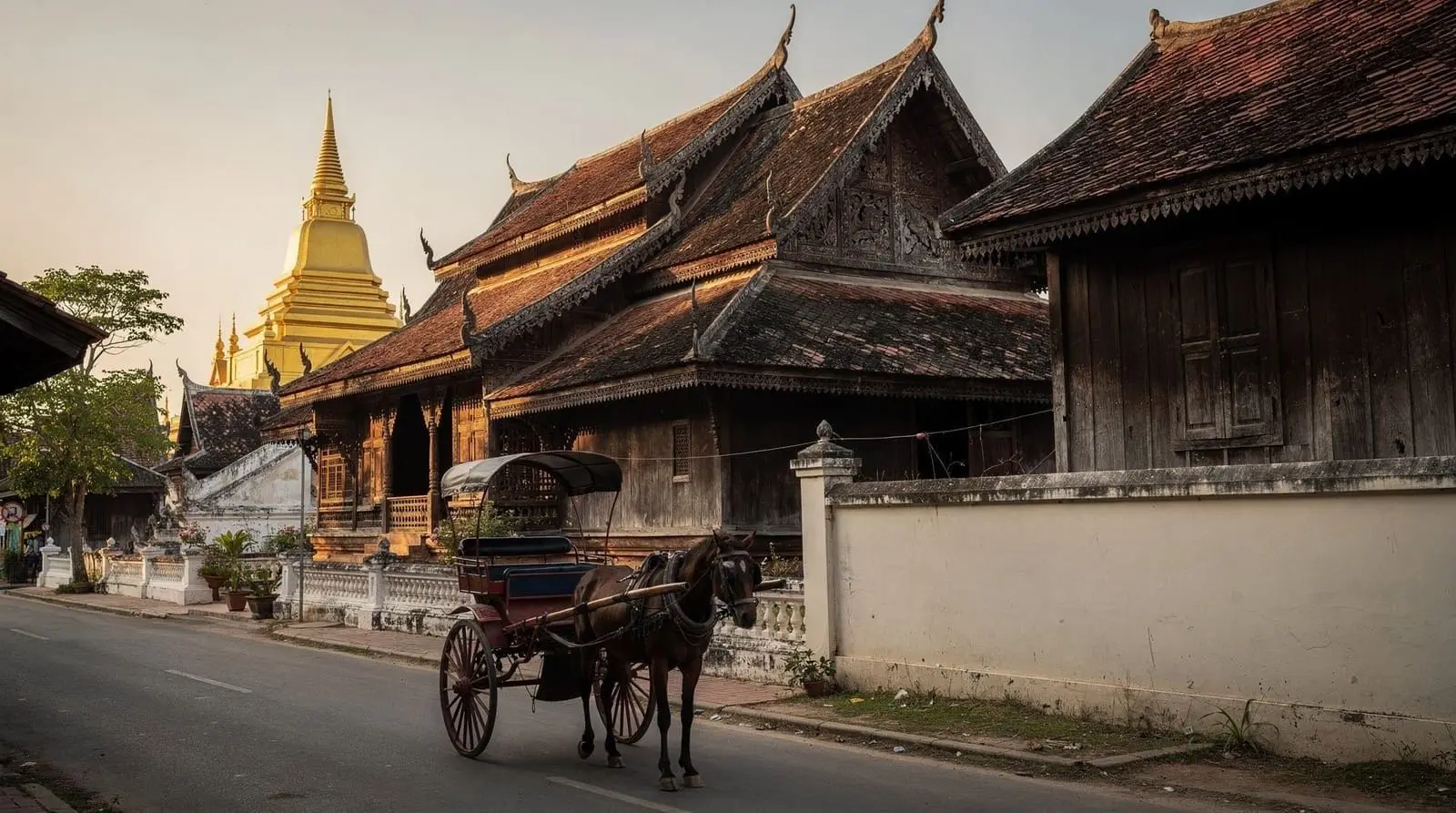
Lampang is the only town in Thailand where horse-drawn carriages (rot ma) still operate as everyday transport rather than a purely tourist novelty — a holdover from the town’s history as a teak-trading hub in the late 19th and early 20th centuries. Carriage rides through the old town, past teak trading-era buildings along the Wang River, give a genuinely different sightseeing pace from the walking or songthaew-based circuits elsewhere in the region. Rides are typically arranged on the spot near the old town rather than pre-booked, with prices negotiated by route length.
Wat Phra That Lampang Luang
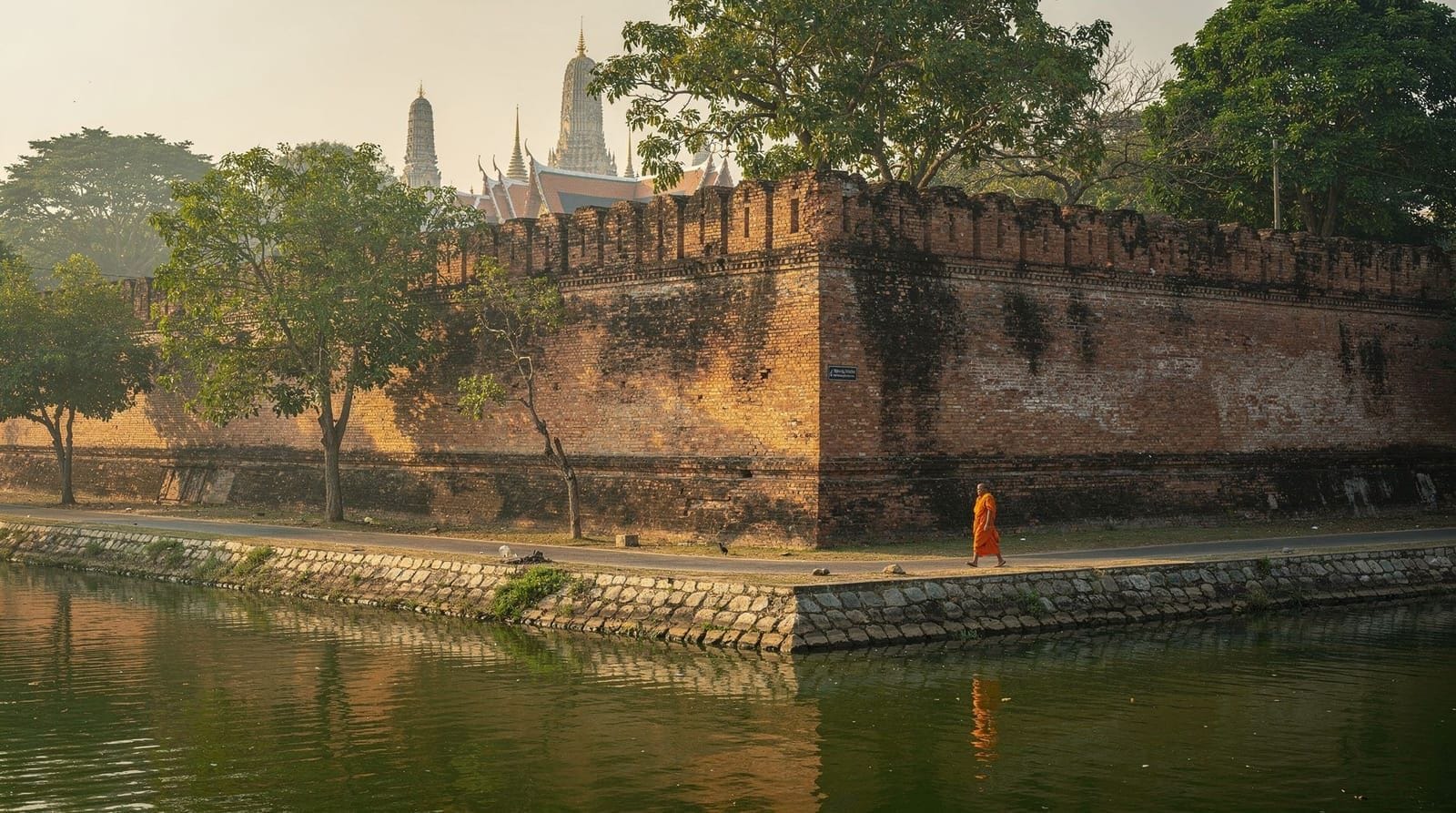
The province’s signature sight sits about 20km southwest of Lampang town: a walled Lanna temple complex considered one of the most important surviving examples of the style in northern Thailand. Unlike single-building temple stops, Lampang Luang is a genuine complex — multiple structures, a large central chedi, and detailed woodwork — set within fortified walls that give it a distinctly different atmosphere from city-center temples. A Lamphun and Lampang temples tour covers this stop alongside Lamphun’s own historic temple as a full day out.
Combining with Lamphun
Lamphun, a smaller historic town along a similar route, is commonly paired with Lampang in a single day since both sit roughly southeast of Chiang Mai and share a similar Lanna-era temple heritage. A hidden temples of Lampang province tour explores lesser-known temple stops beyond the main Lampang Luang complex for travelers who want to go deeper into the province rather than sticking to the single headline sight.
Ceramics and shopping
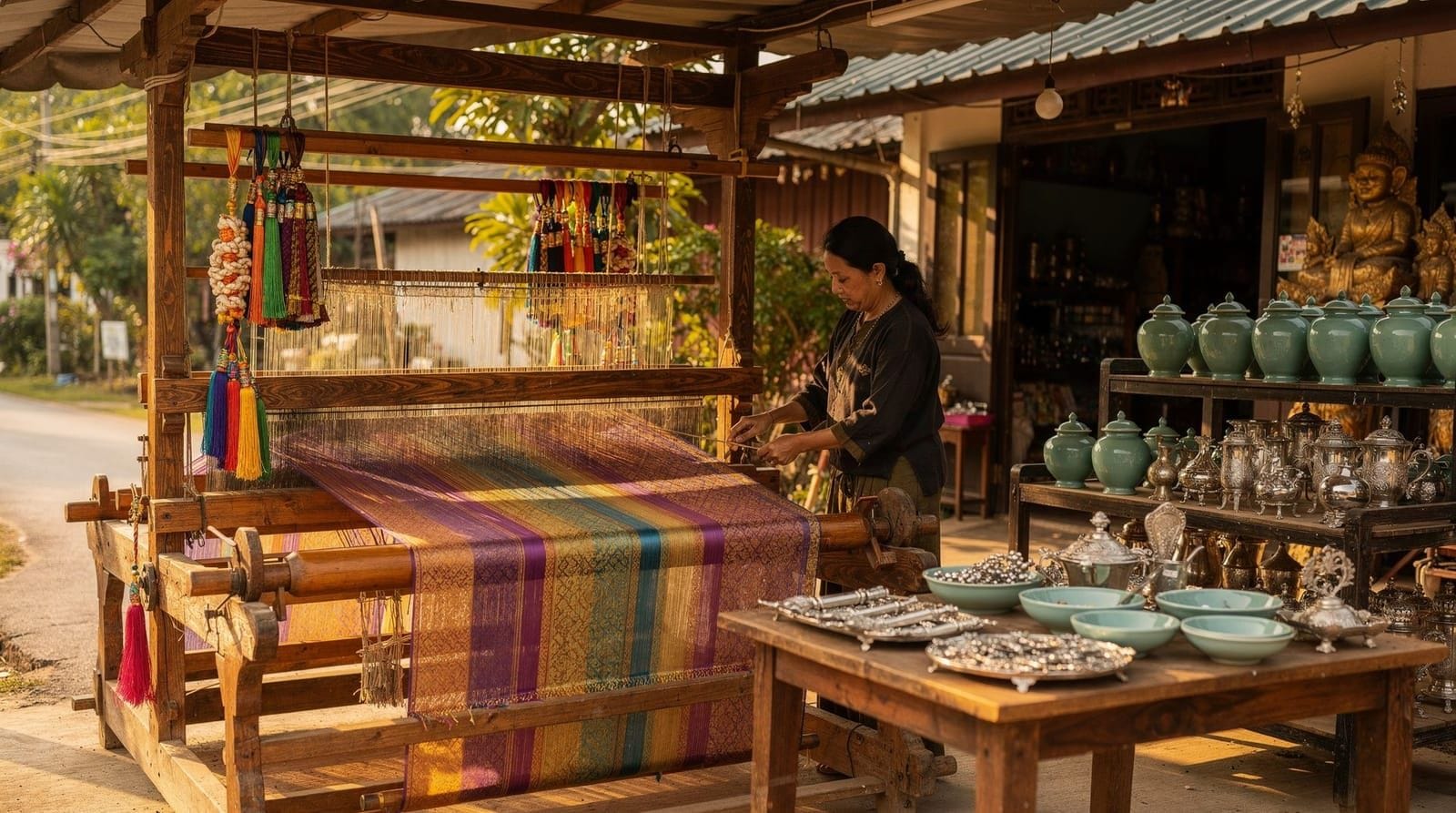
Lampang’s other well-known export is its chicken-bowl ceramics — distinctive rooster-patterned pottery originally developed by Chinese immigrant potters in the early 20th century, now sold throughout town in dedicated ceramics shops and factory outlets. It’s a lightweight, easy-to-pack souvenir compared to some of the region’s bulkier handicrafts, and shops around the old town and along the road toward Lampang Luang both carry a range of pieces.
A realistic day-trip itinerary
Most day trips from Chiang Mai, such as a best-of-Lampang private and all-inclusive tour, follow a sequence of old-town sightseeing and a carriage ride in the morning, Wat Phra That Lampang Luang around midday, and ceramics shopping or a return via Lamphun in the afternoon. The full day, including the 1.5-hour drive each way, typically runs 8-9 hours door to door — noticeably shorter than a Chiang Rai day trip, given the closer distance.
Getting there
Minivans and buses run regularly from Chiang Mai’s Arcade station, taking roughly 1.5 hours, while the train offers a scenic but less frequent alternative — worth checking timetables in advance if you’re planning a same-day round trip rather than joining a packaged tour. Self-driving is straightforward given Lampang’s more moderate traffic compared to the Chiang Rai route, and a rental car gives more flexibility to explore the ceramics shops and outlying temples at your own pace.
Best time to visit
November-February offers the most comfortable temperatures for the old town’s carriage rides and for walking around the open-air temple complex at Lampang Luang. The dry season generally suits the horse-carriage rides best, avoiding the practical complications rain can add to open-topped carriage transport.
Lampang’s teak-trading history
Lampang’s distinctive character owes much to its history as a major teak-trading center during the late 19th and early 20th centuries, when British and other foreign timber companies operated extensively in the surrounding forests, floating logs down the Wang River toward markets further south. This era left behind a legacy of grand teak buildings — some now converted into guesthouses, museums or private residences — scattered around the old town, along with the horse-carriage tradition itself, originally introduced as practical transport for merchants and officials rather than as a tourist novelty. Understanding this history adds real context to what might otherwise look like simply an old, quiet provincial town — Lampang’s old town buildings and carriage culture are direct remnants of a genuinely significant regional trading economy.
Walking the old town
Beyond the horse-carriage rides, Lampang’s old town rewards some walking on foot, particularly along the riverside area near Kad Kong Ta, a former market street lined with a mix of Thai, Chinese and Burmese-influenced architecture reflecting the town’s historically diverse trading community. Several of the old teak buildings here have been restored as cafes, small museums or boutique shops, making for a pleasant slower-paced complement to the carriage ride and temple visit, particularly for travelers who prefer to explore somewhere on foot rather than exclusively by vehicle.
Food specialties in Lampang
Lampang has its own distinct food identity worth exploring beyond the standard northern Thai staples found throughout the region — khao soi here is prepared with local variations, and the town is also known for kaeng hang le (a rich, Burmese-influenced pork curry) and a range of noodle dishes reflecting the historical Chinese and Burmese trading influence on local cuisine. The old town’s morning market and several long-standing restaurants near Kad Kong Ta are good starting points if trying local specialties is part of your day-trip plan rather than simply passing through for the temples and ceramics.
Budget breakdown for the day
Lampang is one of the more affordable day trips on this list given its shorter distance and generally lower-key attractions compared to the Chiang Rai circuit. A shared minivan round trip runs roughly 200-400 THB ($5.60-11) per person, with Wat Phra That Lampang Luang’s entry fee a modest amount (typically under 50 THB), and horse-carriage rides priced by route length, generally in the 300-500 THB ($8.50-14) range for a standard old-town loop. A private car and driver for a full day, including stops at both Lampang and Lamphun, runs roughly 2,000-3,500 THB (~$56-99) total for the vehicle, reasonable when split among a small group. Ceramics shopping costs are, of course, entirely dependent on what and how much you buy, ranging from a few dollars for a small souvenir bowl to considerably more for larger decorative pieces.
Accessibility and photography
The old town’s flat streets and Wat Phra That Lampang Luang’s paved temple grounds make Lampang one of the more accessible day trips near Chiang Mai, with the horse-carriage option additionally offering an easy way to cover the old town’s sights for visitors who’d rather not walk extensively. Photography-wise, the horse carriages themselves, set against the old town’s teak-era buildings, offer a genuinely distinctive image not replicated at any other Chiang Mai day trip, while Wat Phra That Lampang Luang’s walled complex and detailed woodwork reward unhurried, later-morning light once any early haze has cleared.
Who Lampang suits best
Lampang isn’t necessarily the right choice for a first-time visitor to northern Thailand trying to fit in the region’s headline sights within a short trip — for that traveler, Chiang Rai’s more famous temples or Doi Inthanon’s natural scenery will likely rank higher on a first pass through the area. Where Lampang genuinely shines is for travelers who’ve already covered those bigger names, either on a previous trip or earlier in a longer current one, and are specifically looking for a calmer, less-touristed alternative that still delivers a substantial historical and cultural experience. It’s also a strong option for travelers with a particular interest in Lanna architecture, teak-trading history, or simply a preference for quieter travel over checklist sightseeing — the kind of day trip that rewards curiosity and unhurried exploration more than a tightly scheduled group tour itinerary.
Practical tips for a comfortable day
A few small details make a genuine difference to a Lampang day trip. Early departure (by 8am) from Chiang Mai gives you the most flexibility to explore the old town, take a carriage ride and visit Wat Phra That Lampang Luang without rushing any single stop. Comfortable footwear matters for the old town’s uneven older pavements, distinct from the more modern, evenly paved paths common in central Chiang Mai. If visiting during the hotter months (March-May), scheduling the horse-carriage ride for morning or late afternoon avoids both the midday heat for you and the animals pulling the carriages. Finally, carrying small-denomination cash is useful for the carriage fare, ceramics shopping, and any temple donations, since card acceptance is less consistent here than in more heavily touristed parts of Chiang Mai.
Combining Lampang with a longer northern circuit
Travelers building a longer, multi-stop itinerary through northern Thailand sometimes use Lampang as a stopover point between Chiang Mai and destinations further south or east, given its position along several regional transport routes. While this guide focuses on Lampang as a Chiang Mai day trip, it’s worth knowing that the town also works well as a one-night stop for travelers continuing onward by road or rail, allowing a more relaxed exploration of the old town, Wat Phra That Lampang Luang, and the ceramics workshops than a single compressed day trip permits, without requiring a dedicated round trip back to Chiang Mai afterward.
Comparing Lampang to Chiang Rai’s temple circuit
Both destinations center on significant temple architecture, but the comparison ends there in practice. Chiang Rai’s temples (the White, Blue and Black House) are modern, artist-driven works built within the past few decades, drawing large crowds and requiring a considerably longer round-trip drive. Wat Phra That Lampang Luang, by contrast, is a genuine centuries-old Lanna temple complex, closer to Chiang Mai and drawing far fewer visitors, offering a more traditional, less staged religious atmosphere. Travelers deciding between the two as a single day-trip choice should weigh whether they’re more drawn to striking contemporary art (favoring Chiang Rai) or a quieter, more historically grounded temple experience with a shorter overall travel commitment (favoring Lampang) — many satisfied visitors to the region end up doing both on separate days rather than choosing one over the other permanently.
A note on seasonal crowds and timing
Lampang sees relatively even visitor numbers across the year compared to more seasonally peaked destinations, though the cool season (November-February) remains the most comfortable for the carriage rides and temple grounds. Weekday visits are marginally quieter than weekends, though the difference is far less pronounced here than at Chiang Mai’s more heavily visited attractions, given Lampang’s already low overall tourist volume relative to its temple’s significance.
Bringing it all together
Lampang rewards travelers willing to trade bucket-list name recognition for a genuinely calmer, historically substantial day out. Between the horse carriages, Wat Phra That Lampang Luang’s walled Lanna complex, the old teak-trading town, and the distinctive local ceramics, a single day here covers real ground without the crowds or exhaustion that come with the region’s more famous circuits — a worthwhile trade for travelers who’ve already checked off Chiang Rai and Doi Inthanon, or who simply prefer their day trips a little quieter from the start.
One last practical reminder
Because Lampang draws far fewer organized tour options than Chiang Rai or Doi Inthanon, booking a day tour or arranging a private driver a day or two in advance is worth doing rather than assuming last-minute availability, particularly during the cool-season peak when demand across all of Chiang Mai’s day-trip operators rises together.
Frequently asked questions about a Lampang day trip
How far is Lampang from Chiang Mai?
About 100km, roughly 1.5 hours by car, minivan, bus, or train.
What is Lampang known for?
Horse-drawn carriages (rot ma) still operating as everyday transport — the only town in Thailand where this is the case — plus Wat Phra That Lampang Luang, a walled Lanna temple complex, and locally made ceramics.
Is Wat Phra That Lampang Luang far from Lampang town?
About 20km southwest of the town center, typically reached by car, private driver, or as part of a guided day tour.
Can I combine Lampang with other destinations in one day?
Yes, many tours combine Lampang with nearby Lamphun, another historic town with its own significant temple, since both sit along a similar southeastern route from Chiang Mai.
Should I take the train to Lampang?
Trains run between Chiang Mai and Lampang and offer a scenic, relaxed alternative to road transport, though schedules are less frequent than minivans, so check timings in advance if you want to return the same day.
Is Lampang less crowded than Chiang Rai?
Yes, considerably. Lampang draws a fraction of the tour buses that visit Chiang Rai’s temple circuit, making it a genuinely quieter alternative for travelers who prioritize atmosphere over checklist sights.
What should I buy in Lampang?
Lampang is known for its distinctive chicken-bowl ceramics (rooster-patterned pottery), widely sold in shops around town and a popular, easy-to-pack souvenir.
Is a day trip enough time for Lampang, or should I stay overnight?
A day trip comfortably covers the old town, the horse carriages and Wat Phra That Lampang Luang. An overnight allows a more unhurried pace and time to see the old teak trading-era buildings without rushing.
Top experiences
Bookable activities with verified prices and instant confirmation on GetYourGuide.