Halal food in Chiang Mai: a practical guide for Muslim travelers
Is it easy to find halal food in Chiang Mai?
It requires more planning than in a majority-Muslim country, but Chiang Mai does have a genuine, long-established halal food cluster around the Ban Ho and Chang Klan Road area near the Night Bazaar, tied to the city's Chin Haw (Yunnanese Chinese Muslim) community, plus a scattering of halal-certified restaurants elsewhere in the city. Most street markets are not halal by default, so identifying the specific area and asking directly matters more here than in many other Southeast Asian food destinations.
Chiang Mai’s halal food scene: smaller, but genuinely established
This guide is written specifically to answer the practical questions Muslim travelers actually have when planning a Chiang Mai trip — not just “does halal food exist here” but where specifically, how reliable it is, and how to plan around the gaps, since a generic reassurance isn’t enough to plan a real trip around.
Chiang Mai isn’t a majority-Muslim destination, and its street food culture — heavily built around pork, fish sauce and non-certified meat — isn’t halal-friendly by default the way it might be in parts of Malaysia or southern Thailand. But the city does have a genuine, historically rooted halal food community, not just a handful of tourist-facing restaurants added to capture Middle Eastern visitor traffic. Understanding where that community is concentrated, and why, makes it substantially easier to eat well as a Muslim traveler here.
The Chin Haw community and Ban Ho
Any serious answer to where halal food exists in Chiang Mai has to start with this community and neighborhood, since nearly everything else in this guide connects back to it in some way.
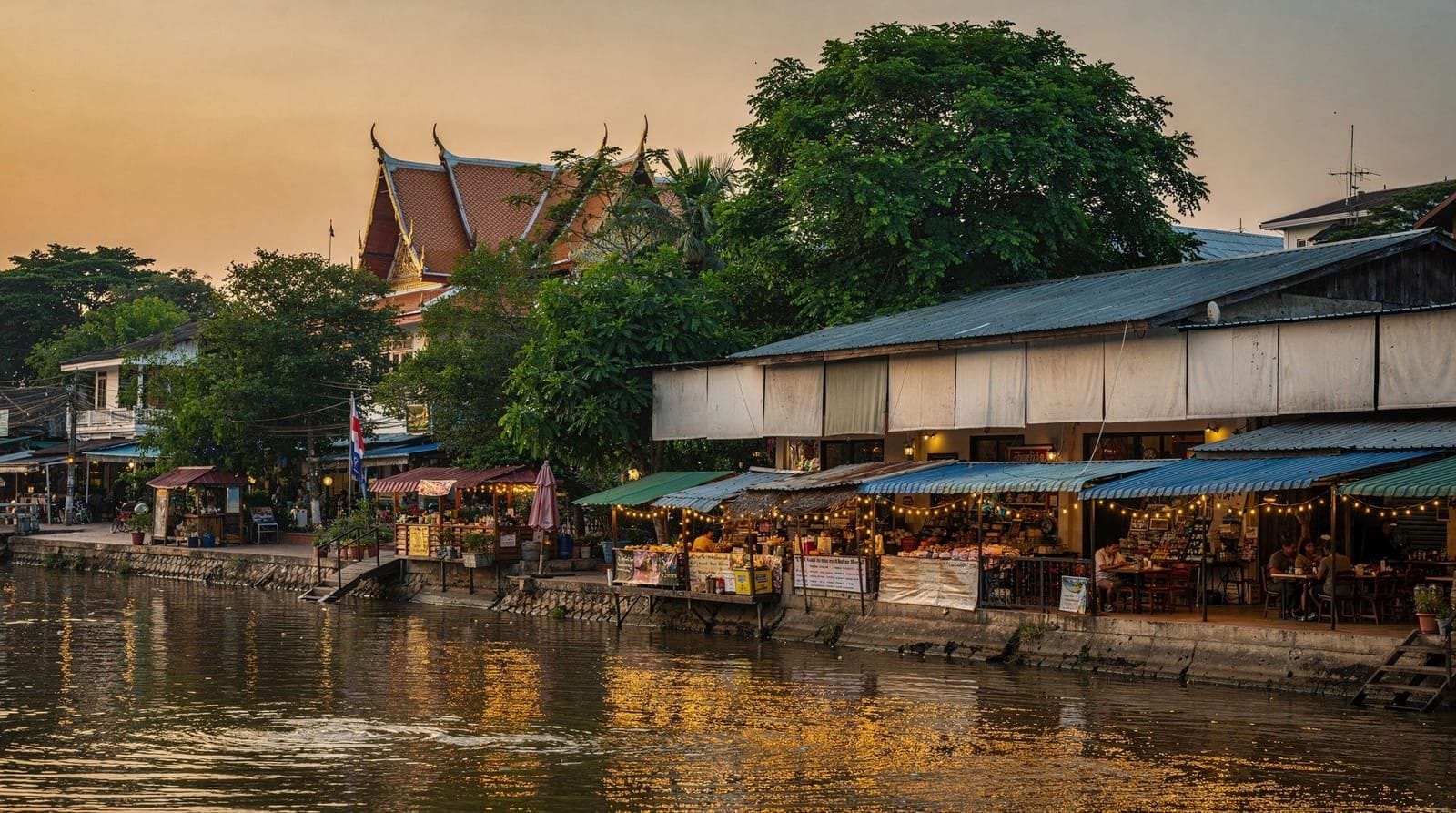
The foundation of Chiang Mai’s halal food scene is the Chin Haw community — Yunnanese Chinese Muslims whose presence in the city dates back generations, tied historically to overland trade caravans between Yunnan province in China and northern Thailand. This community settled around what’s now the Ban Ho and Chang Klan Road area, not far from the Night Bazaar and the Ping River, and their mosque and surrounding restaurants remain the city’s most established halal food cluster today. This isn’t a recent addition catering to tourism — it reflects a genuinely old, continuous community presence, which is part of why the food here (a distinct Yunnanese-Muslim-Thai fusion in some dishes) has its own character rather than being a generic “halal version” of standard Thai food.
Khao Soi Islam: halal khao soi
This single restaurant is worth understanding in detail, since it’s the most frequently recommended halal food destination in the city and a genuinely useful entry point into the wider Ban Ho food cluster.
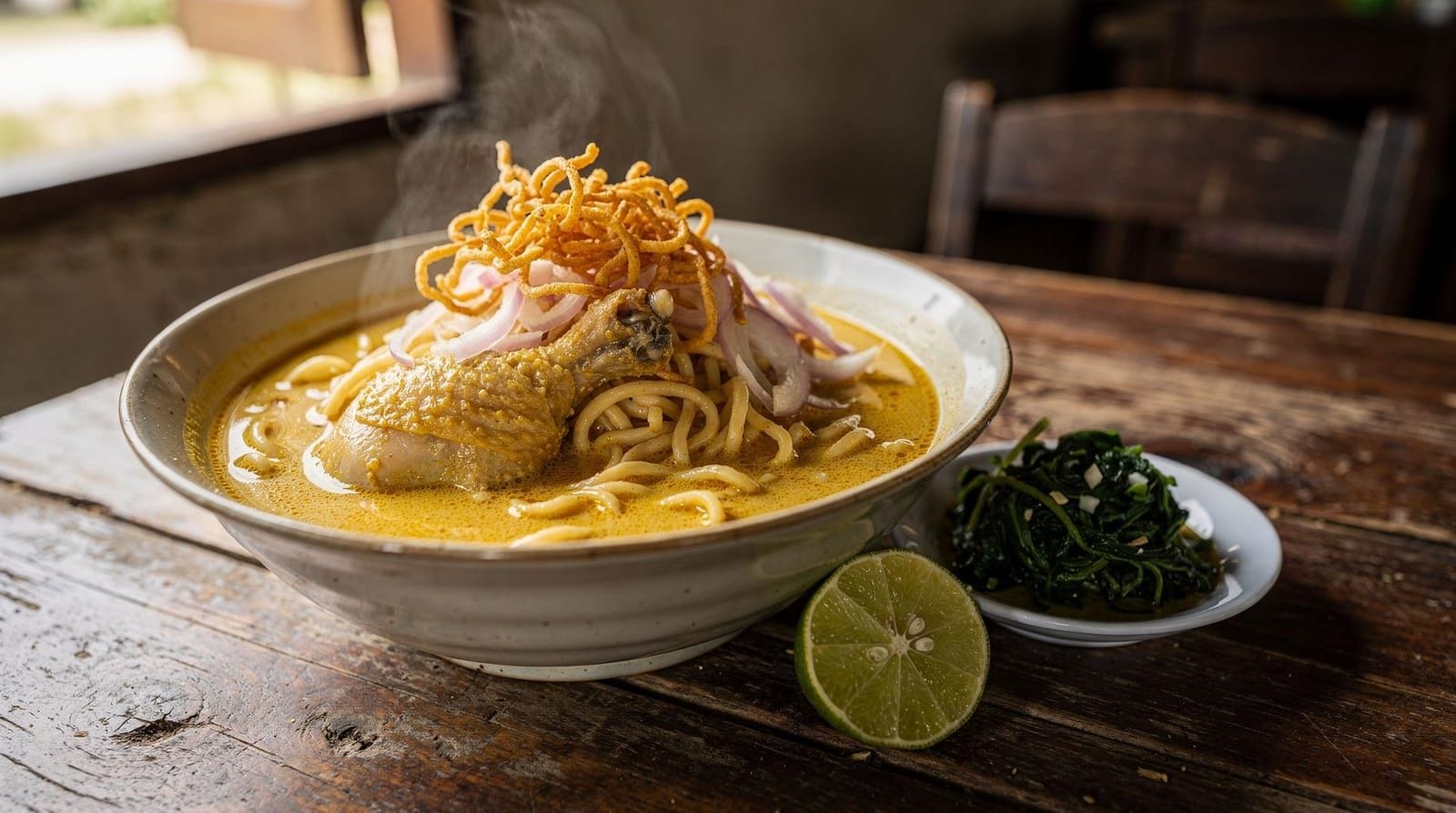
The best-known specific example is Khao Soi Islam, near the Ban Ho mosque, which serves a halal-certified version of the city’s signature curry noodle dish using properly slaughtered meat. It’s a useful entry point for understanding the broader Ban Ho food cluster, and it means Muslim travelers don’t need to skip Chiang Mai’s most iconic dish — see the khao soi where-to-eat guide for how this fits alongside the city’s other khao soi options more broadly.
What’s available beyond khao soi
Reducing the Ban Ho food cluster to a single famous restaurant undersells what’s actually a small but functioning restaurant district in its own right.
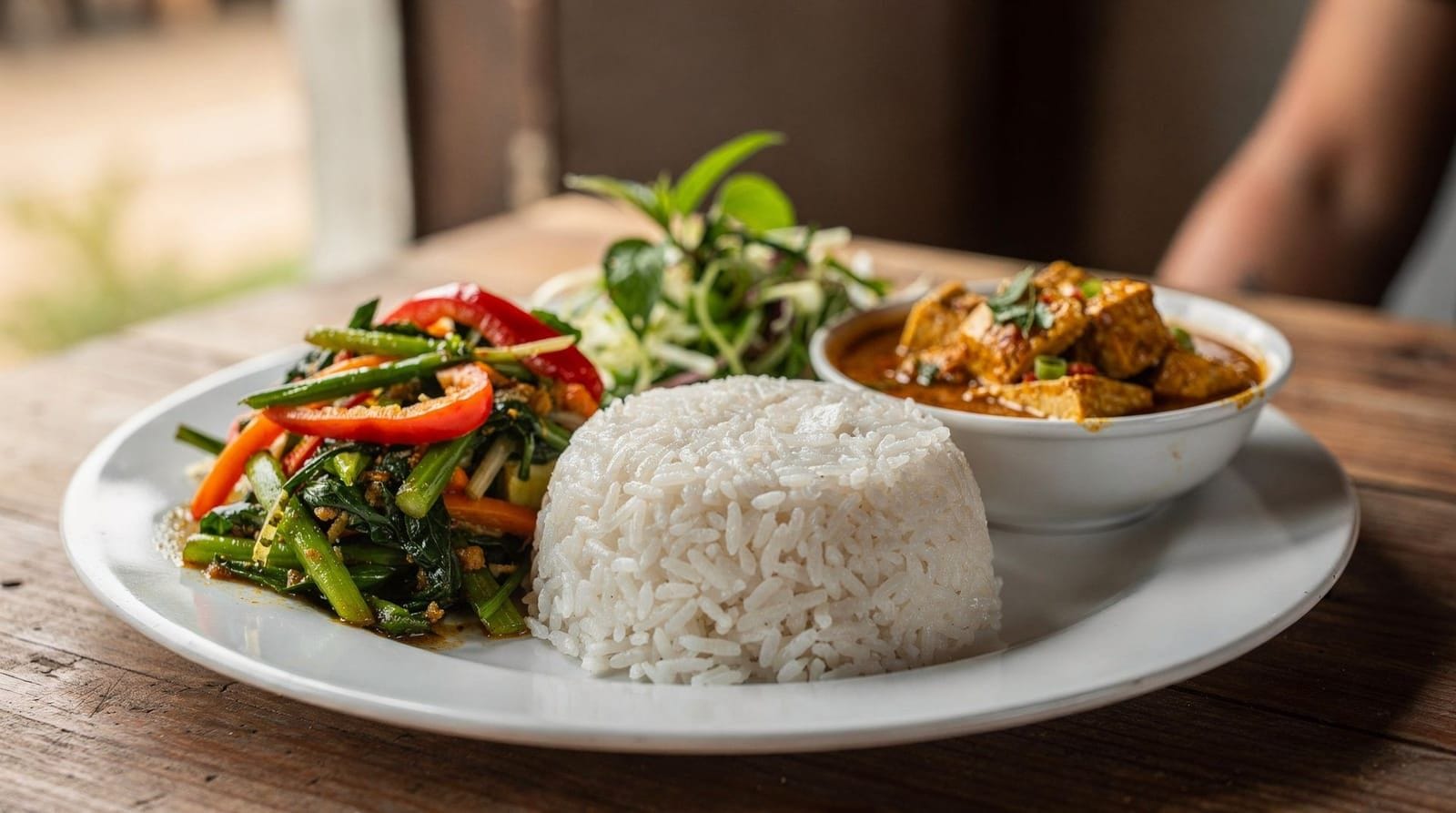
The Ban Ho and Chang Klan area supports a small cluster of restaurants beyond the one signature dish, generally reflecting a blend of Yunnanese Chinese Muslim cooking and standard halal Thai dishes — grilled meats, rice dishes, and noodle soups prepared according to halal requirements. It’s a modest cluster compared to the city’s overall food scene, but it’s a real, walkable neighborhood rather than a single isolated restaurant, making it practical to base an evening meal there rather than treating it as a single stop.
Restaurants outside the Ban Ho area
Not every halal option in the city is tied to this one neighborhood, and it’s worth knowing what exists elsewhere for travelers not staying nearby.
A smaller number of halal-certified restaurants exist elsewhere in the city, some specifically oriented toward the Middle Eastern tourist market that visits Chiang Mai in meaningful numbers, particularly in areas popular with tour groups. These are worth seeking out if you’re staying far from Ban Ho, though it’s worth directly confirming halal certification with the specific restaurant rather than assuming based on appearance or a menu that simply doesn’t feature pork.
Why general street food isn’t a safe default
Given how central street food is to most coverage of Chiang Mai’s dining scene, this point deserves to be stated clearly rather than left implicit.
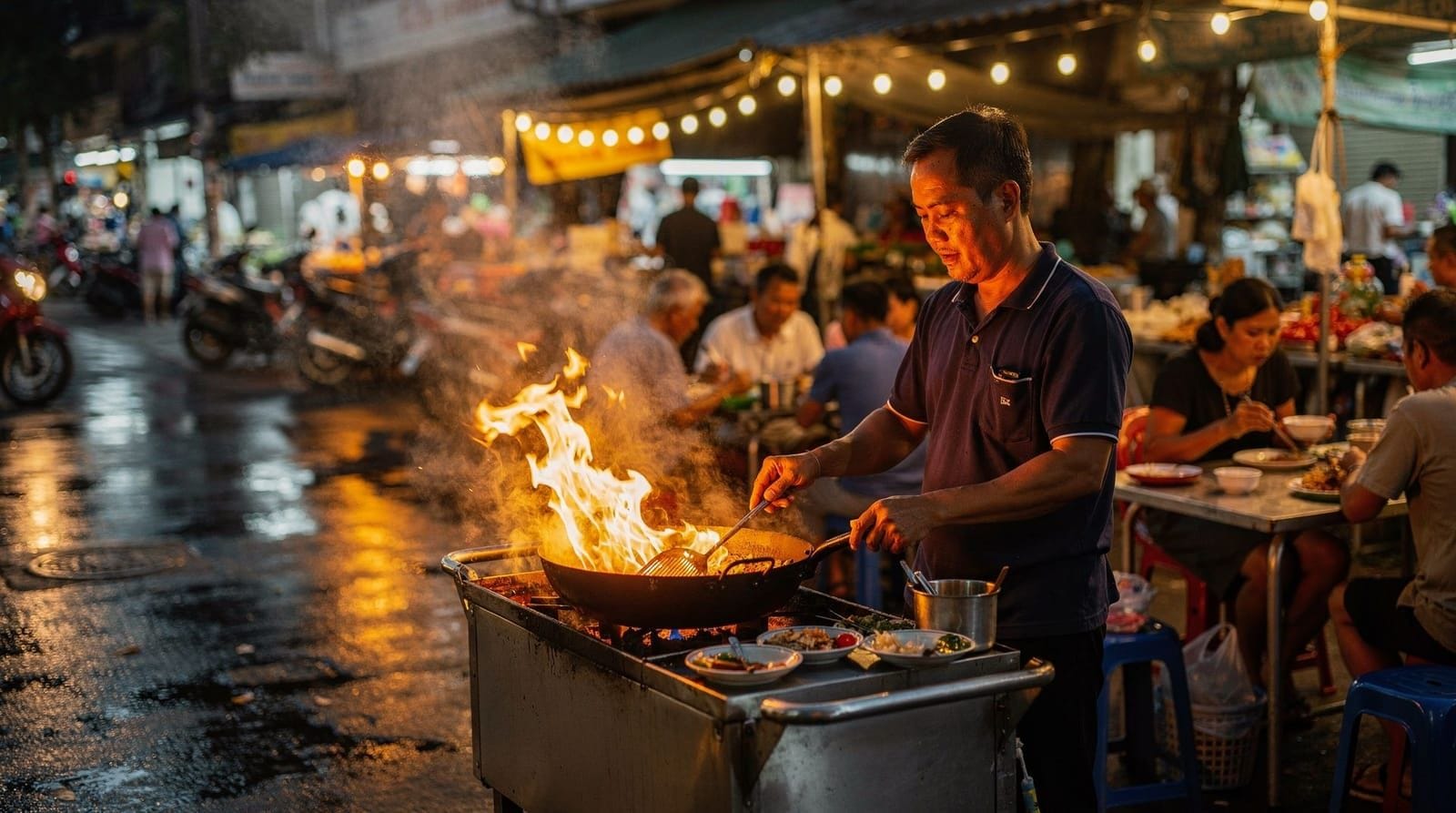
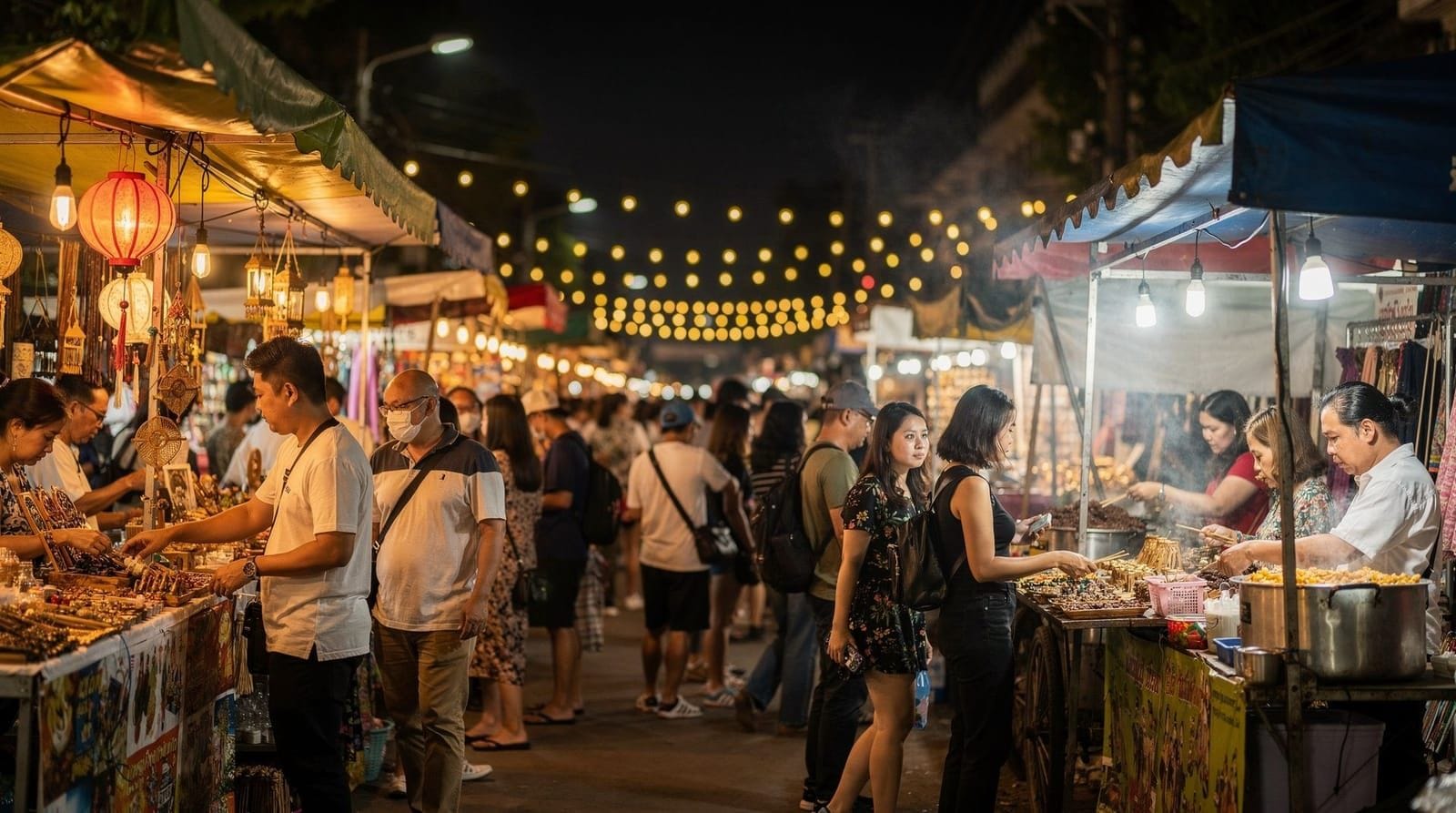
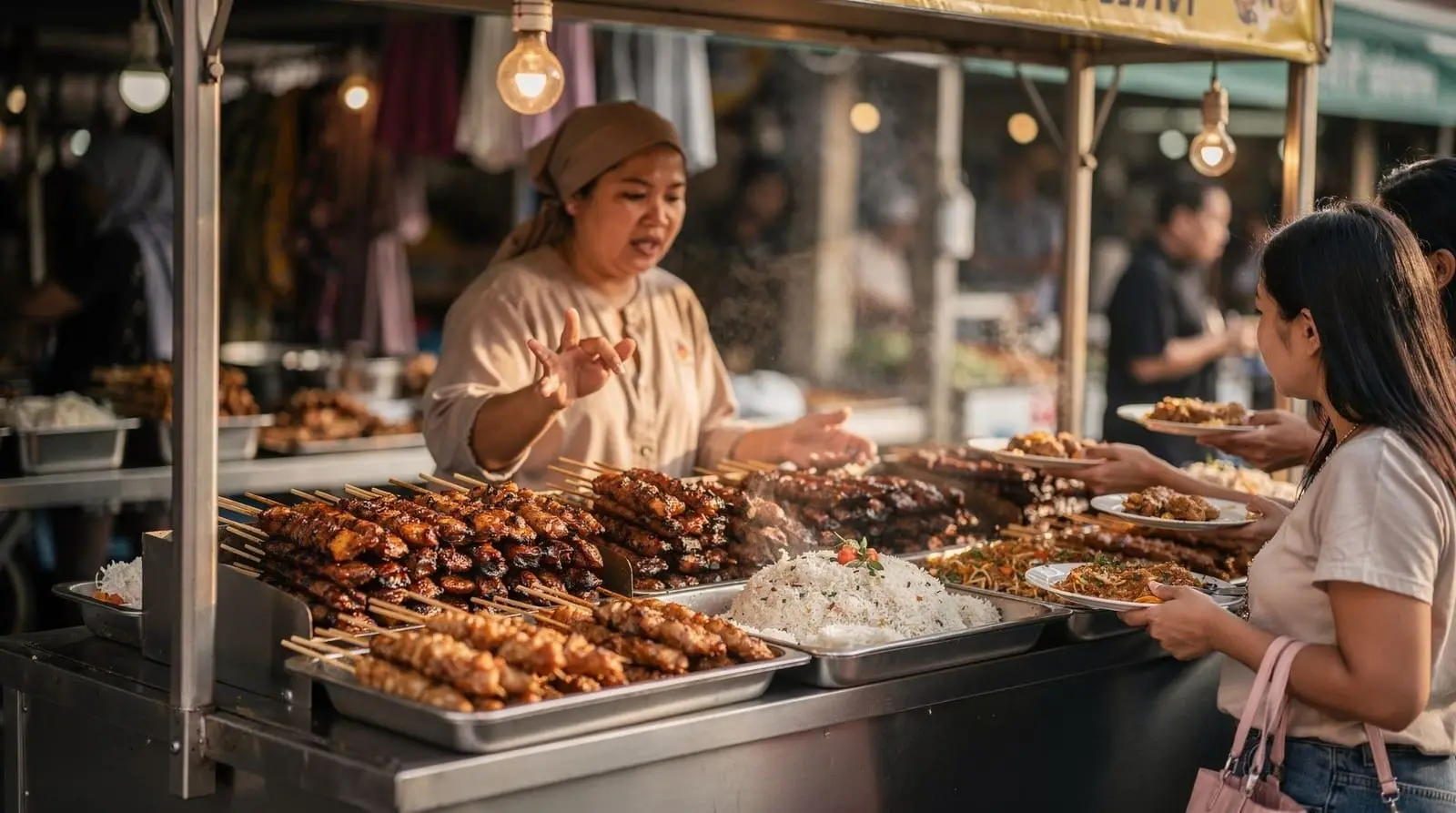
It bears stating plainly: Chiang Mai’s mainstream street food and night markets — covered in our street food guide — are not halal by default. Pork appears constantly across northern Thai dishes (sai oua, gaeng hang lay, moo yor and more all traditionally use it), and even dishes that look meat-free are frequently seasoned with fish sauce, shrimp paste or other non-halal ingredients as standard practice, not an occasional exception. Assuming a stall is halal-friendly because it doesn’t obviously display pork is a real risk; identifying specifically certified or community-run halal establishments is the more reliable approach.
Vegetarian food as a practical (not equivalent) fallback
Strict vegetarian (“je”) stalls, most visible during the city’s September vegetarian festival period and found in smaller numbers year-round at markets like Warorot, avoid meat entirely and can serve as a practical fallback if you’re away from the Ban Ho area and need an option quickly. This isn’t the same as halal certification and doesn’t address every concern (alcohol-based extracts in some sauces, for example), but it’s a reasonable, low-risk option in a pinch. See the vegetarian and vegan restaurants guide for more on identifying these stalls.
The historical trade routes behind the community
Understanding the Chin Haw community’s origins in more depth helps explain why their food culture in Chiang Mai has its own distinct character rather than being a simple transplant of either Chinese Muslim or standard Thai Muslim cooking. The Chin Haw were caravan traders moving goods — historically including tea, opium in earlier periods, and general merchandise — along overland routes connecting Yunnan province in southern China through the highlands of what’s now Myanmar and northern Thailand. Chiang Mai, as a significant trading hub along this route, became a natural settlement point, and the community that formed here maintained both its Islamic faith and elements of its Yunnanese culinary heritage while also adapting to and absorbing northern Thai ingredients and techniques over generations. This history explains why dishes like the halal khao soi served at Khao Soi Islam feel both distinctly Yunnanese-influenced and distinctly northern Thai simultaneously — it’s not an approximation of one cuisine adapted for religious requirements, but a genuinely blended food tradition with its own multi-generational history.
What to expect at a Ban Ho restaurant
For travelers who haven’t visited this specific neighborhood before, it’s worth setting expectations about what a meal there actually looks like. Restaurants in the Ban Ho area tend to be modest, family-run establishments rather than polished tourist-facing venues, similar in presentation to the old-school khao soi shops discussed in our khao soi where-to-eat guide. Menus may be limited in English, though the area’s history of serving both local Muslim customers and, increasingly, Middle Eastern tourists means most established restaurants have at least basic English signage or menu translations. Prices are generally comparable to or slightly above standard Chiang Mai street food pricing, reflecting the slightly more specialized preparation and sourcing required for halal certification rather than any significant premium.
Chiang Mai’s broader appeal to Middle Eastern travelers
It’s worth noting that Chiang Mai has become a genuinely popular destination for tourists from the Middle East over the past decade or more, drawn by the city’s climate, affordability and cultural attractions in a way that’s created demand beyond just the historic Ban Ho community. This has led to a small but growing number of restaurants and services specifically catering to this visitor segment, sometimes clustered in areas popular with organized tour groups rather than exclusively in the historic Ban Ho neighborhood. This is a genuinely separate development from the older Chin Haw community’s food culture, driven by tourism demand rather than historic settlement, and it’s worth being aware that both categories exist side by side without necessarily overlapping in a single “halal district.”
Practical planning tips
Bringing together everything above into a short, actionable checklist for the practically minded traveler.
- Base near Ban Ho or the Night Bazaar/Ping River area if halal food access is a daily priority — see the Ping riverside and Wat Ket destination page for what’s nearby.
- Ask directly about halal certification rather than assuming based on menu appearance; genuine halal restaurants are typically glad to confirm this.
- Plan day trips with food in mind — halal options thin out considerably outside the city center, so eating a substantial halal meal before heading to rural areas or day trips is worth planning for.
- Carry a list of a few confirmed halal spots rather than relying on finding one spontaneously while out, particularly on longer excursions away from the Ban Ho cluster.
Combining a Ban Ho visit with the rest of the city
A halal meal doesn’t need to mean a dedicated, standalone outing separate from everything else on your itinerary that day.
The Ban Ho area’s proximity to several of Chiang Mai’s other main attractions makes it easy to build into a broader day rather than treating it as a separate, standalone trip. It sits close to the Night Bazaar, making an evening meal there a natural precursor or follow-up to browsing that market’s shopping (though not its food, given the halal considerations discussed throughout this guide). The Ping River and Wat Ket riverside area are also within easy reach, offering a quieter, more scenic option for a walk before or after a meal. For visitors staying in the Old City, a short songthaew or Grab ride connects easily to Ban Ho, making it realistic to combine a halal dinner with an afternoon of temple visits on the same day without excessive backtracking across the city.
How this compares to halal options in other Thai cities
Context from elsewhere in Thailand helps calibrate expectations for what Chiang Mai specifically offers relative to the rest of the country.
For travelers whose itinerary includes other Thai destinations, it’s worth knowing how Chiang Mai’s halal scene compares. Southern Thailand, with its larger Muslim population concentrated in provinces like Pattani, Yala and Narathiwat, has a considerably more developed halal food infrastructure, unsurprising given the demographic differences. Bangkok, as the capital, has a larger absolute number of halal restaurants simply due to its size, spread across several distinct neighborhoods rather than concentrated in one historic cluster. Chiang Mai’s halal scene, by contrast, is smaller in absolute terms but has a genuinely deep historical foundation in the Chin Haw community specifically, giving it a different, more singular character than the broader halal availability found in the south or in Bangkok’s more dispersed options.
A note on trust and verification
Since so much of this guide hinges on not assuming halal status by default, it’s worth closing with concrete verification advice rather than leaving the point implicit.
Given how much this guide emphasizes not assuming a restaurant is halal without confirmation, it’s worth a brief note on how to verify this in practice while traveling. Restaurants in the Ban Ho cluster are generally trusted by default given the neighborhood’s history and the fact that they primarily serve the local Muslim community, who would not patronize a restaurant serving non-halal food. For restaurants outside this area claiming halal status, looking for official Thai halal certification signage (issued by the Central Islamic Council of Thailand) is the most reliable verification method available to a visitor without local language skills, more dependable than simply trusting a menu’s claims or a restaurant’s general appearance.
Halal considerations for day trips outside the city
Everything covered so far has focused on the city itself, but trip planning for many visitors also includes excursions further afield, where the picture changes considerably.
As with the vegetarian and vegan travel considerations covered in our vegetarian and vegan restaurants guide, halal food availability drops considerably once you leave Chiang Mai city for day trips to destinations like Doi Inthanon, Chiang Rai or hill-tribe villages. Rural food stops along these routes are very unlikely to offer verified halal options, and it’s worth planning accordingly — eating a substantial halal meal in the city before departing, and packing shelf-stable halal snacks for longer excursions, rather than assuming options will be available en route. If a specific day trip itinerary matters enough that halal food access is a real concern, it’s worth raising this directly with a tour operator in advance, since some can accommodate specific dietary planning as part of a private or small-group tour arrangement.
Frequently asked questions about halal food in Chiang Mai
Is there a mosque in Chiang Mai near the halal food area?
Yes, the Ban Ho mosque serves the local Chin Haw Muslim community and sits at the heart of the neighborhood’s halal food cluster, within walking distance of several halal restaurants.
Are hotel breakfasts in Chiang Mai typically halal-friendly?
This varies significantly by hotel; it’s worth checking directly with your specific accommodation, since halal certification or awareness is not standard across the board the way it might be in destinations with larger Muslim populations.
Is alcohol commonly used in Chiang Mai cooking that might otherwise seem halal?
Some sauces and marinades can include small amounts of alcohol-based ingredients (like certain fermented sauces or rice wine), which is worth asking about directly if this is a strict concern for you, rather than assuming a dish is free of it.
Are there halal cooking classes available in Chiang Mai?
This is a smaller niche than general cooking classes; it’s worth confirming directly with specific cooking schools about halal ingredient sourcing if you want to combine a class with dietary requirements.
How far is the Ban Ho halal food area from the Old City?
It’s a short songthaew or Grab ride from most parts of the Old City and easily combined with a Night Bazaar visit, given its location near Chang Klan Road.
Do any guided food tours in Chiang Mai cater specifically to halal dietary needs?
This is worth confirming directly with individual tour operators before booking, since a fixed multi-stop food tour itinerary built around Chiang Mai’s mainstream street food scene is unlikely to be halal by default; a self-guided visit to the Ban Ho area is currently the more dependable approach.
Is it possible to find halal-friendly hotel accommodation near Ban Ho?
Yes — a number of guesthouses and mid-range hotels operate in and around the Night Bazaar and Ban Ho area, some specifically aware of or catering to Muslim traveler needs given the neighborhood’s history, though it’s worth confirming amenities like prayer space or halal breakfast directly with a specific property rather than assuming based on general location.
Are there halal grocery stores or markets in Chiang Mai for self-catering?
A small number of shops in and around the Ban Ho area sell halal-certified meat and packaged goods aimed at the local Muslim community, useful for travelers staying in longer-term accommodation who want to cook some of their own meals rather than relying entirely on restaurants.