Chiang Mai budget backpacker itinerary: 5 days on a tight budget
Chiang Mai: Elephant Jungle Sanctuary with Lunch & Transfer
Duration: Half day
Chiang Mai is one of the cheapest cities in Southeast Asia to spend a genuinely full week in without feeling like you’re constantly cutting corners — free temples, street food that costs less than a coffee back home, and a hostel scene dense enough to shop around for a good deal. This five-day plan keeps one or two paid activities as the only real splurges and fills the rest with free or near-free sightseeing.
Quick answer: five days on a tight budget means front-loading free activities — Old City temples, Tha Phae Gate, the day and night markets — and choosing one or two group tours rather than private ones for the trek and elephant sanctuary days. Budget roughly 800-1,300 THB (USD 22-36) per person per day including a dorm bed, food, and local transport, with two heavier days for the paid activities.
Where budget travelers actually save money in Chiang Mai
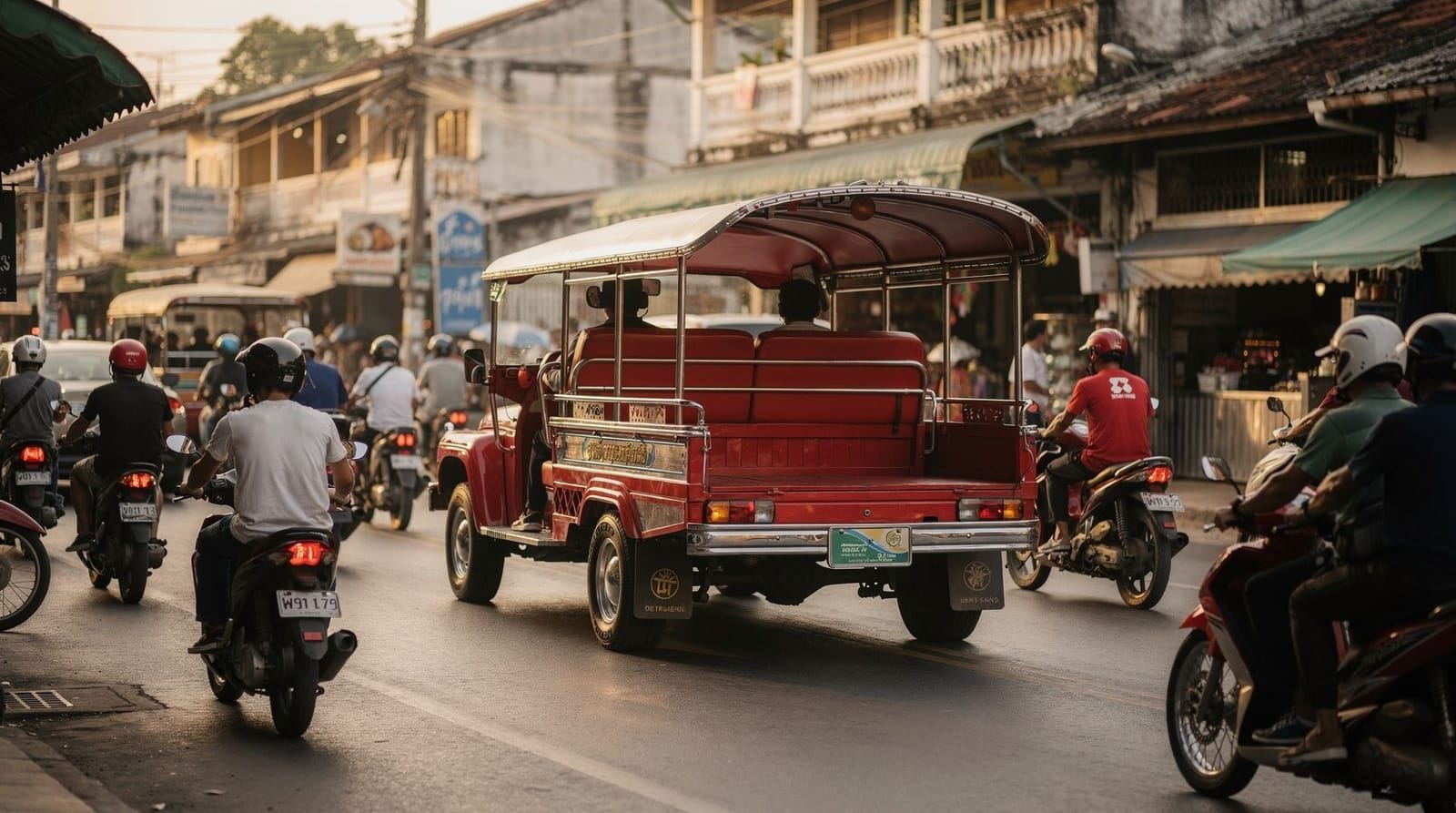
Three things drive the cost of a Chiang Mai trip up or down: accommodation (dorm beds run 200-400 THB / USD 5.50-11 a night versus 1,000+ THB for a private room), transport (shared songthaew rides at 20-40 THB versus a private Grab car), and which tours you book (group rates versus private). Our Chiang Mai budget guide breaks down daily costs by travel style in more detail, and our getting around Chiang Mai guide and songthaew guide cover how to use the red truck shared taxis, which are considerably cheaper than private rides for anyone comfortable waiting a few minutes for one to fill up.
Day 1: Free Old City temples and Tha Phae Gate
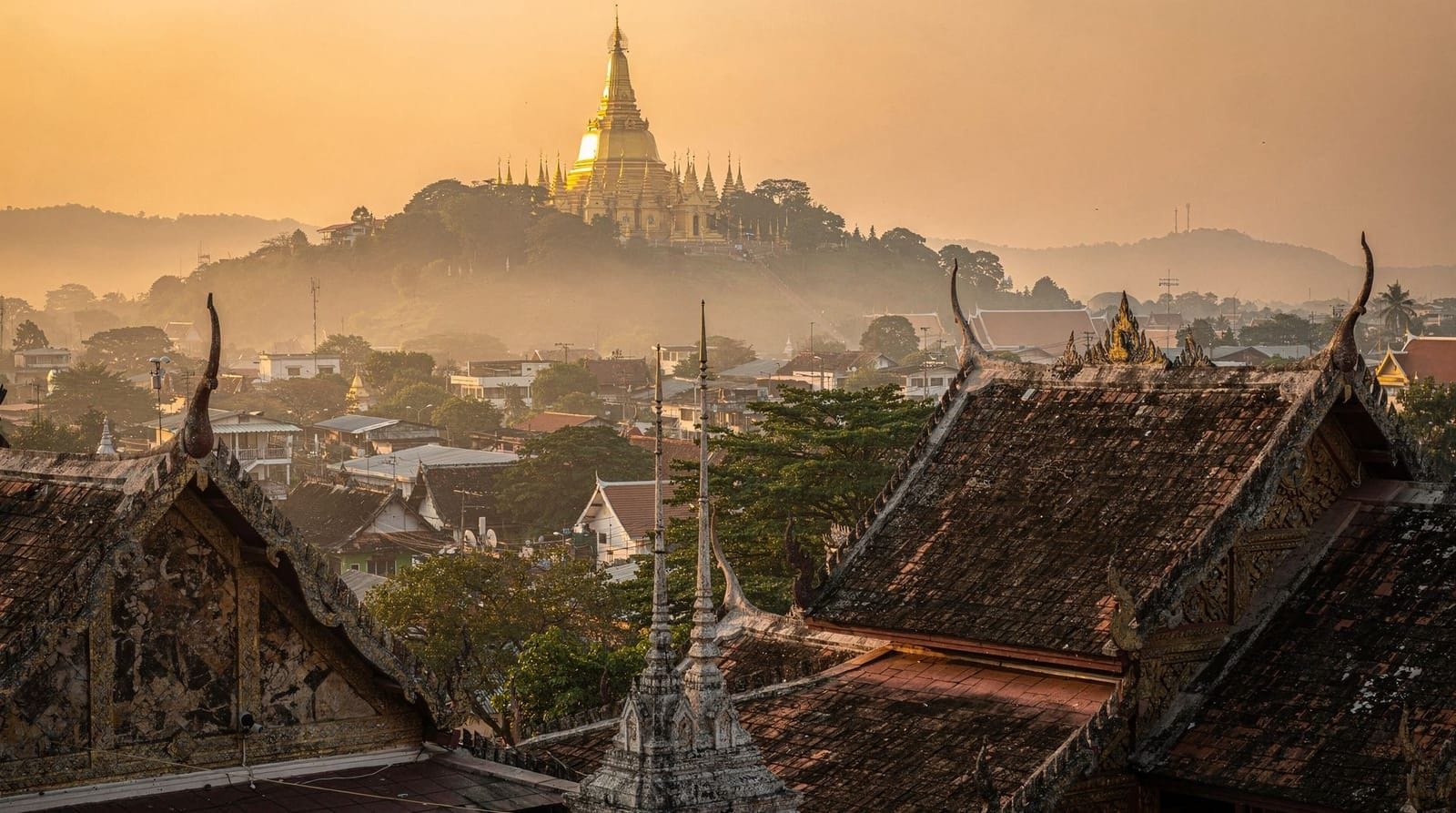
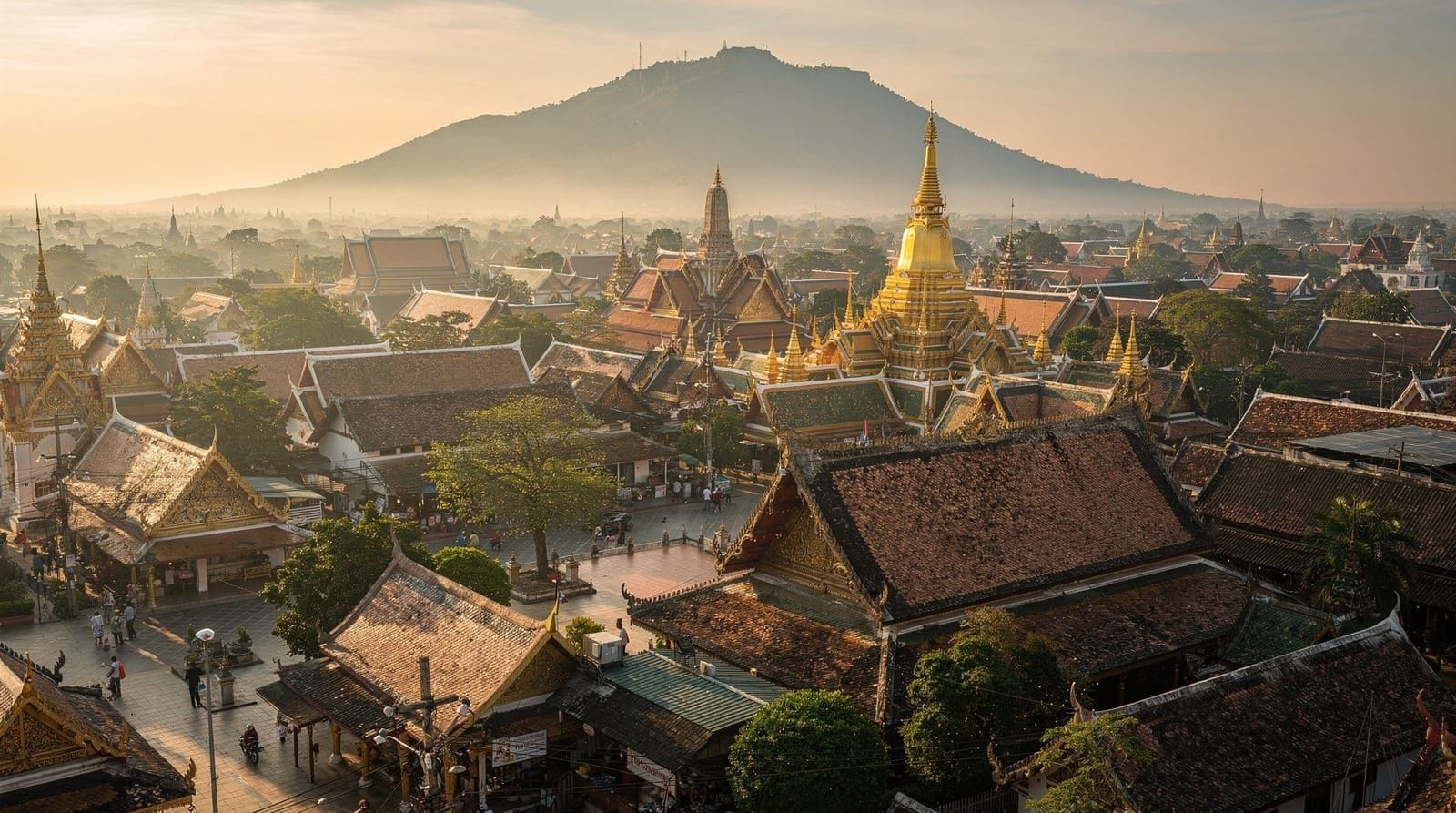
Morning. Check into a hostel in or near the Old City — this area has the highest concentration of budget hostels in the city, most walkable to everything on this list. Spend the morning temple-hopping for free or near-free: Wat Phra Singh and Wat Chedi Luang both charge modest entry fees (20-40 THB / USD 0.55-1.10) and are a 10-15 minute walk apart, easily covered on foot.
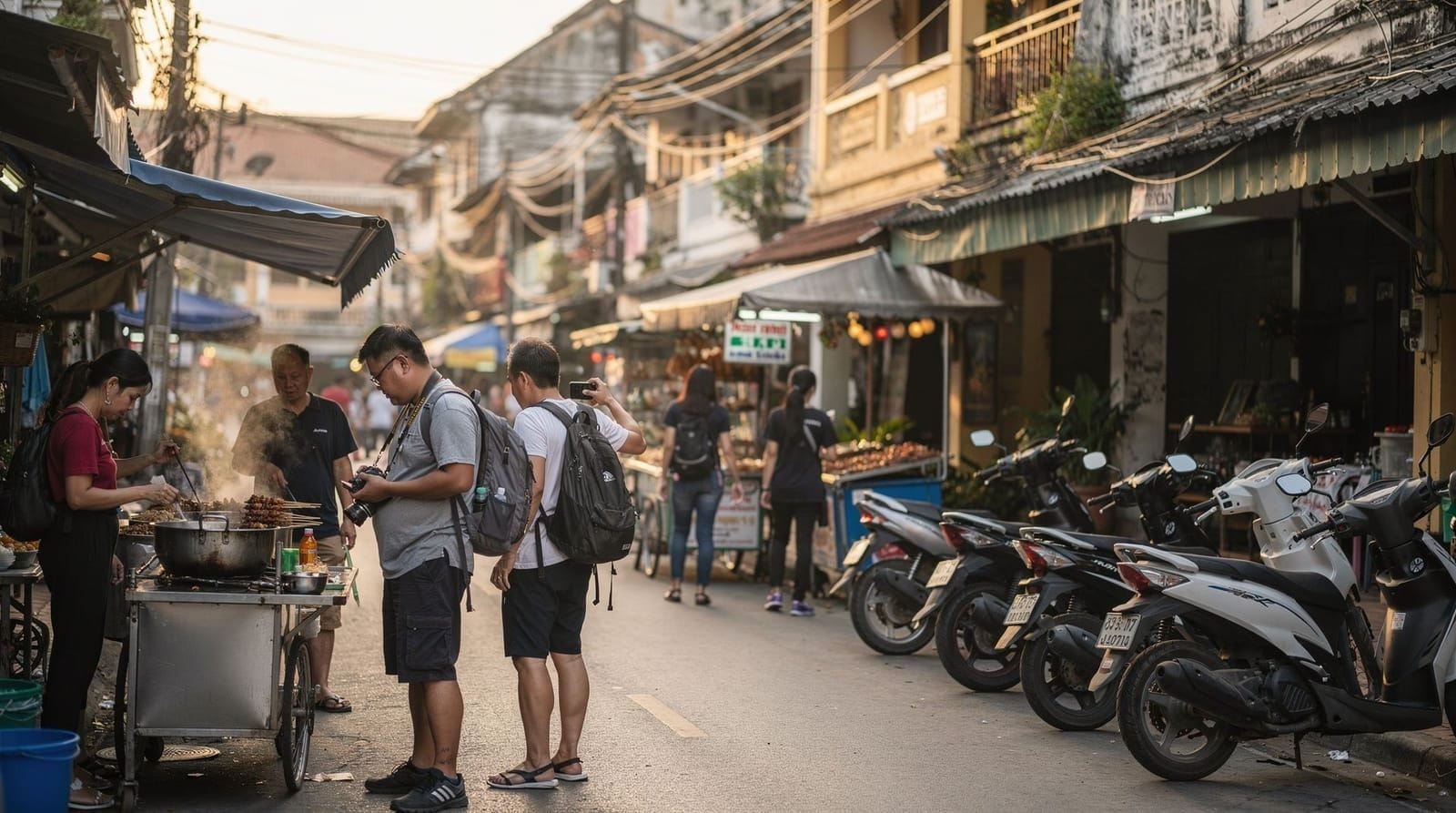
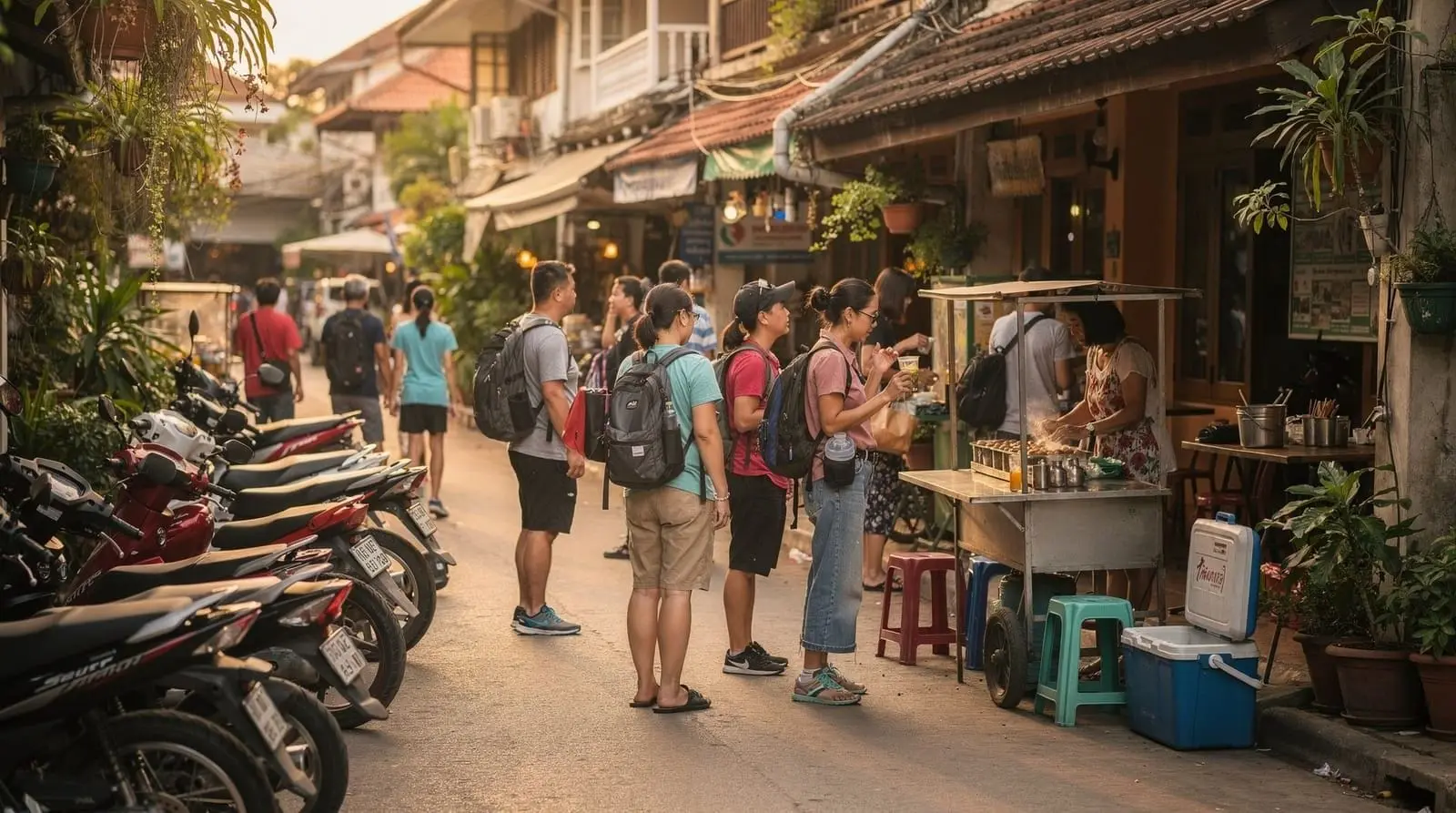
Afternoon. Continue wandering the Old City’s quieter temples, most of which are free to enter, and grab lunch at a street stall — a plate of pad thai or fried rice runs 40-60 THB (USD 1.10-1.65).
Evening. Head to Tha Phae Gate, the atmospheric east gate of the Old City, free to visit and a good evening gathering spot with food carts nearby. If your trip happens to include a Sunday, the Sunday Walking Street market starts here in the afternoon and runs along Ratchadamnoen Road — one of the best free evenings in the city, with street food and crafts stalls stretching over a kilometer.
Day 2: Warorot Market and free city sightseeing
Morning. Start at Warorot Market, a working day market with genuinely local prices — breakfast here (rice porridge, noodle soup) runs 25-40 THB (USD 0.70-1.10) a bowl, cheaper than almost anywhere else in the city.
Afternoon. Fill the afternoon with more free sightseeing — the Old City’s moat walking paths, the Three Kings Monument square, and window-shopping the crafts stalls without buying anything is a legitimate way to spend a low-cost afternoon here.
Evening. For an affordable but genuinely memorable evening, a Muay Thai match ticket at Thapae Boxing Stadium typically runs 600-1,200 THB (USD 17-33) depending on seating, a reasonable one-off splurge for live Thai boxing rather than a tourist-trap show. Our Muay Thai fight nights guide compares this stadium against the other venues in the city if you want a cheaper or more central alternative.
Day 3: Doi Suthep by shared songthaew
Morning to afternoon. Rather than booking a private tour, get to Doi Suthep the budget way: shared songthaews depart from near Chiang Mai University and Wat Phra Singh, typically costing 40-50 THB (USD 1.10-1.40) per person each way once the truck fills up — considerably cheaper than a private car or an all-inclusive tour, at the cost of some waiting time. Temple entry is 30-50 THB (USD 0.85-1.40). If you’re up for a free alternative route, the Monks Trail hiking path up from Wat Pha Lat is a genuinely rewarding hike that costs nothing but sweat, covered in our Monks Trail guide.
Evening. Head back down and have an easy, cheap dinner — this is intentionally a lighter day to balance the trekking day ahead.
Day 4: Group hill tribe trek
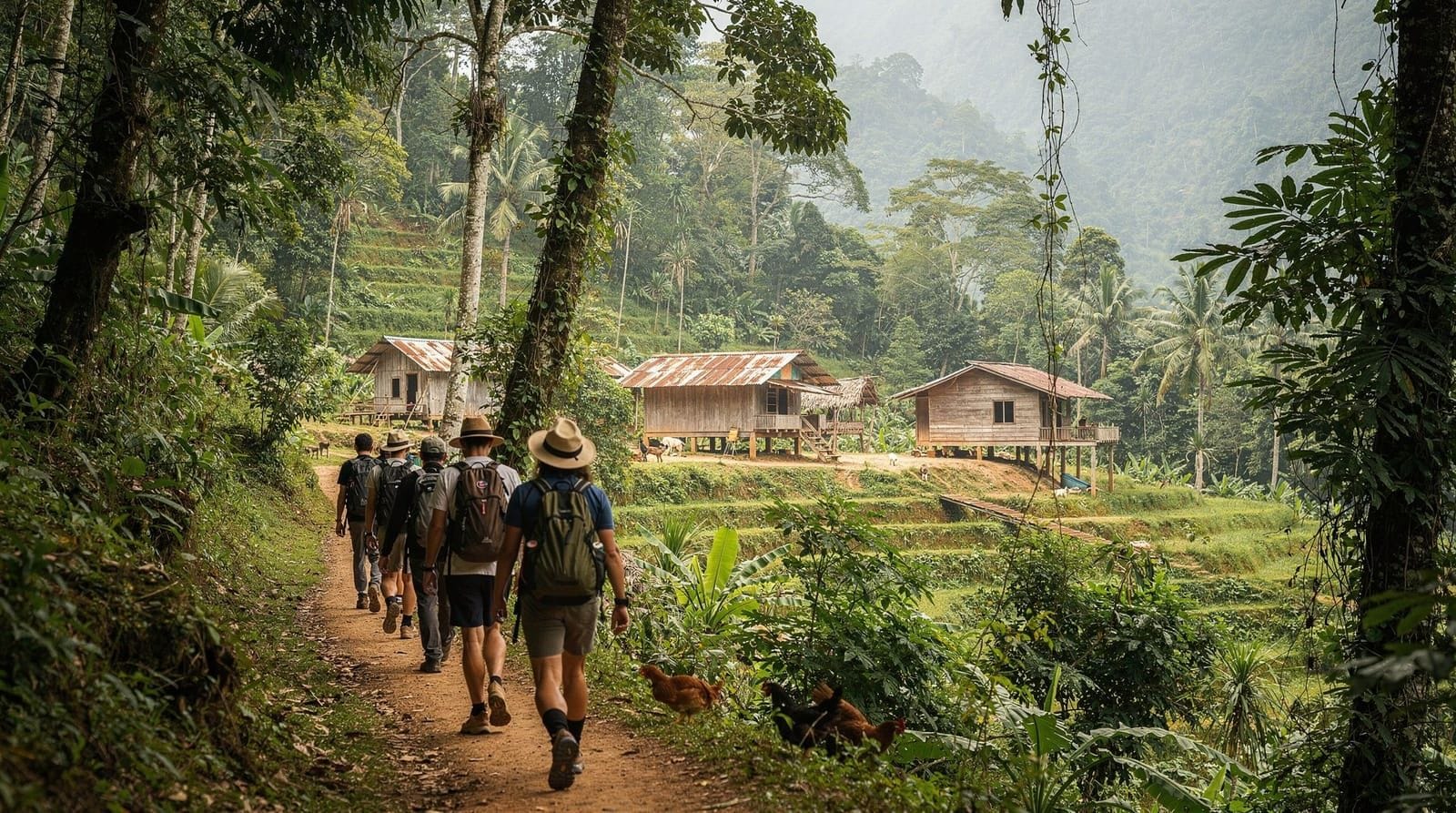
Full day. Book a full-day 5 hill tribes trek with guide and van, priced around 1,000-1,500 THB (USD 28-42) per person as a shared group tour, which is considerably cheaper than a private or multi-day overnight version and still covers a genuine day of trekking and village visits with a shared van and guide. Our one-day trekking guide compares single-day options like this against the pricier multi-day overnight treks if budget is your main constraint. Read our hill tribe village ethics guide before booking — not every operator engages with these communities respectfully, and it’s worth choosing one that does.
Evening. A tired, early night after a full day of walking is a realistic and legitimate plan.
Day 5: Ethical elephant sanctuary, then a final market crawl
Morning to afternoon. Close the trip with a group-rate Elephant Jungle Sanctuary half-day tour with lunch and transfer, priced around 1,200-1,600 THB (USD 33-44) per person for the half-day group format — noticeably cheaper than a private sanctuary tour while still avoiding riding camps entirely, which our elephant riding guide explains is worth avoiding regardless of budget, both ethically and because riding camps aren’t actually cheaper as a rule.
Evening. For a final low-cost evening, do a self-guided food crawl through the night markets rather than booking a paid tour — our street food guide maps a route, or join the affordable self-guided walking food tour option if you’d rather have a set plan for your last night.
Tourist traps to actually avoid on a budget
Budget travelers are, if anything, more exposed to overpriced tourist traps than mid-range travelers, since a few bad bookings can blow out an otherwise tight budget. Gem and jewelry “government shops” that tuk-tuk drivers steer you toward on a “too good to be true” cheap fare, inflated prices at stalls immediately outside major temple gates, and elephant riding camps marketed as “sanctuaries” without actually being one are the three worth knowing about specifically. Our tourist traps guide and scams to avoid guide cover the full list in more detail — five minutes of reading that can save real money on a tight budget.
Packing light and hostel practicalities
Traveling with a single backpack rather than a suitcase makes moving between hostels and catching shared songthaews genuinely easier, and it’s worth packing accordingly: quick-dry clothing that doesn’t need ironing, a padlock for hostel lockers (some provide them, many don’t), and a basic first-aid kit, since budget trekking and elephant sanctuary activities carry a real chance of minor scrapes or bug bites. A power bank is worth carrying too, since long trekking and sanctuary days don’t always offer convenient charging spots. Earplugs are a small but genuinely useful item for dorm rooms, where other guests keep different schedules than you.
Most Old City hostels include free basic breakfast and a common area that doubles as a place to meet other travelers to split tour costs — asking at your hostel’s front desk whether other guests want to join a private trek or tour to bring the per-person price down is a legitimate and common budget-travel tactic here, on top of the group rates already built into this itinerary.
Budget summary
Across five days, plan for roughly:
- Dorm bed: 200-400 THB (USD 5.50-11) per night
- Food (mostly street food and markets): 250-400 THB (USD 7-11) per day
- Local transport (songthaew): 100-200 THB (USD 2.75-5.50) per day
- Muay Thai ticket: 600-1,200 THB (USD 17-33), one-off
- Group hill tribe trek: 1,000-1,500 THB (USD 28-42), one-off
- Elephant sanctuary group tour: 1,200-1,600 THB (USD 33-44), one-off
Total for the five days, excluding flights, typically lands between 6,500 and 9,500 THB (USD 180-264) per person — genuinely one of the more affordable multi-day city trips available in the region.
Stretching the budget further if you’re staying longer
If five days turns into a longer stay, a few adjustments bring the daily average down further. Monthly or weekly hostel rates typically run noticeably cheaper per night than booking single nights at a time, and it’s worth asking directly at the front desk rather than assuming the online listed rate is the only option. Cooking your own food is rarely worth it in Chiang Mai specifically, since street food is often cheaper than buying and preparing groceries yourself — a rare case where eating out is the actual budget option rather than the splurge. For a longer stay, a monthly gym or coworking membership can also work out cheaper per visit than day-rate options if you plan to use either regularly, though neither is necessary for the five-day version of this itinerary.
Frequently asked questions about this Chiang Mai budget backpacker itinerary
Is Chiang Mai cheaper than Bangkok for backpackers?
Generally yes for accommodation and day tours, though street food prices are broadly similar. Our Chiang Mai vs Bangkok comparison guide covers the fuller picture if you’re deciding between the two.
Can I really see the temples for free?
Some are free, but the most significant ones (Wat Phra Singh, Wat Chedi Luang) charge a modest entry fee of 20-50 THB — genuinely low cost rather than truly free, but still a fraction of comparable sites elsewhere.
Is it worth paying extra for a private trek instead of a group one?
Not usually for budget travelers — the group format covers the same villages and waterfalls at a fraction of the private-tour price, with the trade-off being a larger group and a fixed schedule.
How do I avoid getting overcharged as an obvious tourist?
Agree on songthaew fares before getting in if it’s a private negotiation rather than a shared route, and be skeptical of any “special deal” offered by a tuk-tuk or songthaew driver that involves a detour to a shop.
Is a dorm bed safe for solo budget travelers?
Yes, established hostels in the Old City generally have lockers and reasonable security — read recent reviews before booking rather than choosing on price alone.
Do I need travel insurance for a budget trip like this?
Yes — trekking and elephant sanctuary activities carry some inherent risk, and budget travel is exactly the scenario where an unexpected medical cost could derail the whole trip financially.
Can I do this itinerary without booking any tours at all?
Mostly, yes — Days 1, 2, 3, and the evening of Day 5 require no paid tour bookings at all. Only the trekking and elephant sanctuary days genuinely benefit from a group tour over doing it entirely independently.
What’s the cheapest way to get from the airport to the Old City?
A metered taxi or Grab typically runs 100-180 THB (USD 2.75-5) for the short airport-to-city distance — see our airport transport guide for the full comparison of options.
Top experiences
Bookable activities with verified prices and instant confirmation on GetYourGuide.