Why we keep coming back to Chiang Mai
Three trips in, over four years, and we’re already loosely planning a fourth. That’s not something we can say about most places we’ve traveled, and it took us a while to actually articulate why Chiang Mai specifically keeps doing this to us, rather than treating it as a given.
Comparing notes with friends who’ve only been once
A few friends who’ve done a single Chiang Mai trip have described it, kindly but honestly, as “nice but not somewhere I’m rushing back to,” which used to puzzle us until we compared notes properly. Almost all of them had done the efficient, cover-everything version of the first trip we also did, and none had gone back a second time to test whether a slower, less comprehensive visit changed the experience. We don’t think that makes their read of the city wrong exactly — a single checklist trip is a genuinely different product from what we’ve since built across three visits — but it does mean the two of us may simply be describing a different city than a first-time visitor experiences on paper.
The first trip was about seeing things; the others weren’t
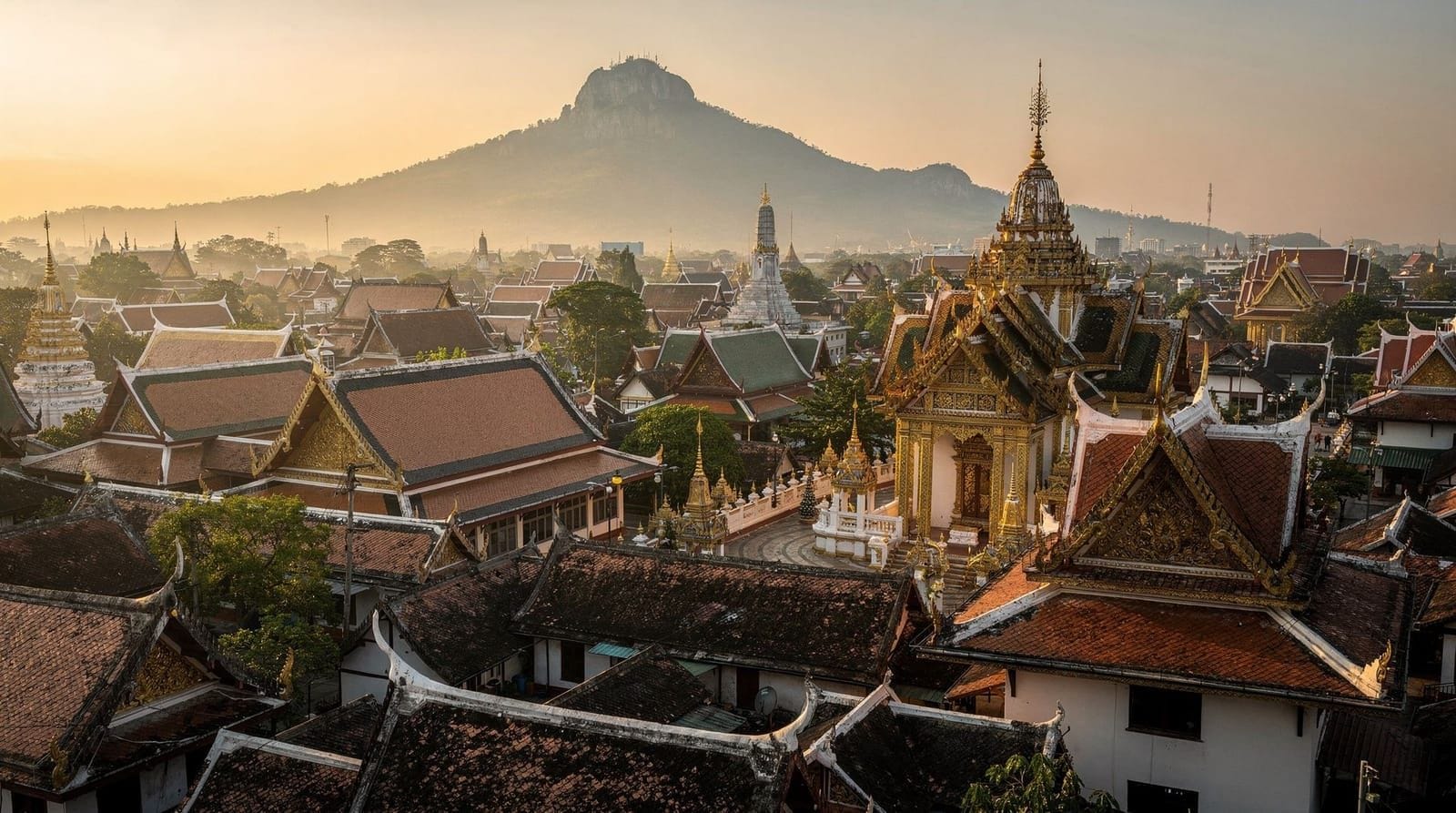
Our first visit was, honestly, a checklist trip — Doi Suthep, the Old City temples, an elephant sanctuary, a couple of day trips, executed efficiently and enjoyably but with the underlying goal of covering ground. It was a good trip. It just wasn’t the kind of trip that explains a third and fourth visit on its own. What changed on the second and third trips is that we stopped trying to see new things and started returning to specific, smaller experiences we’d only partially explored the first time, and started deliberately leaving longer stretches of each day unplanned.
Wat Umong, revisited slowly
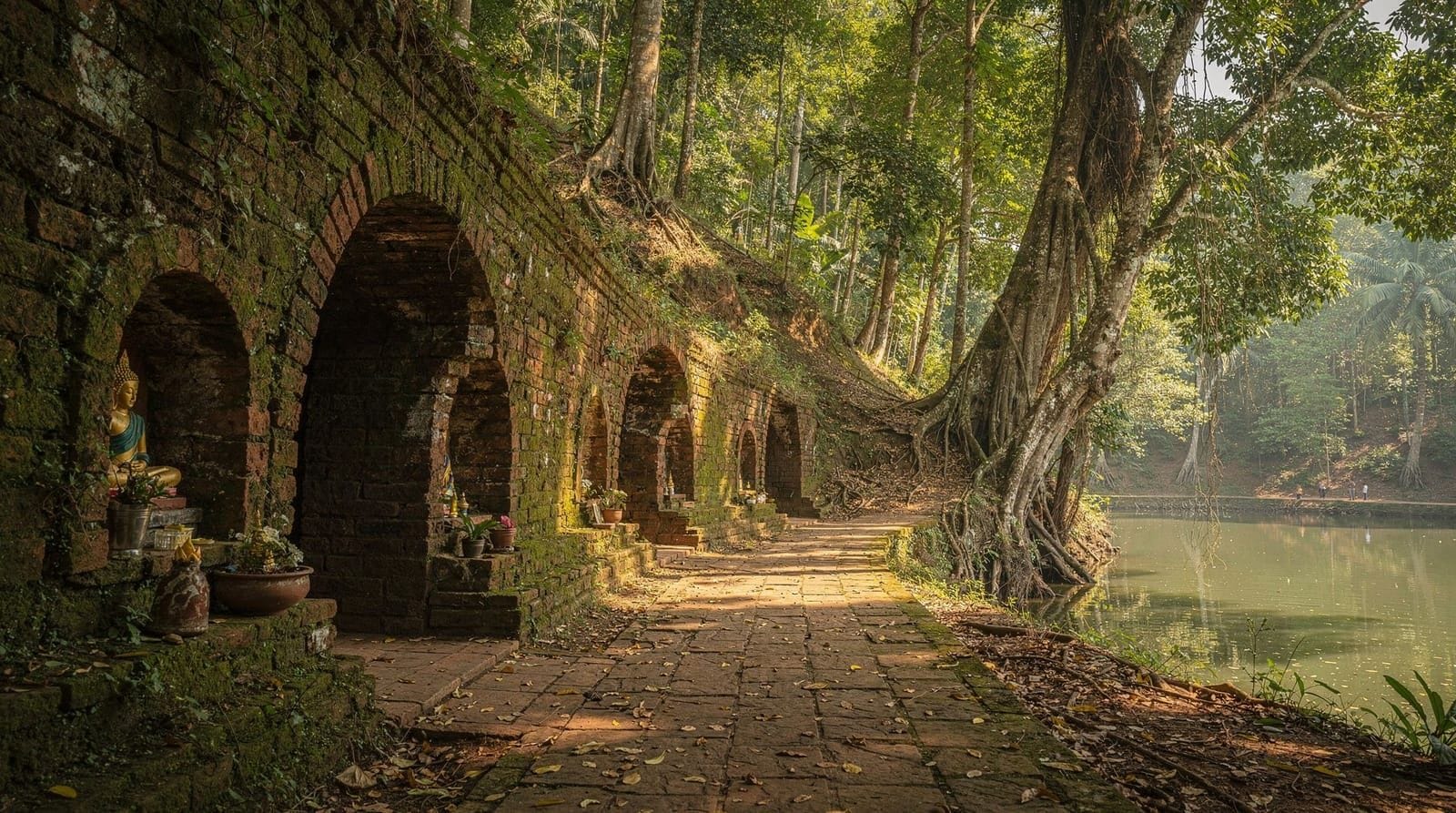
We’d given Wat Umong’s forest tunnels and talking trees maybe forty minutes on our first visit, treated as one stop among several that day. On our second trip, we went back alone, mid-afternoon, with nowhere else booked, and stayed close to two hours doing very little beyond sitting near the lake and walking the tunnel paths without any particular destination in mind. It’s the same physical place, but a completely different experience once you’re not trying to fit it into a schedule, and it’s genuinely changed how we think about temple visits generally — less about seeing the highlights, more about giving a place enough time to actually register.
The cooking class that turned into an actual skill
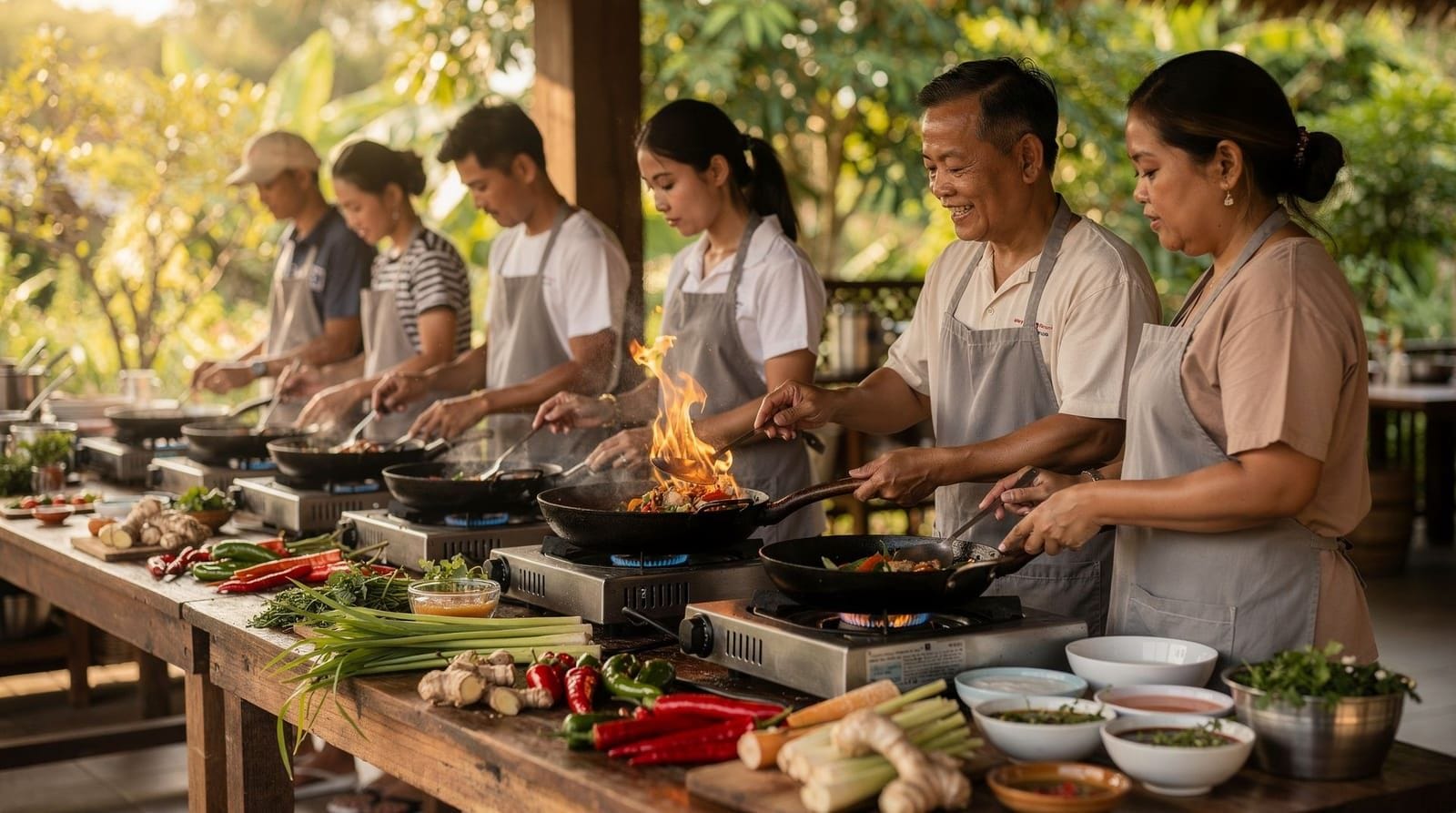
On our second trip we took a half-day Thai cooking class mostly as a standard tourist activity, expecting a pleasant one-off experience. It turned into something we’ve kept using since — we still make a version of the curry paste technique we learned at home, and the market-visit component of the class gave us a genuinely different, more informed way of walking through Warorot Market on later visits, recognizing ingredients we’d have walked past as unlabeled produce before. It’s a small thing, but it’s the kind of skill that keeps paying dividends well after the trip ended, in a way most single-day tourist activities don’t.
Lanna cooking class at grandma’s homeMae Kampong, and the appeal of a place with nothing urgent to do
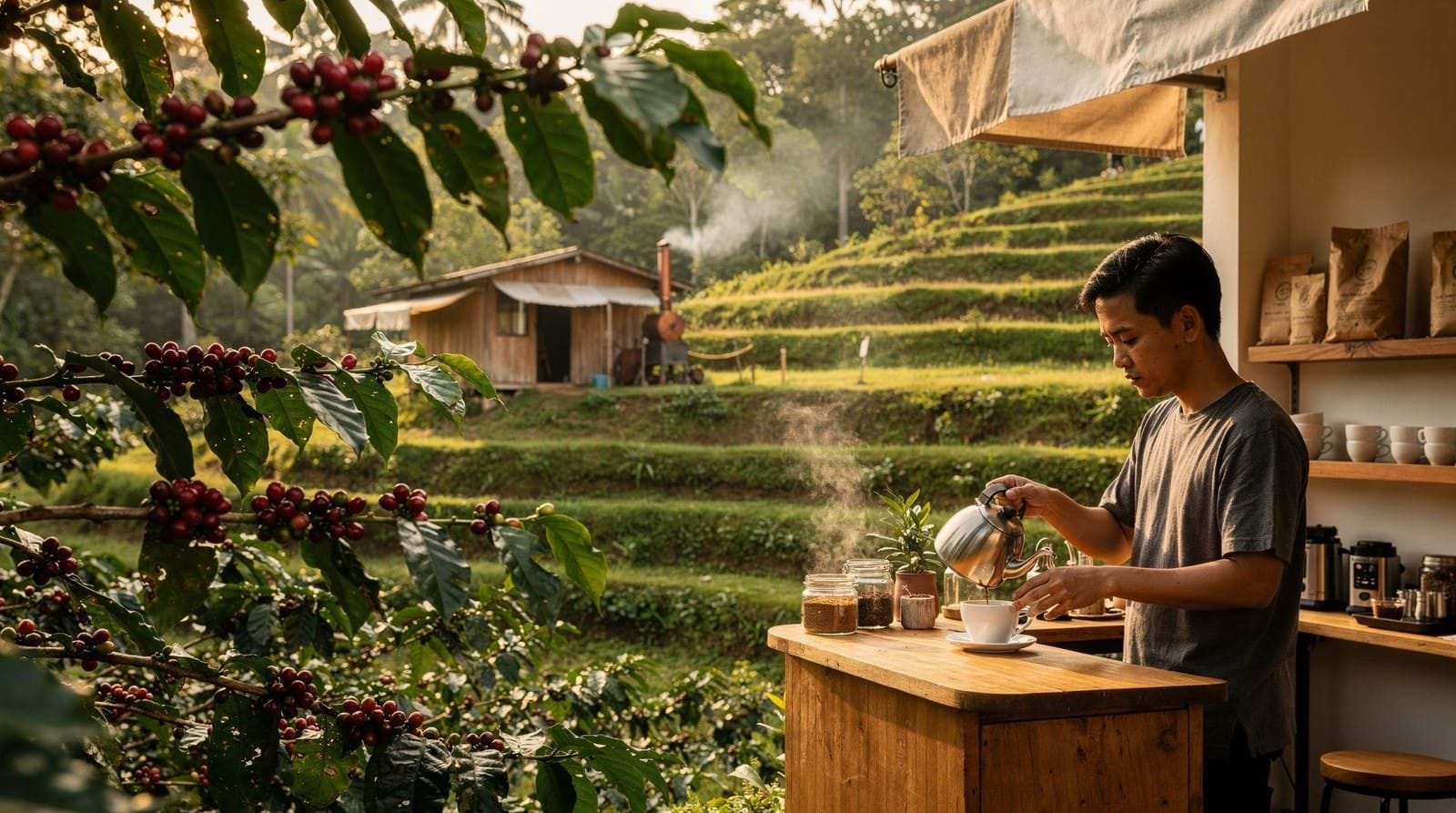
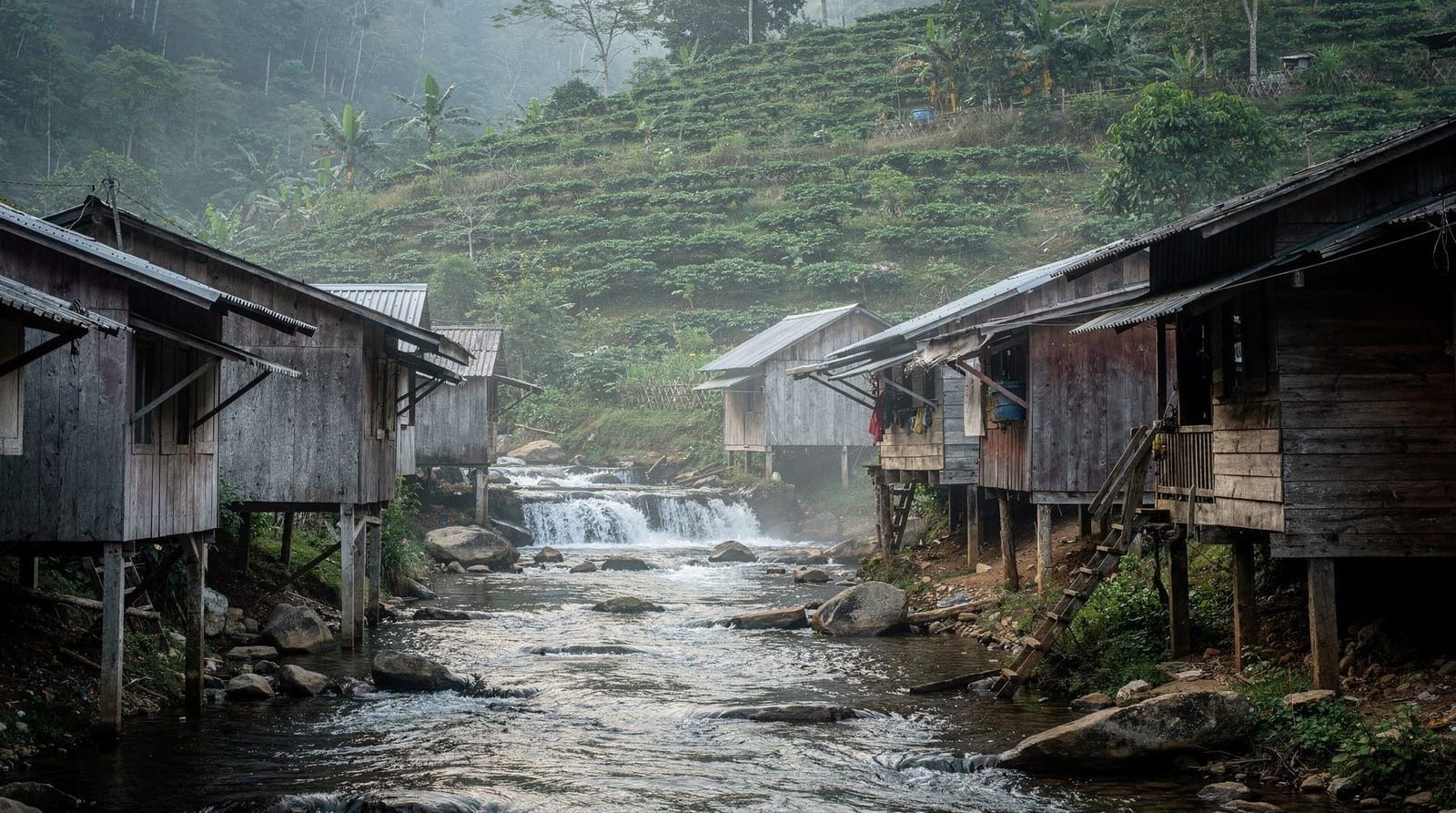
Mae Kampong village has become something close to a ritual stop on each return trip — not because there’s a growing list of things to do there, but specifically because there isn’t. A quiet mountain village, a waterfall, home-based coffee, and genuinely little pressure to be anywhere or see anything specific. It’s become the place we go when we want the opposite of an itinerary, and that’s a different kind of value than anywhere else on our usual list offers. Each visit has looked almost identical to the last, and that’s precisely the point.
The city rewards familiarity in a way we didn’t expect
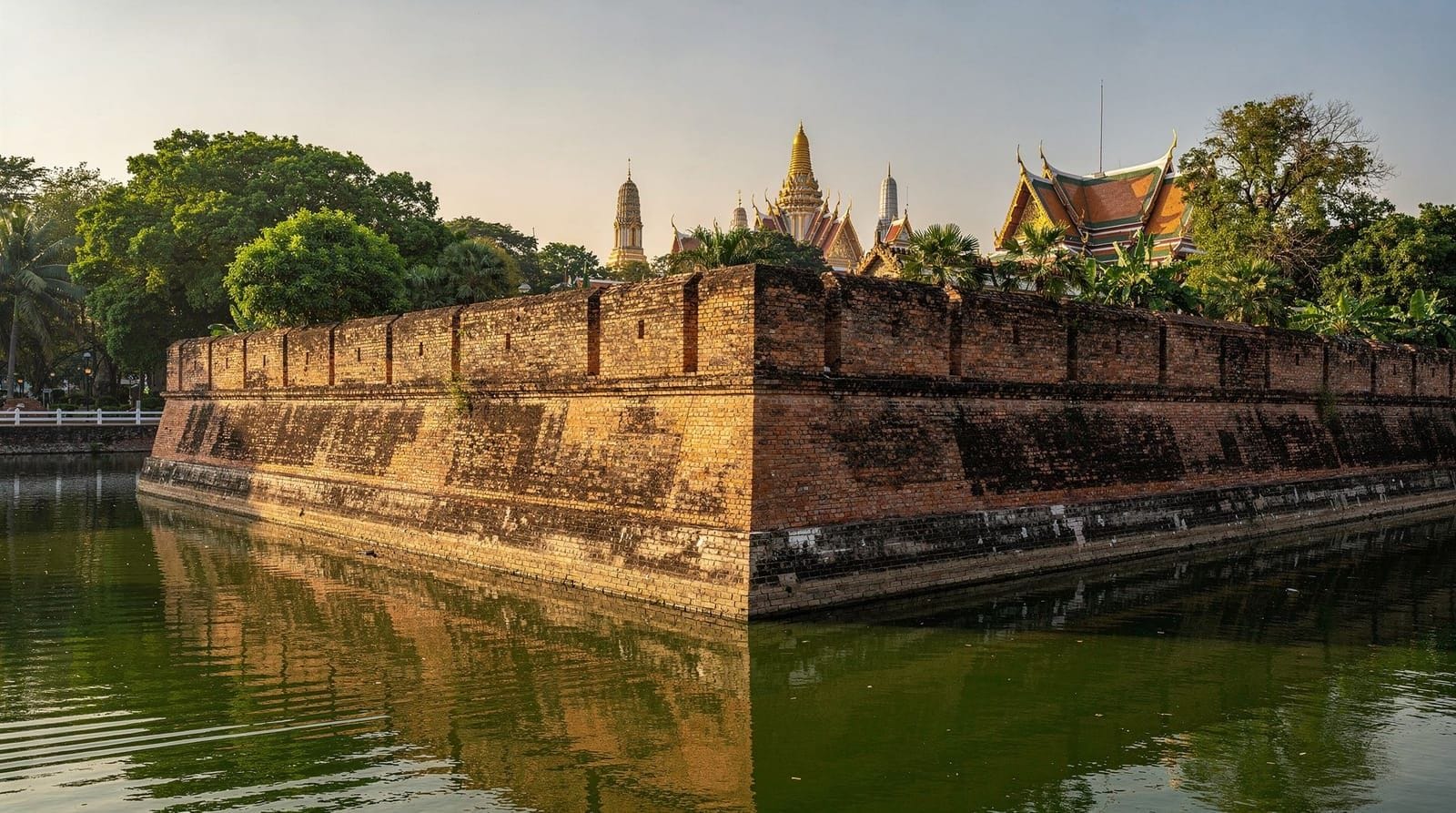
Something we noticed only after the second trip: Chiang Mai’s layout, scale, and pace reward the kind of low-level familiarity you build up gradually — knowing which songthaew routes actually run where, which market stalls are worth the walk, which quieter soi off the main Nimman strip has the good coffee without the queue. None of this is information you can front-load from a guide before a first trip; it accumulates, and each return trip starts from a meaningfully higher baseline of comfort than the last, which changes what the trip is even for. Our first trip was about learning the city; our later trips have been about actually living in it, briefly.
We’ve stopped going for the highlights and started going for the gaps
Our most recent trip had almost nothing on the traditional highlights list. We skipped Doi Suthep entirely, having done it properly on two previous visits, and instead spent unhurried time in Old City neighborhoods we’d walked through quickly before but never actually sat in, plus a full extra day in Mae Kampong with no plan beyond being there. It was, by a wide margin, the most relaxed of the three trips, and arguably the one we enjoyed most, precisely because it wasn’t built around obligation to see anything specific. Our underrated things to do guide covers a few of the smaller spots this approach has turned up for us over the years.
Whether this approach would work on a first trip
We’d be cautious recommending “don’t plan anything” to someone visiting for the first time — the slower, gap-filling version of Chiang Mai we’ve grown into only really works because we already have the highlights covered from earlier visits. A genuine first trip probably does need Doi Suthep, the Old City temples, and at least one signature activity like an ethical elephant sanctuary, if only so you know what you’re choosing to skip on a later, slower visit. The unstructured approach is something we’d suggest growing into over a second or third trip rather than starting with.
What we’ve noticed changing about the city itself, trip to trip
It’s not just us that’s changed across these visits — the city has too, in small but noticeable ways. Nimman’s café density has visibly grown between our second and third trips, with buildings we remembered as guesthouses now converted to yet another specialty coffee shop, and a couple of restaurants we’d returned to specifically have since closed or changed hands entirely. None of this has been for the worse exactly, but it’s a reminder that “going back” to a favorite spot occasionally means finding it’s become something slightly different than the version we fell for the first time, which is its own small argument for not waiting too many years between return trips.
The one thing that hasn’t changed across three trips
Despite everything above about slowing down and skipping highlights, one thing has stayed constant across all three visits: we still make time for at least one genuinely good coffee stop in Nimman every single trip, usually more than once. It’s become less a sightseeing stop and more a kind of anchor point for each visit, the one activity we’ve never once considered cutting regardless of how differently we’ve planned everything else around it.
Would we ever get tired of it
It’s a fair question, and an honest answer is: probably eventually, but not yet, and not for reasons we can currently identify in advance. Each of the three trips has genuinely felt distinct from the last, not because we sought out novelty for its own sake, but because slowing down naturally surfaced different details each time — a different café, a different quiet corner of a temple we thought we already knew well. We suspect the trips that would eventually feel repetitive are the checklist kind, and we’ve deliberately steered away from that model precisely to avoid reaching that point too soon.
What keeps pulling us back
It’s not any single attraction, honestly, even the ones we’ve written about elsewhere on this site with real enthusiasm. It’s the accumulation of a place that rewards slowness — a genuinely good, serious coffee scene that keeps improving each visit, temples that remain quietly worth revisiting rather than one-and-done photo stops, and a pace of life in the surrounding villages that we haven’t found replicated elsewhere in the region at quite the same combination of accessibility and calm. If you’re on your first trip and wondering whether this is a place worth a return visit, our own answer, three trips in, is straightforwardly yes — though our advice would be to under-plan the third trip more than you think you should, and let the gaps do some of the work. For anyone just getting oriented before that first visit, our first-time guide covers the basics we wish we’d absorbed faster the first time around.